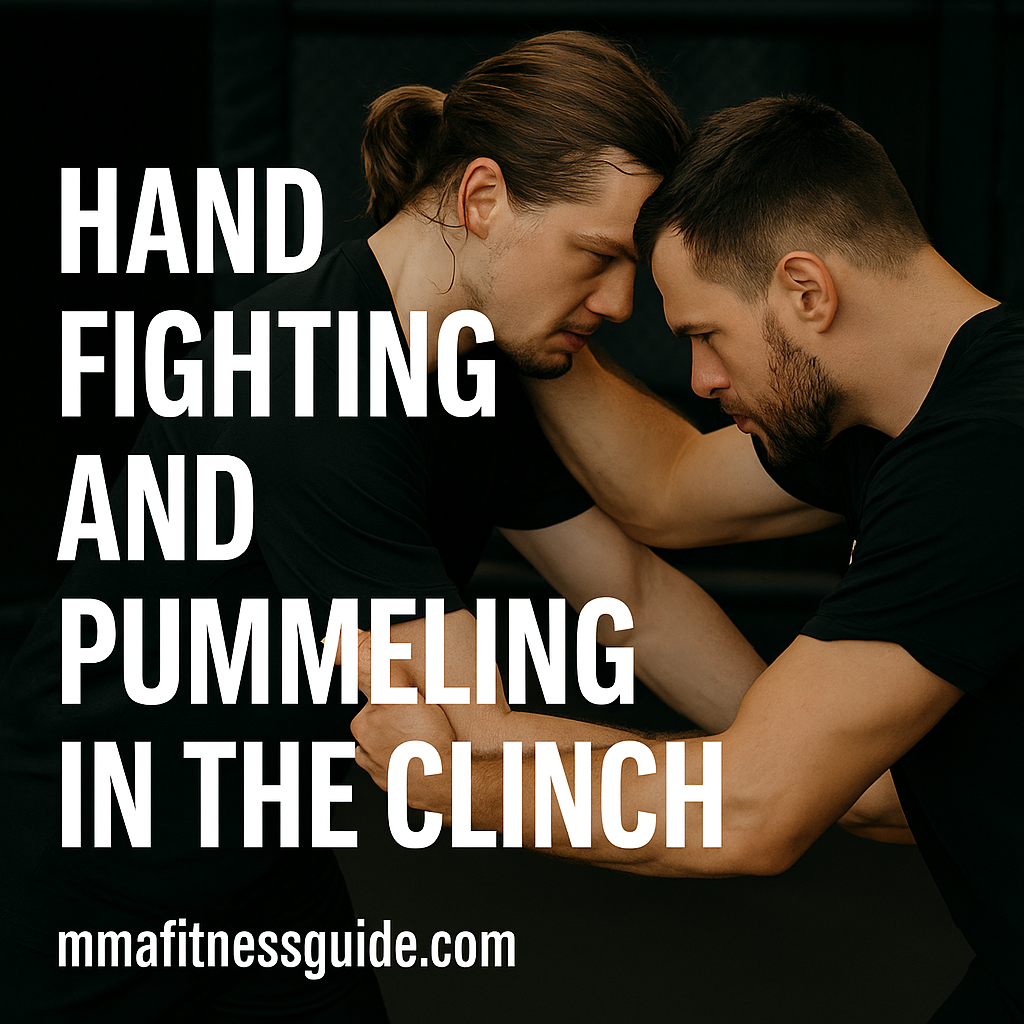
Hand Fighting and Pummeling in the Clinch

Two MMA fighters practicing hand fighting and pummeling in a clinch position inside a gym, with the article title displayed on the left.
Two fighters working pummeling and inside-control techniques in the clinch

Hand fighting and pummeling are two of the most important — yet often overlooked — skills in clinch work. Whether you’re fighting in MMA, Muay Thai, wrestling, or grappling, the clinch is a battlefield of micro-adjustments, grip fighting, and positional control. The fighter who wins the hand battle usually wins the clinch.

In MMA, mastering these skills allows you to neutralize strikes, create dominant positions, defend takedowns, and set up your own offense with far more efficiency.

Continue reading “Hand Fighting and Pummeling in the Clinch”

Best Supplements for Joint Fitness

A set of supplement bottles and capsules arranged on a gym surface with kettlebells in the background, featuring the text Best Supplements for Joint Fitness.
Supplement bottles and capsules

Joint health is one of the most overlooked parts of MMA and combat sports training — until pain shows up. Whether you’re striking, sprawling, grappling, or grinding through conditioning, your joints take constant impact. Supporting them with the right supplements can reduce inflammation, improve mobility, and help you recover faster between sessions.

This guide breaks down the best supplements for keeping your joints strong, stable, and fight-ready.

Continue reading “Best Supplements for Joint Fitness”

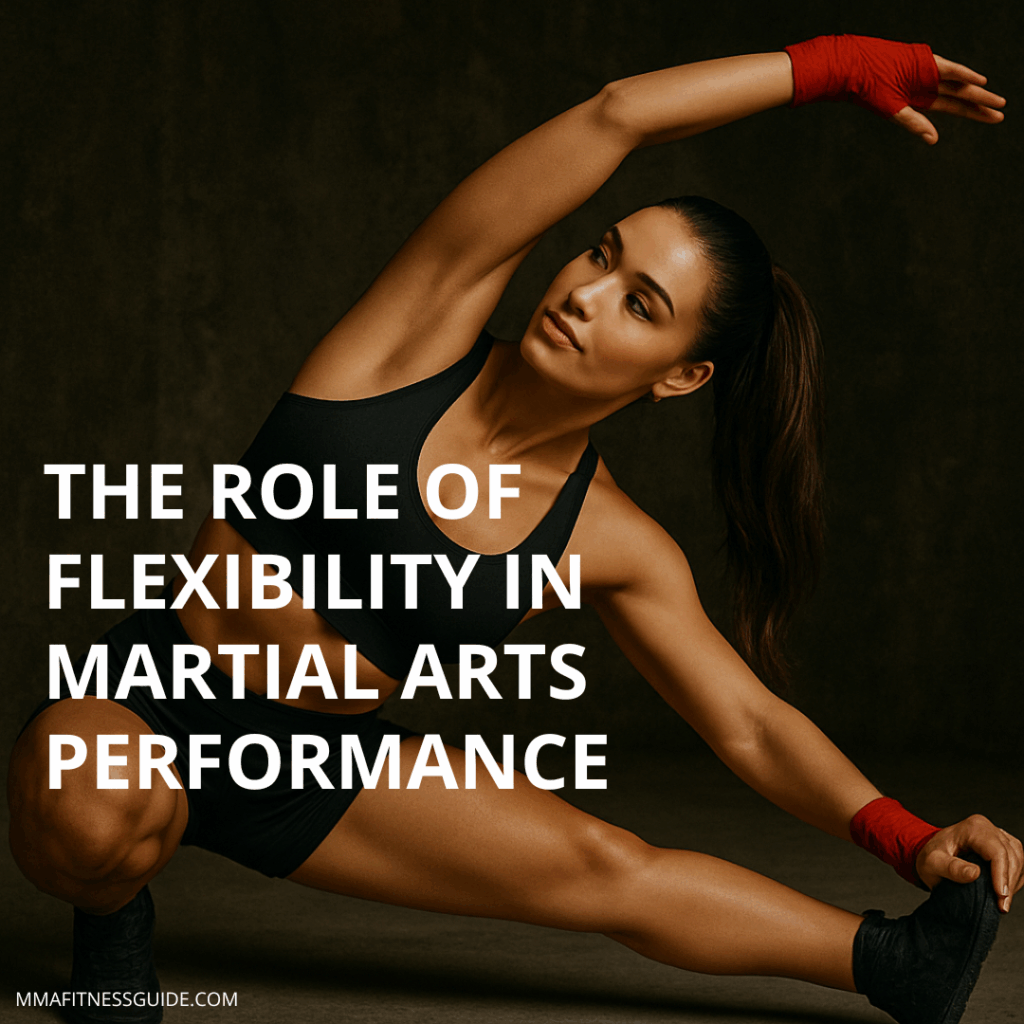
The Role of Flexibility in Martial Arts Performance

A focused female mixed martial artist performs a deep side stretch in a dark, gritty gym setting, highlighting her strength, flexibility, and red hand wraps.
A mixed martial arts athlete stretches, showing strength and flexibility.

Flexibility isn’t just about high kicks or flashy movements — it’s a foundational part of martial arts performance. Whether you’re striking, grappling, or transitioning between positions, flexibility helps you move efficiently, avoid injury, and maintain control under pressure.

Continue reading “The Role of Flexibility in Martial Arts Performance”

MMA: Launch a Niche Podcast in MMA

Two podcast hosts recording an MMA show together, speaking into microphones with headphones on.
Podcast hosts discussing MMA topics during a recording session.

The MMA world is packed with stories, insights, techniques, controversies, and behind-the-scenes perspectives — and a niche MMA podcast is one of the best ways to build authority, create community, and open doors in the industry. Whether you’re a coach, fighter, analyst, or passionate fan, a focused podcast can help you carve out your own lane.

Continue reading “MMA: Launch a Niche Podcast in MMA”

MMA: Reset After a Slump

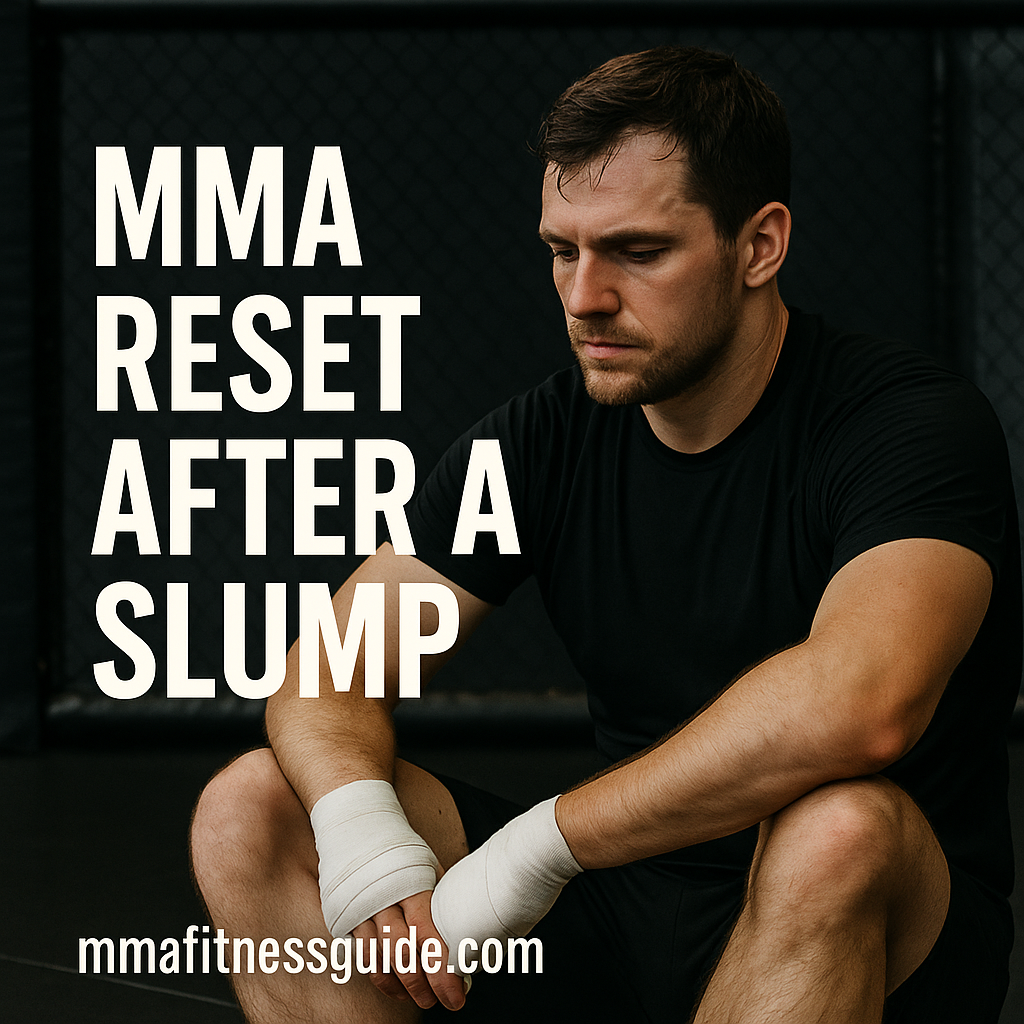
Male MMA fighter sitting on the gym floor with wrapped hands, reflecting during a training slump.
Male MMA athlete taking a moment to reset and refocus after a training slump.

Every fighter — beginner or experienced — eventually hits a slump. Training feels heavier, motivation dips, and even simple drills start to feel like a chore. Slumps don’t mean you’re weak or uncommitted. They’re a natural part of growth, signaling it’s time to reset, reflect, and rebuild momentum with purpose.

Continue reading “MMA: Reset After a Slump”

MMA: Build a Home Workout Space

Male athlete setting up blue mats in a home MMA workout space with gloves and training equipment.
Male MMA beginner preparing a home workout area with mats and basic training gear.

You don’t need a full gym or fancy equipment to train like an MMA athlete. With a smart setup and the right essentials, you can build a home workout space that supports striking, strength training, conditioning, and mobility. Whether you’re a beginner or starting on a budget, creating your own training zone can transform your consistency and progress.

Continue reading “MMA: Build a Home Workout Space”

Karate Fighters Who Succeeded in MMA

Collage of famous MMA fighters with karate backgrounds, including both male and female athletes.
Collage of karate-based MMA fighters who found success in modern mixed martial arts.

Karate has always held a unique place in the world of martial arts — fast footwork, explosive kicks, and precision timing. While early MMA criticized traditional styles, several karate-based fighters proved that its techniques could be devastating when adapted to modern combat. These athletes didn’t just compete; they reshaped how striking is understood in MMA.

Continue reading “Karate Fighters Who Succeeded in MMA”

Channeling Nerves into Performance

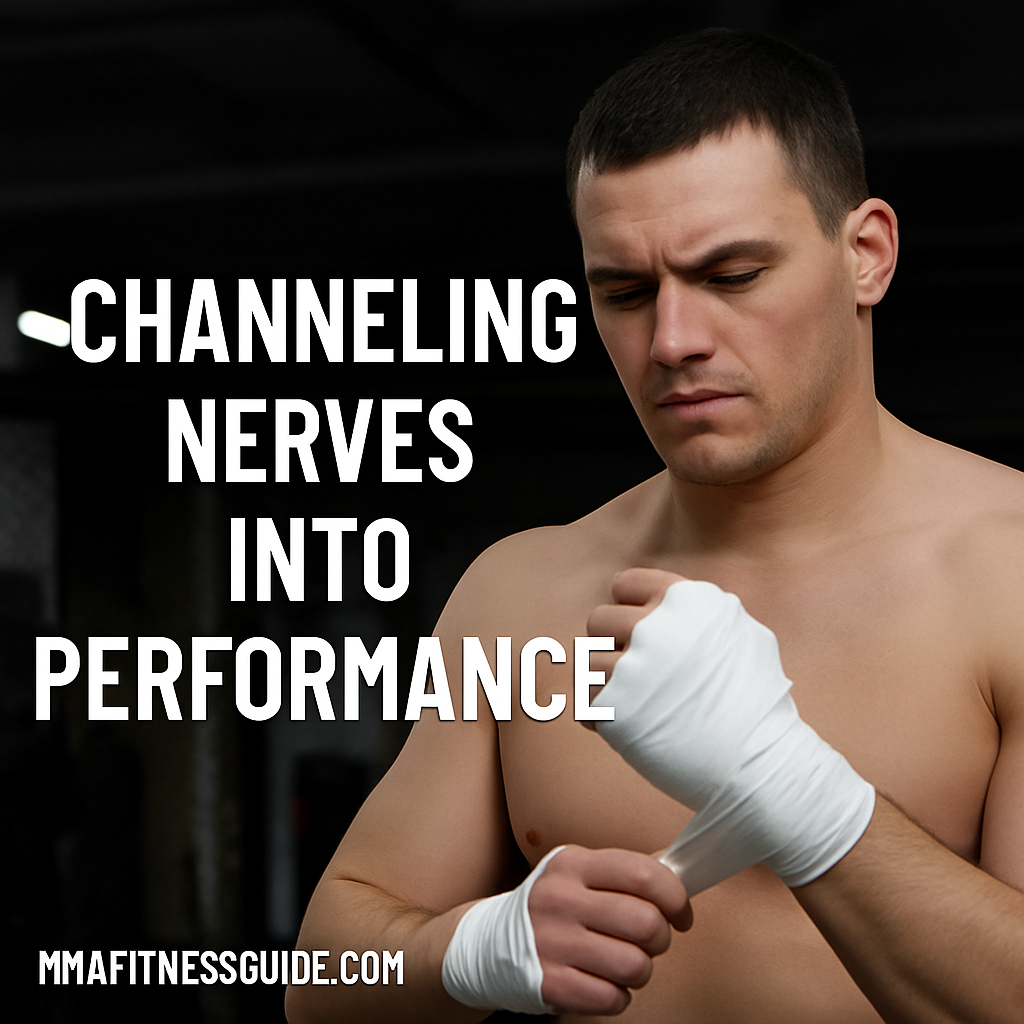
Male MMA fighter wrapping his hands before training, representing how to channel nerves into performance.
Male MMA athlete preparing for training by focusing nervous energy into performance.

Even the best fighters in the world feel nervous before sparring, competition, or tough training sessions. Nerves are not a sign of weakness — they’re a sign that your mind and body are preparing for something meaningful. The real skill is learning how to channel that energy into sharp focus and peak performance.

Continue reading “Channeling Nerves into Performance”

Building Durable Shoulders and Hips

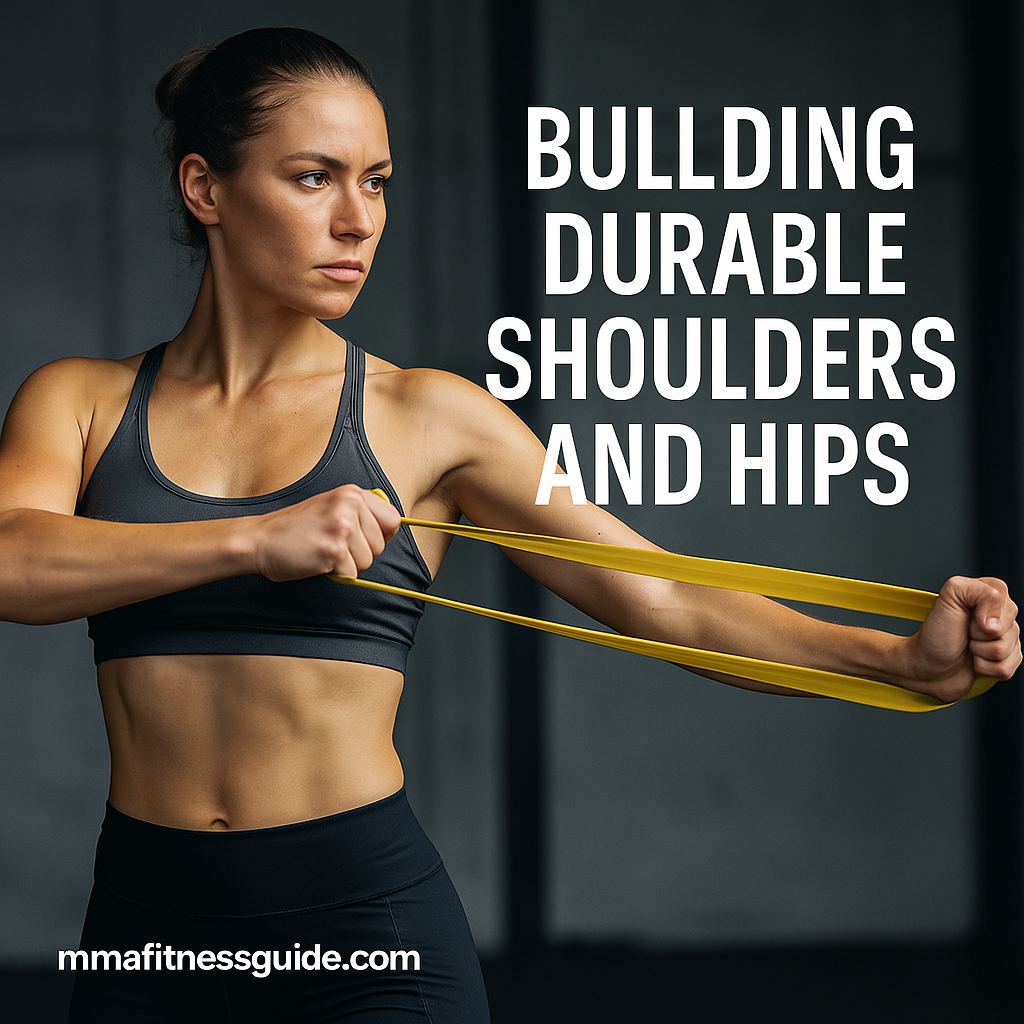
Female athlete performing resistance band shoulder exercise to build durable shoulders and hips.
Female MMA athlete strengthening shoulder and hip stability with resistance band training.

Shoulders and hips are two of the most stressed areas in MMA. From explosive strikes to grappling scrambles and takedown battles, these joints take constant impact, torque, and load. Building durable shoulders and hips isn’t just about strength — it’s about mobility, stability, and long-term resilience.

Continue reading “Building Durable Shoulders and Hips”

Headgear vs No Headgear: Pros and Cons

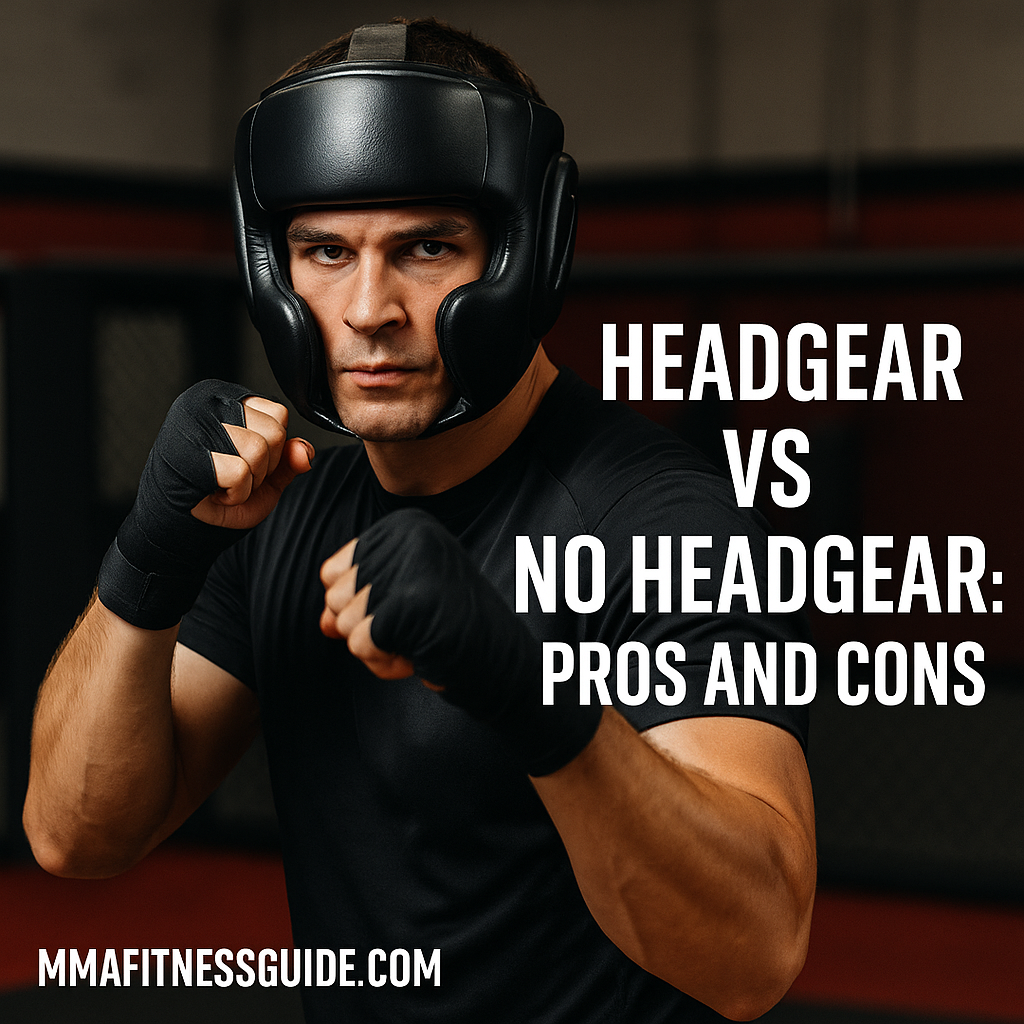
Male MMA fighter wearing black headgear in a gym, posing in a fighting stance for an article about headgear versus no headgear.
Male MMA athlete wearing protective headgear during sparring training.

Whether or not to wear headgear during MMA sparring is one of the most debated topics in combat sports. Some fighters swear by the added protection, while others argue it creates bad habits or gives a false sense of security. The truth? Both approaches have legitimate benefits — depending on your goals, experience level, and training intensity.

Continue reading “Headgear vs No Headgear: Pros and Cons”