Celebrating Small Wins to Stay Motivated

Female MMA fighter smiling after training beside a checklist showing completed rounds, improved footwork, and daily progress.
Recognizing improvements in technique, conditioning, and consistency helps fighters appreciate their progress between major milestones.

Last month, you struggled to finish three rounds of sparring without losing your technique. Today, you complete all three, maintain your guard, and recover more comfortably between rounds. You didn’t win a championship or master a new submission, but something has clearly improved. If you’re only measuring progress through victories, belt promotions, or dramatic physical changes, that achievement might go unnoticed.

In MMA, progress often appears in small, measurable changes: defending a takedown that used to work against you, staying composed after getting hit, or consistently showing up for training despite a demanding schedule. Recognizing these improvements gives you concrete evidence that your work is producing results. By tracking technical progress, acknowledging smart recovery decisions, and setting achievable milestones, you can maintain motivation without depending entirely on major breakthroughs or competition outcomes.

Continue reading “Celebrating Small Wins to Stay Motivated”
Handling Trash Talk Without Losing Focus

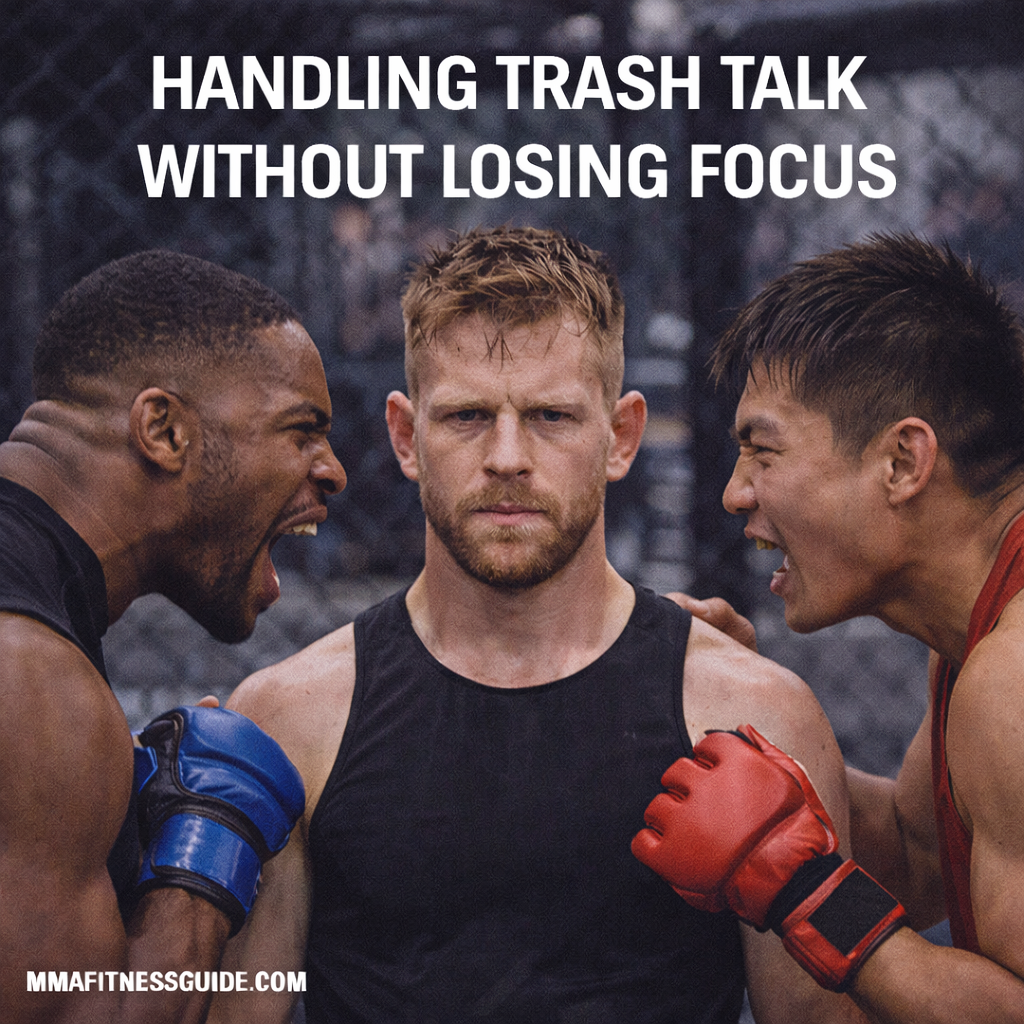
MMA fighter sitting calmly in a gym while an opponent taunts him in the background, illustrating how to maintain focus despite trash talk.
Maintaining composure and concentrating on preparation can help fighters avoid unnecessary distractions from opponent trash talk.

Your opponent posts a video mocking your striking a week before the fight. Within hours, teammates are sending you clips, fans are tagging you in comments, and you’re tempted to fire back. Instead of reviewing your game plan, you spend the evening thinking about what they said. By the next morning, you’re more concerned with proving them wrong than executing the strategy you’ve spent weeks preparing.

Trash talk can create distractions long before two fighters enter the cage. Whether it comes from an opponent, a training partner, or someone online, the challenge is recognizing when an emotional reaction starts influencing your decisions. Setting boundaries, limiting unnecessary engagement, and returning your attention to specific training objectives can help you manage provocation without allowing it to dictate your preparation or fighting style.

Continue reading “Handling Trash Talk Without Losing Focus”

Team Dynamics and Trust in the Gym

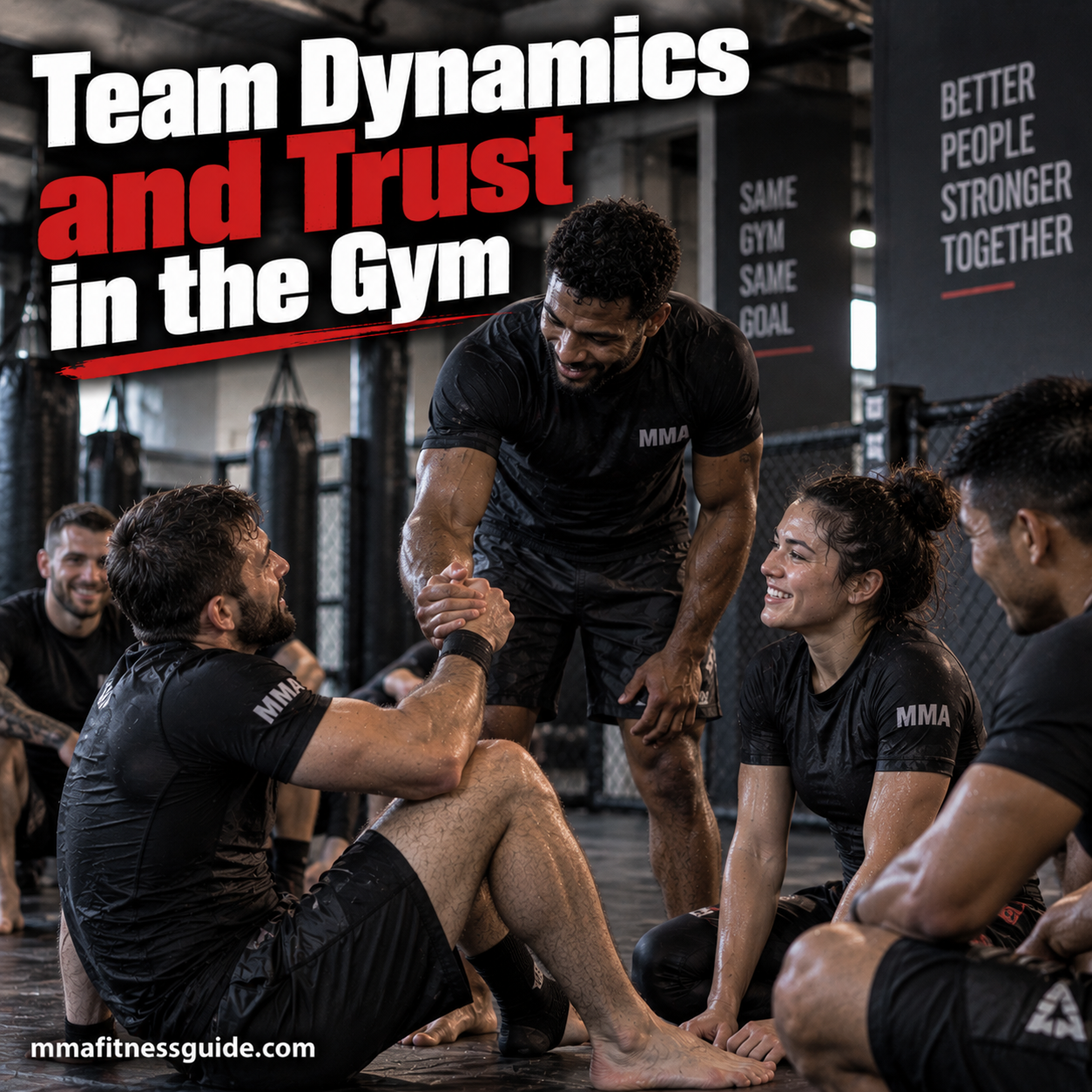
MMA coach helping a seated training partner up while teammates smile and offer encouragement inside a combat sports gym.
Trust develops through everyday interactions, from respecting training boundaries to supporting teammates after difficult sessions.

Your sparring partner catches you in an armbar. You tap, but they hold the submission a moment longer before releasing it. During the next round, you hesitate to engage because you’re no longer confident they’ll respect your limits. What should have been a productive training session has become a situation where you’re more concerned about protecting yourself than improving your technique.

Trust in an MMA gym develops through everyday interactions: respecting tap-outs, agreeing on sparring intensity, communicating injuries, and knowing coaches will address unsafe behavior. When teammates consistently honor these expectations, fighters can practice unfamiliar techniques, ask questions, and learn from mistakes without unnecessary intimidation. Building that environment requires accountability from coaches and athletes alike, especially when competitive ambition begins to interfere with partner safety.

Continue reading “Team Dynamics and Trust in the Gym”

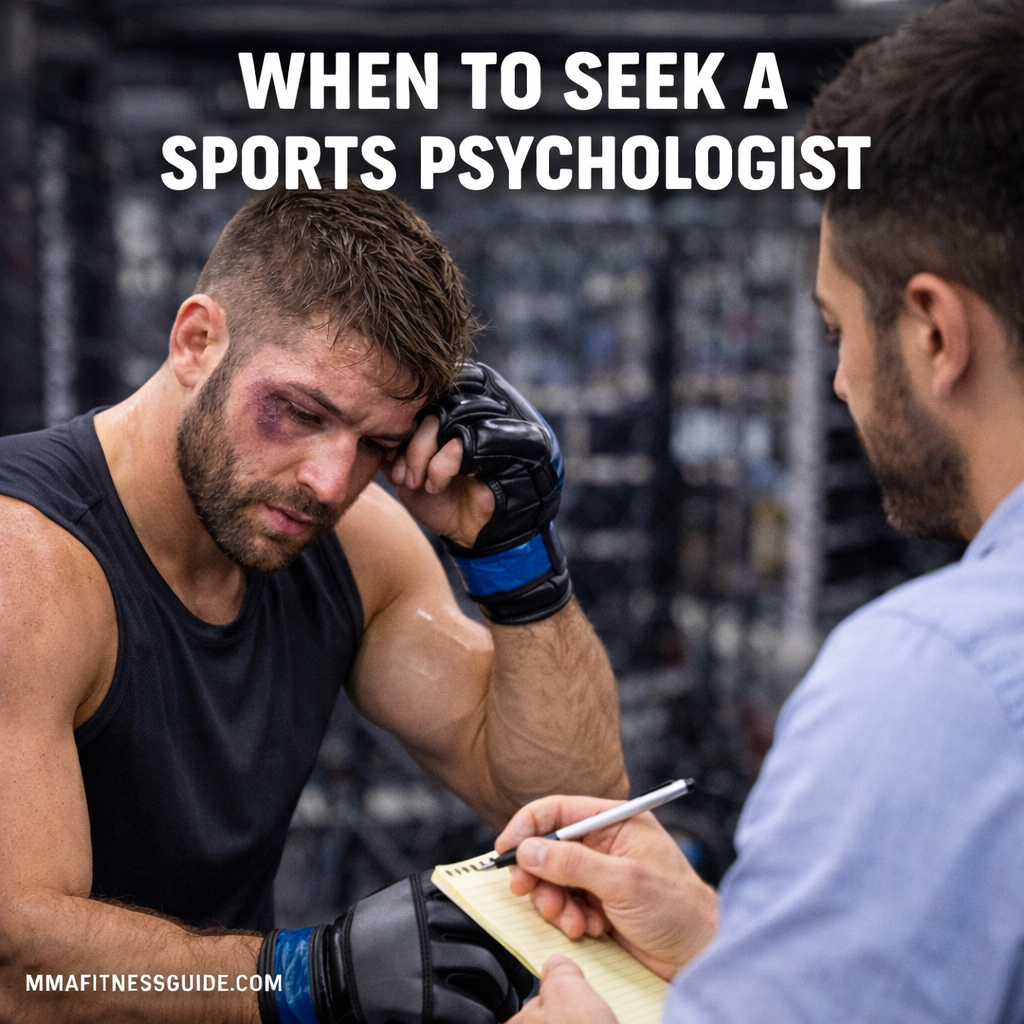
When to Seek a Sports Psychologist

MMA fighter speaking with a sports psychologist in a gym setting, representing mental performance support and emotional preparation in combat sports.
An MMA athlete consults with a sports psychologist to improve focus, confidence, and mental resilience.

Mental strength is just as important as physical conditioning in MMA and other competitive sports. While fighters spend countless hours improving technique, strength, and cardio, mental performance often goes unaddressed until it starts affecting results. Knowing when to seek a sports psychologist can be a turning point for athletes struggling with confidence, focus, motivation, or performance anxiety.

This guide explains what sports psychologists do, common signs it’s time to seek support, and how mental training can improve both performance and well-being.

Continue reading “When to Seek a Sports Psychologist”

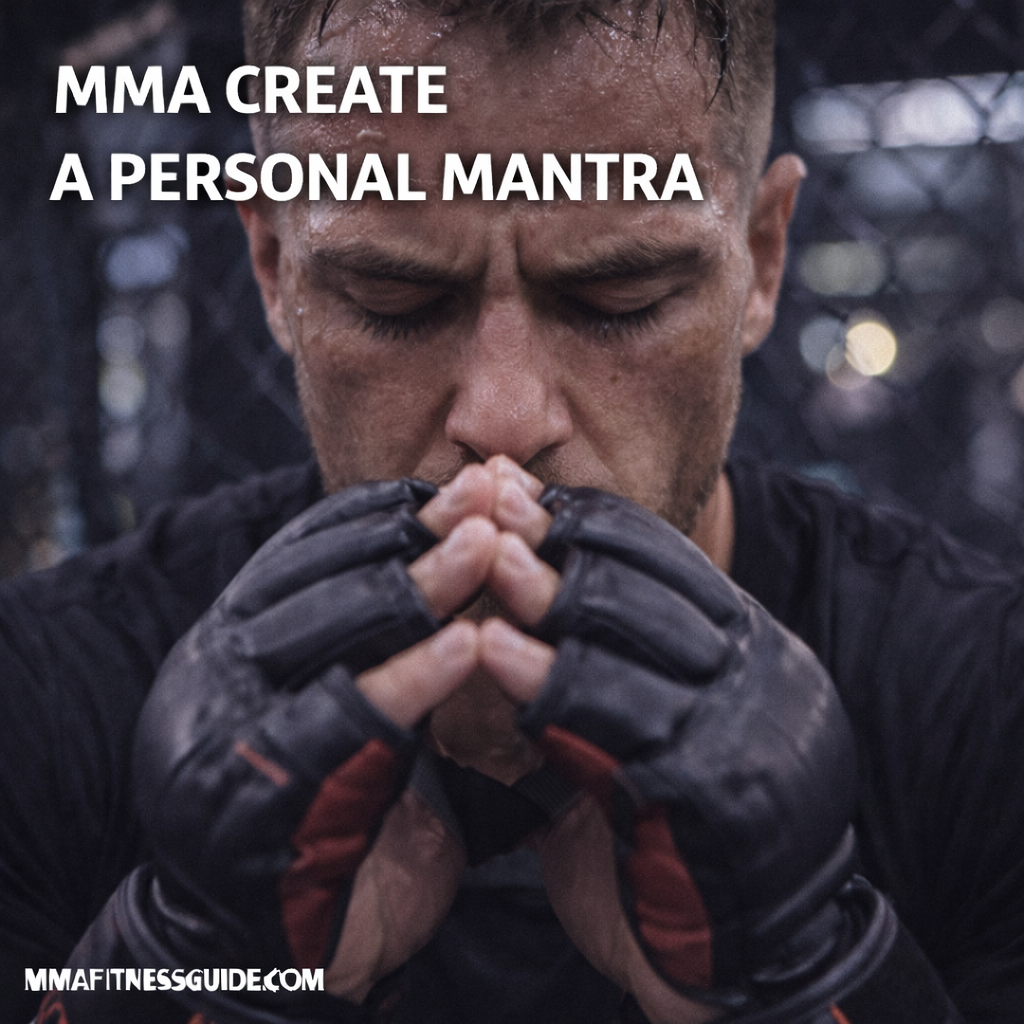
MMA Create a Personal Mantra

MMA fighter focused and centered inside the cage, symbolizing mental clarity, intention, and the use of a personal mantra for performance.
An MMA fighter using focused breathing and mental intention, highlighting the role of personal mantras in training and competition.

Introduction

In MMA, training pushes athletes into discomfort daily. Fatigue, doubt, fear, and pressure all show up—often at the same time. A personal mantra gives fighters something steady to return to when things get chaotic. It’s not about hype or motivation; it’s about focus, identity, and intention.

Creating a personal mantra helps MMA athletes stay grounded, confident, and mentally resilient through training and competition.

Continue reading “MMA Create a Personal Mantra”

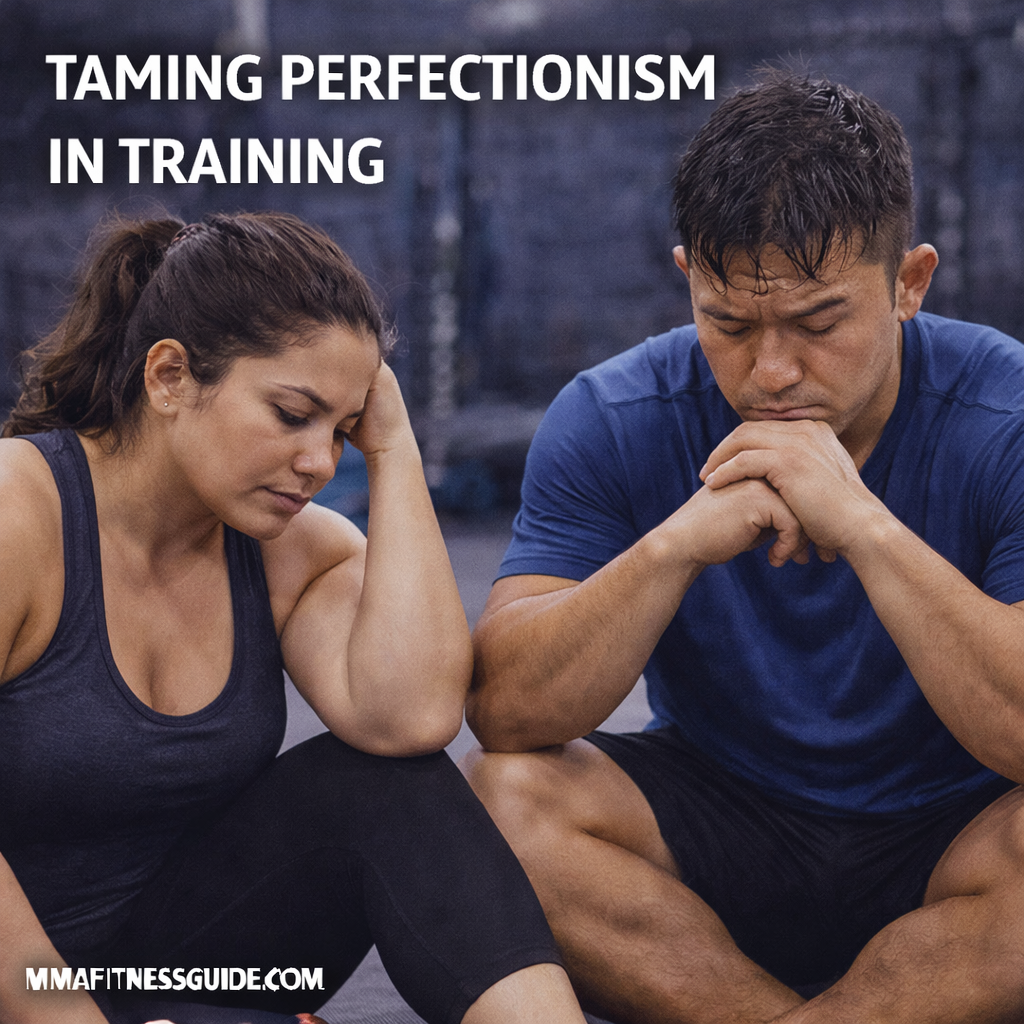
Taming Perfectionism in Training

Athletes sitting thoughtfully after training in a gym, reflecting on mindset, self-expectations, and progress in athletic development.
Athletes taking a reflective pause after training, highlighting the mental work of managing perfectionism and maintaining a healthy training mindset.

Introduction

Perfectionism is often mistaken for dedication. In training, it can look like high standards, strong work ethic, and attention to detail. But when perfectionism goes unchecked, it becomes a barrier to progress—leading to frustration, burnout, and stalled performance.

Learning to tame perfectionism allows athletes to train with consistency, adaptability, and resilience rather than constant self-criticism.

Continue reading “Taming Perfectionism in Training”

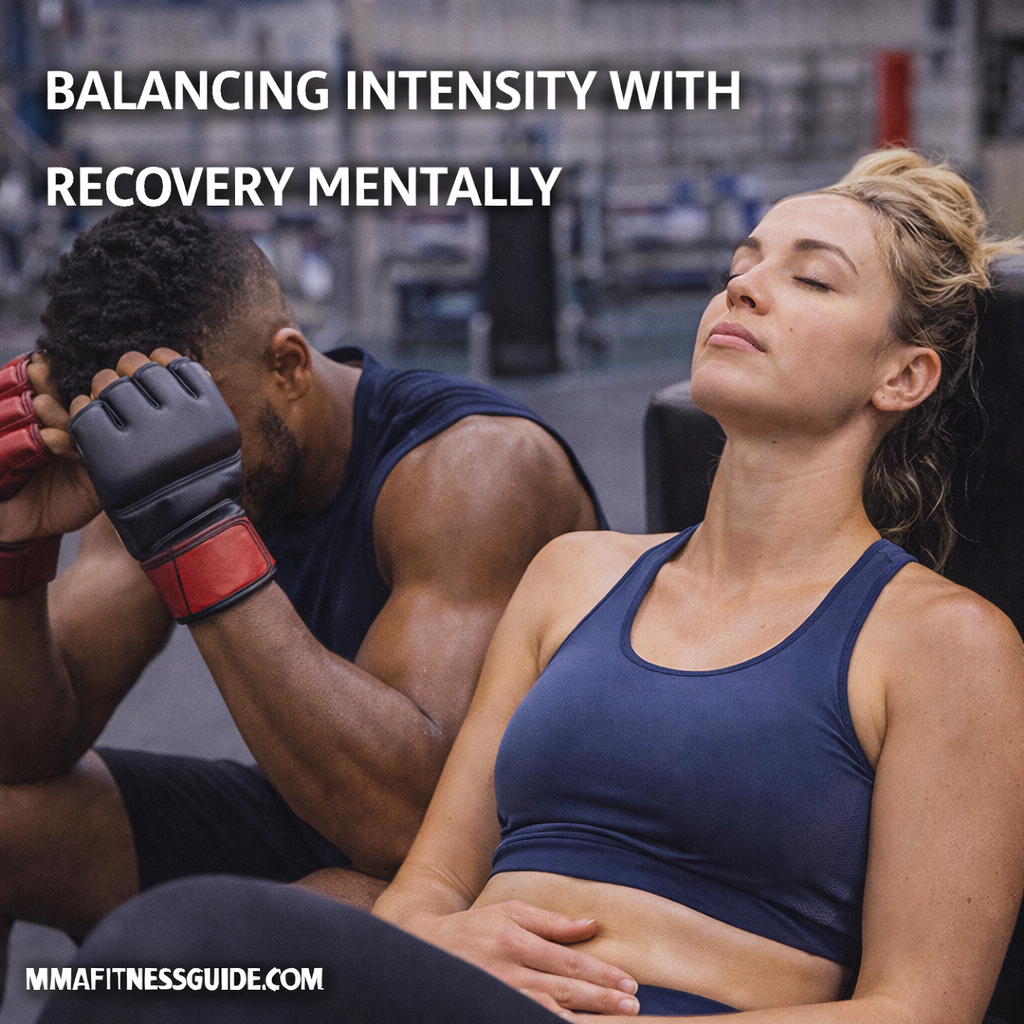
Balancing Intensity with Recovery Mentally

MMA athletes resting after training in a gym, illustrating the balance between mental intensity and recovery for long-term performance.
MMA athletes practicing mental recovery after intense training, highlighting the importance of balancing focus and rest.

Introduction

MMA culture often celebrates nonstop intensity—hard rounds, relentless conditioning, and pushing through discomfort. While physical recovery is increasingly understood, mental recovery is still frequently overlooked. Without proper mental recovery, intensity becomes unsustainable, leading to burnout, anxiety, poor performance, and stalled progress.

Learning to balance mental intensity with recovery helps fighters stay sharp, motivated, and emotionally resilient across long training cycles.

Continue reading “Balancing Intensity with Recovery Mentally”

Finding Flow State in Sparring

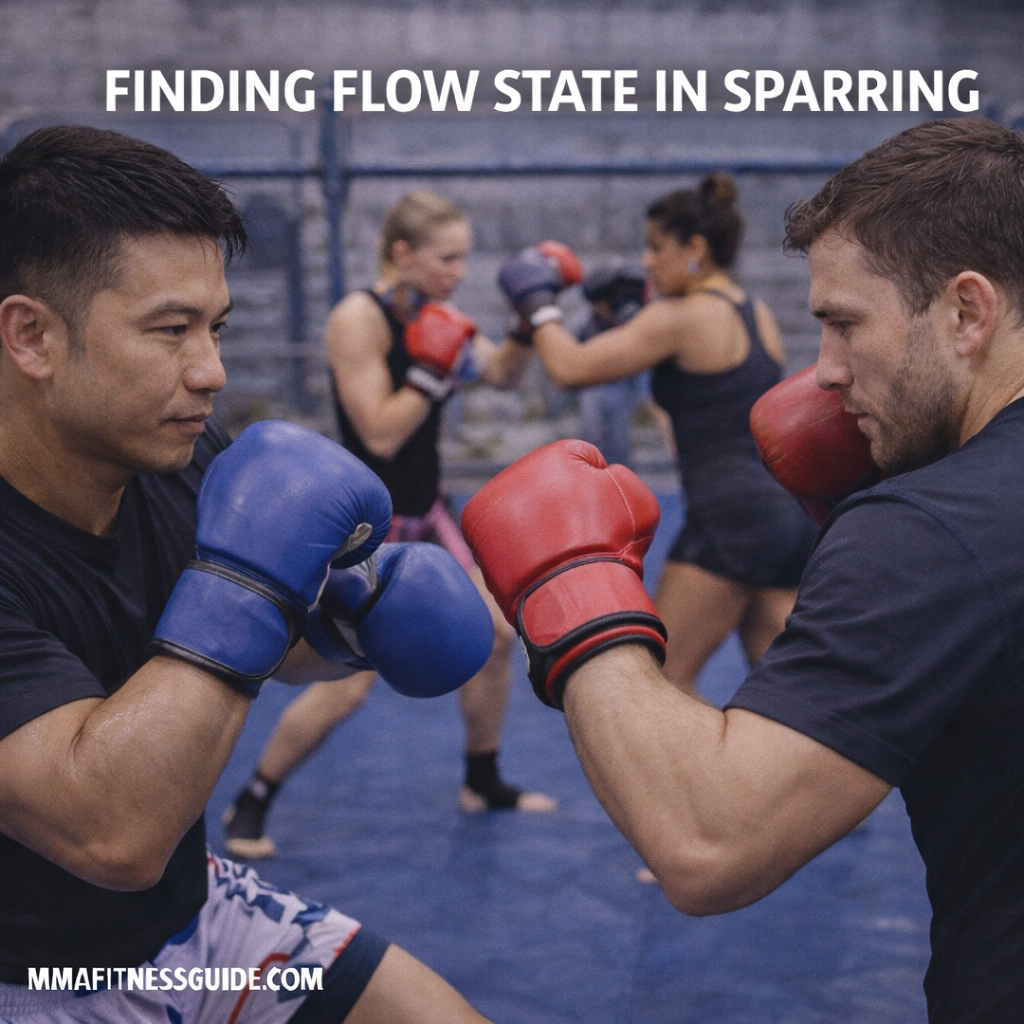
MMA fighters sparring in a gym with focused movement and calm intensity, illustrating flow state during live training.
MMA athletes sparring with control and focus, demonstrating flow state during live training rounds.

Introduction

Sparring is where technique, conditioning, and mindset collide. Some rounds feel forced and chaotic, while others feel effortless—movements flow, reactions are sharp, and time seems to slow down. That optimal mental zone is known as flow state.

Learning how to access flow state in sparring helps fighters train more effectively, reduce mental fatigue, and perform closer to their true ability under pressure.

Continue reading “Finding Flow State in Sparring”

Visualization Scripts for Big Events

MMA fighters sitting calmly in a gym using visualization techniques to mentally prepare for a high-pressure event.
MMA athletes practicing visualization and mental focus techniques before a major competition.

Introduction

Big events bring heightened pressure. Whether it’s a fight, competition, public performance, or high-stakes personal milestone, the mind often experiences stress before the body ever does. Visualization scripts are powerful mental tools that help athletes and performers prepare emotionally, mentally, and neurologically before stepping into important moments.

When practiced consistently, visualization can reduce anxiety, sharpen focus, and increase confidence—making big events feel familiar instead of overwhelming.

Continue reading “Visualization Scripts for Big Events”

Meditation Apps and Tools for Fighters

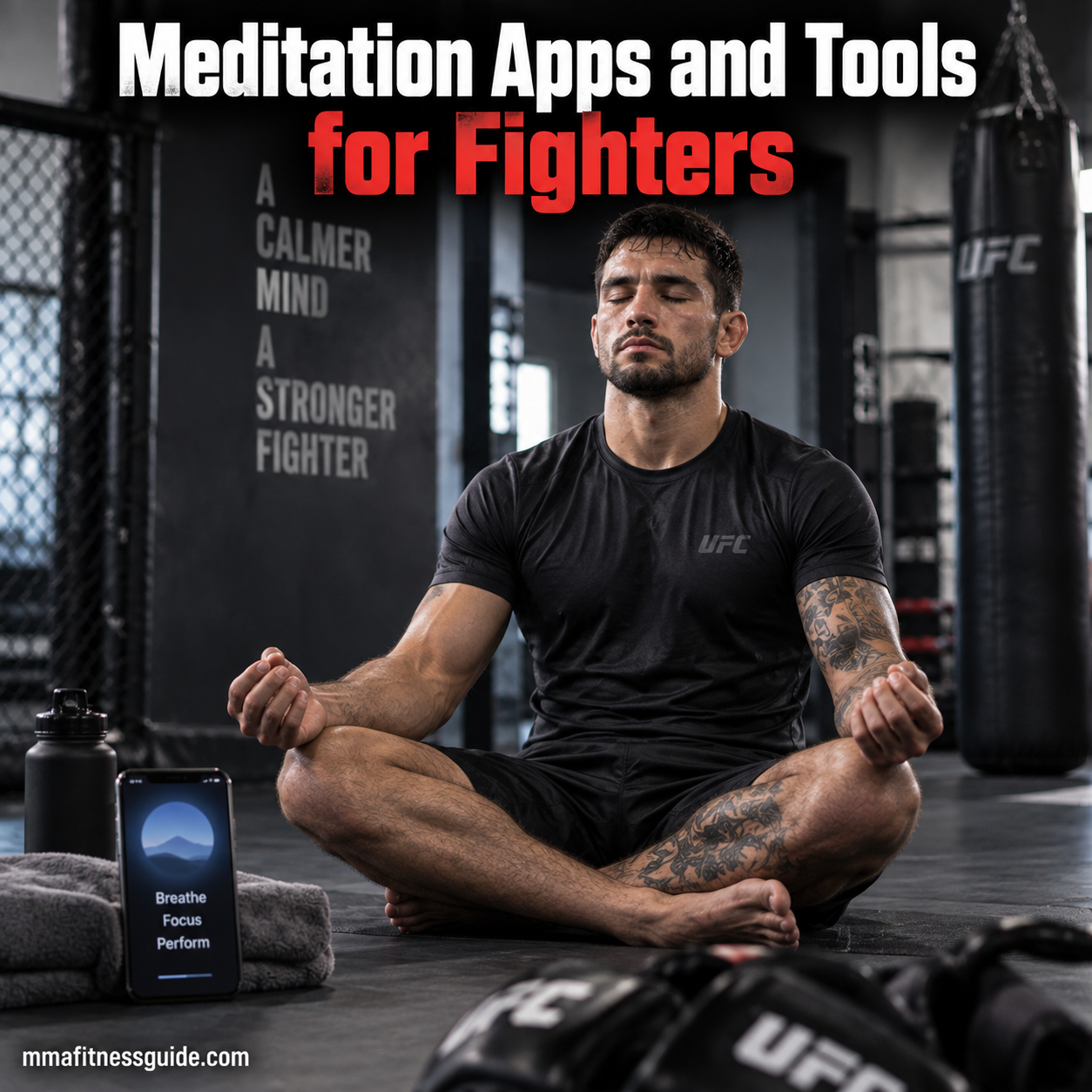
MMA fighter meditating on a gym mat with a meditation app on a smartphone beside him.
Meditation apps and mindfulness exercises can help MMA fighters develop focus, manage stress, and support mental recovery.

Introduction

An MMA fighter can spend months improving striking, wrestling, conditioning, and strength, only to discover that competition introduces a completely different challenge: managing the mind under pressure.

Your heart races before walking into the cage. You replay mistakes after a difficult sparring session. You struggle to fall asleep after evening training because your body is exhausted but your thoughts are still moving at full speed.

These experiences are common in combat sports. Physical preparation matters, but fighters also need practical ways to manage attention, stress, and emotional recovery.

Meditation apps and mental training tools offer an accessible starting point.

From guided mindfulness sessions and breathing timers to visualization exercises and wearable recovery trackers, these tools can help fighters develop greater awareness of their thoughts, recognize unnecessary tension, and establish consistent recovery routines.

However, meditation is not a shortcut to better performance. An app cannot replace technical training, adequate sleep, appropriate nutrition, or professional psychological support when needed.

The value comes from using the right practices consistently and understanding what each tool can realistically accomplish.

Here’s a look at meditation techniques for MMA, how the popular apps compare, where breathing and biofeedback tools fit into training, and practical routines for different stages of fight prep.

Continue reading “Meditation Apps and Tools for Fighters”