MMA: Reset After a Slump

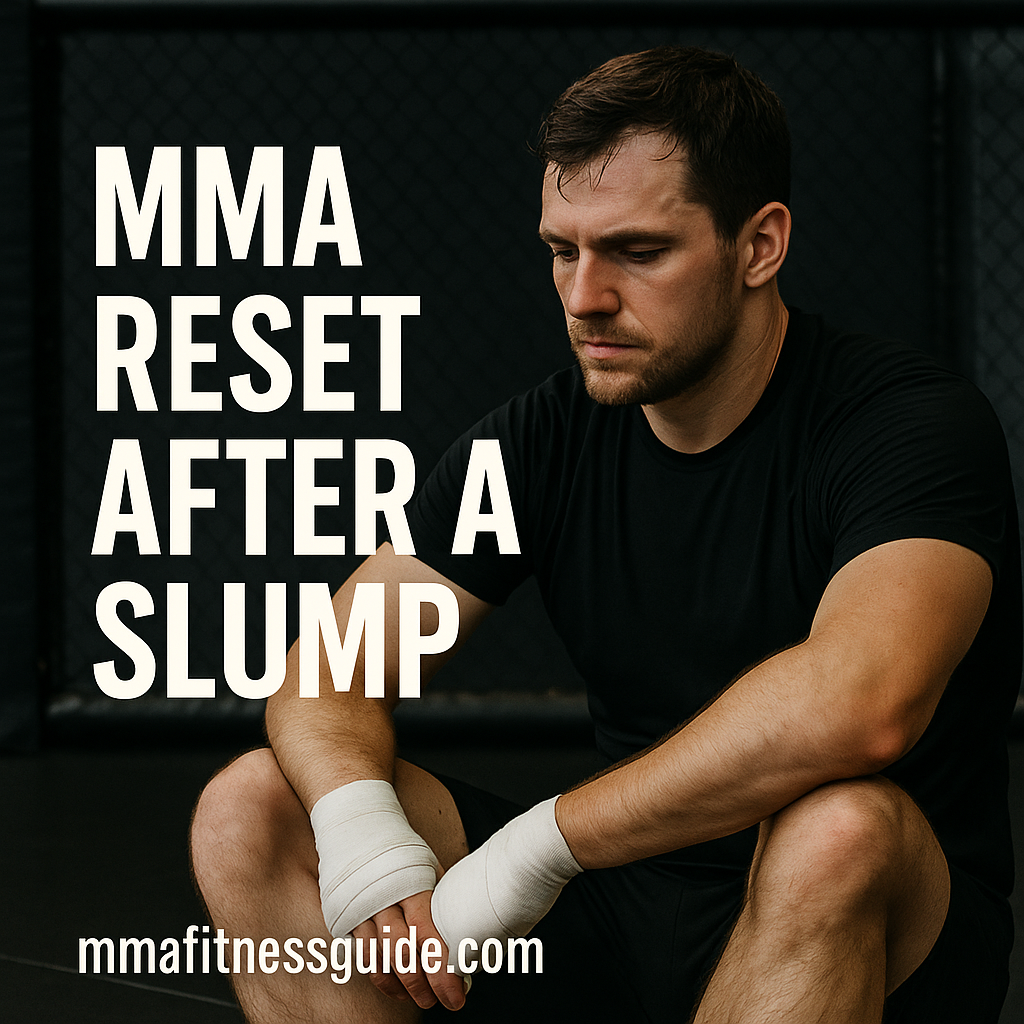
Tired MMA fighter sitting on a bench in a gym, reflecting after training while other fighters practice in the background.
A training slump can be an opportunity to reassess your goals, adjust your workload, and rebuild a sustainable MMA routine.

You arrive at the gym, wrap your hands, and start warming up. Normally, this is the part of the day you look forward to. Today, your legs feel heavy, your timing is off, and the thought of another round on the pads is exhausting.

Last week wasn’t much better.

Maybe you’ve been losing exchanges against training partners you used to handle comfortably. Maybe your conditioning feels worse despite training more. Or perhaps you’re still performing reasonably well, but MMA has started to feel like another obligation.

A training slump can take several forms. Sometimes it’s a temporary loss of motivation. Sometimes it’s a plateau in skill development. Other times, fatigue, stress, or an unrealistic schedule makes training harder than it needs to be.

The solution depends on what’s actually causing the problem. Taking two days off might help an exhausted fighter, but it won’t necessarily solve frustration caused by unclear goals or repetitive training.

A useful reset starts by identifying the problem, making a manageable adjustment, and gradually rebuilding a routine you can sustain.

Continue reading “MMA: Reset After a Slump”
MMA: Build a Home Workout Space

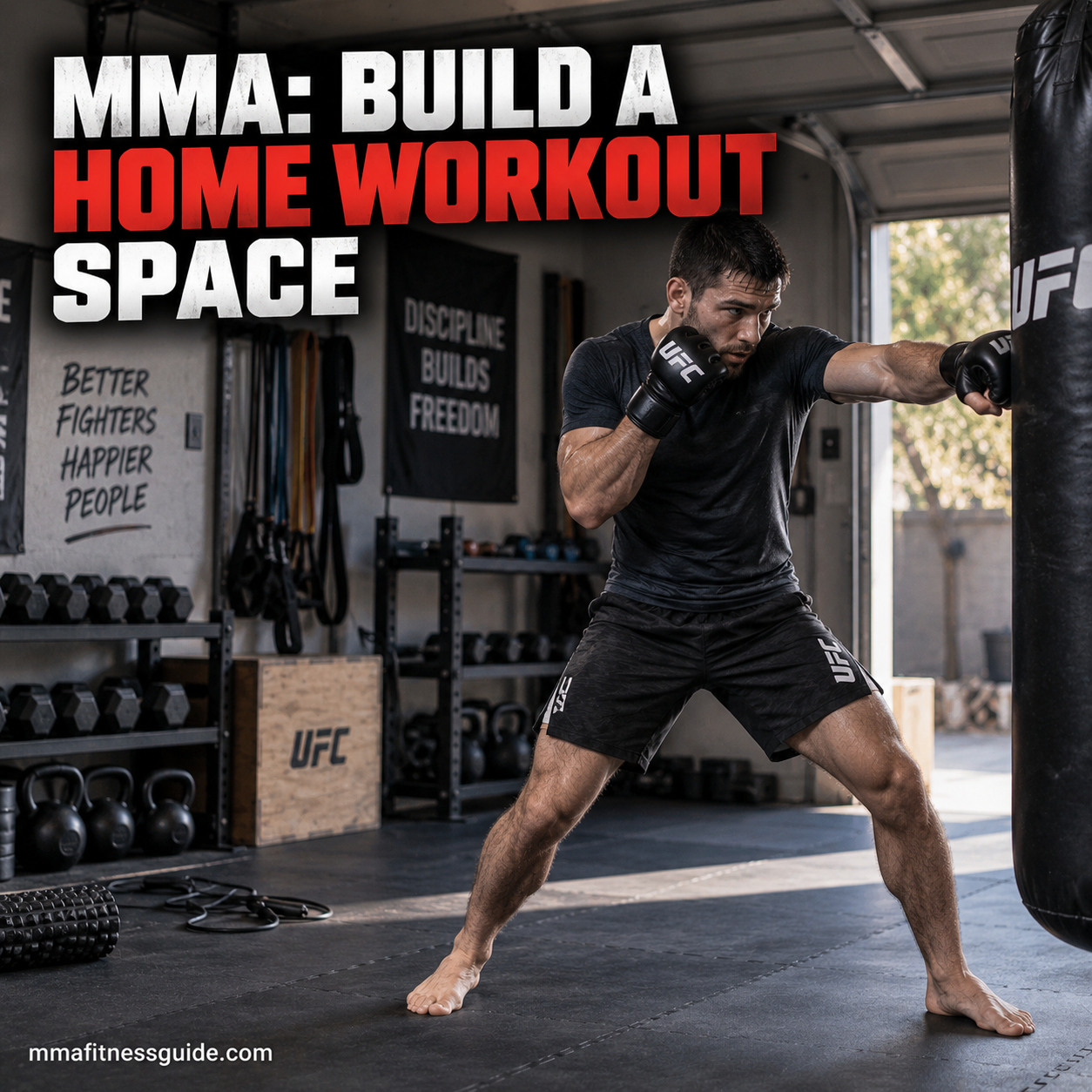
MMA athlete practicing punches on a heavy bag in a home workout space equipped with mats, dumbbells, and kettlebells.
A home MMA workout space with a punching bag, exercise mats, and strength equipment provides a convenient setup for striking and conditioning.

A cleared garage, a few exercise mats, and enough room to throw punches without hitting the furniture can be the foundation of a useful home MMA workout space.

You don’t need an expensive training facility to improve your conditioning, practice footwork, or develop strength. Many exercises used by mixed martial artists can be performed at home with minimal equipment.

However, setting up an MMA training area requires more planning than simply buying a punching bag and finding somewhere to hang it.

The floor needs to provide reliable traction. You need enough room to move safely, and your equipment should match the activities you actually intend to perform.

A well-designed home setup can support striking drills, strength training, cardiovascular conditioning, and mobility work. It can also make training more convenient when getting to a gym isn’t practical.

Here’s how to create a functional MMA workout space without wasting money or compromising safety.

Continue reading “MMA: Build a Home Workout Space”

Karate Fighters Who Succeeded in MMA

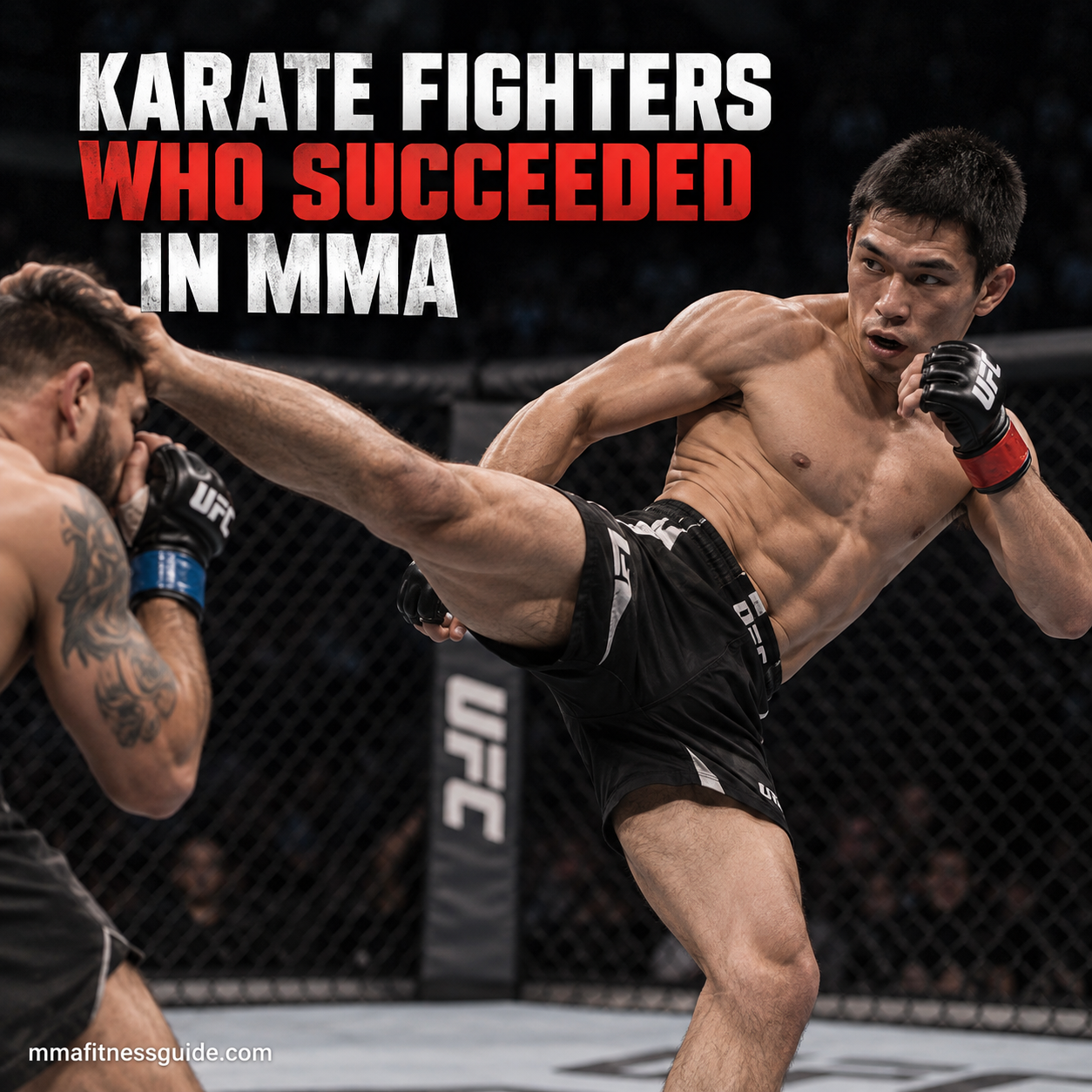
Karate-style MMA fighter delivering a high kick toward an opponent inside a cage.
Karate’s explosive kicks, precise timing, and footwork have helped fighters like Lyoto Machida and Stephen Thompson succeed in MMA.

When Lyoto Machida knocked out Randy Couture with a jumping front kick at UFC 129, he delivered one of the clearest demonstrations of karate’s potential in mixed martial arts.

The technique looked unusual compared with the boxing combinations and Muay Thai kicks commonly seen in MMA. Machida created the opening, launched the kick, and finished the fight in the second round.

It wasn’t simply a flashy move. The knockout reflected years of training in distance control, explosive movement, and precise timing.

Karate has produced several successful MMA fighters, including UFC champions and elite contenders. Their achievements challenge the idea that traditional martial arts have no place in modern competition.

However, their success also reveals an important distinction: karate works in MMA when its techniques are adapted to account for wrestling, submissions, leg kicks, and the cage.

From Machida’s Shotokan counterstriking to Stephen Thompson’s unpredictable movement and Georges St-Pierre’s integration of karate and wrestling, these fighters demonstrate different ways to make traditional techniques effective.

Continue reading “Karate Fighters Who Succeeded in MMA”

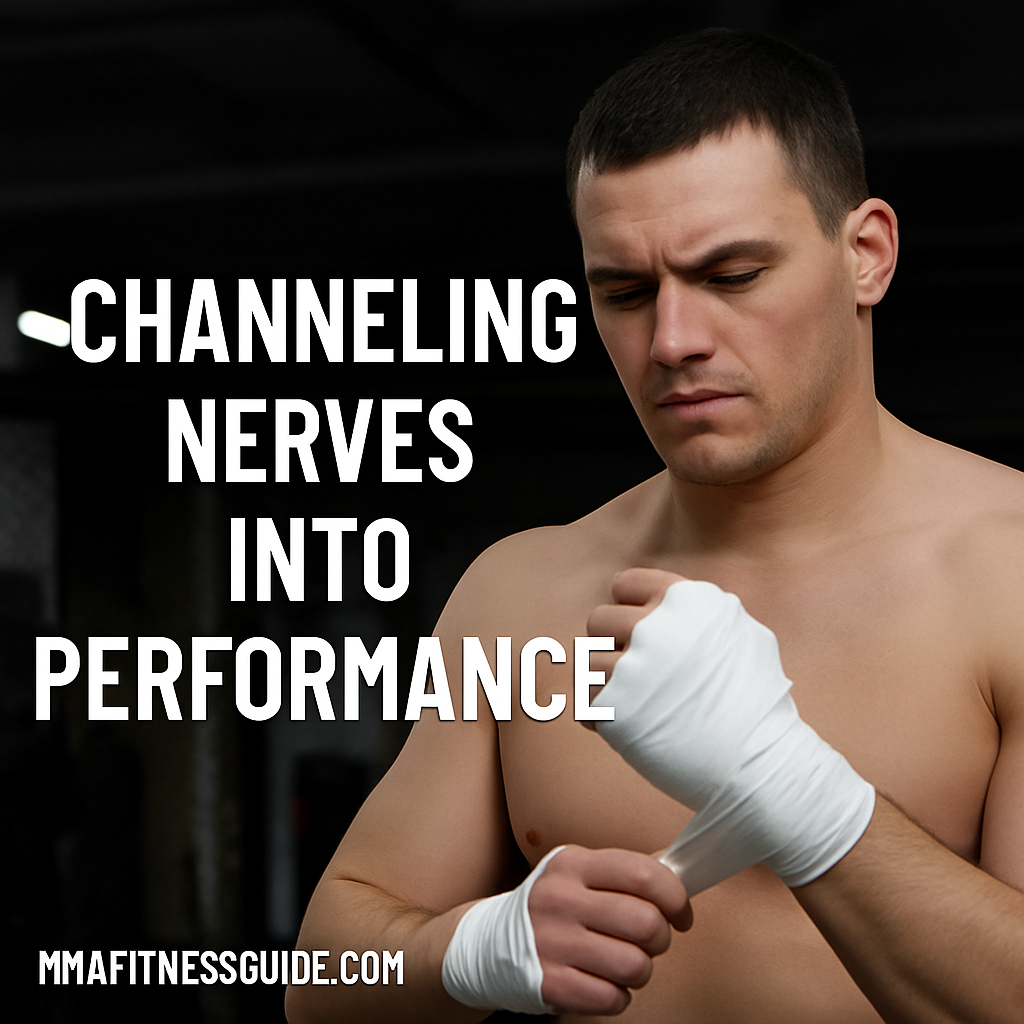
Channeling Nerves into Performance

MMA fighter sitting with his head lowered and hands clasped, mentally preparing for training or competition inside a gym.
Mental preparation helps fighters manage pre-fight nerves, maintain focus, and respond effectively under pressure.

You’re standing outside the cage, waiting for your name to be called. Your heart is pounding, your mouth feels dry, and your mind keeps replaying everything that could go wrong.

You know you’ve trained hard. You’ve drilled your combinations, practiced your takedown defense, and completed countless rounds of sparring. Yet your body seems to have a different opinion about how prepared you are.

This experience isn’t limited to professional fighters. Beginners can feel the same pressure before their first sparring session, while experienced athletes may experience nerves before important competitions.

The challenge isn’t necessarily eliminating nervousness. It’s learning how to respond to it without allowing it to interfere with your preparation, decision-making, or technique.

With consistent mental training, fighters can develop practical strategies for managing pre-fight anxiety, maintaining focus, and performing effectively under pressure.

Continue reading “Channeling Nerves into Performance”

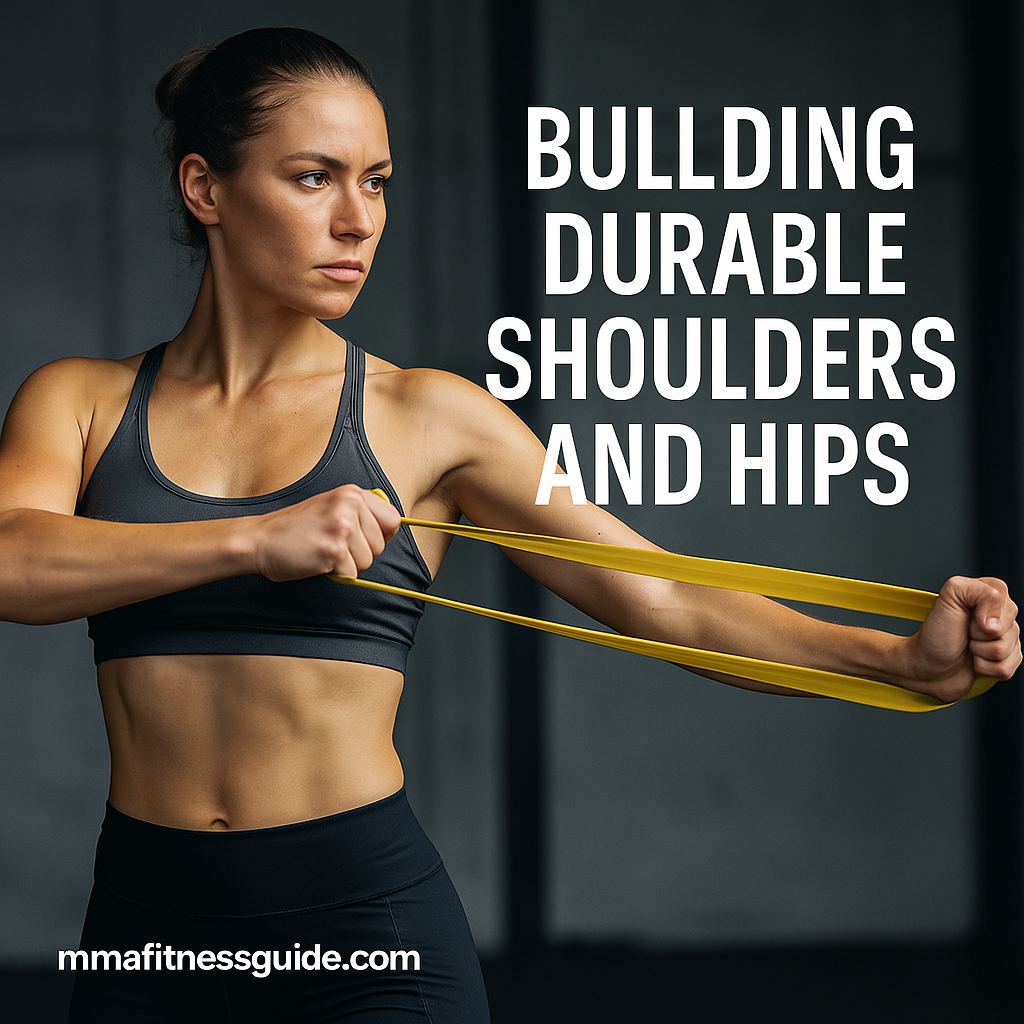
Building Durable Shoulders and Hips

Two MMA athletes performing hip mobility and shoulder rotation exercises on a gym floor.
Controlled mobility exercises and progressive strength training help MMA fighters prepare their shoulders and hips for demanding training.

You reach for an underhook during a wrestling exchange, and your shoulder feels tight. Later, while throwing a high kick, you notice that one hip moves comfortably while the other feels restricted. Neither sensation necessarily means you’re injured, but both are worth paying attention to.

MMA places unusual demands on the shoulders and hips. Punching requires rapid arm movement and coordinated rotation. Wrestling involves pulling, pushing, lifting, and resisting unpredictable forces. Kicking demands strength and control through large ranges of motion, while grappling can place joints in positions rarely encountered during ordinary strength training.

Building durable shoulders and hips means preparing these areas to tolerate the demands of your sport. That requires more than stretching before class or lifting heavy weights twice a week.

A useful approach combines appropriate mobility, progressive strength training, movement control, sensible training loads, and adequate recovery.

No exercise routine can make a joint injury-proof. However, developing these qualities can improve your physical capacity and help you train more consistently.

Continue reading “Building Durable Shoulders and Hips”

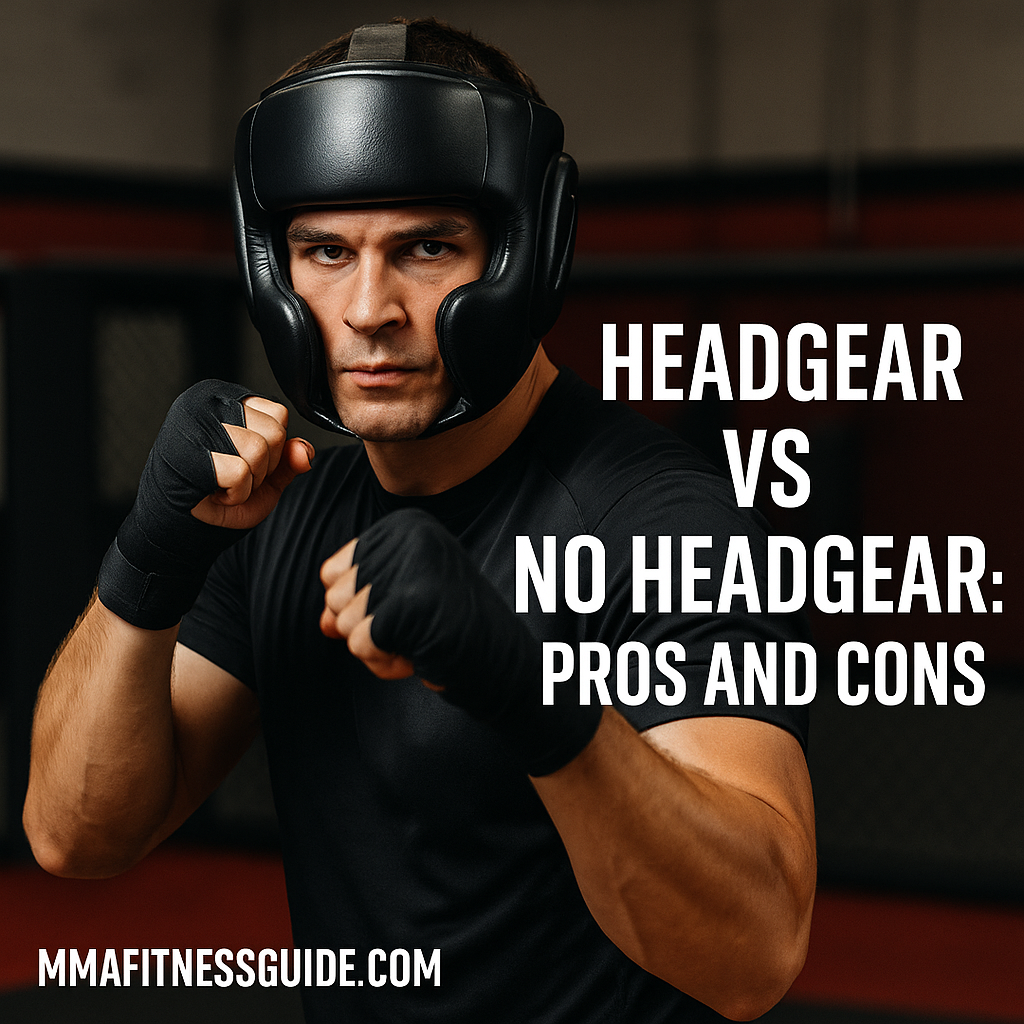
Headgear vs No Headgear: Pros and Cons

Two MMA fighters facing each other inside a training cage, one wearing protective headgear and the other without, demonstrating different sparring equipment choices.
Headgear vs no headgear: Compare facial protection, visibility, comfort, and safety considerations to understand when each approach may be appropriate for MMA sparring.

Introduction

Should you wear headgear during MMA sparring, or is it better to train without it?

It’s a common question among beginners, recreational athletes, and competitive fighters. Some prefer the additional padding because it helps reduce cuts and facial abrasions. Others find that headgear obstructs their vision, changes their sense of distance, and makes them uncomfortable during longer rounds.

Both approaches have practical advantages and limitations, but one distinction matters more than anything else:

Headgear may help protect against certain superficial injuries, but it cannot be relied upon to prevent concussions or other brain injuries.

A fighter can experience a concussion while wearing expensive, well-fitted headgear. Likewise, removing headgear doesn’t automatically make someone a more technically responsible sparring partner.

The appropriate choice depends on your gym’s rules, the type of training, your experience, the equipment’s fit, and the level of contact involved.

This guide examines the advantages and disadvantages of wearing headgear during MMA sparring, explains what protective equipment can realistically accomplish, and provides practical considerations for choosing, maintaining, and using it.

Most importantly, it explains why controlling sparring intensity matters more than simply adding or removing padding.

Continue reading “Headgear vs No Headgear: Pros and Cons”

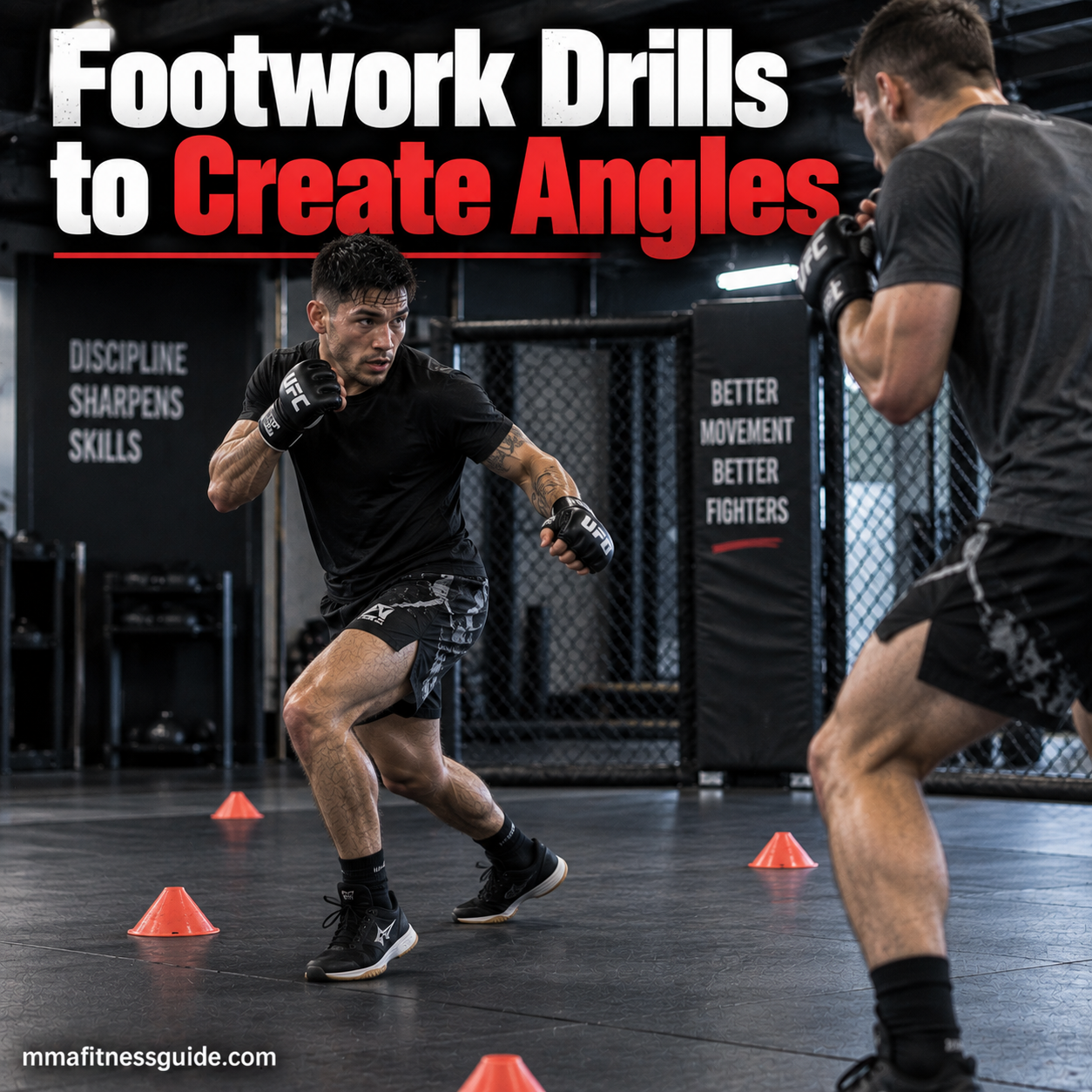
Footwork Drills to Create Angles

MMA fighters practicing footwork and angle drills with training cones inside a combat sports gym
Footwork drills help MMA fighters practice pivots, diagonal exits, cage movement, and positional changes while maintaining a balanced fighting stance.

Throw a combination and remain directly in front of your opponent, and you’re still standing in their easiest line of attack. Take one well-timed step or pivot after the combination, and the next exchange can begin from a completely different position.

That’s the practical value of creating angles.

In MMA, footwork helps fighters enter striking range, escape pressure, reposition after combinations, cut off the cage, and connect striking with takedown attempts.

The goal isn’t constant movement. It’s moving at the right moment while maintaining a stance that allows you to attack or defend immediately.

Continue reading “Footwork Drills to Create Angles”

Plant-Based Diets for MMA Fighters

MMA fighter eating a plant-based meal with grains, vegetables, avocado, and legumes inside a training gym.
A well-planned plant-based diet can provide the protein, carbohydrates, and essential nutrients needed to support MMA training.

You finish a morning wrestling session, grab a quick lunch, and head back to the gym for striking practice that evening. By the second session, your legs feel heavy and your energy is fading.

If you’re eating a plant-based diet, it’s tempting to blame the absence of meat. But the more useful questions are simpler: Did you eat enough calories? Were there enough carbohydrates to support both sessions? Did you get sufficient protein throughout the day?

A plant-based diet can support the strength, conditioning, and recovery demands of mixed martial arts. It can also leave a fighter underfueled if meals aren’t planned around training.

The distinction matters. Eating more plants doesn’t automatically improve cardio, reduce inflammation, or accelerate recovery. Those outcomes depend on the overall diet, training program, sleep, and individual nutritional needs.

For MMA fighters, the objective is to build a practical eating pattern that provides enough energy and essential nutrients without making every meal a complicated calculation.

Continue reading “Plant-Based Diets for MMA Fighters”

Improving Reaction Time in MMA

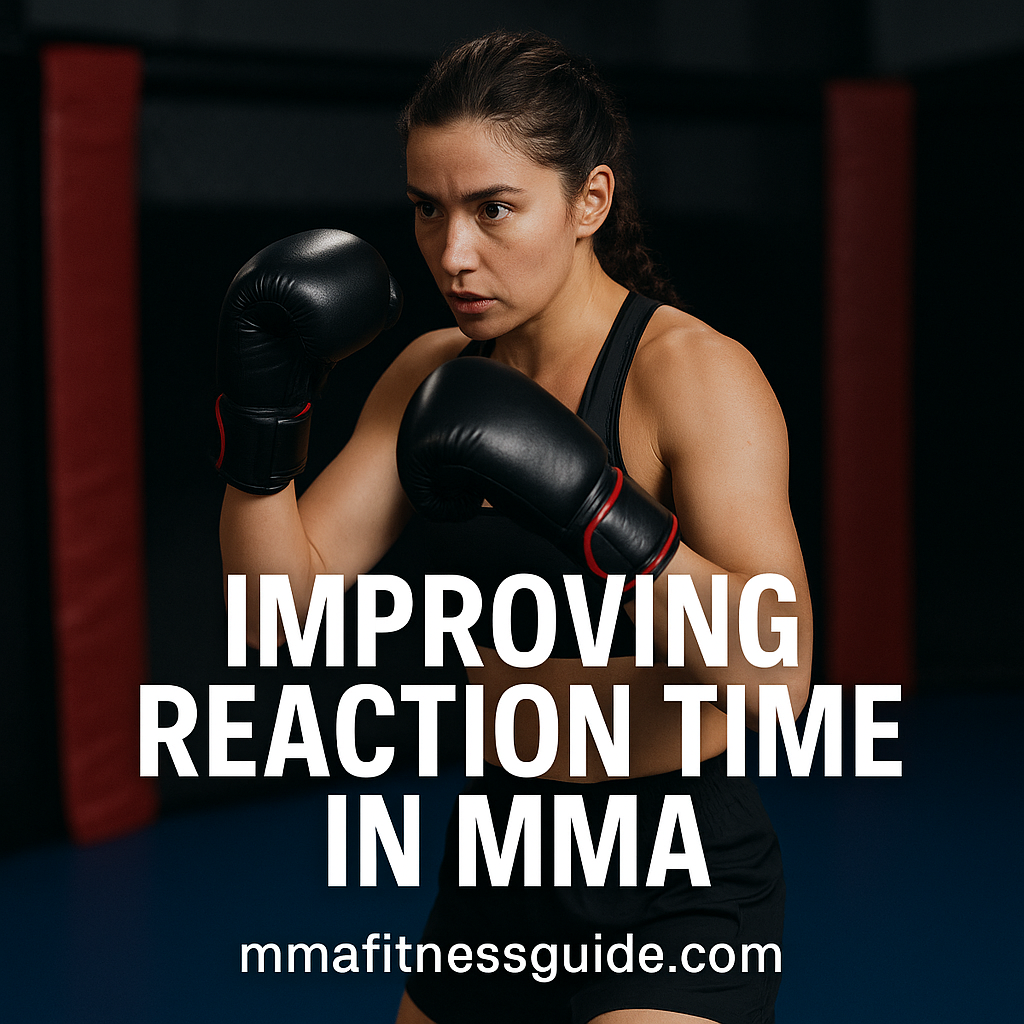
Female MMA fighter practicing defensive movements to improve reaction time in a gym setting.
Female MMA athlete training reaction speed during shadowboxing.

Reaction time can be the difference between slipping a punch or eating it. Whether you’re counterstriking, defending takedowns, or finding openings during scrambles, faster reactions make every technique sharper and every decision smarter. The good news? Reaction time isn’t genetic destiny — it’s a trainable skill.

Continue reading “Improving Reaction Time in MMA”

Budgeting and Cash Flow for Small Gyms

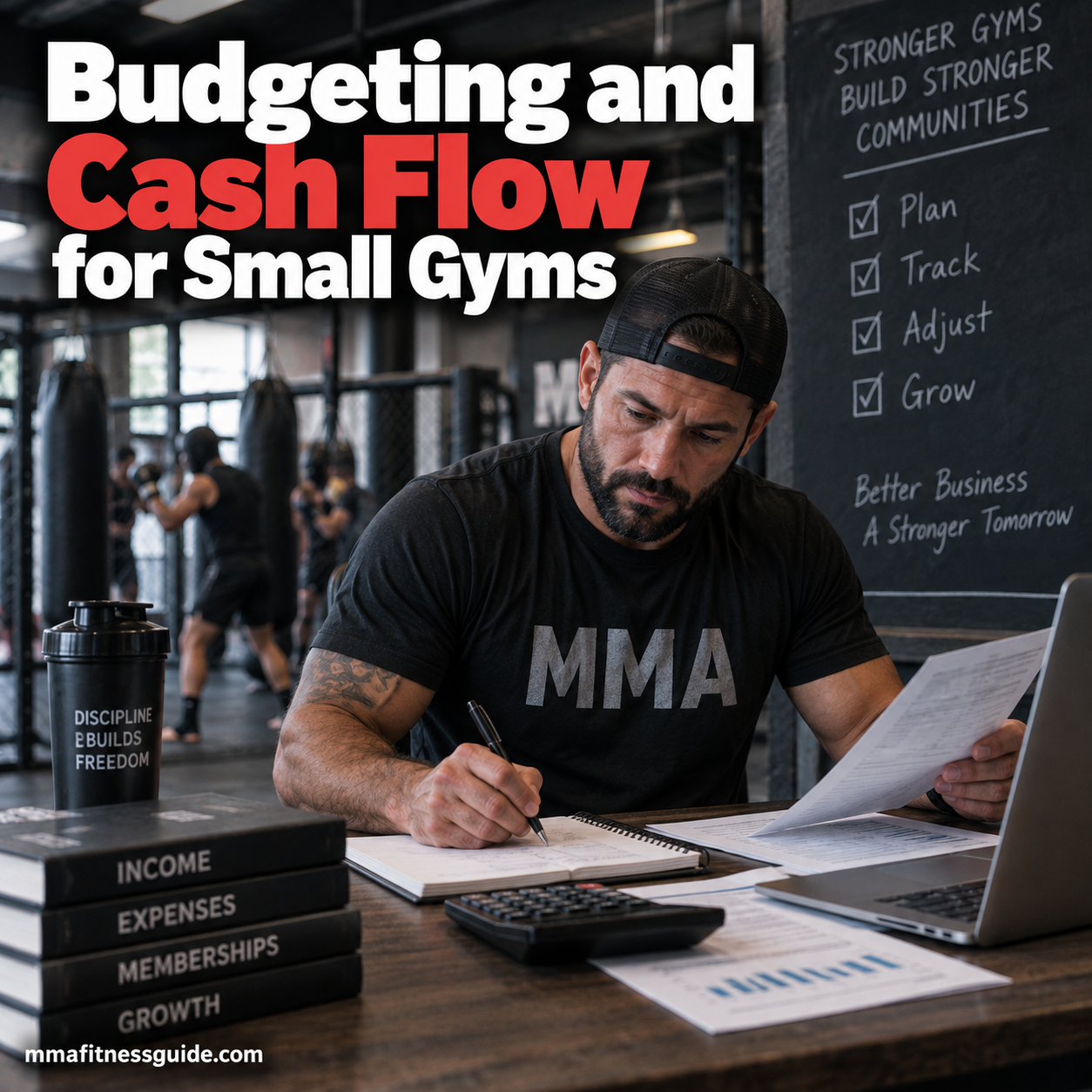
MMA gym owner reviewing expenses, membership revenue, and cash flow while managing the finances of a small combat sports gym.
Tracking revenue, expenses, reserves, and break-even membership numbers helps small MMA gyms maintain healthier cash flow and make better financial decisions.

A gym can have a packed evening class and still struggle to pay next month’s rent. Membership cancellations, equipment repairs, payroll, insurance, and seasonal slowdowns can quickly put pressure on a small MMA gym—even when the business appears busy.

That’s why knowing how much money comes in isn’t enough. Gym owners also need to understand when that money arrives, where it goes, how much must remain in reserve, and how many paying members are needed to cover expenses.

A practical budget and cash flow plan gives you those answers. Instead of reacting to every unexpected bill or slow month, you can make decisions about hiring coaches, buying equipment, increasing marketing, and expanding programs based on numbers rather than guesswork.

Continue reading “Budgeting and Cash Flow for Small Gyms”