Prehab Routines to Build Resilience

MMA fighter performing a resistance band prehab exercise to improve hip and knee stability in a combat sports gym.
Prehab exercises can strengthen vulnerable areas and improve joint control before weaknesses begin interfering with MMA training.

A shoulder repeatedly absorbing pressure during grappling, a knee rotating through takedowns, or an ankle constantly changing direction during footwork can accumulate stress long before an athlete notices pain. MMA exposes joints and connective tissues to striking, wrestling, scrambling, impact, and awkward positions week after week.

Prehab targets the areas that have to tolerate that workload. Exercises for shoulder stability, hip and knee control, core strength, neck conditioning, and ankle stability can be worked into regular training before minor weaknesses begin interfering with performance.

The aim is practical: strengthen vulnerable areas, maintain useful movement, and build a body that can handle repeated MMA training with fewer interruptions.

Continue reading “Prehab Routines to Build Resilience”
Returning to Sparring Safely After Injury

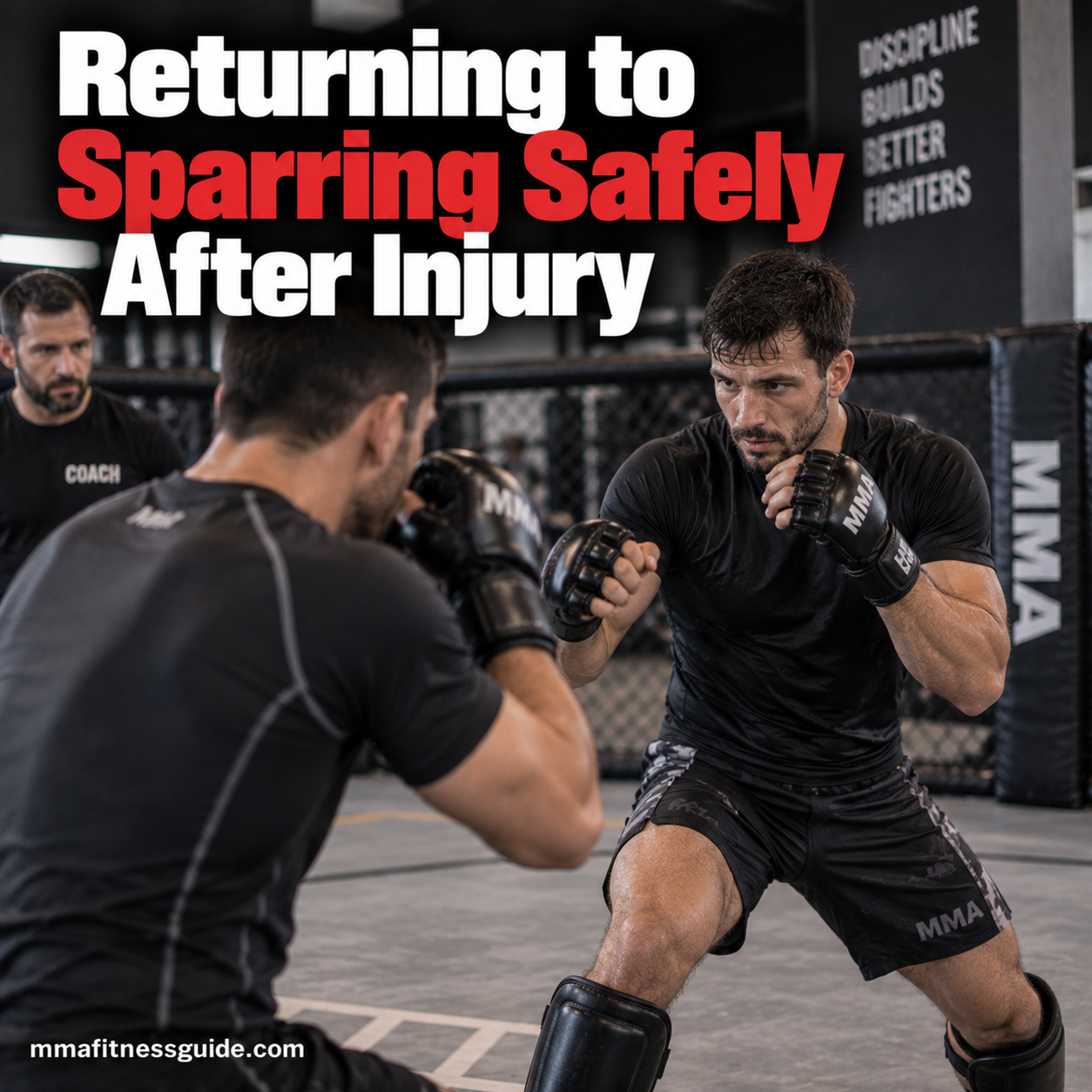
MMA fighter returning to controlled sparring with a training partner while a coach observes
A gradual progression from drilling to controlled contact can help fighters rebuild the physical demands of live sparring after injury.

Hitting pads without pain doesn’t necessarily mean you’re ready for an opponent who changes direction, shoots unexpectedly, or fires back. Sparring adds reactions, fatigue, impact, awkward positions, and split-second decisions that controlled rehabilitation exercises cannot fully reproduce.

That gap is where a gradual return matters. Instead of using one hard round to “test” an injured knee, shoulder, wrist, or other body part, fighters can progressively add movement, resistance, contact, and unpredictability while monitoring how the injury responds.

The objective isn’t simply completing a sparring session. It’s being able to train, recover afterward, and return for the next session without symptoms escalating.

Continue reading “Returning to Sparring Safely After Injury”

Bruise and Swelling Management Basics

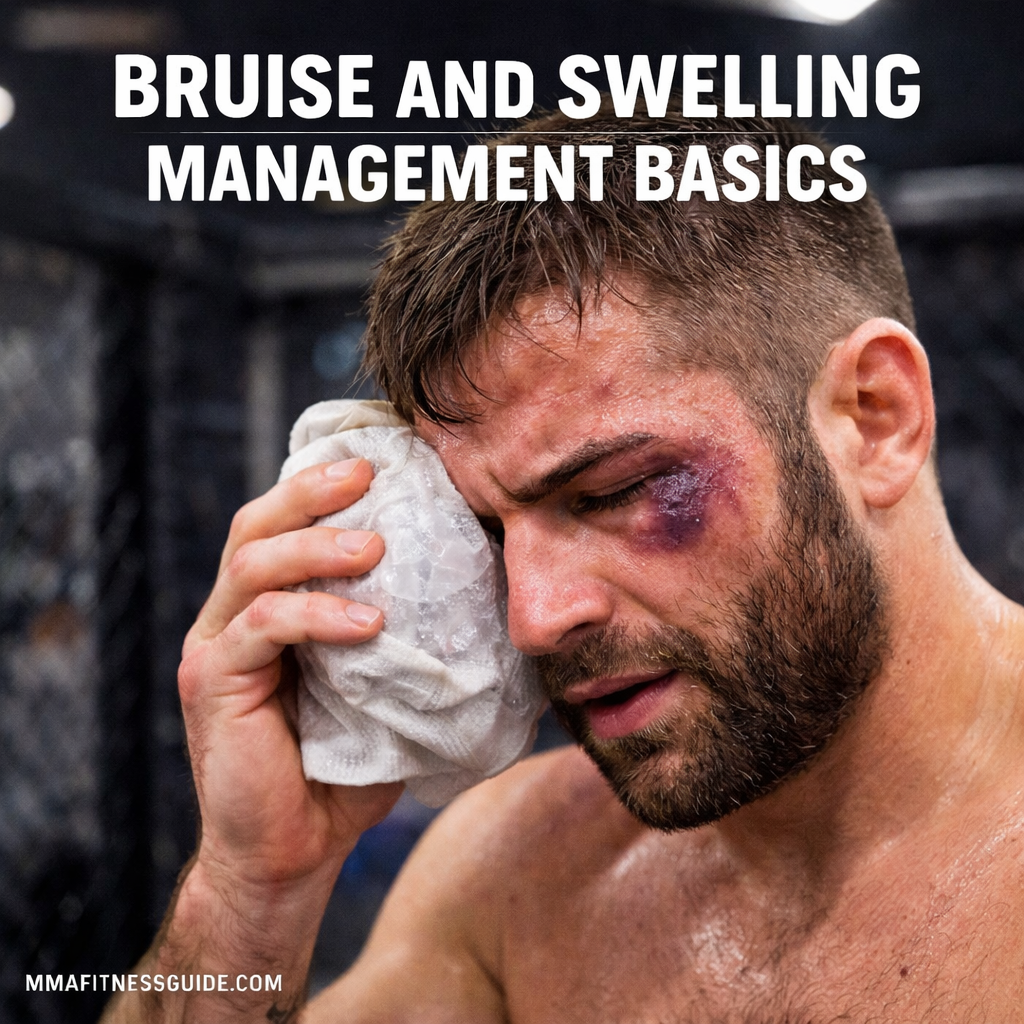
MMA fighter applying an ice pack to a bruised and swollen eye, demonstrating basic bruise and swelling management after training.
An MMA athlete uses cold therapy to manage facial bruising and swelling after intense training.

Bruises and swelling are common in MMA, boxing, Muay Thai, wrestling, and other combat sports. Strikes, takedowns, and clinch work all place stress on muscles, blood vessels, and soft tissue. While most bruises are minor, poor management can lead to prolonged pain, stiffness, reduced mobility, and delayed training return.

This guide covers bruise and swelling management basics, explaining what causes them, how to treat them effectively, and when to modify training to support proper recovery.

Continue reading “Bruise and Swelling Management Basics”

MMA: Sleep Better During Recovery

MMA fighter sleeping in bed after training to support physical recovery and muscle repair
Quality sleep supports muscle repair, nervous system function, and recovery after demanding MMA training.

Sleep does more for recovery than almost anything else available to MMA athletes, yet it’s often the first thing sacrificed when training schedules get demanding.

Between striking sessions, wrestling practice, strength training, conditioning, and everyday responsibilities, fighters frequently struggle to get enough rest. Evening sparring can leave you physically exhausted but mentally alert. Sore muscles make it difficult to find a comfortable sleeping position, while thoughts about training mistakes or upcoming competitions can keep your mind active long after you leave the gym.

These problems matter because recovery does not end when training stops.

Sleep supports muscle repair, nervous system function, immune health, hormone regulation, and the consolidation of newly learned skills. When sleep is consistently inadequate, fighters may experience slower reactions, reduced concentration, greater fatigue, and difficulty maintaining training performance.

Improving sleep is not simply about going to bed earlier. It requires managing training intensity, establishing effective nighttime routines, addressing discomfort, and creating an environment that supports uninterrupted rest.

This guide explains how MMA fighters can improve sleep quality, recover more effectively from demanding sessions, and build sustainable habits that support long-term performance.

Continue reading “MMA: Sleep Better During Recovery”

Mobility Routines for Long-Term Fitness

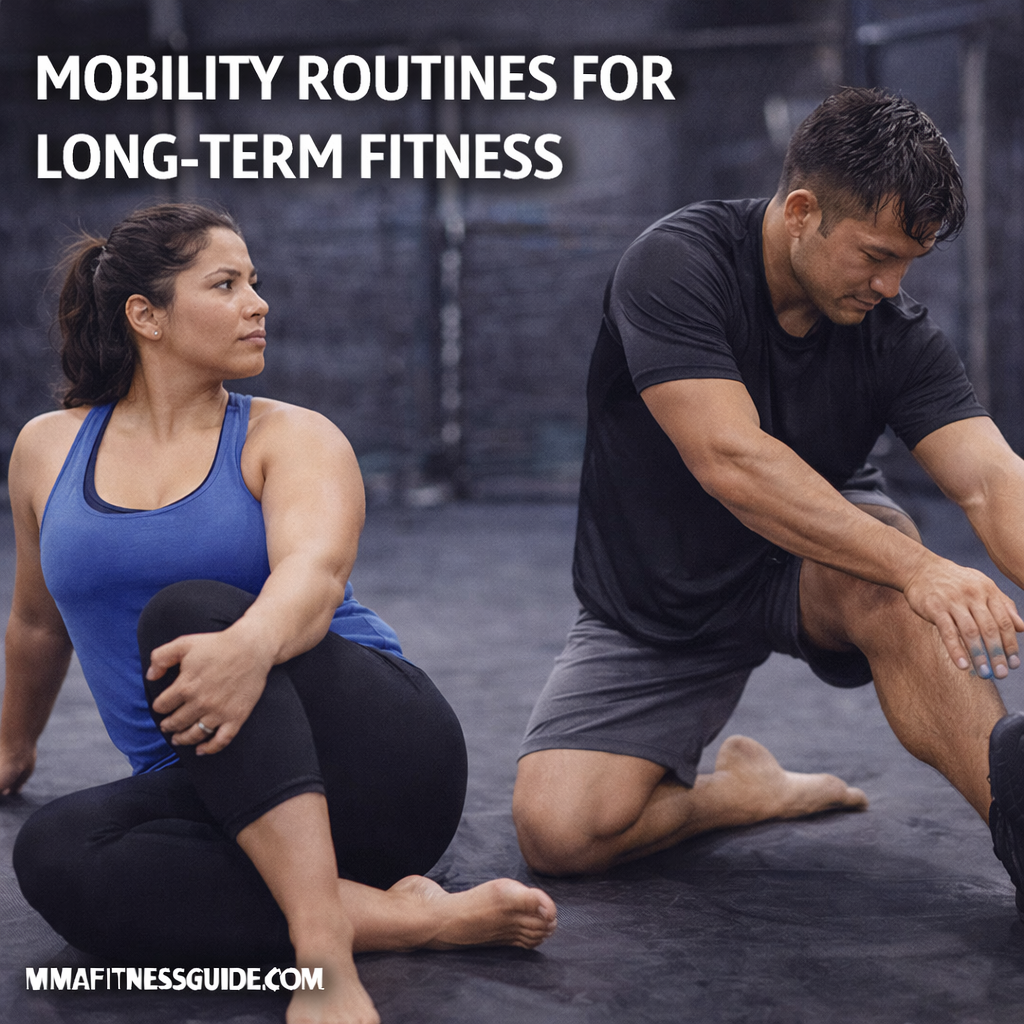
Athletes performing full-body mobility exercises in a combat sports and fitness gym.
Regular mobility work helps maintain usable range of motion and control through the hips, ankles, shoulders, and spine.

Strength and conditioning can improve what your body produces, but you still need enough joint range and control to use that strength effectively.

Years of lifting, running, combat sports, desk work, and repetitive movement can gradually change how comfortably the hips, shoulders, ankles, and spine move. A fighter might notice it when rotating into a kick. A lifter may struggle to reach a comfortable squat depth. Someone returning from time off may simply feel stiff during movements that once felt natural.

Mobility training addresses these limitations through controlled movement, active range-of-motion work, and exercises that build strength within the ranges you use.

Continue reading “Mobility Routines for Long-Term Fitness”

Ear Care for Grapplers: Preventing Cauliflower Ear

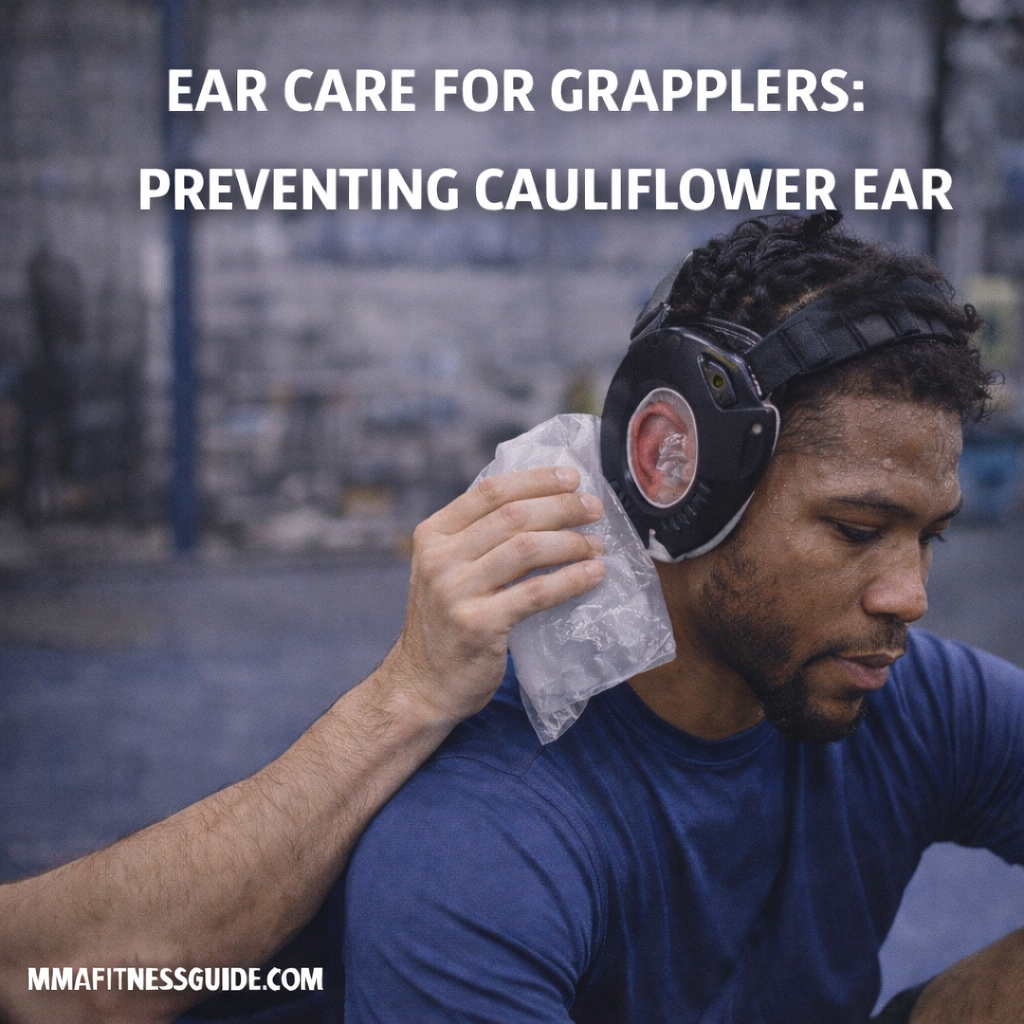
Male grappler applying an ice pack to a swollen ear while wearing headgear to prevent cauliflower ear during training.
A grappler treating early ear swelling and using protective headgear to help prevent cauliflower ear.

Introduction

Cauliflower ear is one of the most common—and most misunderstood—injuries in grappling sports like MMA, wrestling, BJJ, and judo. While some athletes view it as a badge of honor, untreated ear damage can lead to chronic pain, infection, hearing issues, and permanent deformity.

Proper ear care helps grapplers protect their health, extend their careers, and make informed decisions about prevention and treatment.

Continue reading “Ear Care for Grapplers: Preventing Cauliflower Ear”

Microfractures and Bone Stress in Fighters

MMA fighter examining shin pain during training, illustrating microfractures and bone stress injuries common in combat sports.
An MMA fighter addressing shin pain during training, highlighting the risks of microfractures and bone stress injuries.

Introduction

Fighters place extreme and repeated stress on their bodies. Striking, grappling, roadwork, and high-volume training create constant impact forces that bones must absorb and adapt to. When recovery falls behind workload, these stresses can accumulate into microfractures and bone stress injuries.

Understanding how microfractures develop, how to recognize early warning signs, and how to prevent progression is critical for long-term durability and career longevity in MMA and combat sports.

Continue reading “Microfractures and Bone Stress in Fighters”

The Psychology of Injury and Comebacks

MMA fighter sitting on the gym floor recovering from injury, reflecting on the mental challenges of injury and comeback.
An MMA athlete coping with injury and preparing mentally for a comeback after time away from training.

Introduction

Injuries affect more than just the body—they challenge identity, confidence, and motivation. For MMA athletes, time away from training or competition can feel isolating and mentally exhausting. While physical rehabilitation is essential, the psychological side of injury and comeback often determines how well an athlete truly returns.

Understanding the mental process behind injury recovery helps fighters rebuild confidence, manage fear, and come back stronger both mentally and physically.

Continue reading “The Psychology of Injury and Comebacks”

When to See a Sports Medicine Specialist

MMA athletes consulting a sports medicine specialist in a gym setting about an injury and recovery plan.
MMA fighters meeting with a sports medicine specialist to evaluate an injury and plan safe recovery. mmafitnessguide.com.

Introduction

Athletes, fitness enthusiasts, and active individuals often push their bodies hard. Some soreness is normal, but persistent pain or specific red-flag symptoms can signal an injury that needs expert evaluation. A sports medicine specialist focuses on diagnosing, treating, and preventing activity-related injuries so you can heal properly and return to training safely.

Continue reading “When to See a Sports Medicine Specialist”

Sauna and Steam for Recovery

MMA fighter relaxing in a sauna after training as part of his recovery routine
Short sauna or steam sessions may help fighters relax after training, provided heat exposure does not interfere with hydration or recovery.

Twenty minutes in a hot sauna after wrestling practice can produce plenty of additional sweat—but that doesn’t necessarily mean additional recovery. For an MMA fighter who has already lost substantial fluid during pads, grappling, or conditioning, another bout of heat can either feel relaxing or leave them more dehydrated for the next session.

Saunas and steam rooms are better viewed as optional recovery environments than treatments that repair training damage. Heat may temporarily ease feelings of stiffness, promote relaxation, and provide a useful transition from hard training into recovery. Those benefits depend heavily on timing, duration, hydration, and how demanding the preceding workout was.

For fighters training several times per week, the question isn’t simply whether heat feels good. It’s whether the session leaves you better prepared—or less prepared—for the training that follows.

Continue reading “Sauna and Steam for Recovery”