Staying Active While Working at a Desk

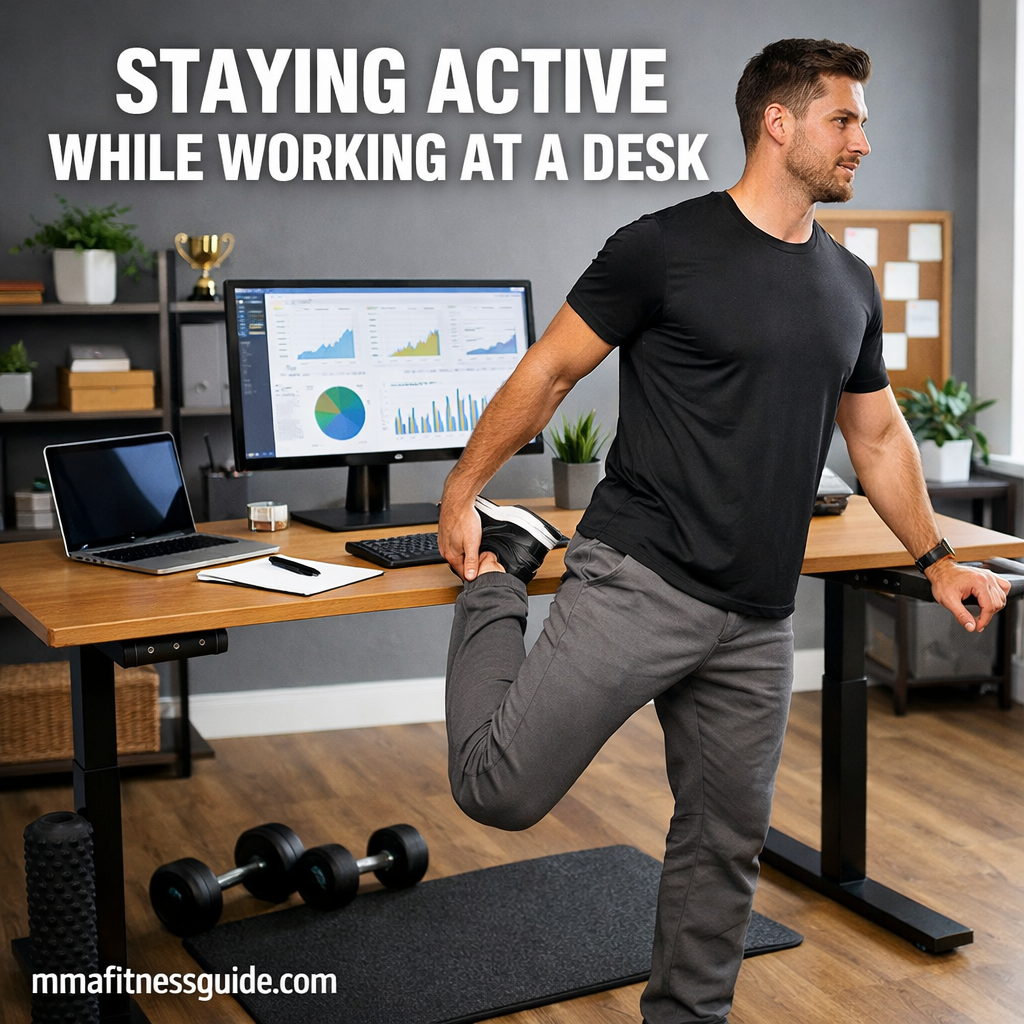
MMA trainee stretching beside his desk during a break from computer work.
Short movement breaks, walking, and simple mobility exercises can help desk workers add more activity throughout the workday.

After three or four hours at a computer, you may notice the effects before you even stand up. Your hips feel stiff, your shoulders have crept toward your ears, and the first few steps away from the desk feel noticeably different from how you moved that morning.

For someone also training MMA or working on their fitness, those hours of sitting are worth paying attention to. You don’t have to turn the office into a gym, though. Standing while you take a call, walking for five minutes at lunch, or doing a few shoulder and hip movements between tasks can break up long periods in the same position.

The goal is simple: give your body more opportunities to move during a workday that otherwise requires very little movement.

Continue reading “Staying Active While Working at a Desk”
MMA: Recover After Your First Week of Training

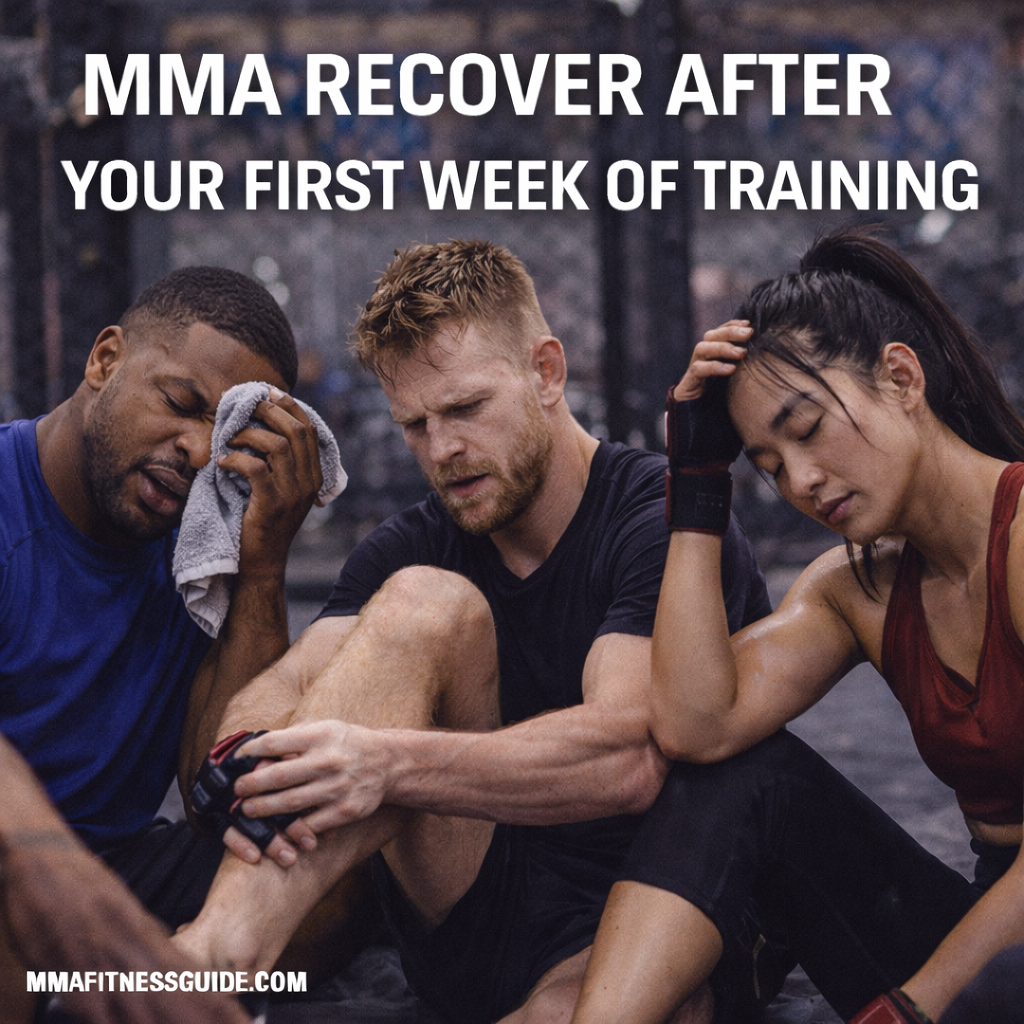
Beginner MMA athletes resting in a gym after training, showing recovery and fatigue following a first week of MMA workouts.
Beginner MMA athletes recover after their first week of training, focusing on rest, hydration, and muscle recovery.

Your first week of MMA training is exciting—but it can also leave your body feeling sore, fatigued, and overwhelmed. New movements, unfamiliar conditioning, and constant muscle engagement place stress on areas you may not have used much before. Recovery after your first week is essential for preventing injury, improving performance, and ensuring you actually want to keep training.

This guide explains how beginners can recover properly after their first week of MMA, what sensations are normal, and how to set yourself up for long-term progress.

Continue reading “MMA: Recover After Your First Week of Training”

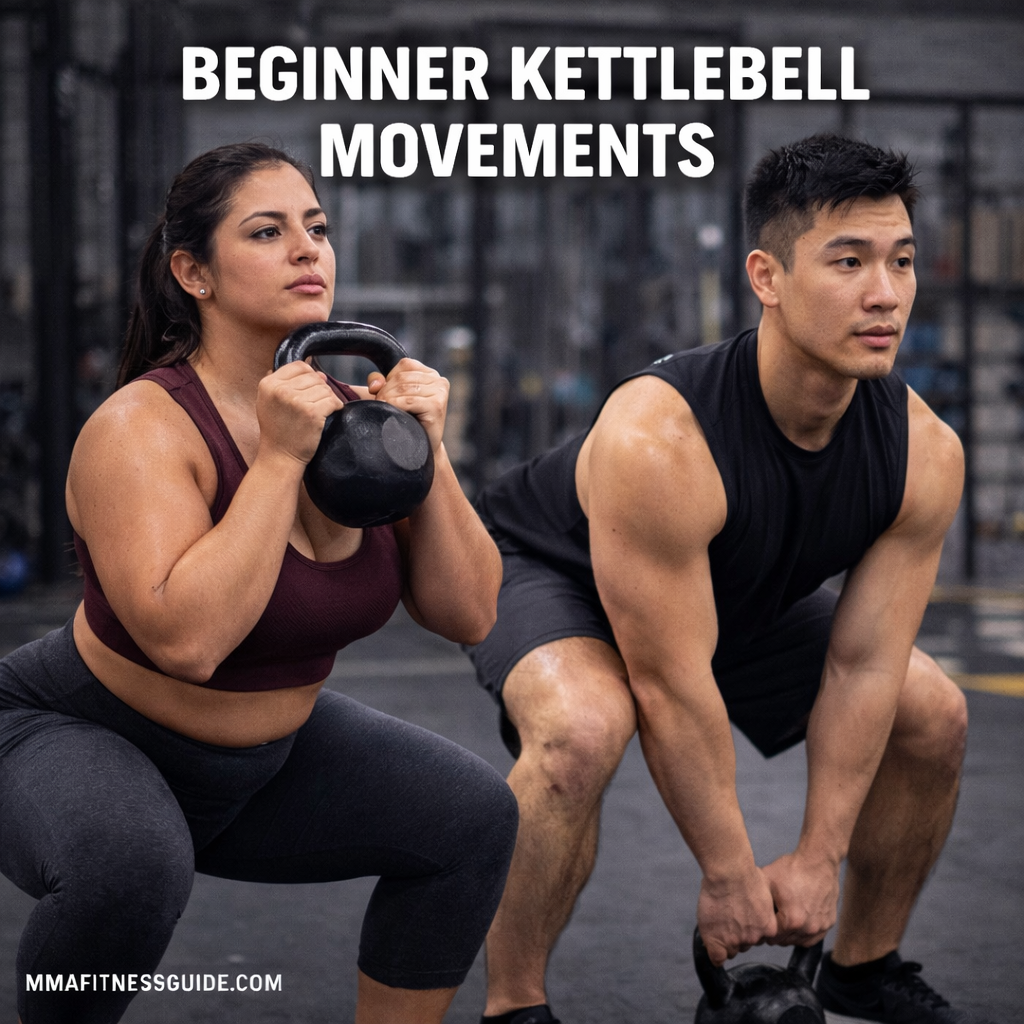
Beginner Kettlebell Movements

Beginner athletes performing basic kettlebell exercises in a gym, demonstrating goblet squats and deadlifts for strength and conditioning.
Beginners practice foundational kettlebell movements to build strength, coordination, and full-body fitness.

Kettlebells are one of the most effective tools for building strength, conditioning, and coordination—especially for beginners. Unlike traditional dumbbells, kettlebells challenge balance, grip strength, and core stability at the same time, making them ideal for full-body training and functional fitness.

This guide covers beginner kettlebell movements, explains proper technique, and shows how new trainees can safely build strength and confidence using simple, foundational exercises.

Continue reading “Beginner Kettlebell Movements”

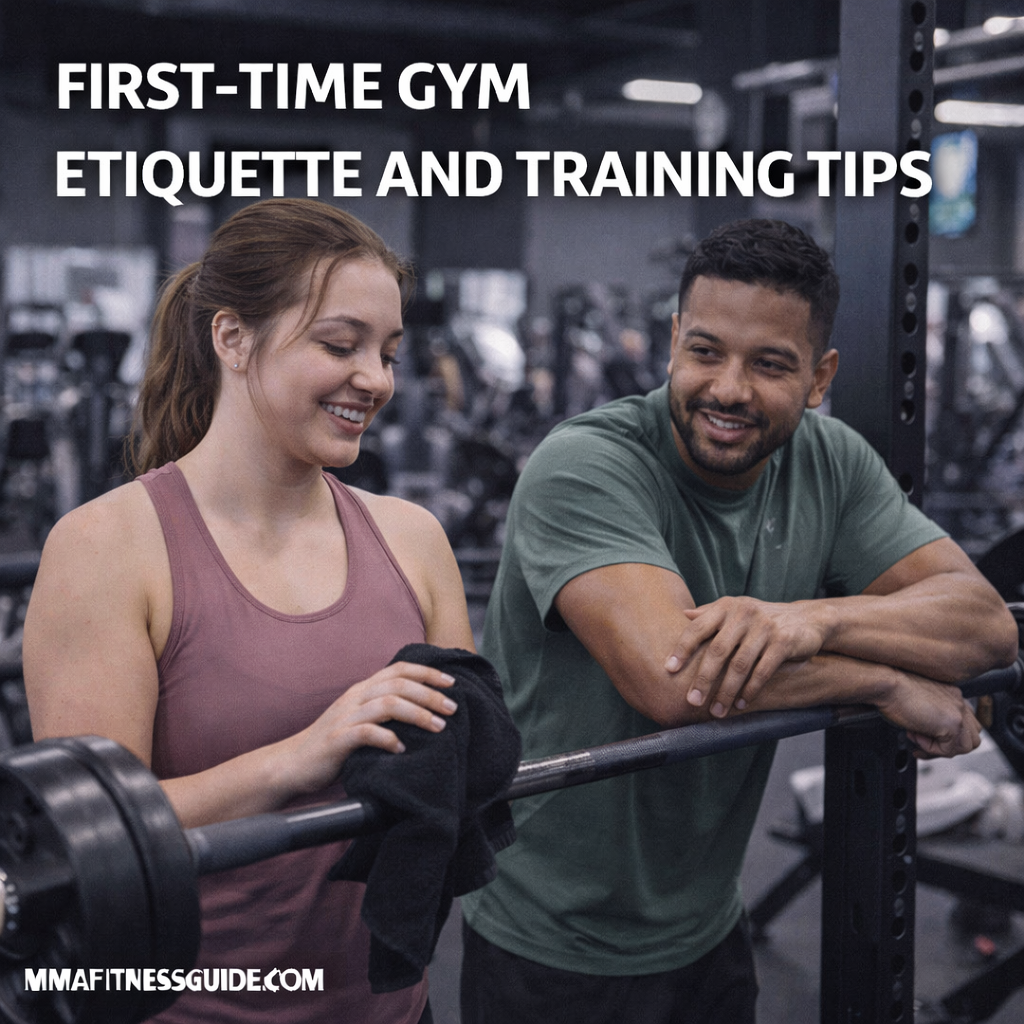
First-Time Gym Etiquette and Training Tips

Beginner gym members practicing proper gym etiquette, including wiping equipment and sharing space, in a clean modern fitness facility.
First-time gym members learning proper etiquette and training habits to build confidence and create a positive gym experience.

Introduction

Walking into a gym for the first time can feel intimidating. Unfamiliar equipment, experienced lifters, and unspoken rules can create anxiety that stops many beginners from ever getting started. The truth is, most gyms are welcoming environments—and understanding basic etiquette and training principles makes the experience far more comfortable.

Learning gym etiquette and beginner-friendly training tips helps you feel confident, avoid common mistakes, and build positive habits from day one.

Continue reading “First-Time Gym Etiquette and Training Tips”

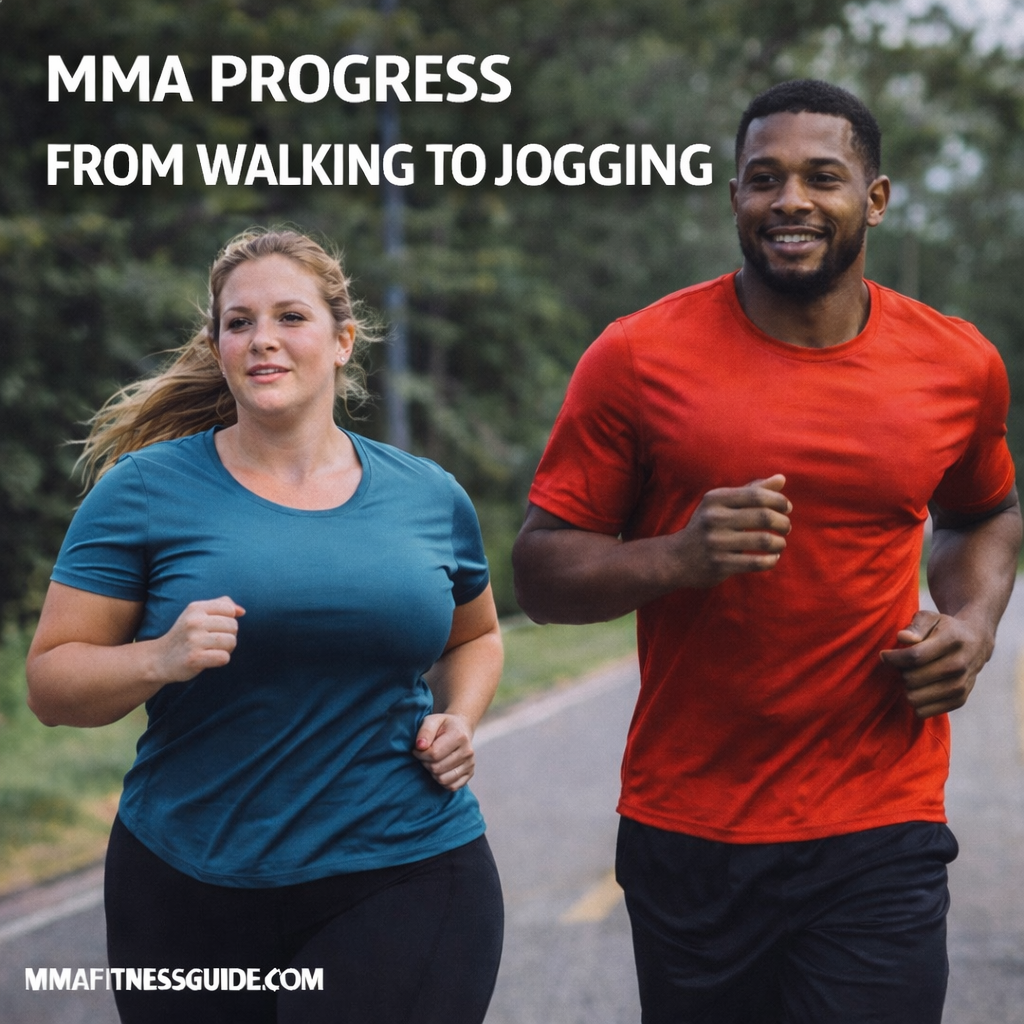
MMA: Progress From Walking to Jogging

Beginner MMA athletes jogging together outdoors, showing the transition from walking to jogging to build conditioning safely and progressively.
Beginner MMA athletes progressing from walking to jogging to build endurance, confidence, and long-term conditioning.

Introduction

For many beginners, the idea of running for MMA conditioning feels intimidating. Jogging can seem too demanding, especially if you’re new to fitness, returning after time off, or carrying extra body weight. The good news is that effective MMA conditioning doesn’t start with running—it starts with walking.

Progressing from walking to jogging builds aerobic fitness, joint resilience, and confidence in a way that supports long-term training rather than burnout or injury.

Continue reading “MMA: Progress From Walking to Jogging”

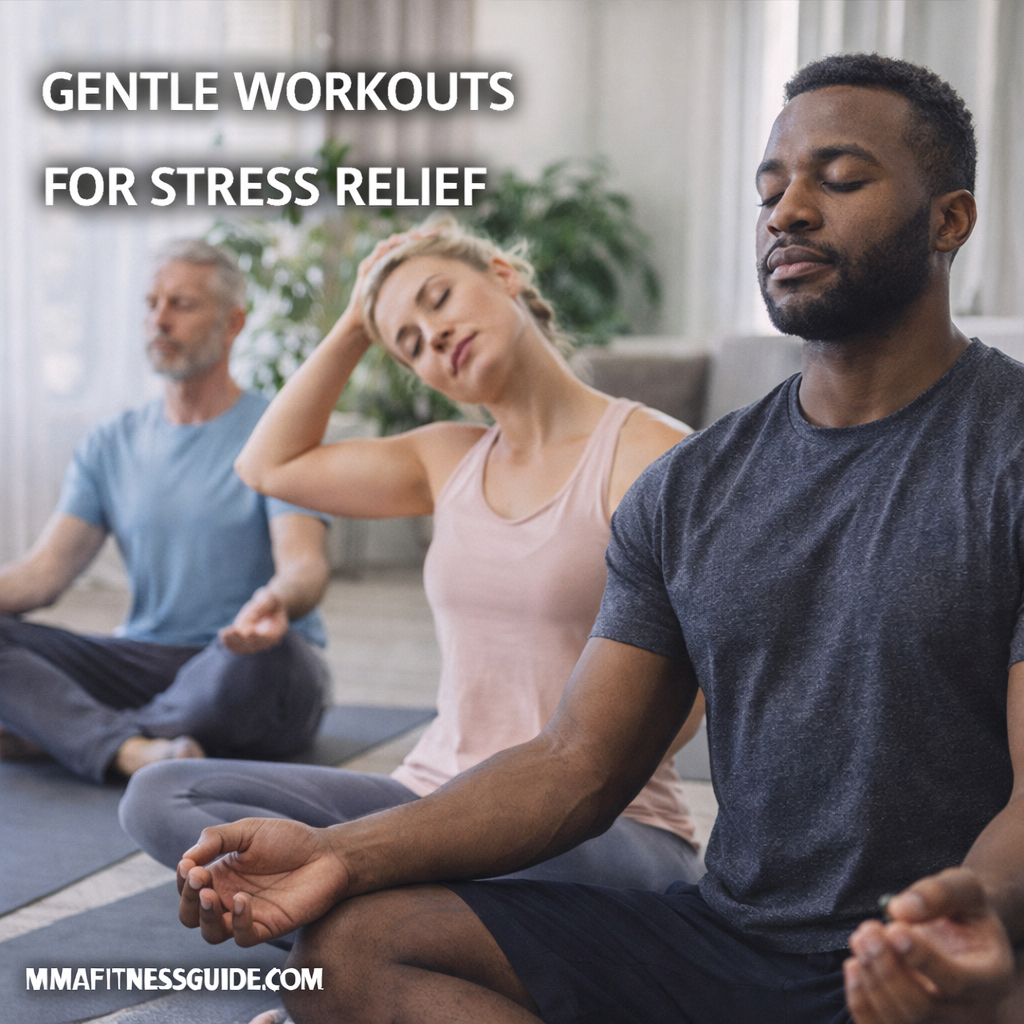
Gentle Workouts for Stress Relief

MMA trainees performing gentle stretching and mobility exercises during a low-intensity recovery session.
Gentle stretching, mobility, walking, and easy cardio can provide movement on days when a demanding workout isn’t the right fit.

After a stressful day, another demanding workout may be the last thing you want. Your shoulders are tight, you’ve been sitting for hours, your mind is still running through work or responsibilities, and an intense conditioning session sounds more draining than helpful.

A 20-minute walk, a few slow mobility exercises, or an easy bike ride gives you another option. The purpose isn’t to chase a personal record or finish exhausted. It’s to move at a comfortable pace, loosen areas that feel stiff, and give your attention something other than the day’s stress.

For beginners—and for MMA trainees between harder sessions—gentle movement can provide useful activity without turning every workout into another physical challenge.

Continue reading “Gentle Workouts for Stress Relief”

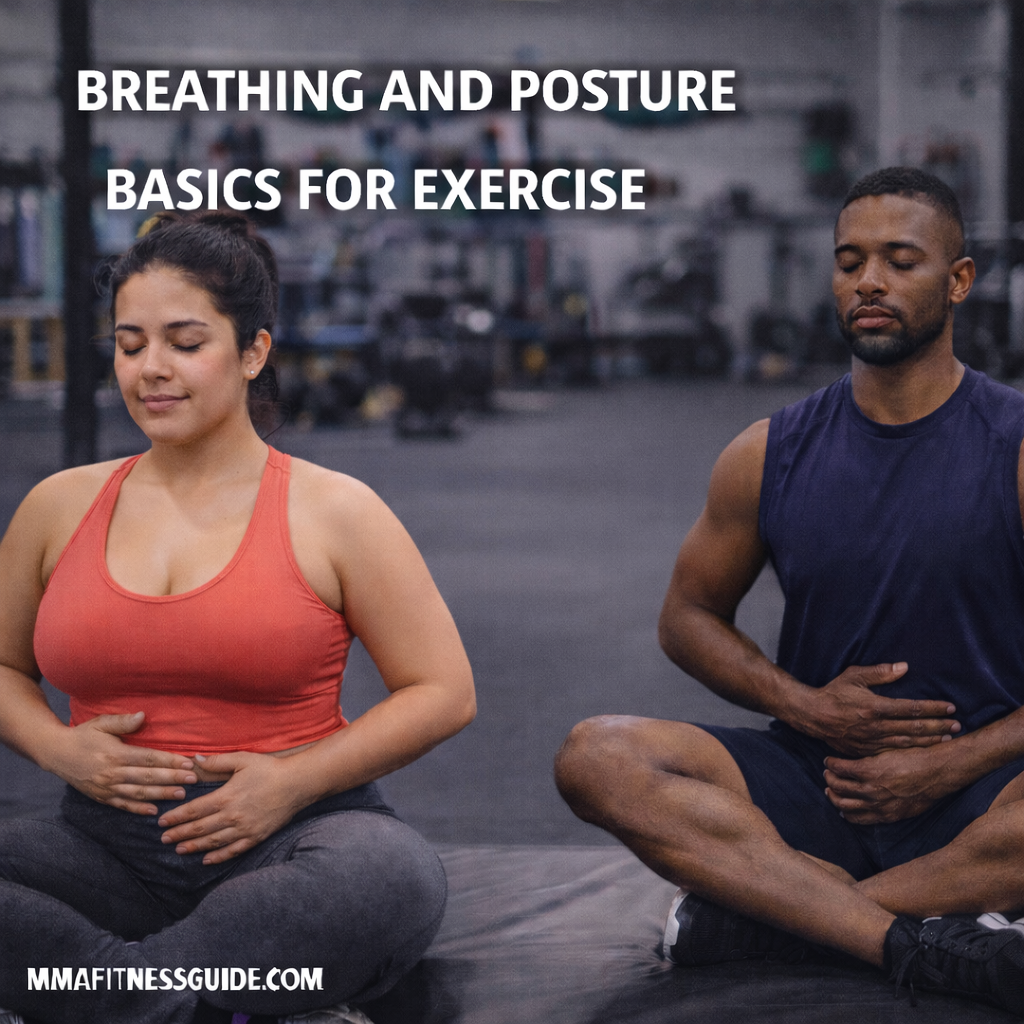
Breathing and Posture Basics for Exercise

Woman practicing diaphragmatic breathing with one hand on her chest and the other on her abdomen while seated in an MMA training gym.
Practicing controlled breathing and comfortable posture can help beginners develop better movement awareness during exercise.

Breathing and posture are two of the most overlooked foundations of exercise, especially for beginners. Many people concentrate on repetitions, sets, and workout intensity without considering how their breathing patterns and body positioning affect their movements.

You might hold your breath while lifting weights, tense your shoulders during push-ups, or arch your lower back excessively when performing an overhead press. These habits can make exercises feel more difficult and interfere with movement control.

Learning basic breathing and posture techniques can help you move more efficiently, manage exercise intensity, and develop better coordination.

These skills are particularly useful for beginners interested in strength training, cardiovascular fitness, and combat sports such as MMA, where breathing and body positioning must constantly adapt to changing demands.

This guide explains how breathing and posture work together, common mistakes to avoid, practical techniques for different exercises, and a simple routine you can incorporate into your workouts.

Continue reading “Breathing and Posture Basics for Exercise”

Beginner Guide to Resistance Bands

Beginner athletes using resistance bands in a gym to perform strength exercises safely and effectively.
Beginners using resistance bands for safe, effective strength training exercises.

Introduction

Resistance bands are one of the most beginner-friendly and versatile training tools available. They are affordable, portable, and adaptable to all fitness levels. Whether you’re just starting your fitness journey or looking for a low-impact way to build strength, resistance bands provide an effective and joint-friendly option.

This beginner guide will help you understand how resistance bands work, how to use them safely, and how to get the most out of your training.

Continue reading “Beginner Guide to Resistance Bands”

Training Safely at Any Age

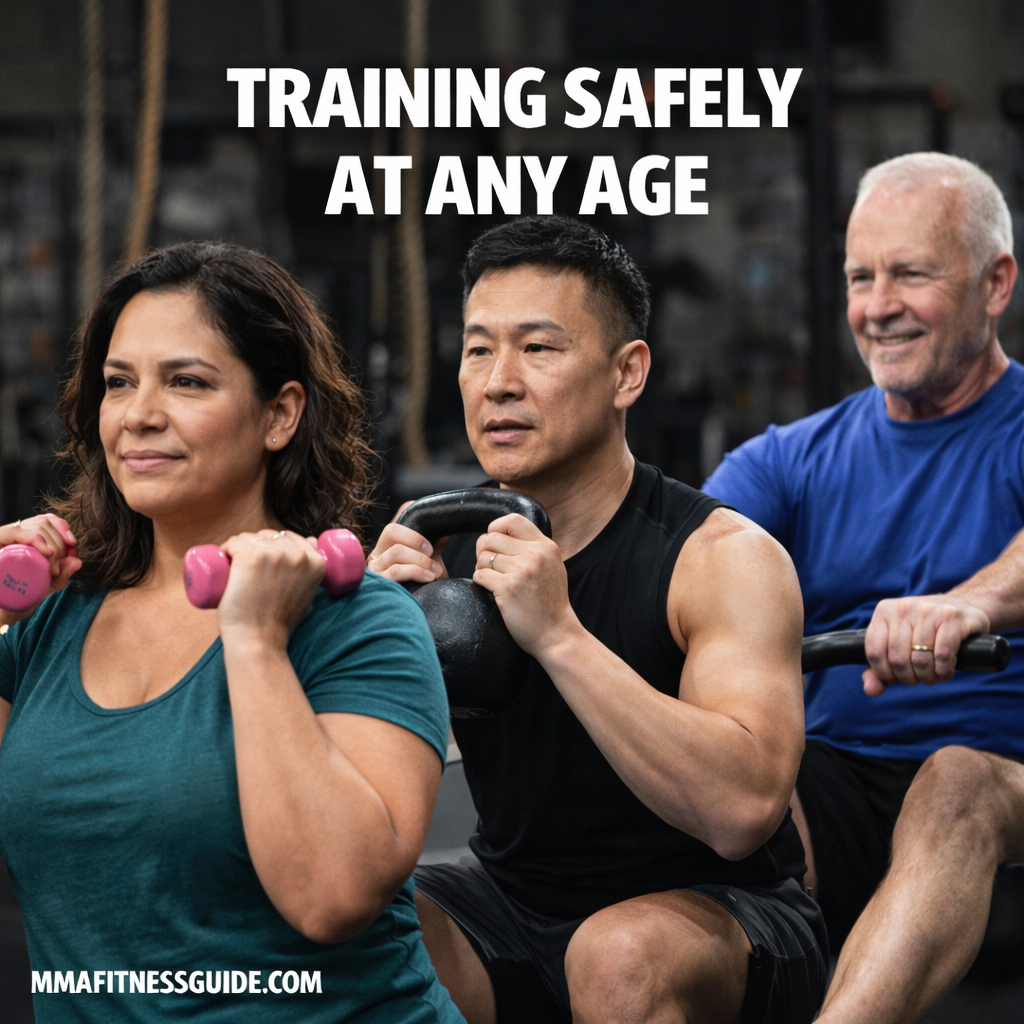
Older adults training safely in a gym with strength exercises, focusing on proper form.
Adults of different ages training safely with strength exercises in a gym environment.

Introduction

Starting or continuing fitness training at any age is one of the best investments you can make in your long-term health. Whether you are new to exercise, returning after time off, or adapting your training as you get older, safety should always come first.

Training safely does not mean training lightly. It means understanding your body, respecting recovery, and building strength in a way that supports longevity, confidence, and consistent progress.

Continue reading “Training Safely at Any Age”

MMA: Set Realistic Fitness Goals

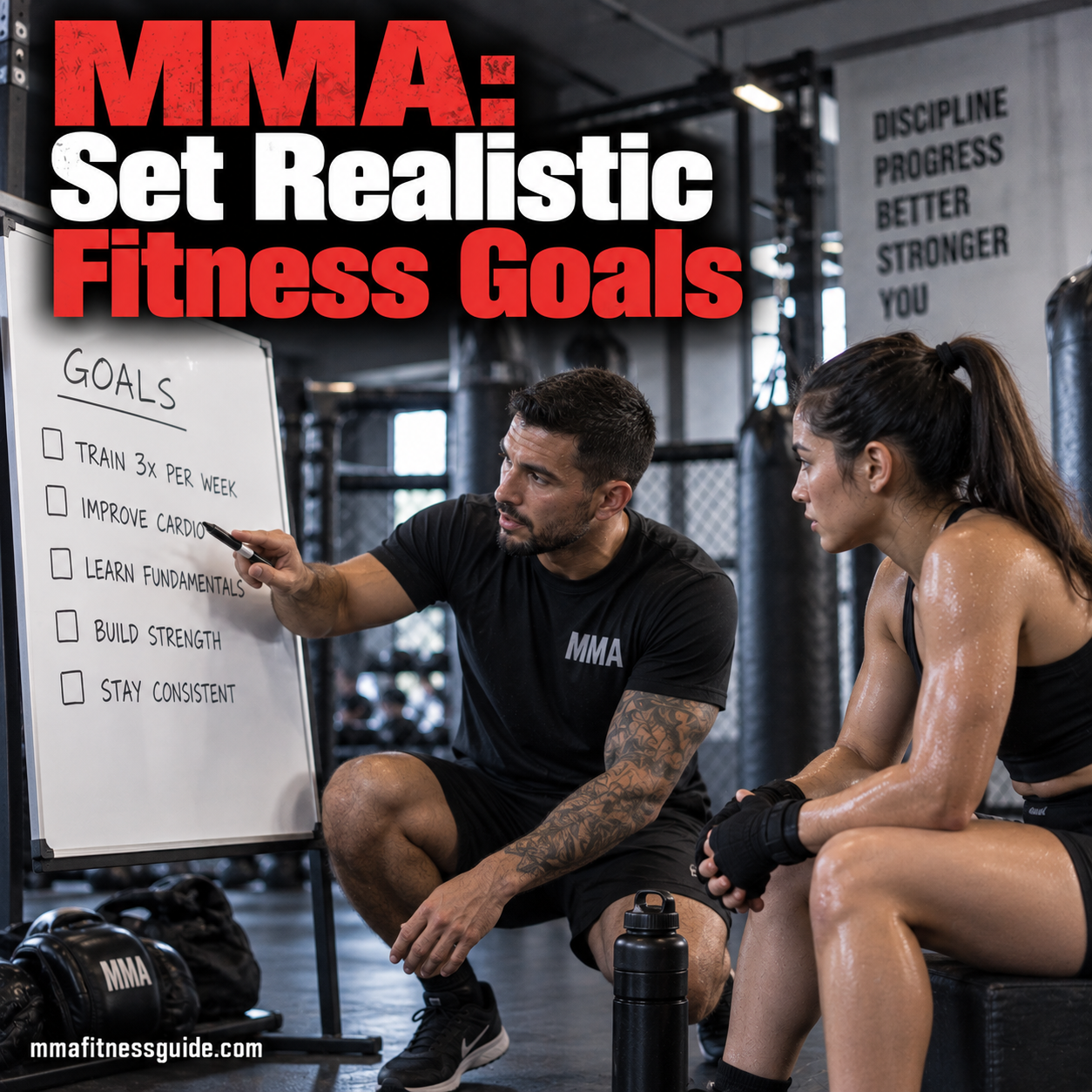
MMA coach helping a beginner fighter set realistic training, cardio, strength, and skill goals.
Setting measurable goals around attendance, technique, conditioning, and recovery gives MMA beginners clear targets for their training.

A beginner can walk into an MMA gym with a long list of expectations: lose 20 pounds, develop great cardio, learn to fight, start sparring, and completely transform their fitness within a few months.

Then actual training begins.

Two classes per week may leave you surprisingly sore. Basic footwork requires more coordination than expected. A three-minute round feels much longer when you’re throwing combinations, defending takedowns, or working from the ground.

Good goals account for that learning curve. Instead of measuring success only by weight, appearance, or how quickly you can spar, build targets around things you can repeatedly control—attendance, technique, conditioning, and recovery.

Continue reading “MMA: Set Realistic Fitness Goals”