A weekend warrior putting in focused training to maximize progress with limited time.
Introduction
Not everyone can train like a full-time fighter. Work, family, school, and life responsibilities make weekday training tough for millions of people. But here’s the good news:
You can still make serious progress with only two days a week — if you train smart.
Weekend warriors are proof that consistency and structure matter more than weekly hours. With the right approach, your Saturday and Sunday sessions can build real skill, real strength, and real confidence.
Starting with manageable runs and gradually increasing your workload can help you build cardio without overwhelming your MMA training.
Running can add useful aerobic conditioning to an MMA training schedule, but the first few weeks are where beginners often do too much too soon. A fighter who is already comfortable doing rounds on the mats may still have calves, shins, ankles, and knees that aren’t accustomed to repeated running impact.
Starting with three hard miles, adding sprints immediately, or running every day can turn a conditioning plan into sore shins or irritated knees before a routine has even formed.
A better starting point is deliberately easy: short runs, walking breaks, recovery days, and gradual increases in workload.
A Muay Thai fighter showcasing the striking roots that helped shape modern MMA.
Introduction
For decades, Muay Thai dominated Thailand’s stadiums as a national combat sport built on grit, strategy, and tradition. Today, it’s also one of the most influential striking bases in MMA. From razor-sharp elbows to devastating leg kicks, Muay Thai has shaped countless champions and changed how fighters strike in the cage.
Here’s how “The Art of Eight Limbs” went from Bangkok stadiums to the global stage — and eventually, into the Octagon.
A fighter staying disciplined and consistent even when motivation dips.
Introduction
Every fighter loves training when motivation is high — the energy is strong, the rounds feel smooth, and showing up feels effortless. But no fighter stays motivated all the time. Life stress, fatigue, long camps, work, and daily responsibilities all take a toll. The real difference between average progress and long-term growth comes from one skill:
Consistency when motivation fades.
Here’s how fighters build systems and mindsets that keep them training even on days when the fire isn’t there.
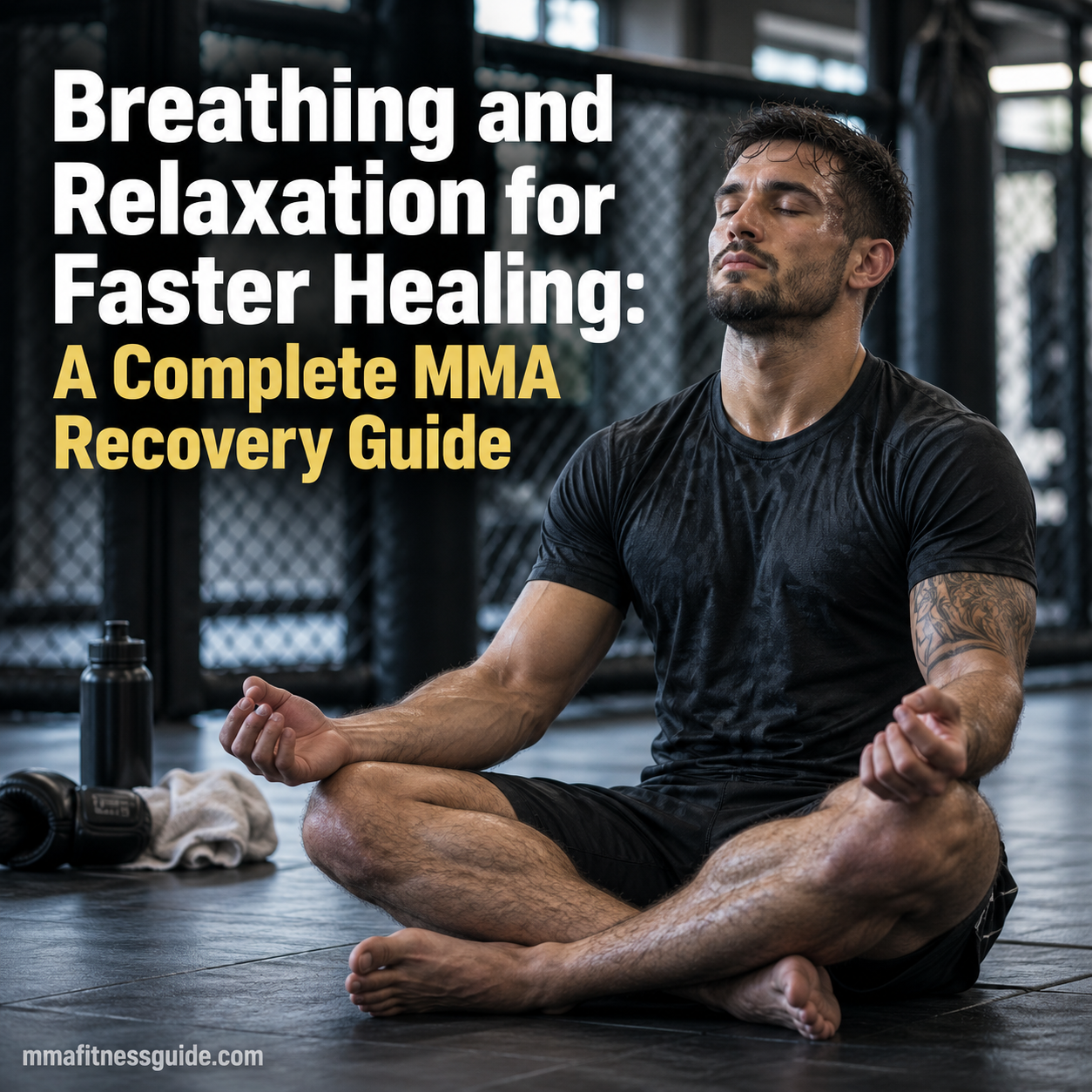
Controlled breathing can help MMA fighters manage stress, release tension, and support recovery.
Recovery is not just about resting sore muscles or waiting for an injury to disappear. For MMA fighters, it also involves managing stress, improving sleep, controlling unnecessary muscle tension, and creating the conditions that allow the body to repair itself.
One of the simplest ways to support that process is through controlled breathing.
After a demanding sparring session, your heart rate may remain elevated, your shoulders may feel tight, and your mind may continue replaying exchanges long after training ends. Even when you are physically resting, your body can remain in a heightened state of arousal.
Breathing and relaxation techniques can help you transition from intense physical activity toward a calmer state.
They may reduce perceived stress, ease muscle tension, improve relaxation, and support better sleep. These benefits can make recovery more comfortable and help you maintain consistent rehabilitation habits.
However, breathing exercises do not directly repair torn ligaments, heal fractures, or replace medical treatment. Their primary value is supporting the conditions in which normal recovery takes place.
This guide explains how fighters can use breathing, relaxation, and gentle movement during everyday recovery, after intense training, and while managing minor injuries.
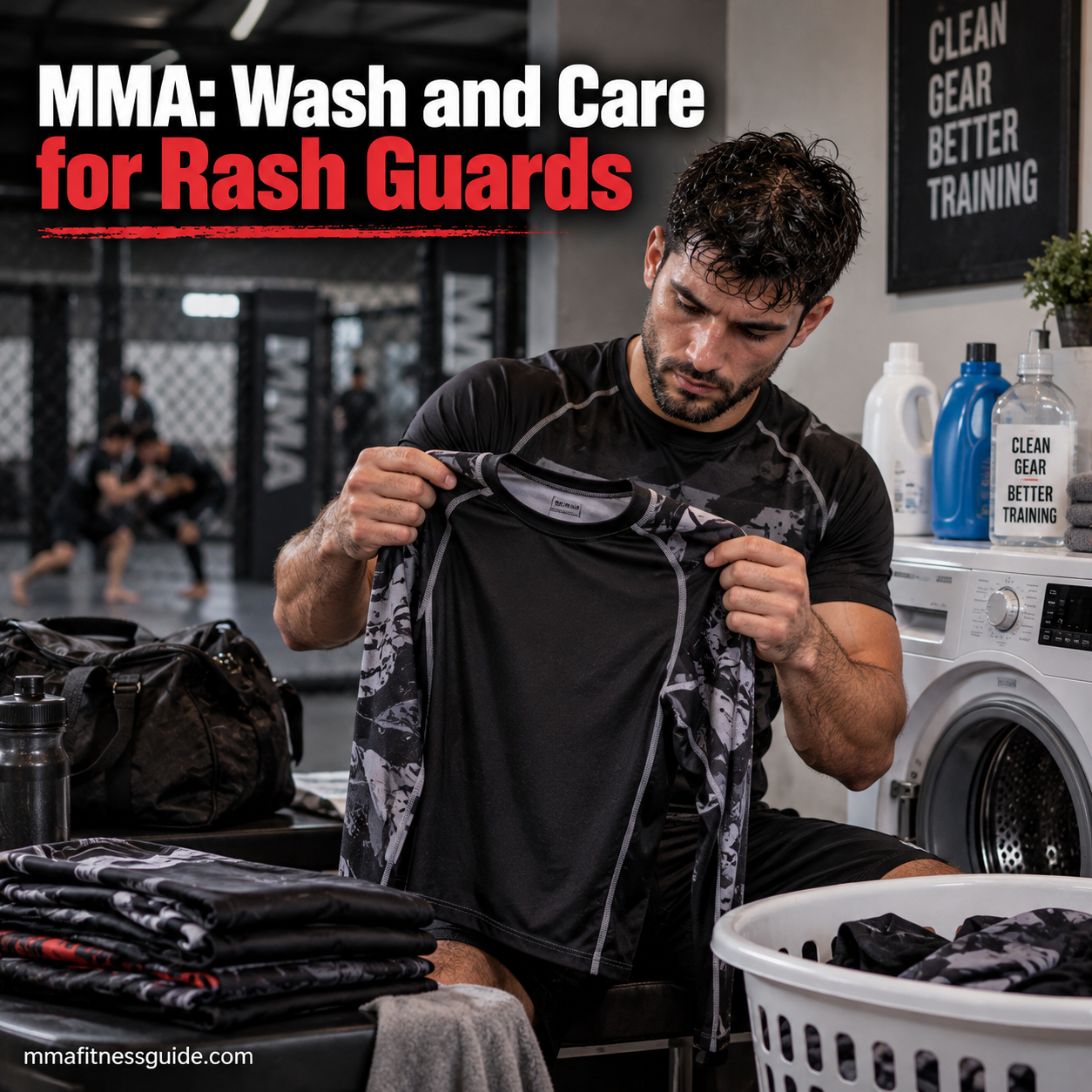
Proper rash guard care starts with prompt washing, gentle detergent, and air drying to prevent odors, fabric damage, and premature wear.
Introduction
Your rash guard takes a beating every week. Between sweat, friction, mat contact, constant stretching, and repeated washing, few pieces of MMA equipment experience as much wear.
A typical training session exposes your rash guard to sweat, skin oils, and whatever it picks up from shared mats and training partners. After class, it often ends up stuffed inside a gym bag alongside damp shorts, hand wraps, and other equipment.
Leave it there overnight, and you may discover an unpleasant smell that becomes increasingly difficult to remove.
The good news is that maintaining rash guards doesn’t require expensive cleaning products or a complicated routine. Most problems can be prevented with prompt washing, appropriate detergent, careful drying, and proper storage.
Whether you train MMA, Brazilian jiu-jitsu (BJJ), wrestling, or no-gi grappling, this guide explains how to wash and care for rash guards, remove stubborn odors, prevent fabric damage, and recognize when it’s time for a replacement.
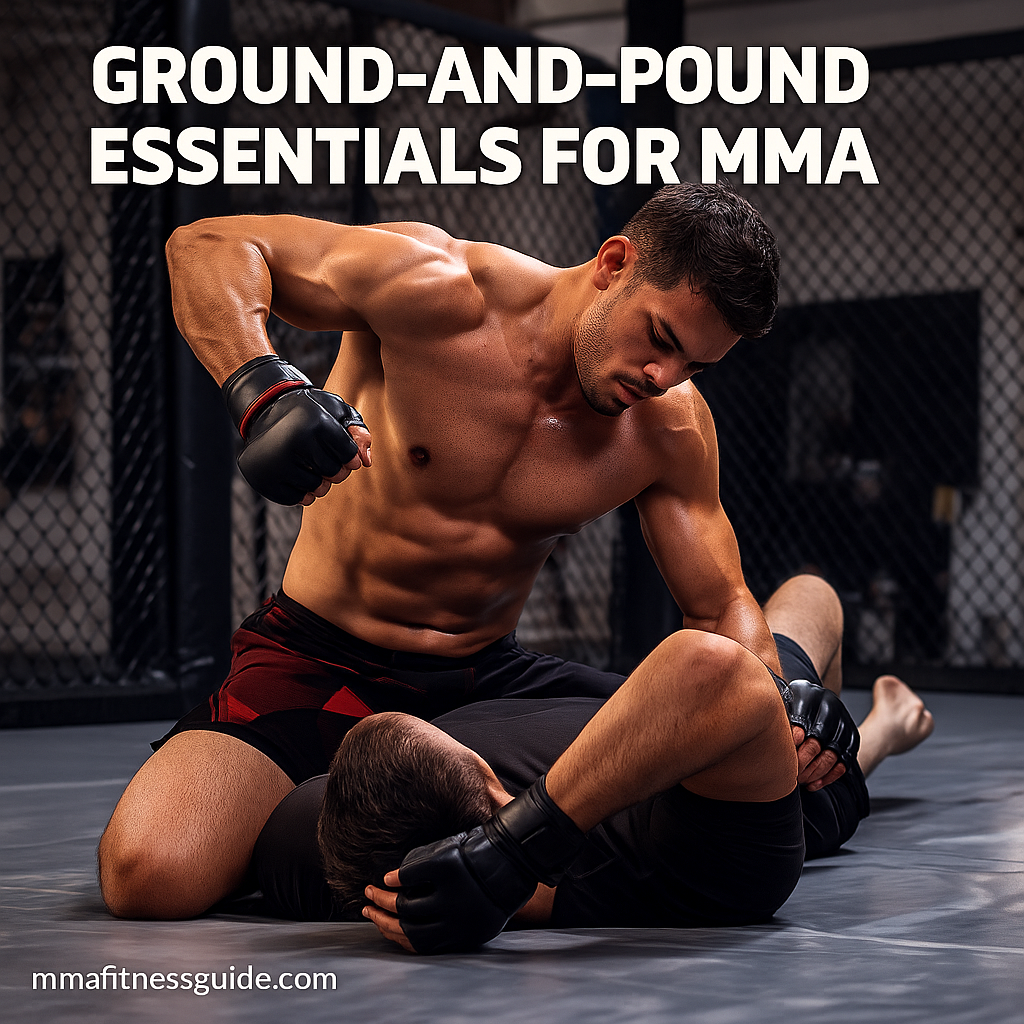
A fighter demonstrating solid top-position control and effective ground-and-pound technique.
Introduction
Ground-and-pound is one of the defining skills of MMA. It blends grappling control with striking power, allowing fighters to deal damage, force openings, and finish fights. But effective ground-and-pound isn’t about wild punches — it’s about control, posture, precision, and timing.
Whether you’re a beginner learning top control or an experienced fighter sharpening your finishing ability, these essentials will help you strike safely and effectively from dominant positions.
A fighter choosing quick, portable snacks to stay fueled between training sessions.
Introduction
Fighters have busy schedules. Between training sessions, work, school, and recovery, there isn’t always time for full meals. That’s why having healthy, portable snack options is crucial. Good snacks keep your energy steady, support muscle repair, and prevent you from reaching for junk food when you’re hungry and rushed.
Here are the best grab-and-go snacks for fighters who need fuel fast — without sacrificing nutrition.
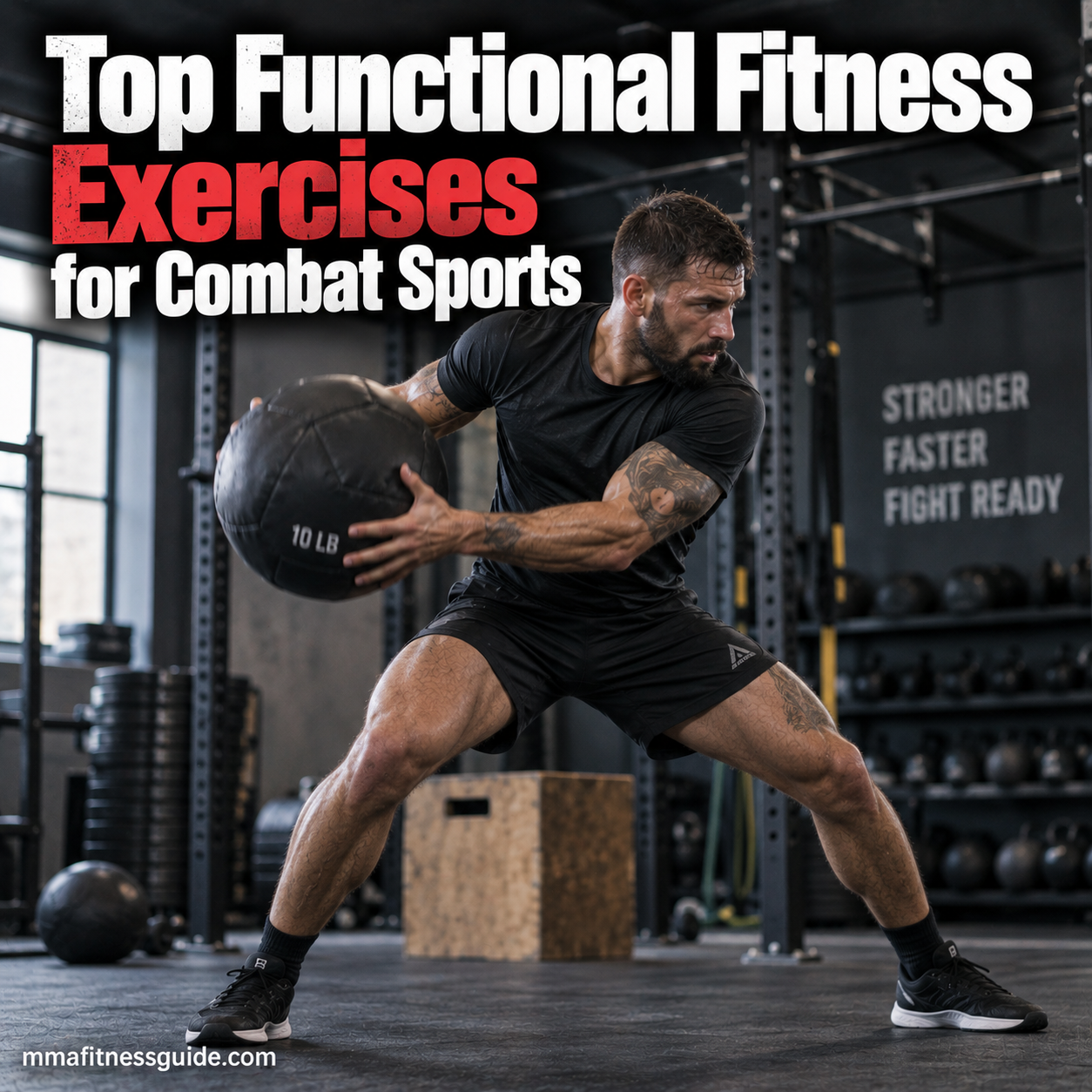
Functional exercises such as medicine ball throws, kettlebell swings, sled pushes, and carries develop strength, stability, and power for combat sports.
Introduction
Combat sports rarely involve producing force from a perfectly stable position. Fighters punch while moving, kick from one leg, resist opponents pulling them off balance, rotate through takedowns, and repeatedly transition between standing and ground positions.
Functional training can prepare the body for these demands by emphasizing movements that involve several joints and muscle groups working together.
Exercises that develop hip extension, rotation, single-leg stability, grip strength, carrying strength, and explosive movement can complement regular boxing, wrestling, Muay Thai, BJJ, or MMA practice.
Here are 12 exercises that fit particularly well into combat-sports strength and conditioning.
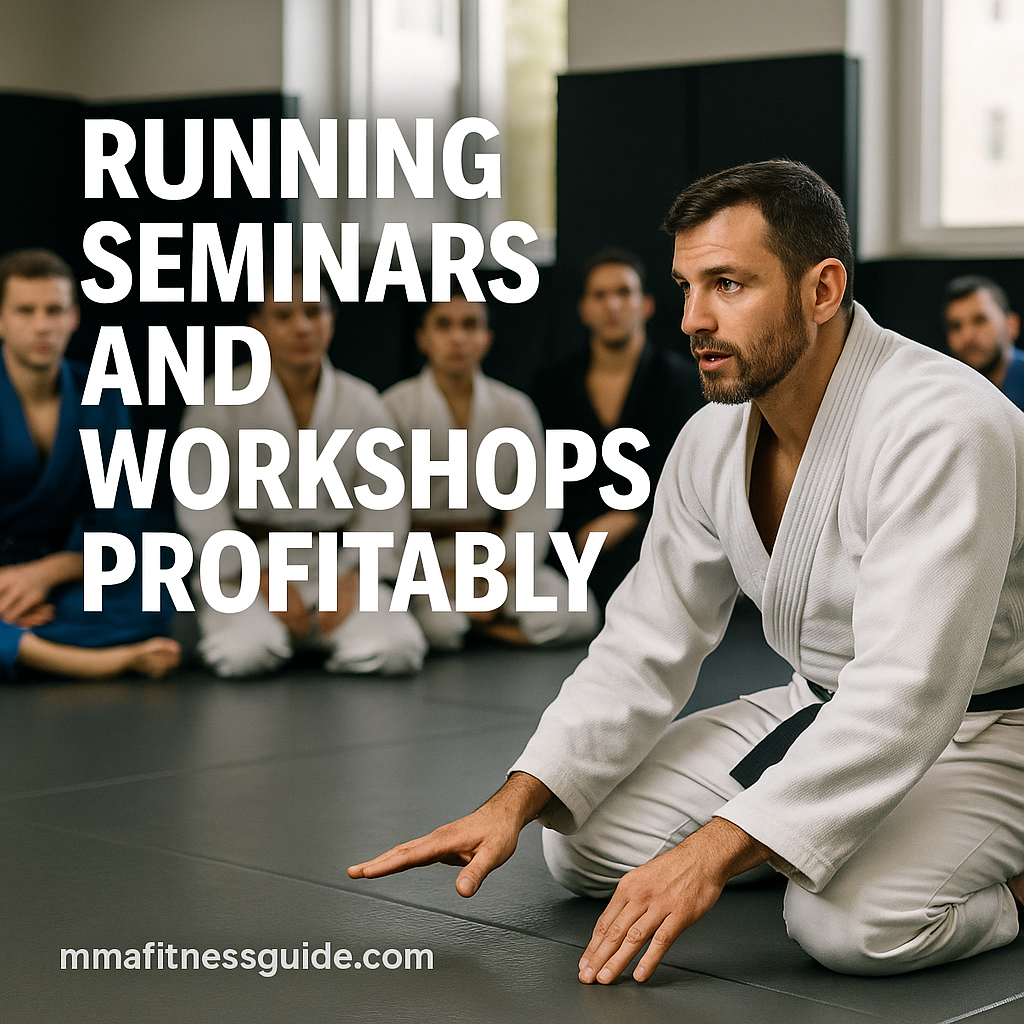
A coach demonstrating techniques during a profitable martial arts seminar.
Introduction
Seminars and workshops are one of the best ways for martial arts instructors and gym owners to increase income, build their personal brand, and offer something special to their students. When done right, a single seminar can bring in more revenue than a week of regular classes — all while providing high-impact training and strengthening your gym’s community.
But profitable seminars don’t happen by accident. They require clear planning, smart pricing, strong marketing, and a great experience on the day of the event.
Here’s how successful coaches run seminars and workshops that consistently make money.