A reflective moment symbolizing how setbacks can fuel a stronger growth mindset in both training and life.
Introduction
Everyone wants to win — in training, in competition, and in life. But the truth is, the moments that shape you most aren’t the victories. They’re the losses. The times you fell short. The times you made mistakes. The times you questioned yourself.
Losses sting, but they also teach. And adopting a growth mindset — the belief that you can improve through effort, learning, and resilience — transforms setbacks into stepping stones. Whether you’re a fighter in the gym or just someone trying to get better in daily life, the lessons from losses can be some of the most powerful tools for progress.
A beginner-friendly visual promoting simple nutrition habits to support new training routines.
Introduction
Starting a new fitness routine is exciting — but it can also feel overwhelming, especially when nutrition enters the mix. You want more energy, better results, and healthier habits, but you don’t want complicated meal plans or strict diets. The truth is, beginners don’t need perfection. They need simple, repeatable nutrition habits that support training and build long-term consistency.
Whether you’re hitting MMA classes, running, lifting, or just getting active again, these easy nutrition tips will help fuel your progress and make your new fitness lifestyle feel natural.
A seasoned wrestler representing the powerful grappling dynasties that shaped modern MMA.
Introduction
Wrestling has always been one of the strongest foundations in MMA. It shapes champions, determines who controls the grappling exchanges, and creates fighters who can dictate where the fight goes. But behind many great wrestlers are families, cultures, and dynasties that have produced generation after generation of elite combat athletes.
From Dagestani mountain camps to American college rooms, these wrestling dynasties have influenced MMA more than almost any other force. Here’s how they shaped the sport — and the fighters dominating it today.
A fighter practicing mental control and channeling aggression with purpose during training.
Introduction
Aggression is part of combat. It’s natural to feel a surge of intensity, anger, or adrenaline when you’re fighting, sparring, or competing. But in MMA, aggression alone doesn’t win fights — control does.
The best fighters in the world aren’t just tough. They’re composed. They know how to tap into aggression without letting it take over. Understanding the psychology behind aggression and control can help you perform better, stay calm in the cage, and fight with purpose instead of emotion.
Here’s how fighters build the mental skill of controlled aggression.
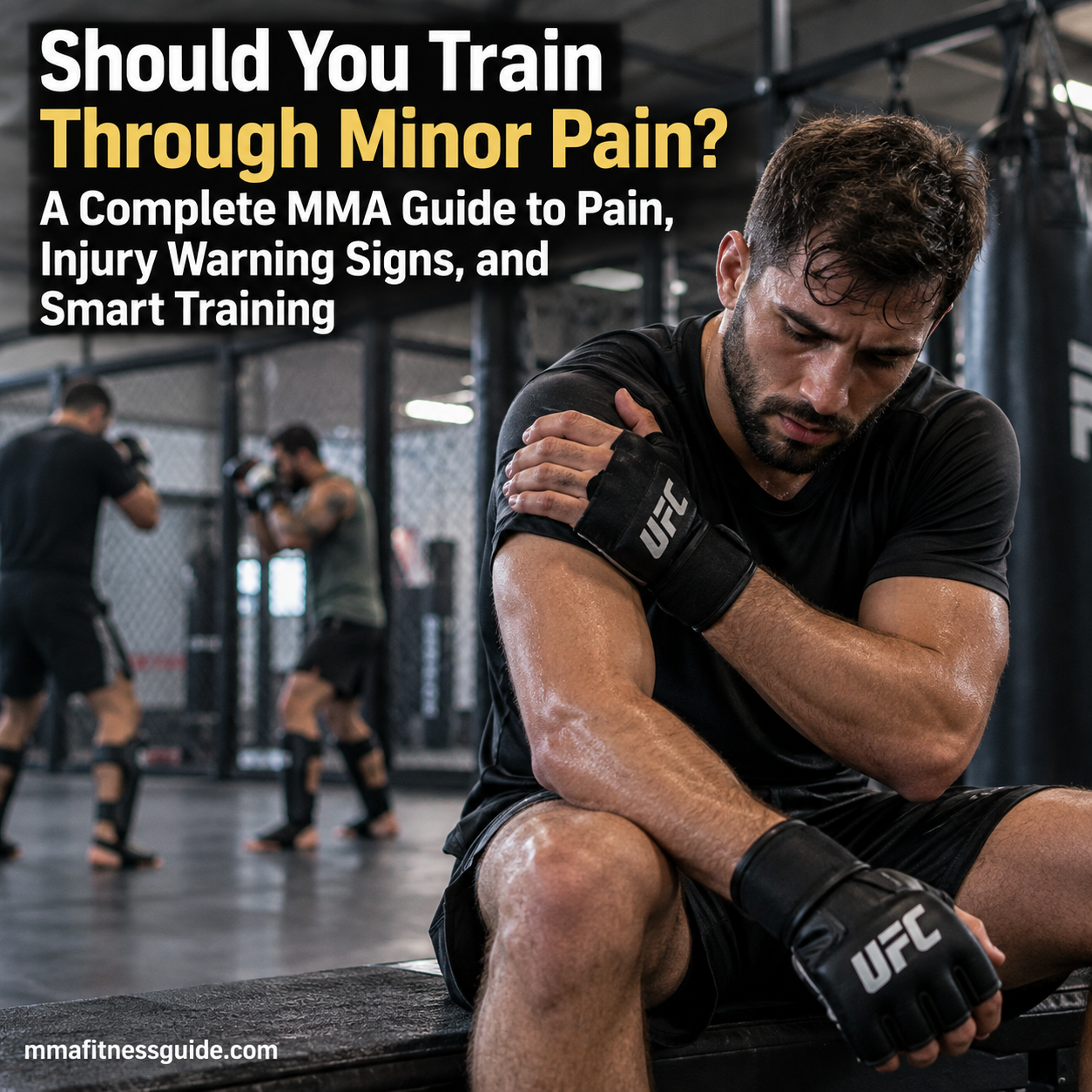
Recognizing the difference between normal training soreness and injury warning signs helps MMA fighters make safer training decisions.
Minor aches are practically unavoidable in MMA. After a demanding week of wrestling, striking, grappling, and strength training, you might wake up with sore shoulders, stiff hips, tender forearms, or a nagging ache in your lower back.
But what happens when that discomfort follows you into your next training session?
Should you push through it, reduce your intensity, or take the day off entirely?
The answer depends on several factors, including where the pain is located, how it started, whether it changes during movement, and how your body responds afterward.
The goal isn’t to avoid every uncomfortable sensation. It’s to recognize when training is productive and when continuing could make an existing problem worse.
A fighter who misses one hard sparring session to address a developing injury may avoid missing several weeks of training later. At the same time, unnecessary inactivity can interrupt conditioning, technical development, and training consistency.
This guide explains how to evaluate minor pain, distinguish ordinary soreness from possible injury, modify MMA workouts, and decide when professional medical assessment is necessary.
Medical note: This article provides general training education, not an individual diagnosis. Pain intensity and symptoms alone cannot reliably establish whether an injury is present. Seek medical assessment for concerning, persistent, or worsening symptoms.
A fighter using compression gear to support faster recovery and reduce post-training soreness.
Introduction
Between grappling rounds, hard sparring, and strength training, MMA takes a serious toll on your muscles and joints. Recovery isn’t optional — it’s part of what allows you to show up stronger for your next session. One of the simplest tools to boost recovery is compression gear.
From tights to sleeves to socks, compression equipment helps improve circulation, reduce swelling, and support your muscles so you bounce back faster. Whether you’re a beginner or an experienced fighter, smart use of compression gear can make a noticeable difference in how you feel the next day.
Here’s the gear worth adding to your recovery routine.
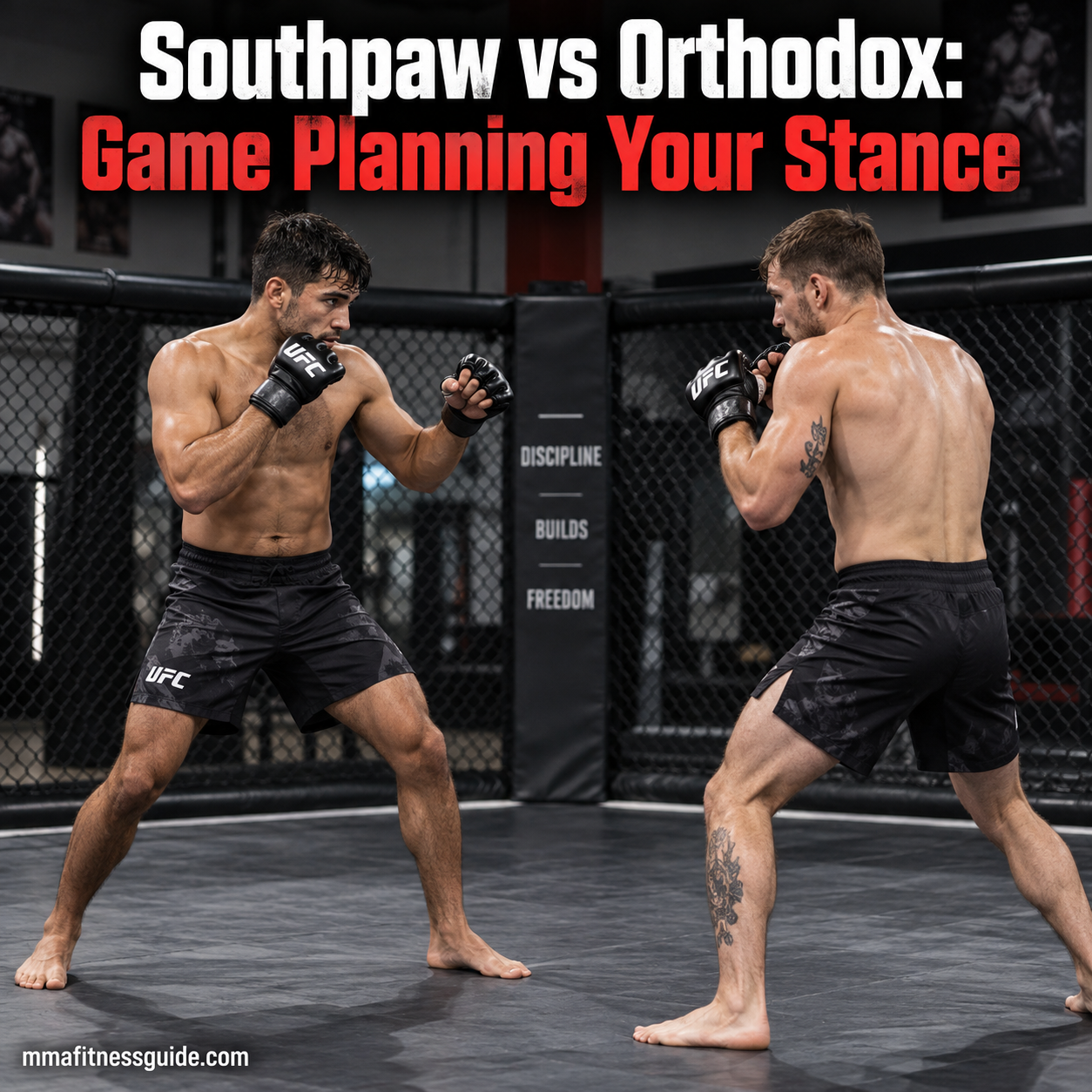
Understanding orthodox and southpaw positioning helps MMA fighters develop better striking angles, defense, and tactical game plans.
Choosing between an orthodox and southpaw stance is one of the most fundamental decisions in mixed martial arts. Your stance influences how you punch, kick, defend takedowns, manage distance, and create angles against an opponent.
An orthodox fighter leads with the left foot and typically uses the right hand as the rear power hand. A southpaw leads with the right foot and generally uses the left hand as the rear power hand.
The difference might seem simple, but it changes the geometry of almost every striking exchange.
When two orthodox fighters meet, they operate in a closed-stance matchup. When an orthodox fighter faces a southpaw, the matchup becomes open stance, creating different opportunities for straight punches, body kicks, lead-hand control, and foot positioning.
Neither stance automatically gives a fighter an advantage. Success depends on how effectively you use your position, understand your opponent’s weapons, and adapt your game plan.
This comprehensive guide breaks down the strengths and weaknesses of both stances, explains how to win the lead-foot battle, explores offensive and defensive strategies, and provides practical drills for developing a stance-based MMA game plan.
A fighter fueling her body with quick, clean energy before stepping into sparring rounds.
Introduction
Sparring demands the highest combination of skills you’ll use in MMA — speed, timing, explosiveness, cardio, focus, and reaction time. But even skilled fighters underperform when they show up under-fueled. The right pre-sparring meal can make the difference between sharp and sluggish, between controlled rounds and getting gassed halfway through.
Fueling your body properly isn’t complicated, but it does require timing and smart choices. Here’s how to eat before sparring so you feel powerful, focused, and conditioned when the rounds begin.
A grappler developing powerful hand and forearm strength through towel pull-ups—an essential workout for stronger grips in MMA and BJJ.
Introduction
Grappling lives and dies by grip strength. Whether you’re controlling wrists, locking a body lock, finishing a choke, maintaining sleeve grips, or holding onto a single leg — your grip determines who controls the exchange.
The stronger your hands, fingers, and forearms are, the easier it becomes to dominate scrambles, maintain positions, and secure submissions. Grip strength isn’t just “nice to have” — it is a core skill for every grappler.
Here’s how to build world-class grip strength with workouts that translate directly to MMA, wrestling, and BJJ.
Understanding insurance, liability waivers, and legal requirements helps MMA gym owners protect their businesses and members.
Running an MMA or martial arts gym takes passion, technical knowledge, and leadership. But building a successful training facility also requires something that receives far less attention: protecting the business from financial, legal, and operational risks.
A student could suffer a serious injury during sparring. A visitor might slip on a wet floor. A coach could get hurt demonstrating a takedown. A member might dispute a cancellation fee, or a landlord could discover that your insurance does not satisfy the lease requirements.
Any of these situations can become expensive, even when you believe you have done everything correctly.
The solution is not simply purchasing an insurance policy and asking members to sign a waiver. Gym owners need a coordinated system involving appropriate insurance, legally reviewed agreements, safe training practices, staff procedures, and accurate documentation.
This guide explains the essential insurance policies, legal considerations, and risk-management practices MMA and martial arts gym owners should understand before opening their doors or expanding an existing facility.
Important: This article provides general educational information, primarily from a U.S. business perspective. Insurance coverage, employment requirements, waiver enforceability, and business regulations vary by jurisdiction. Consult a licensed insurance professional and qualified local attorney before making decisions for your facility.