A simple home workout setup showing how a living space can support daily fitness habits.
Your environment shapes your habits — and when your home makes fitness easier, staying consistent becomes much simpler. Whether you’re a beginner trying to build momentum or a fighter balancing gym sessions with recovery at home, the way you set up your space can dramatically impact your motivation, focus, and long-term results.
Creating a fitness-friendly home isn’t about expensive equipment — it’s about designing a space that encourages movement, reduces friction, and keeps your goals front and center.
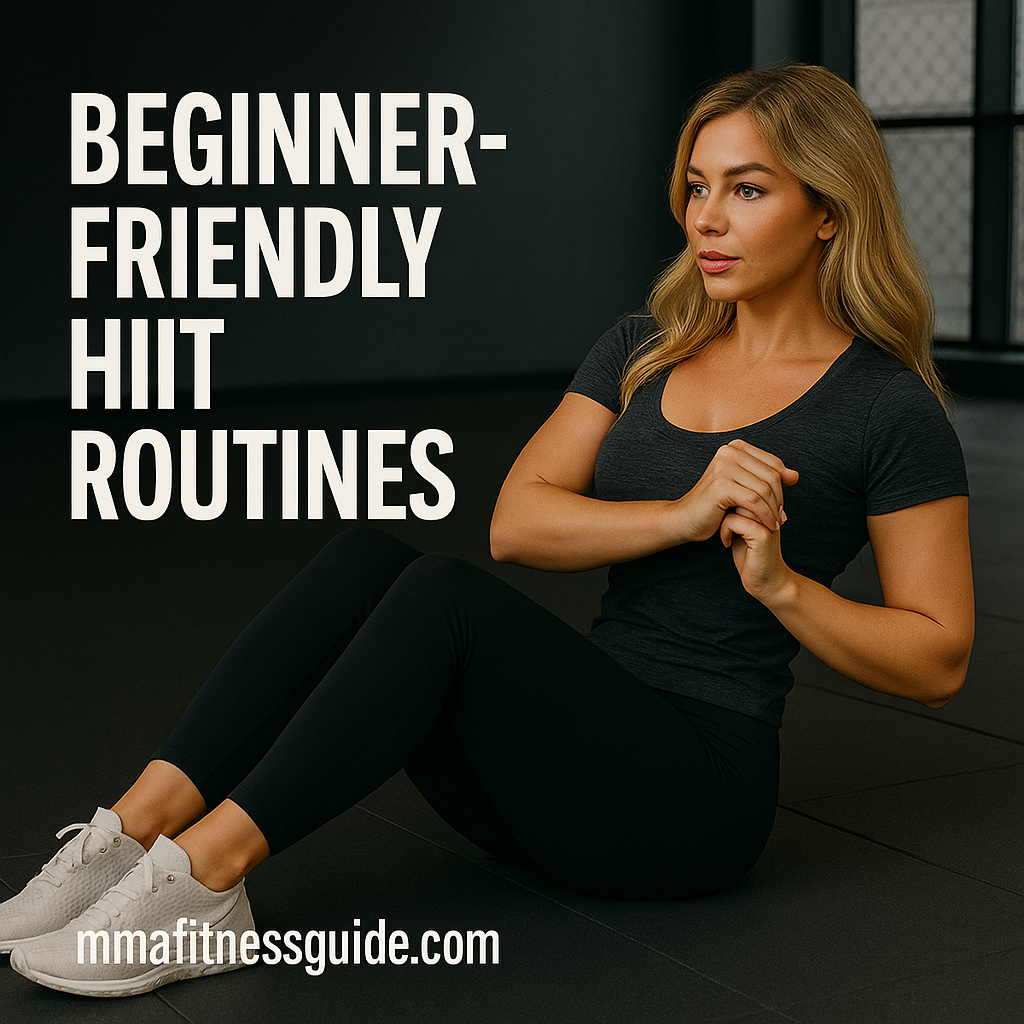
A woman training in the gym, representing the simple HIIT routines covered in this beginner guide.
High-Intensity Interval Training (HIIT) is one of the fastest, simplest, and most beginner-friendly ways to build cardio, burn fat, and improve overall athletic conditioning. For new fighters and everyday beginners alike, HIIT delivers maximum results in minimal time — no fancy equipment required.
Whether you’re just starting your fitness journey or looking for an effective routine to pair with martial arts training, these beginner-friendly HIIT workouts will help you build endurance, strength, and confidence without feeling overwhelmed.
A full arena watching an MMA event, illustrating the rise and popularity of Asian MMA promotions.
Asian MMA has experienced explosive growth over the past two decades, reshaping the global combat sports landscape. While North America once dominated the MMA spotlight through organizations like the UFC and Bellator, Asia has been steadily building its own powerhouse promotions — each with its own identity, talent pipelines, production style, and martial arts heritage.
From the striking culture of Thailand to the wrestling dominance of Central Asia and the samurai spirit of Japan, Asian MMA promotions have introduced a style and atmosphere that feels distinct, dynamic, and deeply rooted in tradition.
Today, Asian organizations are not only producing elite champions but also influencing the global direction of MMA.
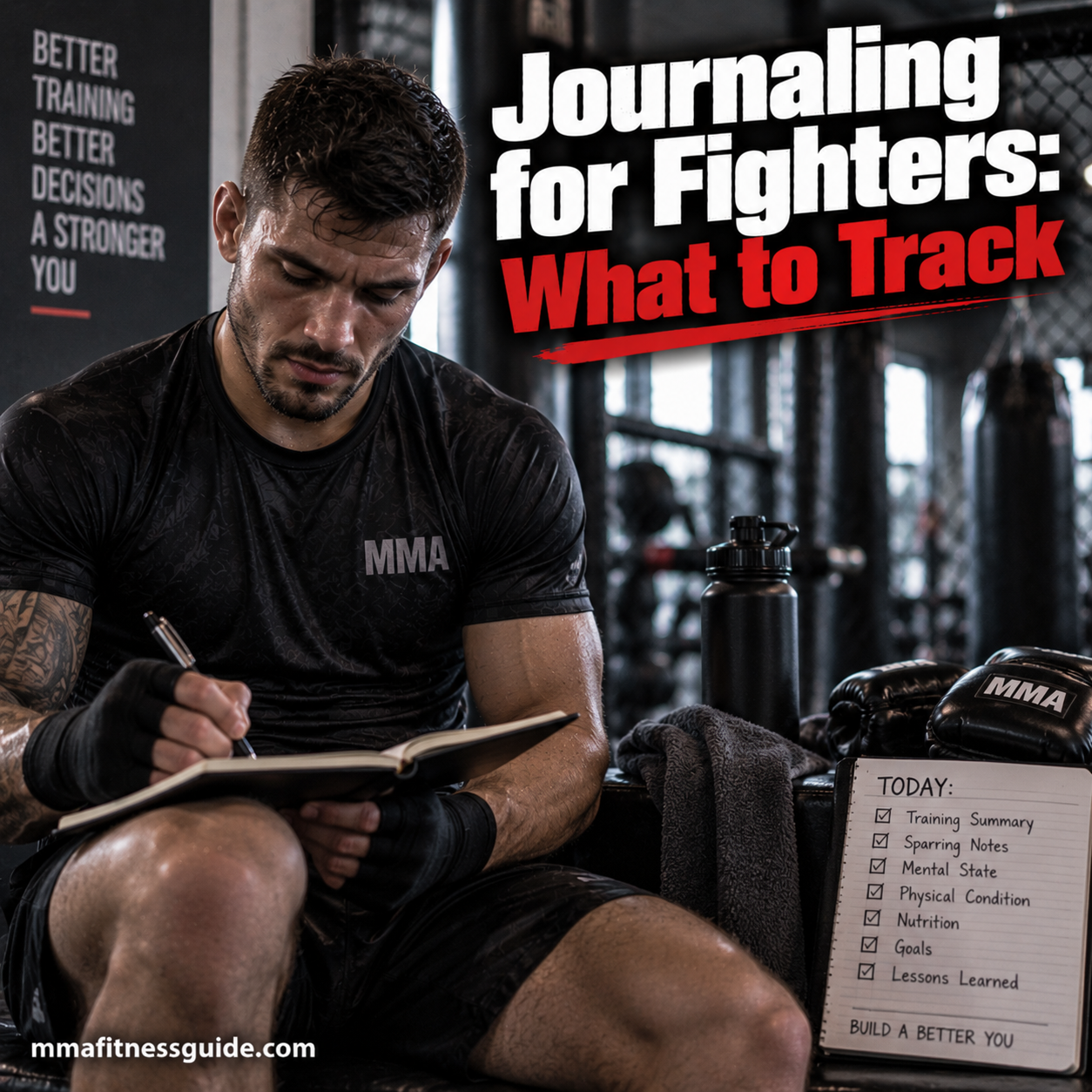
Recording training sessions, technical corrections, recovery, and small wins helps fighters review their progress and plan future workouts.
You finish five rounds of sparring and notice the same problem keeps happening: every time your opponent pressures you against the cage, you lose your balance while trying to escape. Your coach explains the adjustment, but by the next training session, you’ve forgotten the details. A quick journal entry recording the mistake, the correction, and what to practice next could help you avoid repeating the same problem.
For MMA fighters, a training journal creates a record of technical progress, conditioning, recovery, and mental preparation. It can reveal patterns that are difficult to recognize from individual sessions, such as declining energy after poor sleep or improvements in takedown defense over several weeks. By recording specific observations rather than vague impressions, you give yourself and your coach information to use when planning future training.
An MMA athlete showing proper upright posture inside the gym for the posture improvement guide.
Posture isn’t just about standing up straight — in combat sports, it’s the foundation of power, balance, speed, and injury prevention. Whether you’re striking, grappling, or transitioning between positions, good posture helps you generate force efficiently while staying protected. Poor posture, on the other hand, leads to slower reactions, weaker strikes, compromised balance, and a much higher chance of injury.
Improving posture is one of the simplest ways to boost performance in MMA.
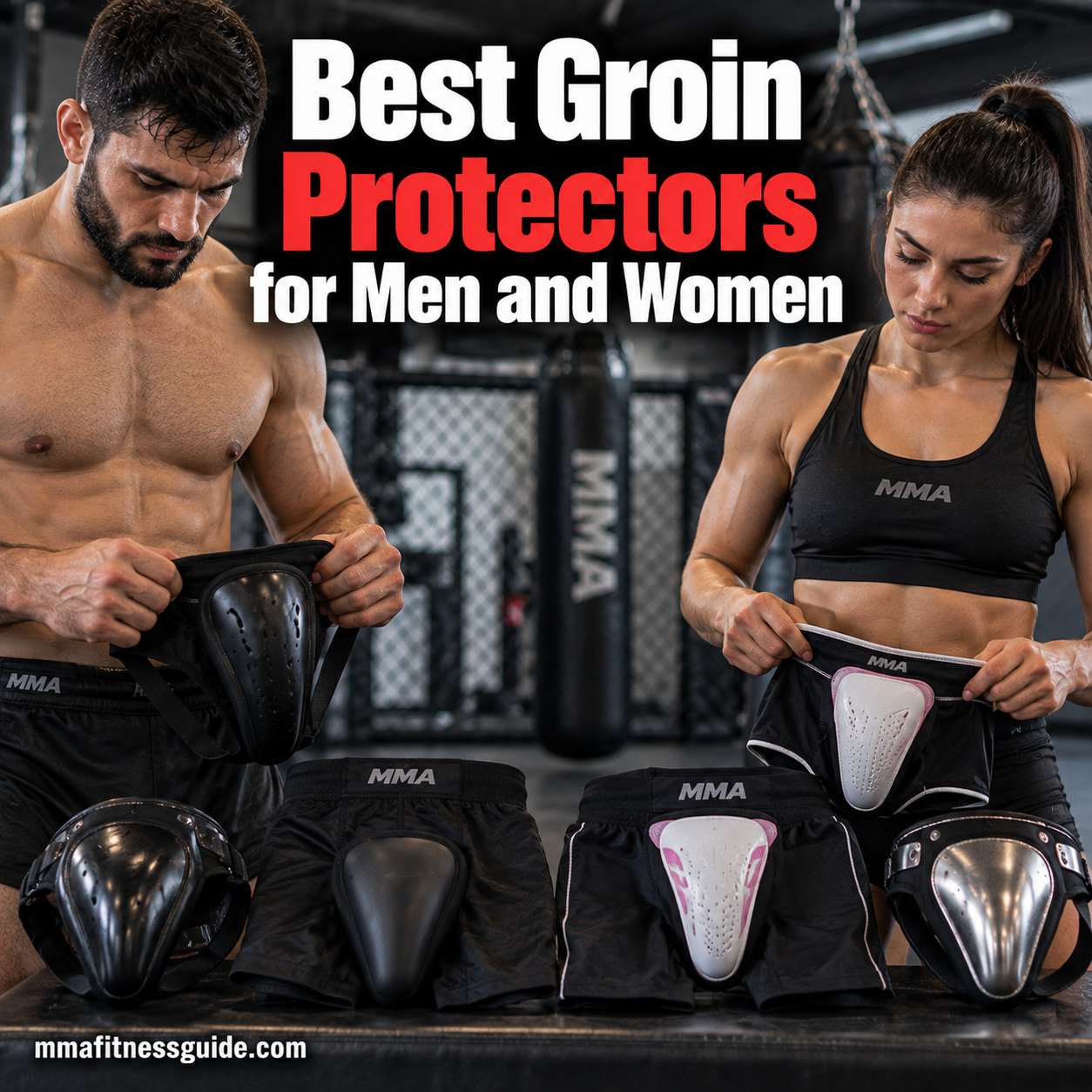
Groin protectors for MMA vary in coverage, rigidity, fit, and stability depending on whether they are designed for striking, grappling, or mixed training.
An accidental knee during clinch work, a misplaced kick in sparring, or a scramble on the mat can send force directly into the groin. Even when training partners have good control, these impacts can happen quickly and without warning.
Groin protectors are built to distribute that force while staying secure through kicks, takedowns, sprawls, and ground exchanges. For men, options range from lightweight polycarbonate cups to steel Muay Thai protectors. Women can choose pelvic protectors shaped to cover vulnerable areas without unnecessarily restricting hip movement.
The right design depends on how you train. A cup that stays firmly positioned during grappling may need different construction from one intended primarily for hard striking rounds, making fit, stability, coverage, and material more useful buying criteria than brand recognition alone.
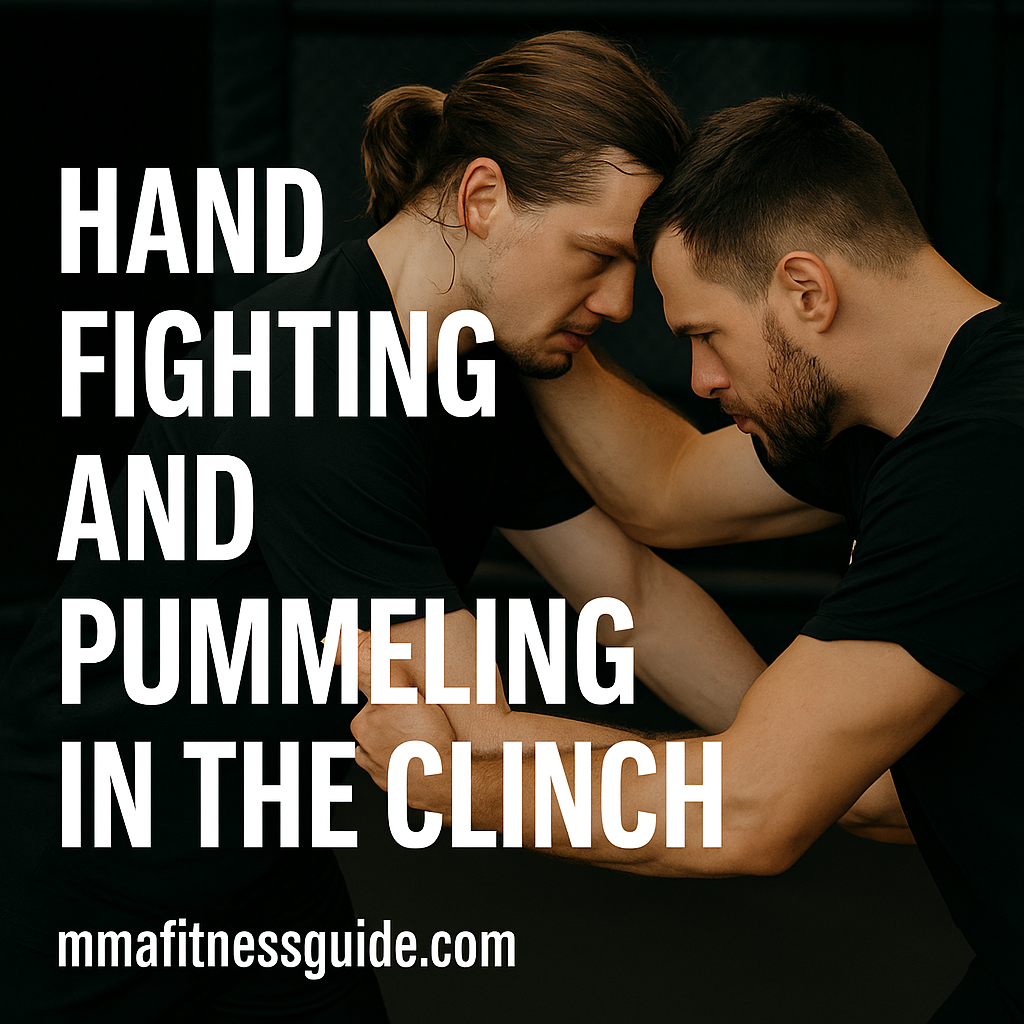
Two fighters working pummeling and inside-control techniques in the clinch
Hand fighting and pummeling are two of the most important — yet often overlooked — skills in clinch work. Whether you’re fighting in MMA, Muay Thai, wrestling, or grappling, the clinch is a battlefield of micro-adjustments, grip fighting, and positional control. The fighter who wins the hand battle usually wins the clinch.
In MMA, mastering these skills allows you to neutralize strikes, create dominant positions, defend takedowns, and set up your own offense with far more efficiency.
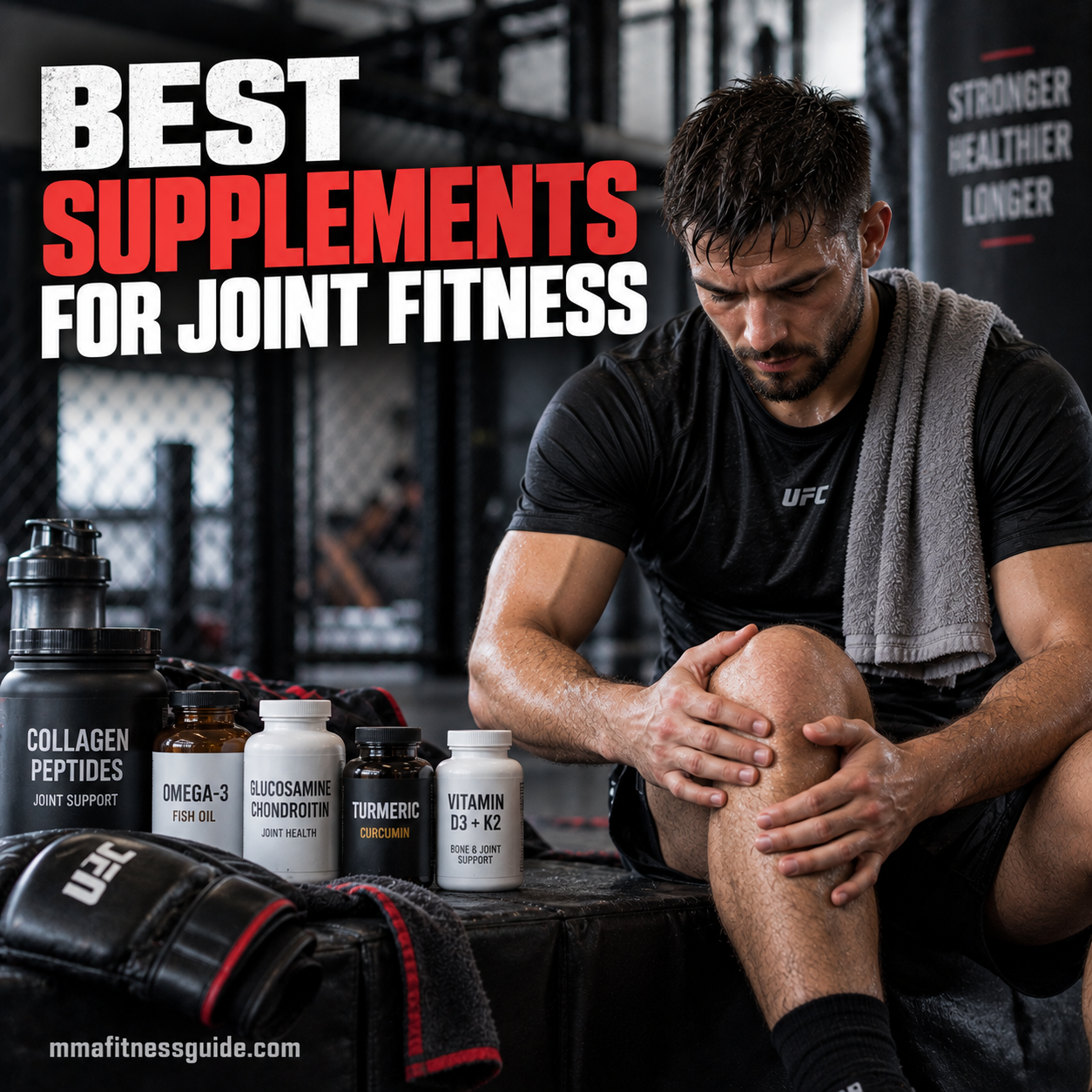
Joint supplements may complement strength training and recovery, although their effectiveness varies and they cannot replace appropriate injury care.
Introduction
A sore knee after wrestling, a stiff shoulder following heavy bag work, or an aching elbow after repeated armbar drills can make the next training session uncomfortable. MMA places repeated stress on joints through striking, takedowns, grappling, and strength training, leaving fighters to manage discomfort while maintaining their training schedules.
Supplements such as collagen peptides, omega-3 fatty acids, glucosamine, and curcumin are frequently marketed for joint support. Some have shown potential benefits for specific joint conditions, but results vary, and evidence from people with osteoarthritis does not necessarily apply to healthy combat sports athletes.
No supplement can compensate for excessive training loads, poor technique, or an untreated joint injury. However, addressing nutritional deficiencies and considering supplements with appropriate evidence may complement strength training, adequate recovery, and injury prevention.
For fighters dealing with recurring stiffness or looking to support long-term joint health, the priority is understanding which supplements have meaningful research behind them, what their limitations are, and when persistent pain requires medical attention rather than another product.
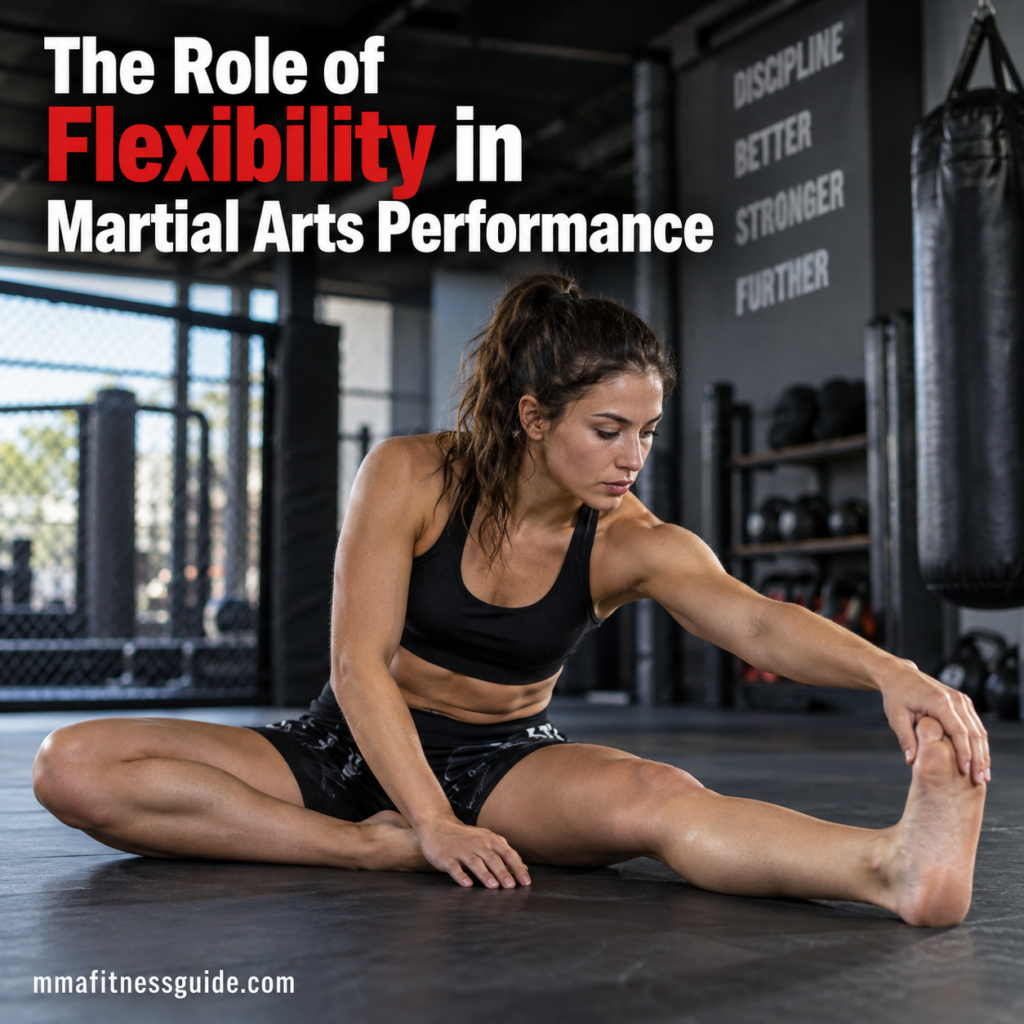
Flexibility and mobility training help martial artists develop usable range of motion for striking, grappling, and movement control.
A fighter throws a roundhouse kick, but their hips feel tight halfway through the movement. Instead of rotating smoothly, they lean backward to compensate, lose their balance, and struggle to return to their stance.
Another fighter attempts to recover guard during a grappling exchange but cannot comfortably bring their knees toward their chest. Their limited hip mobility makes an already difficult position even harder to escape.
These situations illustrate why flexibility matters in martial arts. It isn’t simply about performing head kicks or achieving impressive stretching positions. It’s about having enough freedom of movement to execute techniques efficiently while maintaining strength, balance, and control.
Whether you train in MMA, Brazilian jiu-jitsu, Muay Thai, karate, or another martial art, developing flexibility alongside strength and technical skill can help you move more comfortably and expand your available movement options.
The key is understanding what kind of flexibility your sport requires and how to develop it without sacrificing stability.
Podcast hosts discussing MMA topics during a recording session.
The MMA world is packed with stories, insights, techniques, controversies, and behind-the-scenes perspectives — and a niche MMA podcast is one of the best ways to build authority, create community, and open doors in the industry. Whether you’re a coach, fighter, analyst, or passionate fan, a focused podcast can help you carve out your own lane.