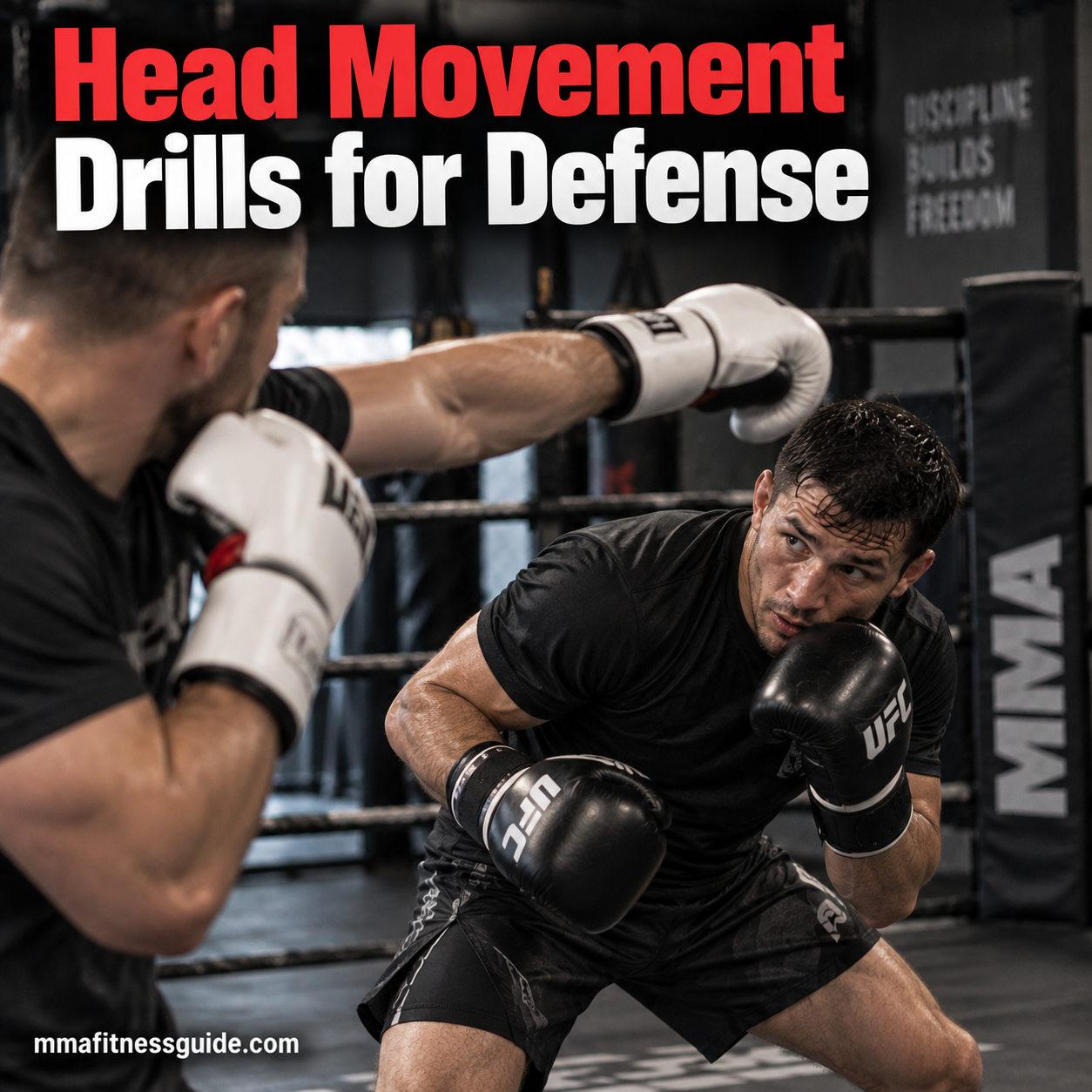
Head Movement Drills for Defense

MMA fighter practicing head movement by slipping underneath a punch during a defensive training drill.
Controlled slips and rolls help fighters move off the centerline while staying balanced and ready to counter.

A punch doesn’t have to miss by six inches to miss cleanly. A small slip outside the jab or a controlled roll under a hook can move your head off the target while leaving your feet planted and your hands ready to counter.

In MMA, boxing, Muay Thai, and kickboxing, that efficiency matters. Large, exaggerated movements can pull you out of position, expose you to follow-up strikes, or make it harder to respond. Good head movement shifts the target just enough to avoid the shot while preserving balance, vision, and offensive options.

The drills below focus on developing those small movements until slipping, rolling, and changing angles become natural parts of your defense.

Continue reading “Head Movement Drills for Defense”
MMA: Check and Counter Leg Kicks

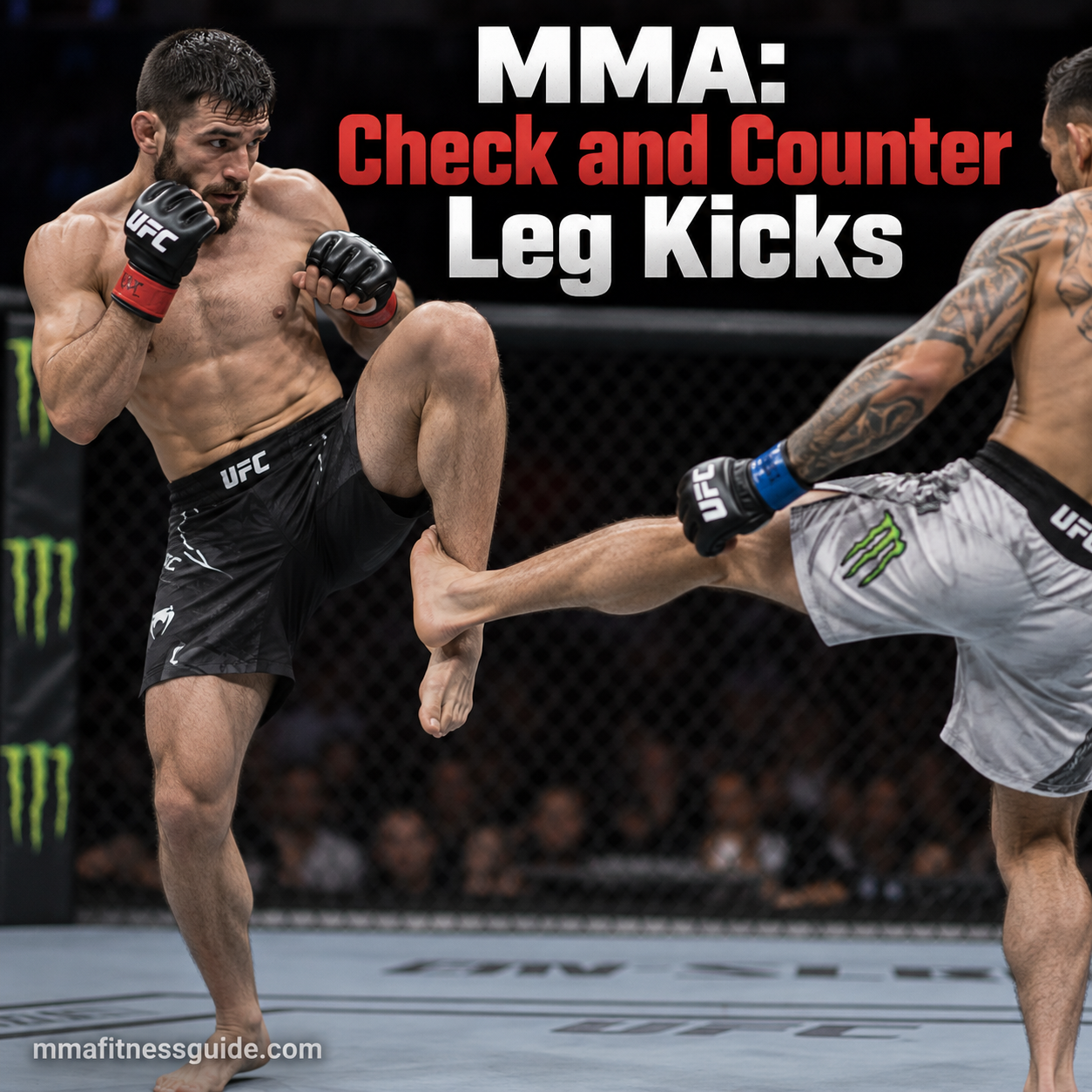
MMA fighter checking an opponent’s leg kick with his shin during a fight.
A properly timed leg-kick check can limit damage and create an immediate opportunity to counter.

A clean leg kick can immediately change how an MMA fighter moves. After enough damage to the thigh or calf, pushing off, changing direction, planting for punches, and defending takedowns can all become harder. Letting those kicks accumulate gives an opponent more control over range and movement.

Checking changes that exchange. Instead of allowing the kick to land cleanly on the leg, the defender raises and turns the shin to meet the incoming strike. From there, a quick punch, returned low kick, or takedown entry can make the opponent pay for committing to the kick.

The key is connecting the defense and counter into one sequence: recognize the kick, check it without losing position, regain your stance, and respond while the opponent is still recovering.

Continue reading “MMA: Check and Counter Leg Kicks”

Dirty Boxing: Short-Range Striking Tactics

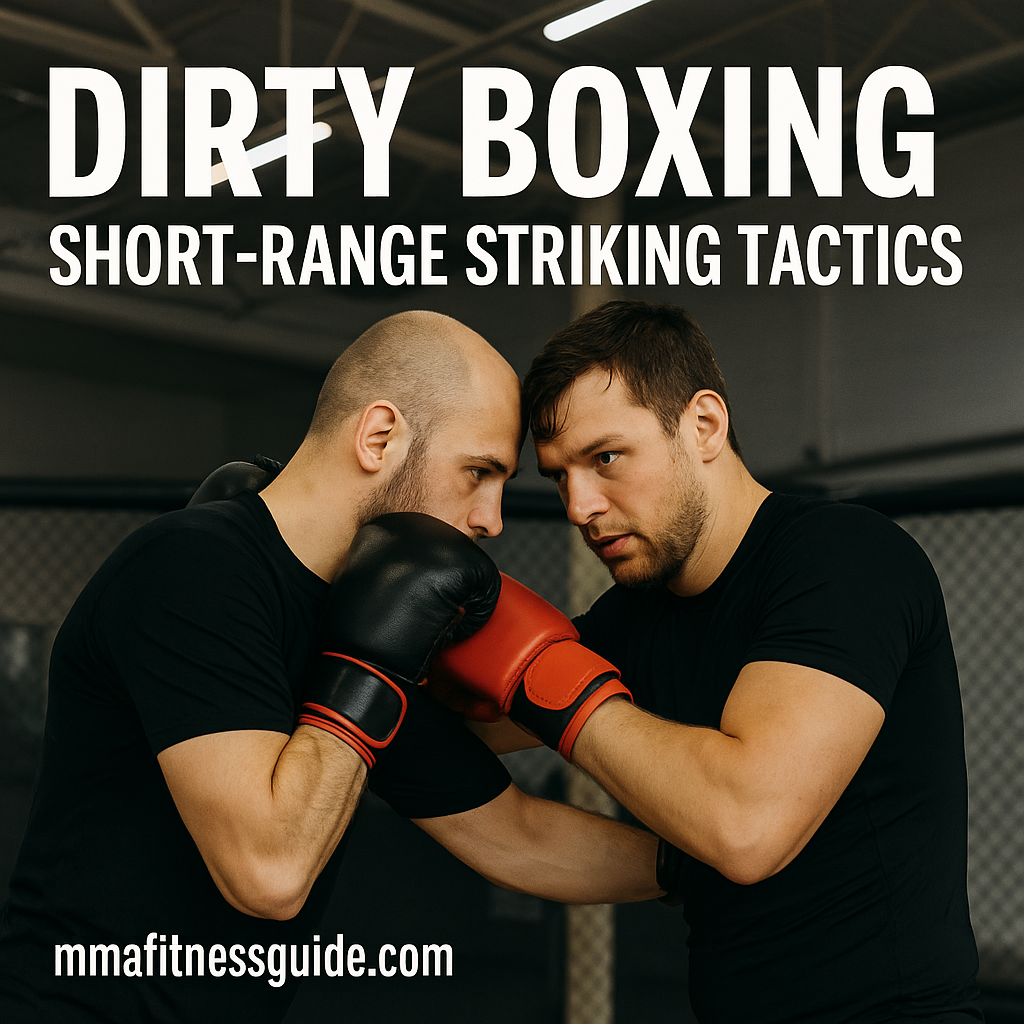
Two fighters practicing dirty boxing techniques inside an MMA gym, demonstrating close-range clinch striking.
Two fighters working dirty boxing techniques in an MMA gym, highlighting short-range striking tactics.

Dirty boxing is one of the most underrated — yet highly effective — striking styles used in MMA, Muay Thai clinch exchanges, and self-defense situations. It focuses on short-range punches, framing, off-balancing, and hand fighting inside the clinch. While the techniques aren’t “illegal,” they’re called “dirty” because they push right up against the edge of what’s allowed in combat sports.

Elite fighters use dirty boxing to control the clinch, land short damaging shots, wear down opponents, and create openings for takedowns or exits. When mastered, it becomes one of the most efficient ways to strike safely while maintaining positional advantage.

Continue reading “Dirty Boxing: Short-Range Striking Tactics”

Hand Fighting and Pummeling in the Clinch

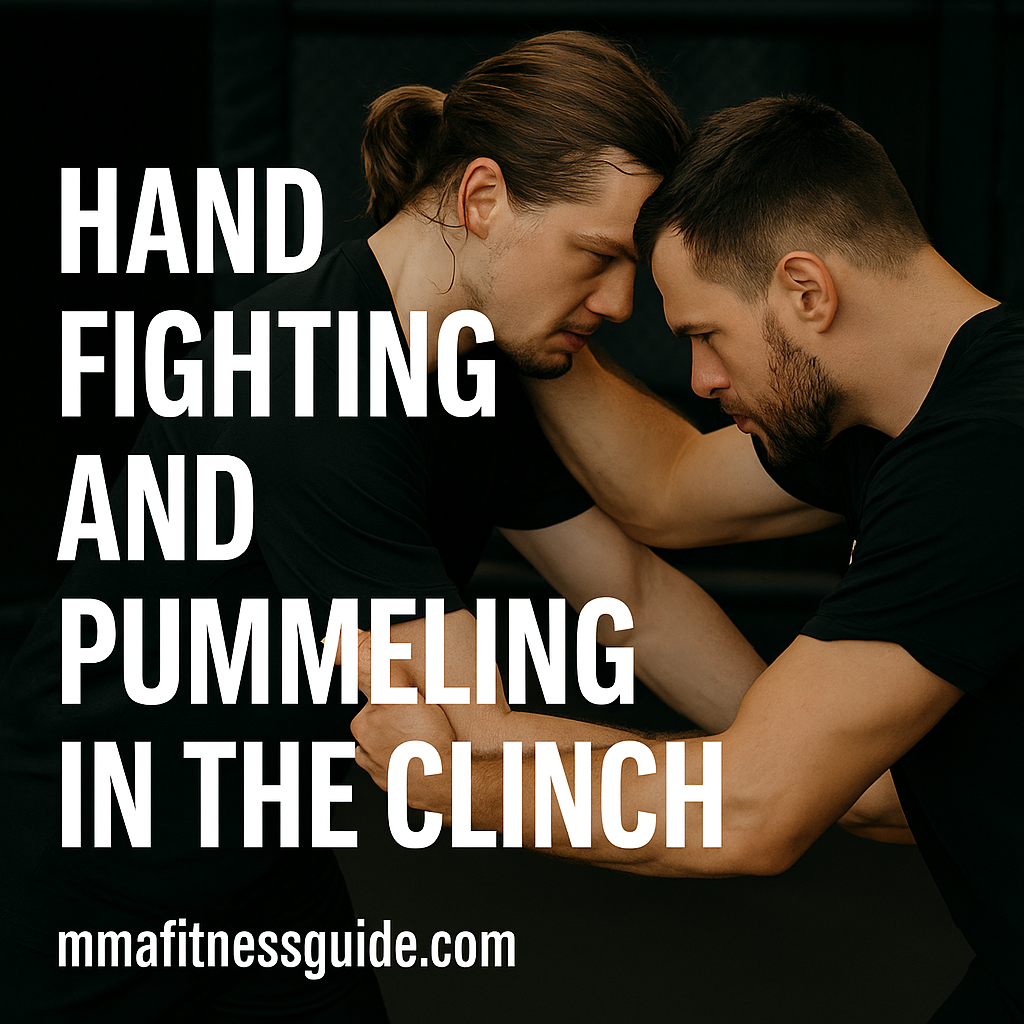
Two MMA fighters practicing hand fighting and pummeling in a clinch position inside a gym, with the article title displayed on the left.
Two fighters working pummeling and inside-control techniques in the clinch

Hand fighting and pummeling are two of the most important — yet often overlooked — skills in clinch work. Whether you’re fighting in MMA, Muay Thai, wrestling, or grappling, the clinch is a battlefield of micro-adjustments, grip fighting, and positional control. The fighter who wins the hand battle usually wins the clinch.

In MMA, mastering these skills allows you to neutralize strikes, create dominant positions, defend takedowns, and set up your own offense with far more efficiency.

Continue reading “Hand Fighting and Pummeling in the Clinch”

Footwork Drills to Create Angles

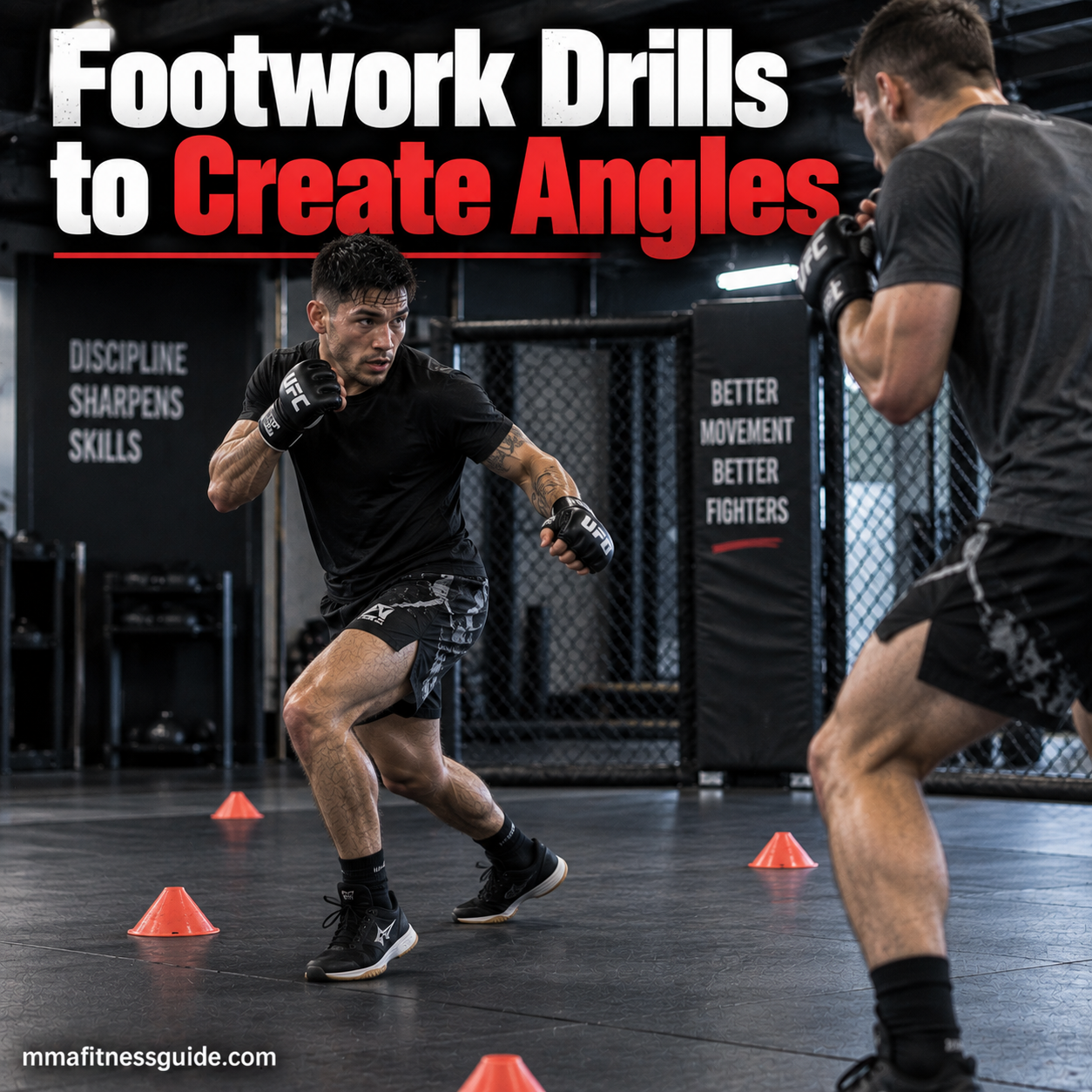
MMA fighters practicing footwork and angle drills with training cones inside a combat sports gym
Footwork drills help MMA fighters practice pivots, diagonal exits, cage movement, and positional changes while maintaining a balanced fighting stance.

Throw a combination and remain directly in front of your opponent, and you’re still standing in their easiest line of attack. Take one well-timed step or pivot after the combination, and the next exchange can begin from a completely different position.

That’s the practical value of creating angles.

In MMA, footwork helps fighters enter striking range, escape pressure, reposition after combinations, cut off the cage, and connect striking with takedown attempts.

The goal isn’t constant movement. It’s moving at the right moment while maintaining a stance that allows you to attack or defend immediately.

Continue reading “Footwork Drills to Create Angles”

Southpaw vs Orthodox: Game Planning Your Stance

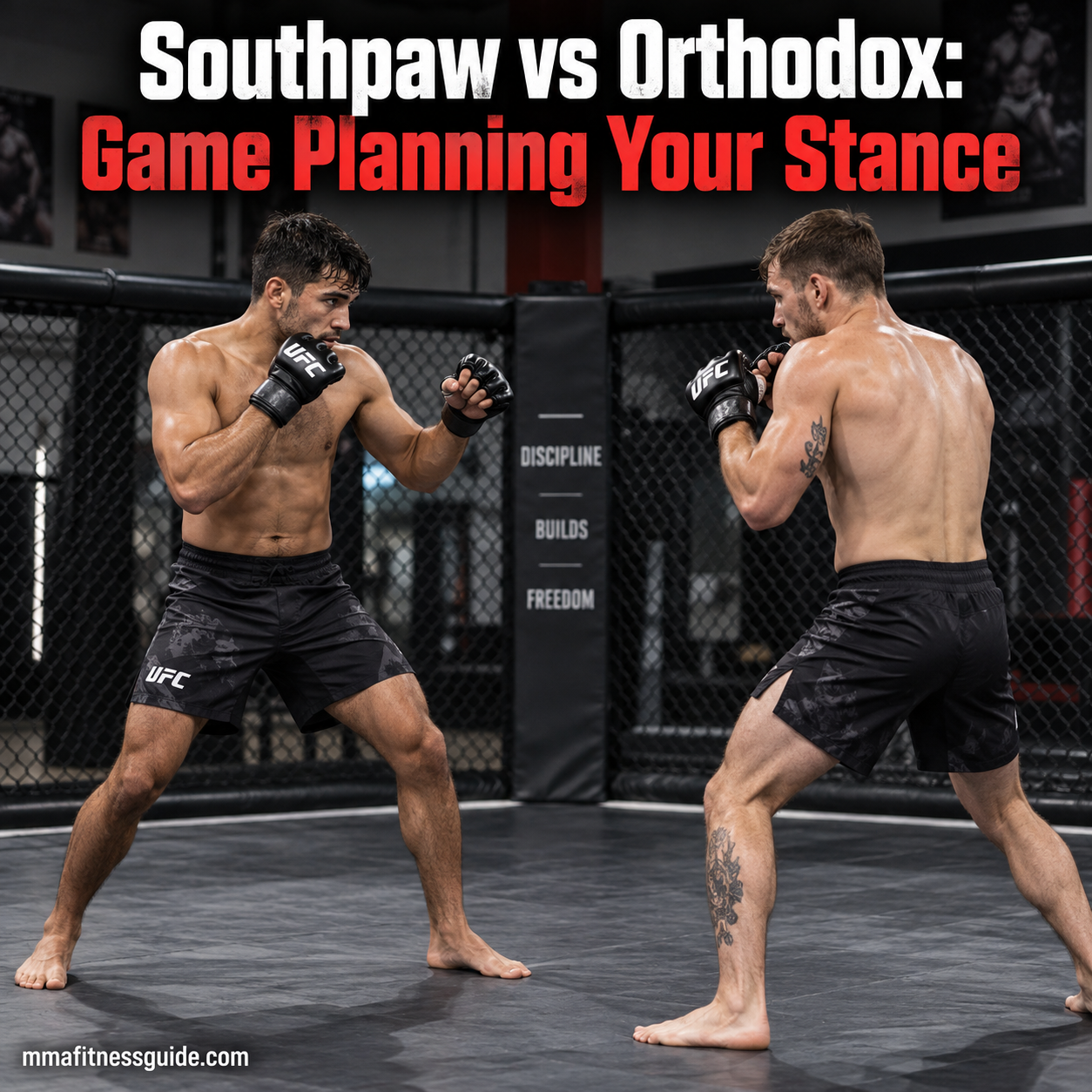
Two MMA fighters facing each other in orthodox and southpaw stances inside a training cage.
Understanding orthodox and southpaw positioning helps MMA fighters develop better striking angles, defense, and tactical game plans.

Choosing between an orthodox and southpaw stance is one of the most fundamental decisions in mixed martial arts. Your stance influences how you punch, kick, defend takedowns, manage distance, and create angles against an opponent.

An orthodox fighter leads with the left foot and typically uses the right hand as the rear power hand. A southpaw leads with the right foot and generally uses the left hand as the rear power hand.

The difference might seem simple, but it changes the geometry of almost every striking exchange.

When two orthodox fighters meet, they operate in a closed-stance matchup. When an orthodox fighter faces a southpaw, the matchup becomes open stance, creating different opportunities for straight punches, body kicks, lead-hand control, and foot positioning.

Neither stance automatically gives a fighter an advantage. Success depends on how effectively you use your position, understand your opponent’s weapons, and adapt your game plan.

This comprehensive guide breaks down the strengths and weaknesses of both stances, explains how to win the lead-foot battle, explores offensive and defensive strategies, and provides practical drills for developing a stance-based MMA game plan.

Continue reading “Southpaw vs Orthodox: Game Planning Your Stance”

Ground-and-Pound Essentials for MMA

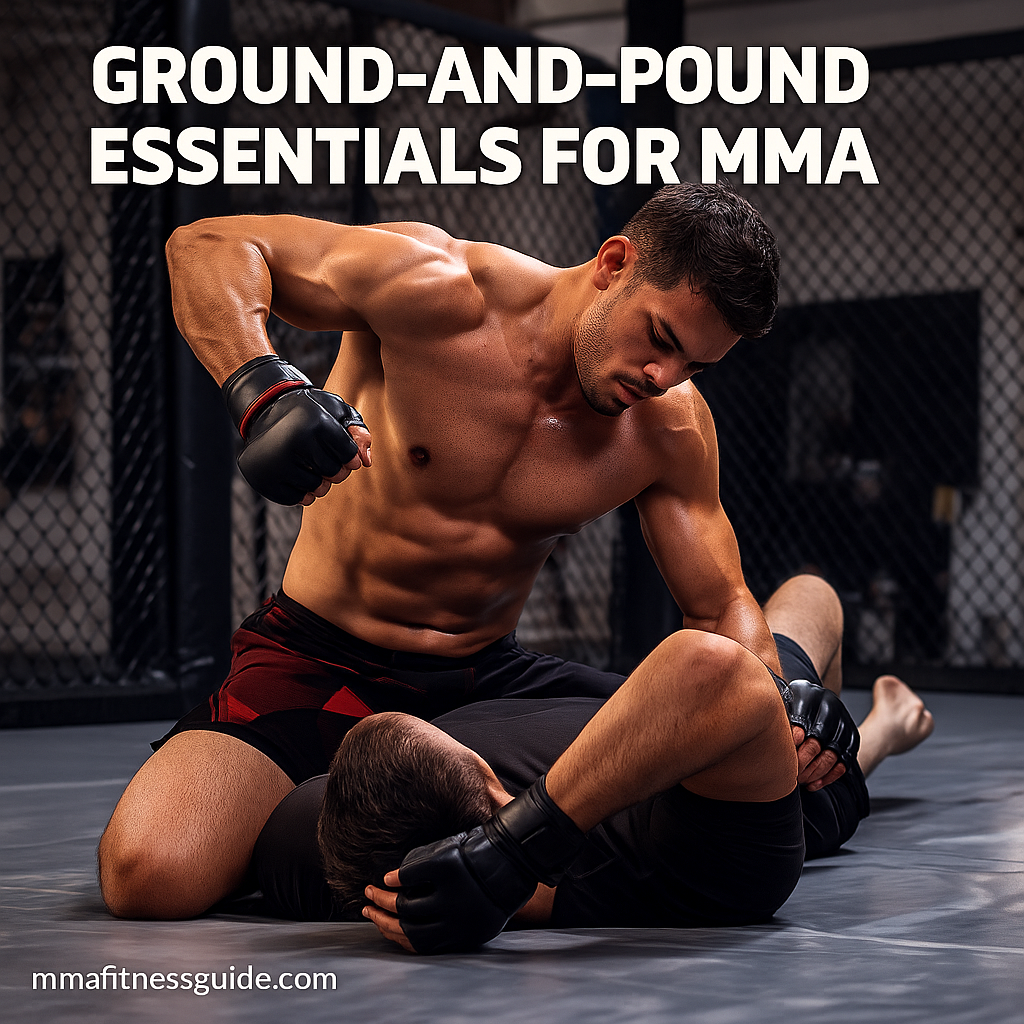
Male MMA fighter in top mount delivering controlled ground-and-pound strikes on a training partner, with the title “Ground-and-Pound Essentials for MMA” displayed.
A fighter demonstrating solid top-position control and effective ground-and-pound technique.

Introduction

Ground-and-pound is one of the defining skills of MMA. It blends grappling control with striking power, allowing fighters to deal damage, force openings, and finish fights. But effective ground-and-pound isn’t about wild punches — it’s about control, posture, precision, and timing.

Whether you’re a beginner learning top control or an experienced fighter sharpening your finishing ability, these essentials will help you strike safely and effectively from dominant positions.

Continue reading “Ground-and-Pound Essentials for MMA”

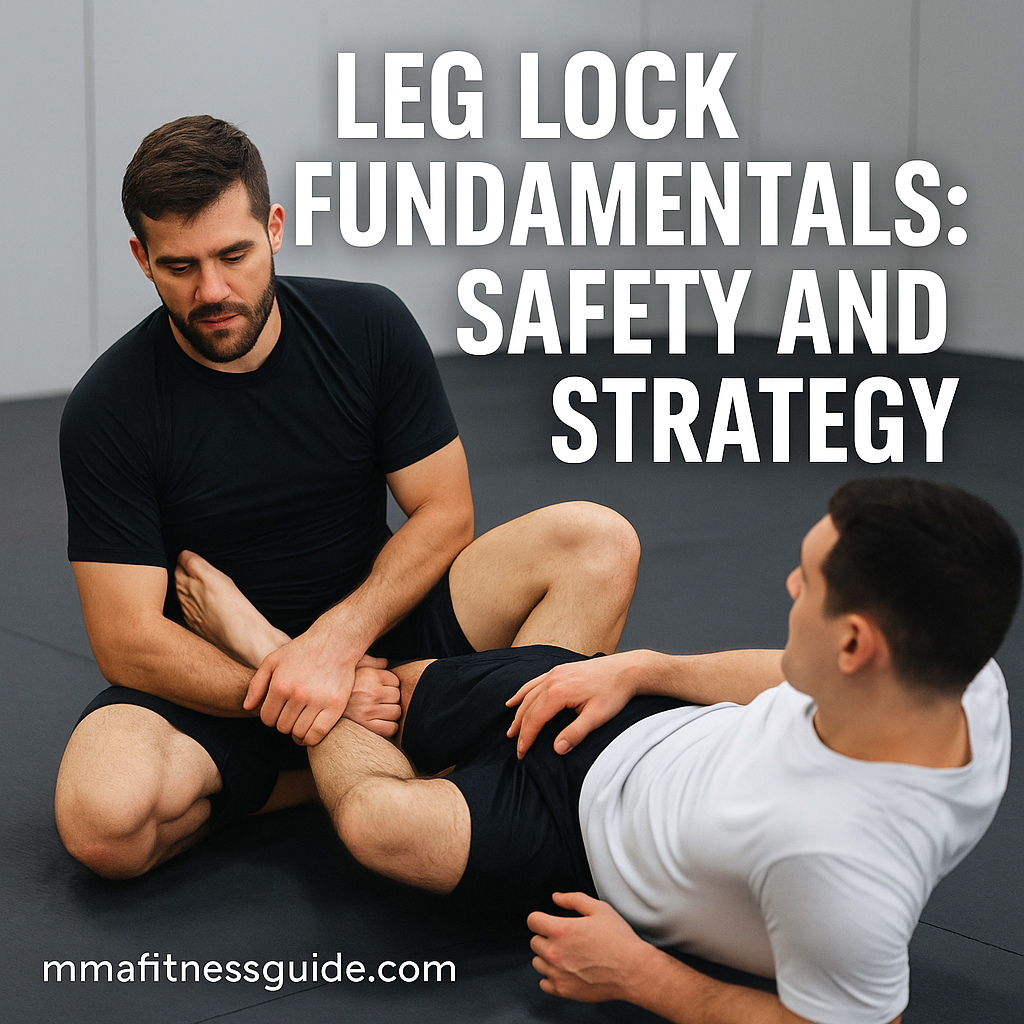
Leg Lock Fundamentals: Safety and Strategy

Two male grapplers demonstrating a safe and controlled leg entanglement on the mats, with the title “Leg Lock Fundamentals: Safety and Strategy” displayed.
A technical leg lock demonstration showing proper positioning and safe training fundamentals.

Introduction

Leg locks used to be viewed as risky, unpredictable techniques — but modern grappling has made them a crucial part of MMA and submission fighting. Even if you never plan to become a “leg lock specialist,” every fighter should understand the basics. Knowing how to attack, defend, and stay safe around leg entanglements keeps you calm on the ground and prevents panic when opponents target your legs.

Leg locks aren’t just submissions — they’re a strategy. Here’s how to approach them safely and effectively.

Continue reading “Leg Lock Fundamentals: Safety and Strategy”

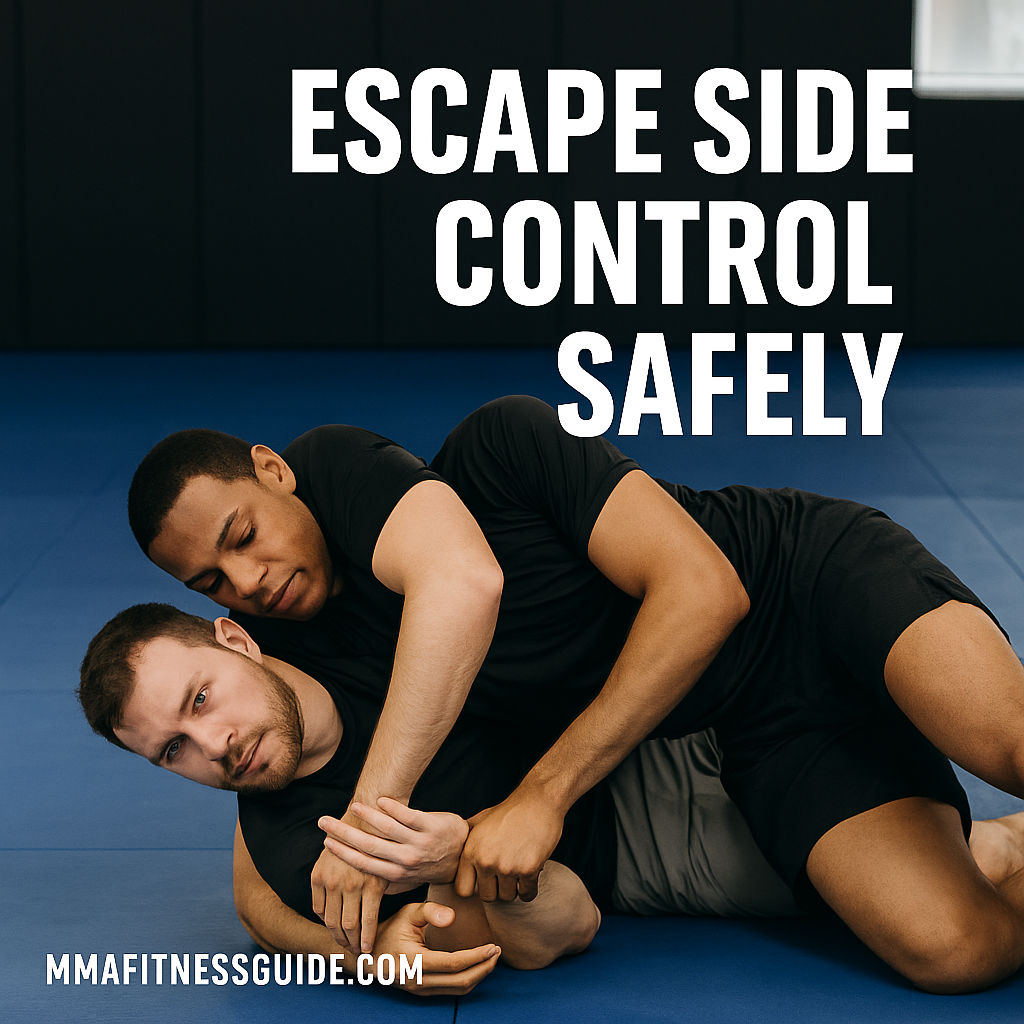
MMA: Escape Side Control Safely

Two male MMA athletes demonstrating a side-control escape, with the title “Escape Side Control Safely” displayed.
A fighter showing the proper framing and hip movement needed to escape side control safely.

Introduction

Side control is one of the toughest positions for beginners to escape. When someone is on top of you with heavy pressure, it can feel like you’re stuck with no way out. But escaping side control doesn’t require strength — it requires calmness, smart frames, and small movements that create enough space to recover.

With the right technique, you can stay safe, protect yourself, and work your way back into a better position. Here’s a simple guide to escaping side control safely in MMA.

Continue reading “MMA: Escape Side Control Safely”

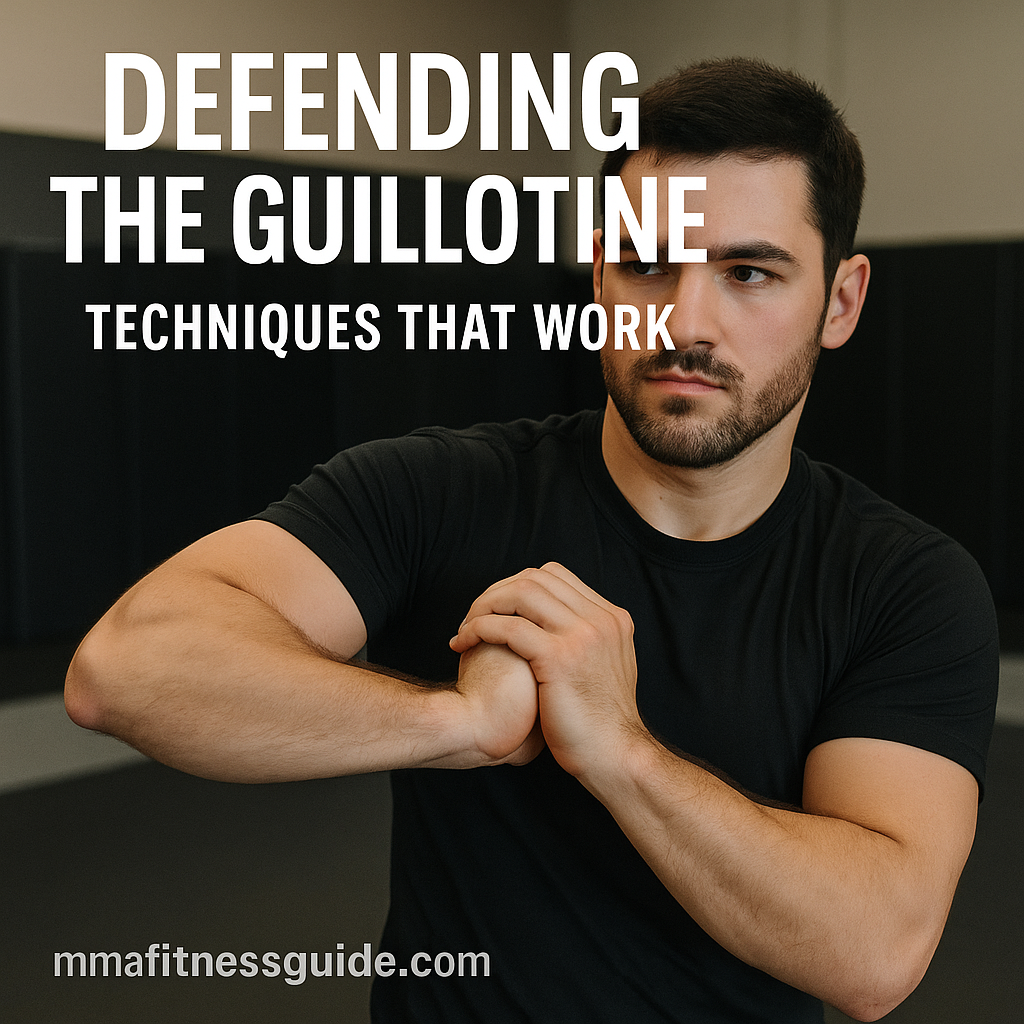
Defending the Guillotine: Techniques That Work

Male MMA athlete demonstrating proper guillotine defense hand positioning with the title “Defending the Guillotine: Techniques That Work” displayed.
A fighter practicing the correct posture and hand control needed to defend the guillotine choke.

Introduction

The guillotine choke is one of the most common submissions in MMA. It can happen during takedown attempts, scrambles, clinch battles, or even off a mistake in posture. Because it’s fast, surprising, and powerful, beginners often get caught in it repeatedly.

The good news is that guillotine defense is simple once you understand the key principles. With solid posture, hand positioning, and the right escape path, you can shut down the choke before it becomes dangerous — and even turn it into a dominant position.

Here’s a beginner-friendly guide to defending the guillotine effectively.

Continue reading “Defending the Guillotine: Techniques That Work”