A clean leg kick can immediately change how an MMA fighter moves. After enough damage to the thigh or calf, pushing off, changing direction, planting for punches, and defending takedowns can all become harder. Letting those kicks accumulate gives an opponent more control over range and movement.
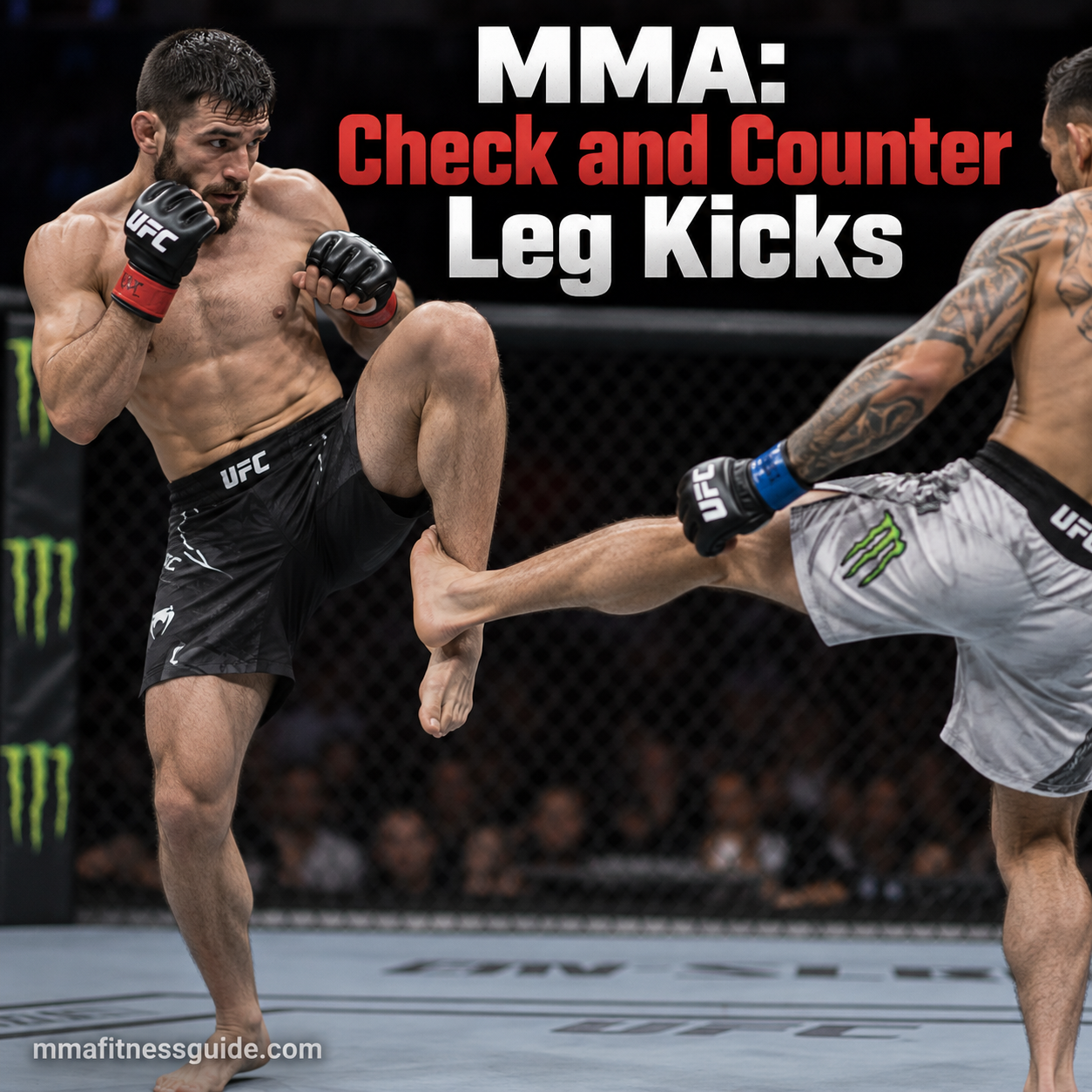
Checking changes that exchange. Instead of allowing the kick to land cleanly on the leg, the defender raises and turns the shin to meet the incoming strike. From there, a quick punch, returned low kick, or takedown entry can make the opponent pay for committing to the kick.
The key is connecting the defense and counter into one sequence: recognize the kick, check it without losing position, regain your stance, and respond while the opponent is still recovering.
Why Checking Leg Kicks Matters in MMA
Repeated leg kicks can gradually affect stance, mobility, and the ability to generate force from the floor. A properly timed check gives the incoming kick a harder target and can discourage an opponent from repeatedly attacking the same area.
Checking can help you:
- Protect the thigh and calf
- Limit accumulated leg damage
- Preserve footwork and mobility
- Create counter opportunities
- Disrupt repeated kicking patterns
- Maintain better control of range
More importantly, a check gives the opponent something to consider before throwing the next kick.
How to Properly Check a Leg Kick
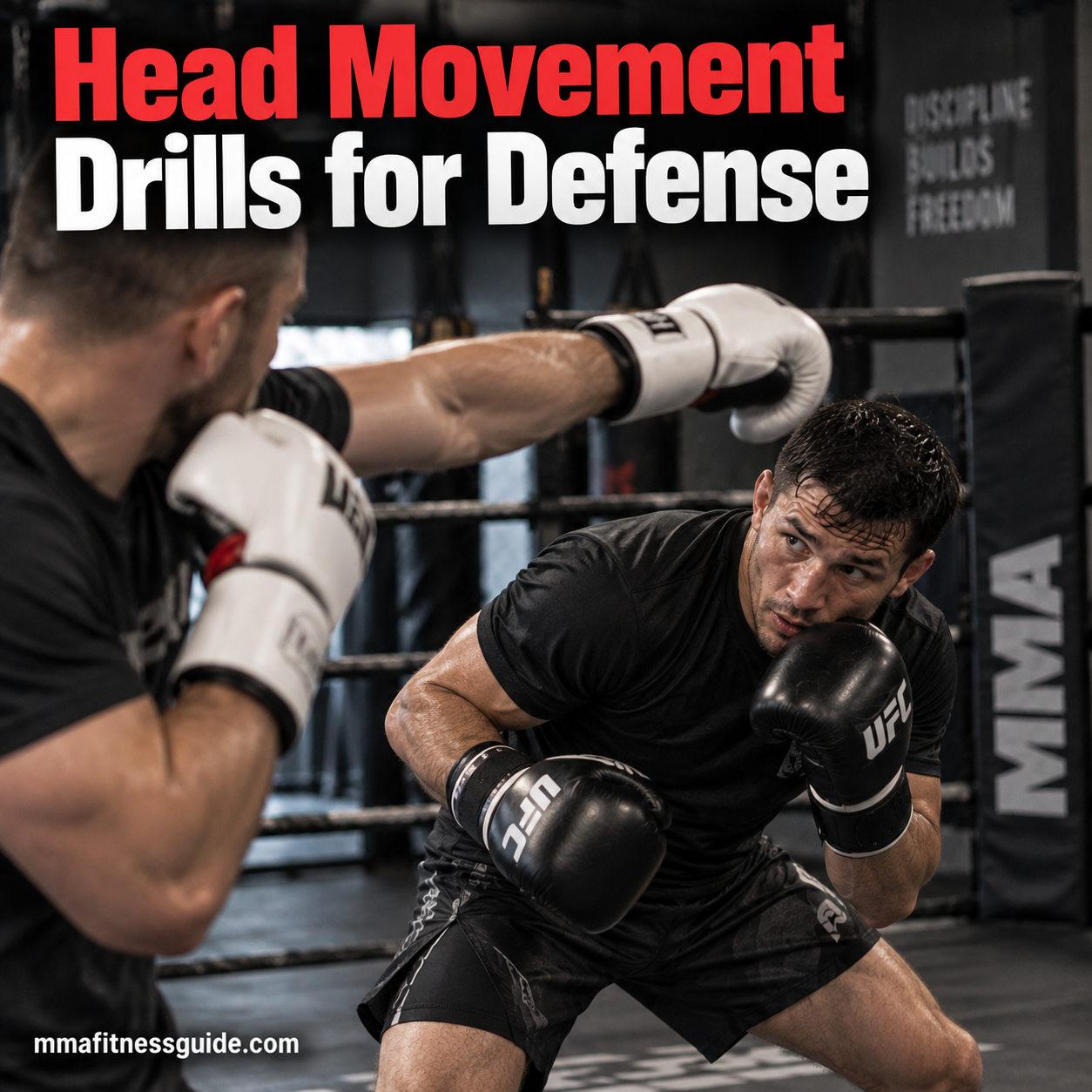
A clean check depends on recognizing the kick early enough to raise the leg while keeping your posture and guard intact.
1. Lift the Lead Leg With a Slight Bend
Bring the checking leg up without dramatically changing your posture.
- Raise the knee enough to intercept the incoming kick
- Keep the leg compact rather than fully extending it
- Stay upright and balanced
- Avoid leaning excessively backward
The exact height and position will depend on the kick being defended, your stance, and your opponent’s angle.
2. Turn the Shin Toward the Kick
Rotate the checking leg outward so the shin is positioned to meet the incoming strike rather than leaving the thigh exposed.
Avoid excessive rotation that compromises your balance.
The goal is to create a solid defensive structure while remaining ready to return the foot to the floor.
3. Keep Your Guard Up
Checking the kick does not eliminate threats from the opponent’s hands.
Keep your guard in position because the kick may be part of a combination or setup for another attack.
Dropping both hands toward the incoming kick can expose the head unnecessarily.
4. Return to a Balanced Stance
The check is only the first half of the sequence.
Bring the foot back into position and recover your base quickly enough to move, defend, or counter.
A rushed counter from poor balance can create a bigger opening than the one you were trying to exploit.
Counters to Leg Kicks
A fighter throwing a leg kick temporarily commits their weight and stance to the attack. The exact counter depends on distance, timing, stance matchup, and how the kicker recovers.
Instead of automatically throwing the same response every time, watch what happens immediately after the kick.
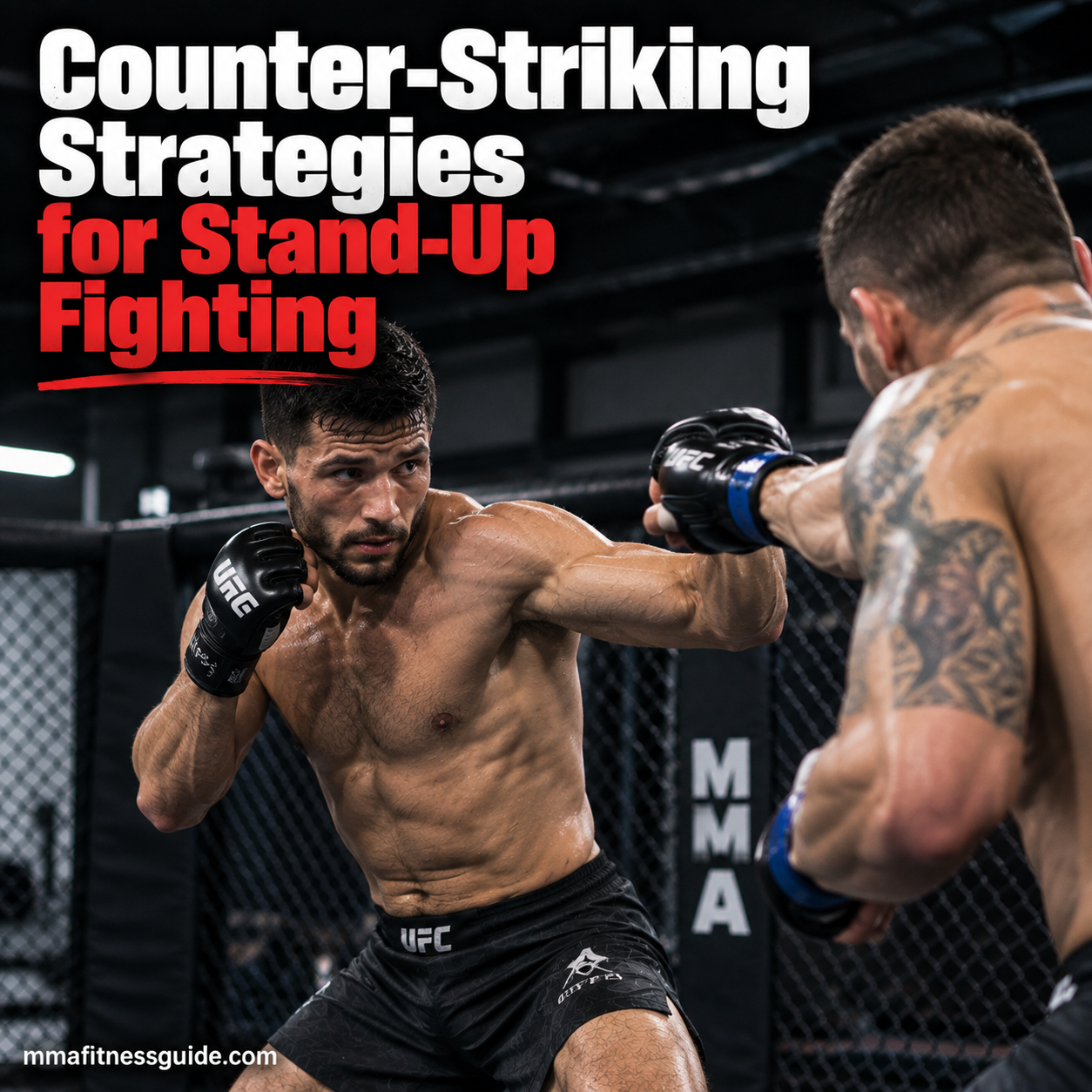
1. Straight Right — or Straight Left for Southpaw
A straight rear hand can work when the kicker remains within punching range.
After the check, return the foot to the floor and drive the straight punch down the center while the opponent is recovering their stance.
Look for situations where:
- Their head remains within range
- Their hands separate during the kick
- They recover slowly
- Their weight leaves them unable to retreat immediately
Do not force the punch if the opponent has already kicked from outside your effective range.
2. Inside Low Kick
Returning a low kick can immediately put the opponent back on defense.
An inside kick can:
- Interrupt their stance
- Target the leg as they reset
- Change the rhythm of the exchange
- Make repeated kicking less comfortable
The transition should be smooth rather than rushed.
3. Calf Kick
If the opponent’s lead leg remains available after the exchange, a calf kick can be returned as they recover.
This can be useful when the opponent:
- Plants heavily after kicking
- Leaves the lead leg exposed
- Recovers slowly
- Remains within kicking range
Placement and timing matter more than simply trying to throw the counter as hard as possible.
4. Lead Hook
A lead hook can catch an opponent who finishes their kick within boxing range.
It becomes particularly useful when the kicker:
- Returns with their head near the centerline
- Drops or extends a hand during the kick
- Steps into punching range
- Takes too long to restore their guard
The hook can also begin a longer combination if your positioning remains sound.
5. Step-In Knee
When the kick brings the opponent close enough, stepping forward after the defense can transition into a knee to the body.
This option depends heavily on range.
Rather than reaching for the knee from too far away, use it when the opponent’s recovery naturally brings them into close striking or clinch distance.
6. Takedown Entry
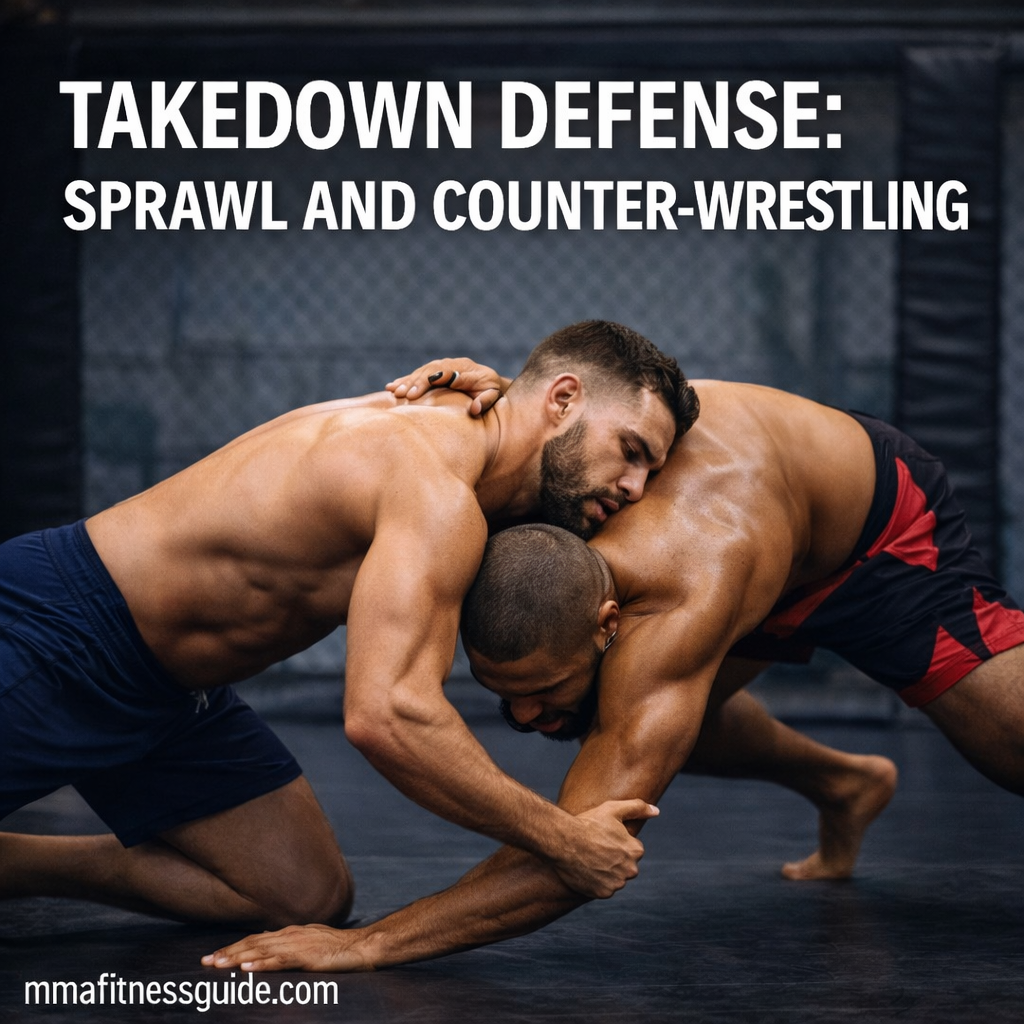
Leg kicks can also create wrestling opportunities because the attacker temporarily commits one leg and shifts their balance.
Depending on the position, possible responses include:
- Single-leg entries
- Double-leg entries
- Body-lock entries
- Trips or sweeps
- Forward pressure into the cage
The opening is usually brief. If the opponent has already recovered their stance and hips, forcing a late shot may create unnecessary risk.
Drills to Improve Checking and Countering
The transition from defense to offense needs to become familiar enough that the fighter does not freeze after recognizing the kick.
1. Partner Kick Timing Drills
Have a partner throw controlled leg kicks while you practice checking and returning to stance.
Once the check becomes consistent, add a predetermined counter.
For example:
Kick → Check → Straight punch
Then introduce different counters and eventually allow the defender to choose the response.
2. Padwork: Check → Counter
A coach or pad holder can incorporate defensive reactions into combinations.
Examples include:
- Check → straight
- Check → hook
- Check → low kick
- Check → combination
- Check → level change
This prevents padwork from becoming purely offensive.
3. Shadowboxing With Checks
Include defensive leg movements during normal shadowboxing rather than practicing them separately.
Mix:
- Punches
- Footwork
- Checks
- Counters
- Level changes
- Angle exits
The goal is to return naturally to offense and movement after each defensive action.
4. Technical Sparring With a Kick Focus
Controlled sparring provides the unpredictable timing that static drills cannot.
Partners can reduce power while emphasizing:
- Recognizing leg kicks
- Checking without losing balance
- Returning counters
- Changing distance
- Avoiding predictable responses
Keep the intensity appropriate for the experience level of both partners and the goals of the session.
Common Mistakes to Avoid
Several habits can make a check slower or leave the defender vulnerable:
- Raising the leg excessively high for the incoming kick
- Losing balance while rotating
- Dropping the hands during the check
- Leaning too far backward
- Returning the foot slowly
- Countering before balance is restored
- Using the same counter every time
Another mistake is waiting for the kick itself instead of reading the setup.
Hip rotation, weight transfer, stance changes, and familiar combinations can provide earlier clues that a low kick is coming.
Reading the Kick Before It Lands
Checking becomes easier when you recognize what happens before the opponent’s leg starts traveling toward the target.
Watch for:
- Weight shifting onto the support leg
- Hip rotation
- A small stance adjustment
- Punch combinations commonly followed by kicks
- Changes in rhythm
- Repeated entries from the same distance
As the fight develops, these patterns can make certain kicks easier to anticipate.
Be careful not to react automatically to every small movement, however. Skilled opponents can use the same cues as feints to draw a check and attack somewhere else.
Don’t Counter Every Check the Same Way
If every successful check is followed by a straight right, an experienced opponent can begin preparing for it.
Sometimes the better response is to:
- Counter immediately
- Step forward
- Angle away
- Return a kick
- Change levels
- Reset without attacking
Variation makes it harder for the opponent to predict what happens after their kick is defended.
Final Takeaway
A leg-kick exchange does not end when the shin makes contact.
After the check, both fighters are briefly reorganizing their stance. That moment can provide the defender with an opportunity to punch, kick, wrestle, pressure forward, or simply take a better position.
Start by making the check technically sound. Keep the guard intact, maintain balance, and return the foot to a usable stance. Then build counters around the reactions you actually see rather than automatically firing the same technique.
The objective is simple: make clean leg kicks difficult to land and make careless attempts increasingly costly.