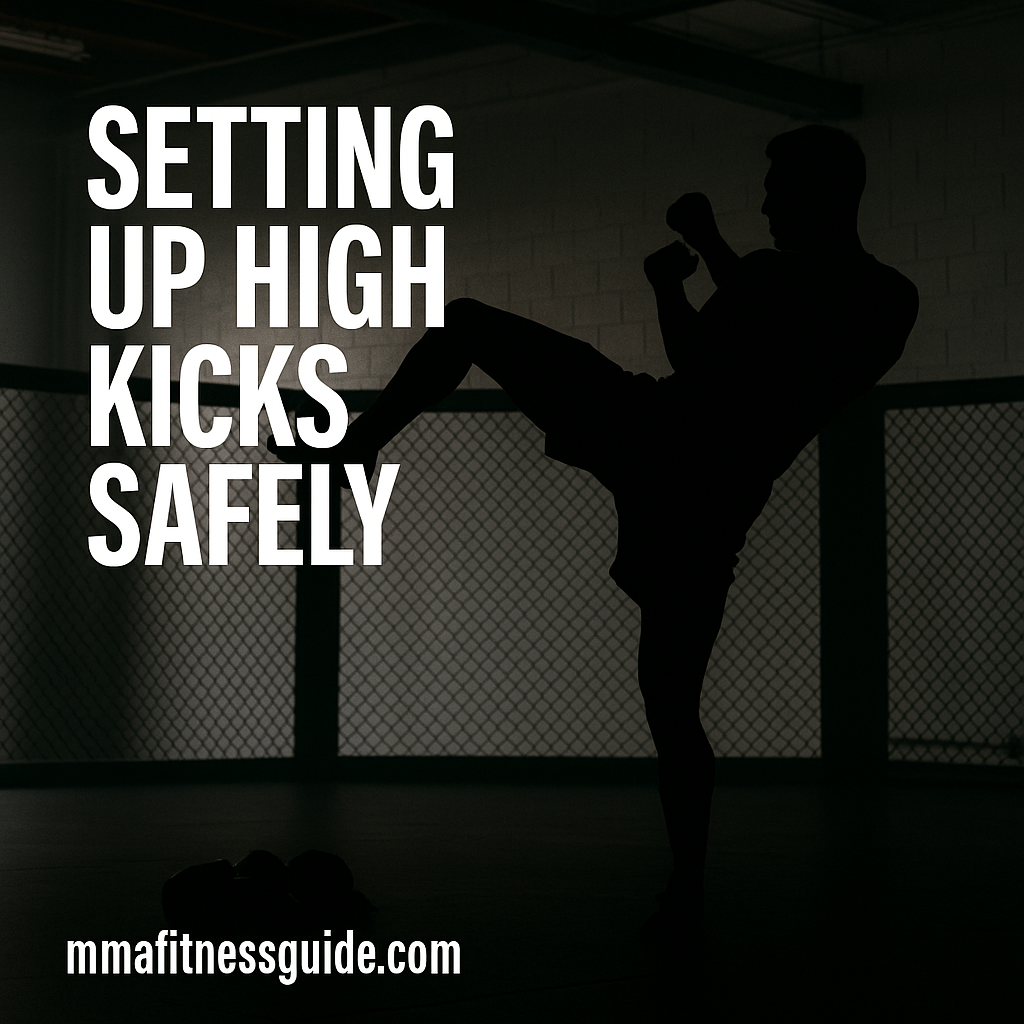
Setting Up High Kicks Safely

A silhouette of a male athlete performing a high kick inside an MMA gym, shown with the text “Setting Up High Kicks Safely” and the mmafitnessguide.com watermark.
A silhouetted martial artist practicing a high kick in an MMA gym, highlighting the technique focus behind setting up high kicks safely.

High kicks are some of the most exciting and dangerous techniques in striking arts. When thrown correctly, they can end a fight instantly. When thrown carelessly, they leave you exposed to counters, takedowns, and injuries.

The key isn’t just being flexible — it’s knowing how to set up high kicks safely so your opponent never sees them coming.

This guide breaks down the smartest setups, angles, feints, and timing strategies that help fighters land cleaner kicks without taking unnecessary risks.

Continue reading “Setting Up High Kicks Safely”
Head Movement Drills for Defense

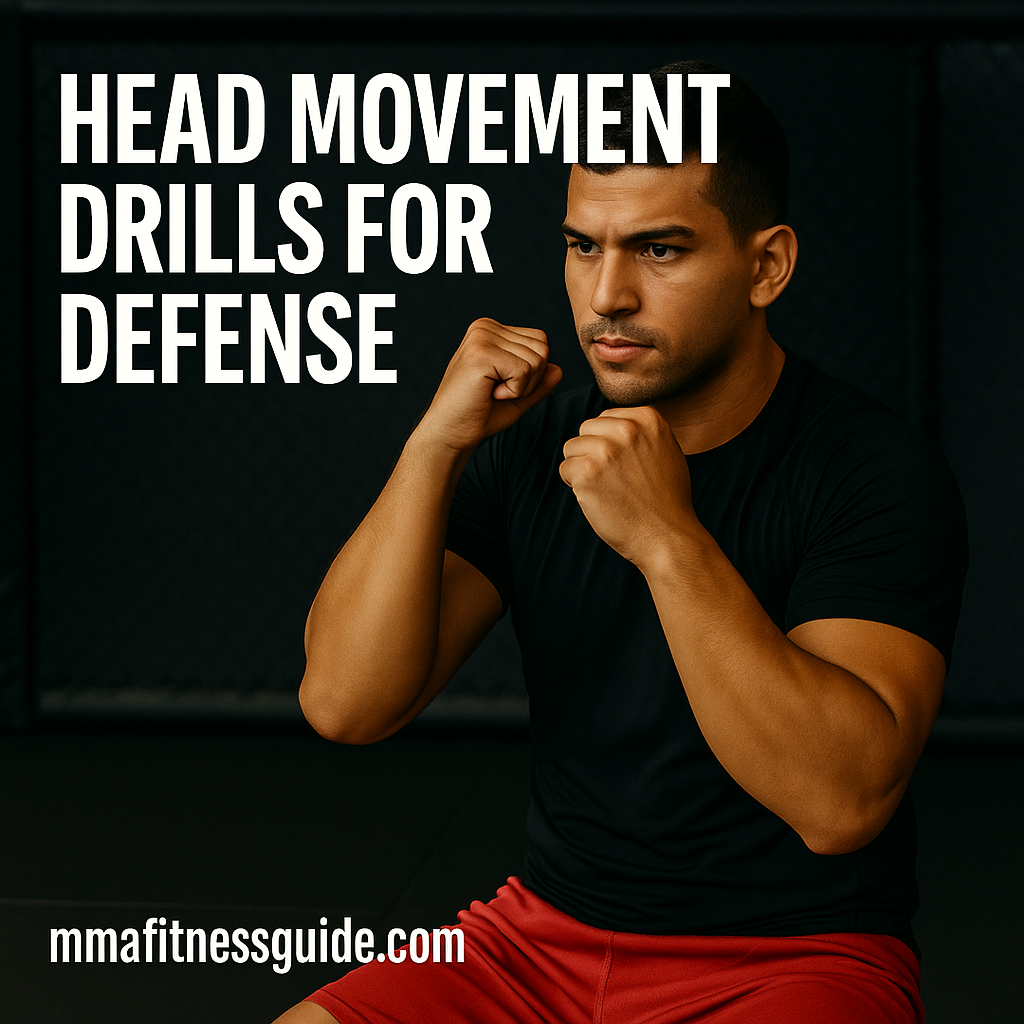
A tan-skinned male fighter in an MMA gym holding a hands-up guard stance while practicing controlled head positioning, shown with the article title and mmafitnessguide.com watermark.
A fighter in a hands-up guard pose demonstrating controlled defensive posture for head movement training.

Head movement is one of the most effective defensive tools in striking. Whether you train MMA, boxing, Muay Thai, or kickboxing, slipping, rolling, and weaving help you avoid punches, counter faster, and stay safe during exchanges. Good head movement isn’t about wild motions — it’s about small, efficient angles that make your opponent miss while keeping you balanced and ready to strike back.

These drills help you build instinctive defense, sharper timing, and better reaction speed.

Continue reading “Head Movement Drills for Defense”

MMA: Check and Counter Leg Kicks

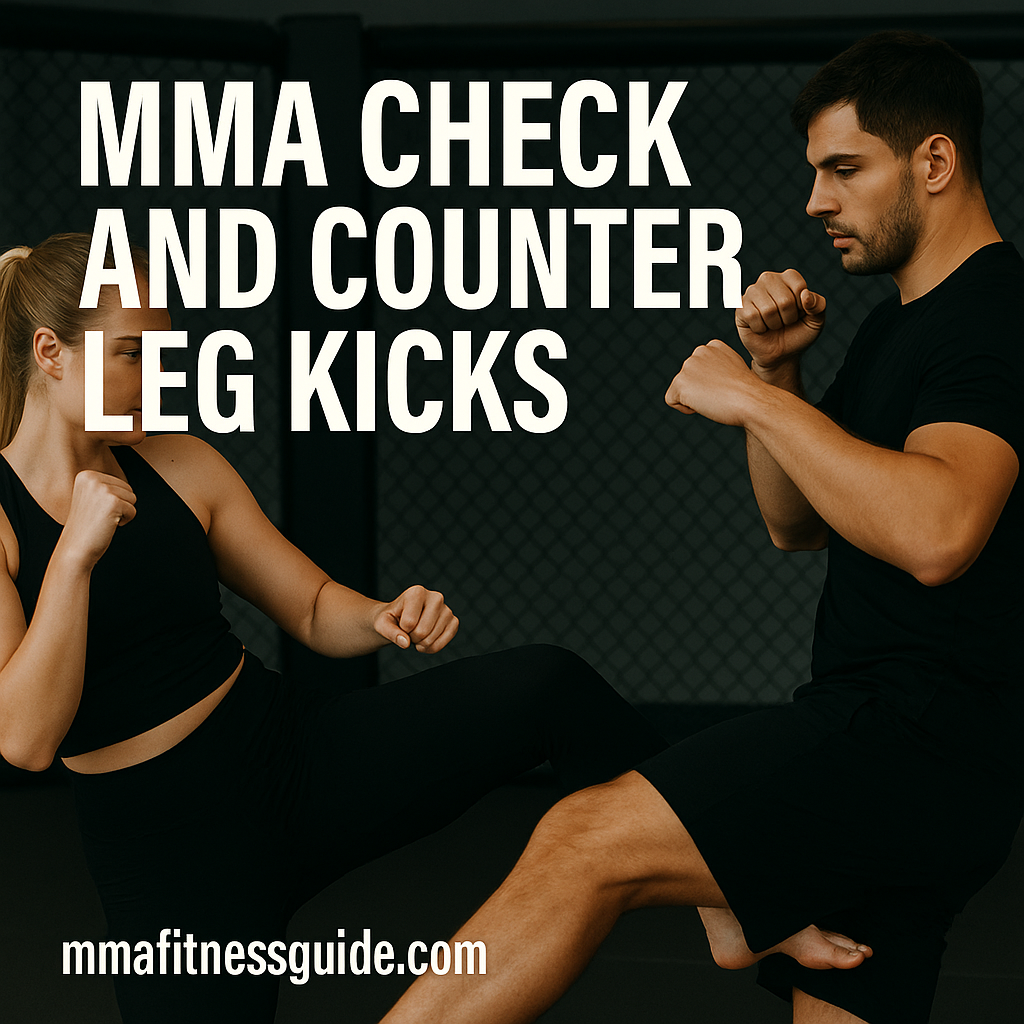
A male and female MMA athletes practicing a leg kick and defensive check in a gym, shown with the article title and mmafitnessguide.com watermark.
A male and female fighter demonstrating a leg kick and defensive check inside an MMA gym, used to illustrate the concept of checking and countering leg kicks.

Leg kicks can change the entire flow of an MMA fight — slowing an opponent’s movement, breaking their rhythm, and damaging their ability to strike or defend. But the best fighters don’t just absorb leg kicks; they check them, counter them, and turn defense into immediate offense.

Whether you’re a beginner learning the basics or an experienced fighter sharpening your timing, mastering the check-and-counter sequence is one of the most important parts of modern MMA striking.

This guide breaks down how leg-kick defense works, how to check correctly, and the most effective counters you can fire back instantly.

Continue reading “MMA: Check and Counter Leg Kicks”

Dirty Boxing: Short-Range Striking Tactics

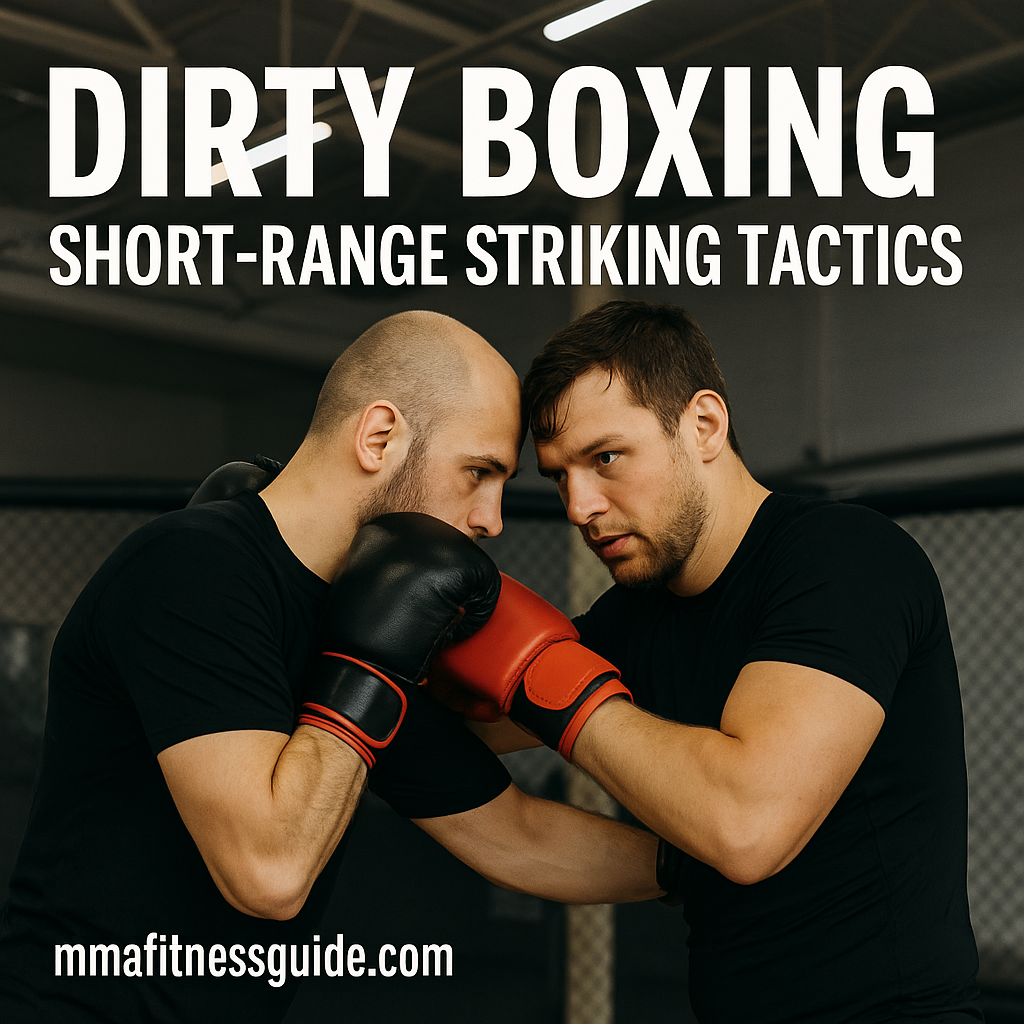
Two fighters practicing dirty boxing techniques inside an MMA gym, demonstrating close-range clinch striking.
Two fighters working dirty boxing techniques in an MMA gym, highlighting short-range striking tactics.

Dirty boxing is one of the most underrated — yet highly effective — striking styles used in MMA, Muay Thai clinch exchanges, and self-defense situations. It focuses on short-range punches, framing, off-balancing, and hand fighting inside the clinch. While the techniques aren’t “illegal,” they’re called “dirty” because they push right up against the edge of what’s allowed in combat sports.

Elite fighters use dirty boxing to control the clinch, land short damaging shots, wear down opponents, and create openings for takedowns or exits. When mastered, it becomes one of the most efficient ways to strike safely while maintaining positional advantage.

Continue reading “Dirty Boxing: Short-Range Striking Tactics”

Hand Fighting and Pummeling in the Clinch

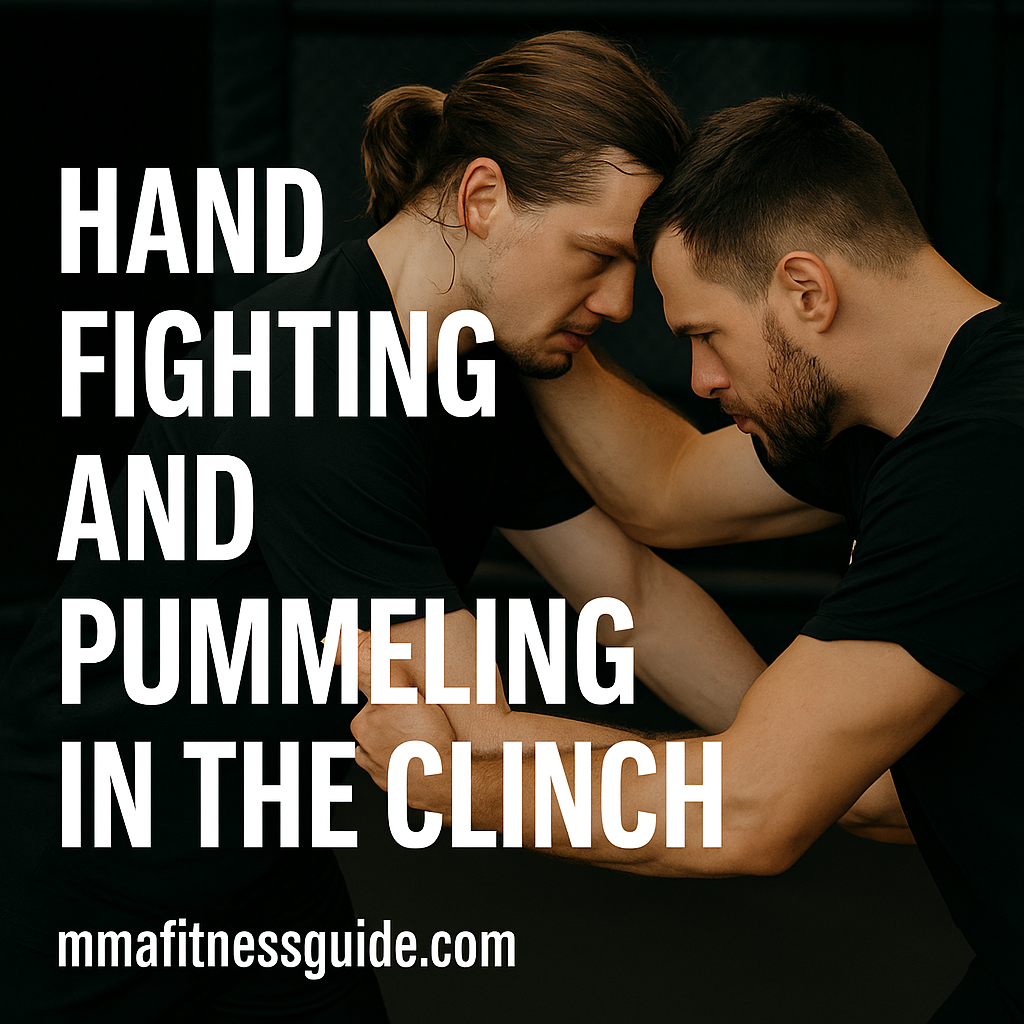
Two MMA fighters practicing hand fighting and pummeling in a clinch position inside a gym, with the article title displayed on the left.
Two fighters working pummeling and inside-control techniques in the clinch

Hand fighting and pummeling are two of the most important — yet often overlooked — skills in clinch work. Whether you’re fighting in MMA, Muay Thai, wrestling, or grappling, the clinch is a battlefield of micro-adjustments, grip fighting, and positional control. The fighter who wins the hand battle usually wins the clinch.

In MMA, mastering these skills allows you to neutralize strikes, create dominant positions, defend takedowns, and set up your own offense with far more efficiency.

Continue reading “Hand Fighting and Pummeling in the Clinch”

Southpaw vs Orthodox: Game Planning Your Stance

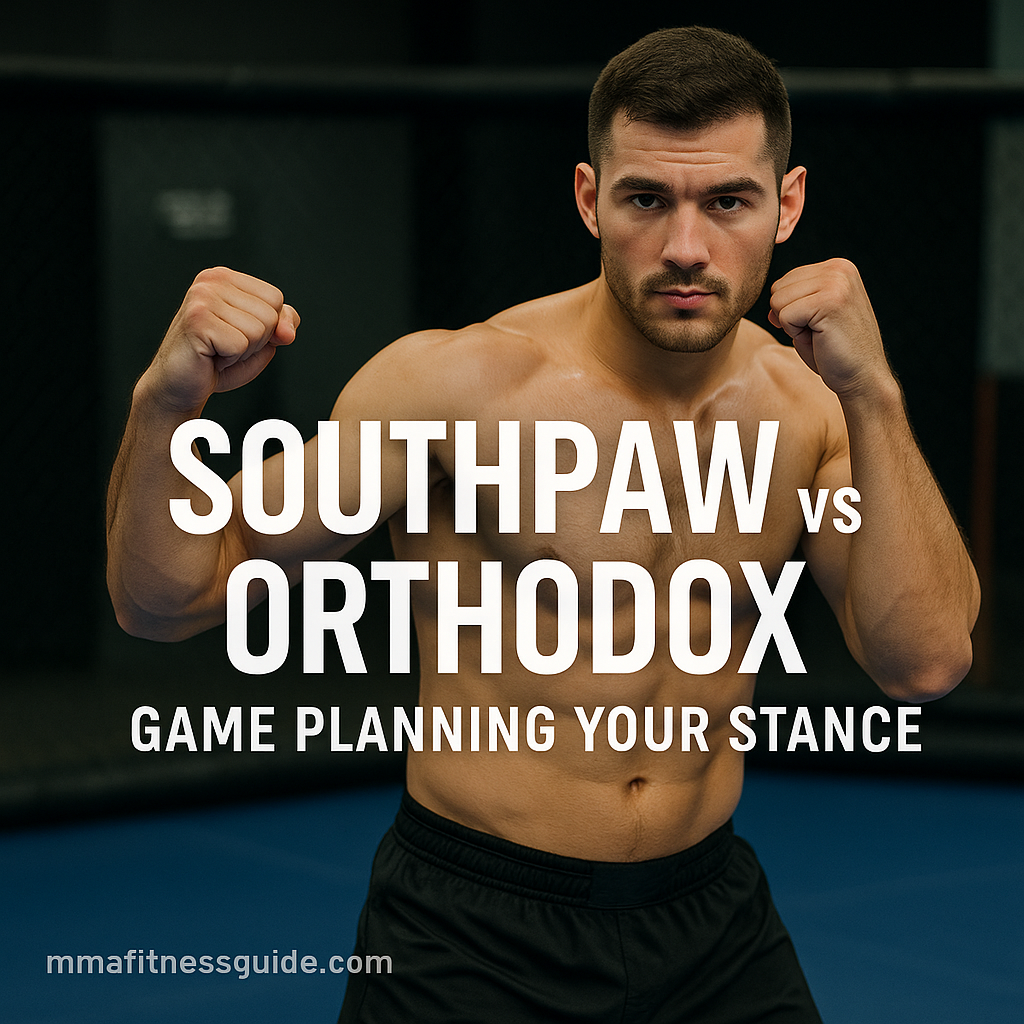
A male MMA fighter demonstrating stance positioning inside a gym, with the title “Southpaw vs Orthodox: Game Planning Your Stance” displayed across the image.
A fighter practicing both orthodox and southpaw stances to build smarter footwork and fight strategy.

Introduction

One of the first decisions every fighter makes — whether consciously or not — is choosing a stance: orthodox (left foot forward) or southpaw (right foot forward). Your stance shapes everything in a fight: your angles, your power shots, your defense, and even how your opponents approach you.

Some fighters stay loyal to one stance. Others switch fluidly mid-fight to create openings. But no matter your approach, understanding the strengths and weaknesses of each stance helps you build a smarter game plan.

Let’s break down what makes each stance unique — and how to use them to your advantage in MMA.

Continue reading “Southpaw vs Orthodox: Game Planning Your Stance”

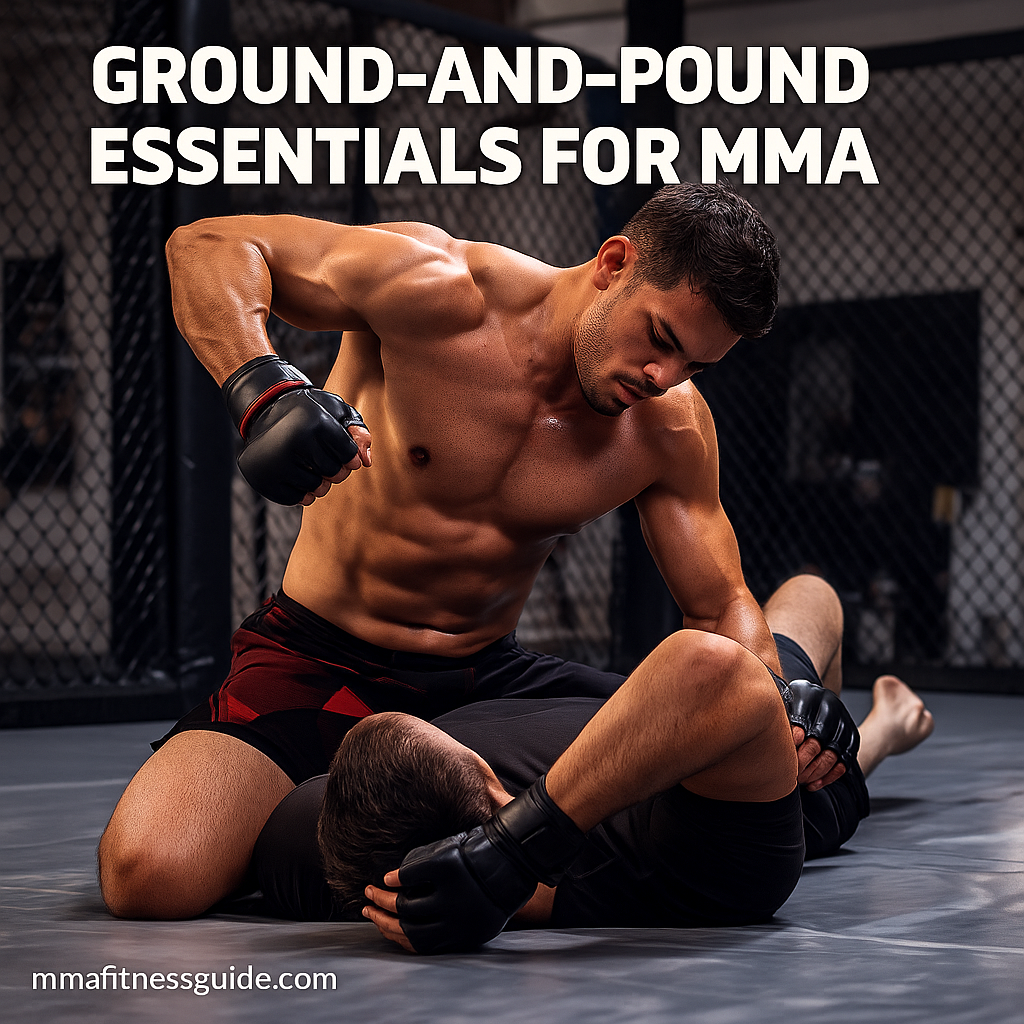
Ground-and-Pound Essentials for MMA

Male MMA fighter in top mount delivering controlled ground-and-pound strikes on a training partner, with the title “Ground-and-Pound Essentials for MMA” displayed.
A fighter demonstrating solid top-position control and effective ground-and-pound technique.

Introduction

Ground-and-pound is one of the defining skills of MMA. It blends grappling control with striking power, allowing fighters to deal damage, force openings, and finish fights. But effective ground-and-pound isn’t about wild punches — it’s about control, posture, precision, and timing.

Whether you’re a beginner learning top control or an experienced fighter sharpening your finishing ability, these essentials will help you strike safely and effectively from dominant positions.

Continue reading “Ground-and-Pound Essentials for MMA”

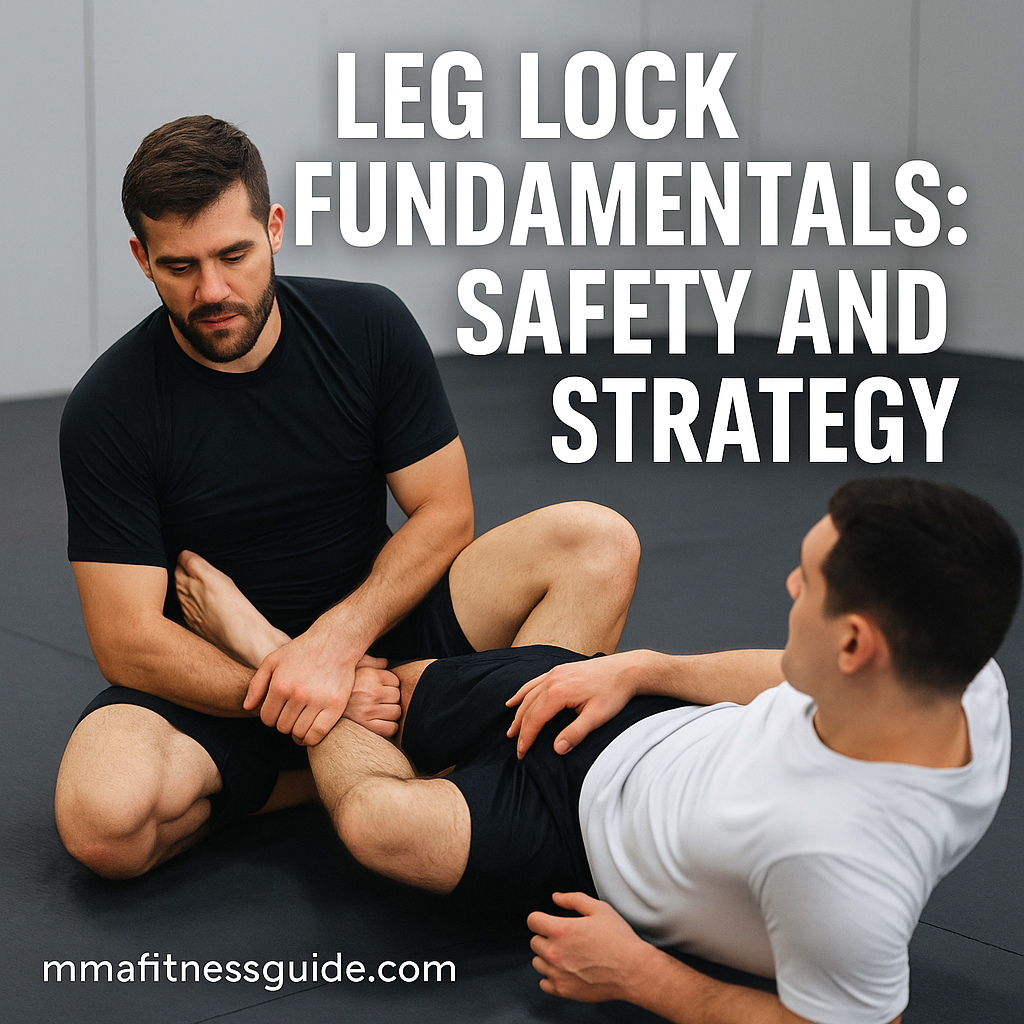
Leg Lock Fundamentals: Safety and Strategy

Two male grapplers demonstrating a safe and controlled leg entanglement on the mats, with the title “Leg Lock Fundamentals: Safety and Strategy” displayed.
A technical leg lock demonstration showing proper positioning and safe training fundamentals.

Introduction

Leg locks used to be viewed as risky, unpredictable techniques — but modern grappling has made them a crucial part of MMA and submission fighting. Even if you never plan to become a “leg lock specialist,” every fighter should understand the basics. Knowing how to attack, defend, and stay safe around leg entanglements keeps you calm on the ground and prevents panic when opponents target your legs.

Leg locks aren’t just submissions — they’re a strategy. Here’s how to approach them safely and effectively.

Continue reading “Leg Lock Fundamentals: Safety and Strategy”

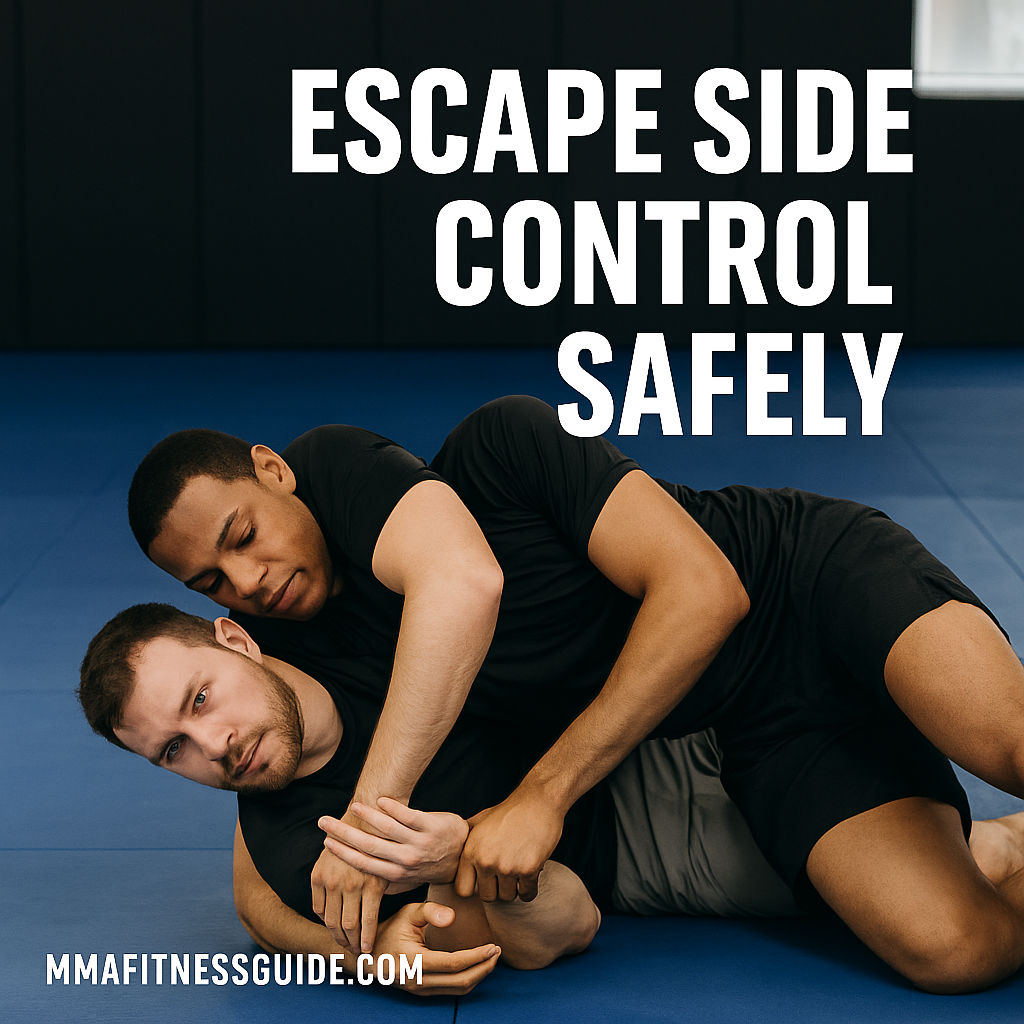
MMA: Escape Side Control Safely

Two male MMA athletes demonstrating a side-control escape, with the title “Escape Side Control Safely” displayed.
A fighter showing the proper framing and hip movement needed to escape side control safely.

Introduction

Side control is one of the toughest positions for beginners to escape. When someone is on top of you with heavy pressure, it can feel like you’re stuck with no way out. But escaping side control doesn’t require strength — it requires calmness, smart frames, and small movements that create enough space to recover.

With the right technique, you can stay safe, protect yourself, and work your way back into a better position. Here’s a simple guide to escaping side control safely in MMA.

Continue reading “MMA: Escape Side Control Safely”