Building Confidence Before a Match

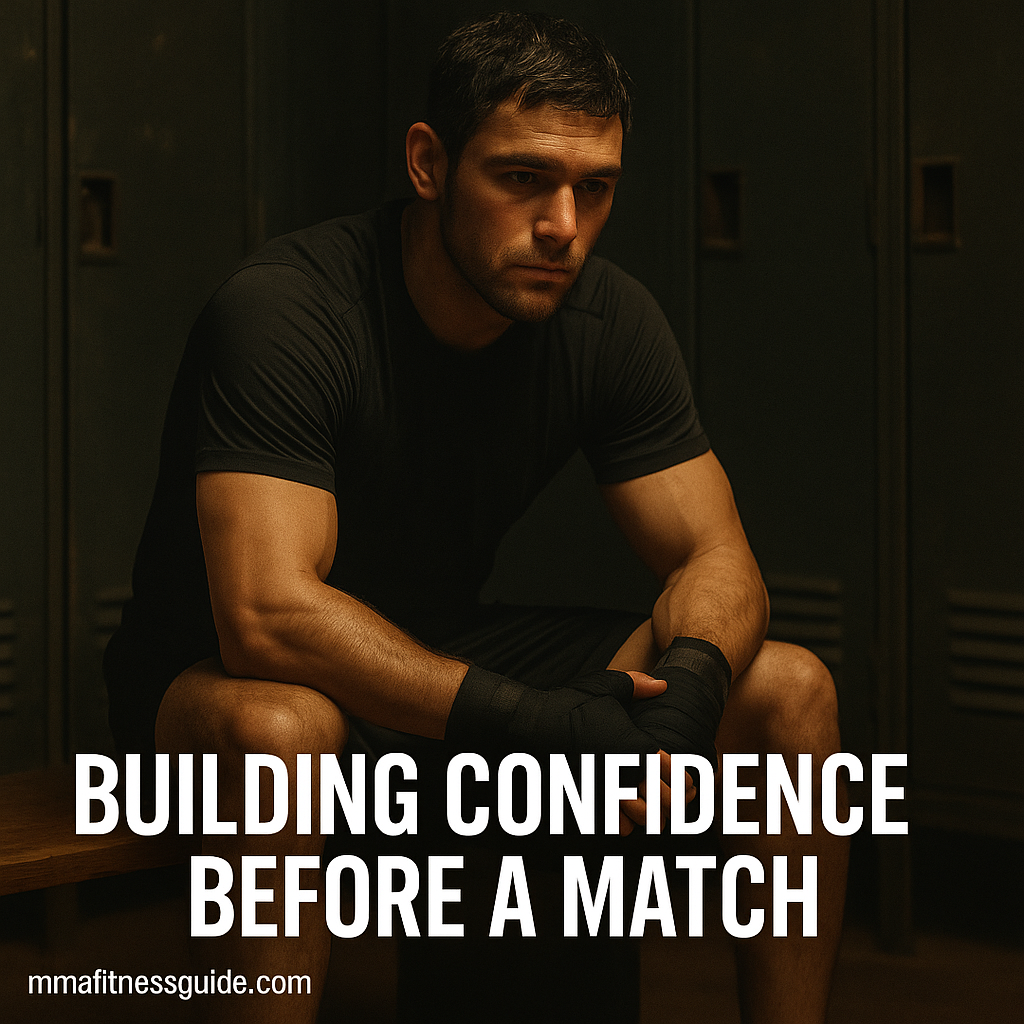
MMA fighter standing backstage and looking toward a brightly lit octagon before a match.
Confidence before an MMA fight develops through preparation, mental rehearsal, and the ability to remain composed under pressure.

The Fight Begins Before You Enter the Cage

You’re standing backstage, waiting for your name to be called. Your heart is racing, your gloves are taped, and your coach is giving you final instructions. Suddenly, you start thinking about your opponent’s knockout power, the crowd watching, and what happens if you lose.

Those thoughts are common before competition. What matters is how you respond to them.

Confidence develops through months of technical preparation, challenging sparring sessions, and learning to recover when things go wrong. A fighter who has practiced defending takedowns, escaping difficult positions, and maintaining composure under fatigue has specific experiences to draw on when nerves appear.

The goal isn’t to eliminate fear before a match. It’s to enter the cage with a clear plan, trust the skills you’ve developed, and remain capable of adjusting when the fight takes an unexpected turn.

Continue reading “Building Confidence Before a Match”

Visualization Techniques for Fighters

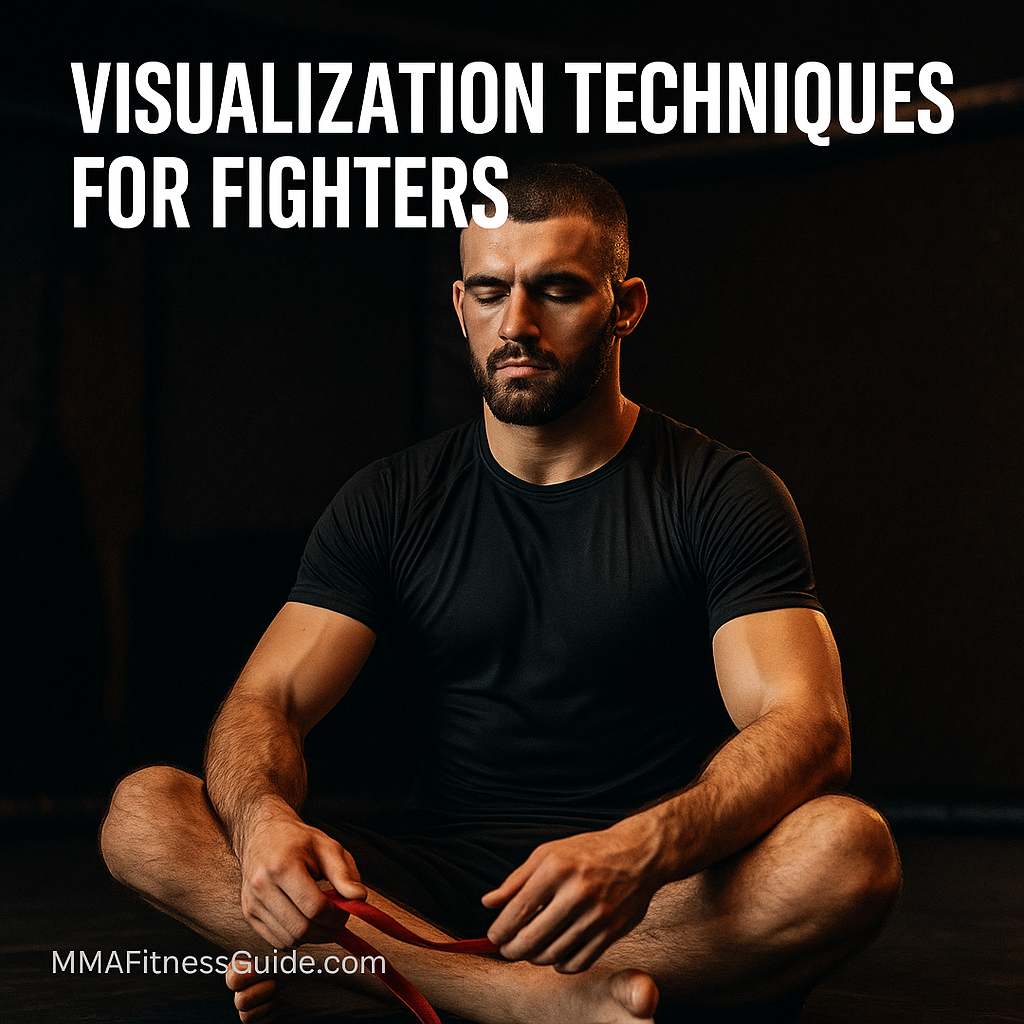
MMA fighter sitting with his eyes closed in a gym, mentally visualizing a sparring exchange with an opponent.
Mental rehearsal allows fighters to review techniques, prepare for adversity, and reinforce their game plans before stepping onto the mat.

Mental Rehearsal Before the First Exchange

You’re preparing for a fight against an opponent known for aggressive takedowns. During training, your coach has drilled the same defensive sequence repeatedly: maintain distance, recognize the level change, establish an underhook, and circle away from the cage.

Now imagine rehearsing that sequence mentally before your next sparring session. You picture your opponent closing the distance, feel yourself adjusting your stance, and mentally walk through the defensive movements you’ve practiced.

This is visualization, also known as mental imagery.

For MMA fighters, mental rehearsal can complement physical training by helping them review techniques, prepare for unfamiliar situations, and develop confidence in their game plans. Rather than simply imagining a knockout or championship victory, effective visualization focuses on realistic exchanges, specific technical decisions, and the ability to adapt when a fight doesn’t unfold as expected.

Continue reading “Visualization Techniques for Fighters”

How Martial Arts Improve Emotional Fitness

Female MMA fighter meditating calmly on gym mats in warm sunlight after training.
Female MMA fighter practicing meditation after training, reflecting emotional fitness and mental balance through martial arts.

The Mental Battle Beyond the Mat

When most people think of martial arts, they picture punches, kicks, and takedowns. But ask any seasoned fighter, and they’ll tell you that the hardest battles happen in the mind.

Training in martial arts builds not only strength and skill but also emotional fitness — the ability to manage stress, control impulses, and stay composed under pressure.
In an age where mental health is as important as physical health, martial arts can be a powerful form of emotional training.

Continue reading “How Martial Arts Improve Emotional Fitness”

Developing Mental Toughness for Competition

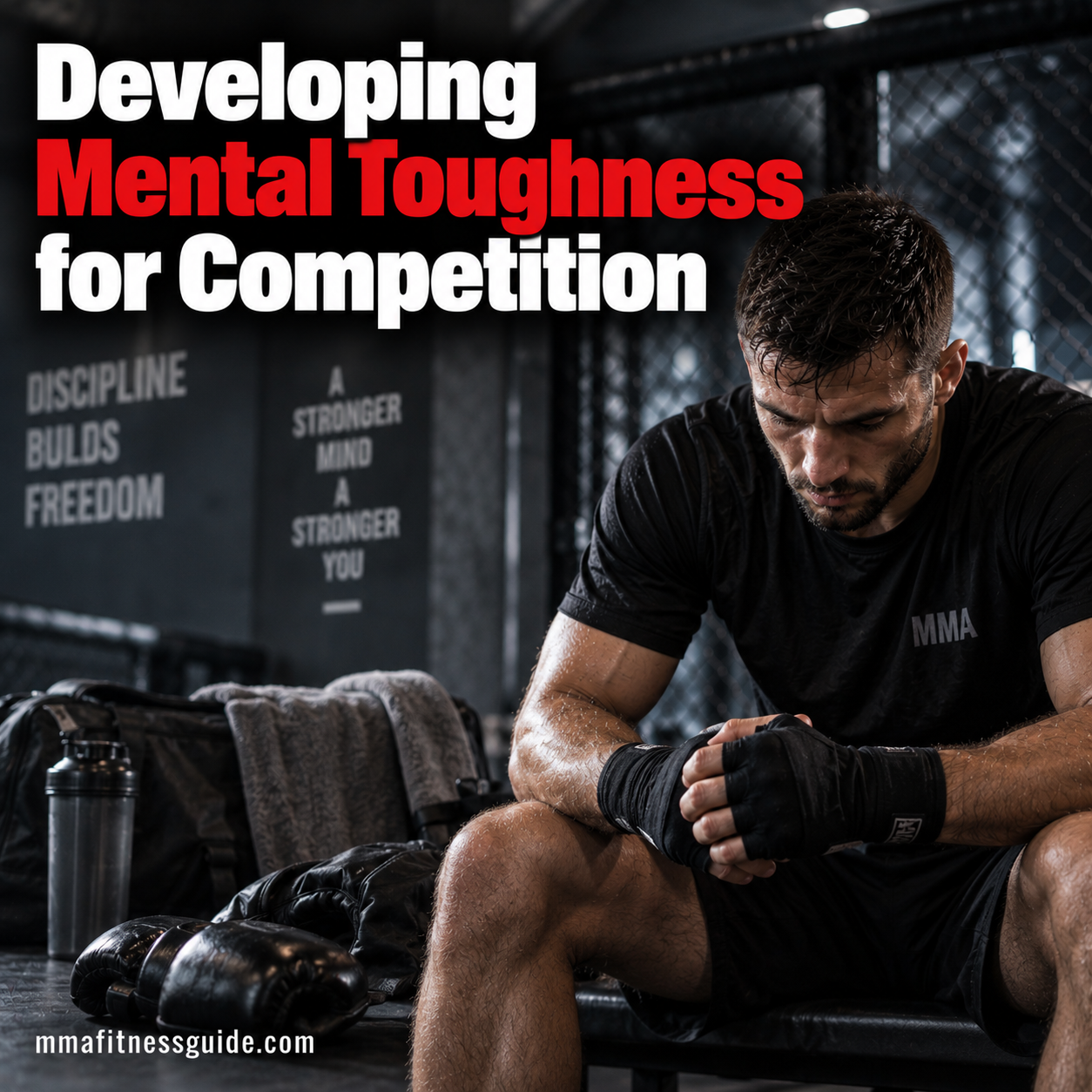
MMA fighter sitting in a gym with wrapped hands clasped, focusing mentally before competition.
Mental toughness involves preparing for pressure, maintaining focus, and responding constructively to setbacks during MMA competition.

You’re halfway through a hard sparring round when your opponent takes you down and settles into side control. You’re tired, your breathing is getting faster, and your first escape attempt fails. Your coach is shouting instructions, but all you can think about is how badly the round is going.

You have several choices. You could panic and waste energy pushing against your opponent. You could become frustrated and make a reckless movement. Or you could recognize the position, protect yourself, establish your frames, and work toward an escape.

That third response illustrates what mental toughness can look like in MMA.

It isn’t the absence of fear, frustration, or fatigue. It’s the ability to respond effectively when those experiences appear.

Mental toughness develops through preparation, realistic training, emotional awareness, and the ability to adapt. It also requires knowing when to rest, ask for help, or stop training because something is unsafe.

For fighters preparing for competition, the goal is not to become emotionless. It’s to build reliable habits that remain useful when the pressure increases.

Continue reading “Developing Mental Toughness for Competition”