Healthy Habits That Stick All Year

MMA athlete resting after training with healthy meal, water bottle, and fitness habit checklist.
Building healthy habits around training, nutrition, hydration, sleep, and recovery makes long-term consistency easier.

Introduction

The habits that matter most aren’t the ones you follow when you’re motivated. They’re the ones you can still manage on a busy Wednesday when you’re tired, short on time, and training is the last thing you feel like doing.

For fighters and everyday athletes, that might mean choosing a 20-minute workout instead of skipping training, drinking water before reaching for another coffee, preparing a simple high-protein meal, or getting to bed earlier instead of staying up scrolling.

Those small decisions may not feel impressive in the moment, but repeated over weeks and months, they shape your fitness, recovery, energy, and performance.

The goal isn’t to build a perfect routine. It’s to create healthy habits that are simple enough to survive busy schedules, low-motivation days, and the occasional setback — so you can keep making progress all year.

Continue reading “Healthy Habits That Stick All Year”

MMA: Avoid Common Beginner Mistakes

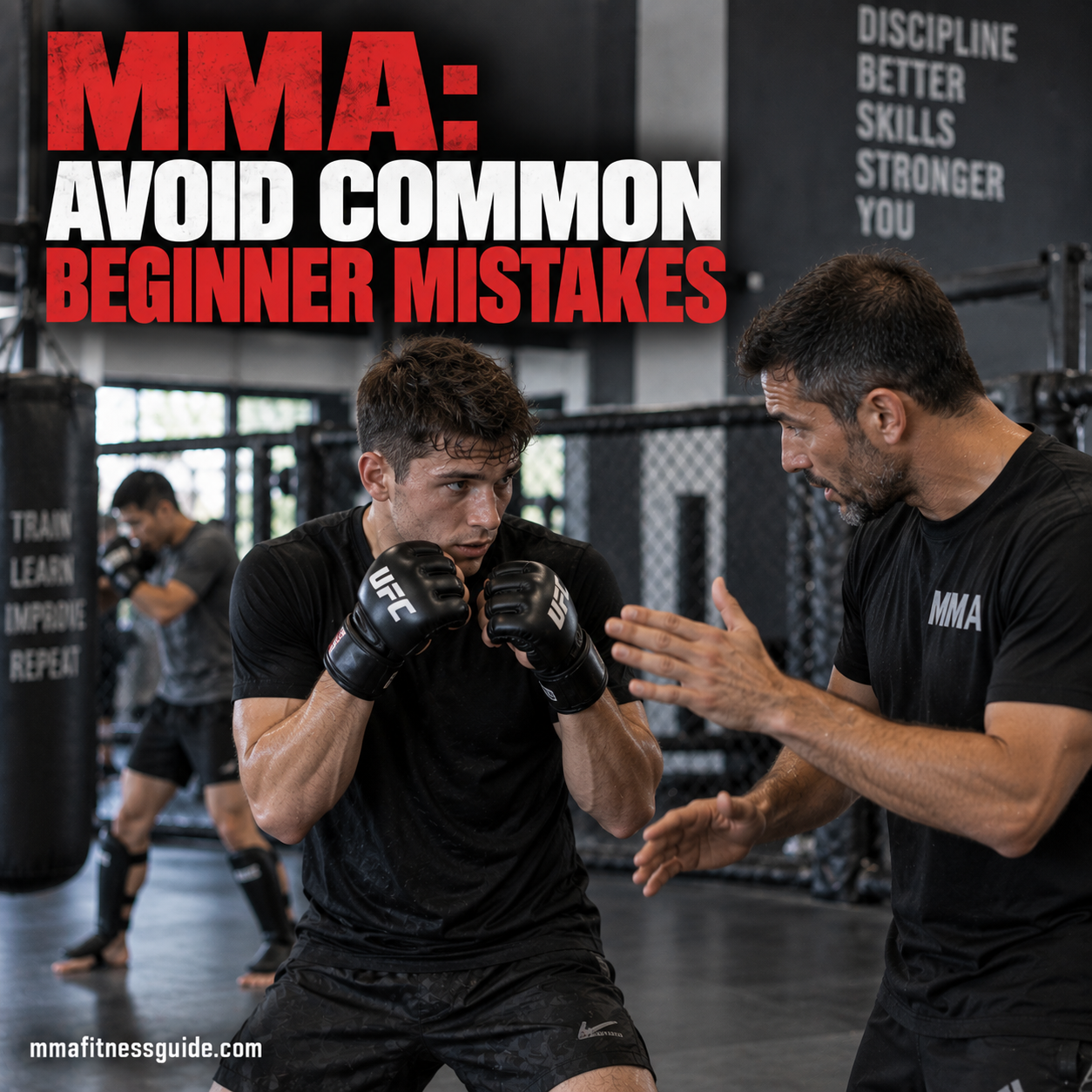
Beginner MMA fighter receiving technique and defensive guidance from a coach during training.
Learning proper technique, controlling training intensity, and listening to coaching can help new MMA trainees avoid common early mistakes.

Introduction

The first few months of MMA can feel like information overload. You’re trying to remember your stance, keep your hands up, breathe during combinations, move your feet, and follow your coach’s instructions—all while your conditioning is being tested.

That learning curve also makes it easy to develop habits that work against you. Training at full intensity every session, rushing into sparring, relying on strength instead of technique, or copying advanced teammates can make training harder than it needs to be.

Early progress comes from getting the basics right: train at an intensity you can control, pay attention to technique, recover between sessions, ask questions, and give yourself enough time to improve. Fixing these habits now is much easier than trying to unlearn them months later.

Continue reading “MMA: Avoid Common Beginner Mistakes”

The Most Influential Coaches in MMA History

Male MMA coach holding pads and giving focused instruction, with the title “The Most Influential Coaches in MMA History” displayed.
A tribute image representing the legendary coaches whose influence shaped the evolution of MMA.

Introduction

Great fighters become legends — but behind every legend is a coach who shaped their style, sharpened their mindset, and pushed them past their limits. MMA is a sport built on influence: technique passed down from masters, training methods refined through decades, and coaches who saw potential in fighters long before anyone else did.

This article highlights the most influential coaches in MMA history — the minds who built champions and changed the direction of the sport forever.

Continue reading “The Most Influential Coaches in MMA History”

Positive Self-Talk That Actually Works

Fit female MMA athlete sitting calmly on the mats with gloves off, focusing quietly with the title “Positive Self-Talk That Actually Works” displayed.
A fighter practicing calm, positive self-talk to build confidence and mental resilience.

Introduction

Every fighter deals with frustration, doubt, and rough days in the gym. But the way you talk to yourself — especially under pressure — can shape how well you perform and how fast you improve. Positive self-talk isn’t about pretending everything is perfect. It’s about choosing words that help you stay calm, confident, and in control.

The right internal dialogue can boost focus, keep you motivated, and help you push through tough moments. Here’s how to use positive self-talk in a way that actually works for fighters.

Continue reading “Positive Self-Talk That Actually Works”

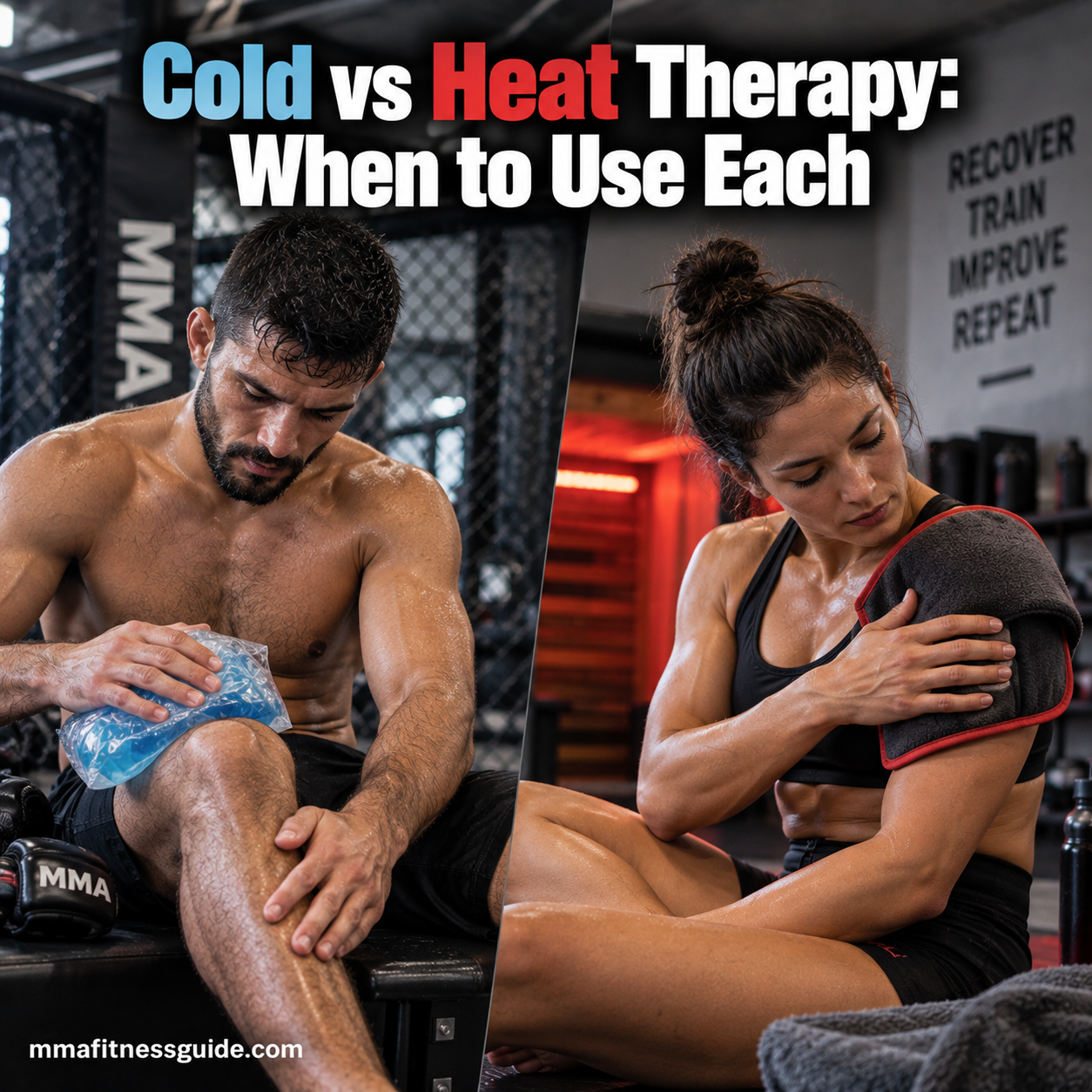
Cold vs Heat Therapy: When to Use Each

MMA fighters demonstrating cold therapy for a knee and heat therapy for a shoulder after training
Cold and heat serve different purposes when managing soreness, stiffness, and minor training-related injuries.

Introduction

A swollen ankle after a wrestling scramble and stiff hips the morning after hard sparring are two different recovery problems. Reaching for the same treatment in both situations may not give you the result you want.

Cold and heat affect the body differently. Cold can temporarily reduce pain and limit swelling after certain acute injuries, while heat can make stiff muscles and joints feel more comfortable before mobility work or training. The right choice depends on what happened, how the area feels, and when the symptoms started.

For fighters dealing with the routine bumps, soreness, and stiffness that come with MMA training, knowing those differences makes it easier to choose an appropriate recovery method—and recognize when an injury needs more than home treatment.

Continue reading “Cold vs Heat Therapy: When to Use Each”

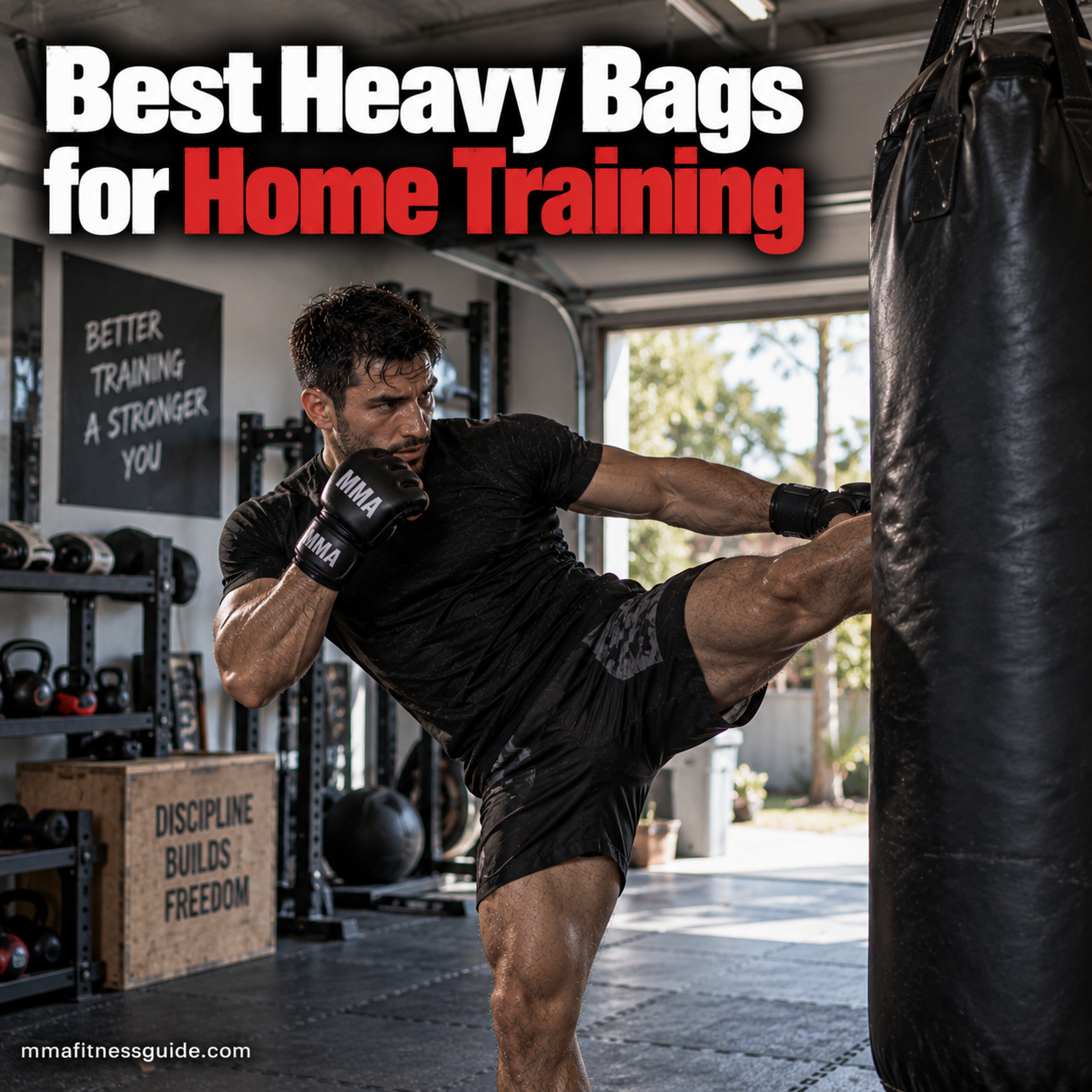
Best Heavy Bags for Home Training

MMA athlete kicking a hanging heavy bag during a striking workout in a home garage gym.
The right heavy bag provides a convenient way to practice punches, kicks, combinations, footwork, and conditioning at home.

Introduction

An 80-pound hanging bag in a garage, a six-foot Muay Thai bag for practicing low kicks, and a freestanding bag tucked into an apartment corner can all provide solid home training—but they solve very different problems.

The right setup depends on what you actually want to practice. Boxers may prioritize punching combinations and footwork, while MMA and Muay Thai athletes need enough length and stability for kicks, knees, and elbows. Your available floor space, mounting options, noise concerns, and budget matter just as much.

A good heavy bag gives you somewhere to practice technique, build conditioning, and put in extra rounds when you can’t make it to the gym. Choosing the correct style from the start also prevents an expensive bag from becoming something that simply takes up space.

Before buying, compare the major bag types by weight, mounting requirements, striking versatility, durability, and the amount of room each one needs.

Continue reading “Best Heavy Bags for Home Training”

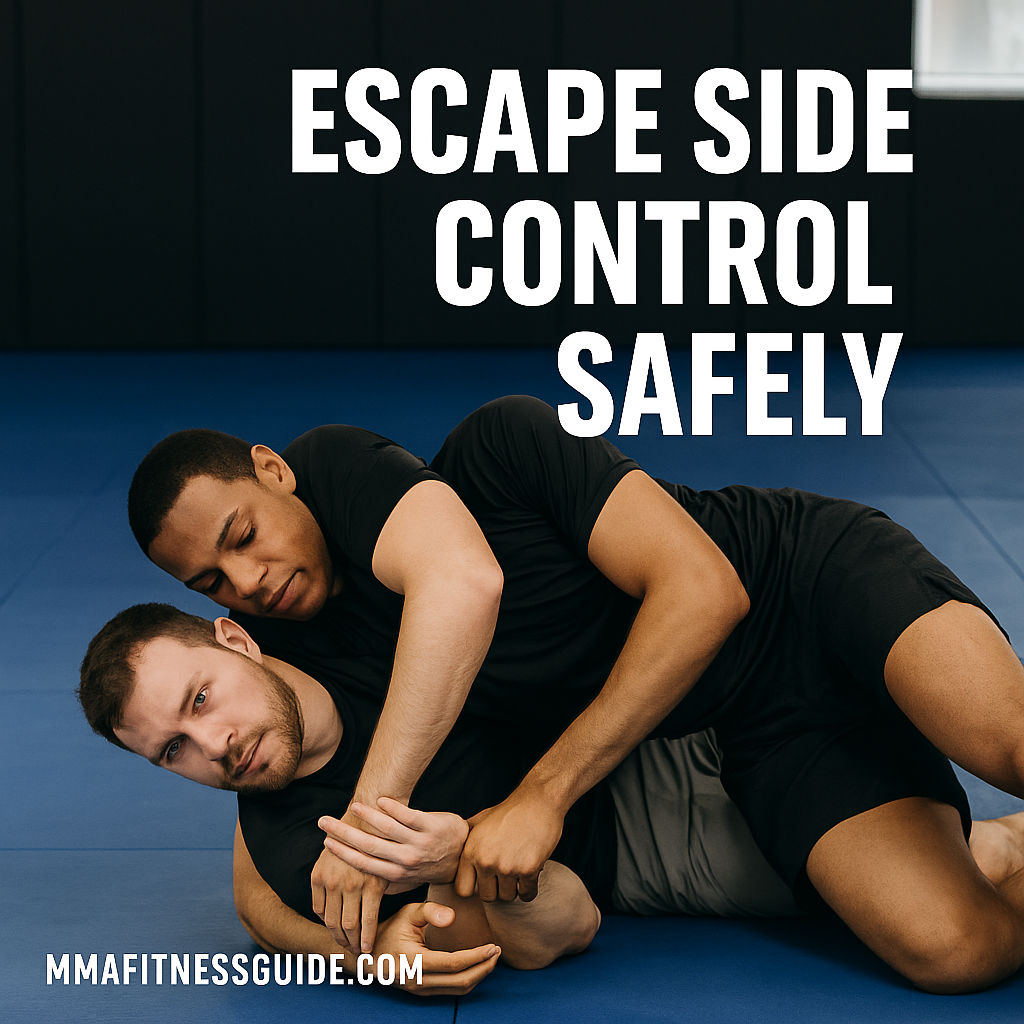
MMA: Escape Side Control Safely

Two male MMA athletes demonstrating a side-control escape, with the title “Escape Side Control Safely” displayed.
A fighter showing the proper framing and hip movement needed to escape side control safely.

Introduction

Side control is one of the toughest positions for beginners to escape. When someone is on top of you with heavy pressure, it can feel like you’re stuck with no way out. But escaping side control doesn’t require strength — it requires calmness, smart frames, and small movements that create enough space to recover.

With the right technique, you can stay safe, protect yourself, and work your way back into a better position. Here’s a simple guide to escaping side control safely in MMA.

Continue reading “MMA: Escape Side Control Safely”

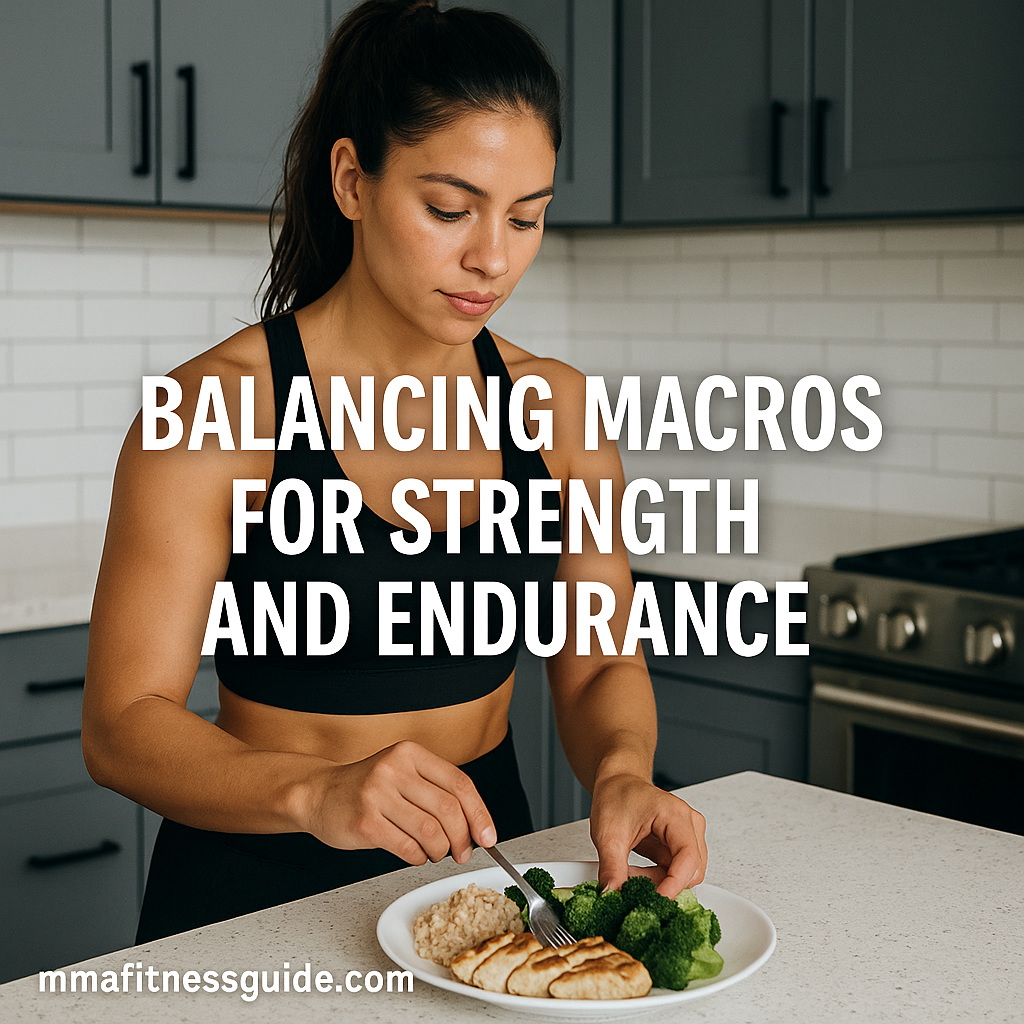
Balancing Macros for Strength and Endurance

Fit female MMA athlete preparing a balanced meal with protein, carbs, and vegetables, with the title “Balancing Macros for Strength and Endurance” displayed.
A fighter preparing a balanced macro-focused meal to support both strength and endurance training.

Introduction

Fighters need a unique mix of strength, power, and endurance. That means your nutrition has to support heavy lifting, explosive movements, long training sessions, and fast recovery. Balancing your macros — protein, carbs, and fats — helps your body perform at its best without feeling sluggish or burned out.

You don’t need a strict diet or complicated formulas. With a basic understanding of how each macro works and how to mix them, you can fuel every session and stay consistent week after week.

Here’s a simple guide to balancing macros for strength and endurance.

Continue reading “Balancing Macros for Strength and Endurance”

Balancing Strength and Speed for Fighters

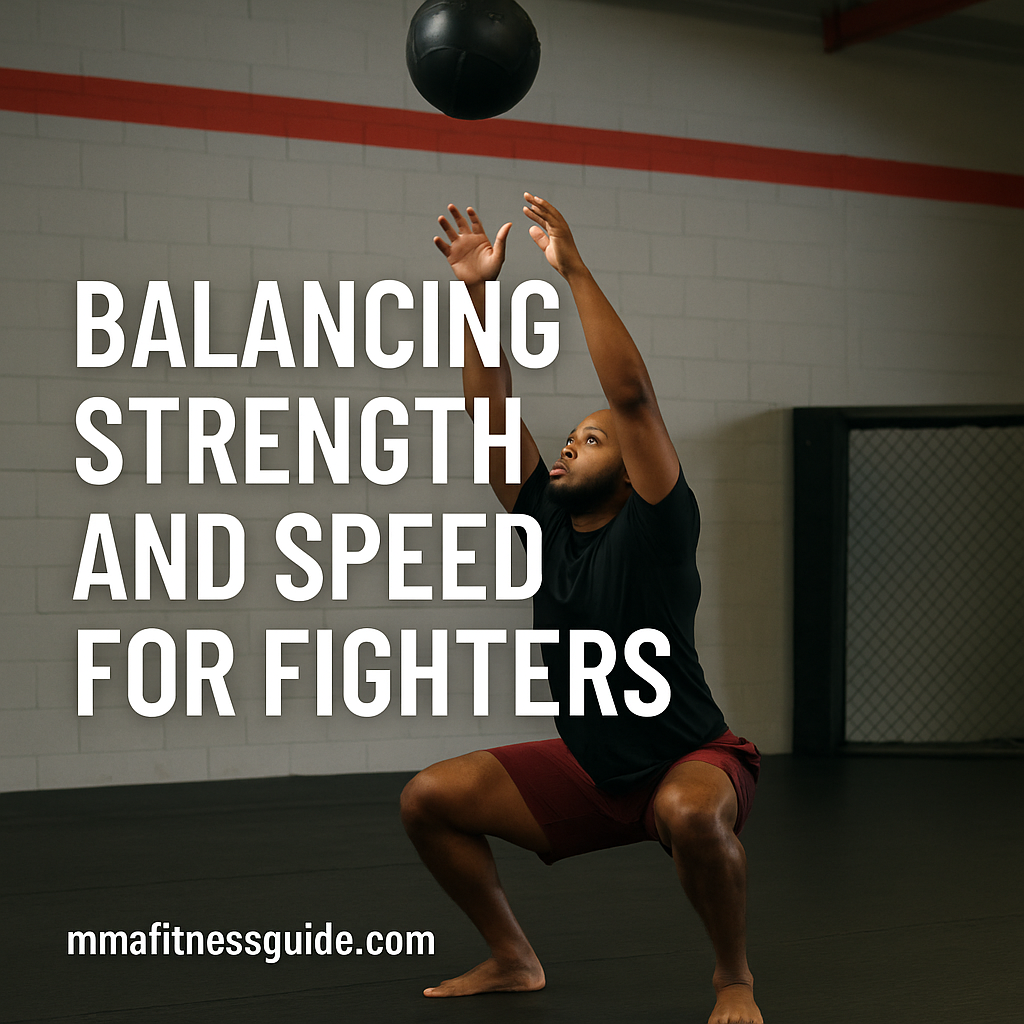
Male MMA athlete performing an explosive medicine-ball drill with the title “Balancing Strength and Speed for Fighters” displayed.
A fighter working on developing the right balance of strength and speed for MMA performance.

Introduction

In MMA, strength and speed work together. You might be strong, but if you’re slow, opponents can outmaneuver you. And you might be fast, but without strength, your strikes and takedowns won’t carry enough power. The key is to train both — without letting one take away from the other.

Balancing strength and speed isn’t complicated. With the right structure and a few smart adjustments, you can improve both qualities at the same time and feel more explosive in every aspect of your game.

Continue reading “Balancing Strength and Speed for Fighters”

Email Newsletters That Grow Your Gym

MMA coach creating an email newsletter while students train inside an MMA gym.
Email newsletters help MMA gyms stay connected with prospects and members through training updates, events, reminders, and useful gym information.

Social media is useful for getting an MMA gym in front of new people, but there’s a catch: followers may never see what you post. Algorithms decide how widely each post is distributed, and even interested prospects can quickly scroll past it.

Email gives a gym a more direct way to stay in touch. Someone who signs up for a trial class, downloads information, attends an event, or joins the gym can continue hearing from you long after that first interaction.

A useful gym newsletter might remind members about an upcoming seminar, introduce a new class, share a training tip, highlight a student’s progress, or encourage someone who has not trained recently to come back.

The goal isn’t to fill inboxes with promotions. It’s to give members and prospects a reason to stay connected to the gym.

Continue reading “Email Newsletters That Grow Your Gym”