A fighter showing how confidence developed in training carries over into everyday life.
Introduction
Training MMA naturally builds confidence inside the gym — but the real value is when that confidence follows you into everyday life. Whether you’re dealing with work stress, social situations, school pressure, or personal challenges, the mindset you develop through martial arts gives you tools to approach life with more courage and self-belief.
Confidence isn’t about being fearless. It’s about trusting yourself, handling pressure, and knowing you can overcome challenges. MMA helps build these traits step by step.
Here’s how to use your MMA training to build confidence outside the gym.
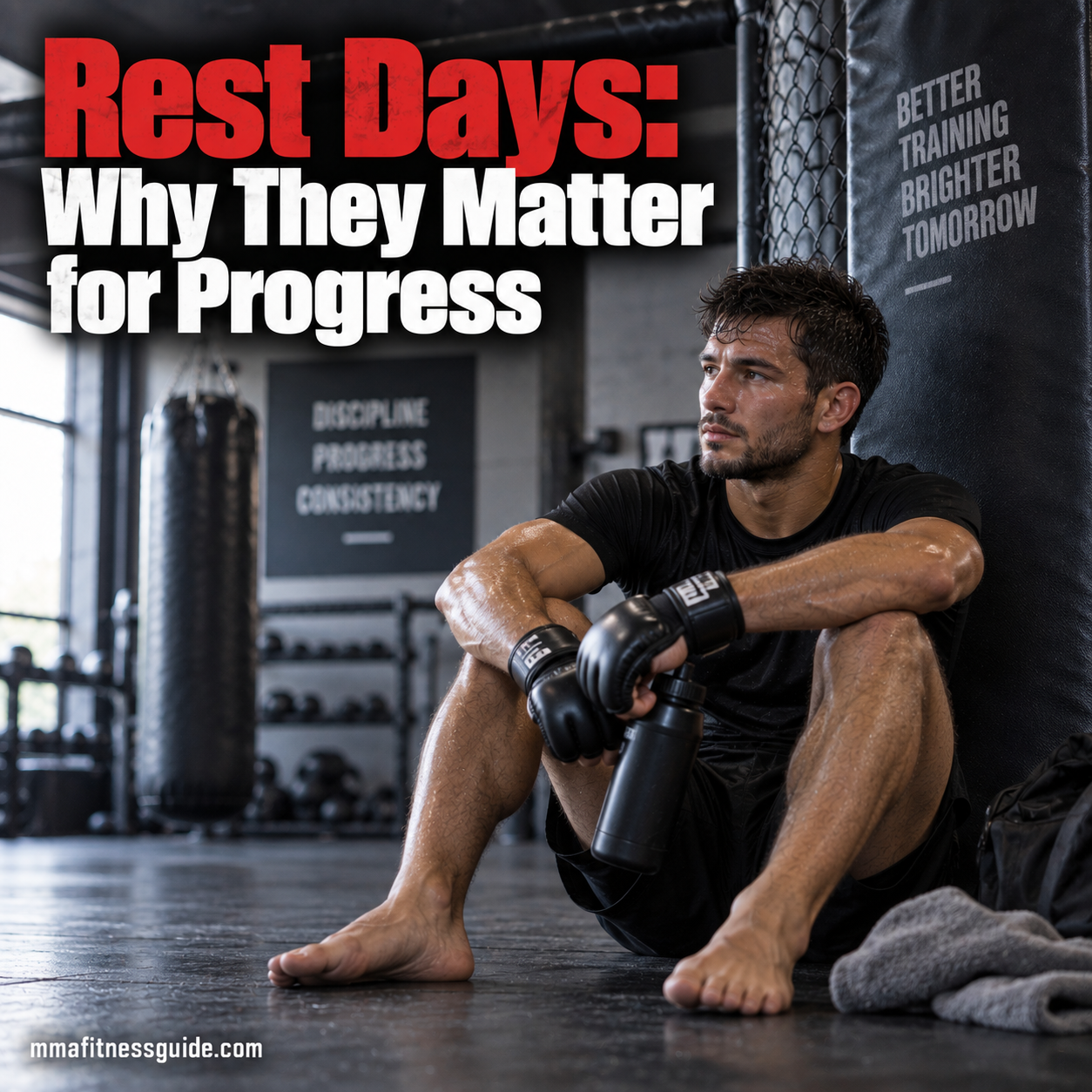
Rest days give MMA trainees time to recover from accumulated fatigue before returning to striking, grappling, and conditioning.
Introduction
After a few MMA sessions, the effects start adding up. Your shoulders may still be tired from punching, your legs feel heavy during footwork, your grip is fatigued from grappling, and movements that felt sharp earlier in the week suddenly feel slower.
Adding another hard workout isn’t always the answer.
Training creates the workload; recovery gives your muscles, connective tissues, energy stores, and nervous system time to adapt to it. A well-placed rest day can mean returning to the gym with better movement and concentration instead of dragging accumulated fatigue into another session.
For beginners especially, learning when to recover is part of learning how to train. The goal isn’t to fit in as many workouts as possible—it’s to build a schedule your body can handle consistently for months and years.
From early MMA trailblazers to Olympic boxing champions, pioneering women helped transform combat sports and create opportunities for future generations.
Women’s combat sports didn’t become mainstream overnight.
Long before women headlined UFC pay-per-views, fought for major boxing championships, and competed in internationally televised MMA events, female athletes were fighting for opportunities that male competitors often took for granted.
They faced limited competition schedules, smaller purses, fewer sponsorship opportunities, and promoters who questioned whether audiences would watch women’s fights.
Yet women continued to compete in boxing, judo, wrestling, kickboxing, Brazilian jiu-jitsu, and mixed martial arts.
Some built their reputations in small venues. Others became stars in Japan before American promotions embraced women’s MMA. A later generation used championship performances, memorable rivalries, and mainstream media exposure to bring women’s combat sports to larger audiences.
The development of women’s combat sports cannot be credited to one athlete or organization. It reflects decades of work by fighters, coaches, promoters, and advocates across multiple disciplines.
Nine women helped transform combat sports — here are the barriers they broke, what they accomplished, and the lasting changes they brought to MMA and boxing.
It also examines the earlier pioneers who made their careers possible and what modern fighters can learn from their contributions.
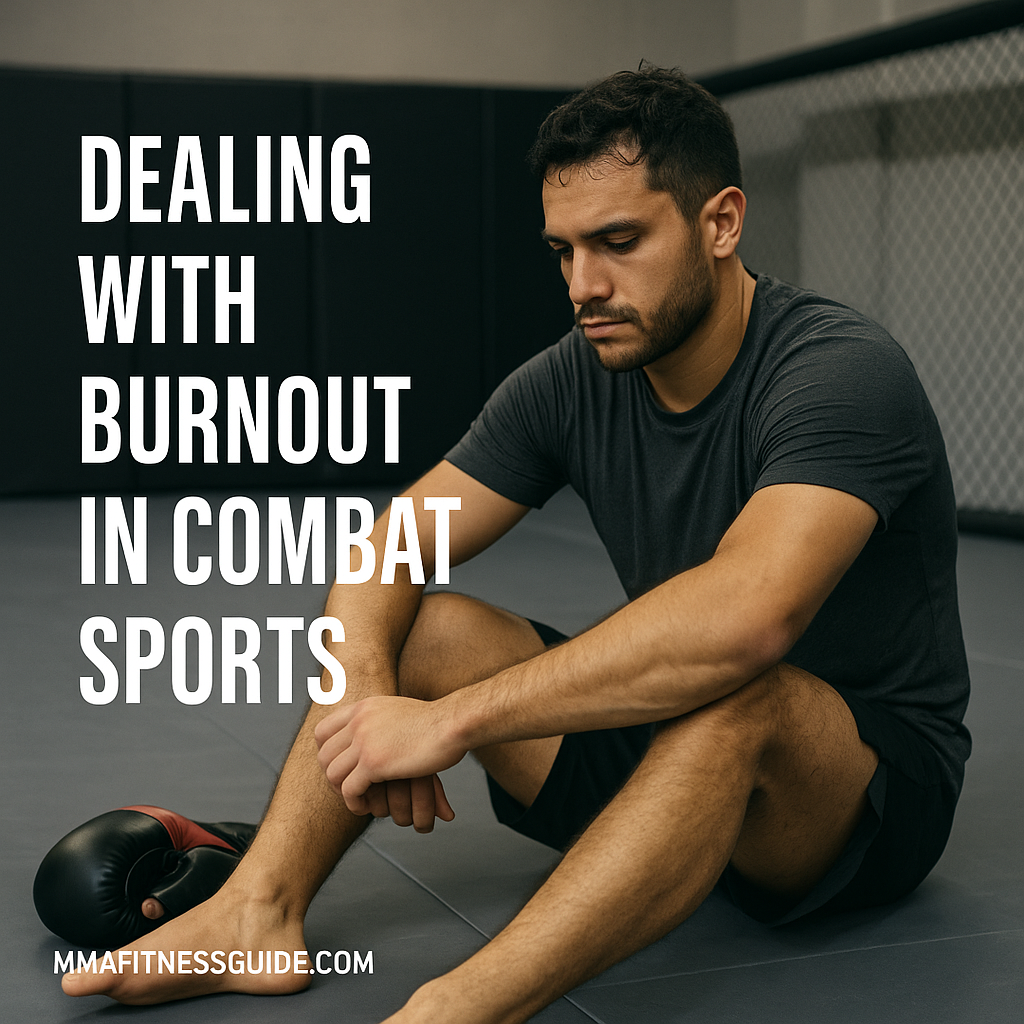
A fighter taking a quiet moment to reset and deal with burnout in combat sports.
Introduction
Combat sports are intense. Between sparring rounds, strength training, conditioning, drilling, and the pressure to improve, burnout can creep in before you even notice it. Burnout isn’t just feeling tired — it’s mental and physical exhaustion that makes training feel heavier than usual.
The good news is that burnout is normal, and it’s something every fighter experiences at some point. With the right approach, you can recover, reset your mindset, and get back to training in a healthier, more sustainable way.
Here’s how to recognize burnout and deal with it effectively.
A fighter performing a simple joint warm-up drill before sparring.
Introduction
Sparring is one of the most demanding parts of MMA training. Your body needs to move fast, react quickly, change levels, and absorb impact — all while staying relaxed and controlled. That’s why a proper joint-focused warm-up is essential. Tight joints slow you down, make movements sloppy, and increase the risk of injury.
The good news is that warming up your joints doesn’t take long. With a few simple drills, you can prepare your body, move more smoothly, and spar with better confidence and safety.
Here’s a beginner-friendly joint warm-up routine designed specifically for MMA sparring.
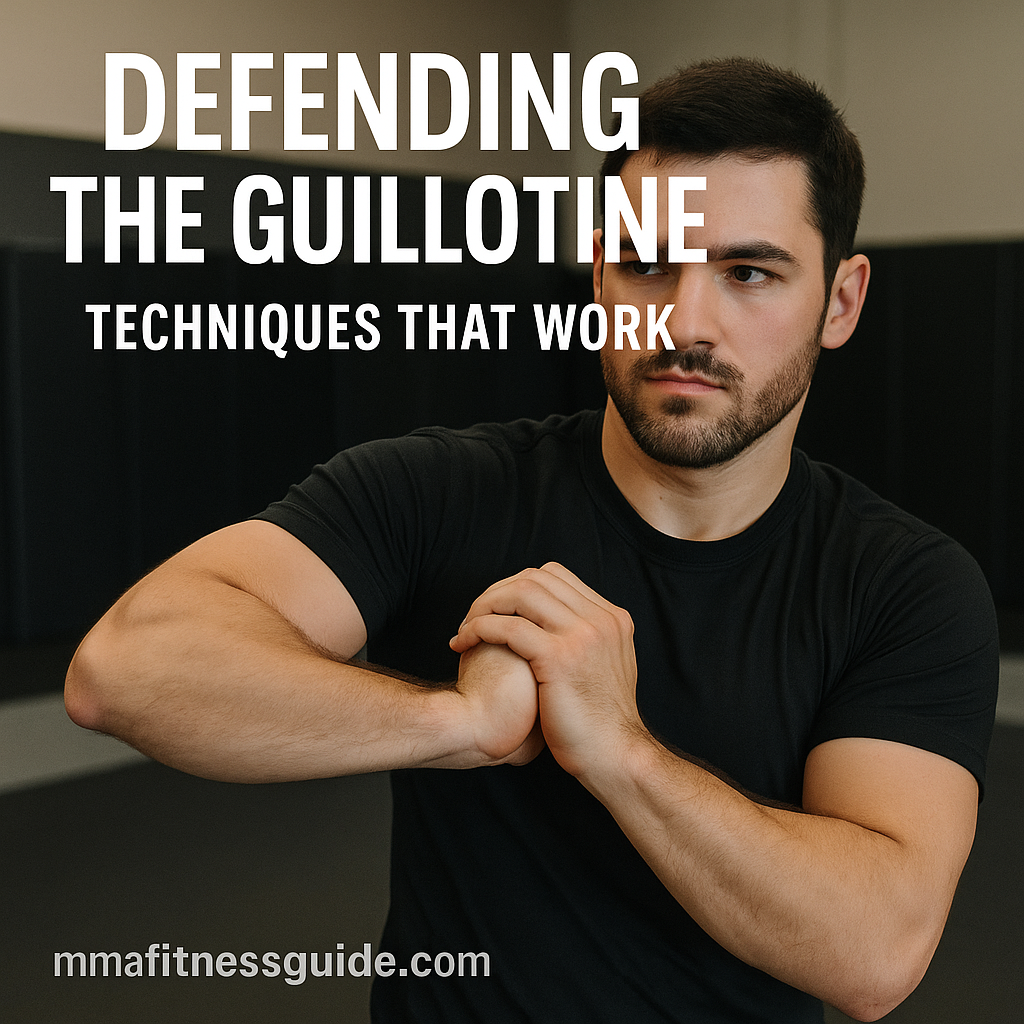
A fighter practicing the correct posture and hand control needed to defend the guillotine choke.
Introduction
The guillotine choke is one of the most common submissions in MMA. It can happen during takedown attempts, scrambles, clinch battles, or even off a mistake in posture. Because it’s fast, surprising, and powerful, beginners often get caught in it repeatedly.
The good news is that guillotine defense is simple once you understand the key principles. With solid posture, hand positioning, and the right escape path, you can shut down the choke before it becomes dangerous — and even turn it into a dominant position.
Here’s a beginner-friendly guide to defending the guillotine effectively.
A fighter enjoying a simple, balanced meal to support recovery on his rest day.
Introduction
Rest days are just as important as training days. Your body repairs muscle, restores energy, and recovers from the stress of hard workouts. But many fighters aren’t sure how to eat when they’re not training. Do you cut calories? Eat normally? Change macros?
The good news is that rest-day nutrition is straightforward. You don’t need strict rules — just a few simple adjustments to support recovery while keeping energy levels steady.
Here’s what fighters typically eat on rest days and how you can structure your meals.
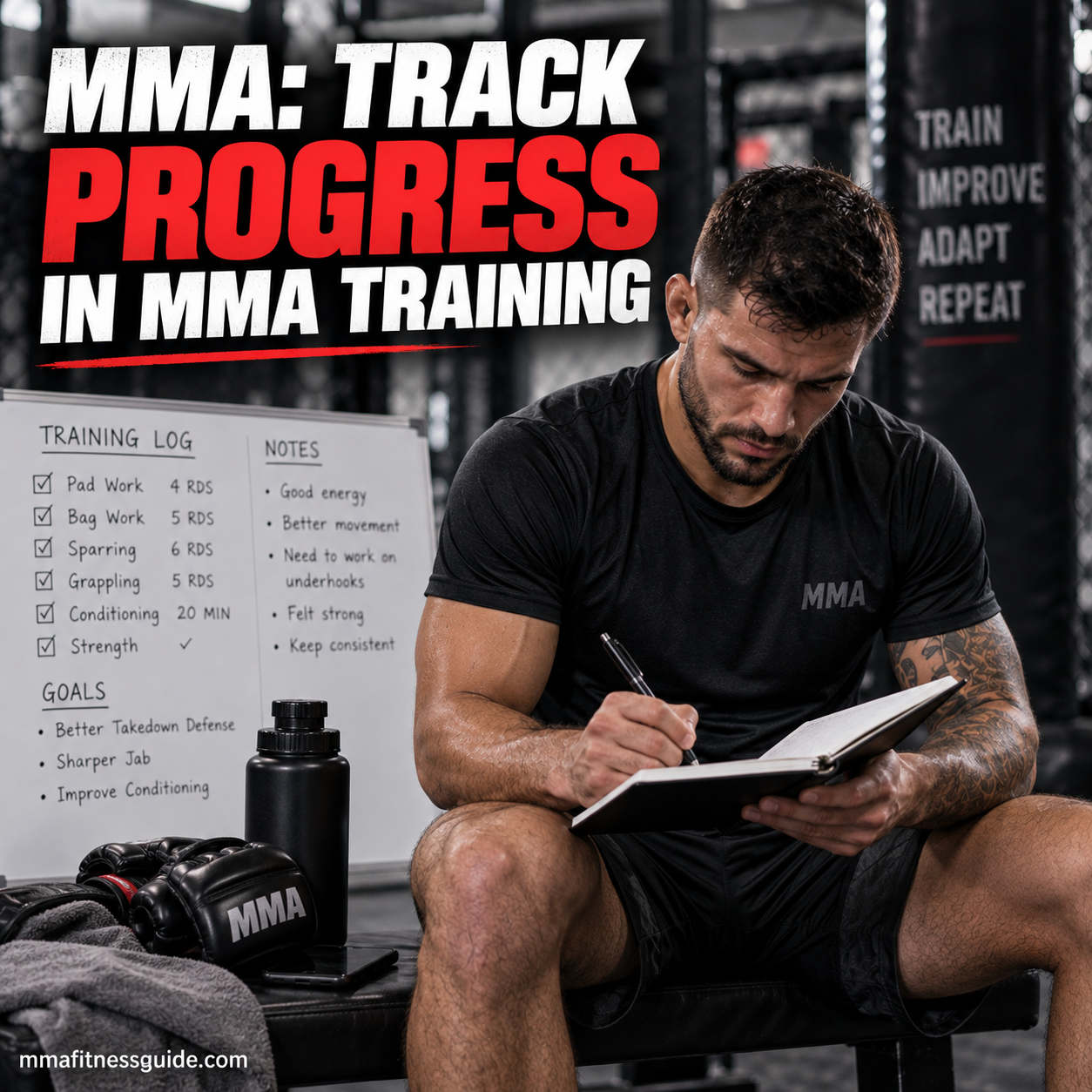
Tracking MMA sessions, technical goals, conditioning, and recovery can reveal progress that is difficult to notice from individual workouts.
Introduction
MMA progress rarely moves in a straight line. Your striking may improve while your grappling feels stuck. You might handle five hard rounds comfortably one week and struggle through three the next because of sleep, workload, or accumulated fatigue.
That makes progress difficult to judge from individual training sessions.
Tracking a few useful indicators—rounds completed, technical goals, conditioning benchmarks, sparring observations, recovery, and video—gives you something concrete to compare over weeks and months.
The goal isn’t to record everything. Track enough information to recognize patterns and decide what deserves more attention in training.
Local SEO helps nearby prospects discover a martial arts gym when searching for MMA, BJJ, Muay Thai, boxing, and other training programs.
Someone looking for a place to train may search for an MMA gym nearby, beginner BJJ classes, kids martial arts, or Muay Thai training in their area before contacting a single gym. Search results allow them to compare locations, reviews, photos, hours, programs, and websites within minutes.
For a martial arts gym, appearing prominently in these searches puts the business in front of people who are already considering training.
Local SEO focuses on improving that visibility. The work includes maintaining accurate business information, developing useful program pages, earning genuine reviews, and helping search engines understand where the gym operates and what it offers.
A focused fighter preparing for training, showing that consistency matters more than daily motivation.
Introduction
A lot of people think they need to feel motivated every single day to train. In reality, even the most dedicated MMA athletes wake up tired, stressed, or unmotivated at times. Motivation comes and goes — but what keeps fighters improving is consistency, not hype.
The good news: you don’t need to be fired up to make progress. When you understand how habits and routines work, training becomes easier, even on days when motivation is low.
Here’s why daily motivation isn’t required — and what actually helps you stay on track.