A fighter planning her training schedule to stay balanced and focused throughout fight camp.
Introduction
Fight camp is one of the most demanding periods in a fighter’s life. Training intensity goes up, recovery needs increase, and everything becomes more structured. But even during those tough weeks, top fighters find ways to stay balanced — mentally, physically, and emotionally. Without that balance, burnout becomes almost guaranteed.
Here’s how fighters maintain stability during camp and stay focused all the way to fight night.
A fighter practicing a simple daily mobility routine to stay flexible, healthy, and ready for training.
Introduction
Mobility doesn’t require fancy equipment, long sessions, or extreme stretching. In fact, some of the most effective routines take just a few minutes and can be done anywhere. Whether you train MMA, work a desk job, or simply want to feel better throughout the day, mobility makes movement easier, smoother, and more comfortable.
These simple routines keep your joints healthy, reduce tightness, and help your body stay ready for training or everyday life.
A BJJ practitioner representing the origins of Brazilian jiu-jitsu and its spread across the world.
Introduction
Brazilian Jiu-Jitsu (BJJ) is now one of the most influential martial arts in the world. It shapes modern MMA, dominates grappling competitions, and has become a global community with millions of practitioners. But BJJ didn’t start as a worldwide movement — it began as a small set of techniques passed down through generations, refined by a few dedicated pioneers.
This is the story of how BJJ was born and how it spread across the globe.
A fighter using a pre-fight mental checklist to stay focused and composed before competition.
Introduction
Right before a fight, your mind becomes just as important as your conditioning. Even fighters with great cardio, sharp technique, and strong preparation can fall apart mentally if they don’t control their thoughts. A pre-fight mental checklist helps you stay steady, focused, and confident — no matter how intense the moment feels.
Think of it as mental warm-up: a quick sequence that keeps your head clear and your nerves under control. Here’s how to build one that actually works.
A fighter taking time to recover after an injury, following safe recovery timelines before returning to full training.
Introduction
Recovering from an injury is one of the most frustrating parts of combat sports. You want to get back on the mats, keep improving, and stay consistent — but pushing too soon can turn a minor injury into a long-term problem. Knowing realistic recovery timelines helps you stay patient, avoid setbacks, and return to training stronger than before.
Here’s what you can expect from common MMA injuries and how to manage recovery the smart way.
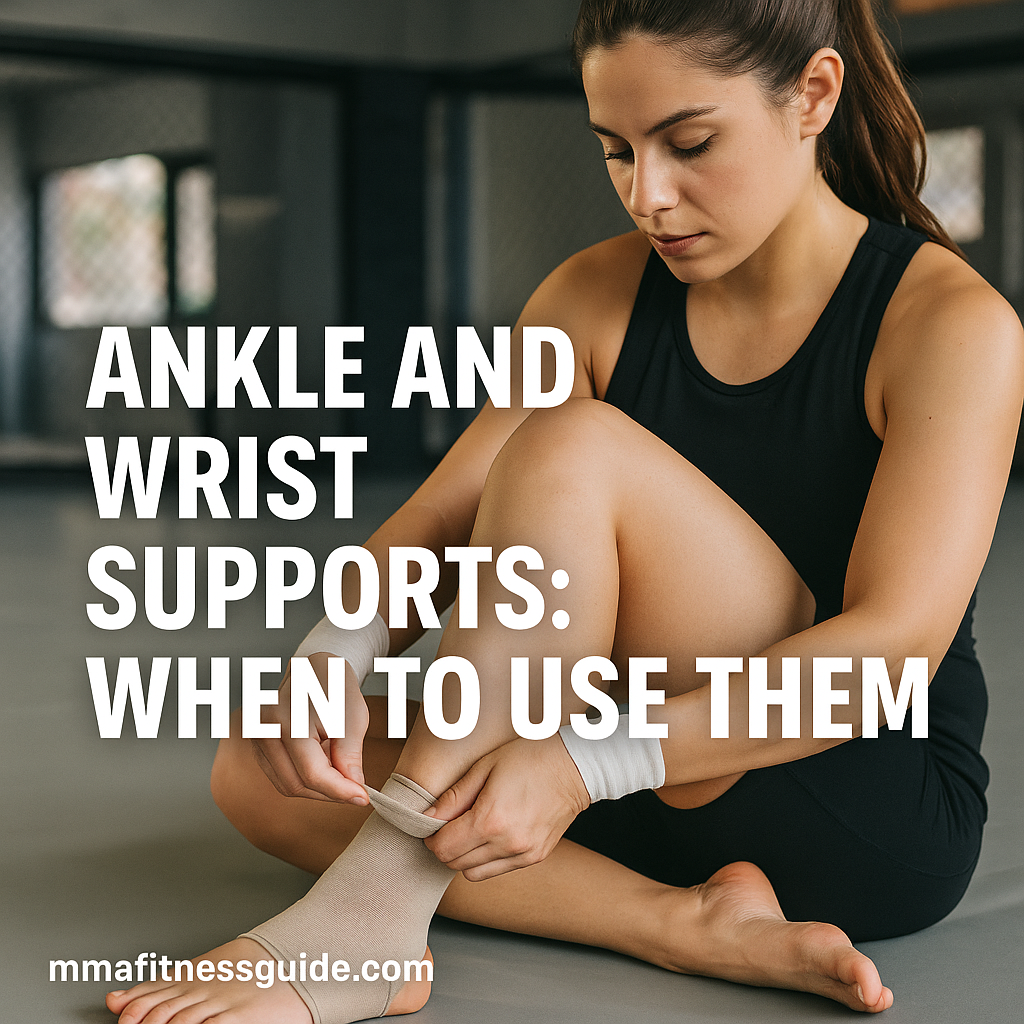
A fighter preparing her ankle support before training to protect small joints during high-impact MMA sessions.
Introduction
Combat sports put a lot of stress on small joints — especially the ankles and wrists. These joints take repeated impacts from striking, grappling, takedown attempts, and fast directional changes. It’s common for beginners and even experienced fighters to deal with soreness or minor tweaks in these areas.
That’s where ankle and wrist supports come in. Used correctly, they can provide extra stability, protect old injuries, and make training safer. Used incorrectly, they can limit mobility or hide technique issues.
This guide explains when MMA athletes should use supports, when to avoid them, and how to integrate them into training the right way.
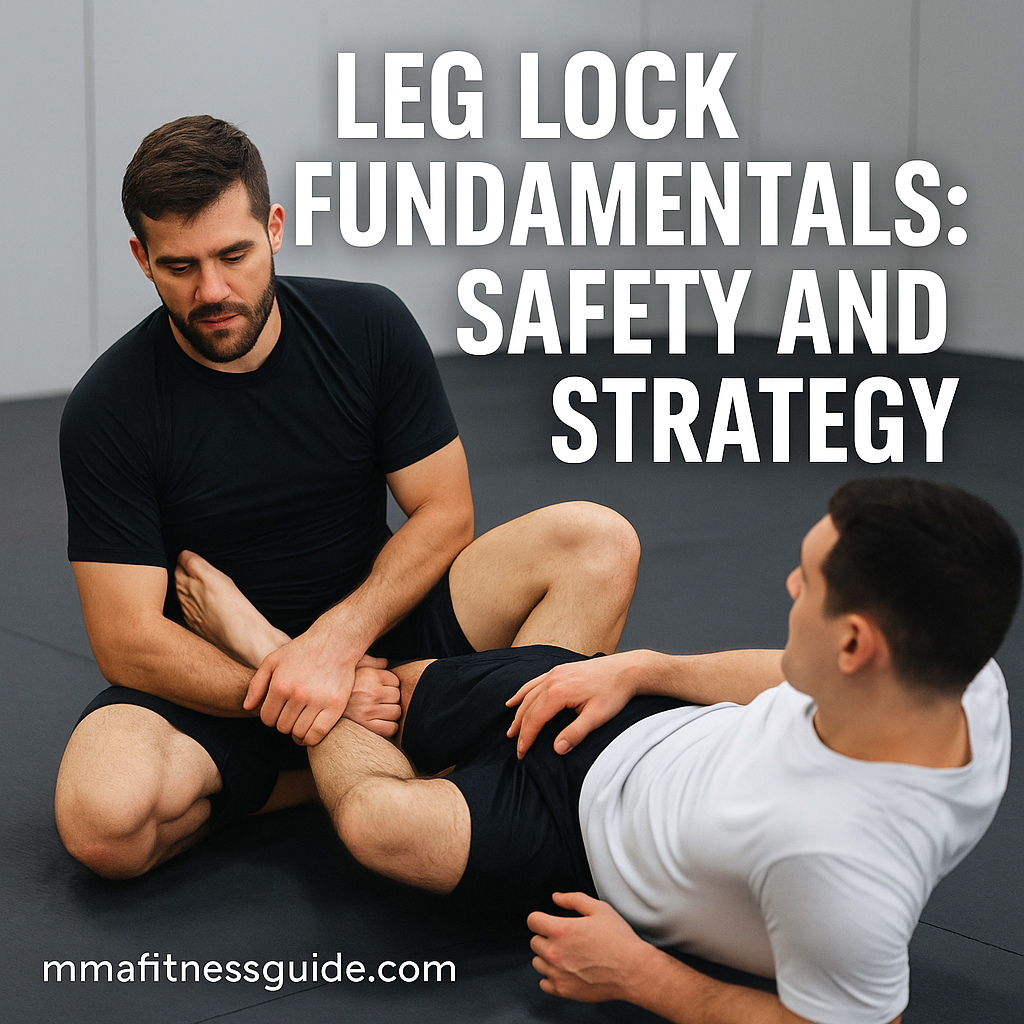
A technical leg lock demonstration showing proper positioning and safe training fundamentals.
Introduction
Leg locks used to be viewed as risky, unpredictable techniques — but modern grappling has made them a crucial part of MMA and submission fighting. Even if you never plan to become a “leg lock specialist,” every fighter should understand the basics. Knowing how to attack, defend, and stay safe around leg entanglements keeps you calm on the ground and prevents panic when opponents target your legs.
Leg locks aren’t just submissions — they’re a strategy. Here’s how to approach them safely and effectively.
Replacing fluids and electrolytes after heavy sweating helps MMA fighters maintain hydration and support recovery.
Introduction
You’re halfway through a demanding MMA session. Your shirt is soaked, your grip feels weaker, and maintaining the same pace during grappling rounds is becoming difficult. You’ve been drinking water throughout practice, but the combination of heat, sweat loss, and accumulated fatigue is starting to affect your performance.
Sweat contains more than water. It also carries electrolytes, particularly sodium and chloride, which help regulate fluid balance, nerve signaling, and muscle contractions. During prolonged training or sessions in hot environments, substantial sweat losses can increase the need to replace both fluids and sodium.
Drinking water alone may not be sufficient when sweat losses are high. However, electrolyte needs vary depending on training duration, intensity, environmental conditions, and individual sweat rates. Excessive water intake without adequate sodium replacement can also create dangerous imbalances.
For MMA fighters, an effective hydration strategy means understanding when water is enough, when electrolyte replacement becomes useful, and how to recover from heavy sweating without compromising health or performance.
A fighter taking a recovery day to restore energy, reduce soreness, and boost long-term performance.
Introduction
Hard training is only half of the performance equation. The other half — the one most fighters ignore — is recovery. Without rest days, your body can’t rebuild, your nervous system stays overloaded, and your technique starts slipping. Recovery days aren’t a sign of weakness. They’re a smart part of training that helps you feel sharper, stronger, and more explosive.
Here’s why recovery days matter and how to use them to boost your performance.
A friendly, athletic coach greeting a new student as part of a strong gym referral program.
Introduction
Word-of-mouth is still the most powerful marketing tool for any martial arts gym. People trust recommendations from friends far more than ads, promotions, or social media posts. A strong referral program helps you turn your current students into your biggest ambassadors — and gives them an easy reason to bring in new faces.
Done right, referral programs can consistently grow your membership with very little cost. Here’s how to structure a program that actually works.