Introduction
The first few months of MMA can feel like information overload. You’re trying to remember your stance, keep your hands up, breathe during combinations, move your feet, and follow your coach’s instructions—all while your conditioning is being tested.
That learning curve also makes it easy to develop habits that work against you. Training at full intensity every session, rushing into sparring, relying on strength instead of technique, or copying advanced teammates can make training harder than it needs to be.
Early progress comes from getting the basics right: train at an intensity you can control, pay attention to technique, recover between sessions, ask questions, and give yourself enough time to improve. Fixing these habits now is much easier than trying to unlearn them months later.
Mistake #1: Training Too Hard, Too Soon
A lot of beginners dive in with full intensity because they want results fast.
But going too hard too soon leads to:
- burnout
- injuries
- excessive soreness
- slow progress
What to do instead
Train with controlled effort. Push yourself, but focus on learning proper technique and building consistency first.
Mistake #2: Skipping Warm-Ups
Warm-ups are not optional.
They protect your joints, loosen muscles, and help you move smoothly.
Skipping warm-ups leads to:
- tight hips
- stiff shoulders
- slower reaction time
- higher injury risk
What to do instead
Spend at least 5–7 minutes warming up your joints, hips, and shoulders before class.
Mistake #3: Sparring Too Early
Beginners often want to spar immediately, but sparring without basics is risky.
Early sparring can cause:
- panic
- bad habits
- injuries
- frustration
- confidence drops
What to do instead
Focus on technique, drilling, and controlled situational sparring before going full speed.
Mistake #4: Holding Your Breath
New students often tense up and forget to breathe during drills or sparring.
This leads to:
- quick fatigue
- slower movement
- poor decision making
What to do instead
Practice slow, steady breathing with each movement.
Relaxed breathing = better endurance.
Mistake #5: Focusing Only on Strength
Strength helps, but relying only on power leads to sloppy technique.
Common side effects:
- stiff movement
- fast burnout
- poor timing
- bad footwork
What to do instead
Focus on technique, balance, and timing first. Strength will naturally support your skills.
Mistake #6: Ignoring Footwork
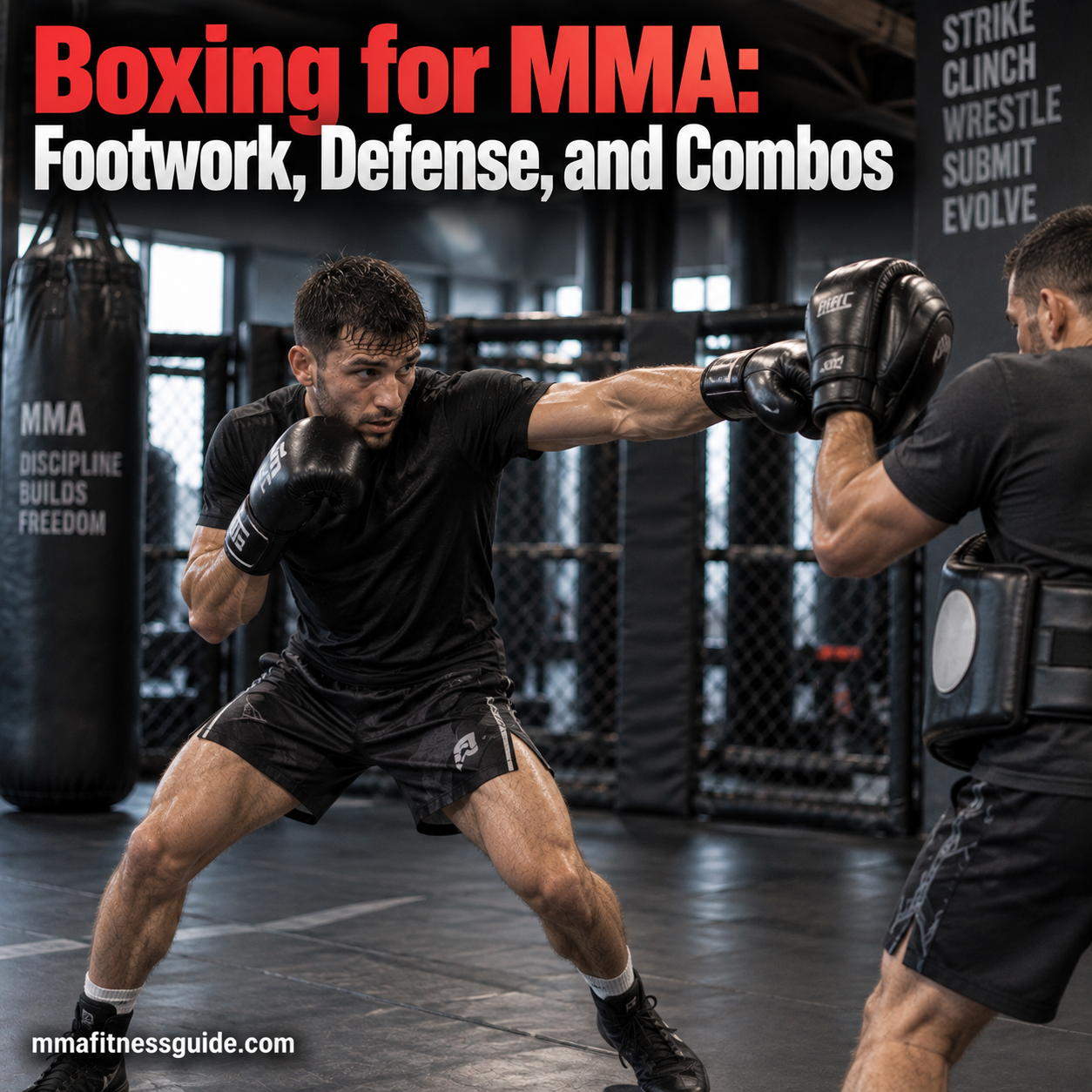
Beginners often punch before they learn how to move.
Poor footwork causes:
- weak strikes
- bad defense
- balance issues
- limited mobility
What to do instead
Spend time practicing:
- steps
- pivots
- angle changes
- staying light on your feet
Footwork is the foundation of striking.
Mistake #7: Training in the Wrong Gear
Using cheap or improper equipment leads to:
- sore knuckles
- wrist pain
- unsafe sparring
- discomfort
What to do instead
Use proper essentials:
- 16 oz sparring gloves
- Mouthguard
- Hand wraps
- Shin guards
- Comfortable clothing
- Quality bag gloves
Good gear keeps you safe and builds long-term habits.
Mistake #8: Comparing Yourself to Others
Everyone improves at different speeds.
Comparing yourself to more advanced teammates can drain motivation.
What to do instead
Focus on small improvements:
- a cleaner jab
- better balance
- smoother movement
- improved guard recovery
You’re building skills step by step — stay patient.
Mistake #9: Forgetting to Recover
Training every day without rest leads to:
- fatigue
- soreness
- mental burnout
- slow progress
What to do instead
Rest 1–2 days per week and include:
- stretching
- hydration
- good sleep
- light mobility work
Recovery is part of training.
Mistake #10: Not Asking Questions
Beginners sometimes stay quiet because they feel embarrassed or unsure.
What to do instead
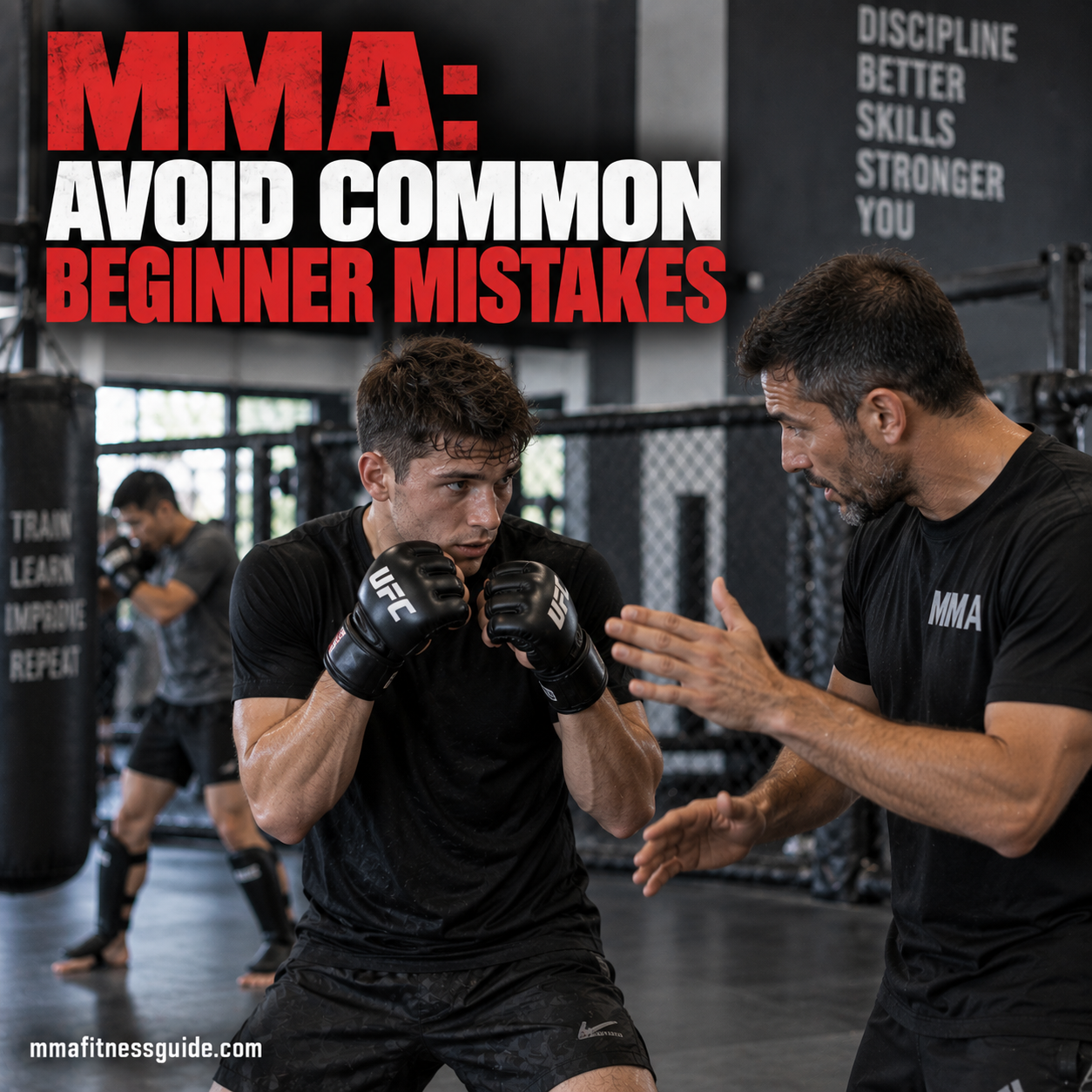
Ask your coaches:
- “Am I doing this right?”
- “How can I make this smoother?”
- “Can you show me that again?”
Good coaches want to help — ask early and ask often.
Mistake #11: Forgetting Defense
Beginners focus on offense but neglect head movement, blocking, and distance.
This leads to:
- getting hit more
- bad habits
- slower development
What to do instead
Spend time drilling:
- guard position
- slipping
- parrying
- angles
Defense builds confidence and makes your offense better.
Mistake #12: Expecting Fast Results
MMA takes time.
Progress happens slowly but steadily.
What to do instead
Focus on consistency:
- show up
- stay patient
- trust the process
Every session makes you better, even when it feels slow.
Final Thoughts
Every beginner makes mistakes — what matters is learning from them.
By avoiding these common errors and focusing on technique, consistency, and recovery, you’ll progress faster, stay safer, and build a strong foundation for your MMA journey.
Stick with it, stay patient, and keep improving bit by bit.