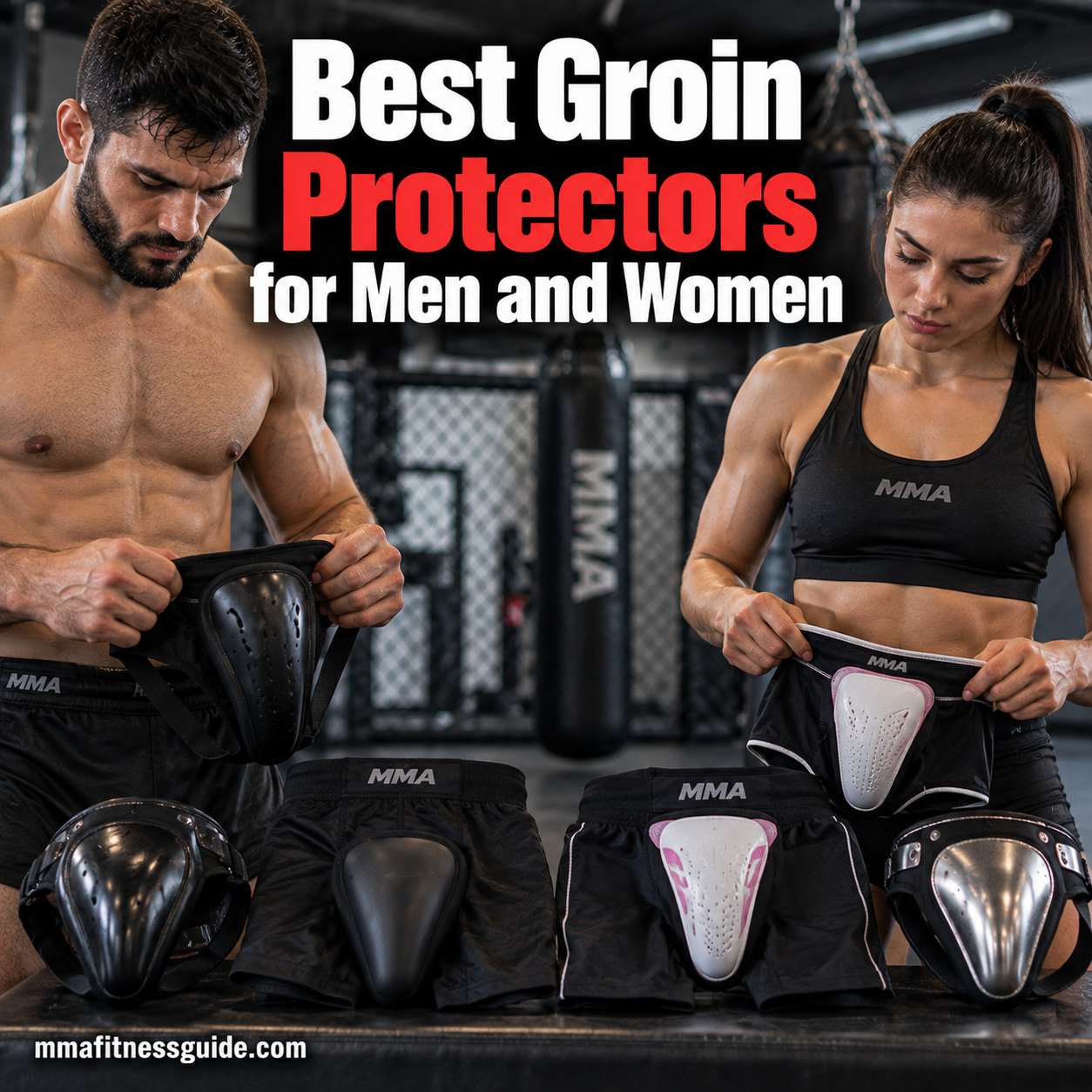
Best Groin Protectors for Men and Women

Male and female MMA athletes comparing groin protectors and protective cups in a combat sports gym
Groin protectors for MMA vary in coverage, rigidity, fit, and stability depending on whether they are designed for striking, grappling, or mixed training.

An accidental knee during clinch work, a misplaced kick in sparring, or a scramble on the mat can send force directly into the groin. Even when training partners have good control, these impacts can happen quickly and without warning.

Groin protectors are built to distribute that force while staying secure through kicks, takedowns, sprawls, and ground exchanges. For men, options range from lightweight polycarbonate cups to steel Muay Thai protectors. Women can choose pelvic protectors shaped to cover vulnerable areas without unnecessarily restricting hip movement.

The right design depends on how you train. A cup that stays firmly positioned during grappling may need different construction from one intended primarily for hard striking rounds, making fit, stability, coverage, and material more useful buying criteria than brand recognition alone.

Continue reading “Best Groin Protectors for Men and Women”
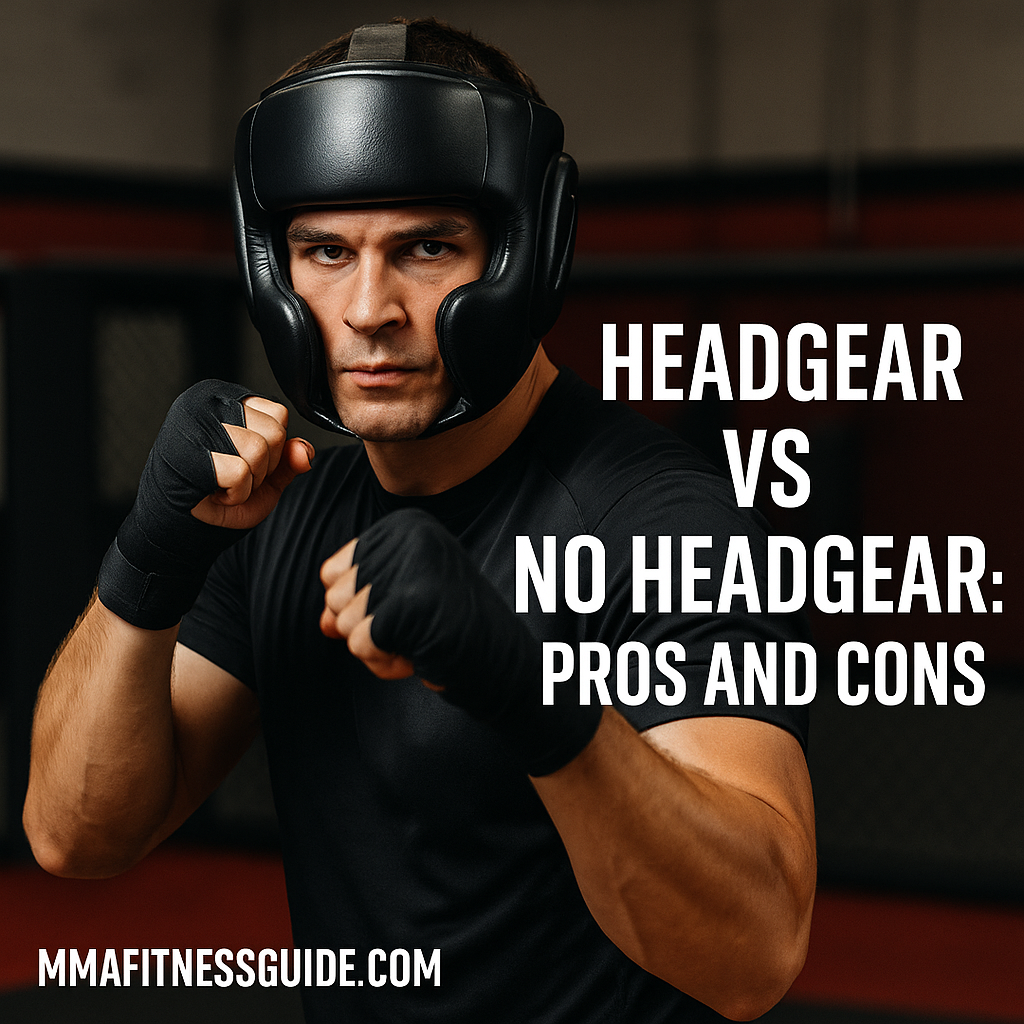
Headgear vs No Headgear: Pros and Cons

Two MMA fighters facing each other inside a training cage, one wearing protective headgear and the other without, demonstrating different sparring equipment choices.
Headgear vs no headgear: Compare facial protection, visibility, comfort, and safety considerations to understand when each approach may be appropriate for MMA sparring.

Introduction

Should you wear headgear during MMA sparring, or is it better to train without it?

It’s a common question among beginners, recreational athletes, and competitive fighters. Some prefer the additional padding because it helps reduce cuts and facial abrasions. Others find that headgear obstructs their vision, changes their sense of distance, and makes them uncomfortable during longer rounds.

Both approaches have practical advantages and limitations, but one distinction matters more than anything else:

Headgear may help protect against certain superficial injuries, but it cannot be relied upon to prevent concussions or other brain injuries.

A fighter can experience a concussion while wearing expensive, well-fitted headgear. Likewise, removing headgear doesn’t automatically make someone a more technically responsible sparring partner.

The appropriate choice depends on your gym’s rules, the type of training, your experience, the equipment’s fit, and the level of contact involved.

This guide examines the advantages and disadvantages of wearing headgear during MMA sparring, explains what protective equipment can realistically accomplish, and provides practical considerations for choosing, maintaining, and using it.

Most importantly, it explains why controlling sparring intensity matters more than simply adding or removing padding.

Continue reading “Headgear vs No Headgear: Pros and Cons”

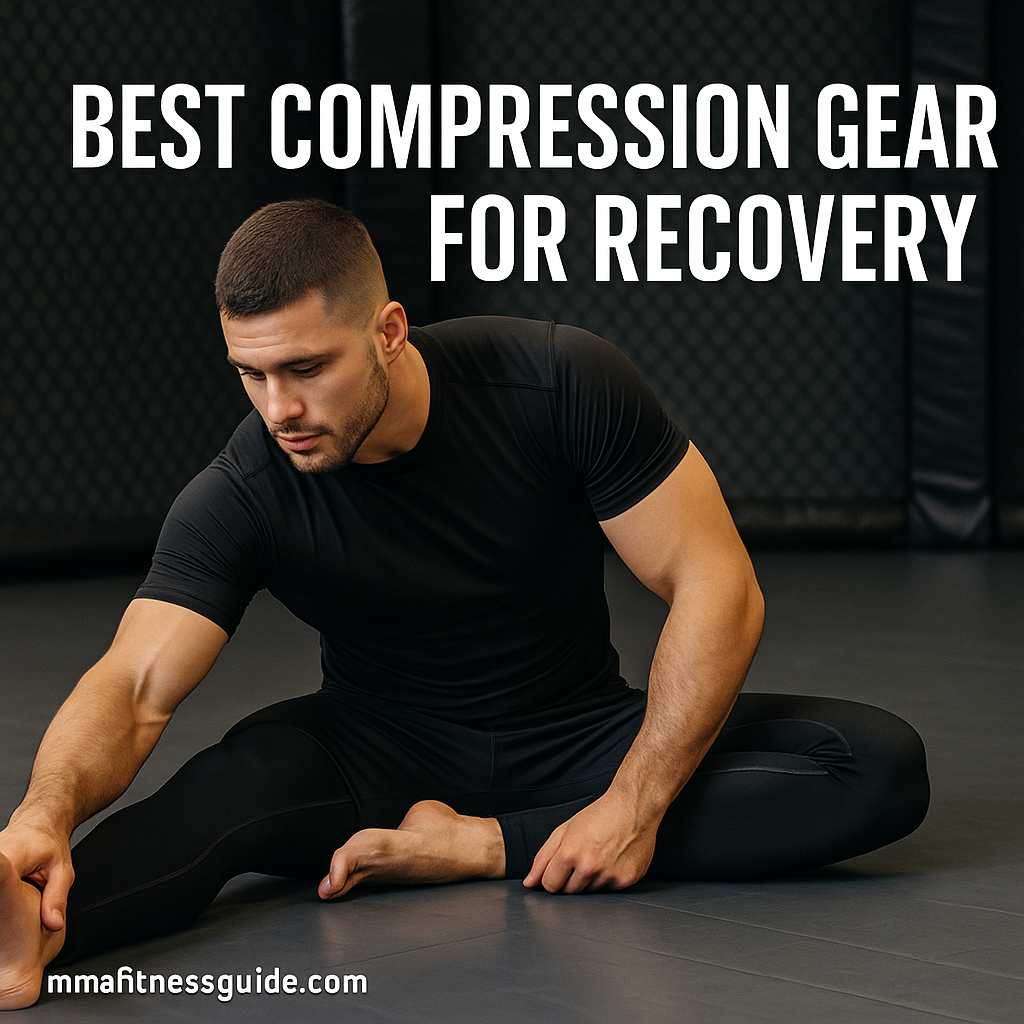
Best Compression Gear for Recovery

A muscular male MMA athlete stretching on gym mats while wearing black compression gear, with the title “Best Compression Gear for Recovery” clearly displayed above him.
A fighter using compression gear to support faster recovery and reduce post-training soreness.

Introduction

Between grappling rounds, hard sparring, and strength training, MMA takes a serious toll on your muscles and joints. Recovery isn’t optional — it’s part of what allows you to show up stronger for your next session. One of the simplest tools to boost recovery is compression gear.

From tights to sleeves to socks, compression equipment helps improve circulation, reduce swelling, and support your muscles so you bounce back faster. Whether you’re a beginner or an experienced fighter, smart use of compression gear can make a noticeable difference in how you feel the next day.

Here’s the gear worth adding to your recovery routine.

Continue reading “Best Compression Gear for Recovery”

MMA: Wash and Care for Rash Guards

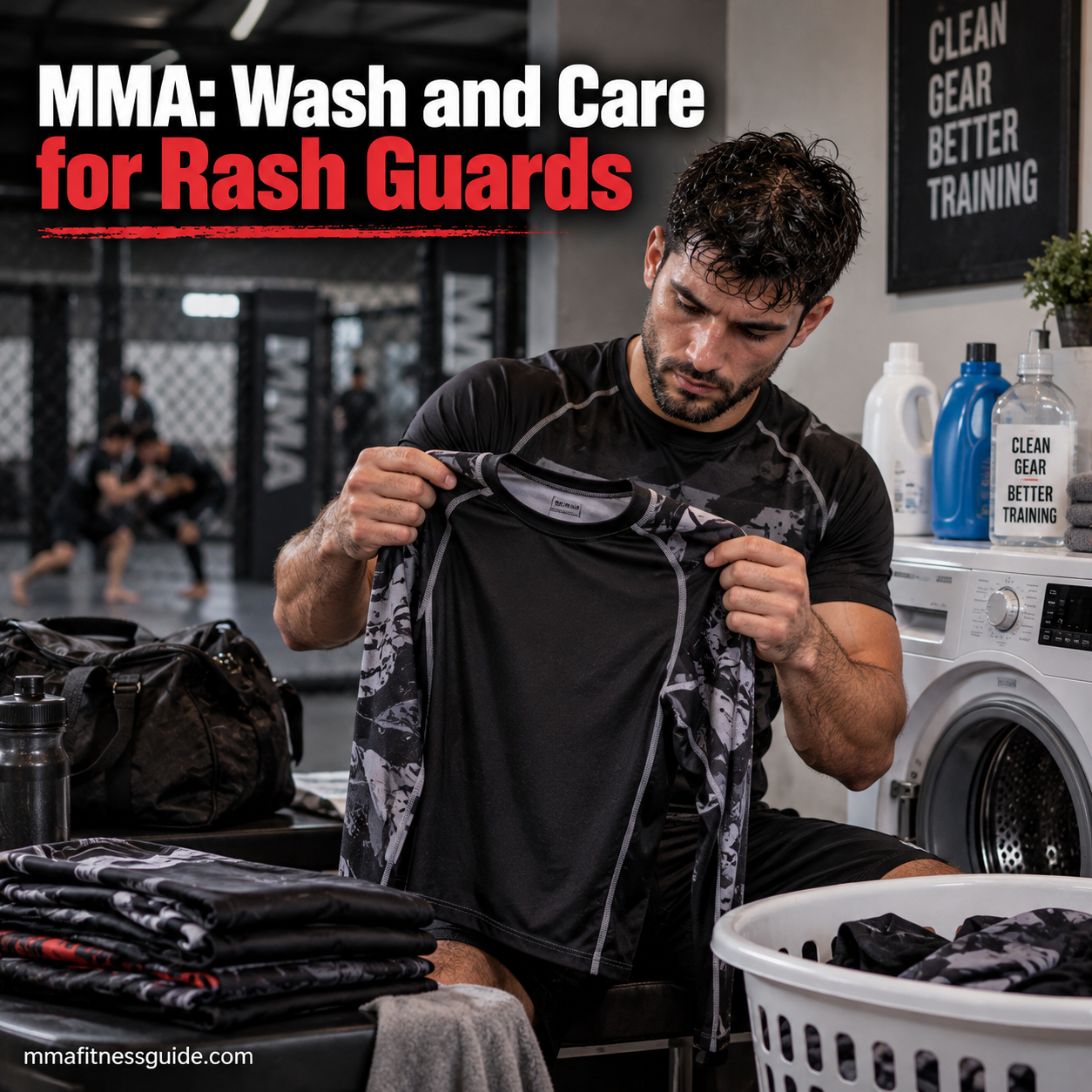
MMA athlete inspecting a black rash guard beside a washing machine and laundry basket while preparing to clean his training gear.
Proper rash guard care starts with prompt washing, gentle detergent, and air drying to prevent odors, fabric damage, and premature wear.

Introduction

Your rash guard takes a beating every week. Between sweat, friction, mat contact, constant stretching, and repeated washing, few pieces of MMA equipment experience as much wear.

A typical training session exposes your rash guard to sweat, skin oils, and whatever it picks up from shared mats and training partners. After class, it often ends up stuffed inside a gym bag alongside damp shorts, hand wraps, and other equipment.

Leave it there overnight, and you may discover an unpleasant smell that becomes increasingly difficult to remove.

The good news is that maintaining rash guards doesn’t require expensive cleaning products or a complicated routine. Most problems can be prevented with prompt washing, appropriate detergent, careful drying, and proper storage.

Whether you train MMA, Brazilian jiu-jitsu (BJJ), wrestling, or no-gi grappling, this guide explains how to wash and care for rash guards, remove stubborn odors, prevent fabric damage, and recognize when it’s time for a replacement.

Continue reading “MMA: Wash and Care for Rash Guards”

Ankle and Wrist Supports: When to Use Them

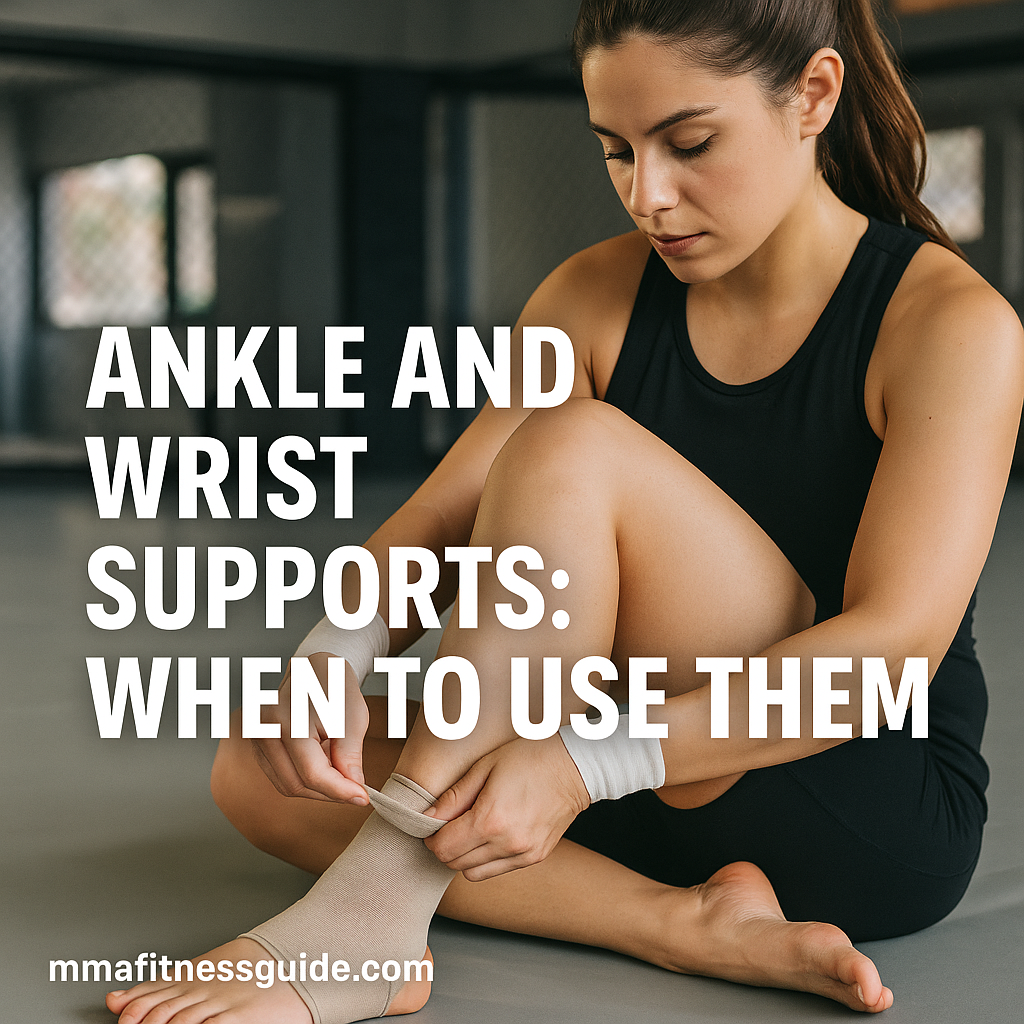
Fit female MMA athlete sitting on the mats adjusting an ankle support, with the title “Ankle and Wrist Supports: When to Use Them” displayed.
A fighter preparing her ankle support before training to protect small joints during high-impact MMA sessions.

Introduction

Combat sports put a lot of stress on small joints — especially the ankles and wrists. These joints take repeated impacts from striking, grappling, takedown attempts, and fast directional changes. It’s common for beginners and even experienced fighters to deal with soreness or minor tweaks in these areas.

That’s where ankle and wrist supports come in. Used correctly, they can provide extra stability, protect old injuries, and make training safer. Used incorrectly, they can limit mobility or hide technique issues.

This guide explains when MMA athletes should use supports, when to avoid them, and how to integrate them into training the right way.

Continue reading “Ankle and Wrist Supports: When to Use Them”

Best Heavy Bags for Home Training

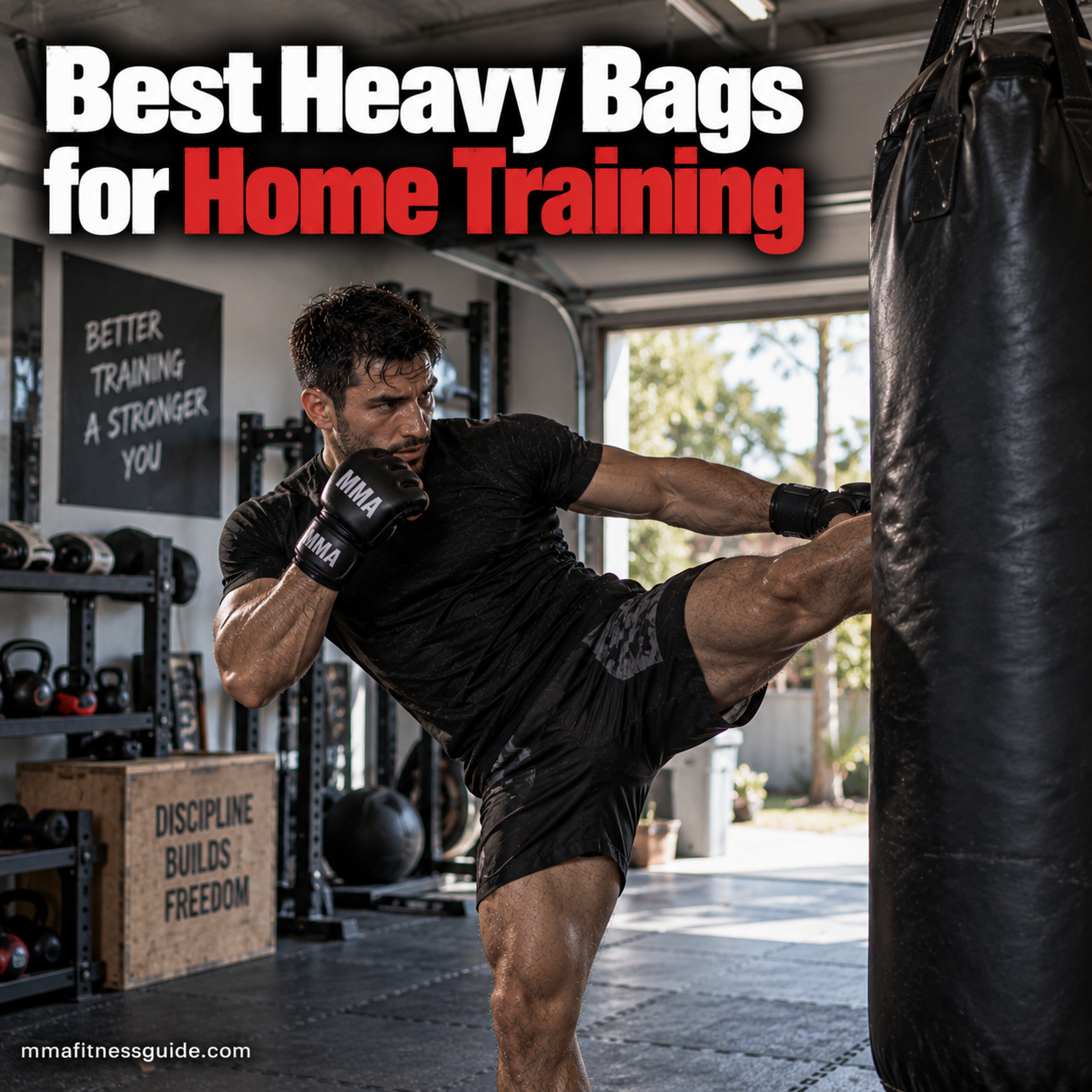
MMA athlete kicking a hanging heavy bag during a striking workout in a home garage gym.
The right heavy bag provides a convenient way to practice punches, kicks, combinations, footwork, and conditioning at home.

Introduction

An 80-pound hanging bag in a garage, a six-foot Muay Thai bag for practicing low kicks, and a freestanding bag tucked into an apartment corner can all provide solid home training—but they solve very different problems.

The right setup depends on what you actually want to practice. Boxers may prioritize punching combinations and footwork, while MMA and Muay Thai athletes need enough length and stability for kicks, knees, and elbows. Your available floor space, mounting options, noise concerns, and budget matter just as much.

A good heavy bag gives you somewhere to practice technique, build conditioning, and put in extra rounds when you can’t make it to the gym. Choosing the correct style from the start also prevents an expensive bag from becoming something that simply takes up space.

Before buying, compare the major bag types by weight, mounting requirements, striking versatility, durability, and the amount of room each one needs.

Continue reading “Best Heavy Bags for Home Training”

MMA: Pick a Durable Gi for Jiu-Jitsu

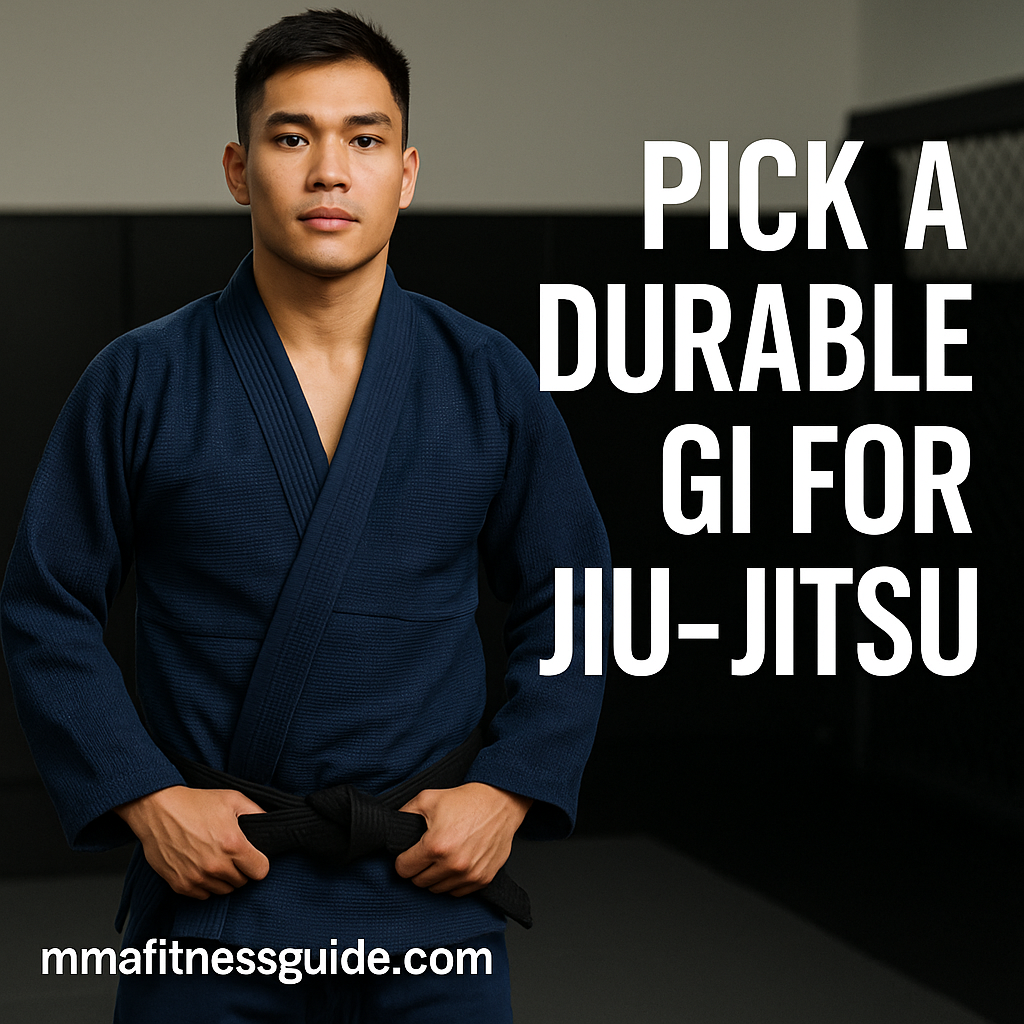
Male BJJ athlete wearing a durable navy gi with the title “Pick a Durable Gi for Jiu-Jitsu” displayed.
A grappler showcasing a strong, durable gi built for tough Jiu-Jitsu training.

Introduction

Grip fighting pulls hard on sleeves and collars. Scrambles strain the crotch and underarm seams. Knees repeatedly drag across the mat, and washing the gi after every session puts additional stress on the fabric. A gi used several times a week needs to withstand all of that without stretching, tearing, or losing its shape.

Fabric weight, weave, reinforced stitching, collar construction, and fit provide better clues about durability than appearance alone. For fighters mixing Jiu-Jitsu with MMA training, the goal is a gi that can handle frequent rolling while remaining comfortable enough for long technical and sparring sessions.

Continue reading “MMA: Pick a Durable Gi for Jiu-Jitsu”

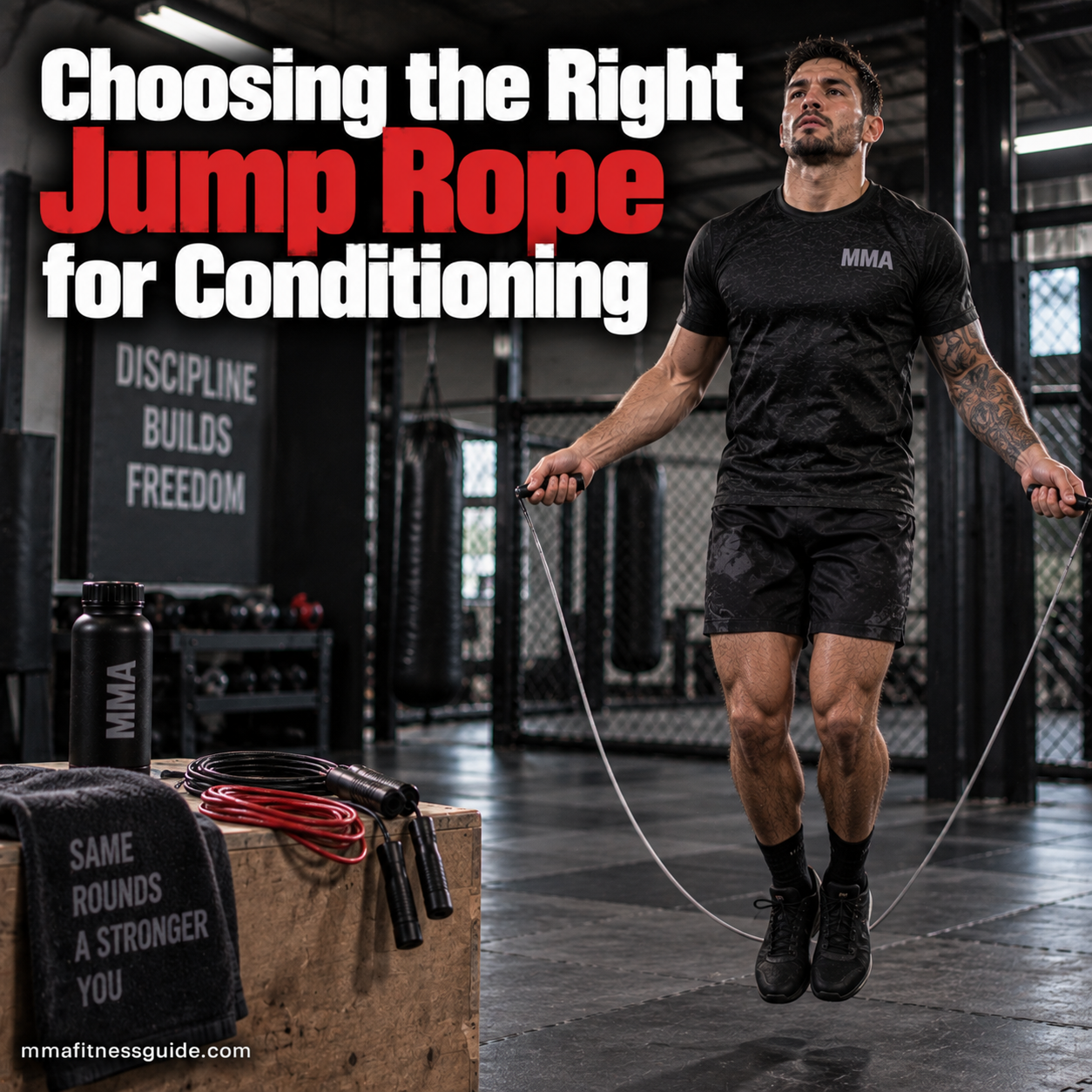
Choosing the Right Jump Rope for Conditioning

MMA fighter using a jump rope for conditioning and footwork training inside a combat sports gym.
Choosing the right rope weight, length, and cord style can make jump-rope conditioning smoother and better suited to your training goals.

A thin speed rope can whip around fast enough for double-unders, while a heavy rope forces your shoulders and forearms to work through every rotation. A basic PVC rope sits somewhere in between, giving beginners enough feedback to learn timing without requiring perfect technique.

Those differences matter for fighters.

Jumping rope can be used for a five-minute warm-up before striking, longer conditioning rounds, quick-footwork drills, or additional shoulder endurance work. The rope that works well for one of those jobs may feel awkward for another.

For most beginners, a controllable PVC rope is a practical starting point. Fighters chasing faster turnover may prefer a cable speed rope, while heavier ropes can add resistance to shorter conditioning rounds.

Before buying one, consider the cord material, weight, handle design, adjustability, and—most importantly—whether the rope is the correct length for your height and jumping style.

Continue reading “Choosing the Right Jump Rope for Conditioning”

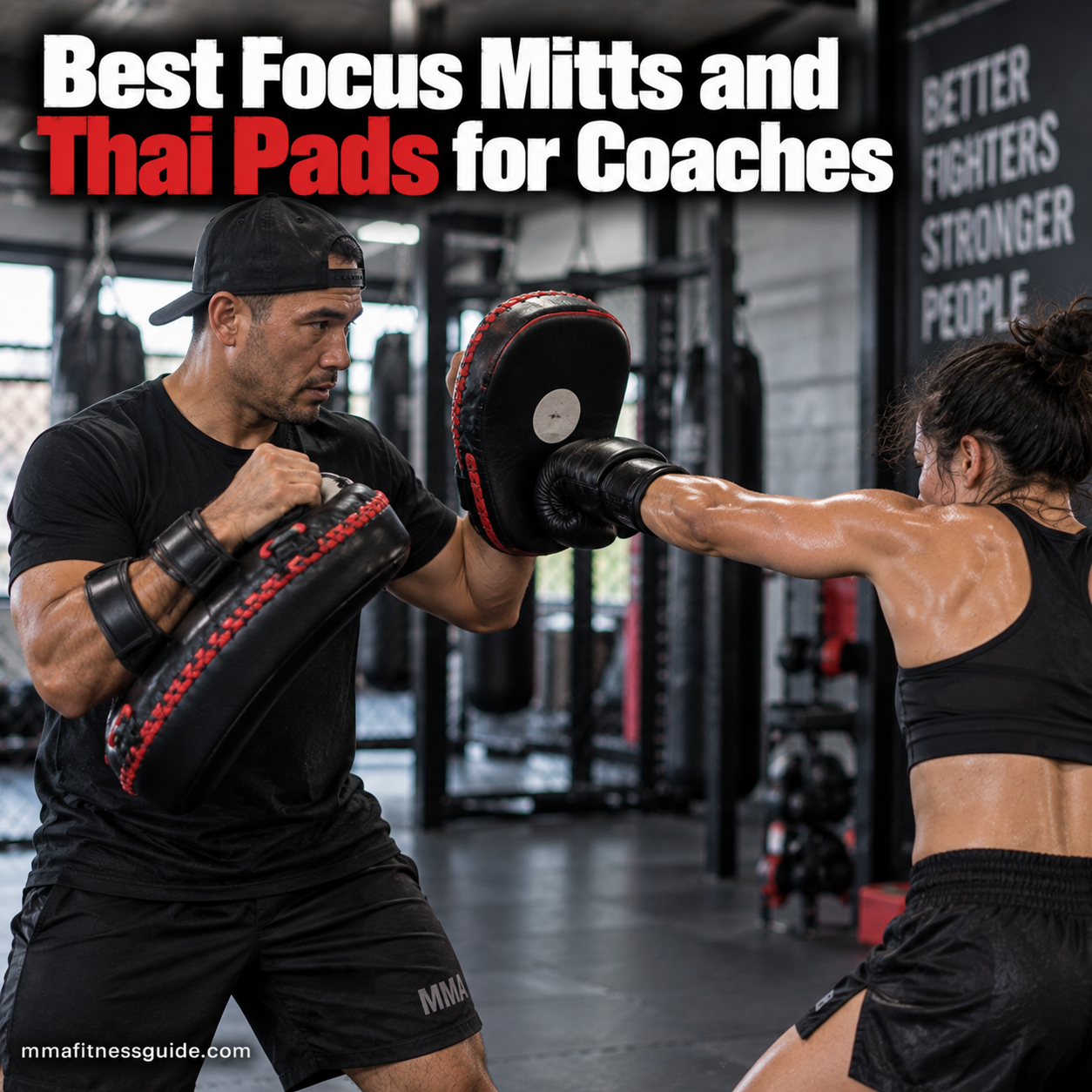
Best Focus Mitts and Thai Pads for Coaches

MMA coach holding Thai pads while a female fighter practices punching combinations during padwork training.
Well-fitted focus mitts and Thai pads help coaches safely absorb repeated strikes while giving fighters clear, stable targets.

Catch a few hundred punches, kicks, and knees in a week and small differences in your pads become noticeable. A loose wrist compartment makes mitts shift during combinations. Thin padding sends more impact into your hands and elbows. Heavy Thai pads can leave your shoulders tired before the last athlete finishes their rounds.

Good coaching equipment has to protect the person holding it while still giving the fighter a stable, accurate target.

Focus mitts work well for fast punching combinations, defensive reactions, and precision drills. Thai pads provide more coverage and padding when fighters start adding hard kicks, knees, elbows, and full MMA combinations.

When choosing between them, pay attention to foam density, weight, hand or forearm fit, strap security, striking surface, and durability. Those details matter far more after hundreds of rounds than a logo printed on the front.

Continue reading “Best Focus Mitts and Thai Pads for Coaches”

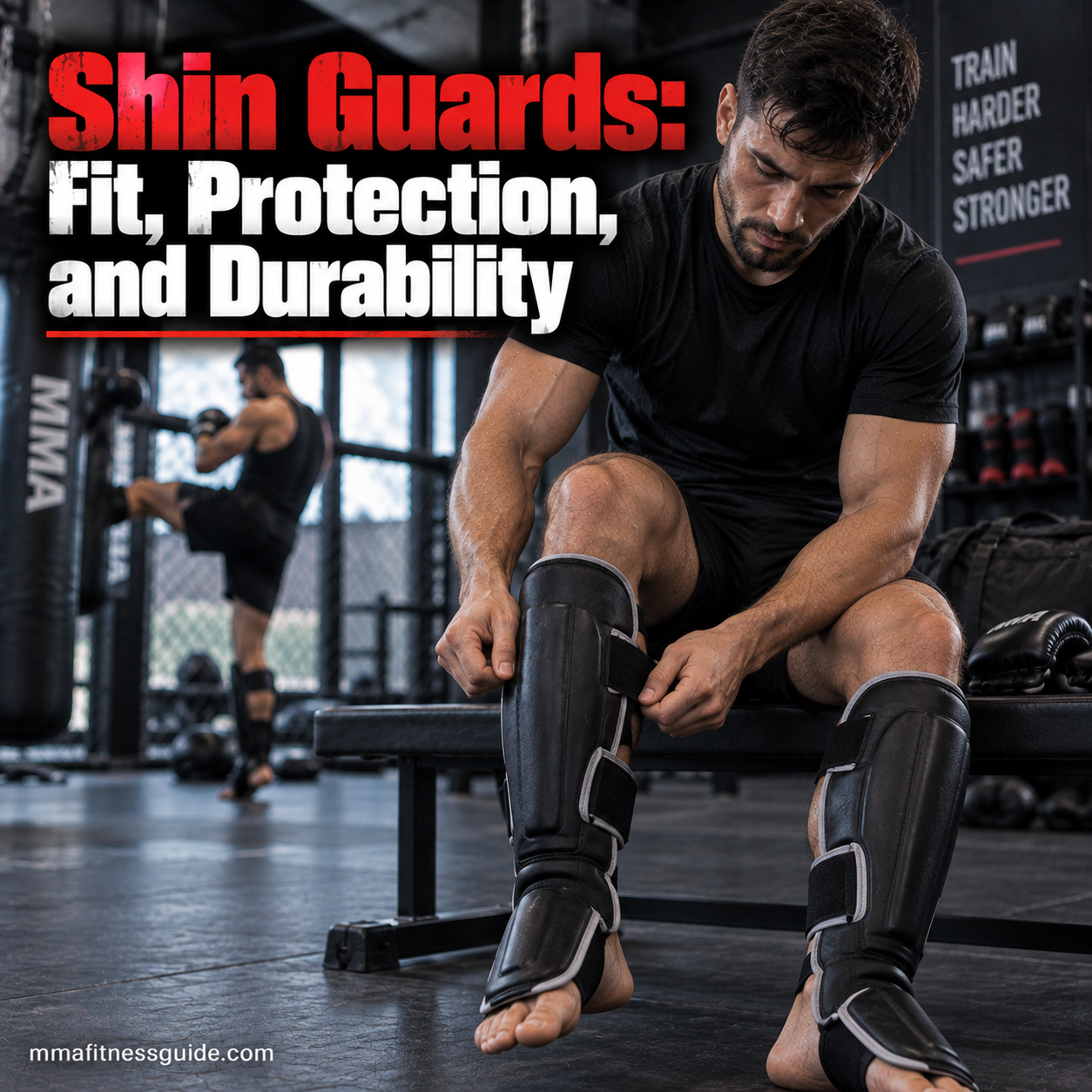
Shin Guards: Fit, Protection, and Durability

MMA fighter sitting on a gym bench and tightening the straps of his black shin guards before training.
Properly fitted shin guards should stay secure during movement and provide padding appropriate for the training session.

You throw a low kick during sparring, and your shin guard rotates halfway around your calf. You stop to straighten it, tighten the straps, and get back into position. Two exchanges later, it happens again.

A shin guard that constantly shifts is distracting. It may also leave part of your shin or foot exposed when you expected it to be covered.

On the other hand, a guard that’s too bulky can make movement awkward, while one with insufficient padding may be unsuitable for the contact level of your training.

Choosing shin guards involves balancing three qualities: a secure fit, appropriate impact protection, and construction that withstands regular use.

The right pair depends on whether you’re practicing controlled kicks, sparring in Muay Thai, or combining striking and grappling in MMA. Your gym’s equipment requirements matter, too.

Here’s what to examine before buying, how to test the fit, and how to recognize when your guards need replacing.

Continue reading “Shin Guards: Fit, Protection, and Durability”