Your trusted source for MMA fitness, nutrition, and fighter-level health.
Category: MMA Gear & Equipment
MMA Gear & Equipment covers training gear, protective equipment, apparel, and buying considerations for fighters and beginners. This category focuses on safety, comfort, durability, and making informed gear choices for consistent training.
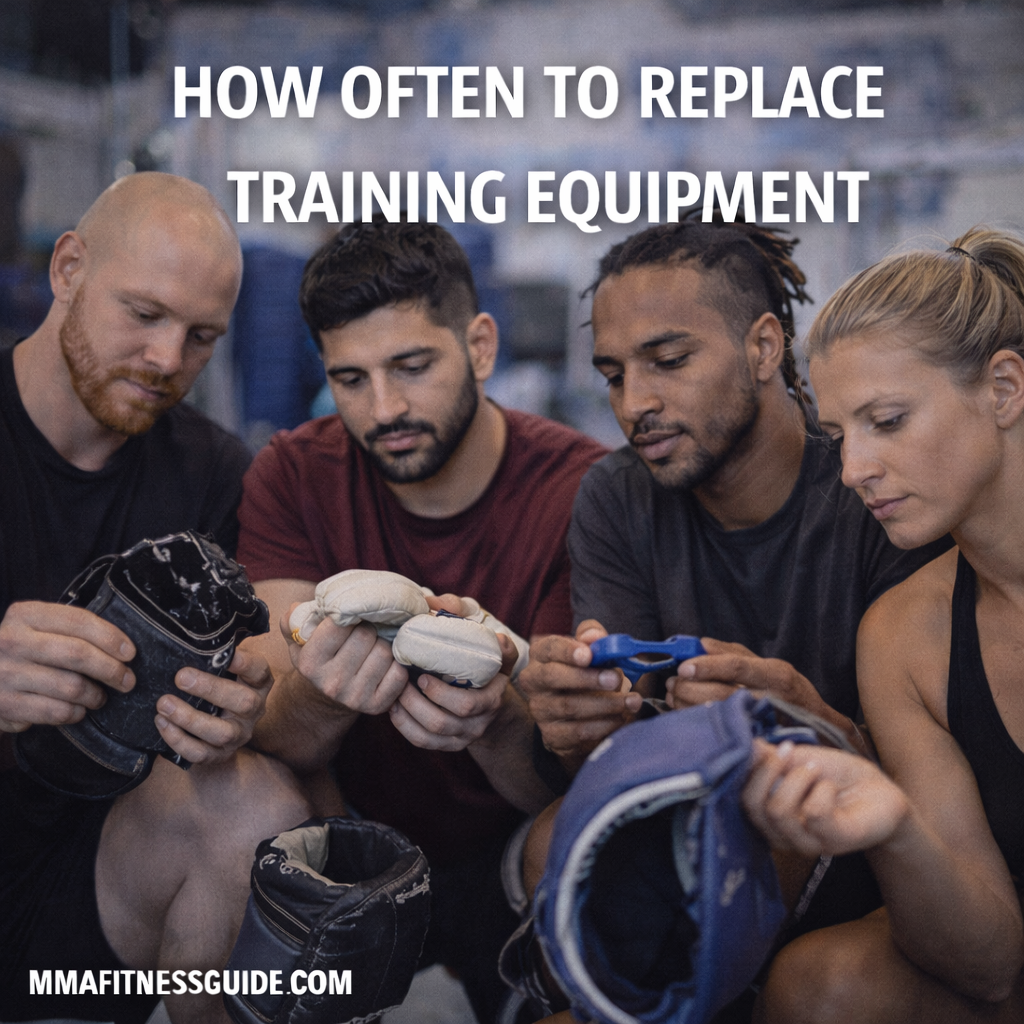
MMA athletes inspecting worn training equipment to determine when replacements are needed for safety and performance.
MMA training equipment takes a beating. From gloves and shin guards to rash guards and mouthguards, your gear absorbs sweat, impact, and constant friction. Using worn-out equipment doesn’t just affect comfort — it can increase injury risk, reduce training quality, and create hygiene problems.
Knowing when to replace your training gear helps you stay safe, train effectively, and avoid preventable setbacks. Here’s how often common MMA equipment should actually be replaced, and the warning signs to watch for.
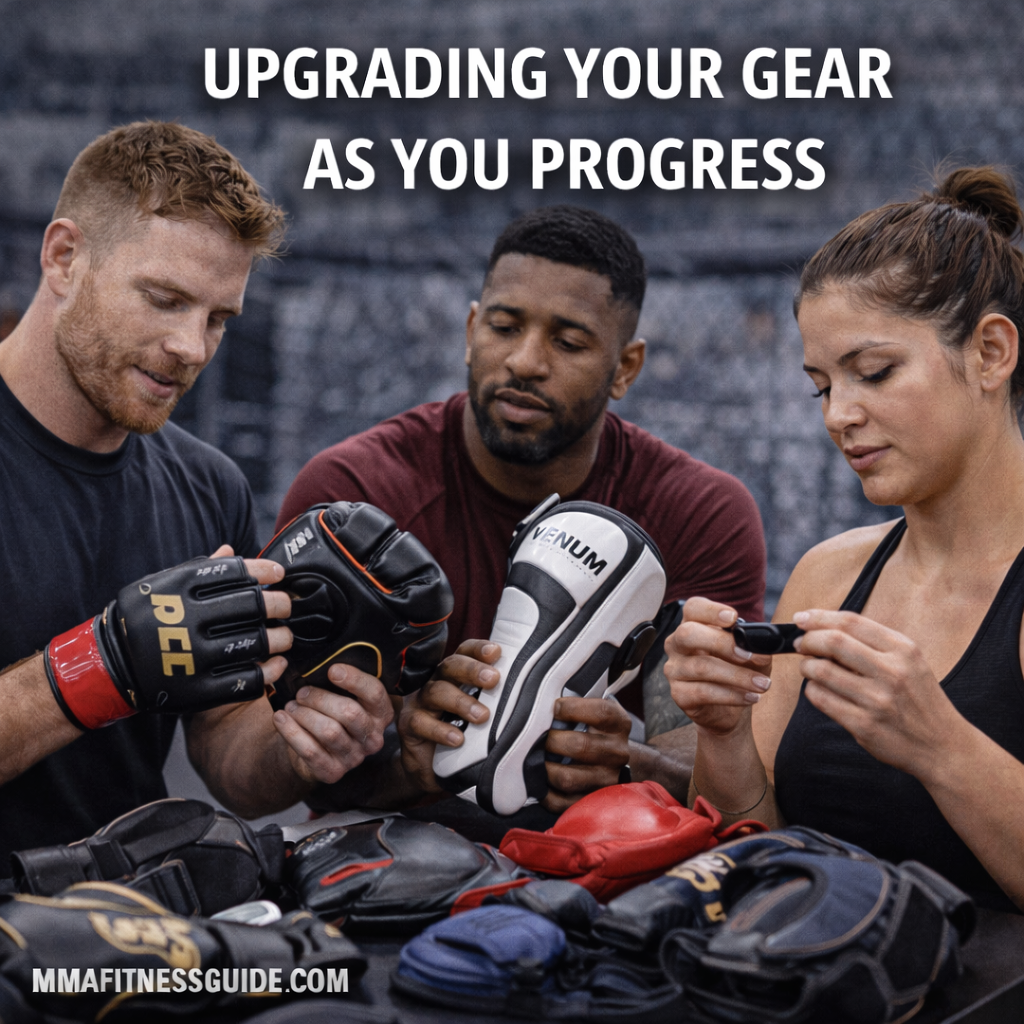
MMA athletes reviewing and upgrading their training gear as they advance in skill level.
When you first start training MMA, basic gear is enough to get moving. But as your skill level, training intensity, and goals increase, your equipment needs change. Gear that once felt fine may start limiting performance, comfort, or safety.
Knowing when and how to upgrade your MMA gear helps you train smarter, reduce injury risk, and get more out of every session. This guide explains what to upgrade, when it matters, and how to make smart gear decisions as you progress.
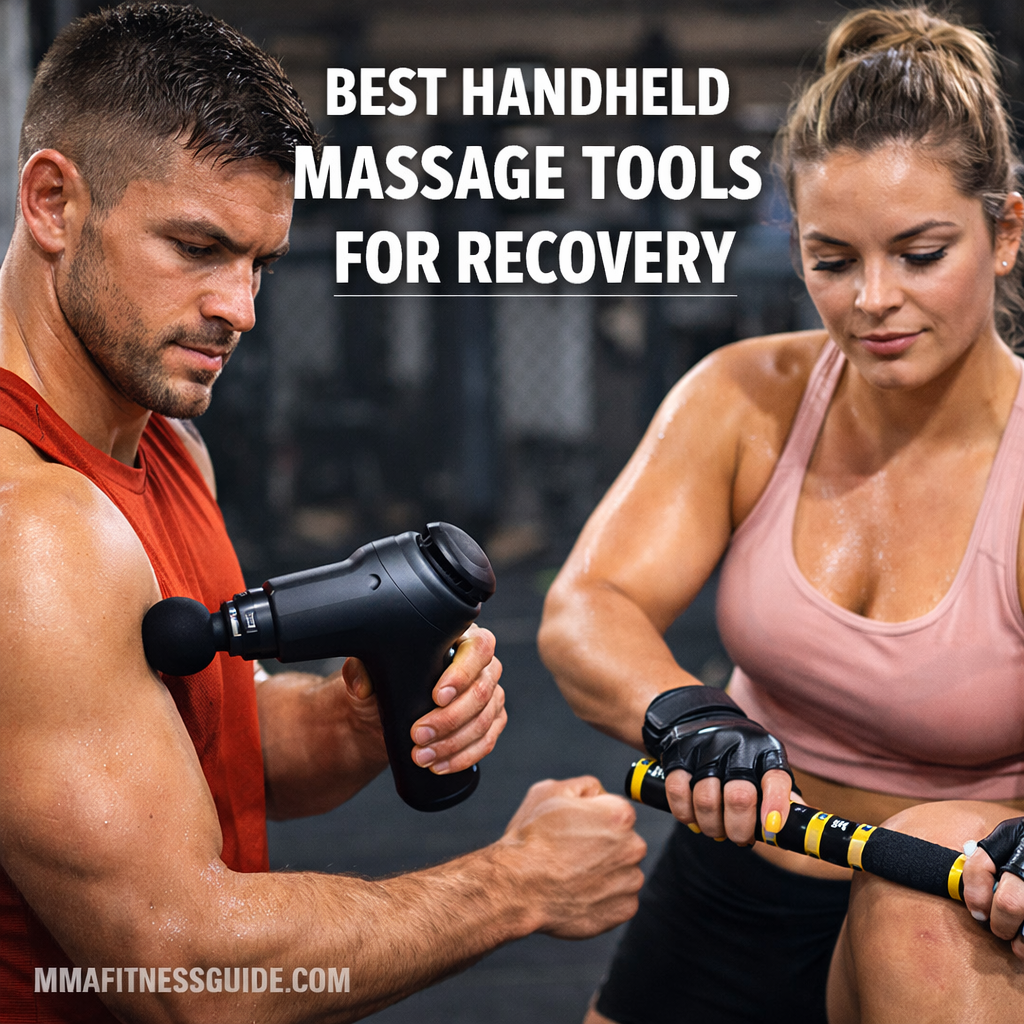
Handheld massage tools can help MMA fighters manage muscle tightness and soreness between demanding training sessions.
A hard week of MMA training can leave the forearms tight from grappling, the hips stiff from wrestling, and the shoulders sore from hours of striking and clinch work. When those areas stay tight between sessions, movement can feel restricted and the next workout often starts before the body feels fully recovered.
Handheld massage tools give fighters a practical way to work on sore or tight muscles between training sessions. Percussion guns can cover larger muscle groups such as the quads and glutes, while massage sticks and trigger-point tools offer more control around the forearms, calves, shoulders, and other frequently stressed areas.
Used with sensible pressure and alongside sleep, hydration, nutrition, and mobility work, these tools can become a useful part of an MMA recovery routine—especially during periods of frequent or high-intensity training.
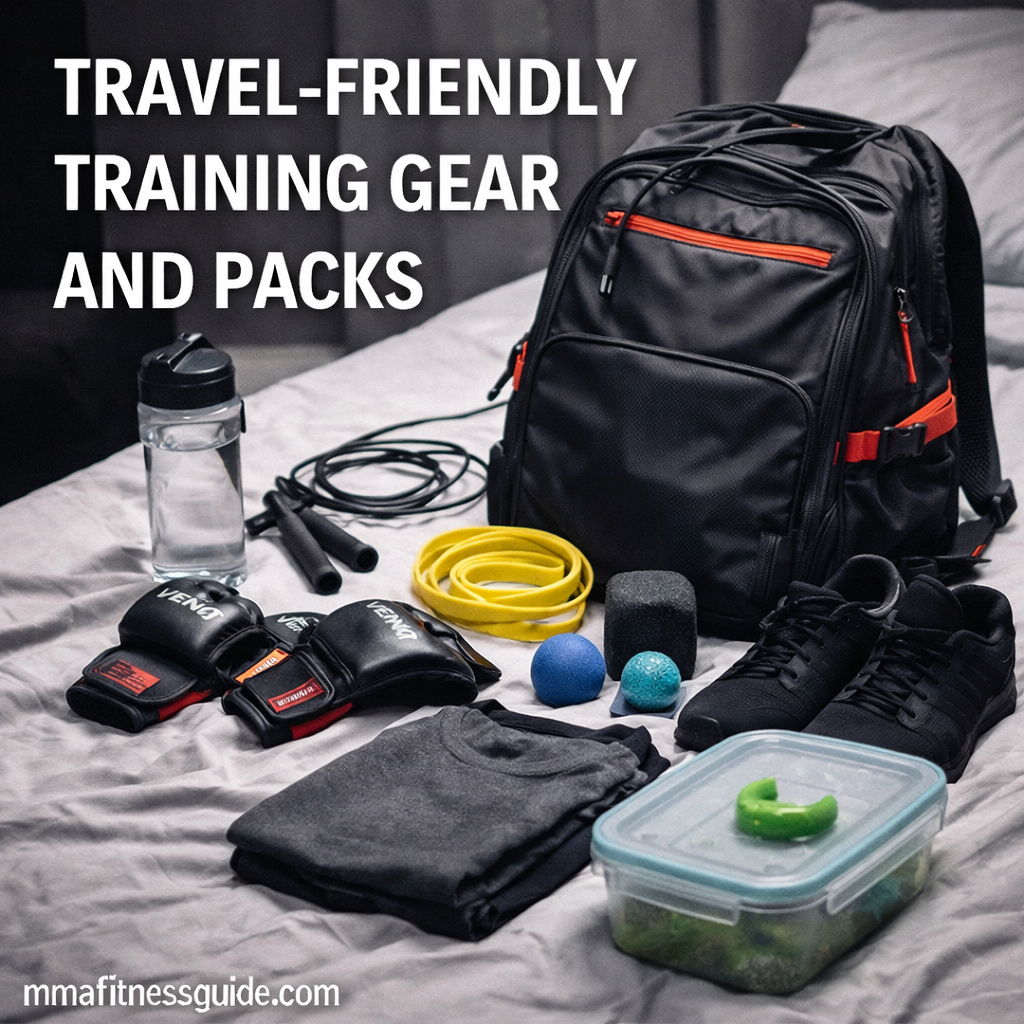
Essential travel-friendly MMA training gear and packs that help fighters stay consistent with conditioning and recovery while on the road.
A jump rope, resistance bands, hand wraps, a massage ball, and two sets of quick-dry training clothes can fit into a small section of a carry-on—and give you enough options for conditioning, mobility, strength work, and shadowboxing almost anywhere.
That matters when your normal MMA gym is hundreds of miles away.
Travel for work, competition, vacation, or family can leave you with nothing more than a hotel room, a nearby park, or an underwhelming hotel gym. Packing a few versatile pieces of equipment means you can still get useful work done without dragging a suitcase full of training gear through the airport.
The best travel setup isn’t the one with the most equipment. It’s the one that’s light enough to actually bring with you and versatile enough to use in whatever training space you find.
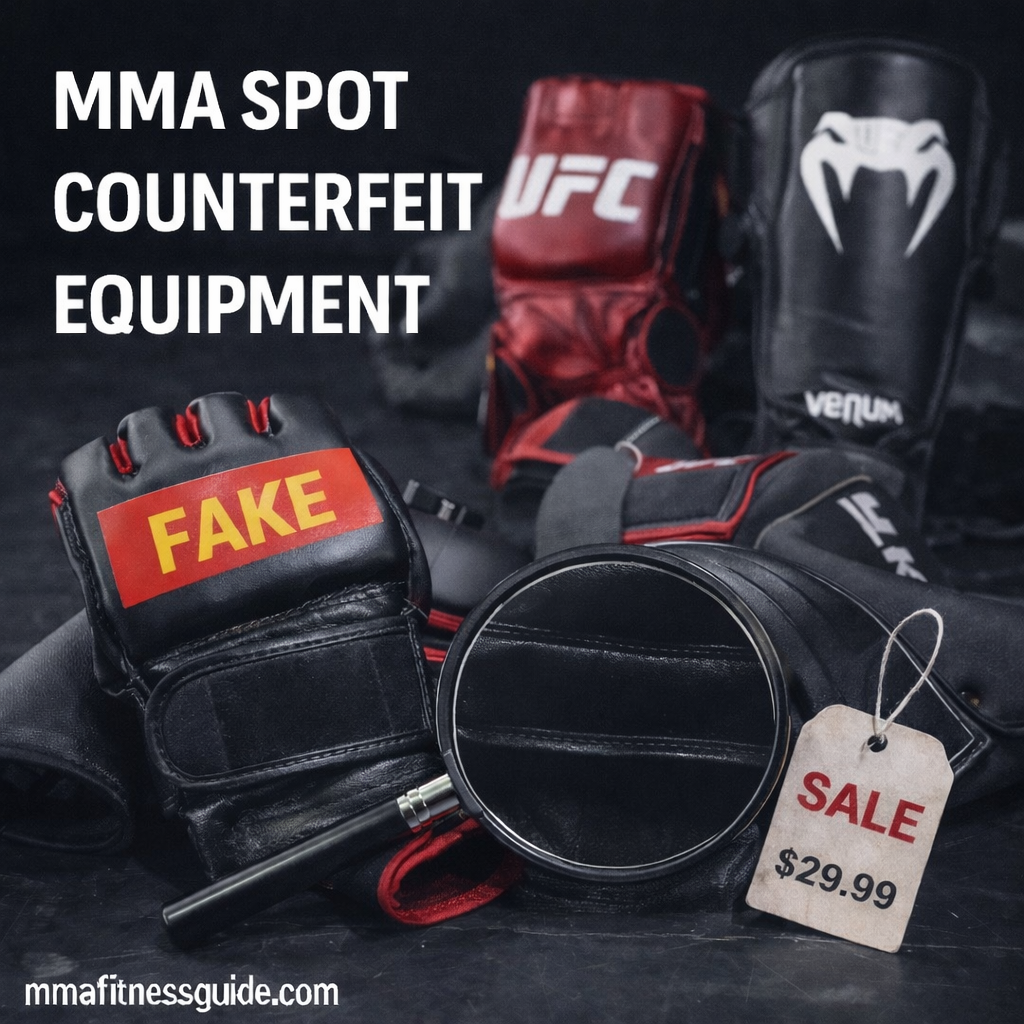
Counterfeit MMA equipment displayed next to authentic-style gear, highlighting key warning signs fighters should look for.
Counterfeit MMA equipment is a growing problem in combat sports. From fake gloves and shin guards to imitation apparel and protective gear, knockoff products are increasingly common online and in secondary marketplaces. While counterfeit gear may look similar to the real thing, it often lacks the safety, durability, and performance fighters rely on.
Using fake equipment doesn’t just waste money—it can increase injury risk and negatively impact training. This guide explains how to spot counterfeit MMA gear, why it’s dangerous, and how fighters can protect themselves when buying equipment.
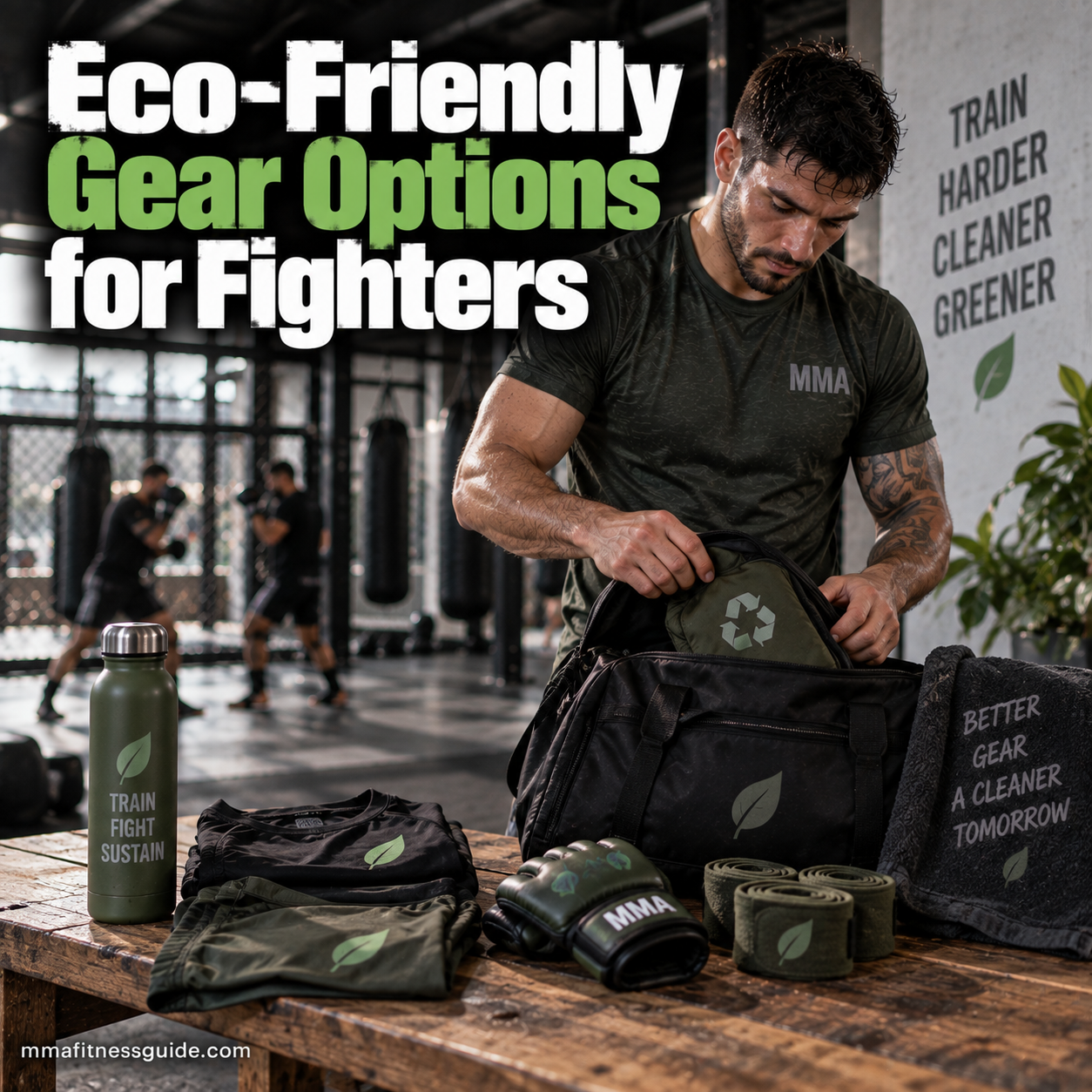
Choosing durable gear, recycled materials, reusable accessories, and proper equipment care can help fighters reduce unnecessary waste.
A fighter can go through multiple pairs of gloves, rash guards, shorts, hand wraps, water bottles, and other training accessories over years of regular practice. Add cracked shin guards, worn-out gym bags, and clothing damaged by constant washing, and a surprising amount of equipment eventually ends up in the trash.
Making that gear more sustainable doesn’t require replacing everything you already own with products labeled “eco-friendly.” In fact, using existing equipment until it genuinely needs replacing is often the better place to start.
When replacement time comes, fighters can look for recycled fabrics, durable construction, repairable components, reusable accessories, and manufacturers that clearly explain where their materials come from.
The practical goal is simple: buy fewer disposable products, take better care of the gear you have, and choose replacements that can survive the demands of regular MMA training for as long as possible.
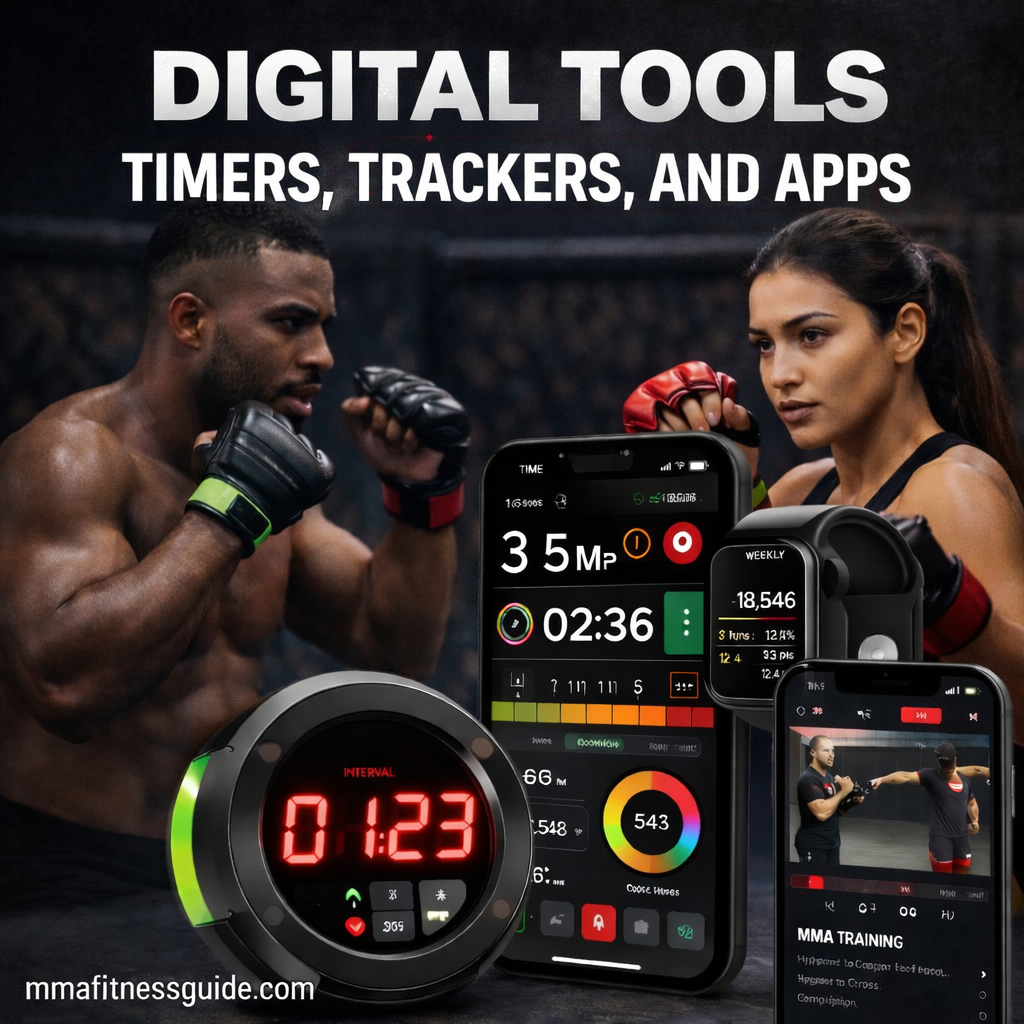
Male and female MMA athletes using timers, trackers, and training apps to enhance performance and recovery.
Set a five-minute round timer, hit the heavy bag until the buzzer, rest for 60 seconds, and repeat. After training, a smartwatch might show how your heart rate changed between rounds, while a training app records the session alongside the rest of your week.
That’s where digital tools can be useful in MMA: handling simple measurements that are difficult to track while you’re focused on training.
A timer keeps rounds and rest periods consistent. A tracker can reveal patterns in heart rate, sleep, and workload. A scheduling app can show whether you’ve accidentally stacked hard sparring, conditioning, and strength sessions too closely together.
None of that replaces a coach watching your technique or your own judgment about how your body feels. The useful data is the information that helps you make a practical decision—when to push, when to recover, and whether your training is actually progressing.
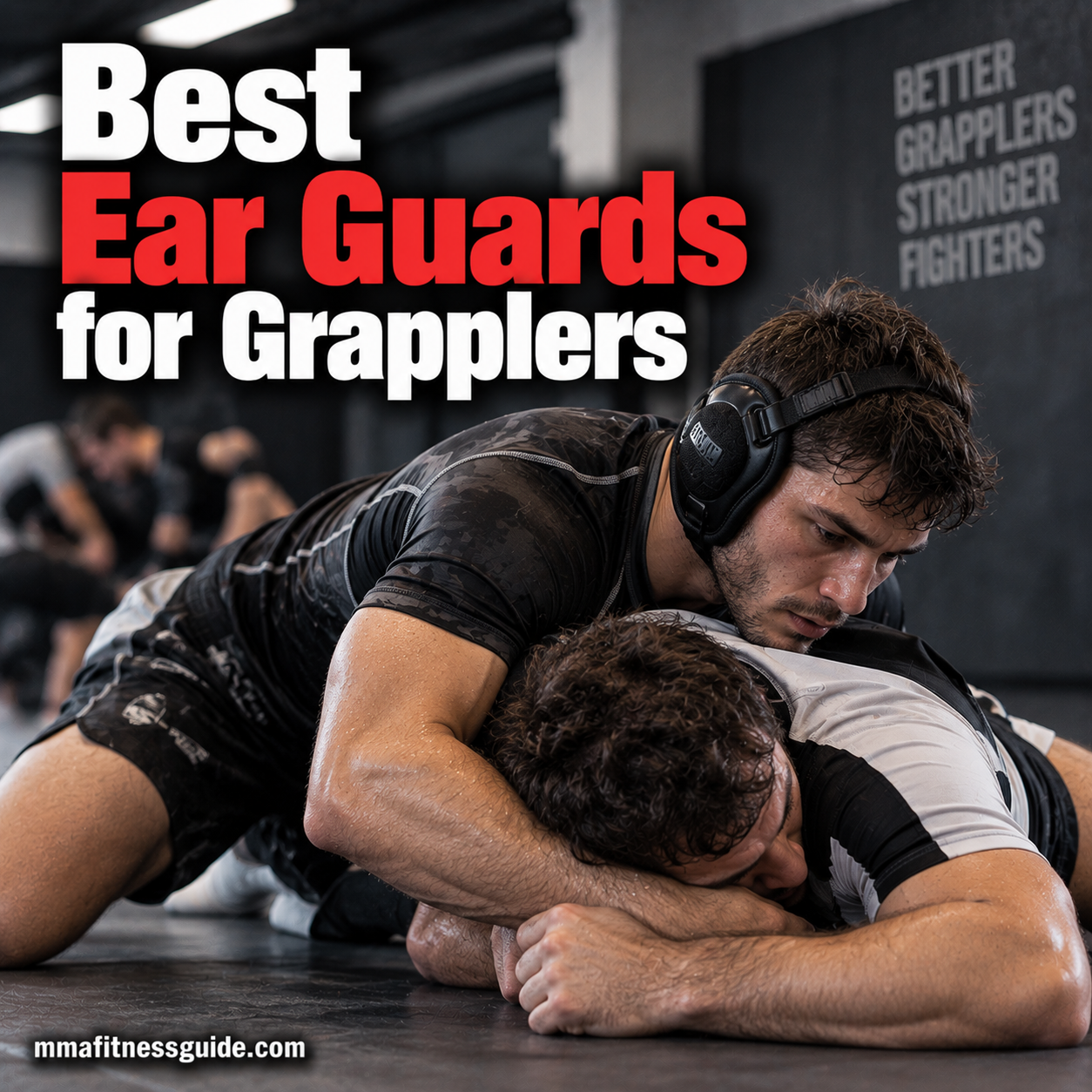
Properly fitted ear guards can reduce friction and direct contact around the ears during wrestling, BJJ, and MMA grappling sessions.
During a tight headlock, takedown scramble, or guard pass, the ear can get folded and pressed between your opponent and the mat. Repeat that friction several times a week and tenderness, bruising, or swelling can make even light contact uncomfortable.
Ear guards create a padded barrier around the outer ear while still allowing the head to move naturally during wrestling, BJJ, judo, and MMA grappling. Soft neoprene designs minimize bulk for rolling, while rigid and hybrid models provide additional structure for takedown-heavy sessions.
Fit matters as much as padding. An ear guard that slides over the eyes, catches during scrambles, or requires constant adjustment quickly becomes another distraction, so look closely at strap design, profile, ventilation, and how securely the guard stays positioned.
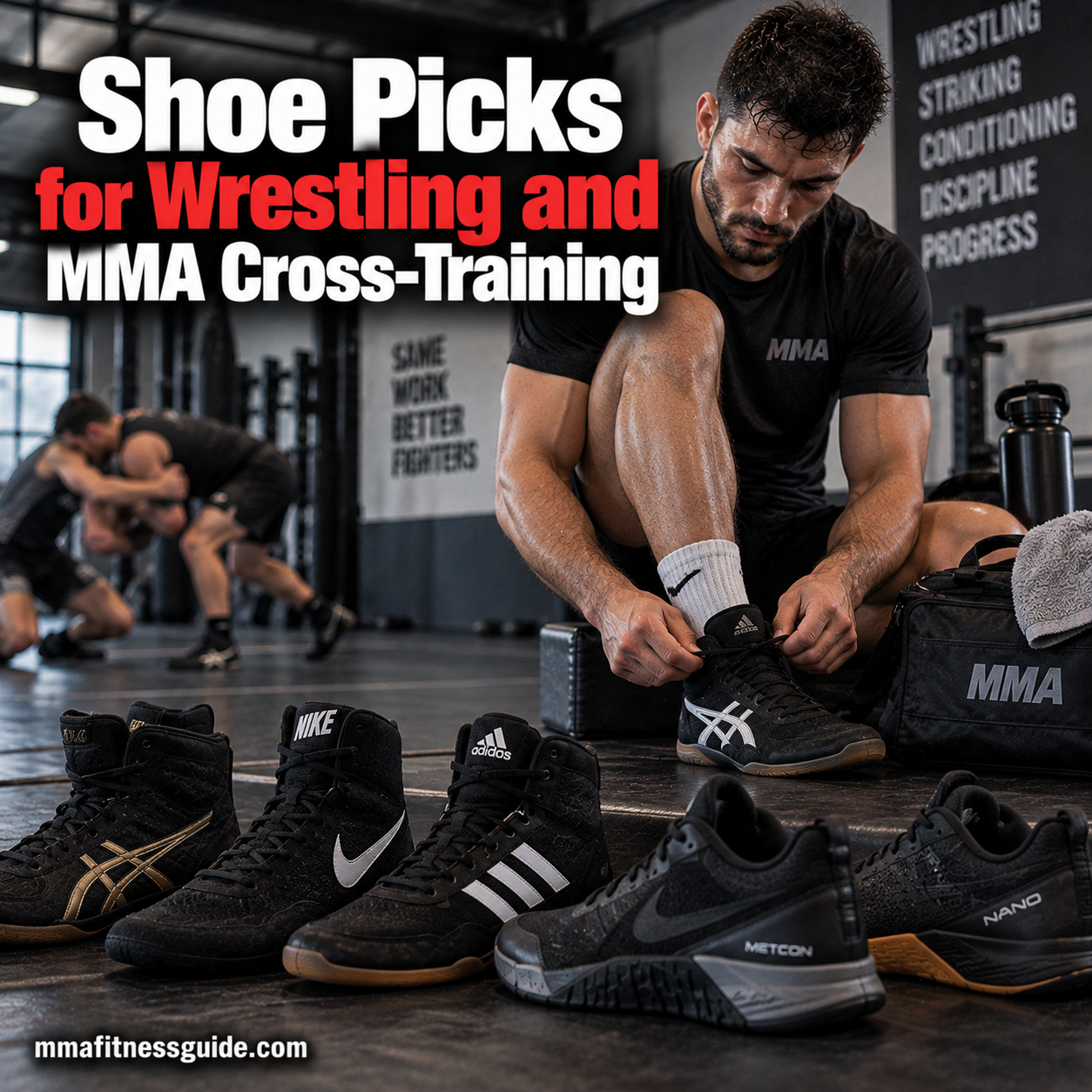
Wrestling shoes prioritize mat grip and flexibility, while cross-training shoes provide a more stable platform for lifting, conditioning, and agility work.
A wrestling shot requires your feet to grip the mat as you drop levels and drive forward, while a strength or conditioning session may have you lifting, jumping, sprinting, and changing direction on a completely different surface. One pair of shoes rarely handles both situations equally well.
Wrestling shoes use thin, flexible soles to keep the feet close to the mat and provide traction during shots, pivots, and scrambles. Cross-training shoes typically have a flatter, more supportive base designed for lifting, agility work, and conditioning. Wearing either type for the wrong activity can mean unnecessary wear, poor traction, or less stability under load.
For MMA athletes moving between wrestling practice and general conditioning, matching the footwear to the session matters more than finding a single shoe that claims to do everything.
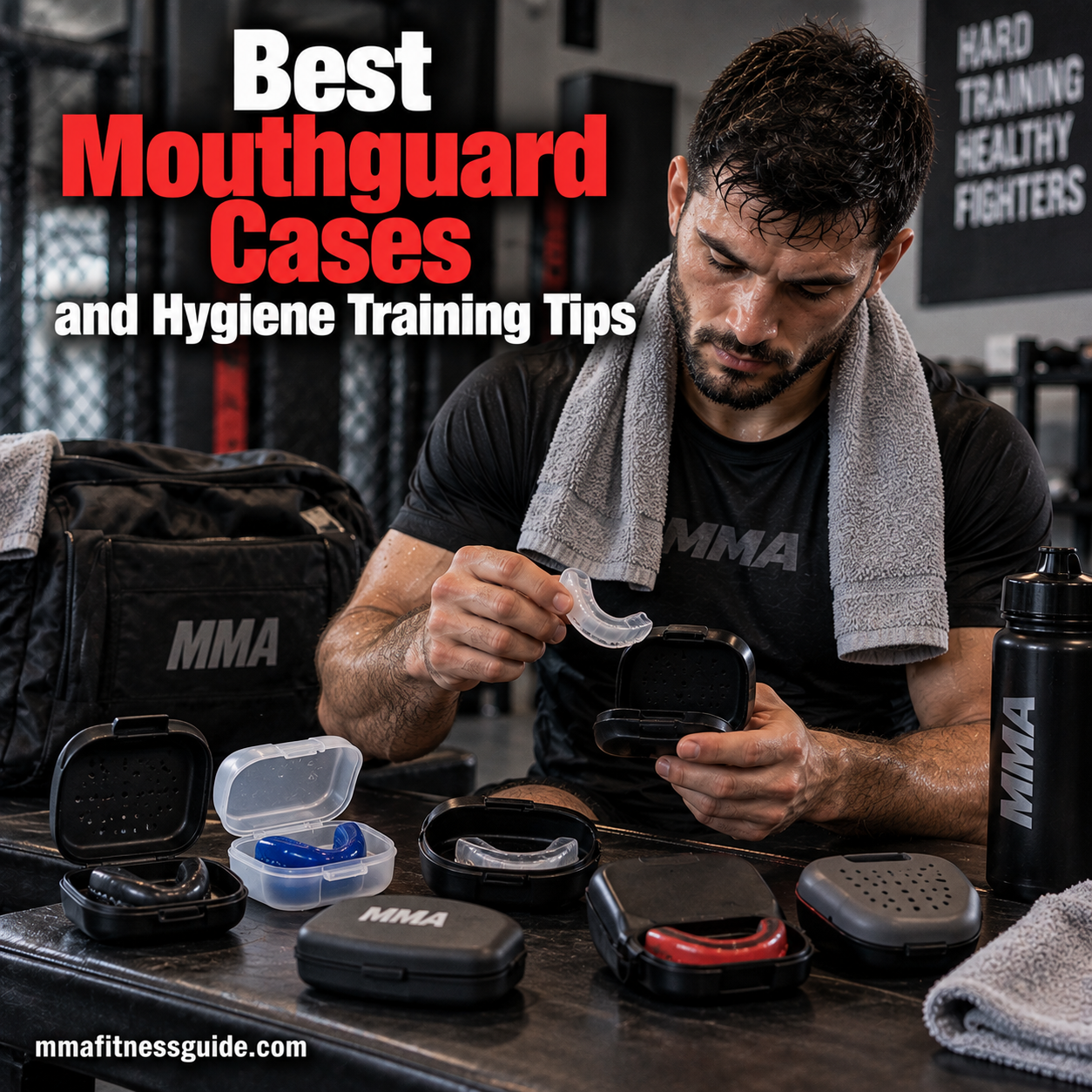
A ventilated mouthguard case combined with regular cleaning and thorough drying helps keep protective gear cleaner between MMA training sessions.
A mouthguard goes straight from your mouth into an environment filled with sweat, saliva, damp clothing, and shared gym surfaces. Drop it loose into a closed gym bag after sparring, and the moisture trapped on its surface can linger for hours—along with the odor and microbial buildup that comes with poor storage.
A ventilated case gives the mouthguard physical protection while allowing moisture to escape, but the case only solves part of the problem. Rinsing after use, cleaning the material properly, letting it dry, and keeping it away from excessive heat all affect how clean it stays and how long it maintains its shape.
For MMA fighters who use a mouthguard several times a week, a simple clean-dry-store routine can prevent a lot of the grime and unpleasant smells that otherwise build up between sessions.