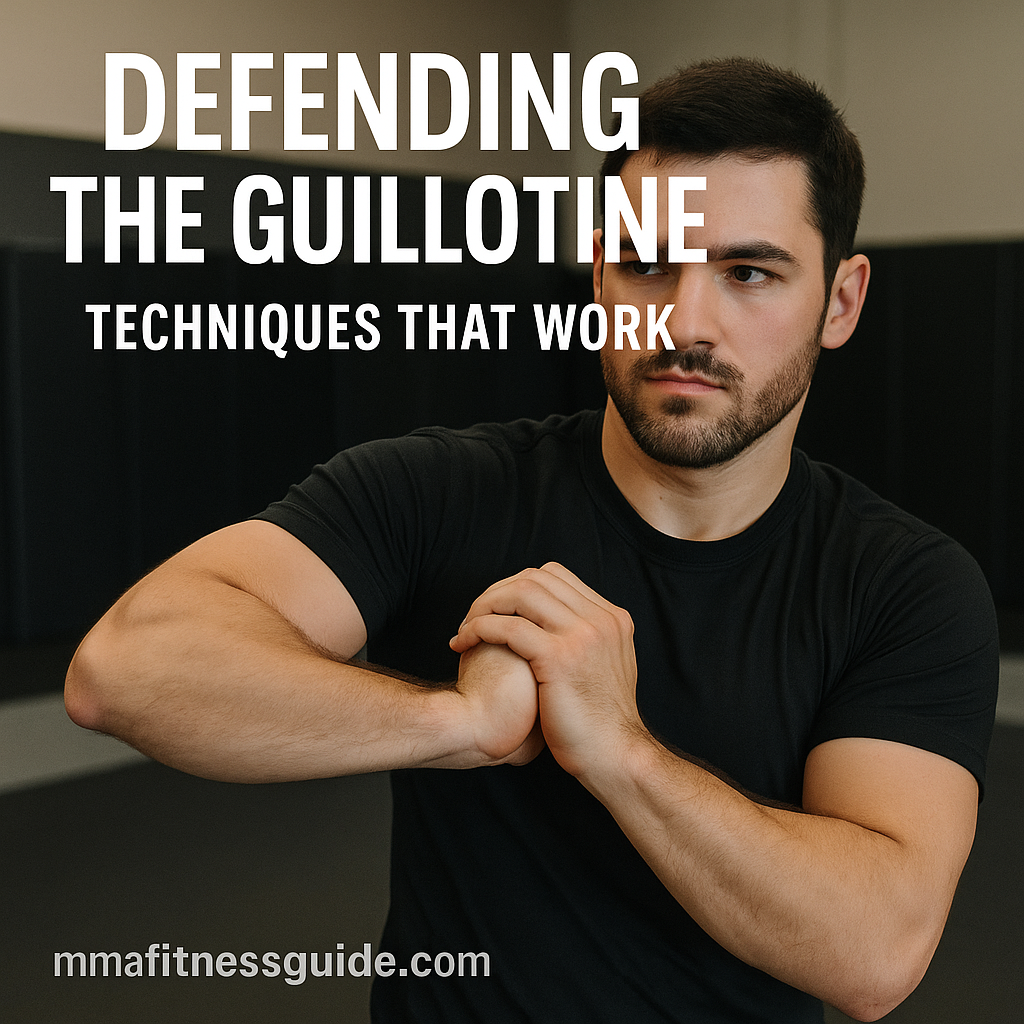
Defending the Guillotine: Techniques That Work

Male MMA athlete demonstrating proper guillotine defense hand positioning with the title “Defending the Guillotine: Techniques That Work” displayed.
A fighter practicing the correct posture and hand control needed to defend the guillotine choke.

Introduction

The guillotine choke is one of the most common submissions in MMA. It can happen during takedown attempts, scrambles, clinch battles, or even off a mistake in posture. Because it’s fast, surprising, and powerful, beginners often get caught in it repeatedly.

The good news is that guillotine defense is simple once you understand the key principles. With solid posture, hand positioning, and the right escape path, you can shut down the choke before it becomes dangerous — and even turn it into a dominant position.

Here’s a beginner-friendly guide to defending the guillotine effectively.

Continue reading “Defending the Guillotine: Techniques That Work”
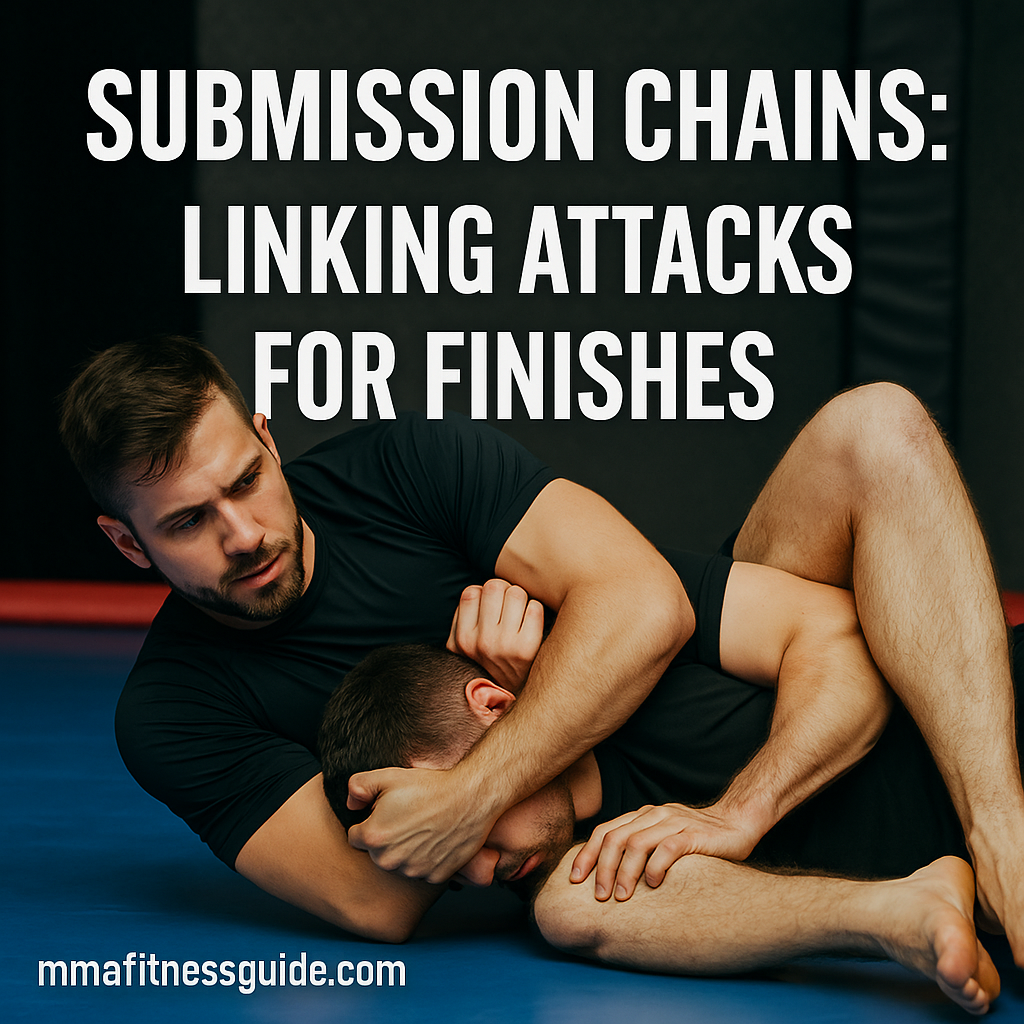
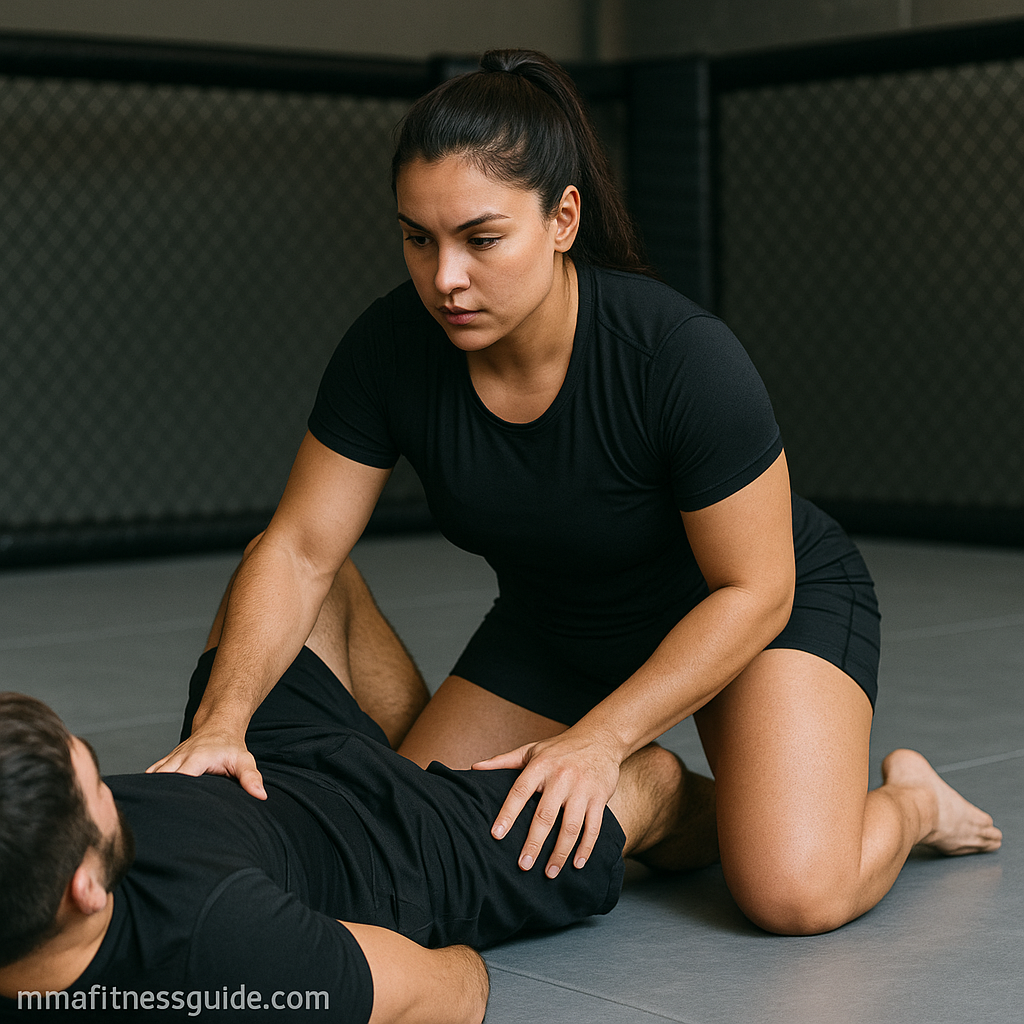
Submission Chains: Linking Attacks for Finishes

Male grappler transitioning through a submission attack with the title “Submission Chains: Linking Attacks for Finishes” displayed.
A grappler demonstrating how linked submissions flow together to create finishing opportunities.

Introduction

One of the biggest leaps in grappling is learning how to link submissions together. Instead of attacking once and stopping when the opponent defends, you flow from one technique to the next. This is called a submission chain, and it’s how experienced grapplers create openings and finish fights even against tough opponents.

You don’t need dozens of submissions to build good chains — just a few reliable attacks that connect naturally. The more you link your moves, the harder it becomes for your opponent to keep up.

Below is a simple guide to submission chaining that works well for beginners.

Continue reading “Submission Chains: Linking Attacks for Finishes”

Guard Passing Basics for New Grapplers

Female grappler demonstrating basic guard passing posture in a BJJ gym.
A new grappler practicing simple guard passing fundamentals with strong posture and control.

Introduction

Passing the guard can feel tough when you’re new to grappling. Opponents grab your sleeves, pull you around, and lock you in place before you even start your pass. But once you learn a few basic concepts, guard passing becomes much easier and far less overwhelming.

You don’t need advanced moves to start passing effectively. With good posture, steady pressure, and clear movement, you can create openings and move into stronger positions. Below are simple fundamentals every new grappler should understand.

Continue reading “Guard Passing Basics for New Grapplers”

Wrestling Setups for Successful Takedowns

Male MMA wrestler executing a clean takedown setup inside a gym, with bold white text reading Wrestling Setups for Successful Takedowns.
A focused male fighter demonstrating proper wrestling setups for high-percentage MMA takedowns.

Great takedowns don’t start with strength — they start with setups. In MMA, where opponents strike, sprawl, and counter from every angle, clean wrestling entries require timing, deception, and proper positioning. Whether you’re a wrestler transitioning to MMA or a striker learning grappling fundamentals, mastering setups is what turns takedowns from “hope shots” into high-percentage weapons.

This guide breaks down the most effective wrestling setups for MMA, why they work, and how to train them for real fight success.

Continue reading “Wrestling Setups for Successful Takedowns”

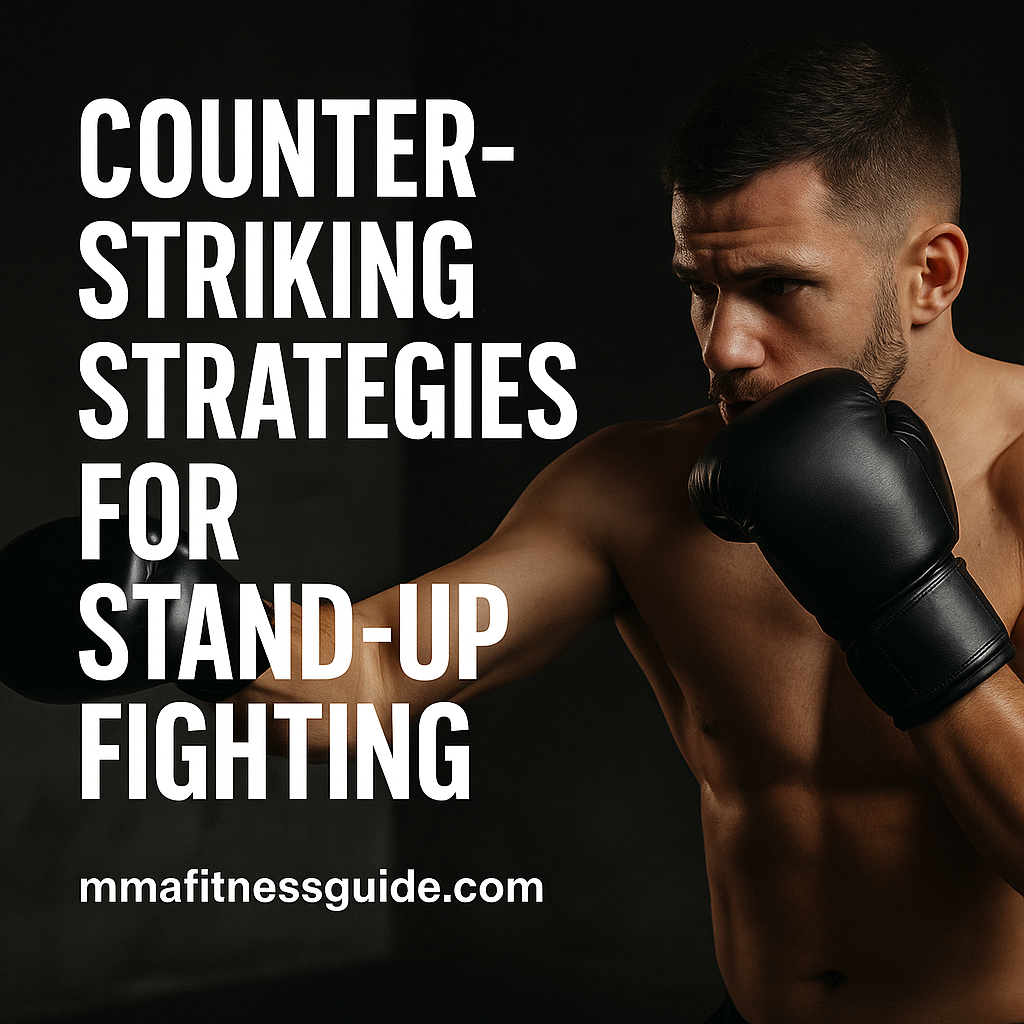
Counter-Striking Strategies for Stand-Up Fighting

Male MMA fighter in boxing gloves slipping and countering during stand-up training, with bold white title text about counter-striking strategies.
A professional MMA athlete demonstrating focused counter-striking technique during stand-up fighting practice.

Counter-striking is one of the most effective — and efficient — ways to win fights. Instead of forcing offense, you capitalize on your opponent’s mistakes, creating openings that hit harder, land cleaner, and carry far less risk.

In MMA, where small gloves and unpredictable rhythms are the norm, counter-striking can turn a calm, patient fighter into a dangerous threat. This guide breaks down the most reliable counter-striking strategies, how to train them, and how to apply them in both sparring and real competition.

Continue reading “Counter-Striking Strategies for Stand-Up Fighting”

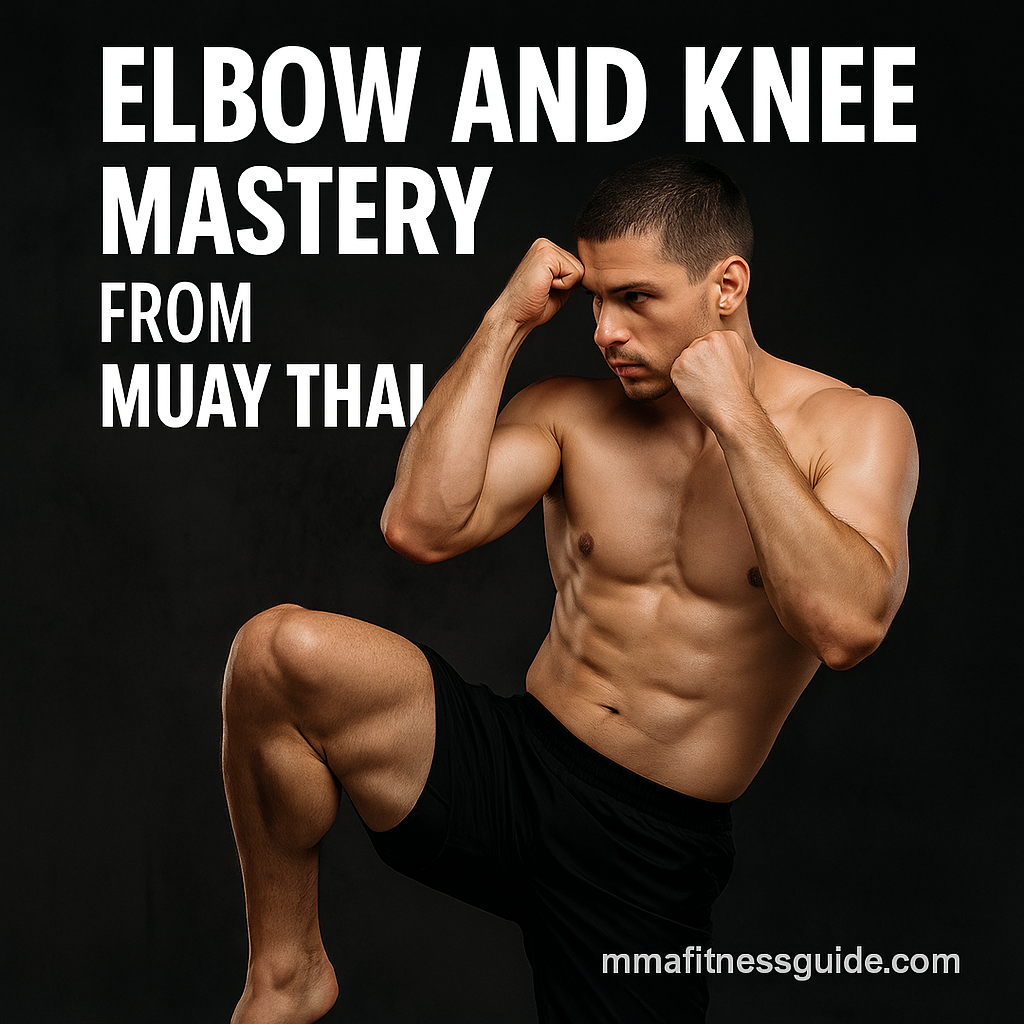
Elbow and Knee Mastery from Muay Thai

Male Muay Thai fighter performing a powerful elbow and knee striking pose against a dark background with title text reading Elbow and Knee Mastery from Muay Thai.
Muay Thai elbow and knee mastery demonstrated through dynamic striking posture, highlighting power, technique, and close-range effectiveness.

Muay Thai is known as “The Art of Eight Limbs,” and two of those limbs—the elbows and knees—are among the most feared weapons in all combat sports. For MMA fighters, mastering these close-range strikes can instantly elevate clinch work, counter-striking, and finishing ability. Elbows slice through guards, knees break posture, and both deliver devastating power from short distances.

This guide explains how to develop precision, timing, and confidence with Muay Thai elbows and knees, and how to adapt them for MMA environments like the cage, wall work, and grappling transitions.

Continue reading “Elbow and Knee Mastery from Muay Thai”

Clinch Fighting 101: Control, Strikes, and Trips

Male MMA fighter demonstrating clinch control and knee strikes during training in a gym.
Male MMA fighter practicing clinch control and knee strikes in training, showcasing close-range technique and balance.

The Importance of Clinch Fighting in MMA

In MMA, fights don’t just happen at long range — they’re often decided in the clinch.
This close-range position determines who controls the fight, whether it’s landing knees, setting up takedowns, or breaking an opponent’s rhythm.

Clinch fighting is where strength, balance, and technique meet. It’s the invisible battle that decides who dictates the action.

Continue reading “Clinch Fighting 101: Control, Strikes, and Trips”

Blending Styles: How to Build a Hybrid Skill Set

Male athlete training in a gym and practicing movement and agility drills with focus.
Male MMA athlete practicing movement and agility drills in the gym, representing the balance of hybrid training and adaptability.

The Evolution of Modern MMA

When MMA first exploded in the 1990s, the sport was defined by specialists — strikers versus grapplers, kickboxers versus wrestlers.
Today, the best fighters aren’t specialists — they’re hybrids.

Blending martial arts styles has become essential for success in modern MMA.
The goal isn’t to master every art perfectly, but to combine skills seamlessly into a style that fits your strengths.

Continue reading “Blending Styles: How to Build a Hybrid Skill Set”

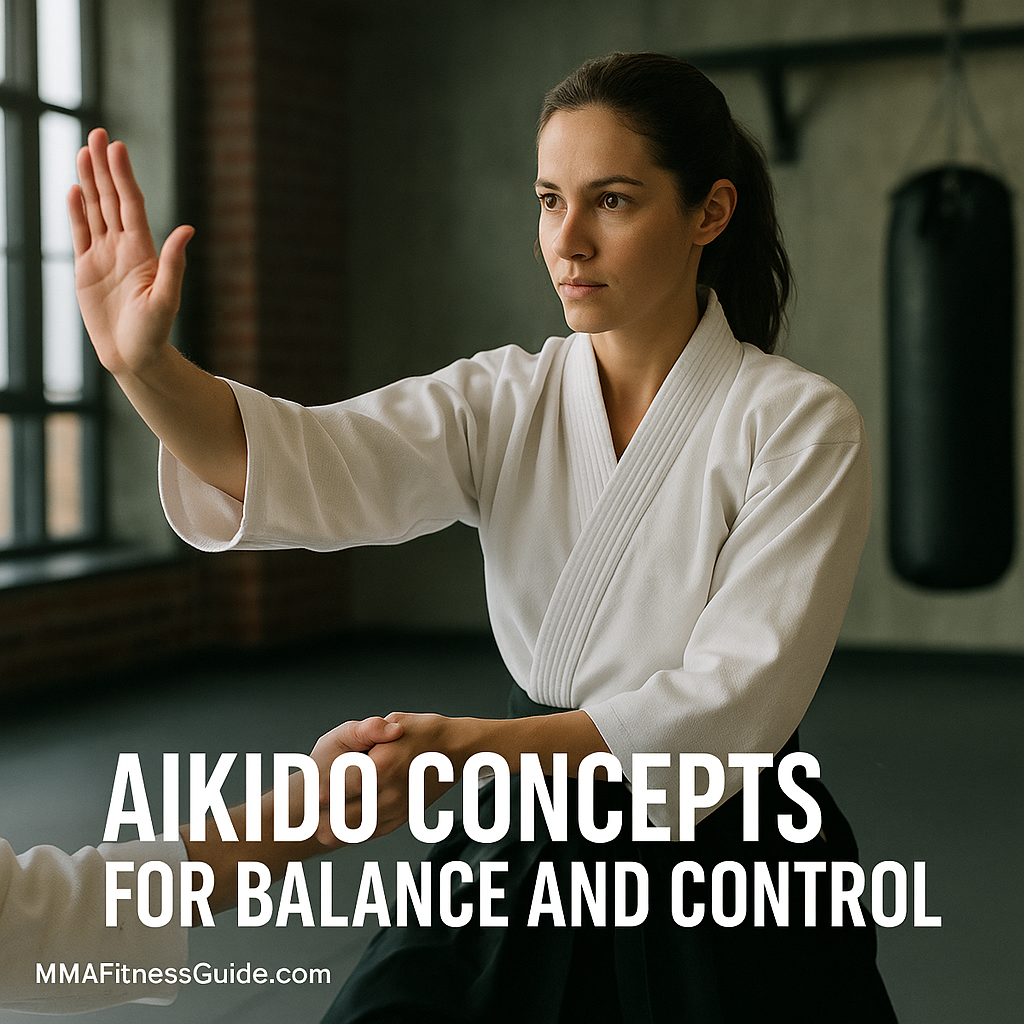
Aikido Concepts for Balance and Control

Female martial artist practicing Aikido wrist control and balance techniques in a dojo under soft natural light.
Female Aikido practitioner training in balance and wrist control to enhance focus, flow, and body awareness.

Why Aikido Still Matters in Modern MMA

While Aikido isn’t a combat sport like MMA, its principles of balance, movement, and control can dramatically improve a fighter’s awareness and defense.
It’s not about overpowering an opponent — it’s about using their force against them.

For MMA fighters, understanding Aikido concepts sharpens timing, body control, and mental calm — all crucial for staying composed under pressure.

Continue reading “Aikido Concepts for Balance and Control”

Kung Fu Principles for Distance and Timing

Male martial artist practicing Kung Fu form in a gym, demonstrating precise distance and timing control.
Male Kung Fu practitioner training in a gym, applying traditional principles of distance and timing for modern martial arts.

Ancient Roots, Modern Relevance

Kung Fu isn’t just a striking art — it’s a science of rhythm, awareness, and control.
While its techniques were developed centuries ago, the principles of distance and timing remain essential to modern MMA fighters today.

From footwork to counter-striking, mastering when and how to move can make the difference between landing a clean shot and walking into one.

Continue reading “Kung Fu Principles for Distance and Timing”