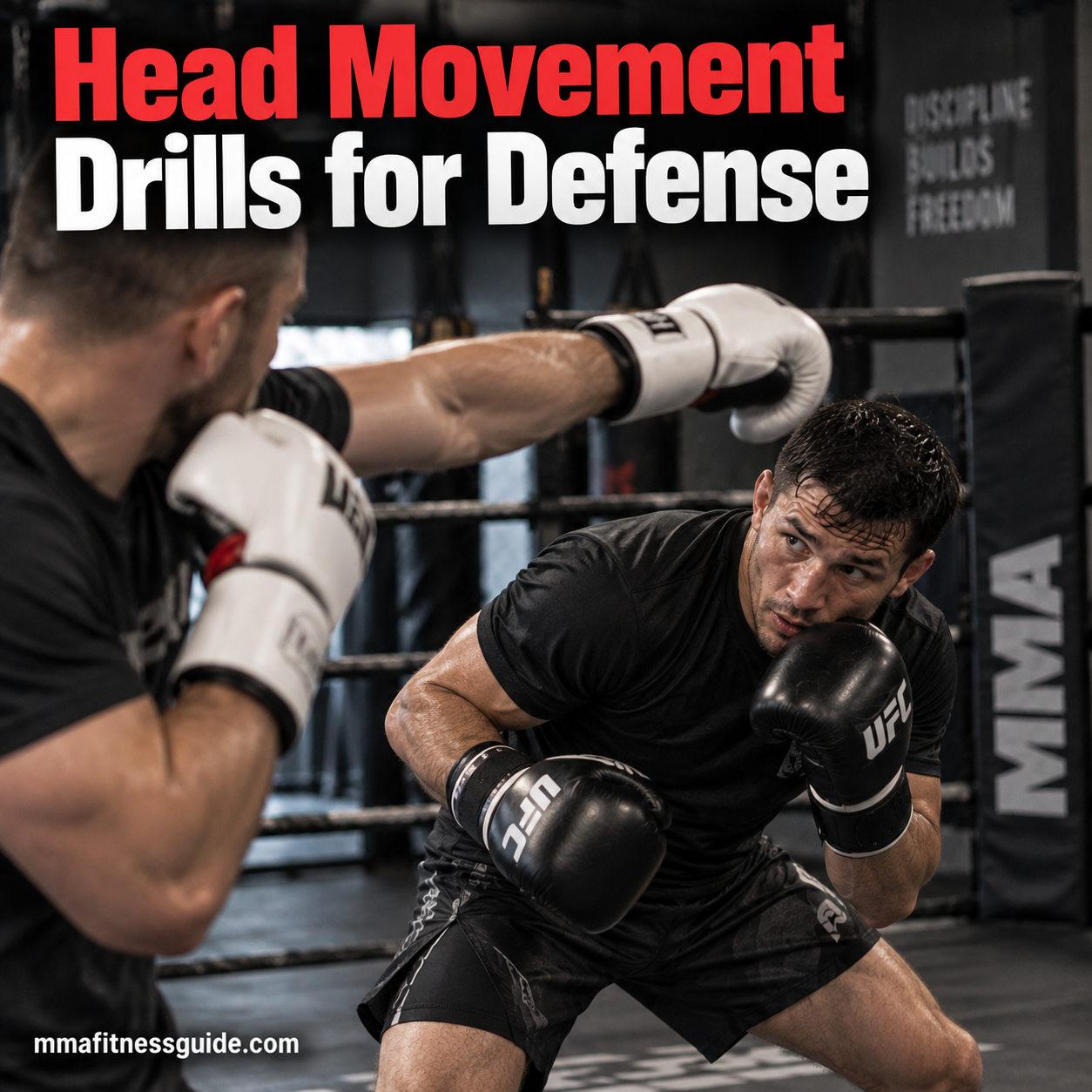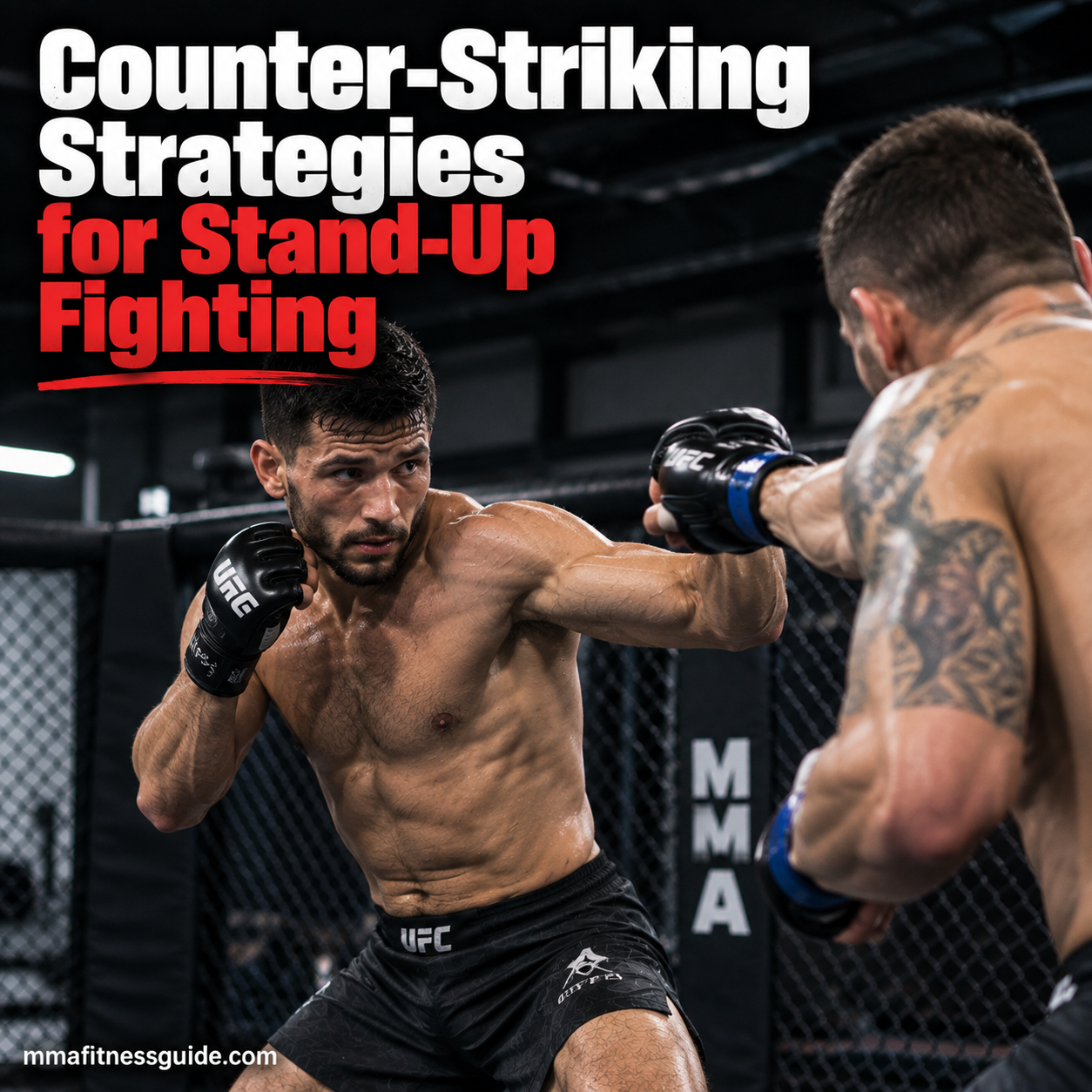
A fighter throws a jab, leaves the hand extended for a fraction of a second, and gets hit with a cross before returning to stance. Another steps forward with a heavy right hand, misses, and turns directly into a hook.
Those brief moments are where counter-striking happens.
Instead of attacking an opponent who is already set to defend, a counter-striker looks for the instant when the opponent is punching, kicking, stepping forward, or recovering from an attack. Timing the response correctly can create openings that disappear once the opponent regains position.
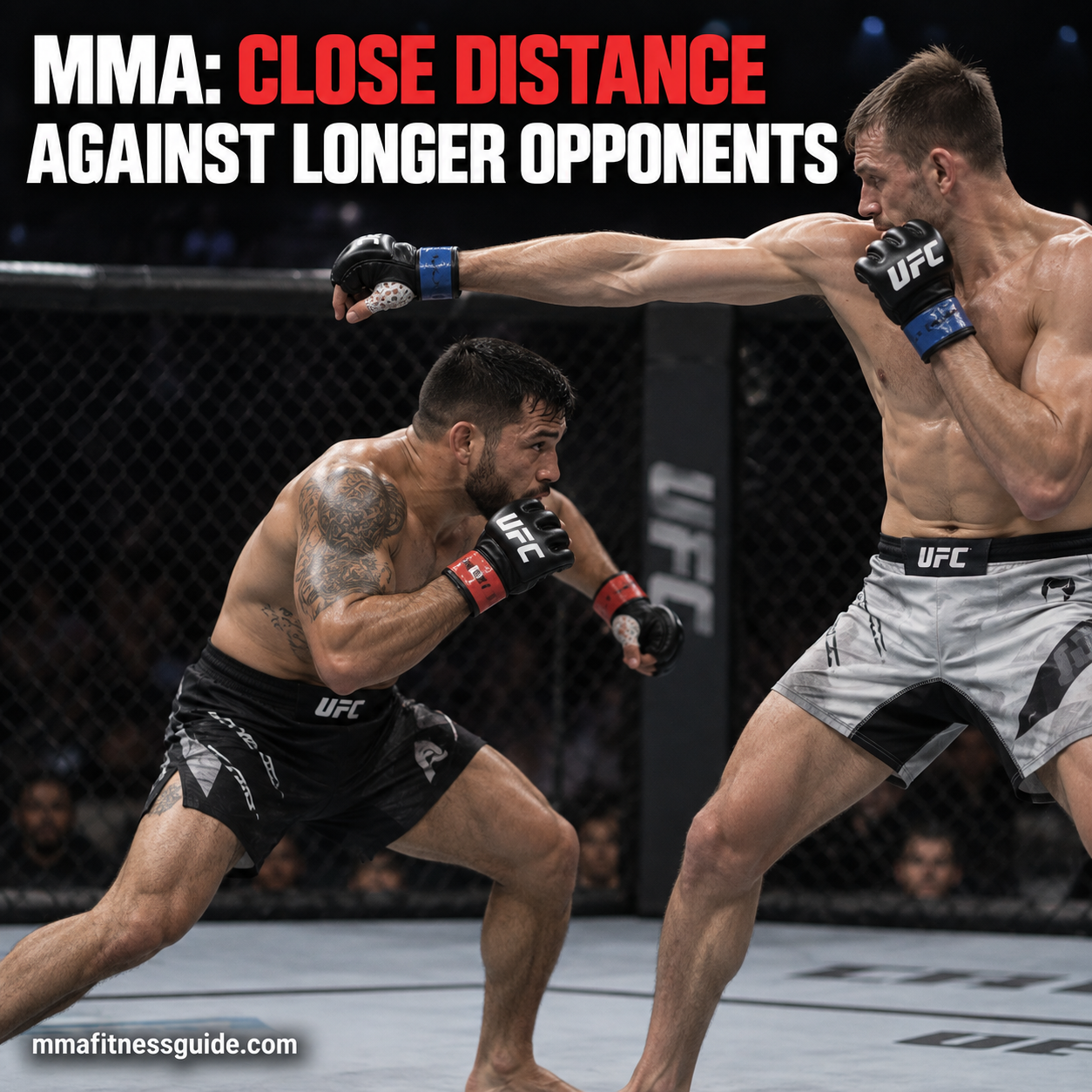
In MMA, the threat of kicks, takedowns, clinches, and small-glove punches makes those decisions more complicated. Good counter-striking therefore depends on more than fast reactions—it requires distance management, pattern recognition, positioning, and disciplined shot selection.
Why Counter-Striking Works
Every attack requires some form of commitment.
A punch may shift weight forward. A kick temporarily places the fighter on one leg. A combination can create a predictable rhythm. Forward pressure may reduce the attacker’s ability to immediately change direction.
Counters exploit those moments.
Potential advantages include:
- Attacking while an opponent is repositioning
- Using predictable attacks as triggers
- Creating offense without constantly leading exchanges
- Making aggressive opponents more cautious
- Punishing overextension
- Combining defense and offense into one sequence
A counter doesn’t automatically hit harder or carry less risk than a lead attack.
Its effectiveness depends on timing, distance, positioning, and whether you’ve correctly read what the opponent is doing.
The Foundations of Counter-Striking
Before practicing complicated combinations, develop the skills that create countering opportunities.
Distance Control
Counters require the right distance.
Stand too far away and the opponent’s attack misses—but so does your counter.
Stand too close and you may not have enough time or space to react.
Counter-strikers learn to operate near the edge of attacking range, where a small movement can make a strike miss while leaving enough distance to respond.
Watch the Opponent, Not Just the Strike
Waiting until a punch is already close to your face makes reacting difficult.
Instead, learn to recognize earlier cues such as:
- Weight shifts
- Shoulder movement
- Changes in stance
- Stepping patterns
- Repeated combinations
- Level changes
These signals can provide clues about what may come next.
Stay Relaxed
Excessive tension wastes energy and can make movement feel slower.
Keep the shoulders and arms relaxed enough to react while maintaining a defensive position.
Relaxed doesn’t mean careless.
You should still be balanced and prepared to defend.
Recognize Patterns
Most fighters develop habits.
An opponent might:
- Jab before throwing the cross
- Drop a hand after kicking
- Step heavily before attacking
- Exit combinations in the same direction
- Throw the same combination repeatedly
Counter-striking becomes easier when you’re responding to recognizable patterns instead of guessing randomly.
Four Useful Counter-Striking Categories
Counters can be organized in several ways. Four practical categories for training are slip counters, pull counters, parry counters, and counters created through footwork.
1. Slip Counters
A slip moves the head away from the path of a straight punch while keeping you close enough to respond.
Examples include:
- Slip jab → cross
- Slip cross → hook
- Slip → body punch
- Slip → uppercut
The movement should usually be compact.
Large slips may compromise your balance or move your head into the path of another strike, kick, or knee.
Training Focus
Have a partner throw predictable straight punches slowly.
Practice:
Defend → regain position → counter
Increase speed only after the movement remains controlled.
2. Pull Counters
A pull uses a small backward movement to make an attack fall short.
The fighter then returns with a counter while the opponent is recovering.
Possible responses include:
- Pull → cross
- Pull → jab
- Pull → lead hook
- Pull → kick
The mistake is turning the pull into a dramatic backward lean.
If your weight shifts too far behind your base, you’ll have difficulty returning quickly and may become vulnerable to follow-up attacks.
3. Parry Counters
A parry redirects an incoming strike with a relatively small movement.
Instead of forcefully swatting the punch away, the defender moves it just far enough to prevent clean contact.
Examples include:
- Parry jab → cross
- Parry jab → body cross
- Parry → low kick
- Parry → jab
Small parries generally allow faster counters because the defending hand stays closer to its normal position.
Overreaching for a parry can expose the head or create an opening for a feint.
4. Footwork and Angle Counters
Sometimes the best defense isn’t moving the head or hands.
Moving your feet can change the entire line of the exchange.
Possible examples include:
- Step outside → straight counter
- Pivot → hook
- Step back → cross
- Angle out → body kick
- Side-step → jab
The goal is to move somewhere that improves your position while forcing the opponent to turn or reset.
Avoid taking such a large angle that you’re no longer close enough to counter.
Countering the Jab
The jab appears frequently in boxing, kickboxing, and MMA because it can establish range, disguise other attacks, and begin combinations.
That also means you’ll encounter plenty of opportunities to practice responding to it.
Possible counters include:
- Slip → cross
- Parry → cross
- Pull → jab
- Outside step → counter punch
- Parry → low kick
Don’t automatically counter every jab.
Your opponent may be using it specifically to draw your reaction and set up the next attack.
Sometimes defending and doing nothing is the correct decision.
Countering the Cross
A committed rear straight can create openings if it misses or is redirected.
Possible responses include:
- Outside slip → counter
- Inside slip → body punch
- Parry → return cross
- Step back → straight counter
- Angle change → hook
Which option works depends heavily on stance matchups and what the opponent throws afterward.
Practice the counter as part of a sequence rather than assuming the opponent will stop after one punch.
Countering Kicks
Kicks create different countering opportunities because the attacker temporarily has one foot away from the floor.
Possible responses can include:
- Check → return kick
- Step back → counter kick
- Evade → straight punch
- Defend → close distance
- Catch an appropriate kick → controlled follow-up
Kick catches require proper instruction.
Attempting to grab kicks without understanding positioning can expose you to punches, knees, takedowns, or other attacks.
Rules also vary between MMA, Muay Thai, and kickboxing, so train counters appropriate to your sport.
Countering Forward Pressure
Pressure fighters try to reduce your available space.
Continually backing straight up eventually brings you toward the cage or ropes.
Instead, combine counters with directional movement.
Options might include:
- Jab while circling
- Step back → straight counter
- Pivot → hook
- Teep or front kick to manage distance
- Angle out after defending
- Level change into a takedown attempt in MMA
The objective isn’t simply to make the opponent miss.
You also need somewhere useful to go afterward.
Countering Near the Cage
MMA adds another consideration: eventually, there may be no room left behind you.
When approaching the cage, look for opportunities to move laterally before your back becomes stationary against it.
Practice:
Defend → counter → angle out
rather than:
Defend → counter → continue backing up
A counter that lands but leaves you trapped against the cage may not improve your overall position.
Countering During Combinations
Real exchanges rarely consist of one isolated punch followed by a long pause.
An opponent may throw:
Jab → cross → hook
If you automatically counter after slipping the jab, you may move directly into the cross.
This is why counter-striking drills should progress from single attacks to combinations.
Learn to recognize when an opponent has actually created an opening rather than assuming the first defensive movement is your signal to attack.
Countering Wild Exchanges
When both fighters begin throwing simultaneously, clean countering becomes harder.
Rather than adding more punches to the chaos, options may include:
- Cover and reposition
- Clinch
- Exit at an angle
- Use a short counter when a clear opening appears
- Reset the exchange
Not every opening needs to be attacked.
Maintaining balance and defensive awareness matters more than winning every exchange with another strike.
Head and Body Counters
Counters don’t have to target the head.
An opponent who raises the guard while attacking may expose the torso.
Potential sequences include:
- Slip jab → body cross
- Parry → body punch
- Step back → body kick
- Angle → body hook
Changing targets also makes your responses less predictable.
If every defensive action ends with the same right hand to the head, an experienced partner will eventually recognize the pattern.
Use Feints to Create Countering Opportunities
Counter-strikers don’t always have to wait passively.
A feint can encourage the opponent to throw a predictable response.
For example:
Feint jab → opponent counters → defend → return
Now you’re creating the attack you want to counter.
This turns counter-striking from purely reactive fighting into a more proactive strategy.
How to Train Counter-Striking
Countering requires timing against another person, but training should begin predictably.
1. Technical Partner Drills
Have your partner throw one predetermined attack.
Practice one defensive response and one counter.
For example:
Partner jabs → parry → cross
Repeat until the movement feels controlled.
Then switch roles.
2. Add Multiple Attacks
Once the first drill becomes comfortable, give the attacking partner two or three choices.
For example, they may throw:
- Jab
- Cross
- Jab-cross
The defender now has to identify the attack before responding.
3. Pad Drills
A coach can use pads to combine offense with defensive cues.
Instead of simply calling combinations, the pad holder can simulate attacks that require the athlete to defend before returning fire.
4. Shadowboxing
Imagine an opponent attacking rather than simply throwing combinations into empty space.
Visualize:
- A jab coming toward you
- Forward pressure
- A missed cross
- A kick
- An opponent circling away
Respond defensively and then counter.
5. Situational Sparring
Limit the rules of a sparring round.
For example, one fighter leads while the other focuses primarily on counters.
Keep the intensity controlled enough that both athletes can recognize what is happening.
6. Review Sparring Footage
Video can reveal habits that are difficult to notice during the round.
Look for:
- Missed countering opportunities
- Predictable defensive reactions
- Times you countered too early
- Moments you stayed directly in front after landing
- Opponent patterns you failed to recognize
The objective isn’t simply finding mistakes. Look for repeated situations that can become specific drills.
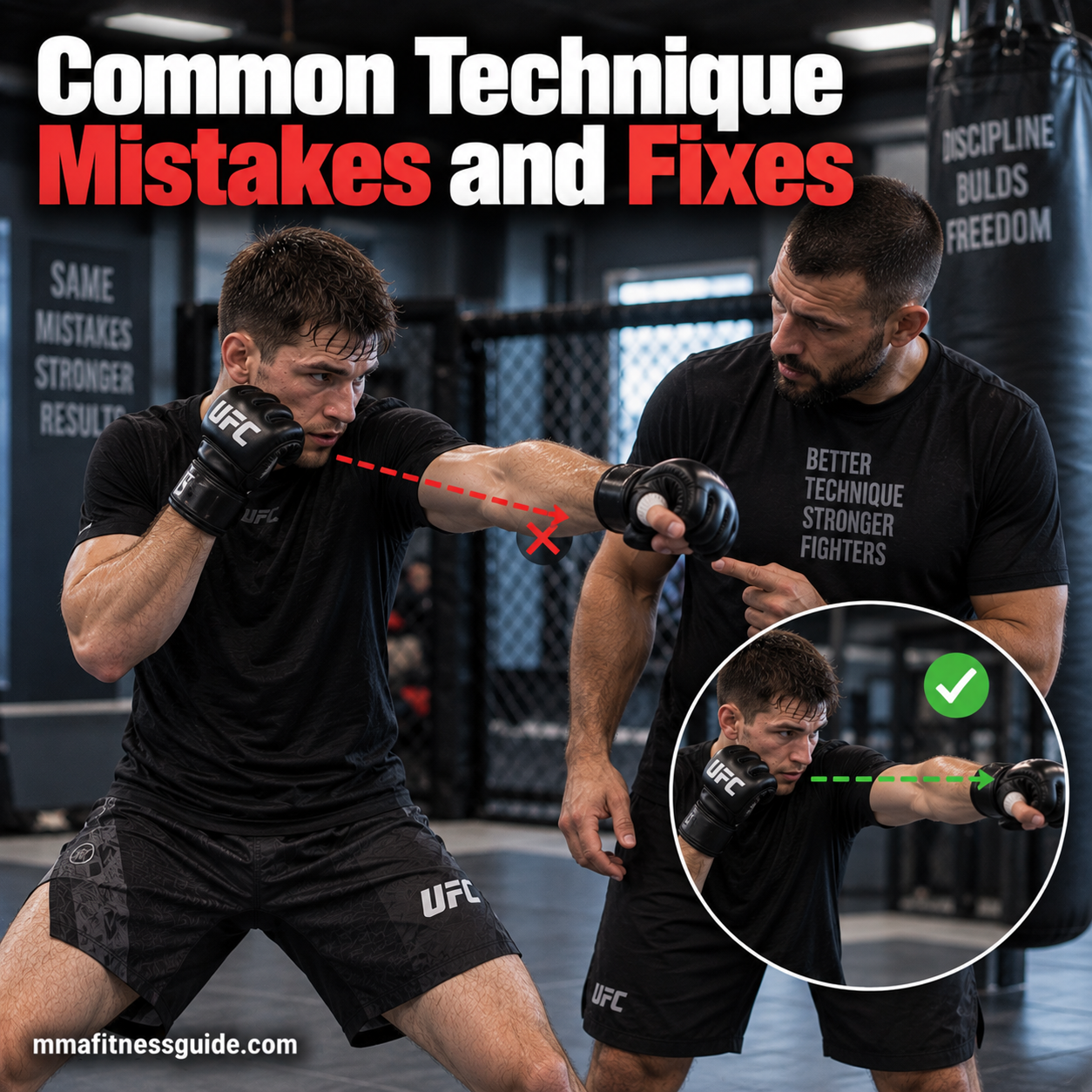
Common Counter-Striking Mistakes
Waiting Without Creating Threats
Counter-striking doesn’t mean standing still until the opponent attacks.
Use:
- Jabs
- Feints
- Footwork
- Distance changes
- Level-change threats
These actions can encourage predictable responses.
Trying to Counter Everything
Some attacks are better defended without immediately returning fire.
If the position isn’t right, reset.
Pulling Too Far Back
Excessive backward movement can compromise your stance and delay your counter.
Use the smallest movement necessary.
Countering Before the Combination Ends
Don’t assume the first punch is the only attack.
Read the entire exchange.
Admiring the Counter
Landing a clean counter doesn’t end the situation.
Move, defend, clinch, or continue the combination based on the opponent’s reaction.
Developing Better Counter-Striking Decisions
A useful progression is:
Recognize → defend → counter → reposition
First recognize the attack.
Then use the appropriate defense.
Return with a technically sound counter when an opening exists.
Finally, regain a position where you can respond to what happens next.
As skill improves, those stages begin to blend together.
Final Thoughts
Counter-striking works because attacks create temporary changes in distance, balance, guard position, and momentum.
The challenge is recognizing those changes quickly enough to use them.
Start with predictable partner drills. Practice compact slips, parries, pulls, and angle changes before increasing speed or adding multiple attacks. Then introduce feints, combinations, pressure, and controlled sparring.
A good counter doesn’t require dramatic movement. Often, it’s a small defensive adjustment followed immediately by a well-positioned strike—and an exit before the opponent can answer.