Which Martial Art Is Best for Street Fighting? A Realistic Comparison

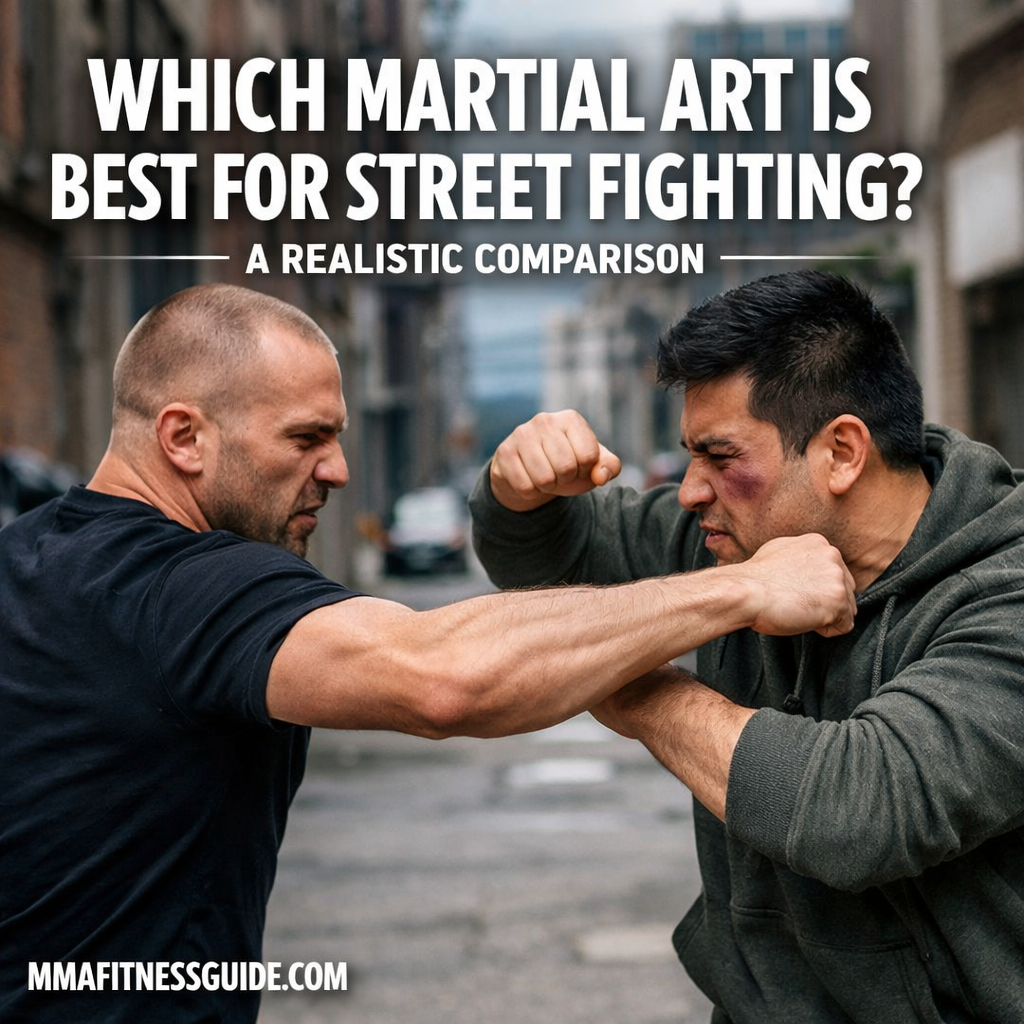
Two men demonstrating realistic street fighting techniques representing different martial arts in an urban setting.
A realistic comparison of martial arts effectiveness in street fighting scenarios.

The question of which martial art is “best” for street fighting comes up often—but it’s usually framed the wrong way. Real-world altercations are chaotic, unpredictable, and dangerous. There are no rules, no referees, and often multiple variables such as environment, weapons, surprise, and stress.

This article takes a realistic, safety-focused look at how different martial arts translate to real-world self-defense, what actually matters in street situations, and why mindset and awareness often matter more than style.

This is not about encouraging violence. The goal is understanding practical self-defense, avoidance, and survival.

Continue reading “Which Martial Art Is Best for Street Fighting? A Realistic Comparison”
Common Technique Mistakes and Fixes

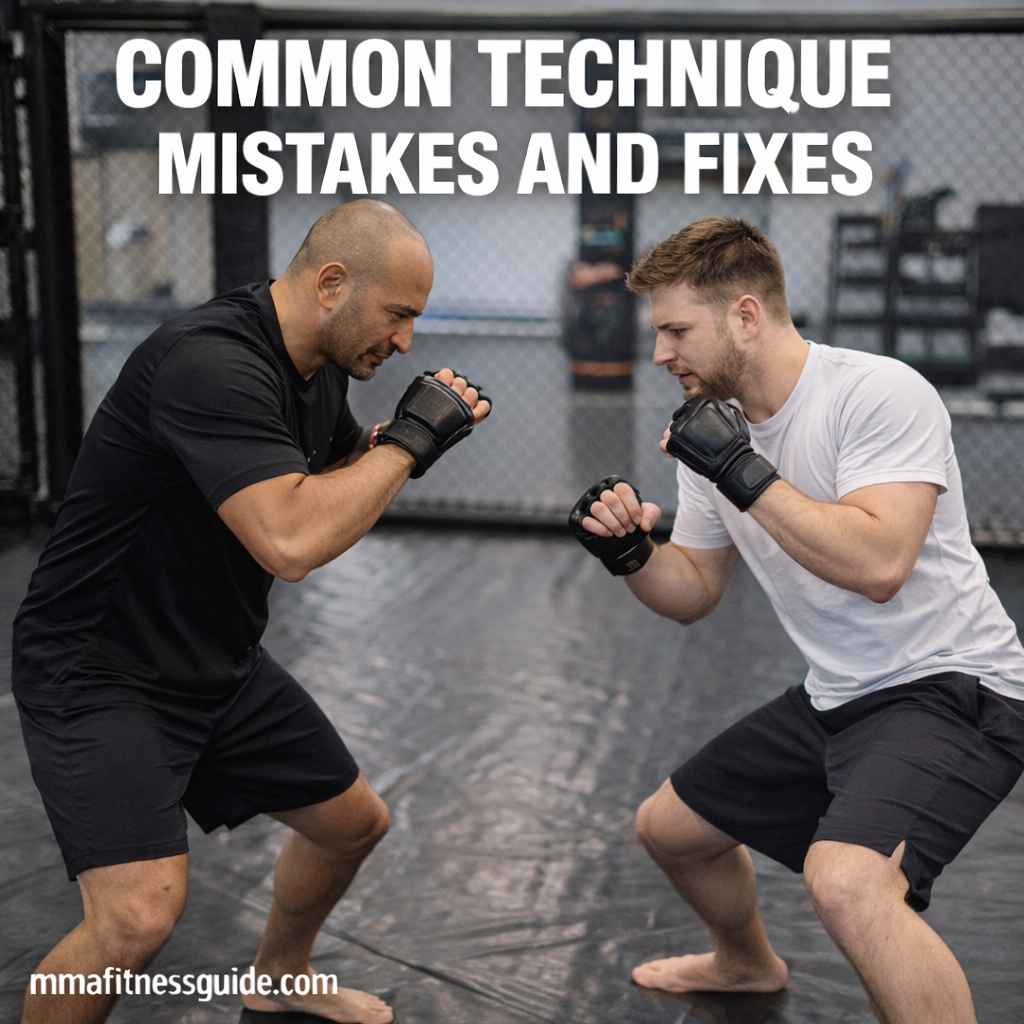
Two MMA fighters practicing proper footwork and stance positioning during a training session inside a gym.
Proper footwork and stance positioning help fighters avoid common technique mistakes during training.

Mastering martial arts techniques takes time, repetition, and attention to detail. Many practitioners train hard but unknowingly reinforce small technical mistakes that limit effectiveness, slow progress, or increase injury risk. These issues often appear across striking, grappling, and mixed martial arts styles.

This guide highlights common technique mistakes and practical fixes to help you train smarter and improve faster.

Continue reading “Common Technique Mistakes and Fixes”

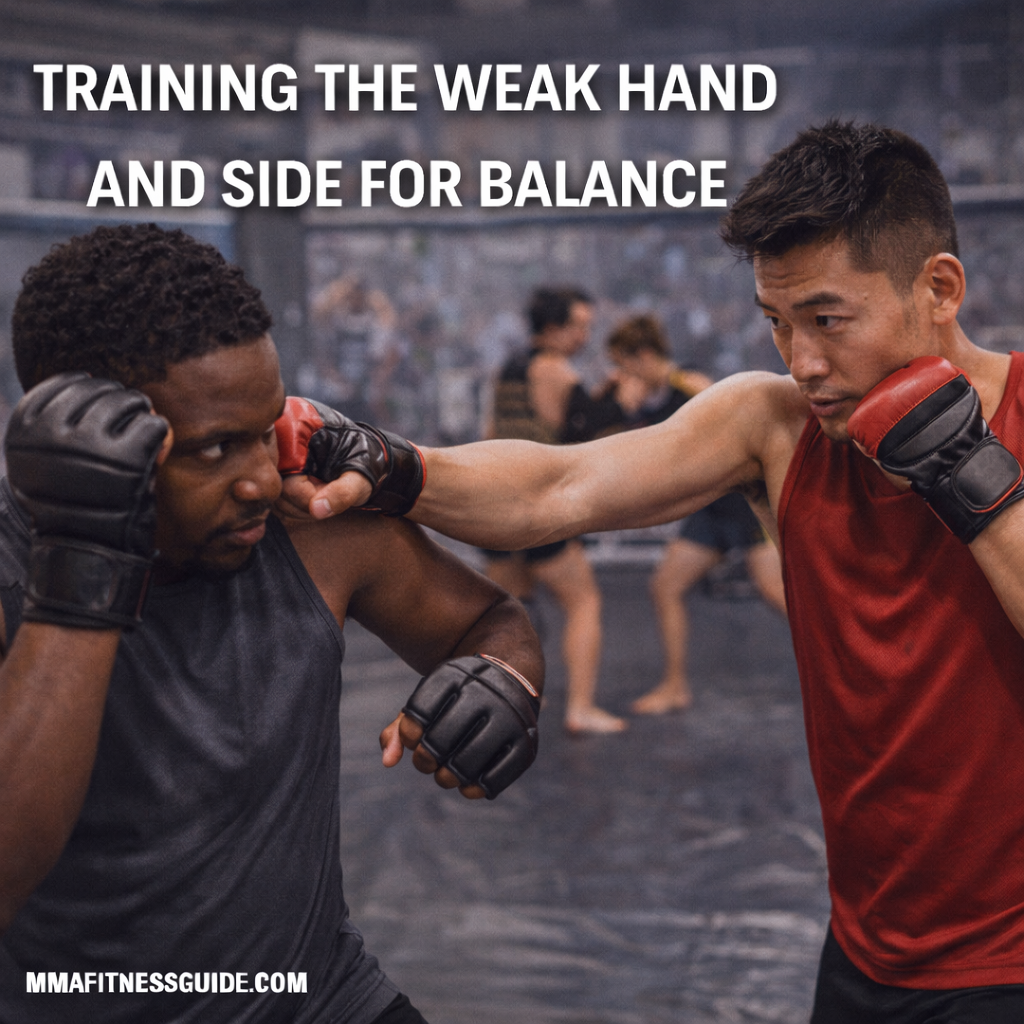
Training the Weak Hand and Side for Balance

MMA fighters practicing weak-hand striking and defensive balance during sparring, demonstrating training the non-dominant side for improved coordination.
MMA athletes train their weak hand and side to improve balance, coordination, and adaptability in striking and defense.

Every fighter has a strong side—and a weak one. While it’s natural to favor your dominant hand and lead side, overreliance creates predictable patterns, defensive gaps, and long-term imbalances. In MMA and striking arts, training the weak hand and side isn’t about becoming ambidextrous overnight—it’s about building balance, resilience, and adaptability.

This article explains why training your weak side matters, how it improves performance, and practical ways to develop it without stalling progress.

Continue reading “Training the Weak Hand and Side for Balance”

MMA: Build a Style Around Your Strengths

Split-image of MMA fighters using striking, grappling, and takedowns, representing how fighters build a style around their individual strengths.
MMA athletes demonstrate different fighting strengths, highlighting how building a personal style improves performance and confidence.

There is no single “perfect” fighting style in MMA. The most successful fighters don’t try to master everything at once—they build a style around their natural strengths. By leaning into what you do best and structuring training around those attributes, you can become more effective, confident, and consistent inside the cage.

This article explains how to build an MMA style around your strengths, identify your natural advantages, and avoid common mistakes that slow development.

Continue reading “MMA: Build a Style Around Your Strengths”

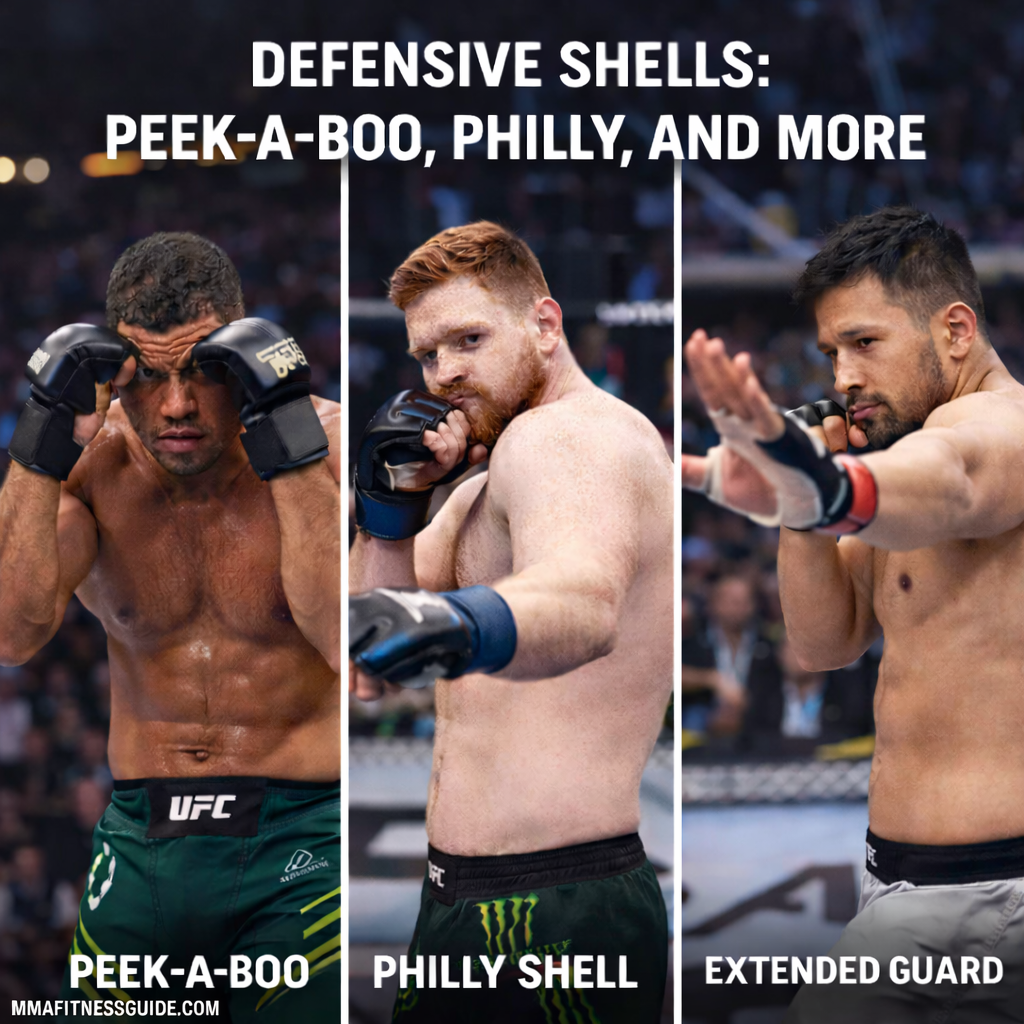
Defensive Shells: Peek-a-Boo, Philly, and More

Split-screen image of professional MMA fighters demonstrating defensive shells including Peek-a-Boo, Philly Shell, and extended guard inside an octagon.
Professional MMA fighters demonstrate different defensive shells, including Peek-a-Boo, Philly Shell, and extended guard techniques.

Defensive shells are structured guard positions designed to protect the head and body while setting up counters, movement, and control of distance. In boxing and MMA, understanding different defensive shells—such as the Peek-a-Boo and the Philly Shell—helps fighters reduce damage, manage pressure, and turn defense into offense.

This article breaks down the most common defensive shells, how they work, their strengths and weaknesses, and how they translate into modern MMA and striking-based combat sports.

Continue reading “Defensive Shells: Peek-a-Boo, Philly, and More”

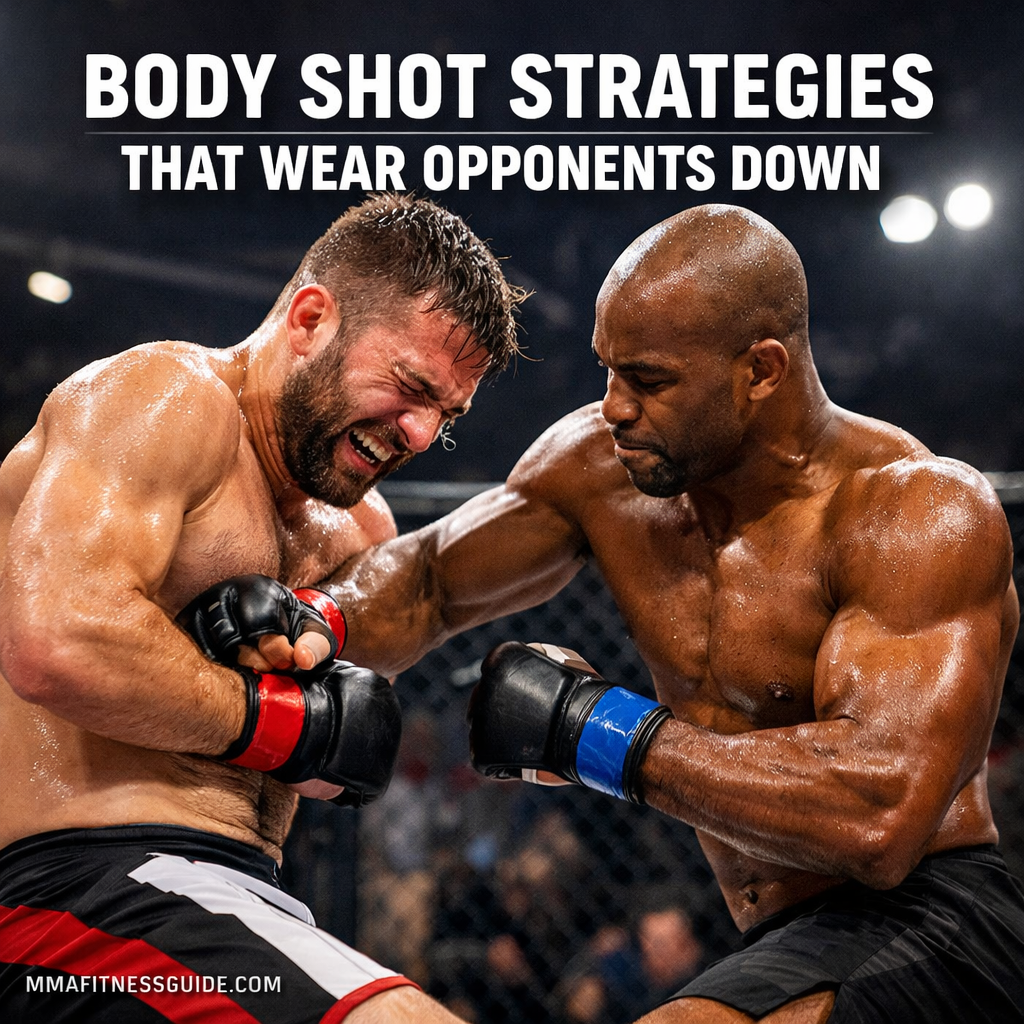
Body Shot Strategies That Wear Opponents Down

MMA fighters exchanging a powerful body shot during a fight, illustrating body shot strategies that wear opponents down in combat sports.
MMA fighters demonstrate effective body shot techniques used to drain stamina and wear opponents down over time.

Body shots are one of the most effective yet underused weapons in striking-based martial arts. While head strikes grab attention, disciplined attacks to the body quietly drain stamina, disrupt breathing, and mentally break opponents over time. In MMA, boxing, Muay Thai, and kickboxing, fighters who invest in body work often take over fights in the later rounds.

This guide breaks down proven body shot strategies that wear opponents down, explains why they work physiologically and tactically, and shows how to apply them across different martial arts styles.

Continue reading “Body Shot Strategies That Wear Opponents Down”

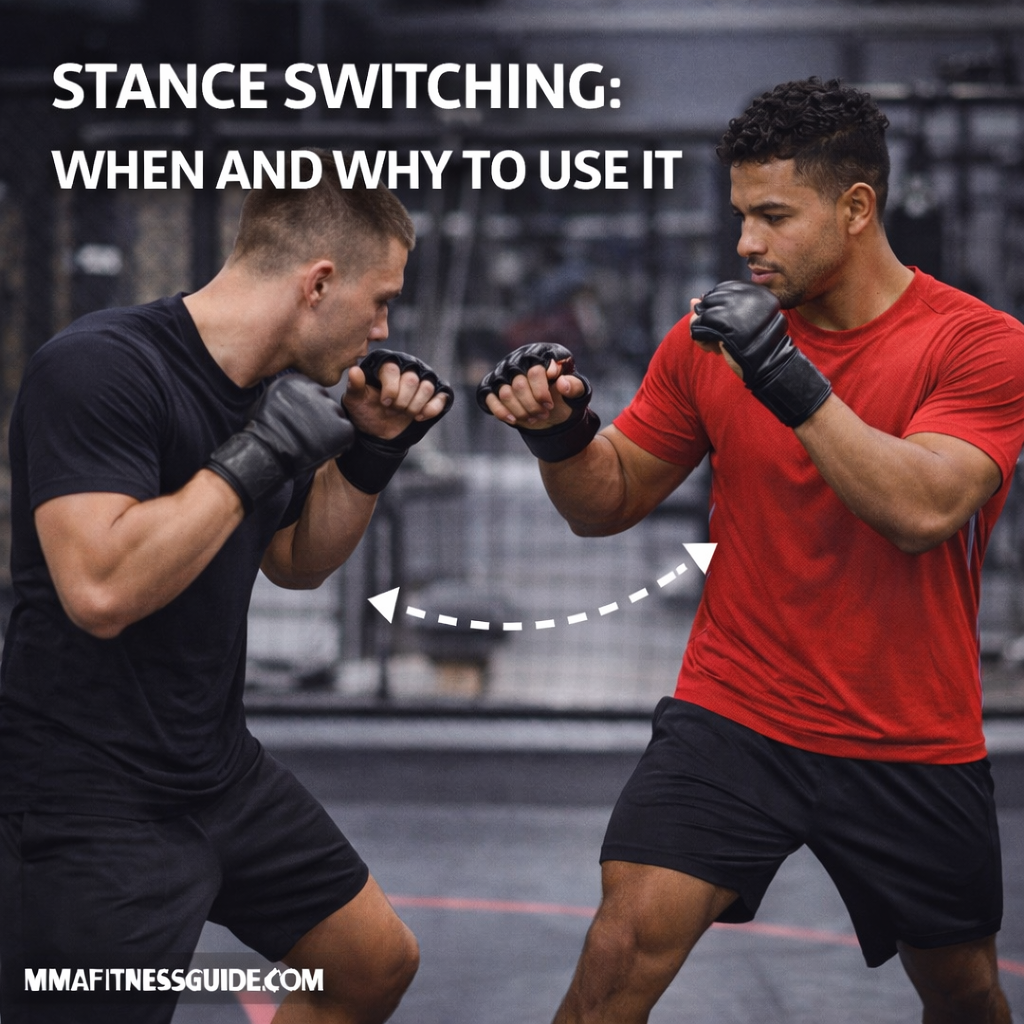
Stance Switching: When and Why to Use It

MMA fighters demonstrating stance switching during training, showing footwork changes and positioning used to create angles and tactical advantages.
MMA fighters practicing stance switching to create angles, disrupt timing, and expand striking options during training.

Introduction

Stance switching has become increasingly common in modern MMA and striking-based martial arts. Once considered an advanced or risky tactic, switching stances is now a fundamental skill used by elite fighters to create angles, confuse opponents, and open up attacks.

Understanding when and why to switch stances—and when not to—is essential for using this tool effectively rather than turning it into a liability.

Continue reading “Stance Switching: When and Why to Use It”

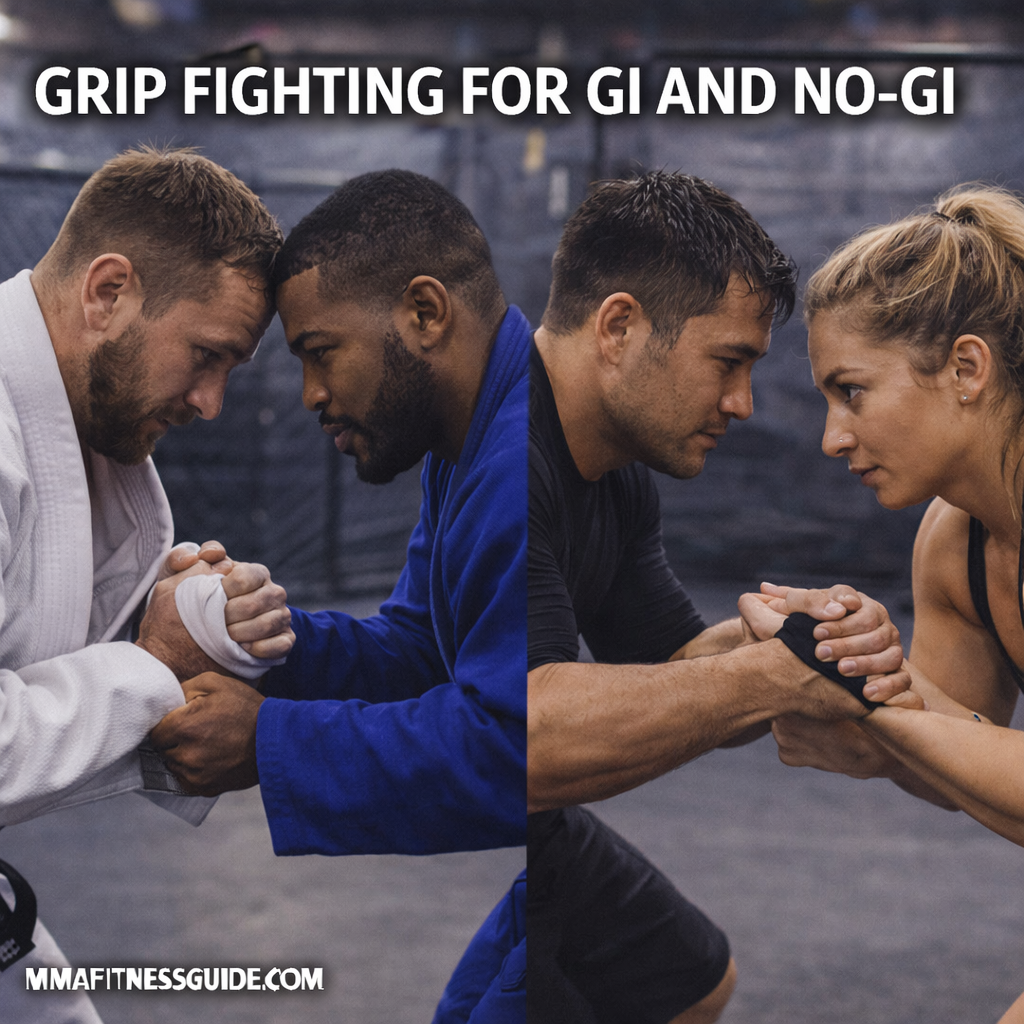
Grip Fighting for Gi and No-Gi

Grapplers practicing grip fighting in gi and no-gi training, showing hand control, posture, and connection in a gym setting.
Athletes demonstrating grip fighting techniques for gi and no-gi grappling, highlighting hand control and positional dominance.

Introduction

Grip fighting is one of the most decisive—and often underestimated—skills in grappling. Whether you train in gi or no-gi, the ability to establish, break, and transition grips determines who controls distance, tempo, and positioning. Many exchanges are effectively won or lost before a takedown, pass, or submission even begins.

Understanding the differences between gi and no-gi grip fighting helps fighters adapt their strategy, conserve energy, and impose their game more consistently.

Continue reading “Grip Fighting for Gi and No-Gi”

Breaking Down Famous Finishes: Technical Lessons

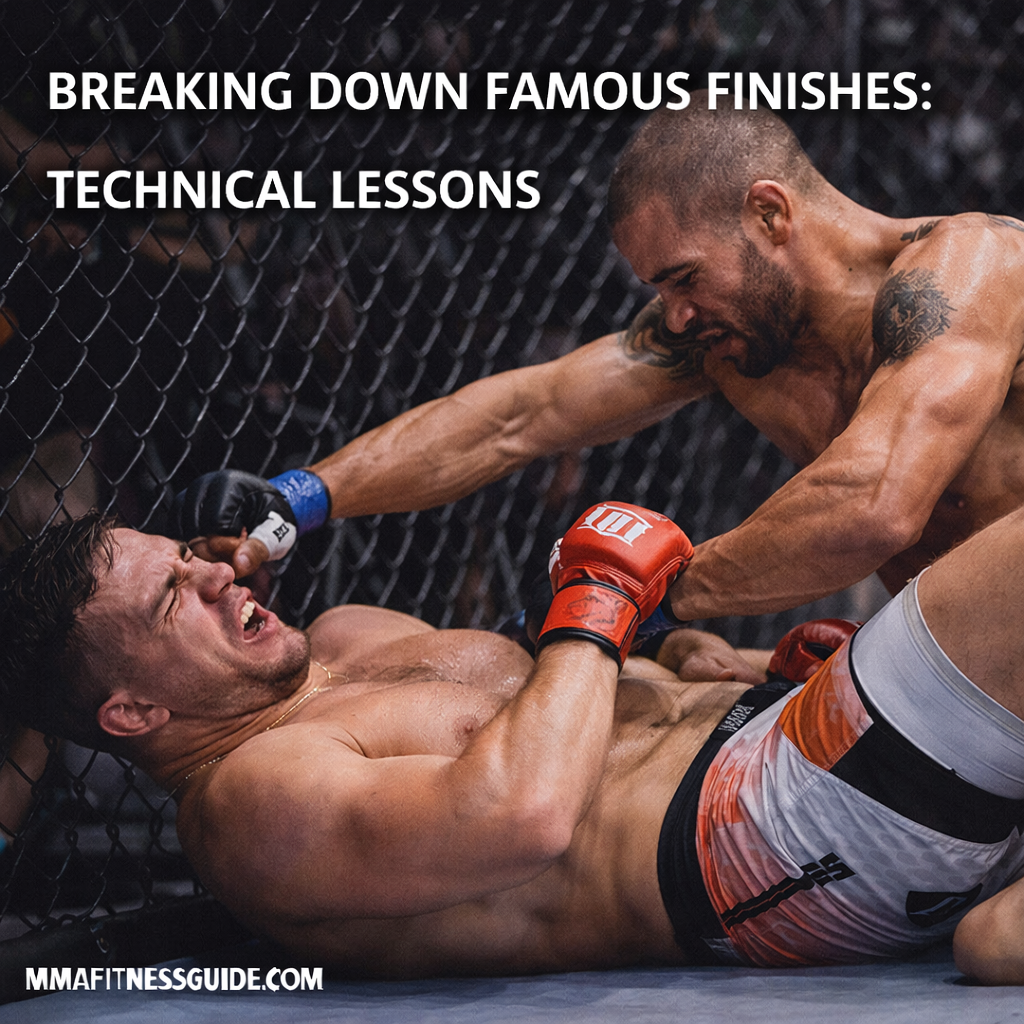
MMA fighters in a finishing sequence during a fight, highlighting technical execution, positioning, and timing in a decisive moment.
MMA athletes demonstrating a decisive fight finish, emphasizing the technical details and setups behind famous MMA moments.

Introduction

Some finishes in MMA become legendary—not just because they end fights, but because they showcase perfect timing, positioning, and technique under pressure. Famous finishes offer more than highlight reels; they provide valuable technical lessons that fighters at every level can study and apply.

By breaking down why these finishes worked, fighters can sharpen their own execution, improve decision-making, and avoid common mistakes that lead to being caught.

Continue reading “Breaking Down Famous Finishes: Technical Lessons”

Southpaw Adjustments for Orthodox Opponents

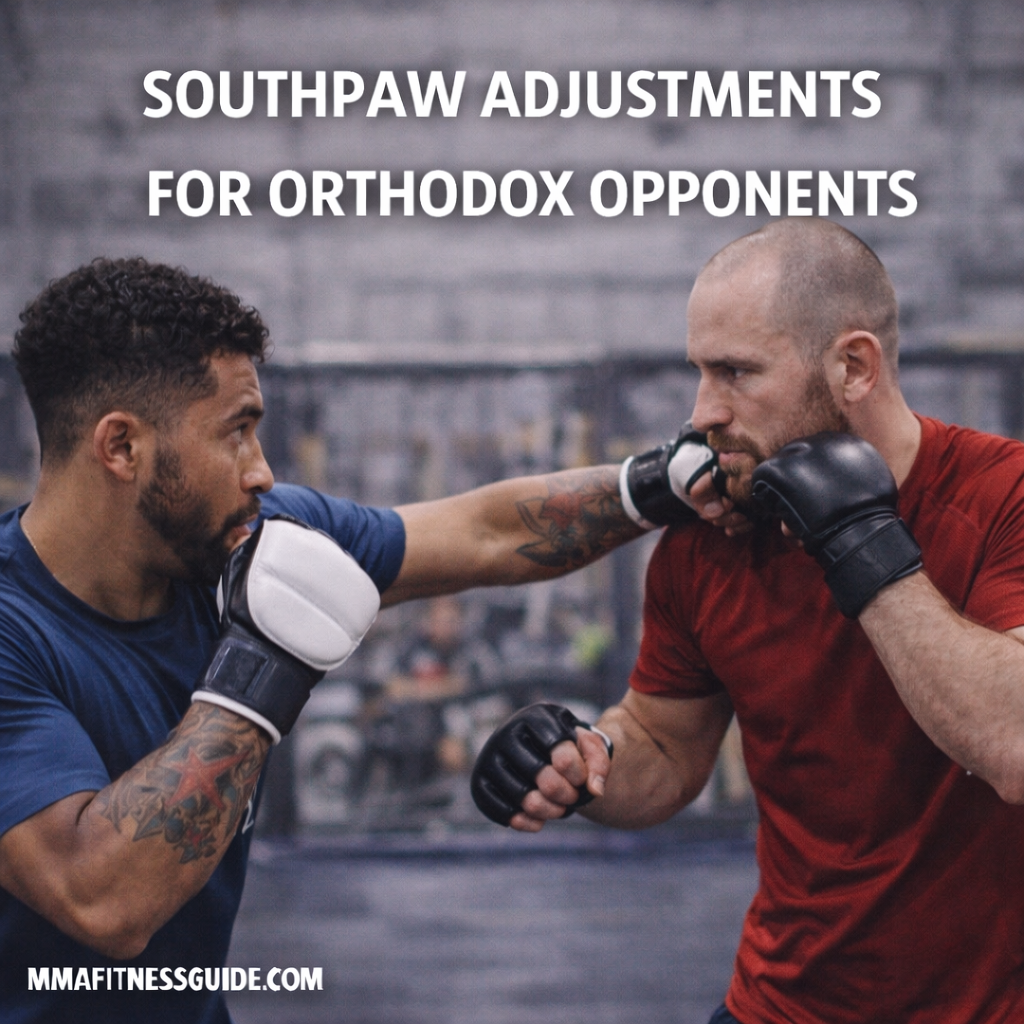
Two MMA fighters training in an open-stance matchup, demonstrating southpaw versus orthodox adjustments in striking and foot positioning.
MMA fighters practicing southpaw versus orthodox adjustments to improve angles, defense, and open-stance strategy.

Introduction

Facing a southpaw can be one of the most challenging adjustments for orthodox fighters. The open-stance matchup changes angles, timing, foot placement, and defensive responsibilities. Fighters who fail to adapt often walk into counters or struggle to establish rhythm.

Learning proper southpaw adjustments allows orthodox fighters to control distance, neutralize threats, and exploit openings that exist specifically in open-stance exchanges.

Continue reading “Southpaw Adjustments for Orthodox Opponents”