Hand and Wrist Care for Strikers

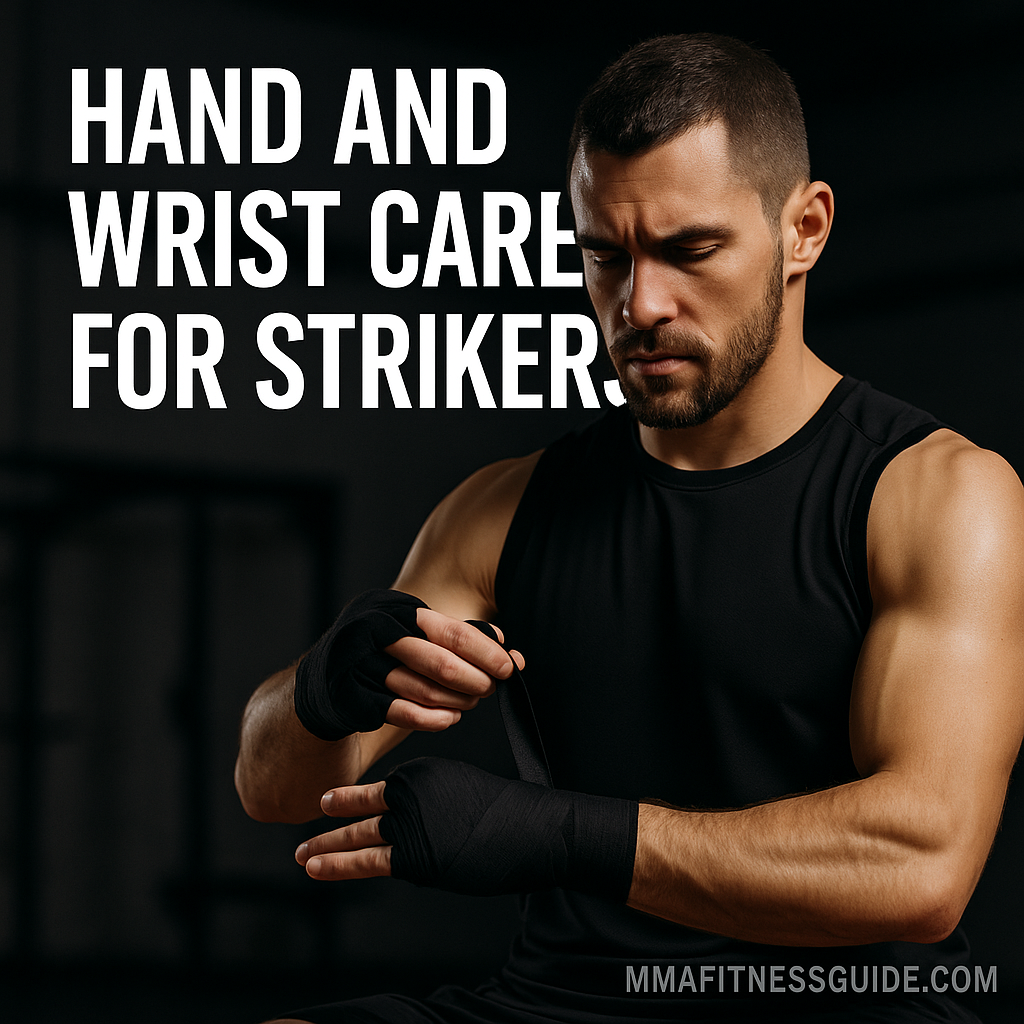
Male MMA striker wrapping his hands in a dim gym, demonstrating proper hand and wrist care with bold white title text.
A focused MMA fighter wrapping his hands as part of essential hand and wrist care for strikers.

Striking puts massive stress on the hands and wrists — especially in MMA, Muay Thai, and boxing, where fighters throw hundreds of punches per session. Even with wraps and gloves, small repetitive impacts add up over time, leading to soreness, swelling, and long-term damage if not properly managed.

Hand and wrist care isn’t optional for strikers. It’s a non-negotiable part of training longevity. This guide covers the best ways to protect your hands, strengthen the supporting muscles, and prevent the most common injuries in striking-heavy training.

Continue reading “Hand and Wrist Care for Strikers”
Neck Strengthening for Grapplers

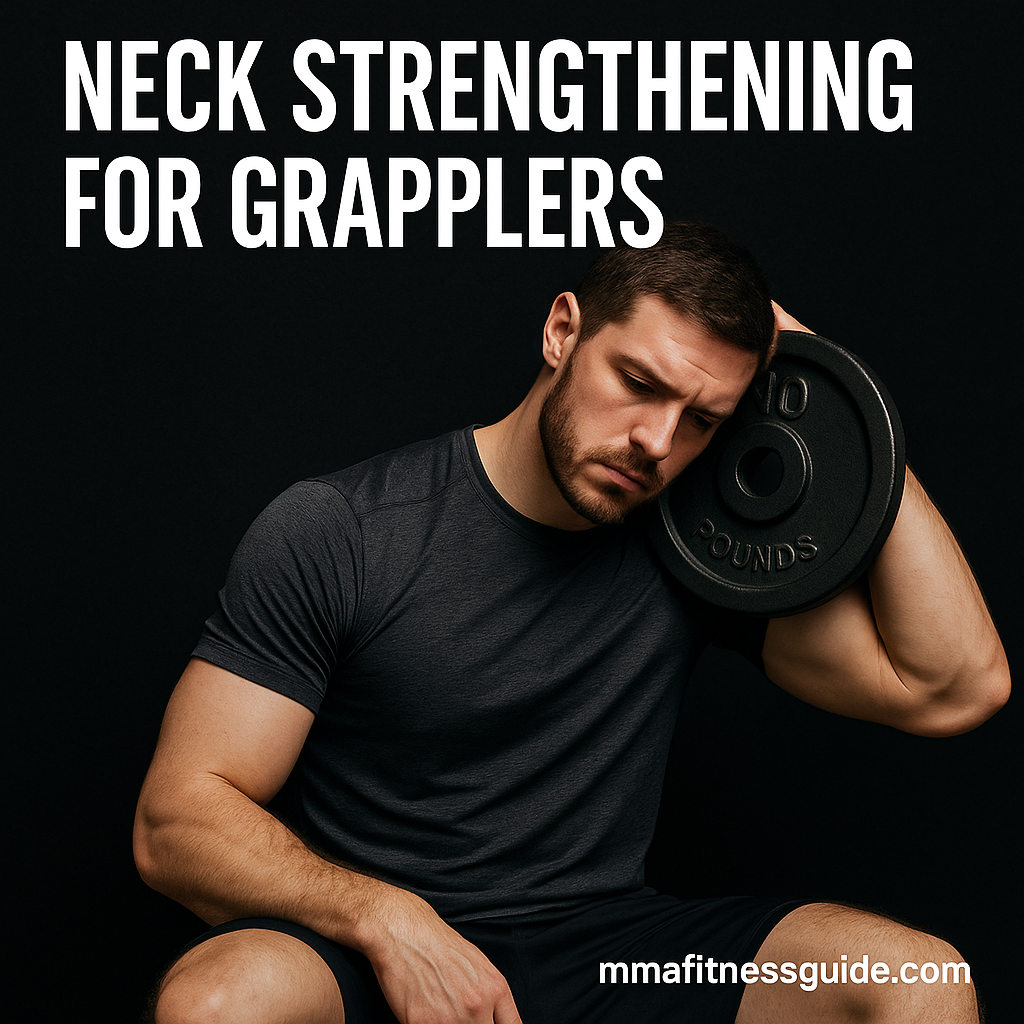
Male grappler performing a safe neck strengthening drill using a 10-pound weight plate against a dark background with title text Neck Strengthening for Grapplers.
Demonstration of a controlled neck strengthening exercise for grapplers using a 10-pound weight plate to build stability and injury resilience.

A strong neck is one of the most underrated assets for any grappler. Whether you train BJJ, wrestling, judo, sambo, or MMA, your neck is constantly exposed to strain — pulling, twisting, compressing, and absorbing force during scrambles, takedowns, and submissions. Strengthening it not only protects you from injury but also improves posture, balance, and defensive positioning.

This guide covers why neck strength matters, the best exercises, how often to train, and how to build a safer, more resilient grappler’s neck.

Continue reading “Neck Strengthening for Grapplers”

Ankle Sprain Prevention and Rehab

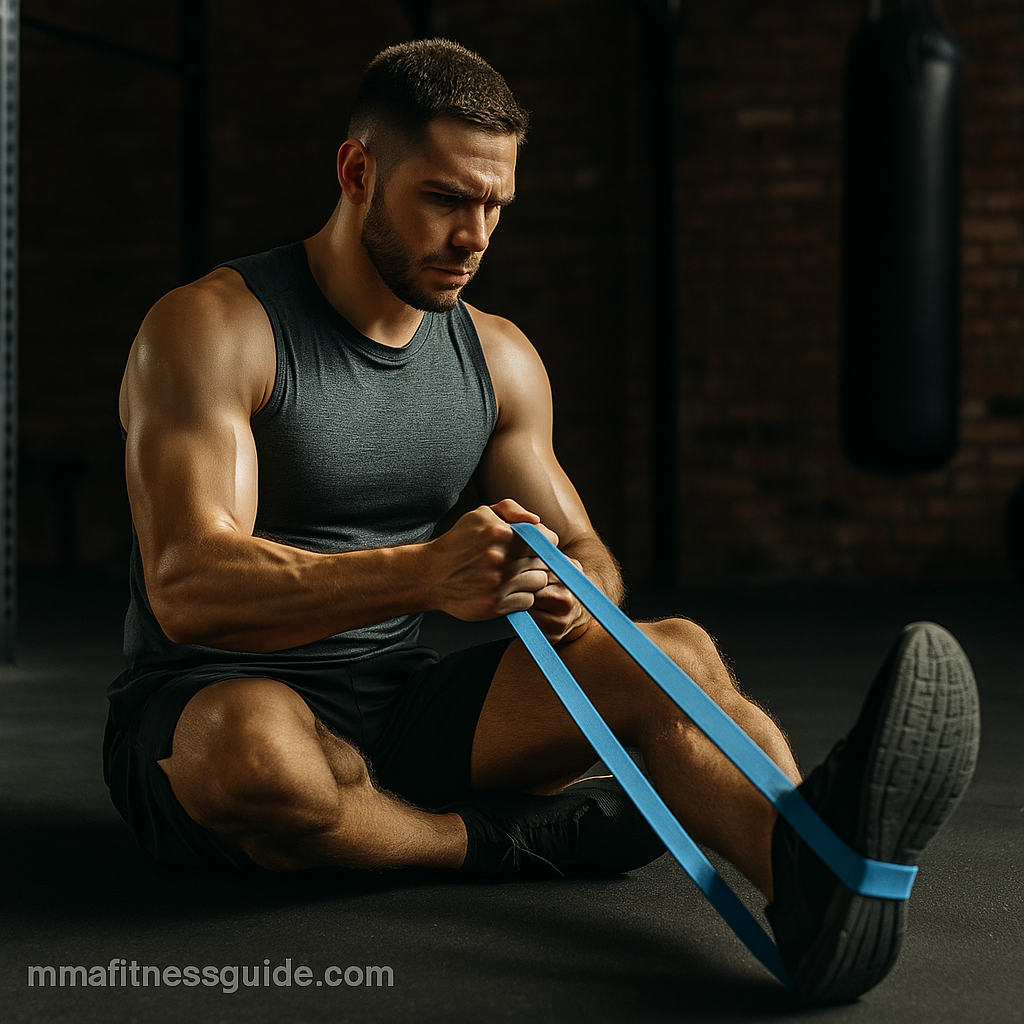
Male MMA athlete performing ankle rehab and balance exercises in a gym with focused expression.
Male MMA fighter doing ankle rehab and stability training to prevent sprains and strengthen balance after injury.

Why Ankles Matter More Than You Think

Every kick, pivot, and takedown in MMA starts from the ground up.
Your ankles provide the stability and mobility that allow you to move with power and precision.

But because they’re constantly under stress, they’re also one of the most commonly injured areas in combat sports — especially during sparring, takedown attempts, or awkward landings.

An ankle sprain may seem minor, but without proper prevention and rehab, it can linger for months and affect balance, striking, and confidence in movement.

Continue reading “Ankle Sprain Prevention and Rehab”

Cryotherapy vs Ice Baths: Which Works Better?

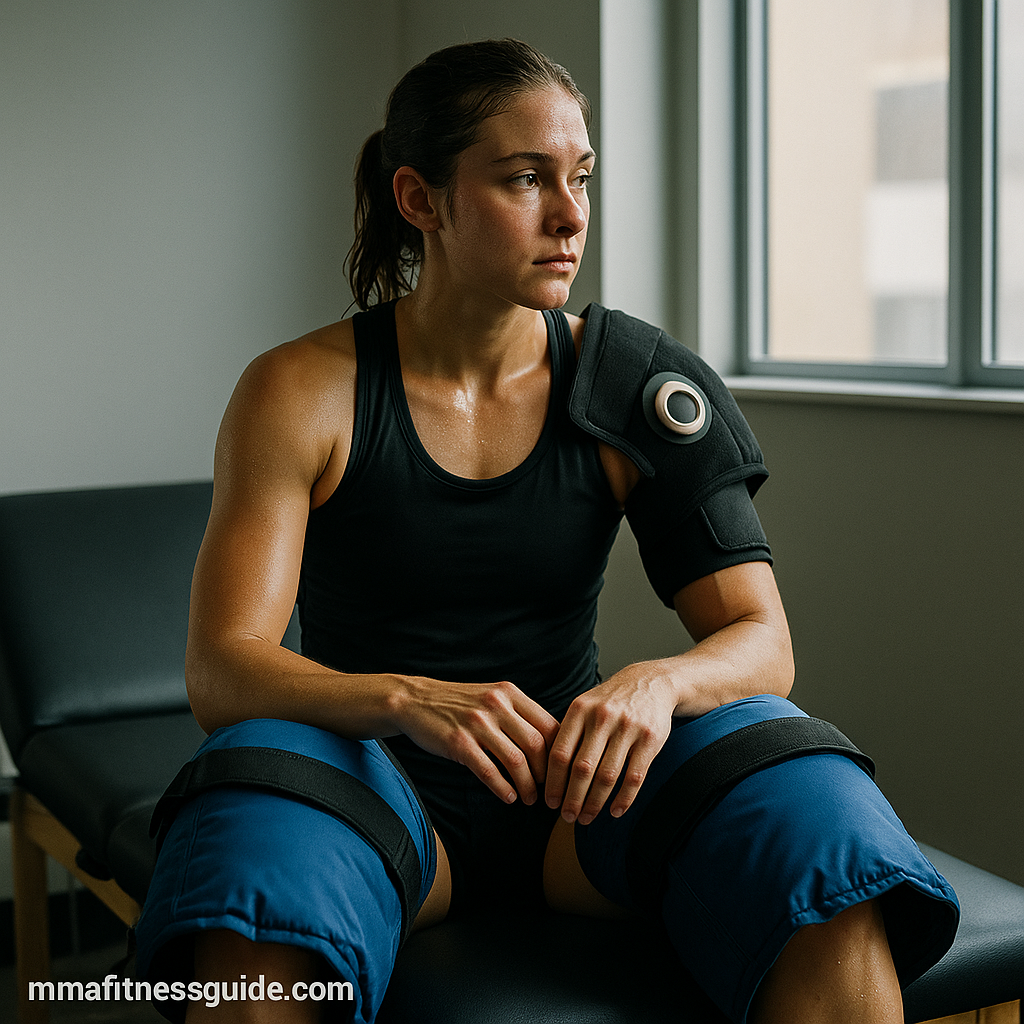
Female athlete recovering after MMA training using cold therapy gear beside an ice bath in a gym.
Female MMA athlete using cold therapy after a workout, comparing the benefits of cryotherapy and ice baths for recovery.

Cold Recovery — The Modern Debate

From old-school ice baths to cutting-edge cryotherapy chambers, cold treatment has become a recovery essential for MMA fighters.
Both methods promise to reduce soreness, speed up healing, and keep athletes training longer — but which actually works better?

The answer depends on your goals, access, and recovery style.

Continue reading “Cryotherapy vs Ice Baths: Which Works Better?”

Rehabilitation After Knee Surgery for Fighters

MMA fighter performing a supervised knee rehabilitation exercise after surgery in a combat sports gym.
Knee rehabilitation for MMA progresses from restoring basic movement and strength toward controlled sport-specific training.

Knee surgery can temporarily remove many of the movements an MMA fighter relies on most: pivoting into strikes, changing levels for takedowns, sprawling, scrambling, kicking, and driving through an opponent.

Returning to those movements involves more than waiting for the surgical site to heal. The knee has to regain range of motion, strength, stability, coordination, and the ability to tolerate progressively harder athletic loads.

The exact rehabilitation plan depends on the injury and procedure. An ACL reconstruction, meniscus repair, meniscus surgery, or treatment involving multiple knee structures can have substantially different restrictions and timelines. The surgeon and physical therapist should determine when an athlete progresses from one stage to the next.

Continue reading “Rehabilitation After Knee Surgery for Fighters”

The Role of Physical Therapy in Combat Sports

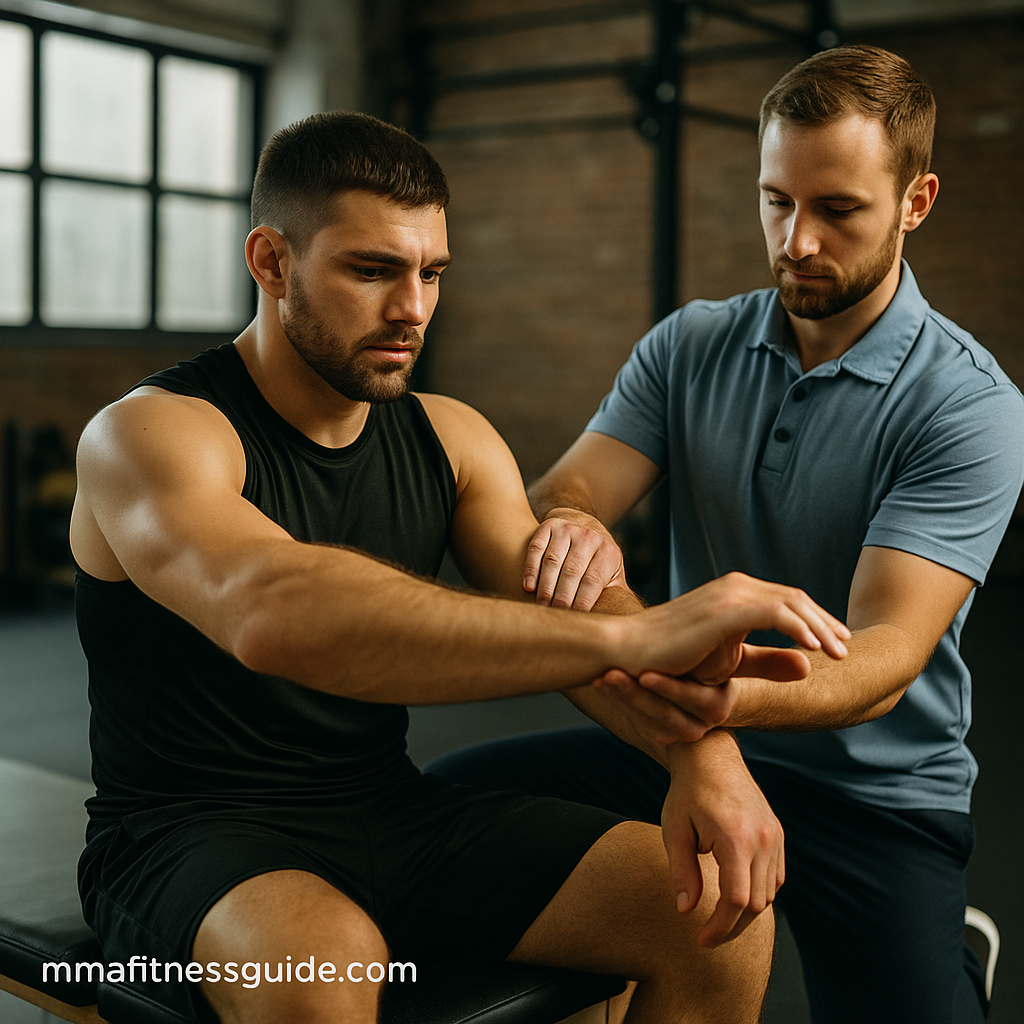
Male MMA fighter receiving arm therapy from a physical therapist in a gym with natural lighting.
Male MMA fighter working with a physical therapist to improve recovery and prevent injury in combat sports.

Healing Like a Fighter

In combat sports, injuries aren’t a matter of if — but when.
From muscle strains to joint issues, every fighter faces wear and tear over time. What separates professionals from amateurs isn’t avoiding injuries altogether — it’s how they recover and rebuild.

That’s where physical therapy (PT) becomes a game-changer.

Continue reading “The Role of Physical Therapy in Combat Sports”

Signs You’re Overtraining and How to Fix It

Female MMA fighter sitting on gym mats after training, wiping sweat with a towel and holding a water bottle under warm gym lighting.
Female MMA fighter resting after intense training, recognizing the signs of overtraining and focusing on recovery.

When Pushing Hard Becomes Pushing Too Far

MMA training is built on discipline and intensity. Fighters pride themselves on grinding harder than anyone else. But there’s a fine line between dedication and overtraining — and crossing it can destroy your progress.

Overtraining isn’t about a single tough day. It’s a pattern of physical exhaustion, mental fatigue, and recovery failure. Recognizing the signs early can help you prevent burnout, injuries, and long-term performance decline.

Continue reading “Signs You’re Overtraining and How to Fix It”

Active Recovery Days: Why They Matter

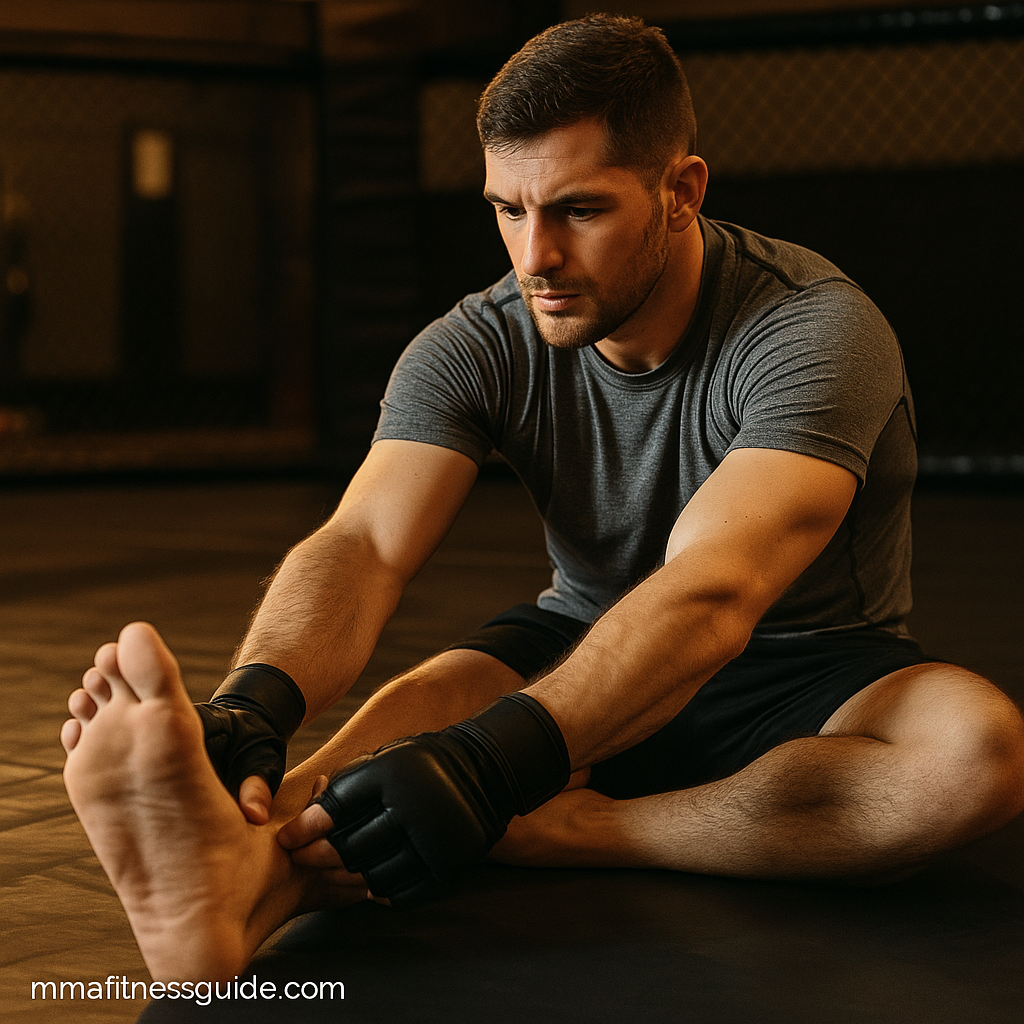
Male MMA athlete stretching on gym mats after training under warm lighting.
Male MMA athlete performing light stretching on gym mats during an active recovery session.

Rest Is a Weapon, Not a Weakness

In MMA, there’s a constant push to train harder, longer, and more intensely than everyone else.
But the truth is — growth happens during recovery, not during the grind.

Active recovery days give your muscles, joints, and nervous system the time they need to rebuild stronger. They’re not “days off” — they’re part of a smarter training strategy.

If you’ve ever felt burnt out, sore, or plateaued despite training constantly, chances are you’re not recovering enough.

Continue reading “Active Recovery Days: Why They Matter”

Foam Rolling Techniques for Martial Artists

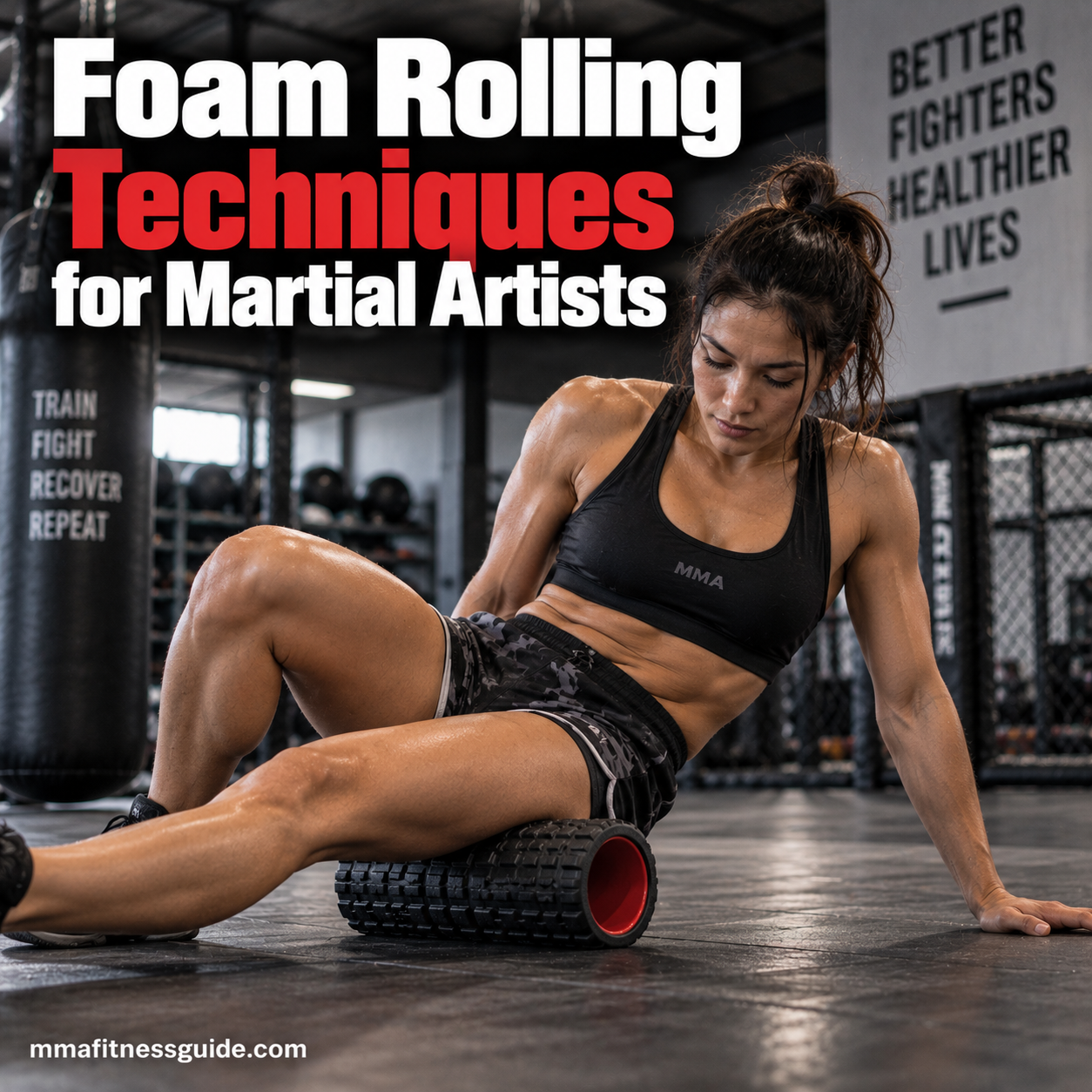
Martial artist using a foam roller on her thigh during recovery in an MMA gym
Targeted foam rolling can help martial artists manage muscular tightness and maintain comfortable movement between training sessions.

A long session of kicking can leave the calves and quads tight. Wrestling rounds often load the hips, glutes, and upper back, while repeated punching and clinch work can leave the shoulders and lats feeling stiff. When that tightness carries into the next session, stance changes, kicks, shots, and defensive movements may feel less comfortable.

Foam rolling gives martial artists a simple way to apply controlled pressure to those heavily worked muscles. A few minutes before training may temporarily improve range of motion in a tight area, while post-training rolling can help reduce the perception of muscle soreness.

The technique matters more than how hard you can press. Slow passes, moderate pressure, and attention to the muscles that actually feel restricted are usually more useful than aggressively rolling the entire body.

Continue reading “Foam Rolling Techniques for Martial Artists”

How to Recover from Shoulder Injuries in MMA

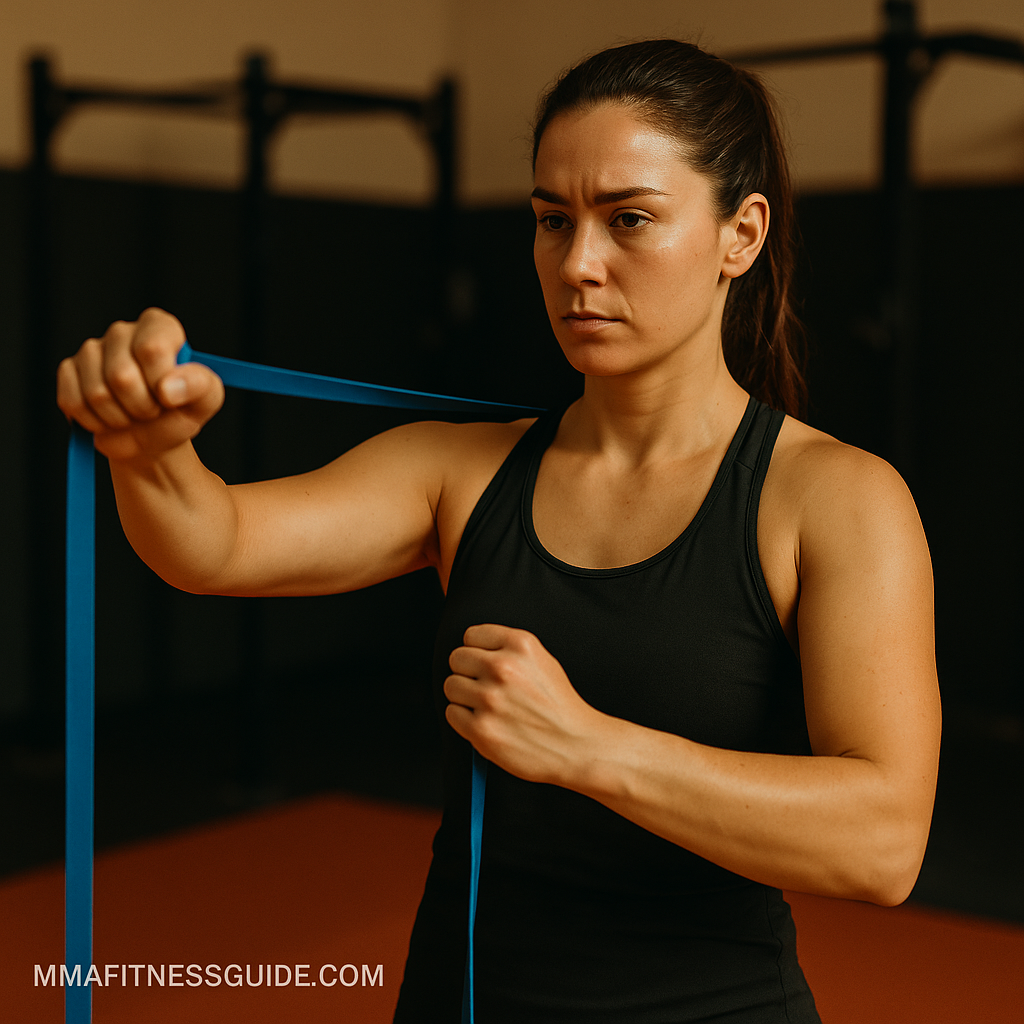
Female MMA fighter performing shoulder rehab exercise with resistance band under warm gym lighting.
Female MMA fighter doing shoulder rehabilitation with resistance bands, focusing on strength and recovery after injury.

Shoulders: The Fighter’s Most Vulnerable Joint

From explosive punches to grappling scrambles, few joints in MMA take as much punishment as the shoulders.
Every strike, clinch, and submission demands stability, power, and endurance from this complex joint — which makes it one of the most commonly injured areas in the sport.

Whether it’s a minor strain or a full rotator cuff tear, shoulder injuries can sideline even the toughest fighters.
But with the right approach to recovery, you can come back stronger — and smarter.

Continue reading “How to Recover from Shoulder Injuries in MMA”