Shin Splints: Prevention and Care

A male athlete sitting on the gym floor massaging his shin, illustrating shin splint pain, with the article title and mmafitnessguide.com watermark displayed.
A fighter seated on the gym mats checking his lower leg, visually representing shin splint prevention and care.

Shin splints are one of the most common overuse injuries in MMA and combat sports. Whether you’re drilling kicks, running for conditioning, or pushing through long training sessions, the repeated impact can irritate the muscles and connective tissue along the shin.
Left unchecked, shin splints can turn from a minor annoyance into a serious setback.

Understanding what causes shin splints — and how to prevent and treat them — helps you stay consistent, reduce pain, and protect your long-term performance.

Continue reading “Shin Splints: Prevention and Care”
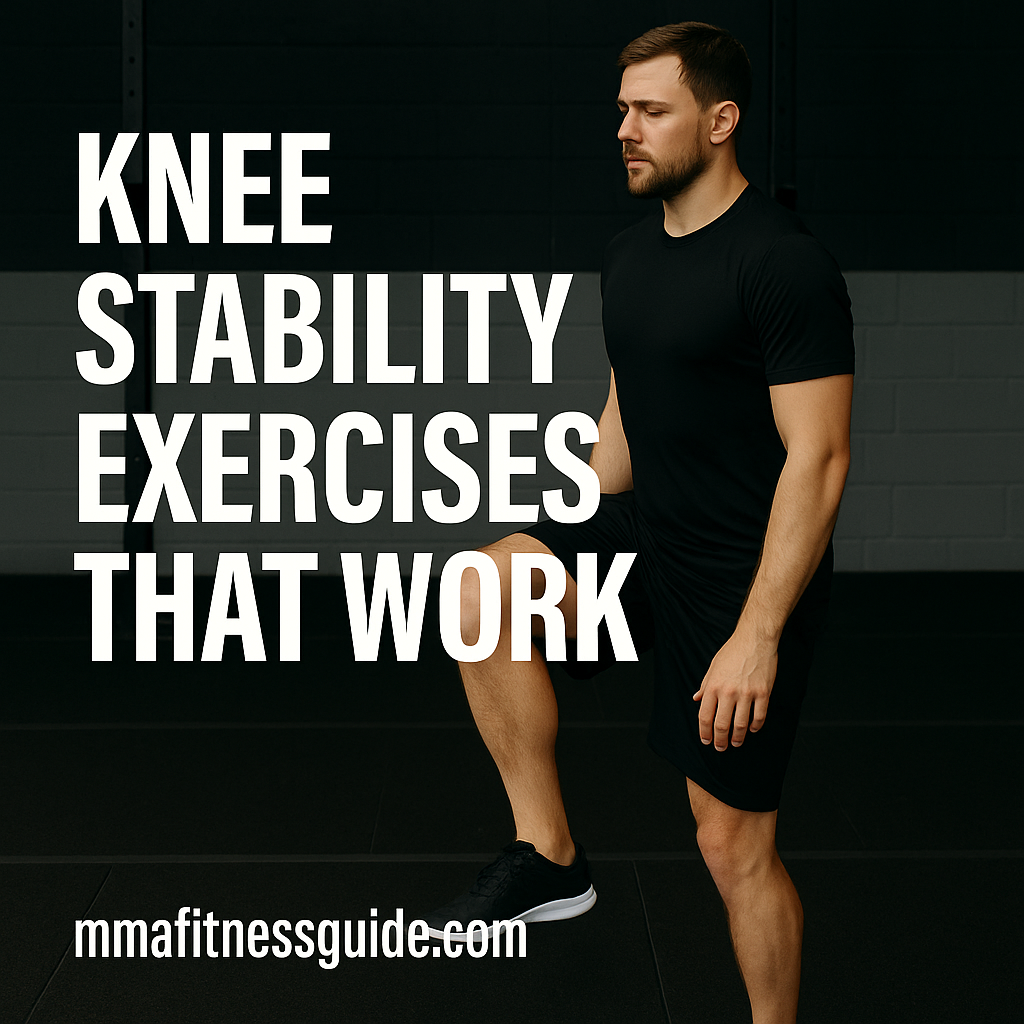
Knee Stability Exercises That Work

A man performing a knee stability drill on one leg inside a gym, demonstrating exercises that help strengthen and stabilize the knees for combat sports.
A fighter practicing a single-leg knee stability exercise in the gym, highlighting movements that support stronger and safer knees.

Strong, stable knees are essential for every fighter. Whether you’re shooting takedowns, checking kicks, pivoting on strikes, or scrambling on the ground, your knees take a beating in MMA. Without proper stability training, the risk of sprains, ACL injuries, and chronic pain goes way up.

The good news: you can build strong, resilient knees with simple exercises that improve balance, joint control, and the strength of the muscles surrounding the knee.

These knee stability exercises work for fighters at every level — and they take just a few minutes a day.

Continue reading “Knee Stability Exercises That Work”

MMA: Improve Posture for Combat Sports

A fighter standing with strong, upright posture inside an MMA gym, used to illustrate an article about improving posture for combat sports.
An MMA athlete showing proper upright posture inside the gym for the posture improvement guide.

Posture isn’t just about standing up straight — in combat sports, it’s the foundation of power, balance, speed, and injury prevention. Whether you’re striking, grappling, or transitioning between positions, good posture helps you generate force efficiently while staying protected. Poor posture, on the other hand, leads to slower reactions, weaker strikes, compromised balance, and a much higher chance of injury.

Improving posture is one of the simplest ways to boost performance in MMA.

Continue reading “MMA: Improve Posture for Combat Sports”

Building Durable Shoulders and Hips

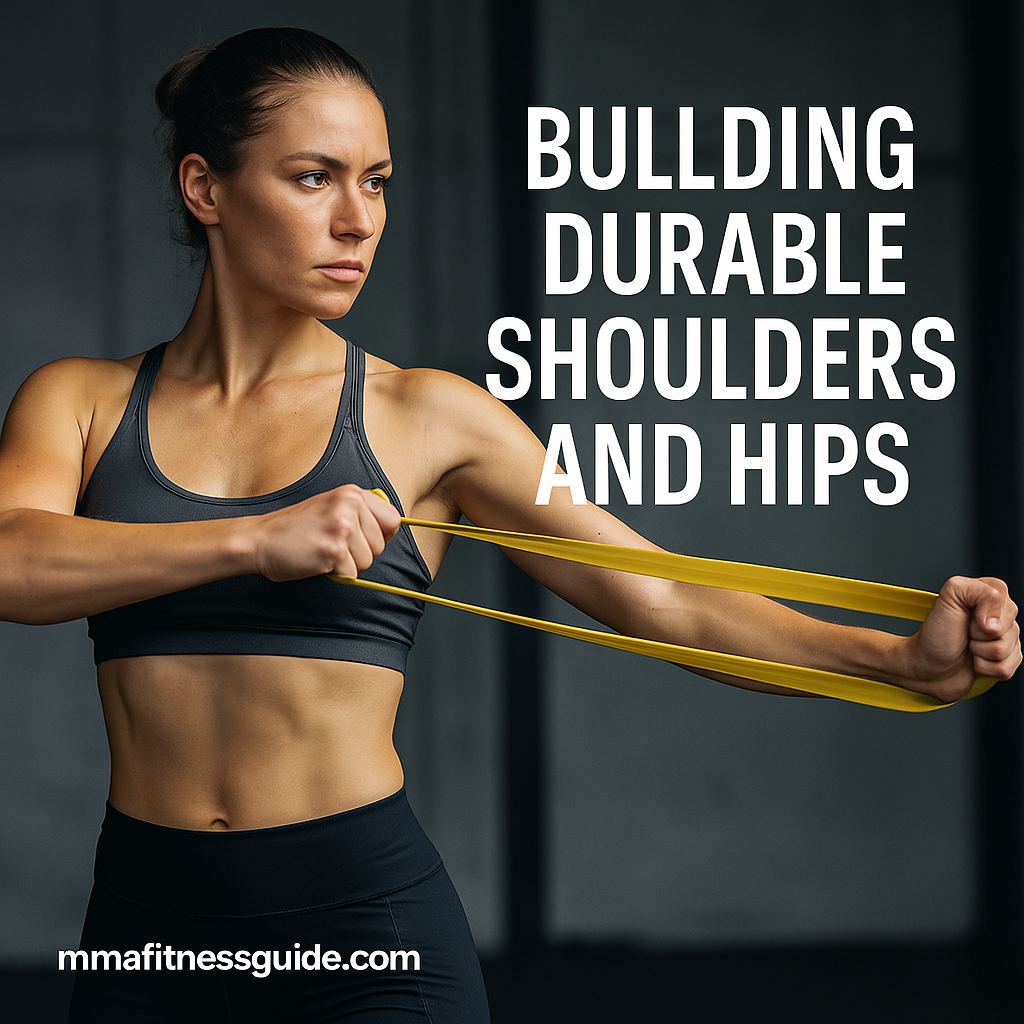
Female athlete performing resistance band shoulder exercise to build durable shoulders and hips.
Female MMA athlete strengthening shoulder and hip stability with resistance band training.

Shoulders and hips are two of the most stressed areas in MMA. From explosive strikes to grappling scrambles and takedown battles, these joints take constant impact, torque, and load. Building durable shoulders and hips isn’t just about strength — it’s about mobility, stability, and long-term resilience.

Continue reading “Building Durable Shoulders and Hips”

Should You Train Through Minor Pain?

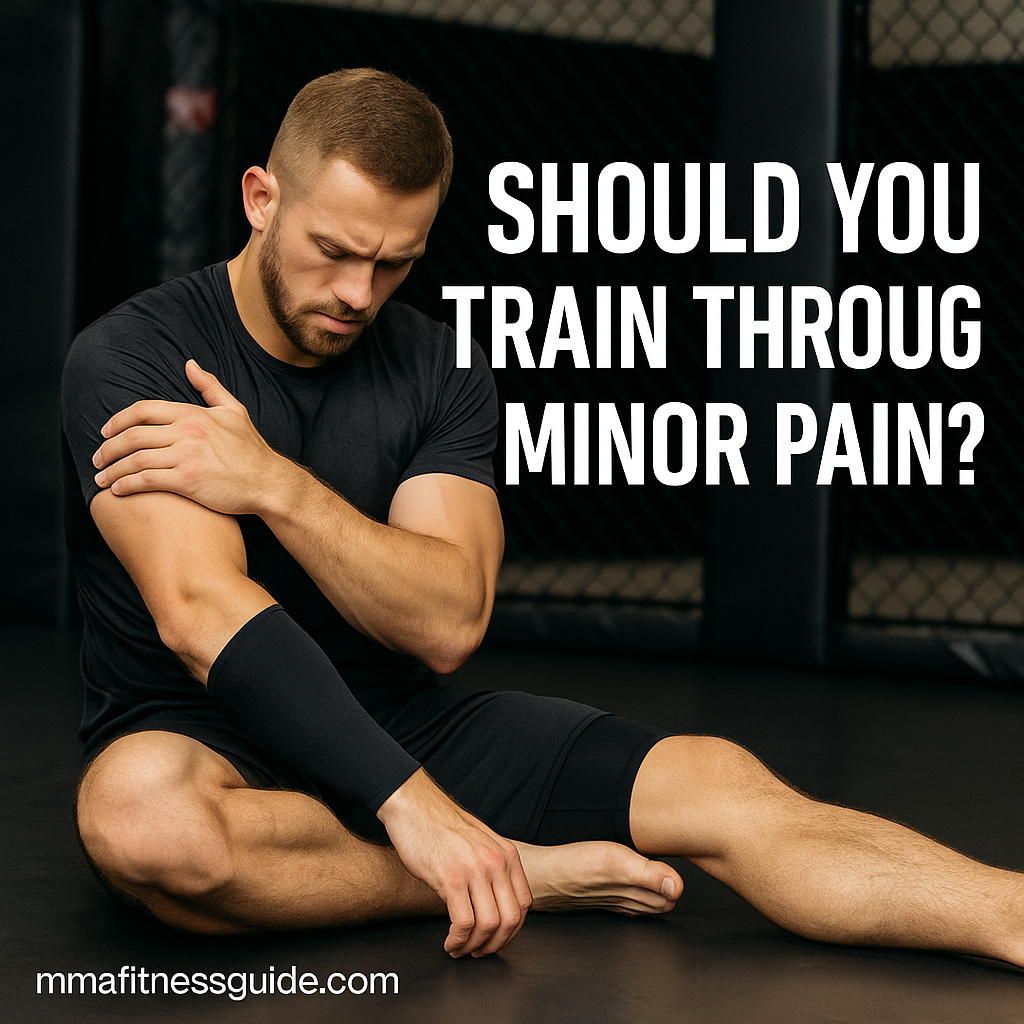
A muscular male MMA athlete sitting on the mats holding his shoulder in discomfort, with the title “Should You Train Through Minor Pain?” displayed.
A fighter evaluating whether minor pain is safe to train through during MMA sessions.

Introduction

Every fighter has felt it — a nagging ache, a tight joint, or a small pinch during warm-ups. In MMA, “minor pain” is almost a normal part of training. But knowing when to push through and when to back off is one of the most important skills for long-term success.

Ignore the wrong pain, and you can turn a small issue into a real injury. Rest too often, and you miss out on valuable training. This guide breaks down how to judge pain, protect your body, and train smart without derailing your progress.

Continue reading “Should You Train Through Minor Pain?”

Breathing and Relaxation for Faster Healing

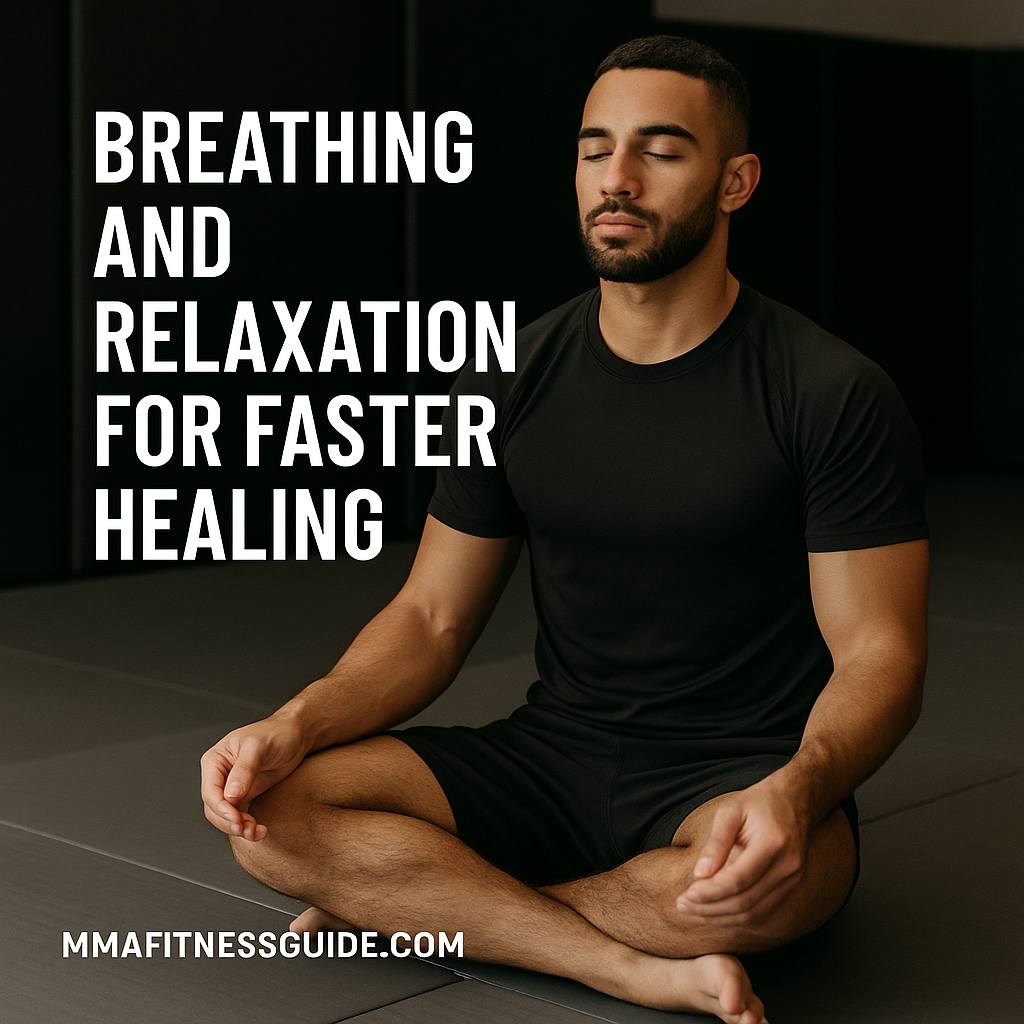
Fit male MMA athlete sitting cross-legged on the mats with eyes closed, practicing deep breathing and relaxation, with the title “Breathing and Relaxation for Faster Healing” displayed.
A fighter using controlled breathing and relaxation techniques to speed up recovery and reduce stress.

Introduction

When fighters get injured, the first instinct is usually to focus on physical rehab — ice, mobility drills, strength work, or rest. But many athletes overlook one of the most powerful recovery tools they already have: their breath.

Breathing and relaxation techniques activate the body’s natural healing systems, reduce inflammation, and calm the nervous system. Used consistently, they improve how quickly you recover from training, minor injuries, and day-to-day stress.

Here’s how fighters can use controlled breathing and relaxation to speed up healing.

Continue reading “Breathing and Relaxation for Faster Healing”

Recovery Timelines: Expectations After Injury

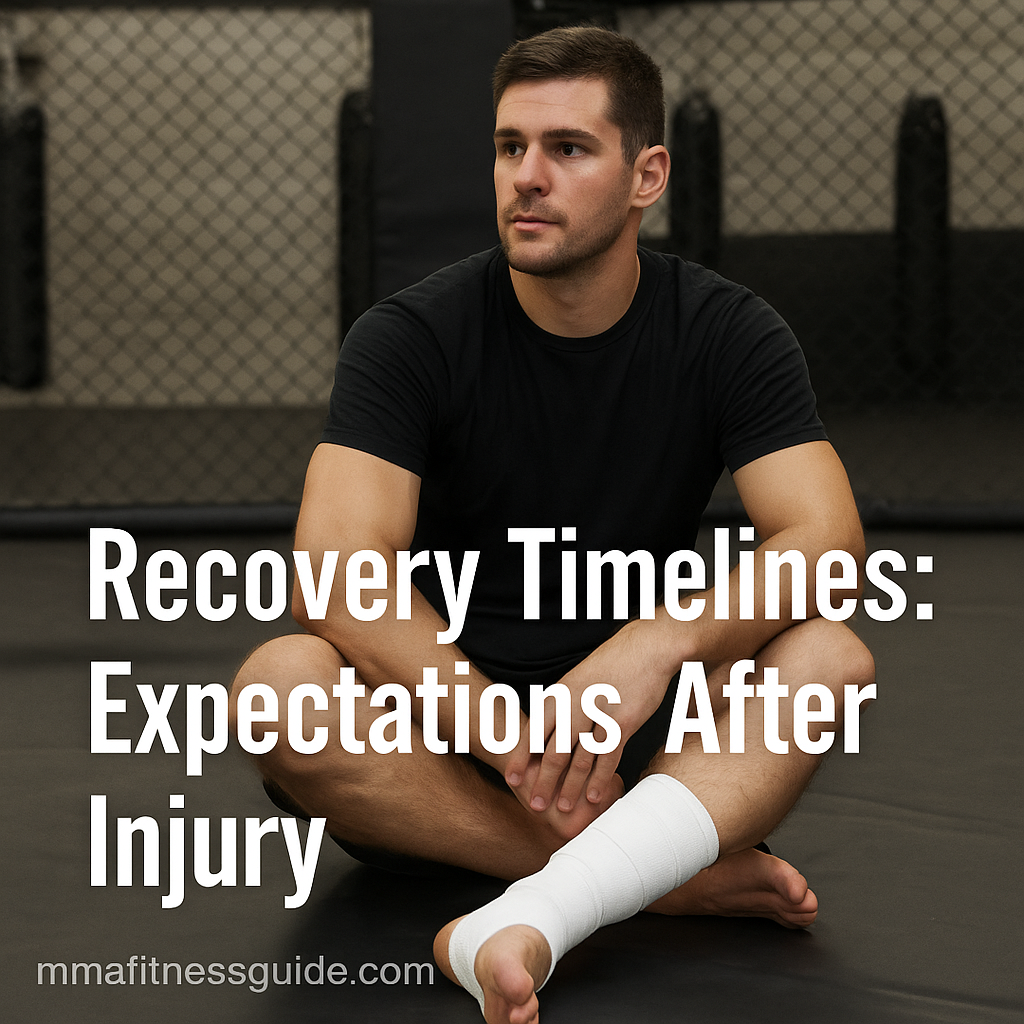
Male MMA athlete sitting on the mats with a wrapped ankle, resting calmly in the gym with the title “Recovery Timelines: Expectations After Injury” displayed.
A fighter taking time to recover after an injury, following safe recovery timelines before returning to full training.

Introduction

Recovering from an injury is one of the most frustrating parts of combat sports. You want to get back on the mats, keep improving, and stay consistent — but pushing too soon can turn a minor injury into a long-term problem. Knowing realistic recovery timelines helps you stay patient, avoid setbacks, and return to training stronger than before.

Here’s what you can expect from common MMA injuries and how to manage recovery the smart way.

Continue reading “Recovery Timelines: Expectations After Injury”

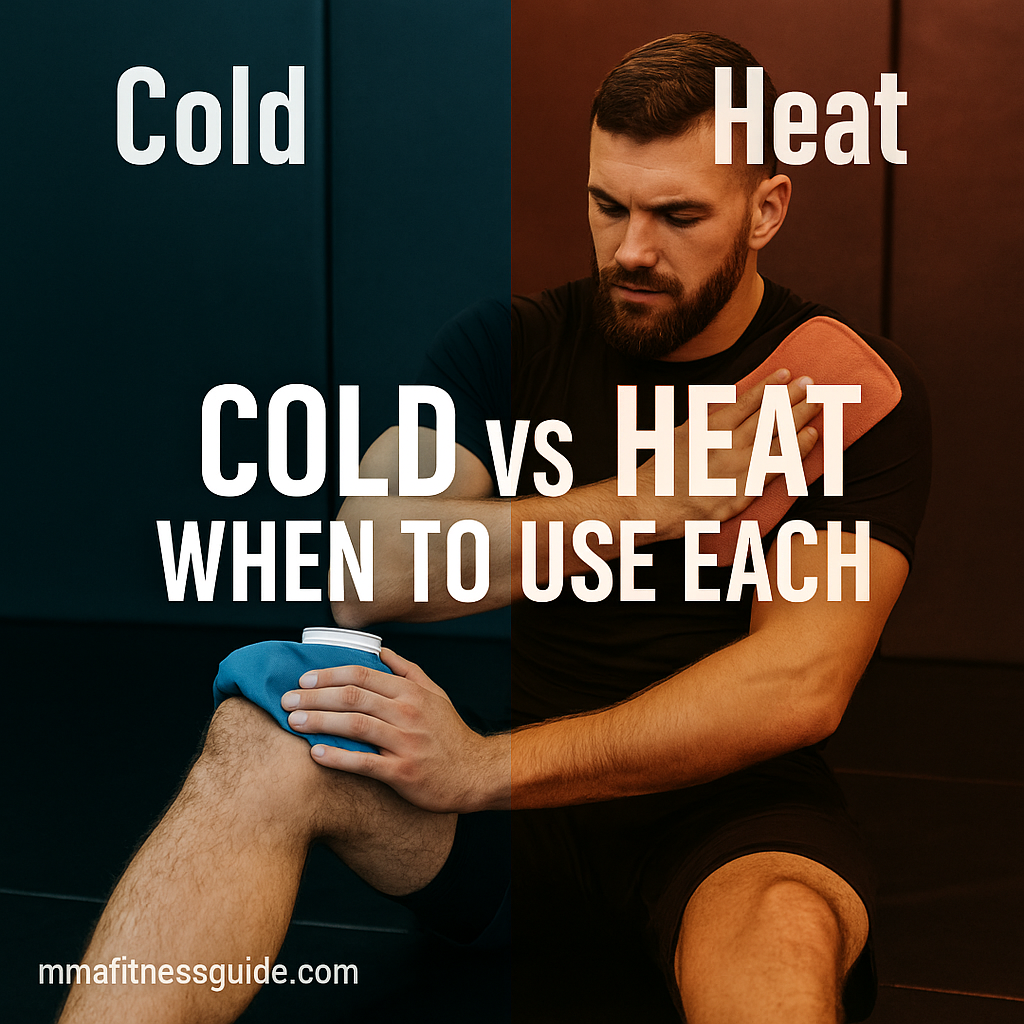
Cold vs Heat Therapy: When to Use Each

Male MMA athlete using both cold and heat therapy to recover from training, with the title “Cold vs Heat Therapy: When to Use Each” displayed.
A fighter using cold and heat therapy to manage soreness and recover properly.

Introduction

In MMA training, soreness, stiffness, and minor aches are a normal part of the journey. But knowing whether to use cold therapy or heat therapy can make a huge difference in how fast you recover and how good you feel at your next session. Many fighters guess or use the wrong one — which can slow healing or increase discomfort.

This guide breaks down when to use cold, when to use heat, and how both work so you can recover smarter and stay consistent in your training.

Continue reading “Cold vs Heat Therapy: When to Use Each”

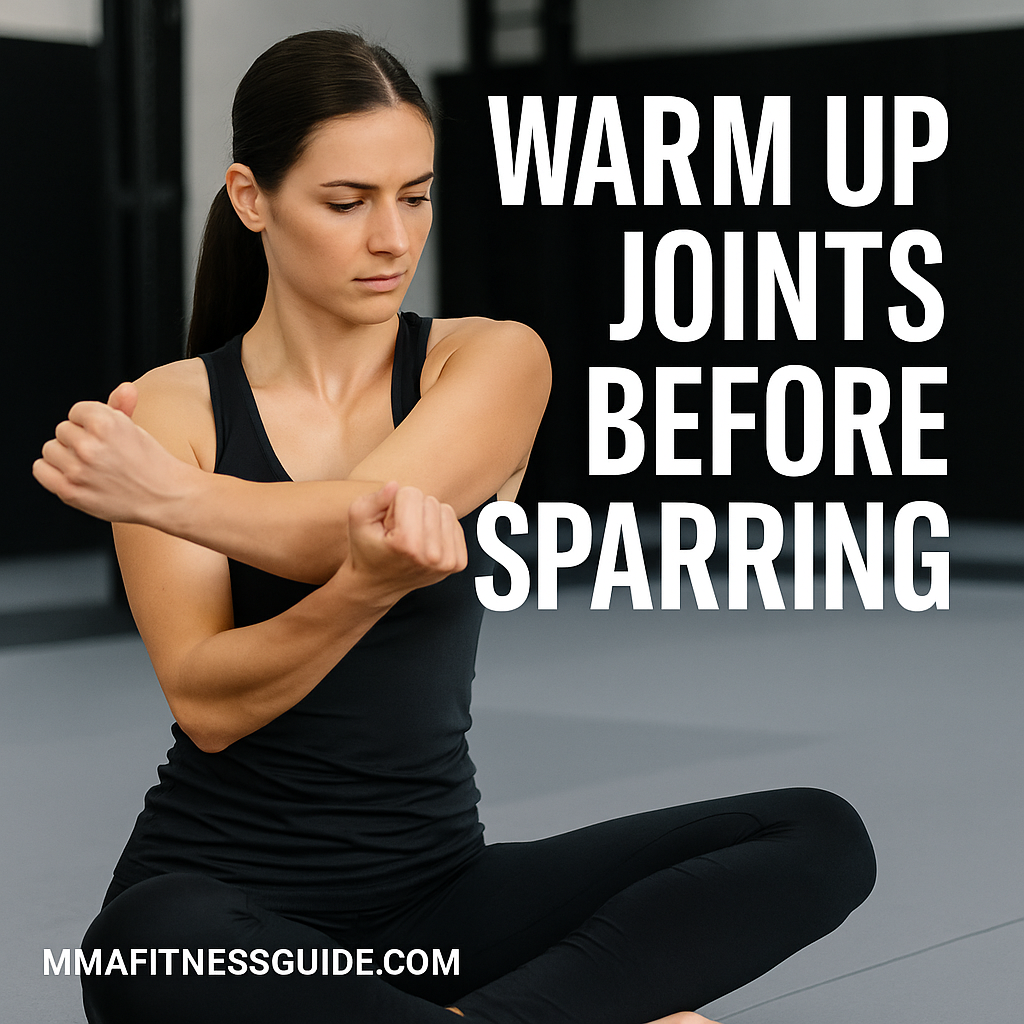
MMA: Warm Up Joints Before Sparring

Female MMA athlete stretching her shoulder on the mats with the title “Warm Up Joints Before Sparring” displayed.
A fighter performing a simple joint warm-up drill before sparring.

Introduction

Sparring is one of the most demanding parts of MMA training. Your body needs to move fast, react quickly, change levels, and absorb impact — all while staying relaxed and controlled. That’s why a proper joint-focused warm-up is essential. Tight joints slow you down, make movements sloppy, and increase the risk of injury.

The good news is that warming up your joints doesn’t take long. With a few simple drills, you can prepare your body, move more smoothly, and spar with better confidence and safety.

Here’s a beginner-friendly joint warm-up routine designed specifically for MMA sparring.

Continue reading “MMA: Warm Up Joints Before Sparring”

Elbow Tendonitis: Prevention and Treatment

Male MMA athlete stretching his elbow with the title “Elbow Tendonitis: Prevention and Treatment” displayed on the image.
A fighter demonstrating a simple stretch used to prevent and relieve elbow tendonitis.

Introduction

Elbow tendonitis is one of the most common overuse injuries in MMA. Striking, grappling, squeezing, pulling, and constant gripping can put a lot of stress on the tendons around your elbow. If the area gets tight or inflamed, simple movements like punching, pummeling, or holding a collar tie can become painful.

The good news is that most cases can be managed with simple habits at home. With the right approach, you can reduce irritation, build stronger forearms, and keep training with fewer setbacks.

Continue reading “Elbow Tendonitis: Prevention and Treatment”