Clinch Fighting 101: Control, Strikes, and Trips

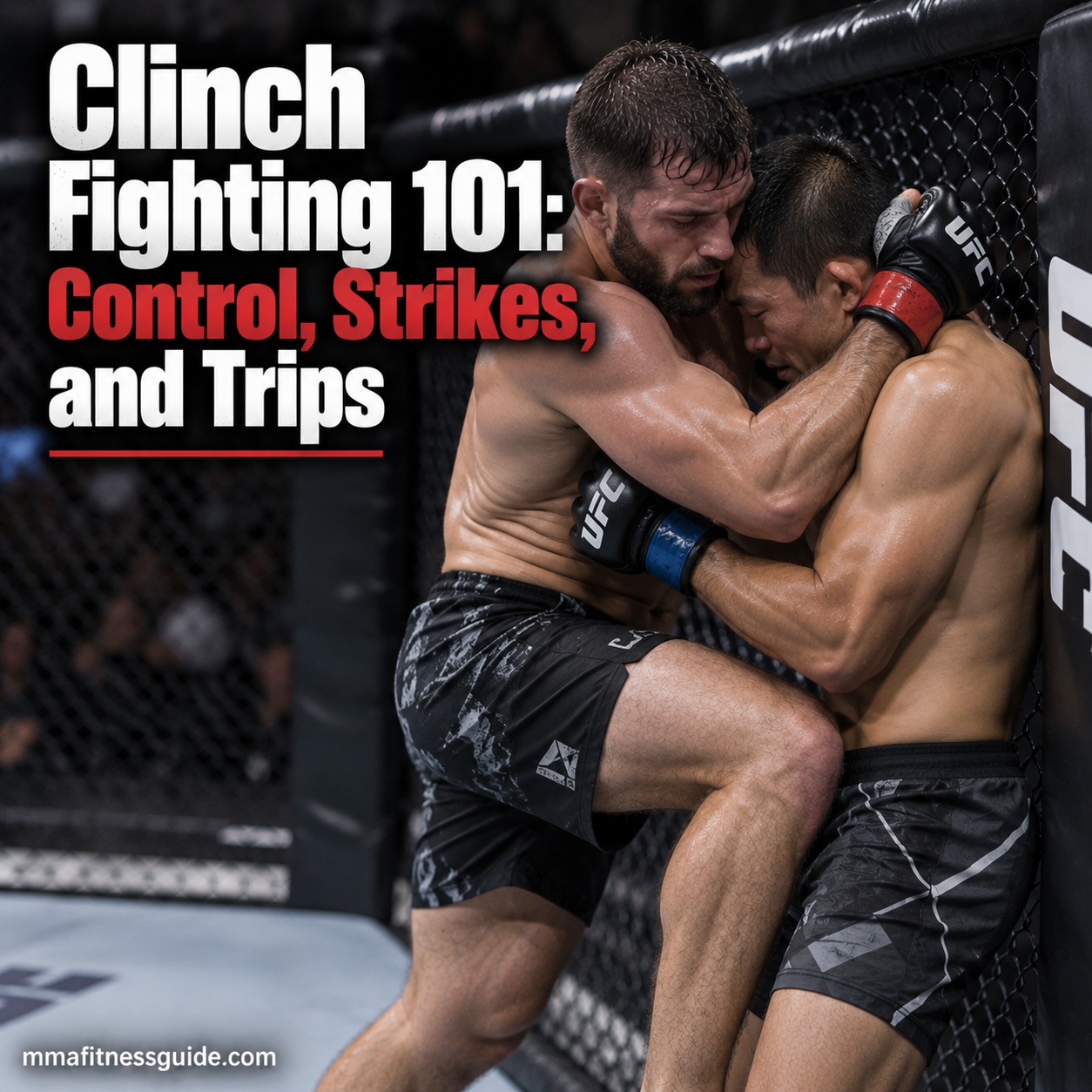
Two MMA fighters practicing clinch control and close-range striking against the cage
MMA clinch fighting combines head position, underhooks, pressure, short-range strikes, trips, and takedowns to control close-range exchanges.

Introduction

When two fighters close the distance and neither can strike freely or complete a takedown immediately, the fight often turns into a battle for grips, head position, underhooks, and balance.

That’s the clinch.

From this range, a fighter can pin an opponent against the cage, land short knees and punches, attack a body lock, set up a trip, or create enough space to return to striking range.

Good clinch work isn’t simply about being stronger. Position, leverage, foot placement, timing, and the ability to transition between striking and grappling determine what you can accomplish at close range.

Continue reading “Clinch Fighting 101: Control, Strikes, and Trips”

The Science of Pre-Fight Nutrition

MMA fighter eating a pre-fight meal of chicken, rice, and vegetables at a gym, with fruit and a water bottle nearby.
A familiar, carbohydrate-rich meal and appropriate hydration can help MMA fighters prepare for competition.

You’ve made weight, completed your final training sessions, and arrived at the venue. Your fight is scheduled for 8 p.m., but the event is running behind. You ate lunch hours ago, your stomach feels unsettled, and you’re unsure whether to eat another meal or wait until after the fight.

This is where a well-planned nutrition strategy becomes valuable.

Combat athletes need enough energy to support explosive movements, repeated exchanges, and sustained physical effort. At the same time, eating too much, choosing unfamiliar foods, or drinking excessive amounts immediately before competition can cause gastrointestinal discomfort.

Pre-fight nutrition isn’t about finding a magical meal that guarantees victory. It’s about arriving at competition adequately fueled, hydrated, and comfortable.

The best strategy depends on your body size, event schedule, training demands, digestive tolerance, and whether you’ve recently undergone a weight cut.

Understanding the science behind these factors can help you make informed decisions long before fight night.

Continue reading “The Science of Pre-Fight Nutrition”

High-Intensity Interval Training for Combat Athletes

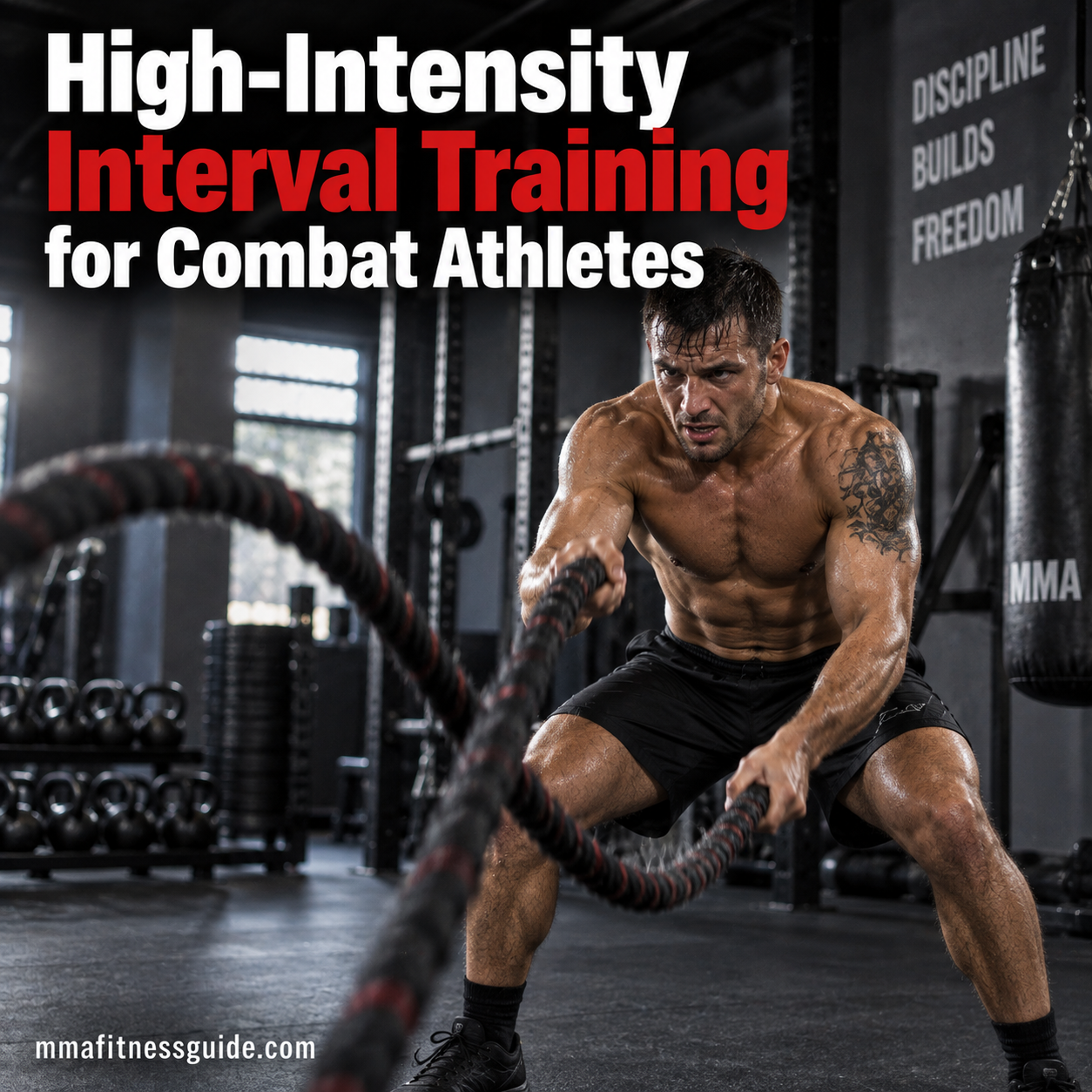
Combat athlete performing high-intensity battle rope exercises in an MMA gym to develop cardiovascular endurance and conditioning.
HIIT combines demanding exercise intervals with planned recovery to develop conditioning and repeated-effort capacity for combat sports.

Thirty seconds into a hard grappling exchange, your opponent shoots for a takedown. You sprawl, scramble back to your feet, and immediately exchange punches against the cage. Your breathing accelerates, your shoulders begin to burn, and your legs feel heavier with every movement.

Now imagine having to repeat that sequence several times over a five-minute round.

Combat sports demand more than the ability to run long distances or perform a few explosive movements. Fighters need to produce repeated bursts of effort, recover during brief opportunities, and maintain technical control as fatigue accumulates.

High-intensity interval training (HIIT) can help develop these qualities when programmed correctly.

However, effective HIIT for combat athletes isn’t simply about performing burpees until exhaustion. The intensity, exercise selection, work-to-rest ratio, and placement within your training schedule all determine whether a conditioning session supports your fighting performance or adds unnecessary fatigue.

Continue reading “High-Intensity Interval Training for Combat Athletes”

Networking Training Tips for MMA Professionals

MMA professionals networking and shaking hands at a combat sports event inside a training gym.
MMA events, seminars, gyms, and competitions give fighters and coaches opportunities to build professional relationships throughout the combat sports community.

The Business Side of Fighting

A conversation after a local fight card can lead to an invitation to another training camp. A coach you meet at a seminar might recommend you when a promoter needs a replacement fighter. A relationship with a local business could eventually develop into sponsorship support.

MMA careers are built through more than fights and training sessions. Fighters, coaches, managers, promoters, gym owners, event organizers, media members, and sponsors operate within a relatively connected community.

The goal isn’t to meet as many people as possible. It’s to become someone people know, respect, and are comfortable working with.

Continue reading “Networking Training Tips for MMA Professionals”

Demetrious Johnson: The Art of Adaptation

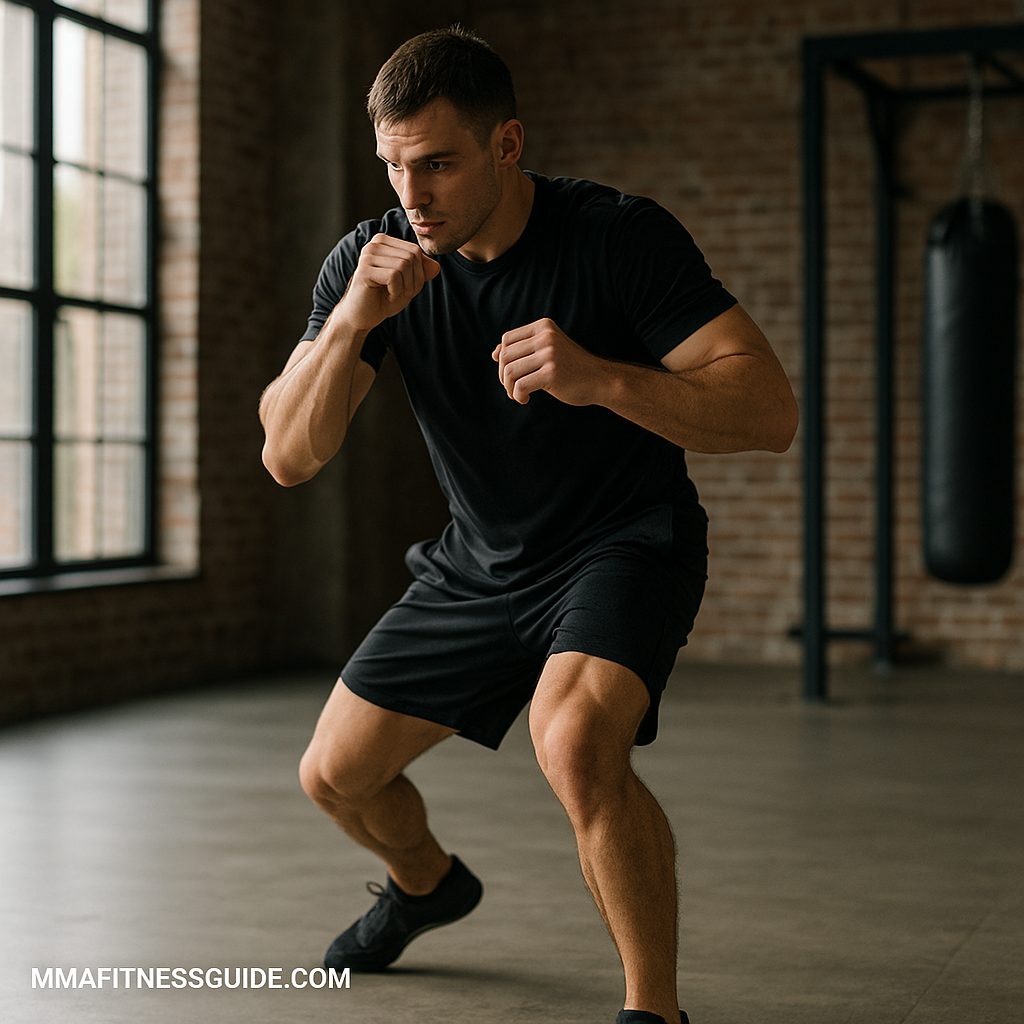
Male MMA athlete resembling Demetrious Johnson shadowboxing with focus and precision in a gym.
Male MMA fighter resembling Demetrious Johnson training with speed and precision, symbolizing the art of adaptation in MMA.

The Evolution of a Champion

Demetrious “Mighty Mouse” Johnson isn’t just one of the most successful fighters in MMA history — he’s one of the most complete.

Known for his incredible speed, technical precision, and fight IQ, Johnson’s career is a masterclass in adaptation.

While others rely on raw power or single-style dominance, Demetrious built his legacy by mastering every range, every transition, and every second inside the cage.

Continue reading “Demetrious Johnson: The Art of Adaptation”

The Fighter’s Mindset: Lessons for Everyday Life

Male MMA athlete sitting in a quiet gym after training, reflecting with focus and determination.
Male MMA fighter resting and reflecting after training, representing focus, resilience, and the fighter’s mindset.

What Makes a Fighter’s Mindset Different

Step inside any MMA gym, and you’ll feel it — the energy, focus, and determination that define a fighter’s mindset.
It’s not just about punches and kicks. It’s about the mental discipline, emotional control, and unshakable resilience built through years of training.

What makes this mindset so powerful is that it translates far beyond the cage. Whether you’re in the office, classroom, or life’s toughest battles, the principles fighters live by can transform the way you think and act.

Continue reading “The Fighter’s Mindset: Lessons for Everyday Life”

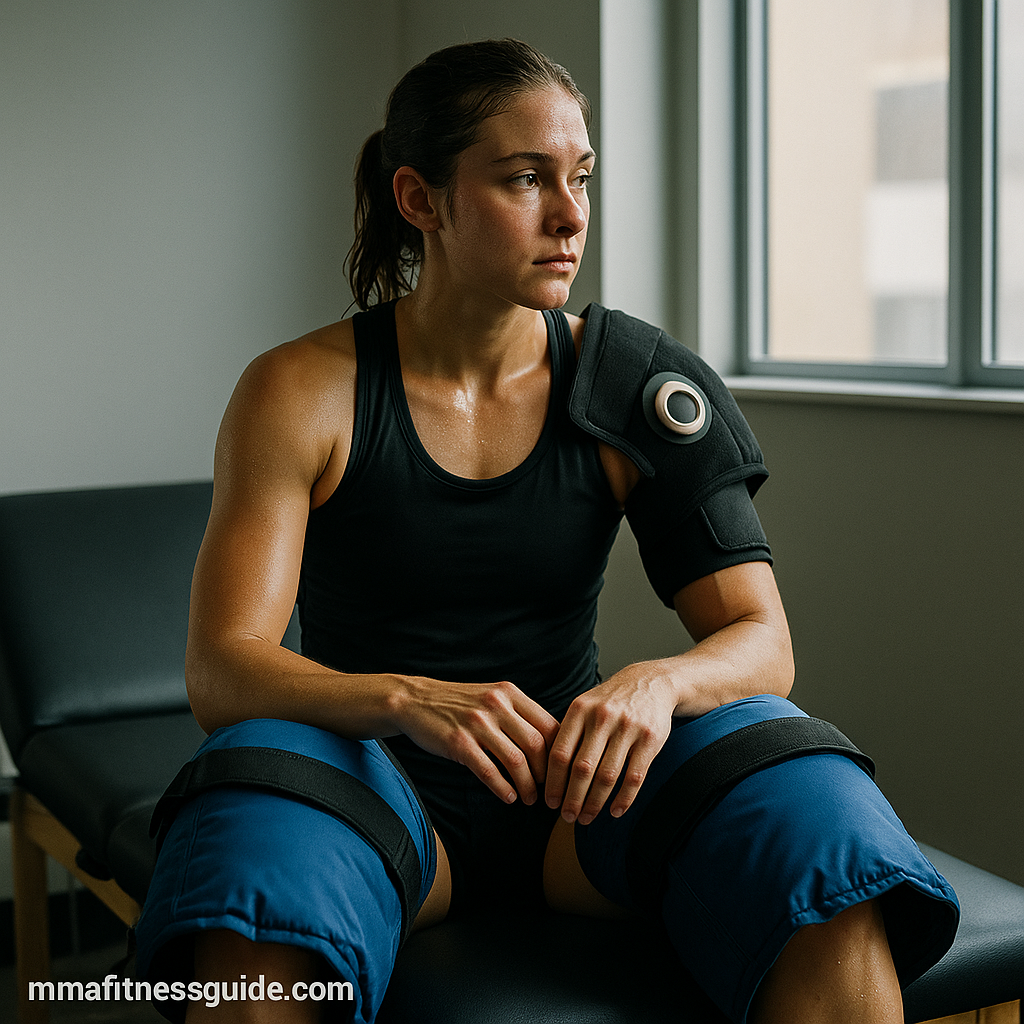
Cryotherapy vs Ice Baths: Which Works Better?

Female athlete recovering after MMA training using cold therapy gear beside an ice bath in a gym.
Female MMA athlete using cold therapy after a workout, comparing the benefits of cryotherapy and ice baths for recovery.

Cold Recovery — The Modern Debate

From old-school ice baths to cutting-edge cryotherapy chambers, cold treatment has become a recovery essential for MMA fighters.
Both methods promise to reduce soreness, speed up healing, and keep athletes training longer — but which actually works better?

The answer depends on your goals, access, and recovery style.

Continue reading “Cryotherapy vs Ice Baths: Which Works Better?”

Top Brands Making Quality MMA Equipment

Male MMA athlete in a gym surrounded by gloves, pads, and training gear under strong lighting.
Male MMA fighter in a gym surrounded by high-quality gear and equipment, representing trusted MMA brands.

The Gear That Defines the Game

Whether you’re a beginner training at home or a pro stepping into the cage, your gear can make or break your performance.
Good MMA equipment isn’t just about comfort — it’s about safety, longevity, and precision.

From gloves that protect your hands to pads that absorb impact, quality gear helps fighters train harder and smarter.

Continue reading “Top Brands Making Quality MMA Equipment”

Blending Styles: How to Build a Hybrid Skill Set

Male athlete training in a gym and practicing movement and agility drills with focus.
Male MMA athlete practicing movement and agility drills in the gym, representing the balance of hybrid training and adaptability.

The Evolution of Modern MMA

When MMA first exploded in the 1990s, the sport was defined by specialists — strikers versus grapplers, kickboxers versus wrestlers.
Today, the best fighters aren’t specialists — they’re hybrids.

Blending martial arts styles has become essential for success in modern MMA.
The goal isn’t to master every art perfectly, but to combine skills seamlessly into a style that fits your strengths.

Continue reading “Blending Styles: How to Build a Hybrid Skill Set”

Intermittent Fasting for Fighters: Pros and Cons

Female MMA athlete eating a healthy meal and drinking water after training in a gym.
Female MMA fighter recovering after training with a nutritious post-workout meal, representing balance in intermittent fasting.

The Rising Trend of Fasting in Combat Sports

Intermittent fasting (IF) has gained huge popularity among athletes for its potential benefits in weight management, focus, and metabolism.
But for MMA fighters — who train hard, cut weight, and recover constantly — fasting isn’t a one-size-fits-all approach.

Before jumping in, it’s important to understand both the advantages and drawbacks of fasting for performance and recovery.

Continue reading “Intermittent Fasting for Fighters: Pros and Cons”