You’ve made weight, completed your final training sessions, and arrived at the venue. Your fight is scheduled for 8 p.m., but the event is running behind. You ate lunch hours ago, your stomach feels unsettled, and you’re unsure whether to eat another meal or wait until after the fight.
This is where a well-planned nutrition strategy becomes valuable.
Combat athletes need enough energy to support explosive movements, repeated exchanges, and sustained physical effort. At the same time, eating too much, choosing unfamiliar foods, or drinking excessive amounts immediately before competition can cause gastrointestinal discomfort.
Pre-fight nutrition isn’t about finding a magical meal that guarantees victory. It’s about arriving at competition adequately fueled, hydrated, and comfortable.
The best strategy depends on your body size, event schedule, training demands, digestive tolerance, and whether you’ve recently undergone a weight cut.
Understanding the science behind these factors can help you make informed decisions long before fight night.
Why Pre-Fight Nutrition Matters
MMA combines short bursts of explosive activity with sustained movement and recovery between exchanges.
A fighter might throw a combination, defend a takedown, scramble against the cage, and then spend several minutes grappling on the ground.
These activities rely on several energy systems working together.
Carbohydrates are particularly important because they help supply energy during high-intensity exercise.
Your body stores carbohydrates as glycogen, primarily in the muscles and liver.
Muscle glycogen provides fuel for working muscles, while liver glycogen helps maintain blood glucose levels between meals and during exercise.
When glycogen availability is insufficient for the demands of an event, performance may suffer, particularly during repeated high-intensity efforts.
However, carbohydrate availability is only one part of the equation.
Hydration, adequate overall energy intake, recovery from weight cutting, and digestive comfort also influence competition readiness.
A fighter who eats an appropriate meal but begins competition severely dehydrated may still experience significant performance problems.
The goal is to address these factors together rather than concentrating exclusively on the final meal.
1. Understand the Role of Carbohydrates, Protein, and Fat
Each macronutrient contributes to an athlete’s overall nutrition, but they serve different purposes before competition.
Carbohydrates: The Primary Pre-Fight Fuel
Carbohydrates are particularly useful for supporting high-intensity activity.
Foods such as rice, pasta, potatoes, bread, oats, bananas, and other fruits can help provide carbohydrate energy.
For a pre-fight meal, easily digested carbohydrates are often preferable to foods containing large amounts of fiber.
For example, white rice may be a more comfortable choice than a large serving of brown rice for an athlete who experiences digestive problems before competition.
This doesn’t mean refined carbohydrates are universally healthier.
It means that digestive comfort and the timing of exercise influence food selection.
Protein: Supporting Muscle Maintenance and Recovery
Protein provides amino acids needed for muscle repair and other physiological functions.
Including a moderate portion of protein in a pre-fight meal can help meet your daily nutritional requirements.
Suitable options include:
- Chicken or turkey
- Fish
- Eggs
- Greek yogurt
- Tofu
However, consuming an enormous protein-heavy meal immediately before a fight doesn’t provide an immediate performance advantage.
Protein generally digests more slowly than carbohydrate-rich foods, and large portions may contribute to uncomfortable fullness.
Keep the amount consistent with your normal eating habits.
Fat: Important, but Consider the Timing
Dietary fat supports numerous functions, including hormone production and the absorption of fat-soluble vitamins.
It belongs in an athlete’s overall nutrition plan.
However, high-fat meals can slow gastric emptying and may increase feelings of fullness.
A large serving of fried food, a heavy cream-based sauce, or an unusually fatty meal may be uncomfortable when consumed shortly before intense exercise.
Moderate amounts of fat are generally acceptable when tolerated, especially when the meal is several hours before competition.
2. When Should You Eat Before an MMA Fight?
Meal timing should account for digestion and the possibility of event delays.
A useful starting point is to consume your main pre-fight meal approximately three to four hours before your expected competition time.
This gives many athletes enough time to digest a substantial meal.
A smaller carbohydrate-rich snack may be useful closer to the event, depending on hunger, tolerance, and the timing of previous meals.
Here is a practical framework:
| Time before fight | Nutrition priority |
|---|---|
| 3–4 hours | Main carbohydrate-rich meal with moderate protein |
| 1–2 hours | Optional light, familiar snack |
| 30–60 minutes | Small carbohydrate snack if needed and tolerated |
| Final minutes | Comfortable fluid intake without excessive drinking |
These are general guidelines rather than strict rules.
Some athletes tolerate solid food relatively close to competition. Others experience nausea if they eat within two hours of intense activity.
Practice different meal timings during demanding training sessions to discover what works for you.
Never assume that a meal plan is appropriate simply because a professional fighter uses it.
3. Build Your Main Pre-Fight Meal Around Carbohydrates
Your main meal should provide sufficient energy without leaving you feeling excessively full.
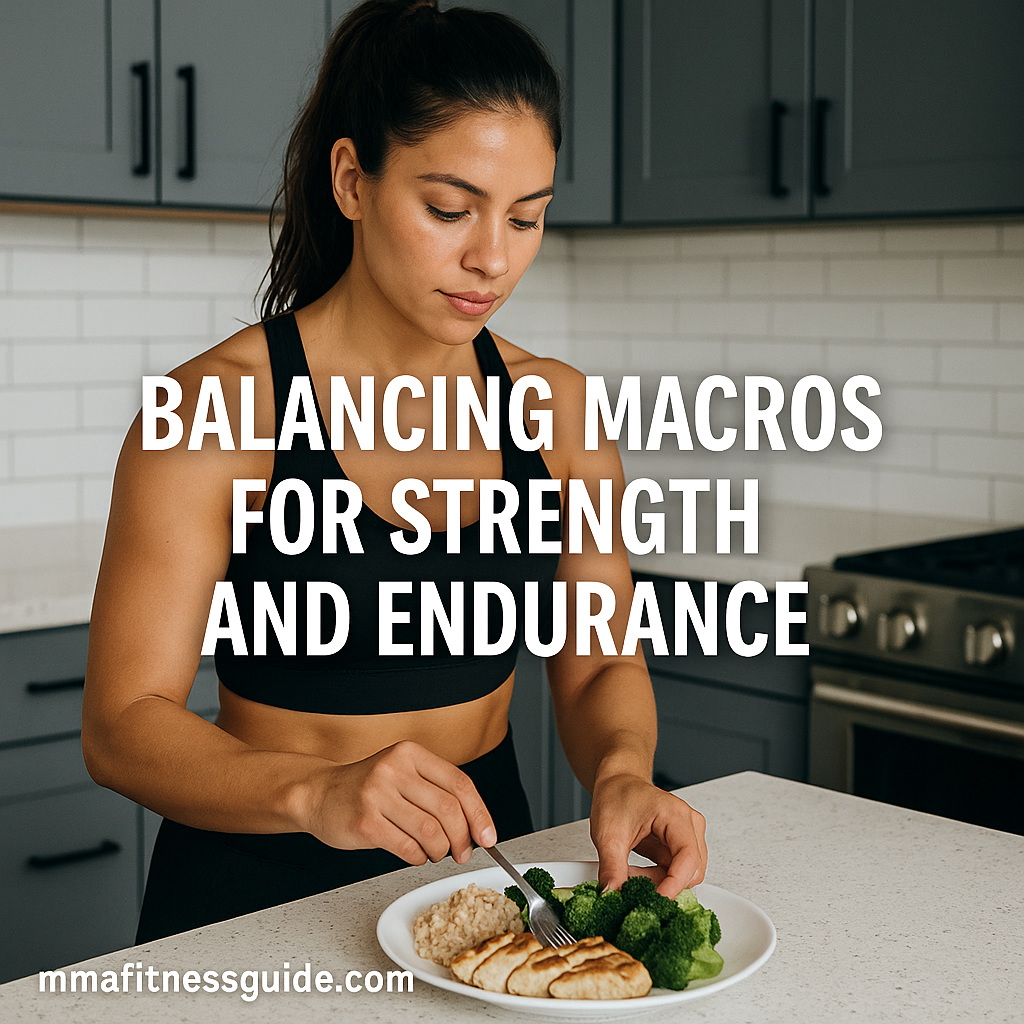
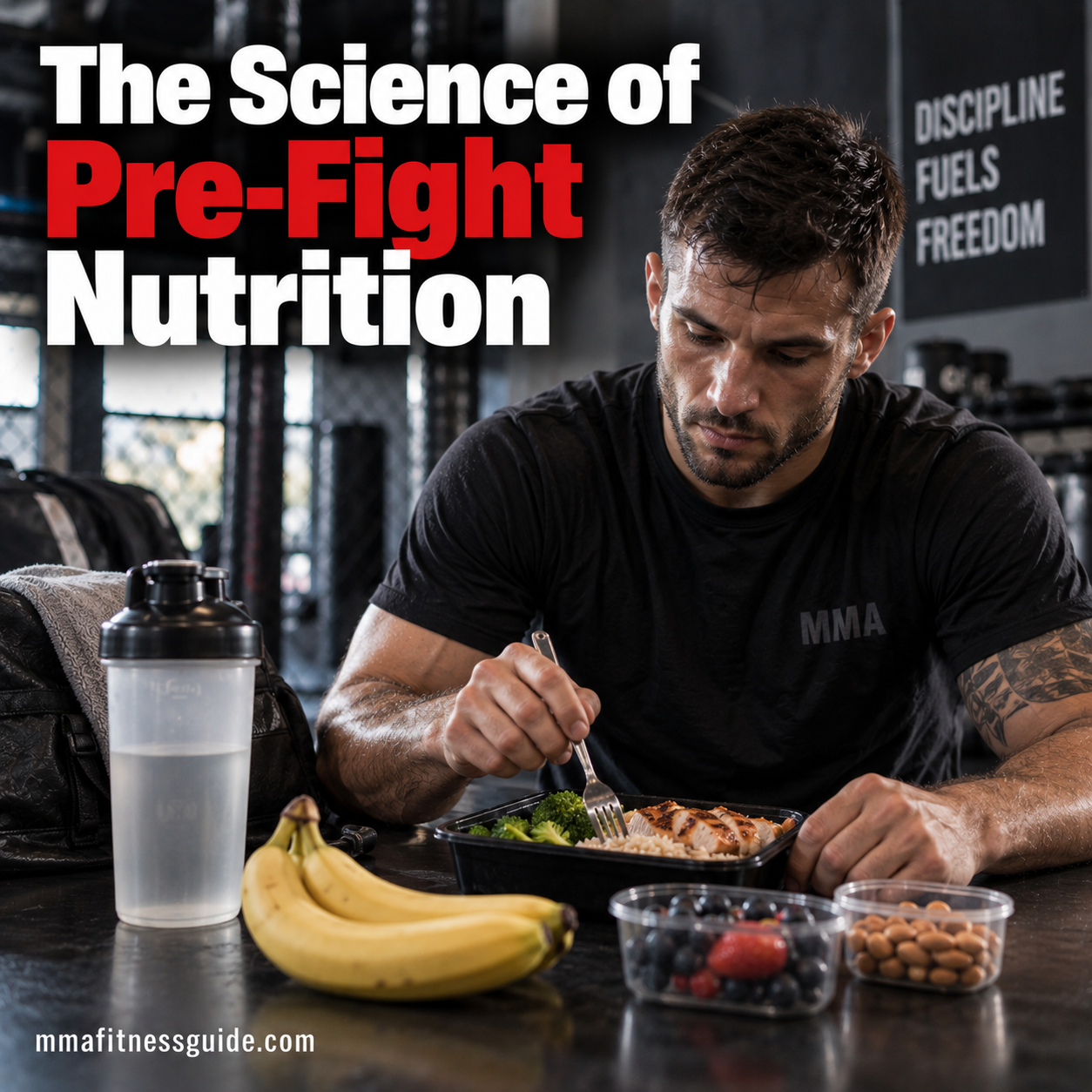
A practical combination includes a carbohydrate-rich food, a moderate serving of lean protein, and a small amount of fat.
For example:
- White rice or pasta
- Grilled chicken, fish, or tofu
- A small portion of cooked vegetables
- Water or another familiar beverage
If you frequently experience digestive discomfort before exercise, reduce the amount of fiber and fat in this meal.
The Australian Institute of Sport recommends familiar, easily digested carbohydrate-rich foods for pre-competition fueling, with adjustments based on the athlete’s tolerance and recovery needs.
Australian Sports Commission
How Much Carbohydrate Do You Need?
Sports nutrition guidelines commonly describe a broad pre-event target of approximately 1–4 grams of carbohydrate per kilogram of body weight during the 1–4 hours before exercise.
This is a flexible range, not a requirement to consume the maximum amount.
The appropriate quantity depends on how much time remains, what you’ve already eaten, and the demands of your event.
Australian Sports Commission
For example, a 70 kg fighter might choose a meal containing approximately 70–100 grams of carbohydrate three hours before competition.
That could come from a substantial serving of rice, a banana, and a familiar carbohydrate-containing drink.
An athlete who has eaten adequately throughout the day may need less additional food than someone recovering from a prolonged period of restricted intake.
4. Choose the Right Pre-Fight Snack
A small snack can help maintain carbohydrate availability when several hours have passed since your last meal.
The ideal snack is familiar, convenient, and easy to digest.
Practical options include:
- A banana
- Toast with honey or jam
- Rice cakes
- A plain bagel
- Applesauce
- A familiar sports drink
Some athletes tolerate yogurt or a small protein-containing snack, but protein isn’t essential in every last-minute snack.
The closer you are to competition, the more important portion size becomes.
A large peanut butter sandwich might be perfectly comfortable three hours before training but feel heavy when eaten 20 minutes before sparring.
Are Simple Sugars Bad Before a Fight?
Not necessarily.
The original concern about sugary foods causing an inevitable energy crash is too simplistic.
Simple carbohydrates can provide a convenient source of energy, particularly when time is limited.
Sports drinks, for example, are specifically designed to provide carbohydrates and fluid during demanding exercise.
Their usefulness depends on exercise duration, intensity, the athlete’s existing fuel stores, and digestive tolerance.
ASC
You don’t need to avoid every food containing sugar. Instead, select appropriate portions and practice your strategy during training.
5. Hydration: Start Before Fight Day
Hydration influences cardiovascular function, temperature regulation, and physical performance.
When you sweat, you lose water and electrolytes, particularly sodium and chloride.
Significant dehydration can impair exercise performance and create health risks.
However, drinking excessive amounts of water can also be dangerous because it may dilute blood sodium.
The objective is to begin competition adequately hydrated, not to drink as much as possible.
ASC
+1
A Practical Hydration Strategy
During the day before competition, drink regularly with meals and according to your normal needs.
On fight day, continue drinking at comfortable intervals.
Consider the temperature, expected sweating, and duration of the event.
Urine color can provide a rough indication of hydration, although supplements, medications, and other factors can affect it.
Pale yellow urine is generally reassuring, but color alone cannot establish hydration status.
Avoid forcing large volumes of water immediately before entering the cage.
When Are Electrolytes Useful?
Electrolyte-containing drinks may be particularly useful when athletes have experienced substantial sweat losses.
Sodium helps replace an important electrolyte lost in sweat and supports fluid retention.
Sports drinks can also provide carbohydrates when eating solid food is inconvenient.
However, not every fighter needs a specialized electrolyte product.
An athlete who is adequately hydrated, eating normally, and competing in a relatively short event may be able to meet their needs through ordinary food and fluids.
Athletes recovering from dehydration associated with weight cutting require a more individualized approach.
6. The Special Challenge of Nutrition After Weigh-Ins
For weight-class athletes, the period between weighing in and competing can be particularly complicated.
Some fighters arrive at weigh-ins with depleted glycogen stores, reduced fluid levels, or gastrointestinal discomfort following restrictive eating practices.
Their nutritional priorities may differ substantially from those of an athlete who has maintained normal food and fluid intake.
The 2025 International Society of Sports Nutrition position stand discusses individualized strategies for restoring fluid, electrolytes, and carbohydrate availability after weigh-ins.
PMC
+1
However, severe weight cutting carries serious health risks, and there is no guarantee that an athlete can fully reverse its effects before competition.
Why the Weigh-In Schedule Matters
A fighter weighing in the day before competition may have substantially more time to eat, drink, and recover than someone weighing in only a few hours before their bout.
The shorter the recovery period, the harder it may be to restore adequate hydration and energy availability.
For athletes who have undergone significant dehydration or carbohydrate restriction, a qualified sports dietitian and sports medicine professional should develop the recovery plan.
Do not attempt to correct severe dehydration by rapidly consuming enormous quantities of water.
Similarly, do not assume that regaining a particular amount of body weight proves you have recovered sufficiently to compete safely.
The Australian Institute of Sport emphasizes individualized weight-management plans that prioritize athlete health and performance.
ASC
+1
7. Should Fighters Use Caffeine Before Competition?
Caffeine can improve certain aspects of exercise performance, including endurance and alertness, in some athletes.
However, its effects vary considerably.
Some fighters experience improved perceived energy, while others develop jitteriness, nausea, palpitations, or increased anxiety.
If you already experience significant pre-fight nerves, an unfamiliar caffeine dose could make you feel worse.
The Australian Institute of Sport recognizes caffeine as a performance supplement with evidence supporting its use in specific circumstances, but recommends individualized protocols.
Australian Institute of Sport
A sensible approach is to avoid experimenting with caffeine on fight day.
If you use it regularly, discuss an appropriate strategy with a qualified sports dietitian and test it during training.
Be particularly cautious with concentrated pre-workout products containing multiple stimulants.
Athletes subject to anti-doping rules should also consider supplement contamination risks and use appropriate third-party testing resources.
8. What to Do When Pre-Fight Nerves Affect Your Appetite
Many fighters experience digestive changes before competition.
You might feel hungry during ordinary training days but struggle to finish a meal before an important fight.
Stress and anxiety can influence gastrointestinal function, making food feel less appealing or harder to tolerate.
Forcing yourself to eat an enormous meal isn’t necessarily the solution.
Instead, experiment with smaller portions and familiar foods.
Liquid nutrition may be easier for some athletes to tolerate.
For example, a familiar smoothie or carbohydrate-containing beverage may provide useful energy when solid food feels uncomfortable.
Others may prefer plain rice, toast, or a banana.
Practice these options before demanding sparring sessions rather than waiting until fight night.
If nausea or digestive problems are severe, persistent, or interfere with adequate nutrition, seek medical advice.
9. Sample Pre-Fight Nutrition Plan for an Evening MMA Fight
Imagine an athlete competing at approximately 8 p.m. who has not undergone a significant weight cut.
The following schedule illustrates how meals and snacks might be distributed throughout the day.
| Time | Meal | Example |
|---|---|---|
| 8:00 a.m. | Breakfast | Oatmeal, banana, eggs |
| 12:00 p.m. | Lunch | Chicken, rice, cooked vegetables |
| 4:30 p.m. | Main pre-fight meal | White rice, lean protein |
| 6:30 p.m. | Optional snack | Banana or toast with honey |
| 7:30 p.m. | Final preparation | Comfortable sips of water |
This schedule is illustrative rather than a fixed prescription.
The quantities should be adjusted to the athlete’s body size, total energy requirements, previous meals, and digestive tolerance.
If the bout is delayed, a small carbohydrate-rich snack may be appropriate.
Keep familiar foods and drinks available so you aren’t entirely dependent on the venue’s catering options.
10. Common Pre-Fight Nutrition Mistakes
Eating Too Much Immediately Before Competition
A large meal shortly before intense exercise may cause bloating, nausea, or discomfort.
Give yourself adequate digestion time and use smaller snacks when appropriate.
Avoiding Carbohydrates to Feel Lighter
Carbohydrate restriction may be part of some weight-management strategies, but arriving at competition with insufficient fuel can compromise performance.
Avoid unnecessary restriction once you’ve made weight.
Drinking Excessive Amounts of Water
More water isn’t always better.
Excessive intake can cause discomfort and, in severe cases, dangerous electrolyte disturbances.
Use an individualized hydration strategy.
Trying New Supplements
Fight day isn’t the time to experiment with a new pre-workout powder, energy drink, or unfamiliar supplement.
Unexpected digestive or stimulant-related effects can interfere with preparation.
Ignoring the Event Schedule
Combat sports events frequently run ahead of or behind schedule.
Bring portable foods and drinks that allow you to adjust without making drastic changes.
Copying a Professional Fighter’s Diet
A professional athlete’s nutritional requirements may differ substantially from yours.
Body size, training volume, weight-cutting history, and competition schedule all influence the appropriate approach.
Use general sports nutrition principles, then adapt them to your circumstances.
Frequently Asked Questions About Pre-Fight Nutrition
What is the best meal to eat before an MMA fight?
A familiar, carbohydrate-rich meal with moderate lean protein and relatively little fat or fiber is a practical choice for many athletes. Rice with chicken is one example, but the ideal meal depends on personal tolerance.
Is a banana good before a fight?
Yes. Bananas provide carbohydrates and are convenient to transport. They can be useful as part of a pre-fight snack if you tolerate them well.
Should I eat 30 minutes before a fight?
You may not need additional food if you’ve already fueled adequately. If you’re hungry or the event has been delayed, a small, familiar carbohydrate snack may be appropriate.
Should I drink a sports drink before competing?
Sports drinks can provide carbohydrates, fluid, and electrolytes. Their usefulness depends on your hydration status, nutritional preparation, and the demands of the event.
Can I fight on an empty stomach?
Some athletes tolerate exercising without a recent meal, but prolonged fasting may leave you inadequately fueled, particularly during demanding competition. Plan your meals around the event rather than deliberately avoiding food without a clear reason.
What if my fight gets delayed?
Maintain access to familiar snacks and drinks. Adjust your intake based on the revised schedule, your hunger, and how much you’ve already consumed.
Final Takeaway
Pre-fight nutrition should be planned and practiced just like technical training.
Carbohydrates provide important fuel for high-intensity exercise, while adequate hydration supports normal physical function. Protein contributes to overall nutritional needs, and sensible meal timing helps reduce the likelihood of digestive discomfort.
The most effective approach is usually straightforward: eat familiar foods, provide enough carbohydrate, drink appropriately, and avoid last-minute experiments.
For fighters who have undergone significant weight cutting, recovery requires particular care and professional guidance.
Test your nutrition strategy during training, adjust it according to your body’s responses, and prepare for unexpected competition delays.
You cannot control every aspect of fight night, but you can arrive with a nutritional plan that supports your preparation rather than undermining it.