Using Feints to Control the Fight Pace

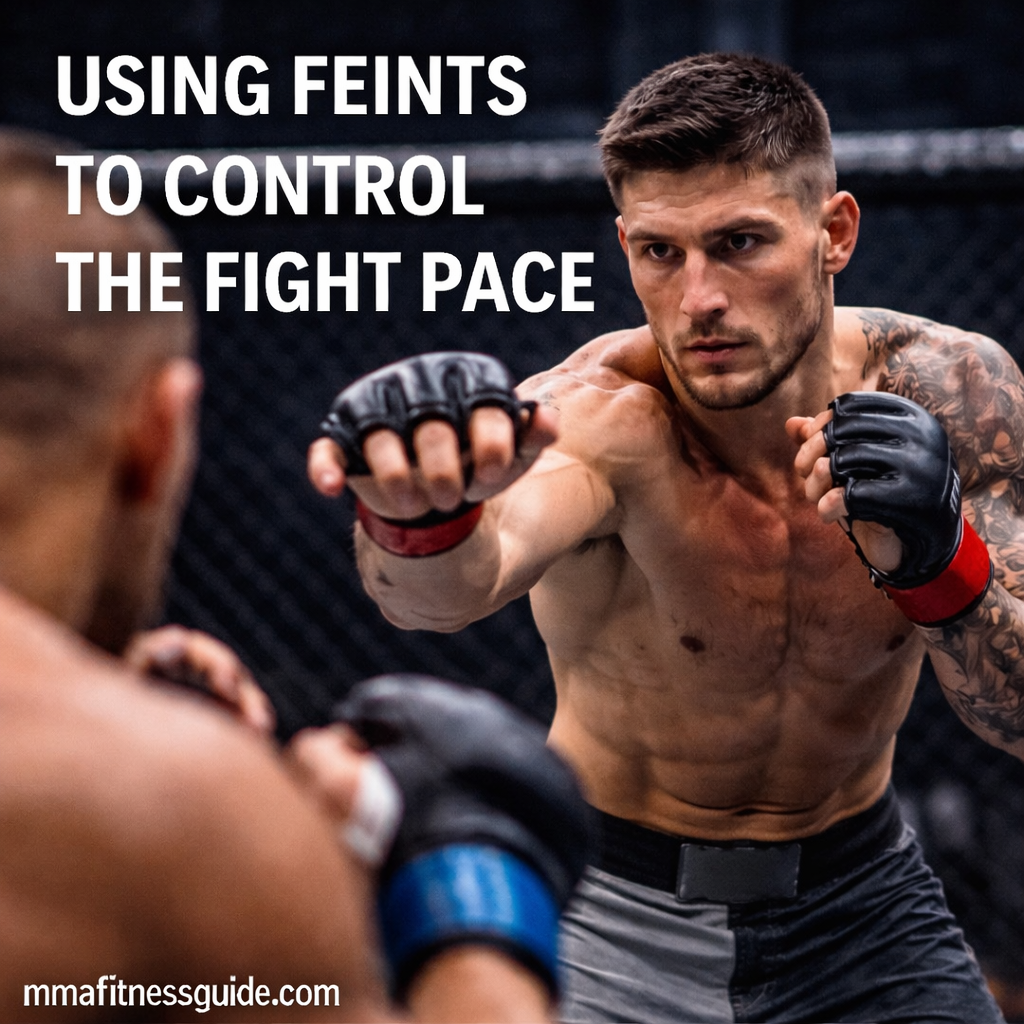
MMA fighter using a feint to control distance and pace during a fight inside the cage.
An MMA fighter using feints to disrupt rhythm and control the pace of a fight through timing and deception.

In MMA, controlling the pace of a fight is often more important than throwing the hardest strikes or shooting the fastest takedowns. Fighters who dictate rhythm force opponents to react, hesitate, and expend energy inefficiently. One of the most effective tools for pace control is the feint.

Feints are not tricks or wasted movements—they are strategic signals that manipulate reactions, timing, and decision-making. This article explains how feints work, why they are essential in MMA, and how fighters can use them to control tempo, create openings, and manage energy throughout a fight.

Continue reading “Using Feints to Control the Fight Pace”

MMA: Improve Digestion Naturally

MMA athletes eating nutrient-rich meals in a kitchen to support natural digestion, recovery, and performance.
MMA athletes enjoying digestion-friendly meals that support gut health, energy levels, and training recovery.

Digestive health plays a much bigger role in MMA performance than many fighters realize. Poor digestion can lead to bloating, low energy, inconsistent weight management, nutrient deficiencies, and sluggish recovery—all of which directly affect training quality and fight readiness.

The good news is that most digestion issues can be improved naturally through simple habits, food choices, and timing strategies. This guide explains how MMA fighters can improve digestion naturally to support energy levels, recovery, and overall performance.

Continue reading “MMA: Improve Digestion Naturally”

MMA: Use Jump Rope for MMA Conditioning

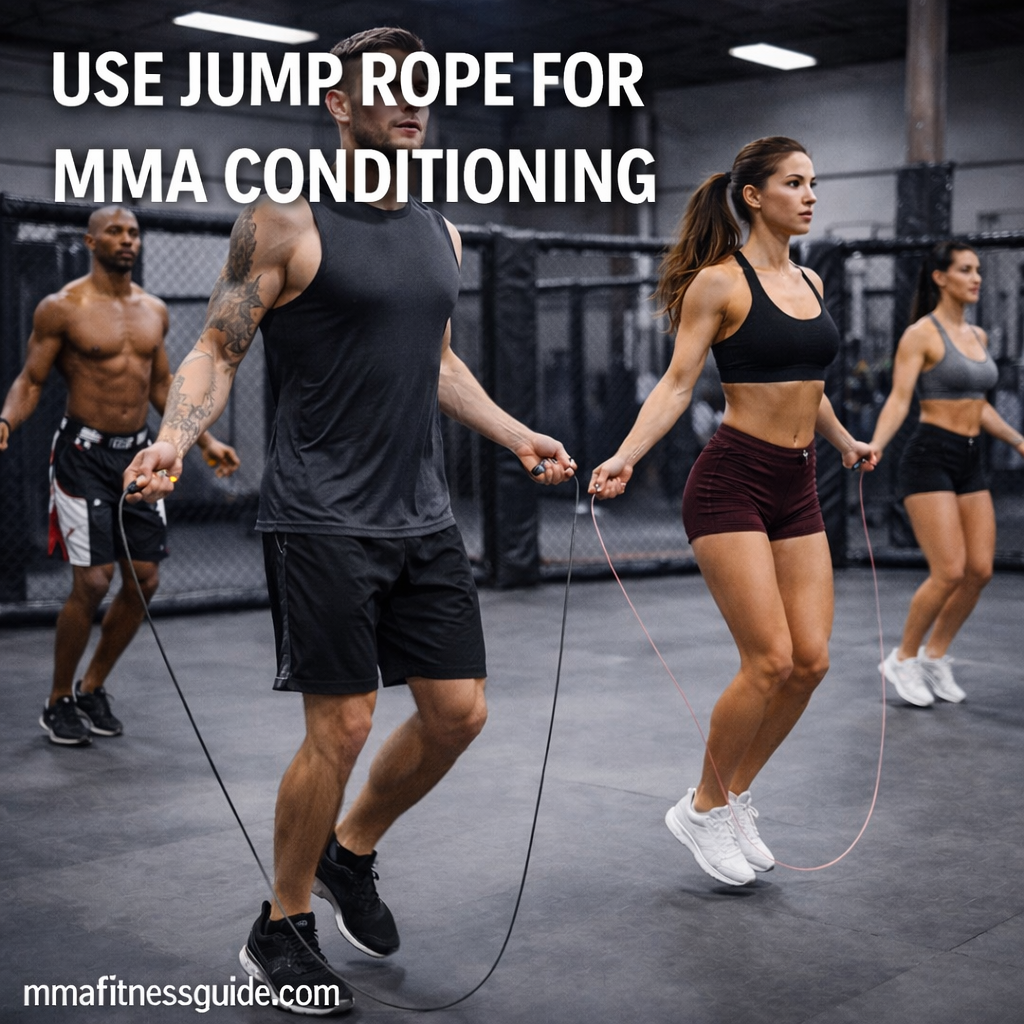
MMA athletes using jump ropes for conditioning inside a gym, highlighting jump rope training for MMA endurance and footwork.
MMA athletes using jump rope training to improve conditioning, footwork, and cardiovascular endurance.

Jump rope training has been a staple in combat sports for generations—and for good reason. From boxing gyms to MMA fight camps, the jump rope remains one of the most effective, accessible tools for conditioning, coordination, and footwork. Despite its simplicity, jump rope training offers powerful benefits that translate directly to MMA performance.

This guide explains how fighters can use jump rope for MMA conditioning, why it works so well, and how to structure sessions to maximize endurance, agility, and rhythm.

Continue reading “MMA: Use Jump Rope for MMA Conditioning”

Expanding to a Second Location: Checklist

MMA gym owners reviewing documents inside a training facility while planning expansion to a second location.
MMA gym owners reviewing an expansion checklist while planning a second training location and long-term business growth.

Opening a second MMA gym location is one of the biggest milestones in a coach or gym owner’s career. It can dramatically increase revenue, brand reach, and long-term stability—but only if done strategically. Expanding too early or without structure can stretch resources thin and damage both locations.

This checklist walks through the critical steps MMA gym owners should evaluate before expanding to a second location, helping ensure growth is sustainable rather than risky.

Continue reading “Expanding to a Second Location: Checklist”

Reading Lists for Fighter Mindsets

MMA fighter sitting on gym mats reading a book to build focus, discipline, and a strong fighter mindset.
An MMA athlete reading between training sessions, emphasizing how mindset, focus, and discipline support long-term fighter development.

Physical training builds strength, speed, and skill—but mindset determines how consistently a fighter shows up, handles adversity, and performs under pressure. Many elite fighters credit reading as a quiet but powerful tool for mental growth, emotional control, and long-term motivation.

Reading doesn’t replace training, but it sharpens the mind that guides it. This article explores why reading matters for fighters, what types of books support a strong fighter mindset, and how to build a practical reading list that complements MMA training and lifestyle.

Continue reading “Reading Lists for Fighter Mindsets”

MMA: Choose the Right Shoes for Training

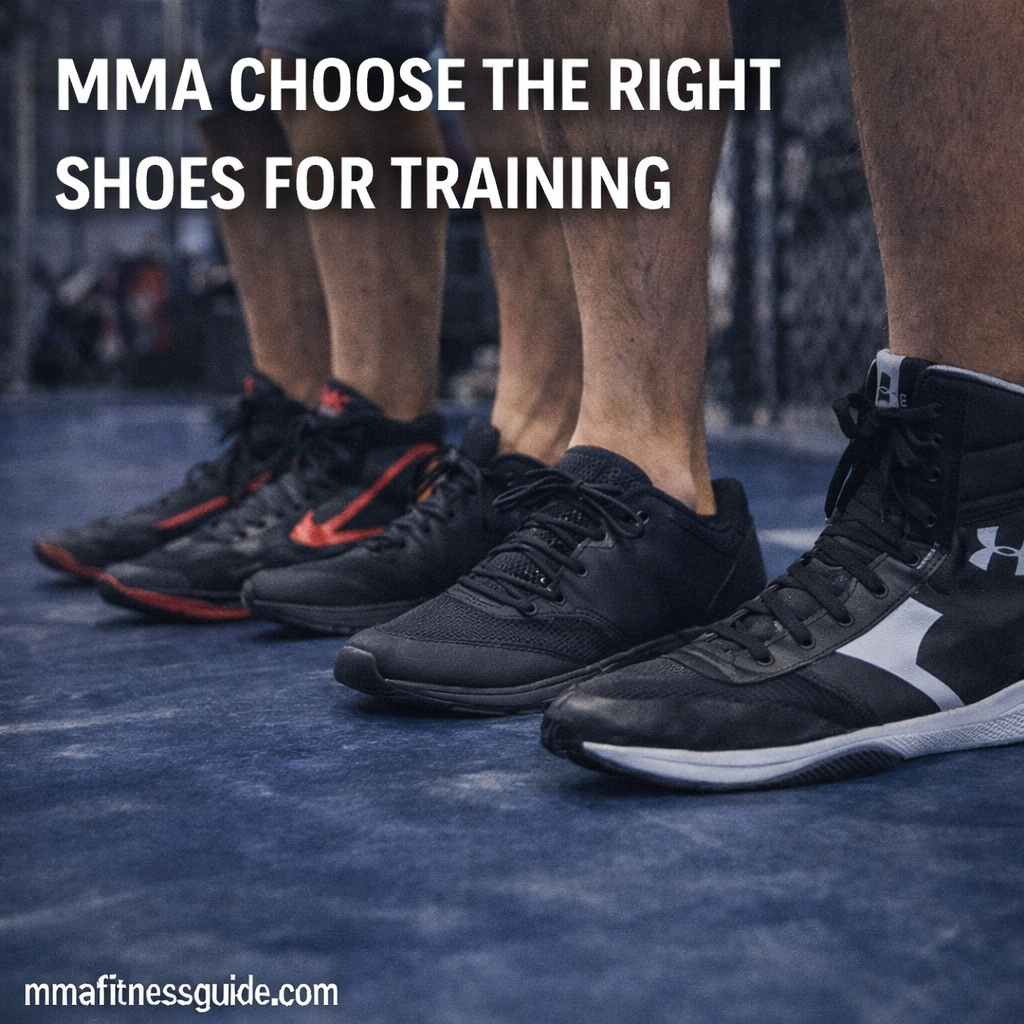
Different types of MMA training shoes on a gym floor, including cross-training, wrestling, and boxing shoes used for conditioning and fight training.
Various MMA training shoes shown on a gym floor, highlighting how proper footwear supports balance, footwork, and injury prevention.

Choosing the right shoes for MMA training is one of the most overlooked decisions beginners make. While MMA is often practiced barefoot for grappling, many training sessions involve conditioning, strength work, bag drills, and movement that require proper footwear. Wearing the wrong shoes can affect balance, footwork, comfort, and even increase injury risk.

This guide breaks down how beginners can choose the right MMA training shoes based on training type, foot support needs, and long-term comfort—without overcomplicating the process.

Continue reading “MMA: Choose the Right Shoes for Training”

Brothers and Families of MMA

MMA brothers and family members standing together in the cage, representing fighting families and shared legacies in mixed martial arts.
Iconic MMA brothers and fighting families showcasing the legacy, loyalty, and shared history that shape mixed martial arts.

MMA is often portrayed as an individual sport, but behind many fighters is a powerful family story. From brothers who trained together since childhood to entire families that shaped combat sports history, MMA has been deeply influenced by blood ties, shared environments, and generational knowledge.

These family connections don’t just make for interesting stories—they help explain why certain fighters develop unique toughness, discipline, and longevity. This article explores famous brothers and families in MMA, how family dynamics shape fighters, and why combat sports often become a shared legacy.

Continue reading “Brothers and Families of MMA”

Sleep and Mood: The Performance Connection

MMA fighter sleeping after training to support recovery, mood regulation, and performance.
An MMA athlete resting after training, highlighting the connection between sleep quality, mood stability, and peak performance.

In MMA, performance is often measured in strength, speed, and skill—but mood plays an equally powerful role. Fighters who feel irritable, unmotivated, anxious, or mentally foggy rarely perform at their best. One of the biggest drivers of mood—often overlooked—is sleep.

Sleep is not just physical recovery. It directly shapes emotional regulation, motivation, stress tolerance, and decision-making. This article explores how sleep affects mood, why mood impacts MMA performance, and how fighters can improve both by prioritizing sleep quality.

Continue reading “Sleep and Mood: The Performance Connection”

Hydration’s Role in Injury Prevention

MMA fighter drinking water during training to support hydration and reduce injury risk, with another athlete stretching in the background.
An MMA athlete rehydrating during training, highlighting hydration’s role in injury prevention, recovery, and long-term performance.

Hydration is often discussed in terms of performance, weight cutting, or endurance, but its role in injury prevention is just as critical—especially in MMA. Fighters place extreme demands on their bodies through striking, grappling, conditioning, and repeated impact. Even mild dehydration can quietly increase injury risk long before obvious symptoms appear.

This article explains how hydration supports injury prevention, why fighters are especially vulnerable to dehydration, and how consistent fluid habits protect joints, muscles, and overall training longevity.

Continue reading “Hydration’s Role in Injury Prevention”

MMA: Spot Counterfeit Equipment

Counterfeit MMA gloves labeled fake alongside authentic-looking training gear, illustrating how to spot imitation equipment.
Counterfeit MMA equipment displayed next to authentic-style gear, highlighting key warning signs fighters should look for.

Counterfeit MMA equipment is a growing problem in combat sports. From fake gloves and shin guards to imitation apparel and protective gear, knockoff products are increasingly common online and in secondary marketplaces. While counterfeit gear may look similar to the real thing, it often lacks the safety, durability, and performance fighters rely on.

Using fake equipment doesn’t just waste money—it can increase injury risk and negatively impact training. This guide explains how to spot counterfeit MMA gear, why it’s dangerous, and how fighters can protect themselves when buying equipment.

Continue reading “MMA: Spot Counterfeit Equipment”