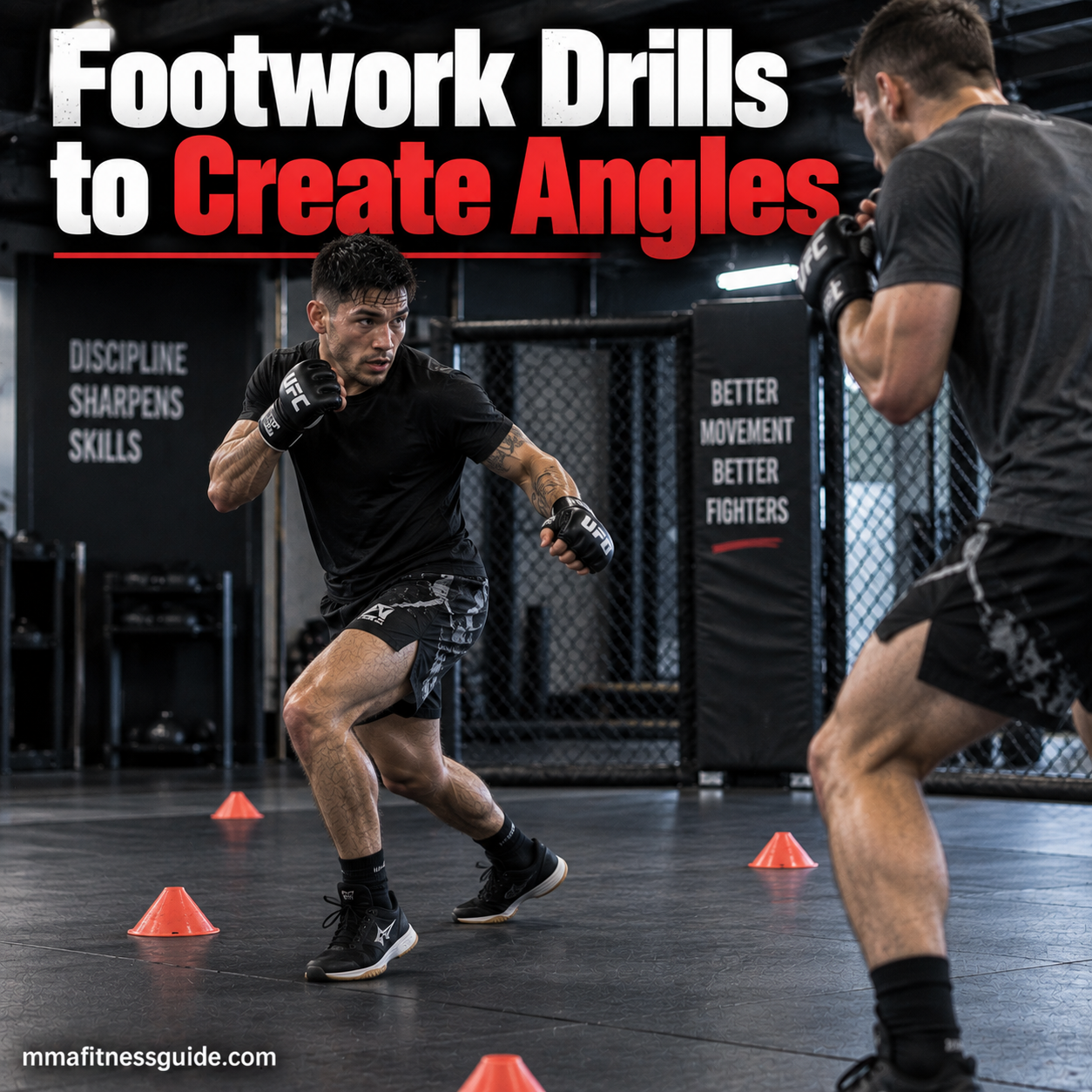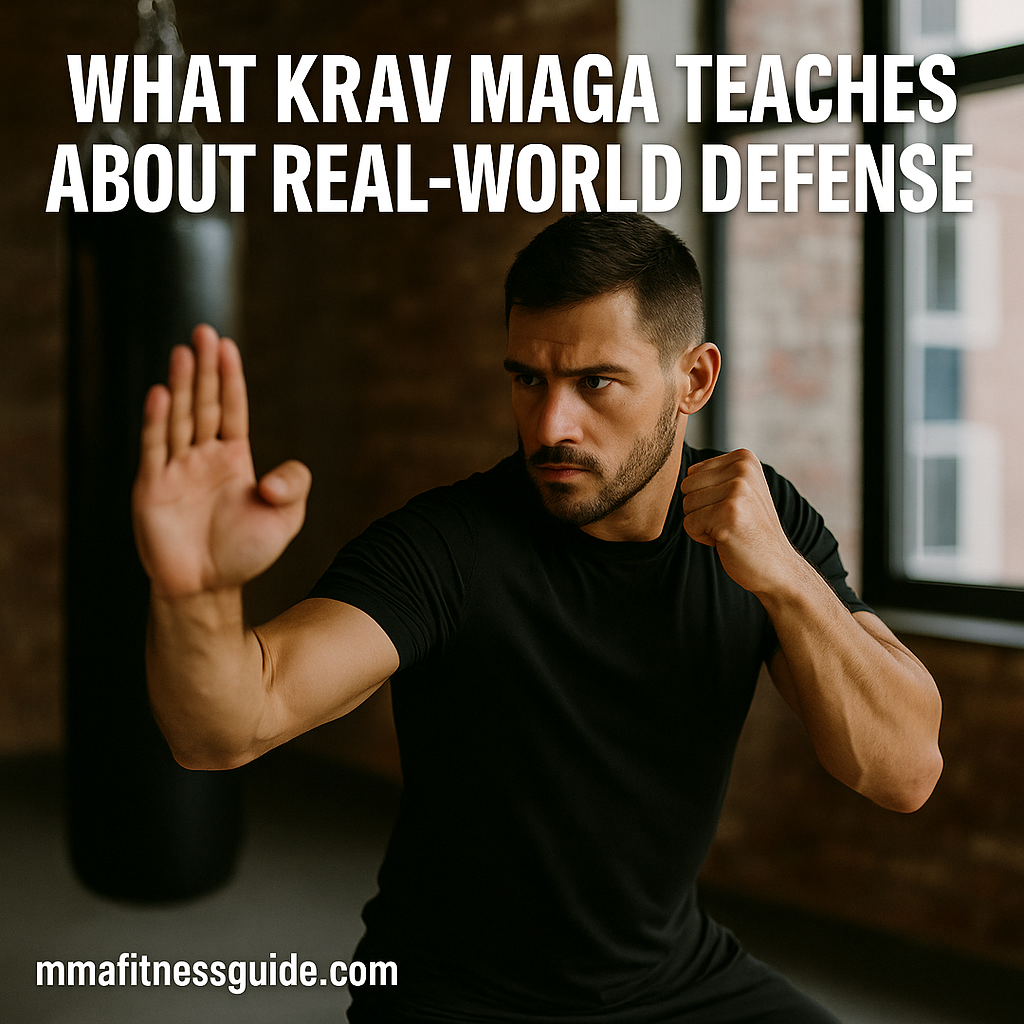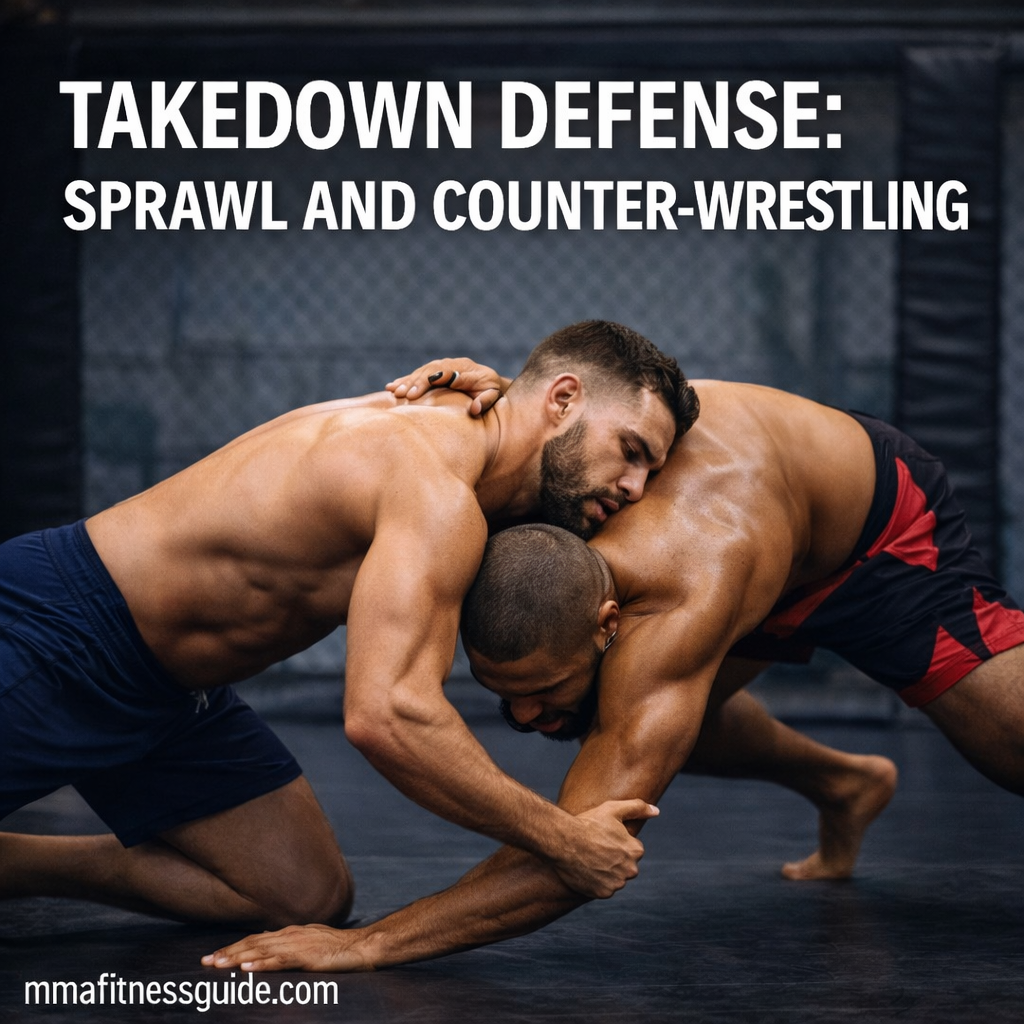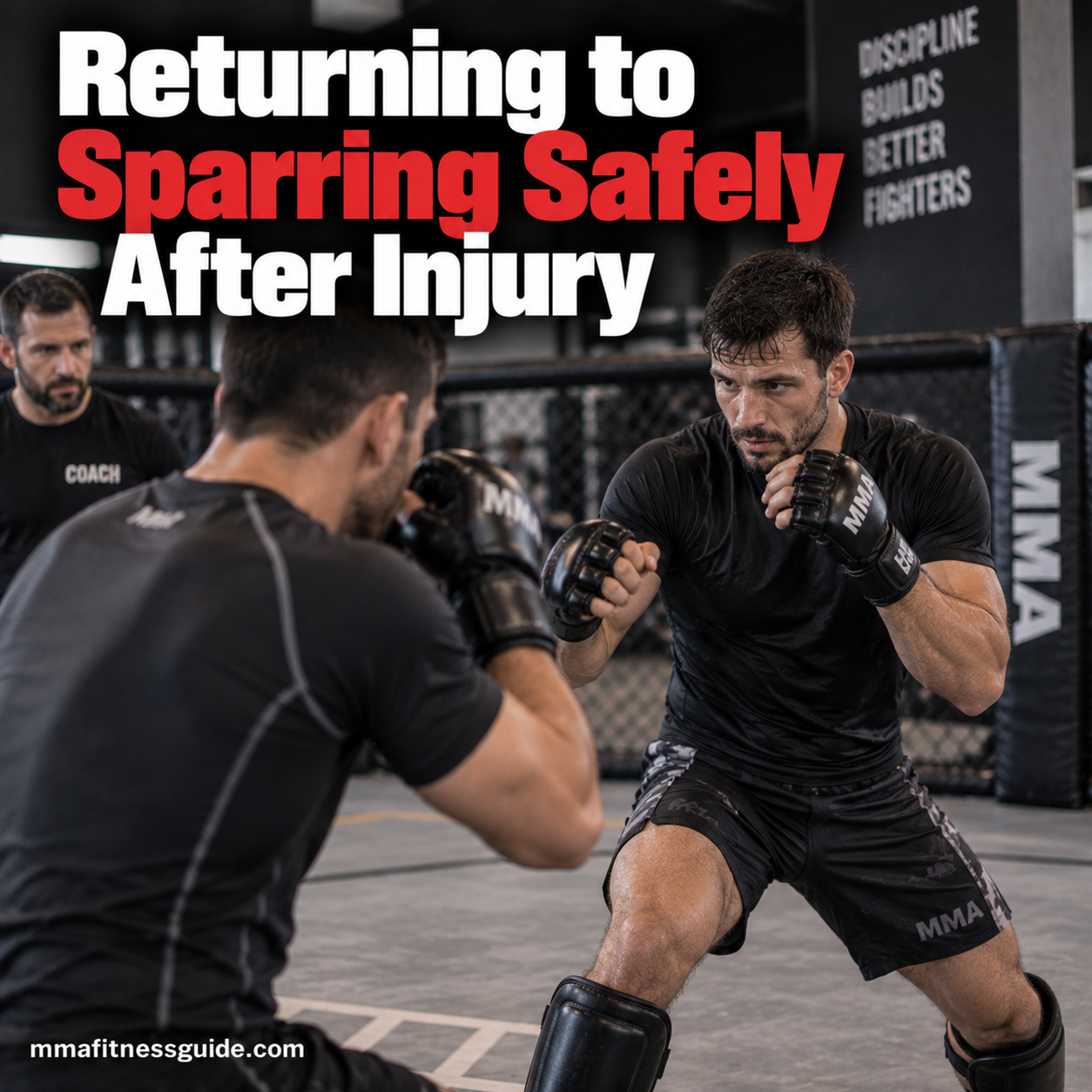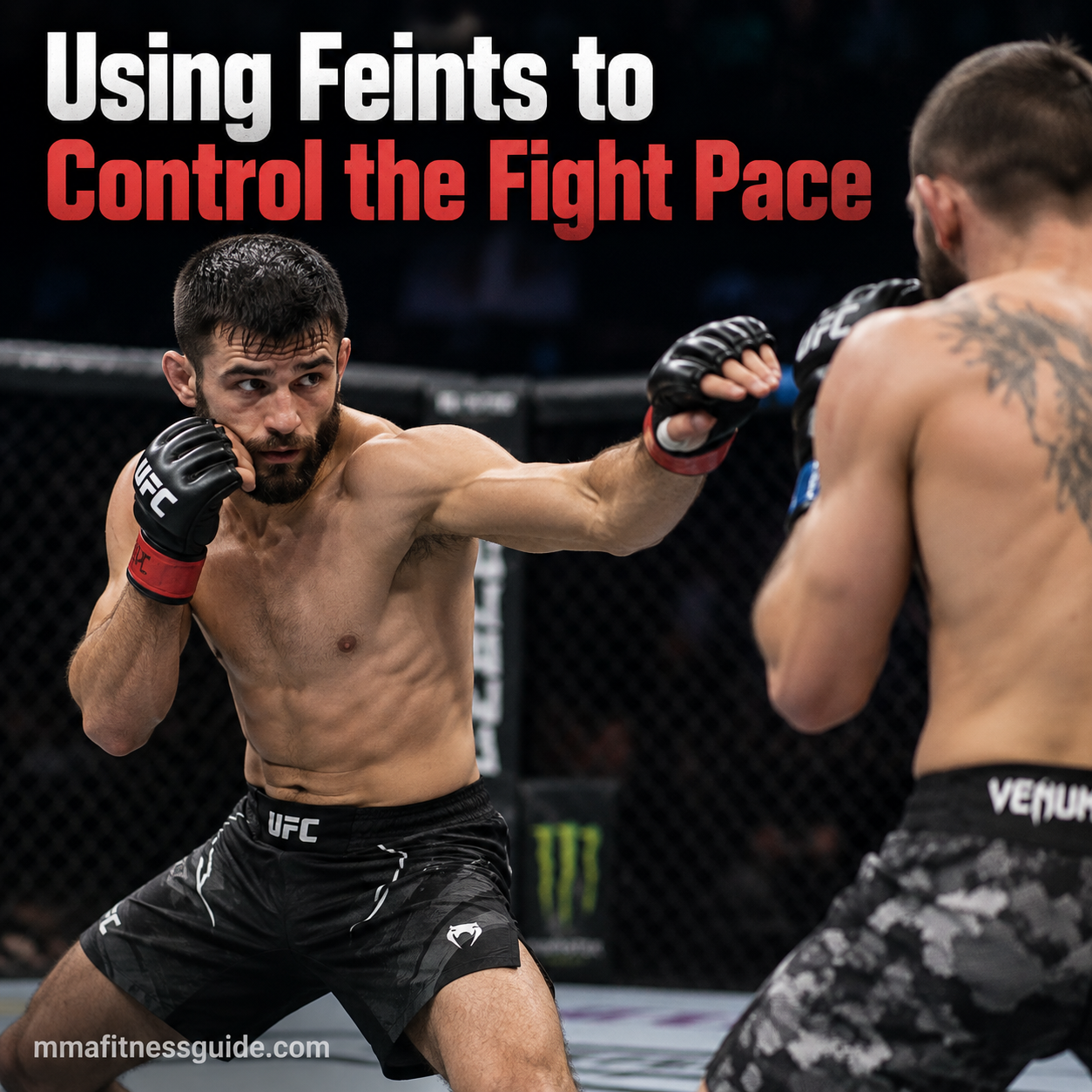
A slight shoulder twitch makes an opponent raise their guard. A quick level change forces their hips back. A half-step forward makes them brace for an exchange that never comes. None of these movements needs to become a real attack to change what happens next.
That is where feints become valuable in MMA. Instead of constantly committing to strikes, takedowns, or clinch entries, a fighter can use believable threats to influence an opponent’s reactions. Those reactions reveal openings, disrupt rhythm, and help determine when exchanges begin and end.
Used deliberately, feints turn pace control into a tactical process. The fighter is not simply moving faster or throwing more—they are making the opponent respond to threats and then choosing when to capitalize.
What Is a Feint in MMA?
A feint is a deliberate, incomplete action designed to provoke a reaction without fully committing to the attack.
Examples include:
- Level change without shooting
- Shoulder twitch without throwing
- Half-step forward without striking
- Hip rotation without kicking
- Hand movement that suggests a jab
The movement needs to look convincing enough that the opponent believes an attack could follow.
A successful feint may cause a fighter to raise their guard, shift their weight, widen their stance, retreat, reach for a frame, or prepare to counter. Each reaction provides information that can be used later.
Why Feints Matter for Pace Control
Fight pace is not simply determined by how quickly two fighters move. It also depends on how frequently they are forced to make decisions.
A fighter who constantly presents believable threats can make an opponent process several possibilities at once.
Feints can:
- Interrupt an opponent’s rhythm
- Create hesitation
- Trigger defensive reactions
- Control distance and timing
- Reduce unnecessary offensive output
- Create safer opportunities to attack
Instead of matching an opponent exchange for exchange, a fighter can influence when those exchanges happen.
How Feints Affect the Opponent’s Decision-Making
Every believable feint presents the opponent with a question.
Is the jab coming? Is the fighter changing levels for a takedown? Is that forward step the beginning of a combination?
Ignoring the threat carries risk, so opponents often react even when they are unsure.
Repeated feints can cause opponents to:
- Second-guess their reads
- Hesitate before initiating offense
- Overreact defensively
- Become reluctant to counter
- Spend energy responding to attacks that never arrive
Over several rounds, repeatedly processing false threats can make it harder to react cleanly when the real attack finally comes.
Controlling Tempo With Feints
Tempo describes the rhythm and frequency of exchanges. Feints give fighters a way to alter that rhythm without relying entirely on offensive volume.
A fighter can use them to create pauses, trigger reactions, or suddenly transition from low activity into a committed attack.
Slowing the Fight Down
Against an opponent who constantly pressures forward, a convincing threat can interrupt momentum.
A level-change feint may make the opponent stop advancing and prepare to defend a takedown. A jab feint may cause them to raise their guard instead of beginning their own combination.
These small interruptions can:
- Freeze forward pressure
- Force resets
- Break combinations before they begin
- Create space for lateral movement
- Give the fighter time to reposition
Rather than retreating continuously, the fighter gives the opponent reasons to hesitate.
Speeding the Fight Up
Feints can also create sudden bursts of offense.
Once an opponent responds predictably, the fighter can feint and immediately attack the opening created by the reaction.
For example, a level-change feint may bring the opponent’s hands lower, creating an opportunity for a punch upstairs.
The pace changes quickly because the opponent’s defensive movement has already started before the real attack arrives.
Types of Feints Used in MMA
Feints can come from the hands, hips, feet, stance, level changes, or grappling positions. Mixing different threats makes it harder for an opponent to settle into a comfortable defensive pattern.
Striking Feints
Common striking feints include:
- Jab feints
- Shoulder twitches
- Hip rotations
- Partial kicks
- Hand movements
- Small weight shifts
A jab feint, for example, might make an opponent parry or bring their rear hand toward the centerline. If that response becomes predictable, another strike can target the opening.
Level Change Feints
A quick drop in level can resemble the beginning of a wrestling entry.
Depending on the opponent, it may cause them to:
- Lower their hands
- Move their hips backward
- Widen their stance
- Stop advancing
- Prepare to sprawl
Once that reaction is established, the same level change can lead into punches, kicks, or another setup.
Footwork and Distance Feints
Not every feint requires obvious upper-body movement.
A quick step into range followed by an immediate retreat can test whether an opponent counters, circles, shells up, or gives ground.
Footwork feints can help fighters:
- Test reactions
- Measure range
- Draw counters
- Manipulate positioning
- Set up later entries
Simply changing distance can become a threat when the opponent expects offense to follow.
Grappling and Clinch Feints
Deception continues once fighters enter wrestling and clinch exchanges.
A fighter might threaten:
- A single-leg entry
- A double-leg
- A body lock
- An inside trip
- A grip change
- A snap-down
When the opponent shifts their balance or defensive position to stop the first threat, another attack may become available.
Using Feints to Manage Energy
Throwing repeated full-power attacks can become expensive over several rounds, especially when many of those attacks miss or are defended.
Feints generally require less commitment.
A fighter can present offensive threats while conserving the energy that would have been spent on repeated combinations, takedown attempts, or explosive entries.
Meanwhile, the opponent may still be:
- Raising and lowering their guard
- Changing stance
- Sprawling partially
- Retreating
- Resetting their feet
- Preparing counters
The energy cost of an individual reaction may be small, but repeated unnecessary reactions can accumulate.
Feints and Defensive Responsibility
Committed attacks create moments of vulnerability.
A missed power punch can leave a fighter out of position. A failed takedown can expose the neck or lead to a scramble. An overcommitted kick can compromise balance.
Feints allow fighters to gather information with less commitment.
That can mean:
- Better defensive positioning
- Fewer unnecessary exchanges
- Less overextension
- More opportunities to read counters
- Safer entries into striking or grappling range
The fighter can observe the response before deciding whether the situation justifies a full attack.
Building Feints Into Combinations
A feint becomes more convincing when the opponent has already seen the real version of the attack.
If a fighter has landed several jabs, the movement that begins the jab carries meaning. The opponent has a reason to respect it.
From there, the same opening movement can lead somewhere else.
Feint-to-Strike Sequences
Basic examples include:
- Jab feint → cross
- Level-change feint → overhand
- Step-in feint → low kick
- Hip feint → straight punch
- Jab feint → body shot
The feint creates the reaction. The second action targets what that reaction exposes.
Feint-to-Feint Patterns
A fighter does not always need to attack immediately after the first fake.
Multiple feints can make timing increasingly difficult to read.
For example, a fighter might show a jab feint, pause, change levels, and then step away. Later, the same sequence can finish with a real takedown or strike.
Changing which part of the sequence becomes real keeps the opponent from identifying a simple pattern.
Feint Mistakes That Give You Away
A feint needs to resemble something the fighter could realistically throw.
Common problems include:
- Exaggerating the movement
- Feinting from too far away
- Repeating the same fake with identical timing
- Feinting without observing the response
- Never following the feint with a real attack
- Adding unnecessary movement that wastes energy
If the fake looks completely different from the real technique, experienced opponents may simply ignore it.
The objective is not movement for its own sake. Each feint should either test a reaction, reinforce a threat, manipulate positioning, or prepare an attack.
How Often Should Fighters Feint?
There is no useful fixed number.
Frequency should depend on how the opponent responds.
If a small shoulder movement repeatedly causes an opponent to raise their guard, there may be no reason to exaggerate it. If the opponent stops reacting, the fighter may need to establish the real attack again.
Effective feinting involves a cycle:
Show the threat, observe the reaction, identify the pattern, and exploit it before the opponent adjusts.
Feints Against Different Opponent Types
Different styles produce different reactions, so the same feint will not work equally well against everyone.
Aggressive Opponents
Forward-moving fighters often provide opportunities to interrupt their entries.
Feints can be used to:
- Halt forward pressure
- Trigger defensive movements
- Draw counters
- Create opportunities to angle away
- Disrupt combination timing
The goal is to make the opponent reconsider charging into range without resistance.
Defensive Opponents
A fighter who remains behind a tight guard may need to be encouraged to move before a clean opening appears.
Feints can provoke:
- Guard adjustments
- Retreats
- Parry attempts
- Stance changes
- Counter attempts
Once the defense moves, another target or entry may appear.
Counter-Strikers
Counter-strikers often wait for commitment before attacking.
Instead of giving them the full attack they want, a fighter can feint the entry and watch for the counter.
That reaction can reveal:
- Which counter they prefer
- When they throw it
- Which direction they move afterward
- Where their guard opens
The next feint can then become a setup for countering the counter.
Using Feints Along the Cage
Position changes how an opponent can respond.
Near the center of the cage, a fighter may have several directions available for retreat. Against the fence, those options become more limited.
A feint in that position may cause an opponent to:
- Raise their guard
- Plant their feet
- Reach for an underhook
- Prepare to sprawl
- Attempt to circle away
Because movement options are reduced, these reactions can become easier to anticipate.
Feints can then help set up body attacks, takedowns, clinch entries, or exits along the fence.
Training Feints Effectively
Feinting improves when fighters practice both the movement and the process of reading the response.
Shadowboxing With Purpose
Shadowboxing provides a low-risk environment for connecting feints to realistic offense.
Practice:
- Making feints resemble real attacks
- Changing rhythm after a feint
- Moving immediately after showing a threat
- Connecting feints to combinations
- Mixing striking and level-change threats
Instead of performing random movements, visualize a specific defensive response and build the next action around it.
Drilling With Partners
Partner drills introduce real reactions.
One fighter can feint while the partner responds naturally but with controlled intensity. The attacking fighter then identifies the reaction and chooses an appropriate follow-up.
This develops:
- Reaction recognition
- Timing
- Distance awareness
- Decision-making
- Combination selection
The drill becomes more useful as responses become less scripted.
Sparring With a Feint Focus
Technical sparring provides an opportunity to test whether feints remain believable against an opponent who is actively making decisions.
During these rounds:
- Keep power controlled
- Experiment with different feints
- Observe which movements trigger reactions
- Change the follow-up
- Avoid repeating identical patterns
The objective is to learn what information each feint produces.
Feints and Fight IQ
Feinting is closely tied to observation.
A fighter needs to recognize what happens after each threat and remember those reactions as the round develops.
Does the opponent parry every jab? Do they drop their level whenever the lead foot steps forward? Do they immediately counter after a kick feint?
Those details can shape later decisions.
Feinting therefore develops more than deception. It encourages fighters to recognize patterns, anticipate reactions, and make tactical adjustments while exchanges are unfolding.
When Feints Don’t Work
Some opponents react very little to initial feints.
That does not necessarily mean deception should be abandoned. The threat may simply need to become credible first.
A fighter can:
- Land or attempt the real technique
- Move closer before feinting
- Change the rhythm
- Use pressure to force decisions
- Introduce a different threat
- Combine striking and grappling setups
Once the opponent has a reason to respect an attack, the fake version often carries more meaning.
Feints and Long-Term Skill Development
Learning to feint encourages fighters to pay attention to details that are easy to overlook when training focuses only on individual techniques.
Fighters begin watching:
- Weight distribution
- Guard position
- Foot placement
- Defensive habits
- Counter timing
- Distance changes
That awareness can improve striking, wrestling, clinch work, and transitions between phases.
Over time, the fighter becomes less dependent on simply being faster or more aggressive and more capable of creating favorable situations before committing.
Final Thoughts
A feint may last only a fraction of a second, but the reaction it creates can determine the next exchange.
A shoulder twitch can move a guard. A level change can alter a stance. A step forward can stop an opponent from advancing. Once those reactions become predictable, they can be turned into openings for strikes, takedowns, clinch entries, or positional changes.
Controlling fight pace comes from influencing when the opponent feels comfortable attacking, defending, or resetting. Well-timed feints help shape those decisions while allowing the fighter to conserve energy and avoid unnecessary commitment.
The better a fighter becomes at making threats believable, reading the response, and changing the follow-up, the harder their rhythm becomes to solve.