A beginner assessing an MMA gym to find the best training fit.
Introduction
Choosing the right MMA gym can feel overwhelming when you’re just starting out. Each gym has its own vibe, coaching style, and training approach. The goal isn’t to find the most “hardcore” gym — it’s to find a place where you can learn safely, stay consistent, and enjoy the process.
Below is a simple guide to help you pick the right MMA gym for your needs and goals.
A tribute collage featuring MMA’s underrated legends, complete with site branding.
Introduction
Not every great fighter becomes a superstar. Some athletes shaped MMA through skill, toughness, and consistency, but never received the spotlight they deserved. These underrated legends left a major impact on the sport through memorable fights, technical innovations, and long-lasting influence.
Here are several fighters every MMA fan should know — athletes who deserve far more recognition for what they accomplished.
A fighter using simple mindfulness techniques to stay calm and focused during training.
Introduction
Mindfulness might sound like something you do at home or in a quiet room, but it’s incredibly useful in the gym as well. MMA training is fast, intense, and demanding, and staying present helps you move better, think faster, and stay calmer under pressure. The best part is that mindfulness doesn’t require a big time commitment — just a few small drills built into your warm-ups, workouts, or cooldowns.
Below are simple, practical mindfulness exercises you can do during any training session.
Repeated striking, gripping, and grappling can place substantial load on the tendons around a fighter’s elbow.
Repeated jabs, hard collar ties, posting during scrambles, and rounds of grip fighting can load the elbow hundreds of times in a single MMA session. When that workload exceeds what the forearm tendons can comfortably handle, pain may begin appearing on the inside or outside of the elbow.
At first, it might only hurt when squeezing a glove, gripping a training partner, or extending a punch. Continuing the same training volume without addressing the problem can make those symptoms increasingly difficult to ignore.
Managing elbow tendon pain usually involves identifying the movements that aggravate it, temporarily adjusting training load, and gradually rebuilding the strength and capacity of the forearm muscles and tendons.
A grappler showcasing a strong, durable gi built for tough Jiu-Jitsu training.
Introduction
Grip fighting pulls hard on sleeves and collars. Scrambles strain the crotch and underarm seams. Knees repeatedly drag across the mat, and washing the gi after every session puts additional stress on the fabric. A gi used several times a week needs to withstand all of that without stretching, tearing, or losing its shape.
Fabric weight, weave, reinforced stitching, collar construction, and fit provide better clues about durability than appearance alone. For fighters mixing Jiu-Jitsu with MMA training, the goal is a gi that can handle frequent rolling while remaining comfortable enough for long technical and sparring sessions.
A fighter preparing a simple, balanced meal to support training camp performance.
Introduction
Nutrition becomes especially important during a training camp. Your body works harder, recovers slower, and needs consistent fuel to keep up with tough sessions. The good news is that meal planning doesn’t have to be complicated. With a simple structure and a few balanced meals, you can stay energized, recover better, and avoid the stress of figuring out what to eat every day.
Below is a beginner-friendly guide on how to plan meals during an MMA training camp.
MMA endurance circuits combine striking, bodyweight movements, intervals, and conditioning drills to prepare athletes for repeated bursts of effort.
Introduction
MMA conditioning has to handle repeated changes in pace. A fighter might spend several seconds hand-fighting against the cage, explode into a takedown attempt, scramble back to the feet, and immediately exchange punches and kicks.
That pattern is very different from maintaining the same pace on a treadmill or during a long run.
Circuit training gives fighters a way to practice repeated bursts of work while already fatigued. By combining striking drills, bodyweight exercises, movement, and short recovery periods, circuits can develop conditioning that carries over more directly to MMA rounds.
The following workouts use formats commonly associated with combat-sports conditioning and can be adjusted for beginner and intermediate athletes.
A fighter showcasing a simple MMA T-shirt design for a merch and apparel guide.
Introduction
Many fighters, coaches, and small gyms dream of launching their own merch. T-shirts, hoodies, gloves, and training gear can help build your brand while creating an extra income stream. The good news is you don’t need a big budget or professional experience to get started. With modern tools, anyone can take an idea and quickly turn it into real products.
This guide walks you through the basics — simple steps to help you bring your MMA merch idea to life.
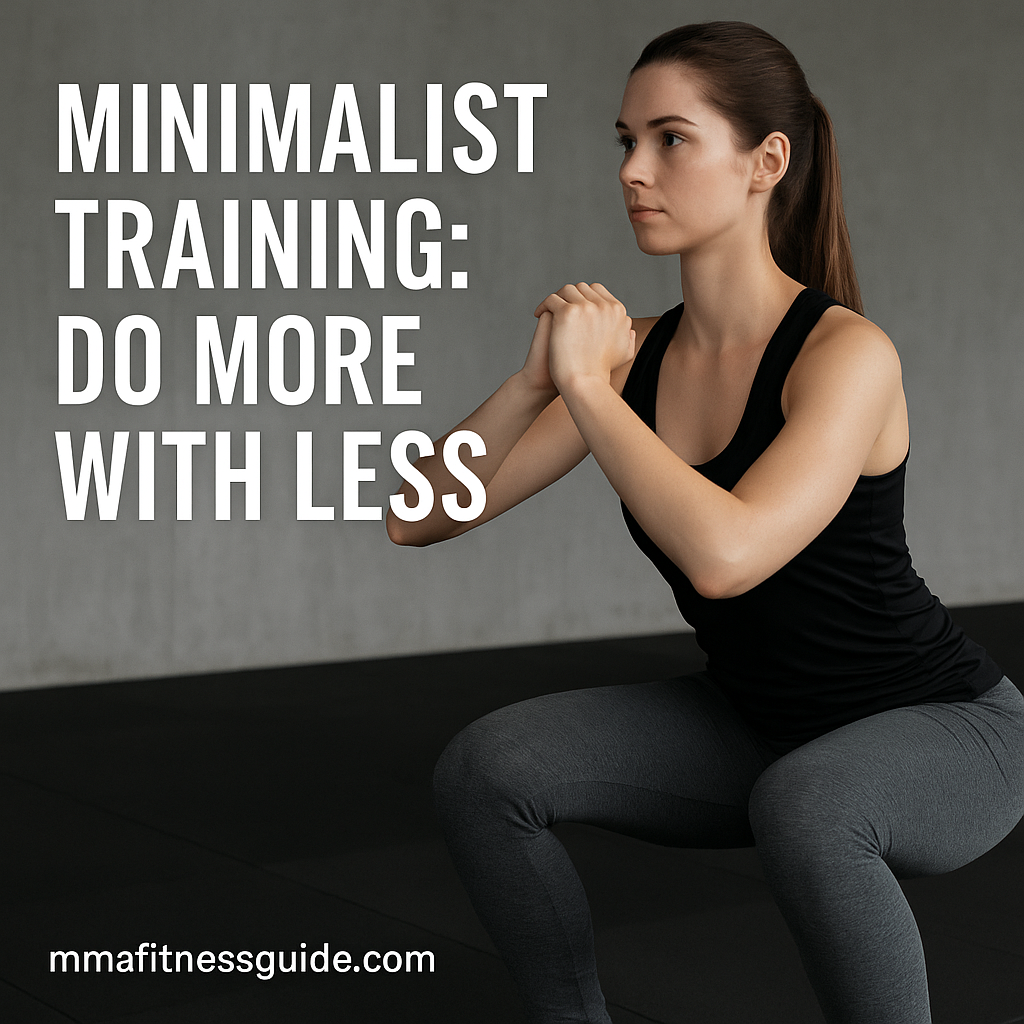
A focused athlete demonstrating a simple bodyweight movement for minimalist training.
Introduction
Minimalist training is all about removing the clutter. Instead of trying to do every workout, drill, or exercise, you focus on the small number of things that actually move you forward. This approach works especially well for busy athletes, beginners, or anyone who feels overwhelmed by long training schedules.
Doing more with less doesn’t mean training lightly — it means training smarter. With the right structure, you can build strength, improve conditioning, and gain skill without needing hours in the gym.
Below is a simple guide to keeping your MMA training efficient and effective.
A focused MMA athlete featured alongside the title celebrating some of the sport’s most stunning comebacks.
Introduction
MMA is known for its unpredictability, but some moments go beyond upsets — they become legendary comebacks. These are the fights where athletes were outstruck, outgrappled, or nearly finished, only to dig deep and turn everything around. Comebacks remind fans why MMA is so exciting and why fighters are respected for their mental toughness as much as their physical skill.
Below are some of the most iconic comebacks in MMA history, shown in simple terms so new fans and longtime followers alike can appreciate what made them special.