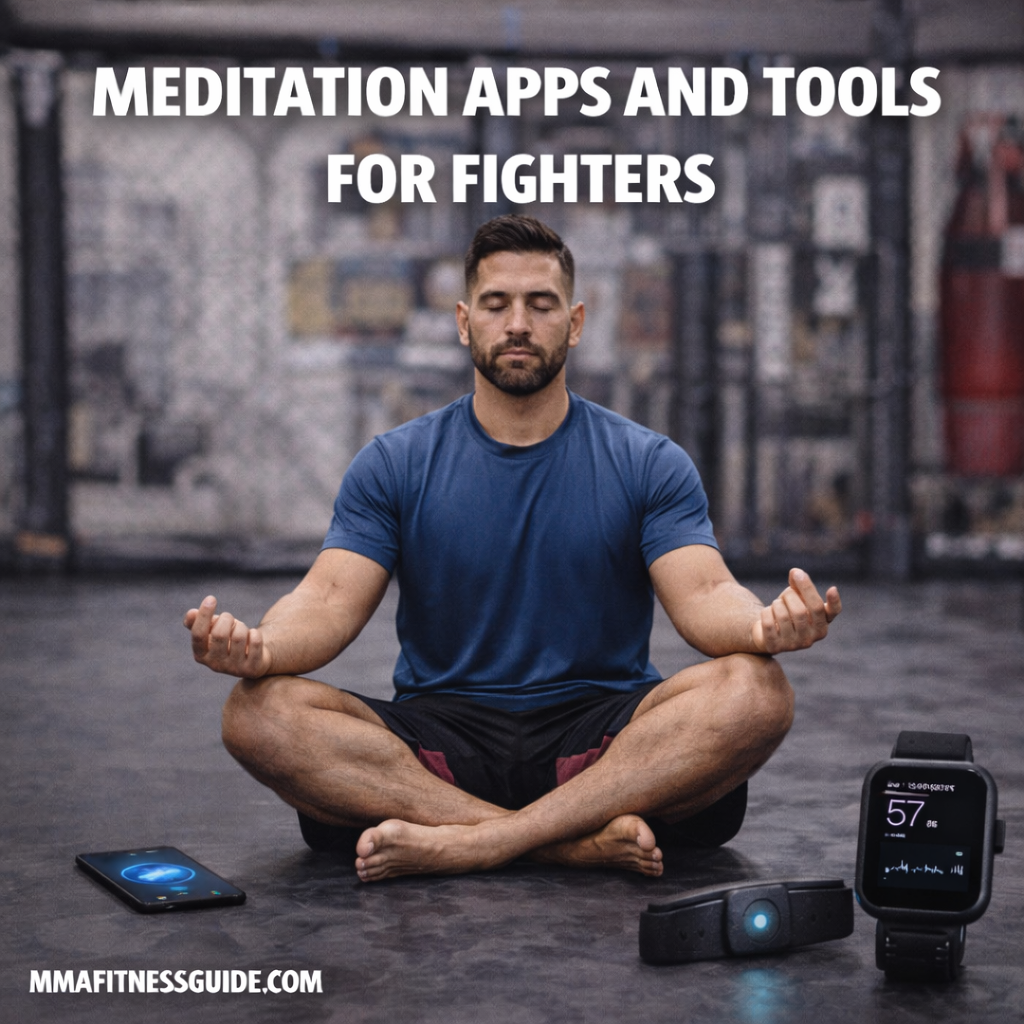

Every fighter faces training days that feel heavier than the rest — when your body is tired, your mind is overwhelmed, or motivation drops before warm-ups are even finished. Tough sessions happen to everyone, but how you respond determines whether you grow from them or spiral into frustration.
Coaching yourself isn’t about forcing your way through pain. It’s about managing your mindset, choosing smart internal cues, and staying focused on progress instead of pressure. With the right self-coaching strategies, you can turn difficult sessions into your biggest mental wins.
Why Tough Training Days Matter
Hard sessions reveal weaknesses, but they also build:
- Mental resilience
- Training discipline
- Stress tolerance
- Composure under pressure
- Problem-solving skills
- Emotional control
These qualities translate directly to sparring, competitions, and everyday life. When you learn to coach yourself, you stop relying on motivation and start relying on mindset.
Recognize the Type of Tough Session You’re Having
Not all difficult sessions are the same. Understanding the category helps you choose the right response.
Fatigue-Based
Your body is tired from previous sessions, sleep, or stress.
Emotion-Based
Life stress is affecting your focus or confidence.
Technical Frustration
You feel “off,” slow, or like nothing is clicking.
Intensity Overload
The session is simply high-demand and mentally draining.
Identifying the cause prevents emotional overreaction and helps you adjust intelligently.
Self-Coaching Cues That Calm the Mind
The right internal language keeps you grounded and prevents frustration from controlling the session.
Keep it simple
Short cues work best:
- “Breathe.”
- “One rep.”
- “Reset.”
Focus on the next action
Don’t stress about the whole session. Just take the next step.
Neutral self-talk
Avoid overly positive or overly negative thinking.
Use neutral, steady statements like:
- “I can handle this part.”
- “Stay consistent.”
- “This is normal.”
Slow the mind
The more overwhelmed you feel, the smaller your focus should become.
Break the Session Into Manageable Segments
When training feels impossible, reduce the size of the challenge.
One round at a time
Instead of thinking about six rounds, focus on the current one.
One drill at a time
Don’t worry about the finisher until you get there.
One minute at a time
If you need to anchor your mindset, break the round mentally into 30–60 second sections.
This approach keeps anxiety low and performance steady.
Adjust, Don’t Quit
Sometimes you’re not supposed to push harder — you’re supposed to adjust smarter.
Slow the pace
Still train but control intensity.
Focus on technique over output
Quality movement counts just as much as heavy effort.
Modify the drill if needed
You don’t need to abandon the session — just adapt it.
Self-coaching means being honest, not hard on yourself.
Use Breath to Reset Your Mind
Breathing is one of the fastest ways to regulate stress.
Quick reset:
Inhale for 4 seconds → exhale for 6 seconds.
During tough rounds:
Breathe out fully between exchanges or reps.
Between drills:
Slow your breathing before the next round begins.
A calm fighter performs better, even when tired.
Reframe the Session
Tough sessions aren’t failures — they’re data.
Ask yourself:
- What can I learn today?
- What’s actually causing the difficulty?
- What’s within my control right now?
This turns frustration into feedback.
Use “Micro Wins” to Build Momentum
Instead of expecting perfection, create quick achievements:
- Hit cleaner footwork in one round
- Improve guard control in a single drill
- Land one good counter
- Maintain composure when tired
Stacking micro wins builds confidence even on your hardest days.
End With a Mental Cooldown
When the session ends, don’t just walk away frustrated.
Take 30 seconds to ask:
- What did I do well?
- What challenge did I push through?
- What is one thing I’ll aim to improve next time?
This reinforces resilience and prevents negative carryover into the next session.
Final Takeaway
Every fighter experiences tough sessions — they’re part of the journey. Learning to coach yourself through them builds mental strength, consistency, and emotional control. When you learn to stay composed, break tasks down, and stay focused on improvement instead of frustration, you transform hard training days into powerful growth days.
Consistency isn’t built through easy sessions.
It’s built through the tough ones you choose to finish.