Beyond the Fight Purse
A fighter can spend months preparing for a bout and receive only a handful of fight checks each year. Meanwhile, gym fees, coaching, equipment, transportation, nutrition, medical expenses, and time away from other work continue between fights.
That makes relying entirely on fight purses difficult for many amateur and professional fighters.
The skills developed through MMA can generate income in other ways. Coaching, content creation, sponsorships, digital products, seminars, and related businesses can produce revenue between fights while also building opportunities for life after competition.
1. Coach or Offer Personal Training
Years spent drilling techniques, sparring, conditioning, and preparing for competition create knowledge that newer athletes are willing to pay to learn.
Fighters can offer:
- Private one-on-one striking or grappling sessions
- Small-group training
- Beginner MMA instruction
- Kids’ classes
- Strength and conditioning sessions
- Online coaching
Rather than advertising yourself as someone who teaches everything, build your offer around a specific strength. A fighter known for boxing could offer private striking sessions, while an experienced grappler might specialize in takedowns, positional escapes, or submission defense.
A few recurring clients each week can create income that isn’t dependent on the next fight date.
2. Turn Your Training Into Content
Much of the material fighters need for social media already happens during a normal training week.
A phone can capture:
- Technique demonstrations
- Pad-work combinations
- Strength and conditioning sessions
- Sparring-day preparation
- Recovery routines
- Fight-camp updates
- Lessons learned after competition
Publishing consistently on YouTube, Instagram, TikTok, or other platforms can gradually build an audience around the fighter rather than a single upcoming bout.
That audience can eventually support advertising revenue, sponsorships, affiliate commissions, coaching inquiries, merchandise sales, and paid digital products.
The content doesn’t have to consist entirely of knockouts and highlight reels. Showing how you train, recover, improve techniques, and deal with difficult parts of competition gives viewers a reason to follow your entire career.
3. Package Your Knowledge Into Digital Products
A fighter who repeatedly teaches the same material can turn it into something customers can purchase without scheduling a private session.
For example:
- MMA conditioning programs
- Beginner striking courses
- Mobility routines for combat athletes
- Heavy-bag workout programs
- Competition preparation checklists
- Technique video libraries
A striking specialist could record a structured four-week beginner boxing program instead of explaining the same combinations individually to every client.
Platforms such as Teachable, Kajabi, and Thinkific can handle course delivery and payments. Fighters can also start with simpler products such as downloadable workout plans before investing time in a full video course.
4. Build Sponsorships Around a Specific Audience
Sponsors aren’t only interested in championship belts. Businesses also care about reaching relevant customers.
A regional fighter with an engaged local following could potentially work with:
- Restaurants and meal-prep companies
- Physical therapy or recovery businesses
- Local fitness companies
- Combat sports equipment brands
- Apparel companies
- Martial arts schools
Create a simple sponsorship package showing your audience, competition schedule, social reach, and what the sponsor receives.
For example, a package might include social posts, logo placement on walkout apparel where permitted, appearances at a business, or mentions in training content.
A smaller but highly engaged local audience can sometimes be more useful to a local business than a much larger audience scattered around the world.
5. Earn Affiliate Commissions From Products You Already Use
Affiliate marketing allows fighters to earn a commission when someone purchases through their referral link.
Instead of posting dozens of unrelated products, concentrate on equipment that naturally appears in your training.
That might include:
- Boxing gloves
- Shin guards
- Hand wraps
- Training bags
- Fitness equipment
- Books
- Recovery equipment
A fighter could publish a video explaining the gloves used during camp and provide an affiliate link for viewers who want the same pair.
Affiliate income usually starts small. Its advantage is that older videos, articles, and equipment guides can continue generating referrals after publication.
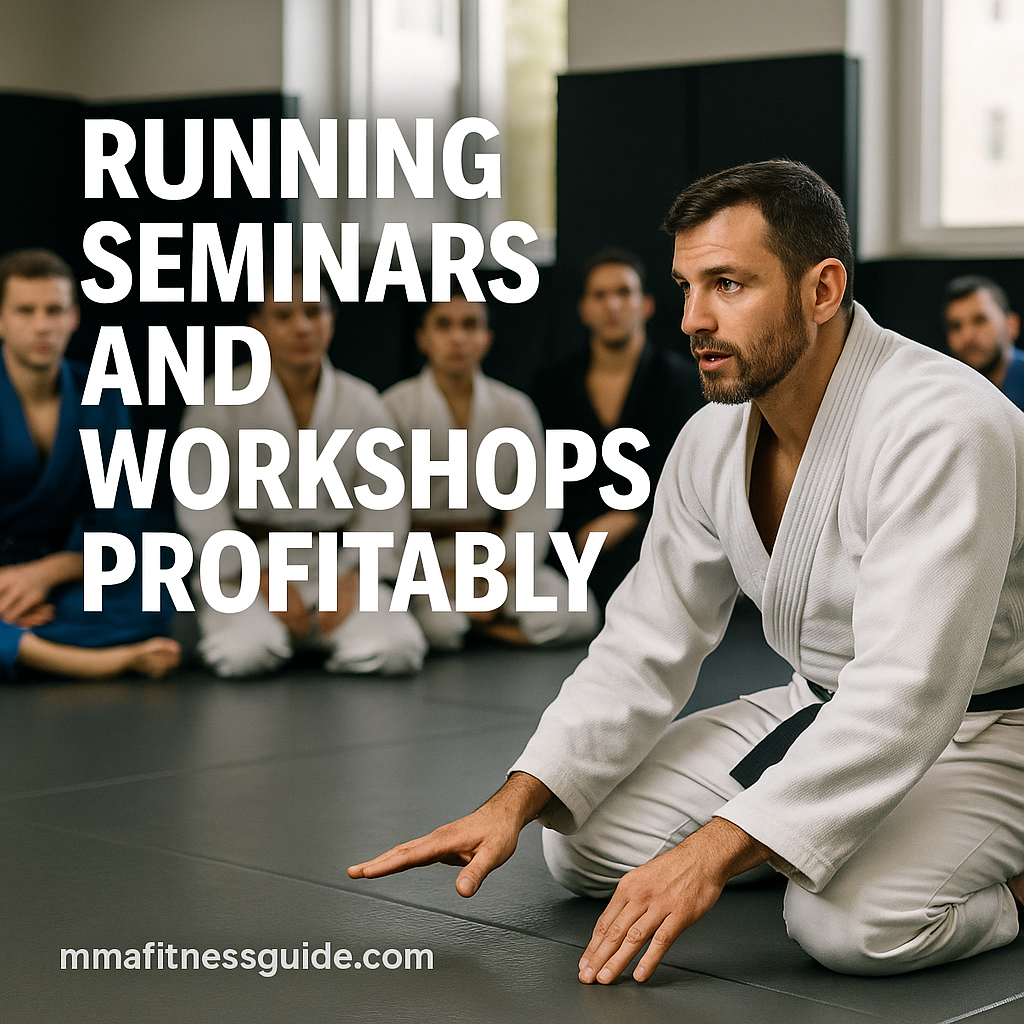
6. Run Seminars and Clinics
A fighter with a recognizable specialty can turn that skill into a focused seminar.
A wrestler transitioning successfully into MMA might teach cage takedowns. A striker could run a workshop on distance management. An experienced competitor might teach beginners how to prepare for their first amateur fight.
Potential venues include:
- MMA gyms
- Boxing clubs
- Brazilian jiu-jitsu academies
- Schools
- Community organizations
- Fitness facilities
Seminars can generate direct income while introducing the fighter to new gyms, coaches, students, and potential private clients.
7. Write About What You Actually Know
Firsthand fighting experience provides perspectives that general fitness writers often can’t replicate.
A fighter could contribute articles about:
- Preparing for a first amateur bout
- Managing training around a full-time job
- Cutting unnecessary expenses during fight camp
- Improving specific techniques
- Recovering between hard training sessions
- What competition day actually feels like
MMA websites, gym blogs, fitness publications, and equipment companies may need this type of material.
Fighters who dislike writing can supply notes, interviews, or recorded explanations and work with an editor to turn their experience into publishable content.
8. Sell Merchandise After You’ve Built Recognition
Merchandise works better when people already associate a fighter with a recognizable name, nickname, phrase, logo, or community.
Common products include:
- T-shirts
- Hoodies
- Hats
- Stickers
- Patches
- Training notebooks
Print-on-demand services can reduce the need to purchase large amounts of inventory upfront.
Start with a small number of designs and see what supporters actually buy before expanding. Twenty products that rarely sell create more complexity than two designs people genuinely want.
9. Build Toward Gym Ownership or Partnership
Experienced fighters who enjoy coaching may eventually turn their skills into a larger training business.
That doesn’t necessarily mean signing a commercial lease immediately.
A fighter could begin by:
- Teaching classes at an established gym
- Renting mat space during unused hours
- Running weekend programs
- Developing a recurring group of private clients
- Partnering with another coach
- Operating a specialized program inside an existing facility
These approaches allow a fighter to test demand before taking on rent, insurance, equipment, payroll, utilities, and other costs associated with operating a standalone gym.
If the program consistently attracts and retains students, opening a dedicated facility becomes a more informed business decision.
10. Treat Your Fighter Name Like a Business Asset
Every fight eventually ends, but the reputation built during those years can continue producing opportunities.
Keep your social profiles current. Collect quality photographs and fight footage. Maintain relationships with gyms, promoters, coaches, and local businesses. Make it easy for someone to contact you about coaching, seminars, sponsorships, or appearances.
Most importantly, build something that isn’t completely dependent on your competitive record.
A fighter with a coaching clientele, useful content library, email list, digital products, and strong local reputation has assets that can continue working even after active competition slows down.
Key Takeaways
Fight purses can be unpredictable, so building income outside competition can give fighters more financial flexibility between bouts.
Coaching is often the most direct starting point because it converts existing skills into paid services. Content can expand that reach, while digital products, affiliate partnerships, sponsorships, seminars, and merchandise create additional possibilities as an audience grows.
Gym ownership can become a longer-term path for fighters who develop a strong coaching business and recurring student base.
The goal isn’t to pursue every income stream at once. Start with one that matches your existing skills, prove that people will pay for it, and build from there.
A fighting career may have a limited competitive window. The knowledge, audience, relationships, and reputation developed during that career can remain valuable long after the final fight.