Best Mouthguard Cases and Hygiene Training Tips

A female athlete sitting on the mats in an MMA gym with a mouthguard case and gloves placed in front of her, shown with the article title and mmafitnessguide.com watermark.
A focused athlete seated on the gym mats with her mouthguard case nearby, representing proper gear care and hygiene for MMA training.

A mouthguard is one of the simplest and most essential pieces of protective gear in MMA — but it’s also the one fighters neglect the most. Leaving it in your gym bag, tossing it on the locker-room bench, or forgetting to clean it properly leads to bacteria growth, bad odors, and a shorter lifespan for your gear.

A good mouthguard case protects your mouthguard from germs, dirt, and damage, while proper hygiene habits keep you healthier and safer during training. Whether you’re a beginner or a seasoned fighter, taking care of your mouthguard is non-negotiable.

This guide breaks down the best mouthguard cases available today and the most effective hygiene practices every fighter should follow.

Continue reading “Best Mouthguard Cases and Hygiene Training Tips”
Open Palm vs Closed Glove: What to Choose

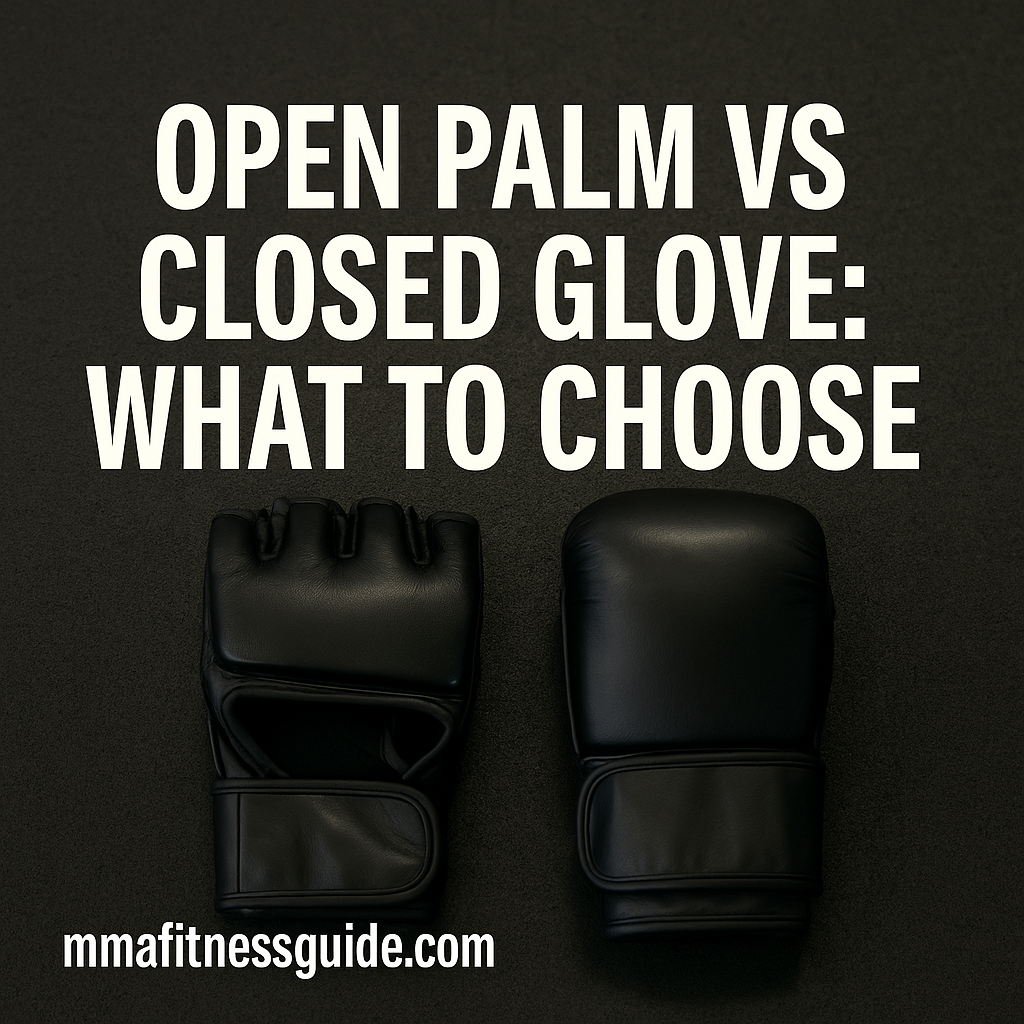
Two MMA gloves—a lightweight open-palm style and a padded closed boxing glove—placed side-by-side on a gym floor to illustrate the differences between glove types.
Open-palm MMA gloves next to a closed boxing glove, showing the key differences between the two styles for training and sparring.

Choosing between open-palm gloves and closed-gloves is one of the most important decisions you’ll make for your MMA training. Both styles have unique strengths, weaknesses, and ideal uses depending on whether you’re drilling technique, sparring, competing, or working on grappling-heavy sessions.

This guide breaks down the differences clearly so you know exactly which type of glove is right for your training style and goals.

Continue reading “Open Palm vs Closed Glove: What to Choose”

Best Groin Protectors for Men and Women

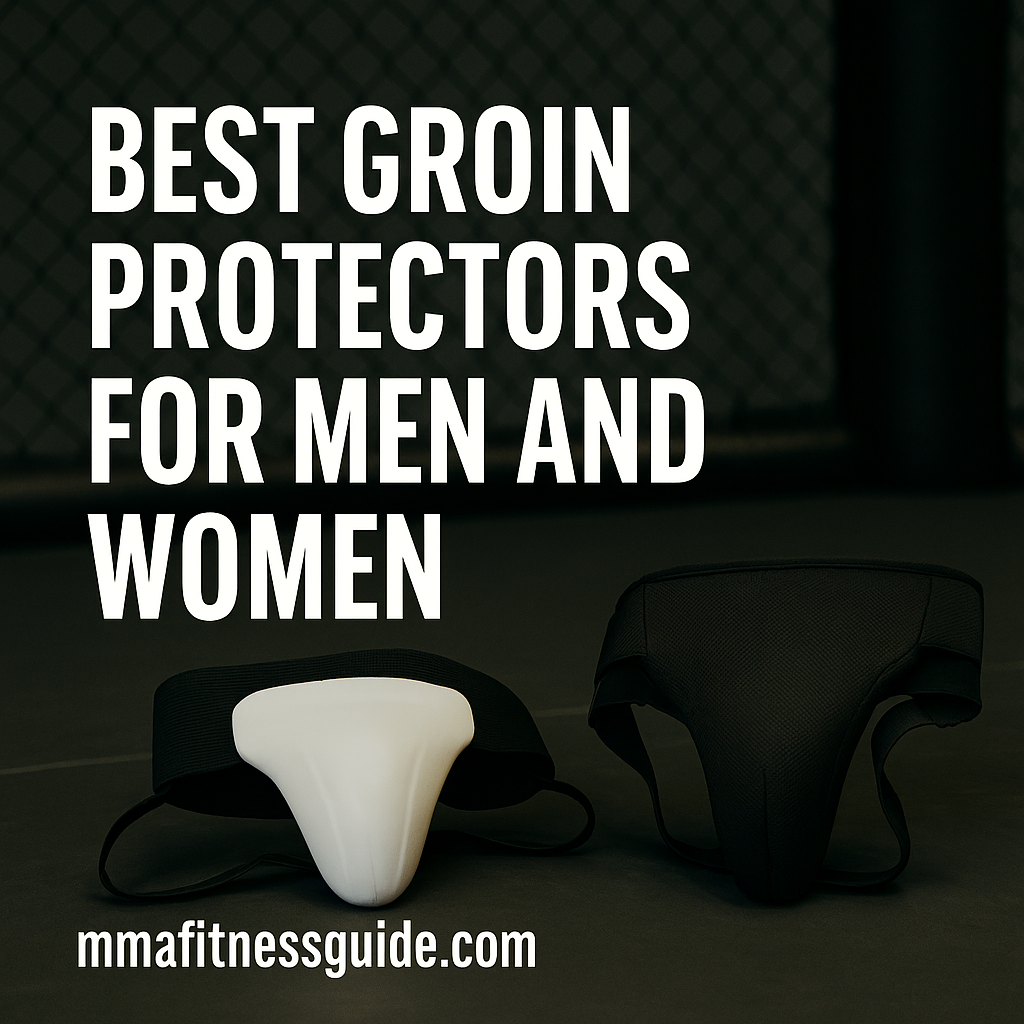
Groin protectors for men and women placed on the gym floor, highlighting the gear discussed in the article about safe MMA training.
A look at men’s and women’s groin protectors commonly used in MMA and striking sports.

A good groin protector is one of the most essential pieces of gear for anyone training MMA, Muay Thai, kickboxing, or sparring-heavy grappling. Low blows happen — even with experienced partners — and the wrong cup can mean serious pain, injury, or long-term damage.

Whether you’re a beginner looking for reliable protection or a competitive fighter preparing for hard sparring, choosing the right groin guard makes a huge difference in comfort, mobility, and safety.

This guide breaks down the best groin protectors for men and women, how they work, and what to look for.

Continue reading “Best Groin Protectors for Men and Women”

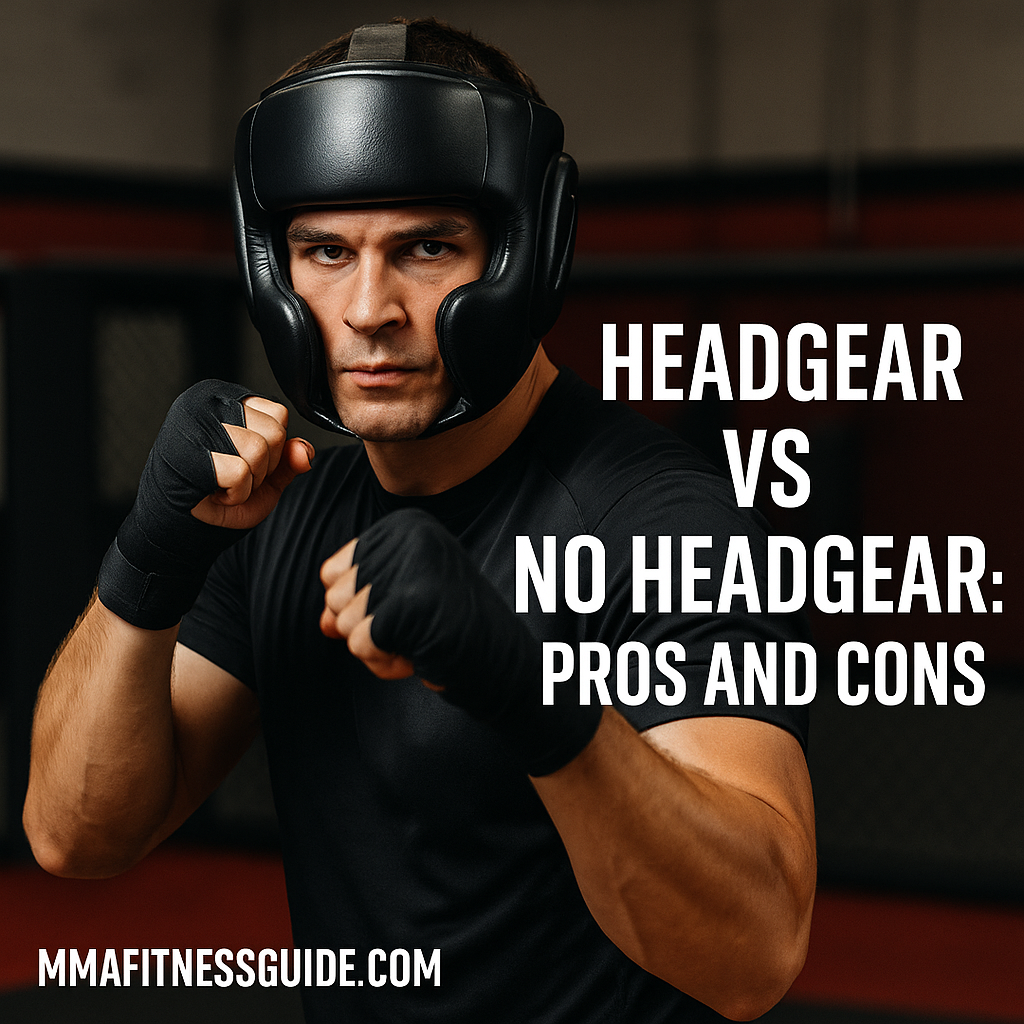
Headgear vs No Headgear: Pros and Cons

Male MMA fighter wearing black headgear in a gym, posing in a fighting stance for an article about headgear versus no headgear.
Male MMA athlete wearing protective headgear during sparring training.

Whether or not to wear headgear during MMA sparring is one of the most debated topics in combat sports. Some fighters swear by the added protection, while others argue it creates bad habits or gives a false sense of security. The truth? Both approaches have legitimate benefits — depending on your goals, experience level, and training intensity.

Continue reading “Headgear vs No Headgear: Pros and Cons”

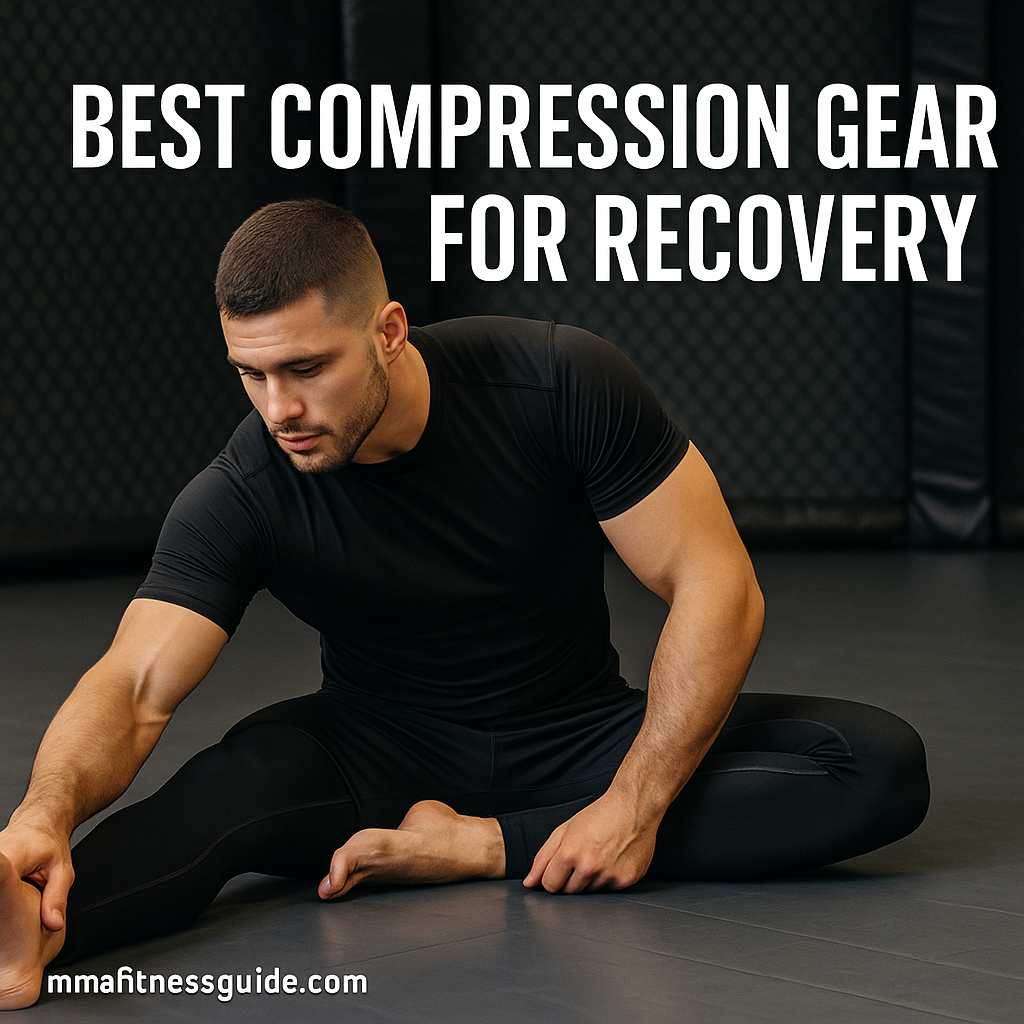
Best Compression Gear for Recovery

A muscular male MMA athlete stretching on gym mats while wearing black compression gear, with the title “Best Compression Gear for Recovery” clearly displayed above him.
A fighter using compression gear to support faster recovery and reduce post-training soreness.

Introduction

Between grappling rounds, hard sparring, and strength training, MMA takes a serious toll on your muscles and joints. Recovery isn’t optional — it’s part of what allows you to show up stronger for your next session. One of the simplest tools to boost recovery is compression gear.

From tights to sleeves to socks, compression equipment helps improve circulation, reduce swelling, and support your muscles so you bounce back faster. Whether you’re a beginner or an experienced fighter, smart use of compression gear can make a noticeable difference in how you feel the next day.

Here’s the gear worth adding to your recovery routine.

Continue reading “Best Compression Gear for Recovery”

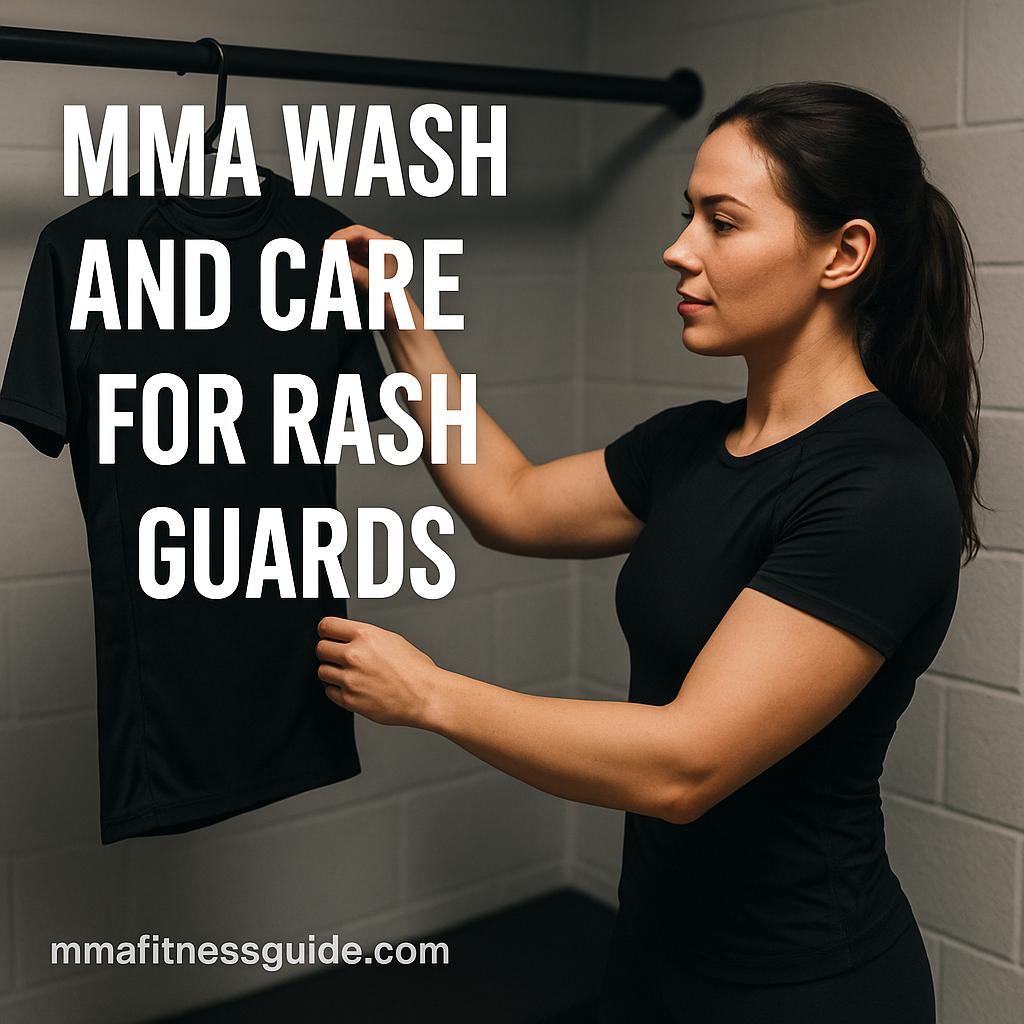
MMA: Wash and Care for Rash Guards

Fit female MMA athlete hanging a freshly washed rash guard in a locker room, with the title “MMA Wash and Care for Rash Guards” displayed.
A fighter properly caring for her rash guard to keep it clean, fresh, and long-lasting.

Introduction

Your rash guard takes a beating every week — sweat, friction, mat grime, and constant stretching. And while rash guards are built for durability, they won’t last long without proper care. Good washing habits prevent odors, bacteria buildup, fading, and fabric damage, keeping your gear looking sharp and lasting longer.

Whether you train MMA, BJJ, or no-gi grappling, here’s how to take care of your rash guards the right way.

Continue reading “MMA: Wash and Care for Rash Guards”

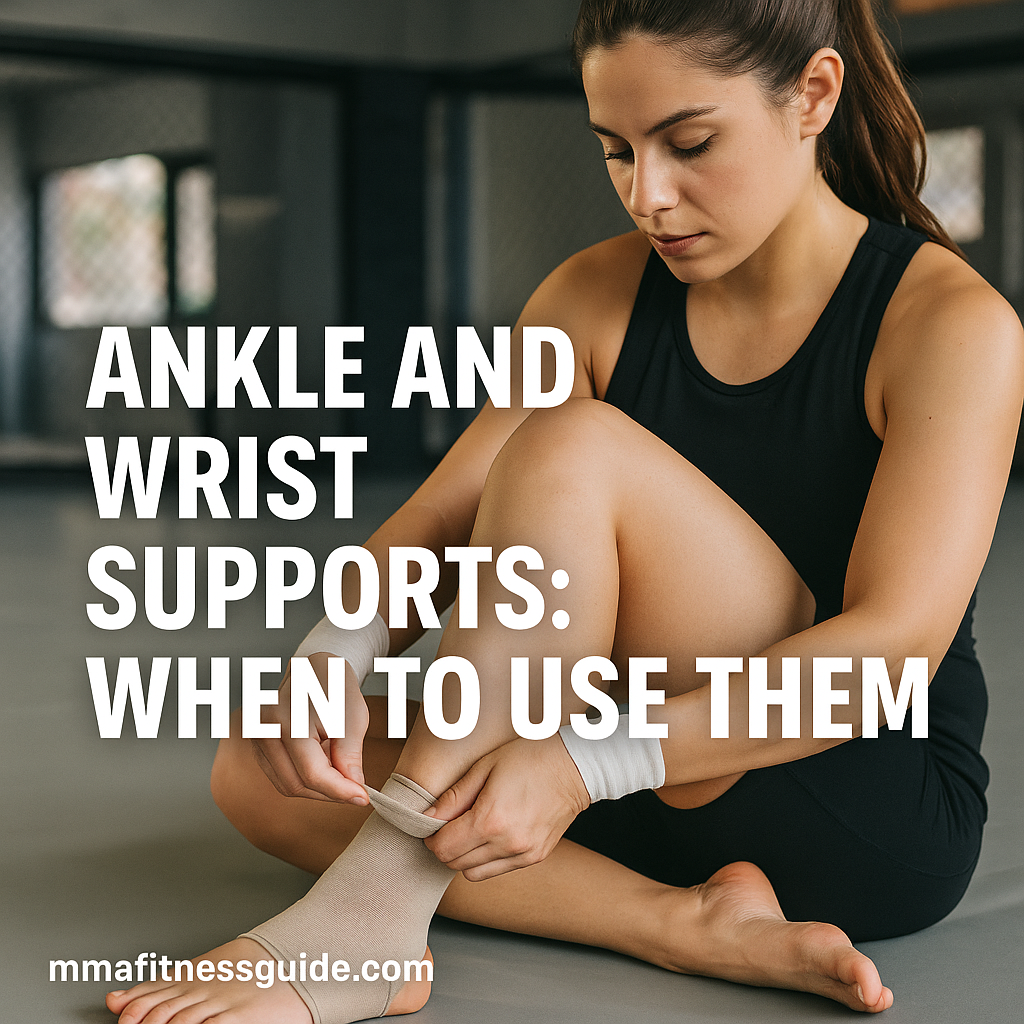
Ankle and Wrist Supports: When to Use Them

Fit female MMA athlete sitting on the mats adjusting an ankle support, with the title “Ankle and Wrist Supports: When to Use Them” displayed.
A fighter preparing her ankle support before training to protect small joints during high-impact MMA sessions.

Introduction

Combat sports put a lot of stress on small joints — especially the ankles and wrists. These joints take repeated impacts from striking, grappling, takedown attempts, and fast directional changes. It’s common for beginners and even experienced fighters to deal with soreness or minor tweaks in these areas.

That’s where ankle and wrist supports come in. Used correctly, they can provide extra stability, protect old injuries, and make training safer. Used incorrectly, they can limit mobility or hide technique issues.

This guide explains when MMA athletes should use supports, when to avoid them, and how to integrate them into training the right way.

Continue reading “Ankle and Wrist Supports: When to Use Them”

Best Heavy Bags for Home Training

Male MMA athlete throwing a punch at a heavy bag during home training, with the title “Best Heavy Bags for Home Training” displayed.
A fighter practicing striking drills on a heavy bag as part of a home training routine.

Introduction

Training at home is one of the best ways to improve your striking, conditioning, and consistency — and having a good heavy bag makes all the difference. A quality bag helps you build power, sharpen technique, and get a full workout anytime without needing to visit the gym.

But with so many bag styles and sizes, picking the right one can feel confusing. This guide breaks down the best options for MMA athletes and beginners so you can choose a bag that fits your space, goals, and budget.

Continue reading “Best Heavy Bags for Home Training”

The Difference Between Bag Gloves and Sparring Gloves

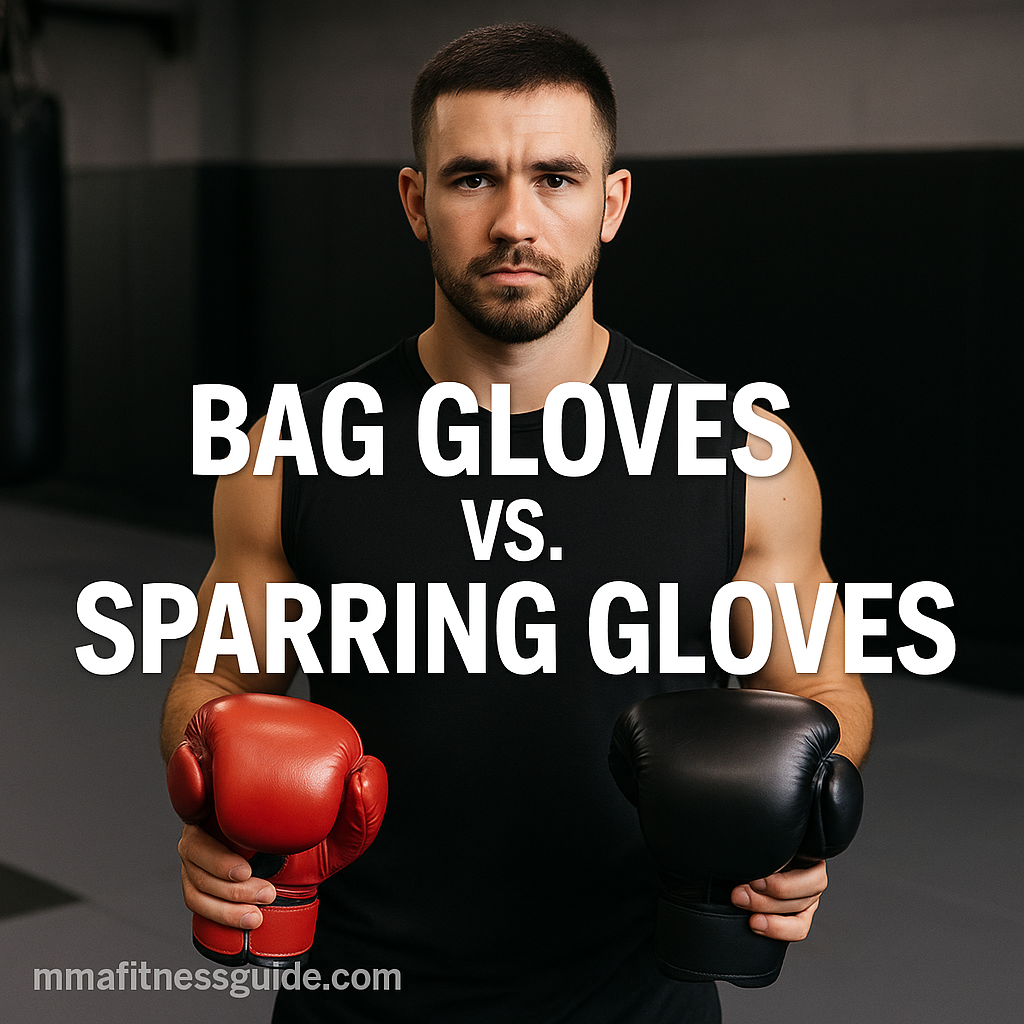
Male MMA athlete comparing bag gloves and sparring gloves with the title “Bag Gloves vs. Sparring Gloves” displayed.
A fighter showing the difference between bag gloves and sparring gloves for safer training.

Introduction

If you’re new to MMA, it’s easy to assume all gloves are the same. But when it comes to training safely, choosing the right glove makes a huge difference. Bag gloves and sparring gloves are designed for completely different purposes — one protects your hands while hitting equipment, and the other protects your training partners during live rounds.

Using the wrong glove can lead to sore knuckles, injuries, or unsafe sparring. This guide breaks down the differences in simple terms so you can train confidently and avoid common mistakes.

Continue reading “The Difference Between Bag Gloves and Sparring Gloves”

MMA: Pick a Durable Gi for Jiu-Jitsu

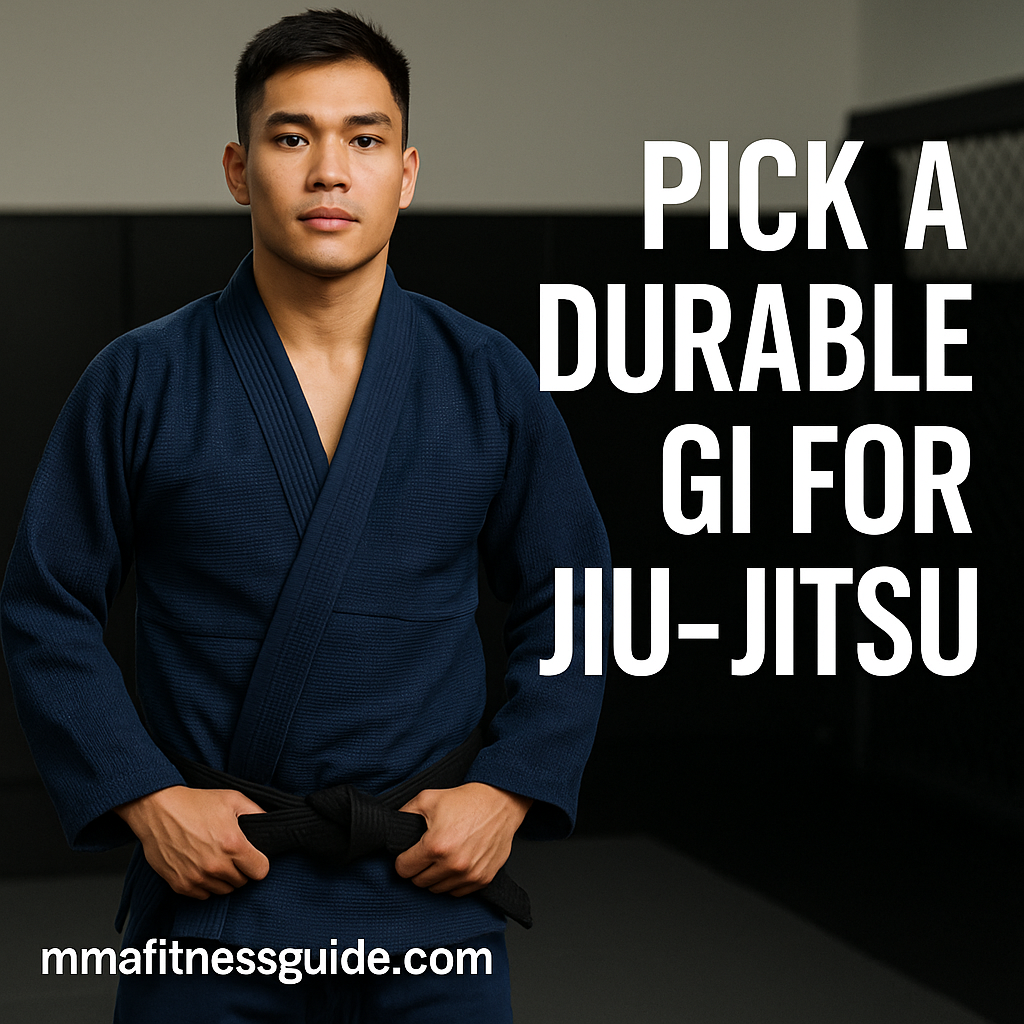
Male BJJ athlete wearing a durable navy gi with the title “Pick a Durable Gi for Jiu-Jitsu” displayed.
A grappler showcasing a strong, durable gi built for tough Jiu-Jitsu training.

Introduction

If you train Jiu-Jitsu regularly, your gi goes through a lot—tough grips, long rolls, constant washing, and daily wear. A durable gi makes training more comfortable, lasts longer, and saves money over time. The good news is that you don’t need to be an expert to choose the right one. By checking a few key features, you can find a gi that fits well and holds up through hard sessions.

Here’s a simple guide to picking a durable BJJ gi for MMA cross-training or dedicated Jiu-Jitsu work.

Continue reading “MMA: Pick a Durable Gi for Jiu-Jitsu”