
Identity Beyond Fighting: Staying Balanced

A female MMA athlete wearing colored shorts sitting on the gym mats in front of a chain-link wall, paired with the article title and mmafitnessguide.com watermark.
A female fighter seated on the gym mats wearing colored shorts, representing the theme of finding identity and balance beyond fighting.

For many fighters, MMA becomes more than a sport — it becomes an identity. You train, eat, sleep, and live like a fighter. The gym becomes home. Your teammates feel like family. The grind shapes your routines, friendships, confidence, and even your sense of purpose.

But if fighting becomes the only thing that defines you, it can create pressure, burnout, and emotional instability, especially during injuries, layoffs, or transitions. True mental fitness comes from knowing who you are outside the cage, not just inside it.

This guide helps fighters stay grounded, balanced, and mentally resilient by building an identity that’s deeper and more stable than wins, losses, or training sessions.

Continue reading “Identity Beyond Fighting: Staying Balanced”

Social Media and Mental Fitness for Athletes

MMA fighter sitting in a gym and looking thoughtfully at his smartphone after training, illustrating social media's influence on mental fitness.
Managing social media habits can help fighters reduce distractions, handle online pressure, and maintain focus on their training goals.

You finish a difficult sparring session, check your phone, and see another fighter posting a highlight reel of flawless combinations and dominant takedowns. Suddenly, the progress you made today feels insignificant. You start questioning your technique, comparing your training schedule, and wondering whether you’re falling behind.

Social media can help MMA athletes study techniques, connect with training partners, and build their personal brands. But constant comparison, negative comments, and pressure to document every achievement can also interfere with confidence, concentration, and recovery. Learning when to engage, what content to consume, and when to put your phone away allows you to benefit from social media without letting it dictate how you evaluate your progress as a fighter.

Continue reading “Social Media and Mental Fitness for Athletes”

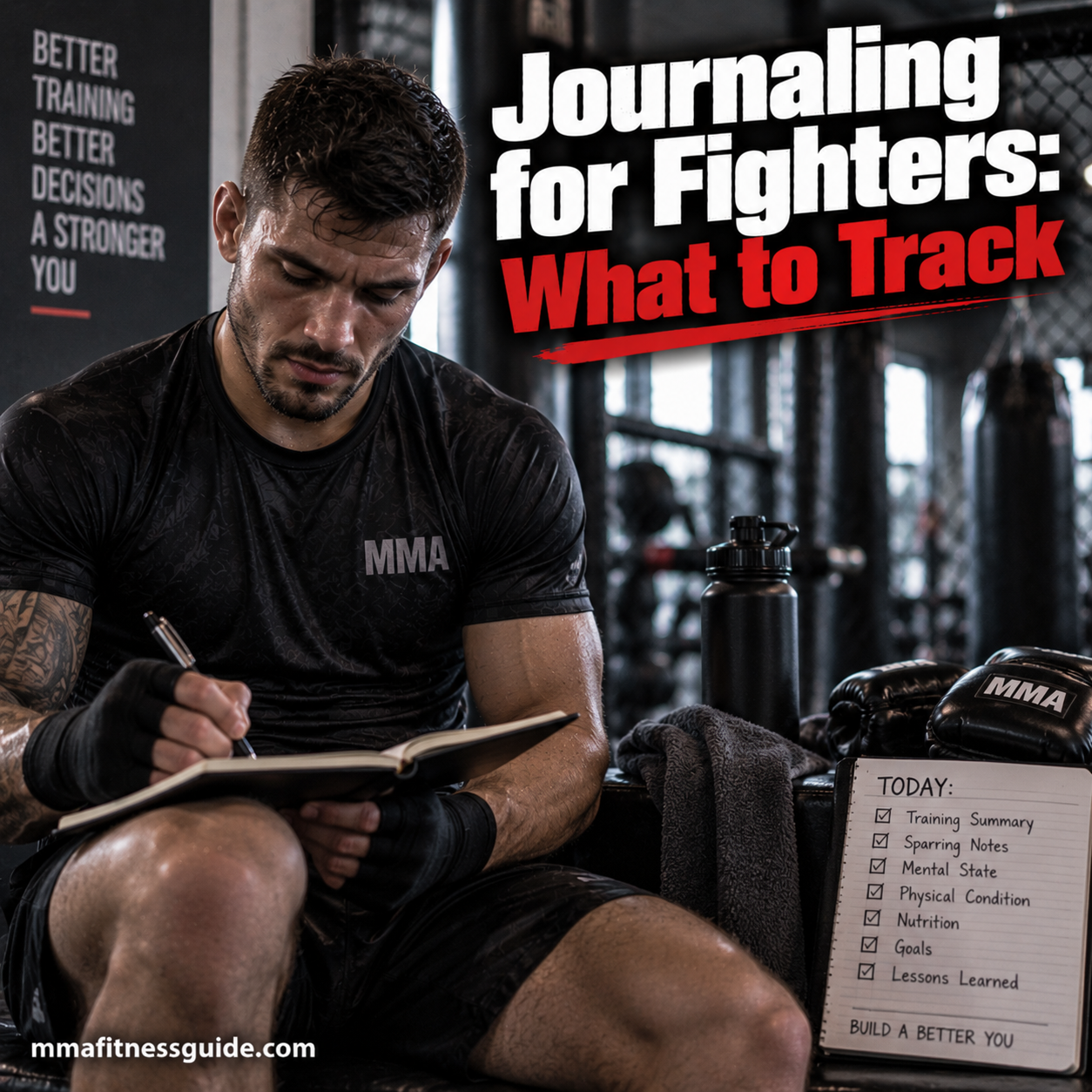
Journaling for Fighters: What to Track

MMA fighter writing in a training journal after a workout, with boxing gloves and a checklist of training goals beside him.
Recording training sessions, technical corrections, recovery, and small wins helps fighters review their progress and plan future workouts.

You finish five rounds of sparring and notice the same problem keeps happening: every time your opponent pressures you against the cage, you lose your balance while trying to escape. Your coach explains the adjustment, but by the next training session, you’ve forgotten the details. A quick journal entry recording the mistake, the correction, and what to practice next could help you avoid repeating the same problem.

For MMA fighters, a training journal creates a record of technical progress, conditioning, recovery, and mental preparation. It can reveal patterns that are difficult to recognize from individual sessions, such as declining energy after poor sleep or improvements in takedown defense over several weeks. By recording specific observations rather than vague impressions, you give yourself and your coach information to use when planning future training.

Continue reading “Journaling for Fighters: What to Track”

Channeling Nerves into Performance

MMA fighter sitting with his head lowered and hands clasped, mentally preparing for training or competition inside a gym.
Mental preparation helps fighters manage pre-fight nerves, maintain focus, and respond effectively under pressure.

You’re standing outside the cage, waiting for your name to be called. Your heart is pounding, your mouth feels dry, and your mind keeps replaying everything that could go wrong.

You know you’ve trained hard. You’ve drilled your combinations, practiced your takedown defense, and completed countless rounds of sparring. Yet your body seems to have a different opinion about how prepared you are.

This experience isn’t limited to professional fighters. Beginners can feel the same pressure before their first sparring session, while experienced athletes may experience nerves before important competitions.

The challenge isn’t necessarily eliminating nervousness. It’s learning how to respond to it without allowing it to interfere with your preparation, decision-making, or technique.

With consistent mental training, fighters can develop practical strategies for managing pre-fight anxiety, maintaining focus, and performing effectively under pressure.

Continue reading “Channeling Nerves into Performance”

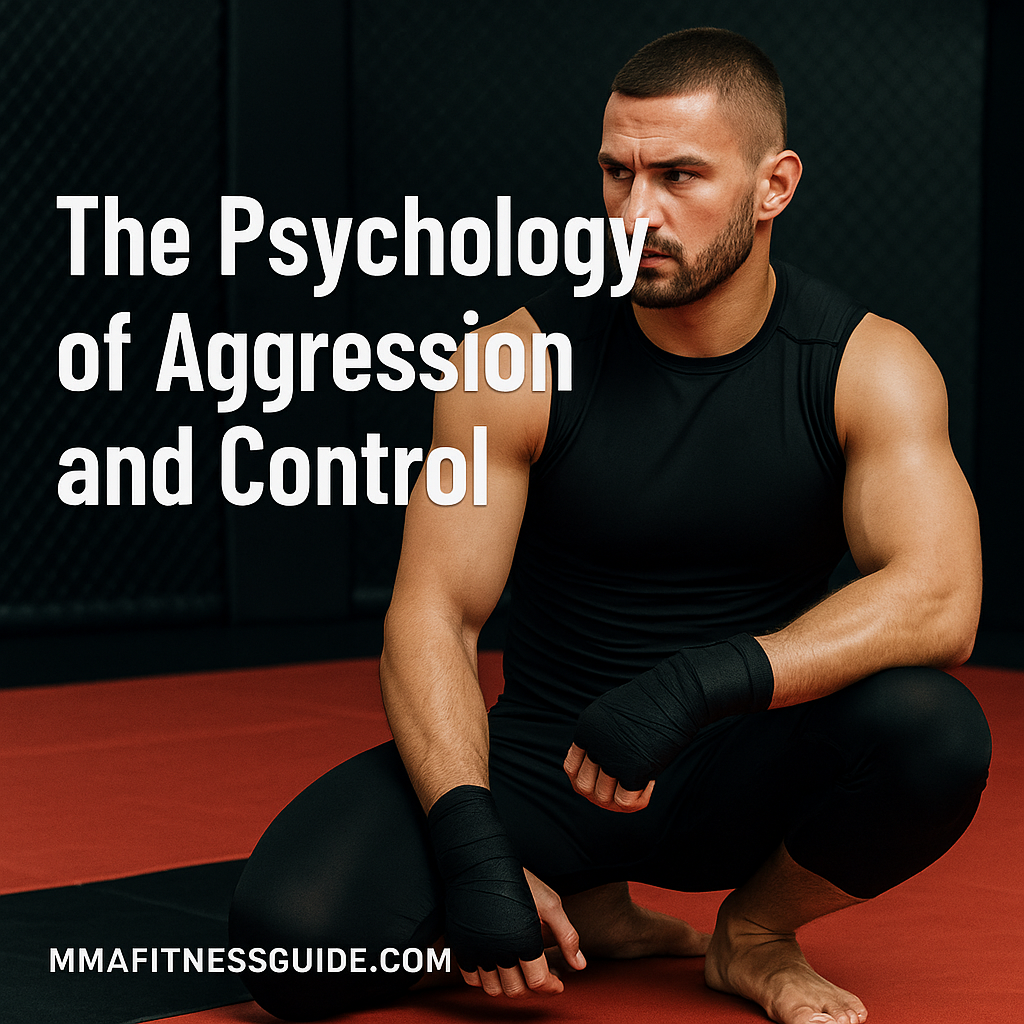
The Psychology of Aggression and Control

A focused male MMA fighter kneeling on red mats inside a gym, representing controlled aggression, with the title “The Psychology of Aggression and Control” displayed.
A fighter practicing mental control and channeling aggression with purpose during training.

Introduction

Aggression is part of combat. It’s natural to feel a surge of intensity, anger, or adrenaline when you’re fighting, sparring, or competing. But in MMA, aggression alone doesn’t win fights — control does.

The best fighters in the world aren’t just tough. They’re composed. They know how to tap into aggression without letting it take over. Understanding the psychology behind aggression and control can help you perform better, stay calm in the cage, and fight with purpose instead of emotion.

Here’s how fighters build the mental skill of controlled aggression.

Continue reading “The Psychology of Aggression and Control”

MMA: Build Consistency When Motivation Fades

A focused male MMA athlete wearing red gloves prepares mentally for training, with the title “Build Consistency When Motivation Fades” displayed.
A fighter staying disciplined and consistent even when motivation dips.

Introduction

Every fighter loves training when motivation is high — the energy is strong, the rounds feel smooth, and showing up feels effortless. But no fighter stays motivated all the time. Life stress, fatigue, long camps, work, and daily responsibilities all take a toll. The real difference between average progress and long-term growth comes from one skill:

Consistency when motivation fades.

Here’s how fighters build systems and mindsets that keep them training even on days when the fire isn’t there.

Continue reading “MMA: Build Consistency When Motivation Fades”

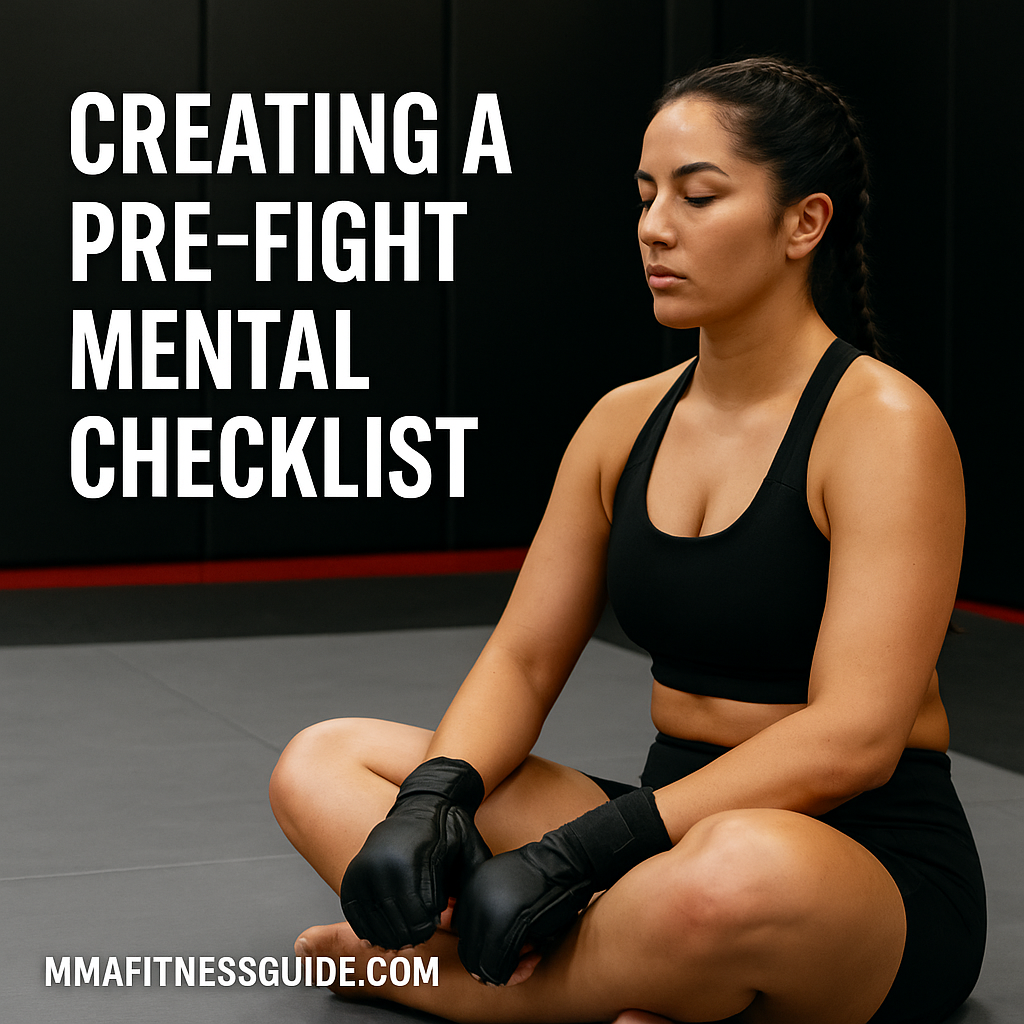
Creating a Pre-Fight Mental Checklist

Female MMA fighter sitting calmly on the mats with eyes closed, preparing mentally before a fight, with the title “Creating a Pre-Fight Mental Checklist” displayed.
A fighter using a pre-fight mental checklist to stay focused and composed before competition.

Introduction

Right before a fight, your mind becomes just as important as your conditioning. Even fighters with great cardio, sharp technique, and strong preparation can fall apart mentally if they don’t control their thoughts. A pre-fight mental checklist helps you stay steady, focused, and confident — no matter how intense the moment feels.

Think of it as mental warm-up: a quick sequence that keeps your head clear and your nerves under control. Here’s how to build one that actually works.

Continue reading “Creating a Pre-Fight Mental Checklist”

Positive Self-Talk That Actually Works

Fit female MMA athlete sitting calmly on the mats with gloves off, focusing quietly with the title “Positive Self-Talk That Actually Works” displayed.
A fighter practicing calm, positive self-talk to build confidence and mental resilience.

Introduction

Every fighter deals with frustration, doubt, and rough days in the gym. But the way you talk to yourself — especially under pressure — can shape how well you perform and how fast you improve. Positive self-talk isn’t about pretending everything is perfect. It’s about choosing words that help you stay calm, confident, and in control.

The right internal dialogue can boost focus, keep you motivated, and help you push through tough moments. Here’s how to use positive self-talk in a way that actually works for fighters.

Continue reading “Positive Self-Talk That Actually Works”

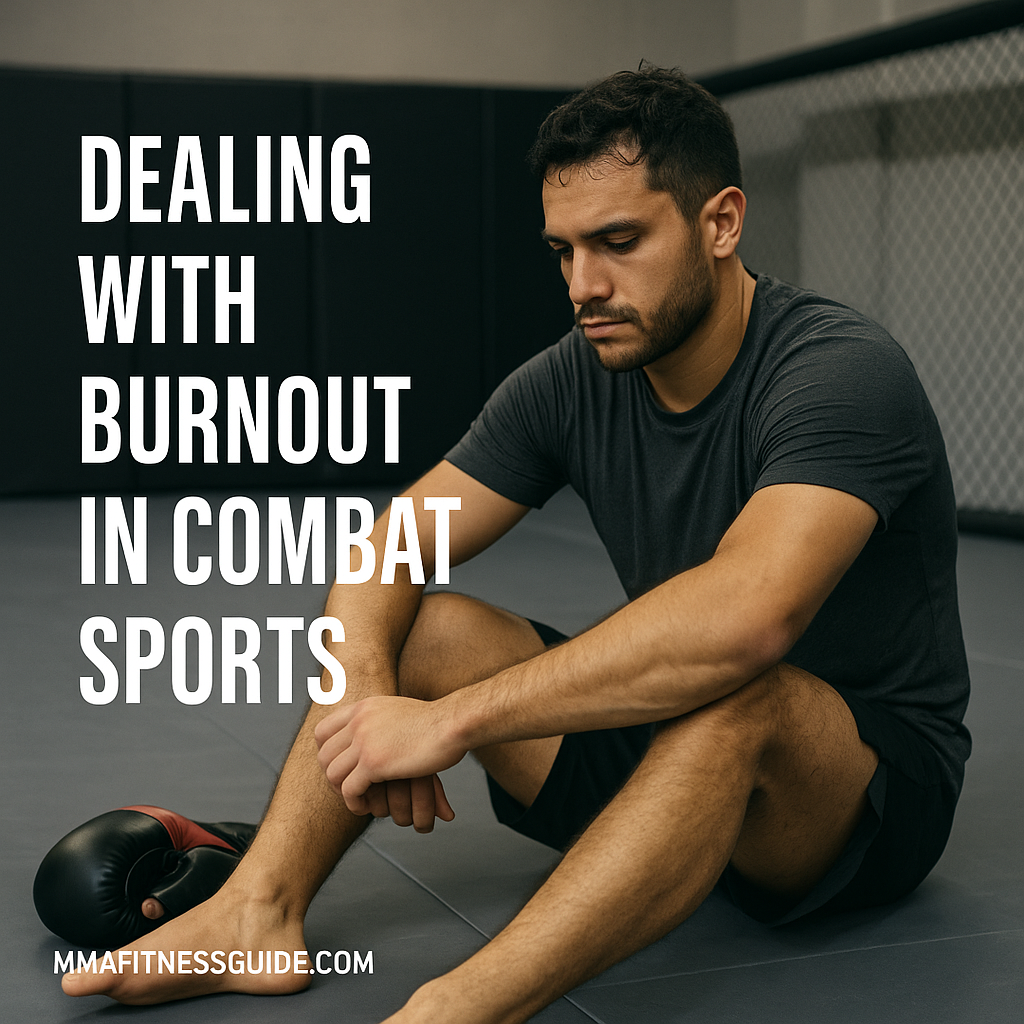
Dealing with Burnout in Combat Sports

Male MMA athlete sitting on gym mats looking tired and reflective, with the title “Dealing with Burnout in Combat Sports” displayed.
A fighter taking a quiet moment to reset and deal with burnout in combat sports.

Introduction

Combat sports are intense. Between sparring rounds, strength training, conditioning, drilling, and the pressure to improve, burnout can creep in before you even notice it. Burnout isn’t just feeling tired — it’s mental and physical exhaustion that makes training feel heavier than usual.

The good news is that burnout is normal, and it’s something every fighter experiences at some point. With the right approach, you can recover, reset your mindset, and get back to training in a healthier, more sustainable way.

Here’s how to recognize burnout and deal with it effectively.

Continue reading “Dealing with Burnout in Combat Sports”

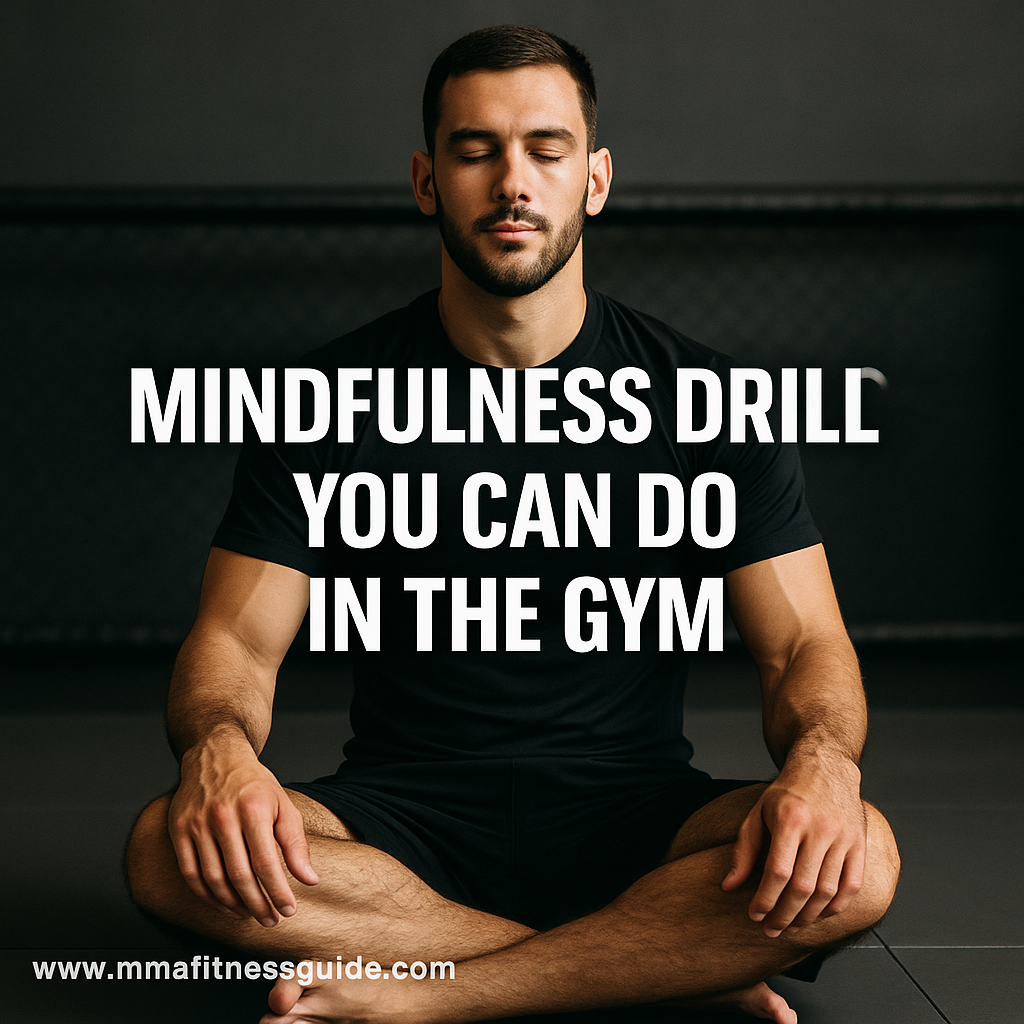
Mindfulness Drills You Can Do in the Gym

Male MMA athlete practicing a mindfulness breathing drill in the gym with the title “Mindfulness Drills You Can Do in the Gym” displayed.
A fighter using simple mindfulness techniques to stay calm and focused during training.

Introduction

Mindfulness might sound like something you do at home or in a quiet room, but it’s incredibly useful in the gym as well. MMA training is fast, intense, and demanding, and staying present helps you move better, think faster, and stay calmer under pressure. The best part is that mindfulness doesn’t require a big time commitment — just a few small drills built into your warm-ups, workouts, or cooldowns.

Below are simple, practical mindfulness exercises you can do during any training session.

Continue reading “Mindfulness Drills You Can Do in the Gym”