Identity Beyond Fighting: Staying Balanced

A female MMA athlete wearing colored shorts sitting on the gym mats in front of a chain-link wall, paired with the article title and mmafitnessguide.com watermark.
A female fighter seated on the gym mats wearing colored shorts, representing the theme of finding identity and balance beyond fighting.

For many fighters, MMA becomes more than a sport — it becomes an identity. You train, eat, sleep, and live like a fighter. The gym becomes home. Your teammates feel like family. The grind shapes your routines, friendships, confidence, and even your sense of purpose.

But if fighting becomes the only thing that defines you, it can create pressure, burnout, and emotional instability, especially during injuries, layoffs, or transitions. True mental fitness comes from knowing who you are outside the cage, not just inside it.

This guide helps fighters stay grounded, balanced, and mentally resilient by building an identity that’s deeper and more stable than wins, losses, or training sessions.

Continue reading “Identity Beyond Fighting: Staying Balanced”

Social Media and Mental Fitness for Athletes

A female athlete in gym clothing looking down at her phone, representing how social media affects mental fitness for athletes.
A focused female athlete checking her phone, illustrating the connection between social media use and mental fitness.

Social media can be a powerful tool for athletes — a place to build a brand, share progress, study techniques, and connect with fans. But it can also create mental pressure, comparison traps, and unnecessary stress that affects performance inside and outside the gym.

For fighters, who already deal with high expectations, intense training schedules, and competition stress, managing social media wisely is essential for long-term mental fitness.

This guide breaks down how social media affects athletes, the risks to watch for, and the habits that help fighters stay mentally strong while staying connected online.

Continue reading “Social Media and Mental Fitness for Athletes”

Journaling for Fighters: What to Track

A fighter sitting on the gym mat and writing in a notebook, used to represent the importance of journaling for training and mindset in combat sports.
A fighter taking notes after training, illustrating the journaling habits discussed in this guide.

Journaling isn’t just a mental health tool — it’s a performance tool. For fighters, it helps sharpen focus, manage stress, improve self-awareness, and track the habits that lead to real progress in training. When done consistently, journaling becomes a blueprint for becoming a better, smarter, and more resilient martial artist.

Whether you’re preparing for a fight, rebuilding after a slump, or simply trying to level up your training, knowing what to track can make your journaling far more effective.

Continue reading “Journaling for Fighters: What to Track”

Channeling Nerves into Performance

Male MMA fighter wrapping his hands before training, representing how to channel nerves into performance.
Male MMA athlete preparing for training by focusing nervous energy into performance.

Even the best fighters in the world feel nervous before sparring, competition, or tough training sessions. Nerves are not a sign of weakness — they’re a sign that your mind and body are preparing for something meaningful. The real skill is learning how to channel that energy into sharp focus and peak performance.

Continue reading “Channeling Nerves into Performance”

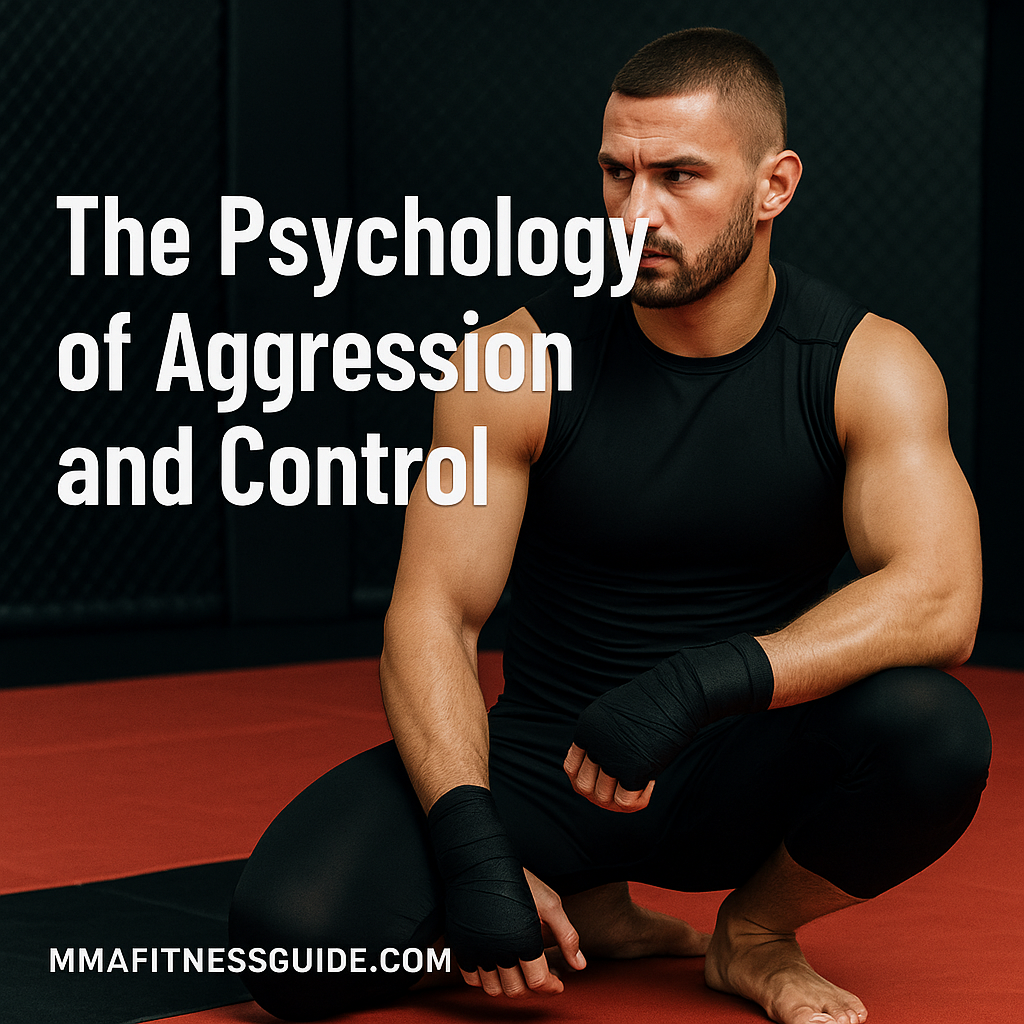
The Psychology of Aggression and Control

A focused male MMA fighter kneeling on red mats inside a gym, representing controlled aggression, with the title “The Psychology of Aggression and Control” displayed.
A fighter practicing mental control and channeling aggression with purpose during training.

Introduction

Aggression is part of combat. It’s natural to feel a surge of intensity, anger, or adrenaline when you’re fighting, sparring, or competing. But in MMA, aggression alone doesn’t win fights — control does.

The best fighters in the world aren’t just tough. They’re composed. They know how to tap into aggression without letting it take over. Understanding the psychology behind aggression and control can help you perform better, stay calm in the cage, and fight with purpose instead of emotion.

Here’s how fighters build the mental skill of controlled aggression.

Continue reading “The Psychology of Aggression and Control”

MMA: Build Consistency When Motivation Fades

A focused male MMA athlete wearing red gloves prepares mentally for training, with the title “Build Consistency When Motivation Fades” displayed.
A fighter staying disciplined and consistent even when motivation dips.

Introduction

Every fighter loves training when motivation is high — the energy is strong, the rounds feel smooth, and showing up feels effortless. But no fighter stays motivated all the time. Life stress, fatigue, long camps, work, and daily responsibilities all take a toll. The real difference between average progress and long-term growth comes from one skill:

Consistency when motivation fades.

Here’s how fighters build systems and mindsets that keep them training even on days when the fire isn’t there.

Continue reading “MMA: Build Consistency When Motivation Fades”

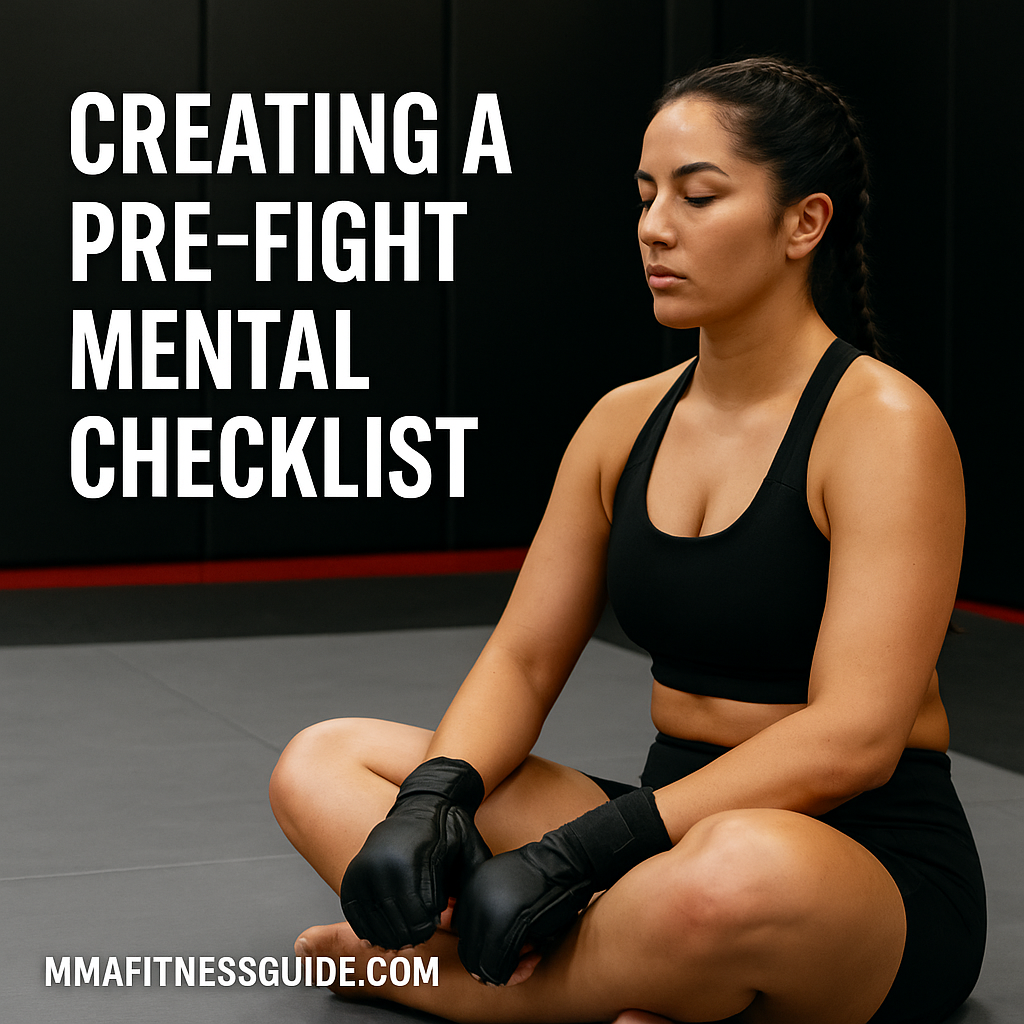
Creating a Pre-Fight Mental Checklist

Female MMA fighter sitting calmly on the mats with eyes closed, preparing mentally before a fight, with the title “Creating a Pre-Fight Mental Checklist” displayed.
A fighter using a pre-fight mental checklist to stay focused and composed before competition.

Introduction

Right before a fight, your mind becomes just as important as your conditioning. Even fighters with great cardio, sharp technique, and strong preparation can fall apart mentally if they don’t control their thoughts. A pre-fight mental checklist helps you stay steady, focused, and confident — no matter how intense the moment feels.

Think of it as mental warm-up: a quick sequence that keeps your head clear and your nerves under control. Here’s how to build one that actually works.

Continue reading “Creating a Pre-Fight Mental Checklist”

Positive Self-Talk That Actually Works

Fit female MMA athlete sitting calmly on the mats with gloves off, focusing quietly with the title “Positive Self-Talk That Actually Works” displayed.
A fighter practicing calm, positive self-talk to build confidence and mental resilience.

Introduction

Every fighter deals with frustration, doubt, and rough days in the gym. But the way you talk to yourself — especially under pressure — can shape how well you perform and how fast you improve. Positive self-talk isn’t about pretending everything is perfect. It’s about choosing words that help you stay calm, confident, and in control.

The right internal dialogue can boost focus, keep you motivated, and help you push through tough moments. Here’s how to use positive self-talk in a way that actually works for fighters.

Continue reading “Positive Self-Talk That Actually Works”

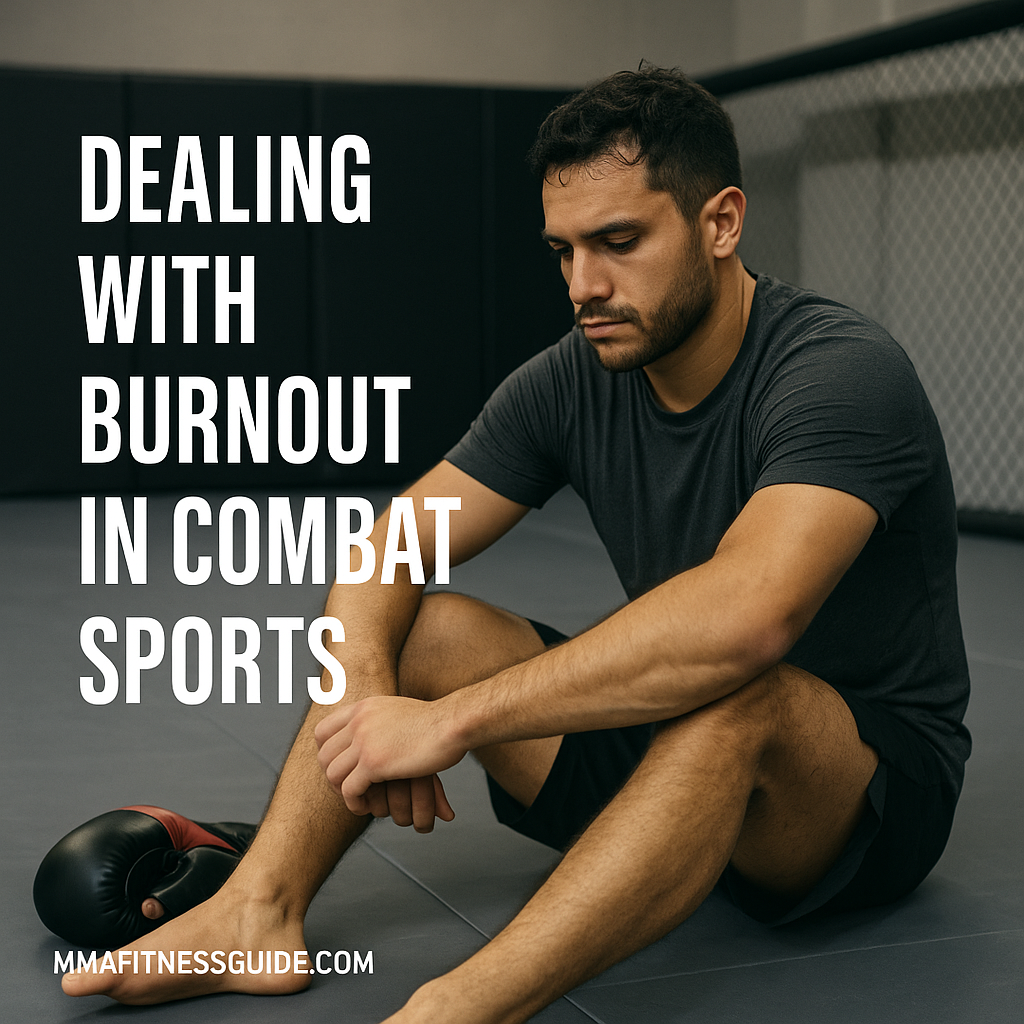
Dealing with Burnout in Combat Sports

Male MMA athlete sitting on gym mats looking tired and reflective, with the title “Dealing with Burnout in Combat Sports” displayed.
A fighter taking a quiet moment to reset and deal with burnout in combat sports.

Introduction

Combat sports are intense. Between sparring rounds, strength training, conditioning, drilling, and the pressure to improve, burnout can creep in before you even notice it. Burnout isn’t just feeling tired — it’s mental and physical exhaustion that makes training feel heavier than usual.

The good news is that burnout is normal, and it’s something every fighter experiences at some point. With the right approach, you can recover, reset your mindset, and get back to training in a healthier, more sustainable way.

Here’s how to recognize burnout and deal with it effectively.

Continue reading “Dealing with Burnout in Combat Sports”

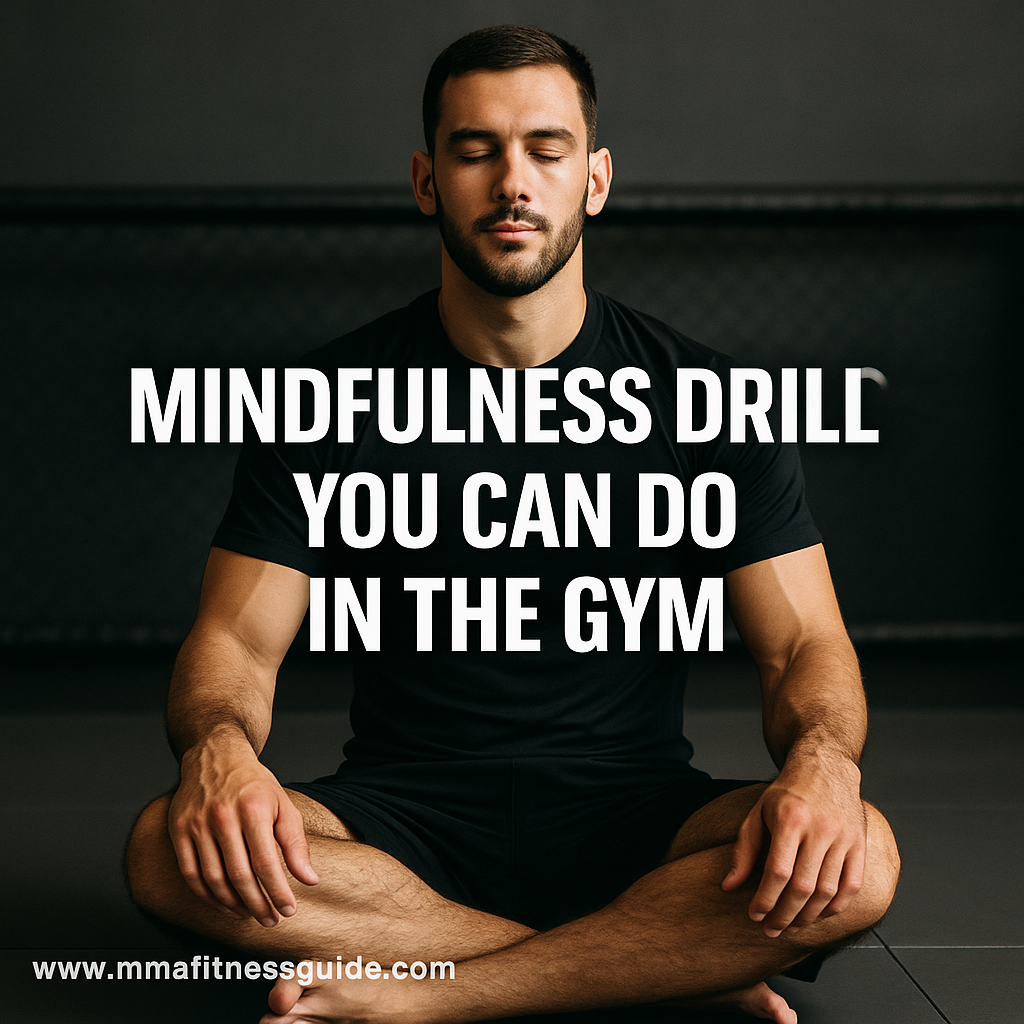
Mindfulness Drills You Can Do in the Gym

Male MMA athlete practicing a mindfulness breathing drill in the gym with the title “Mindfulness Drills You Can Do in the Gym” displayed.
A fighter using simple mindfulness techniques to stay calm and focused during training.

Introduction

Mindfulness might sound like something you do at home or in a quiet room, but it’s incredibly useful in the gym as well. MMA training is fast, intense, and demanding, and staying present helps you move better, think faster, and stay calmer under pressure. The best part is that mindfulness doesn’t require a big time commitment — just a few small drills built into your warm-ups, workouts, or cooldowns.

Below are simple, practical mindfulness exercises you can do during any training session.

Continue reading “Mindfulness Drills You Can Do in the Gym”