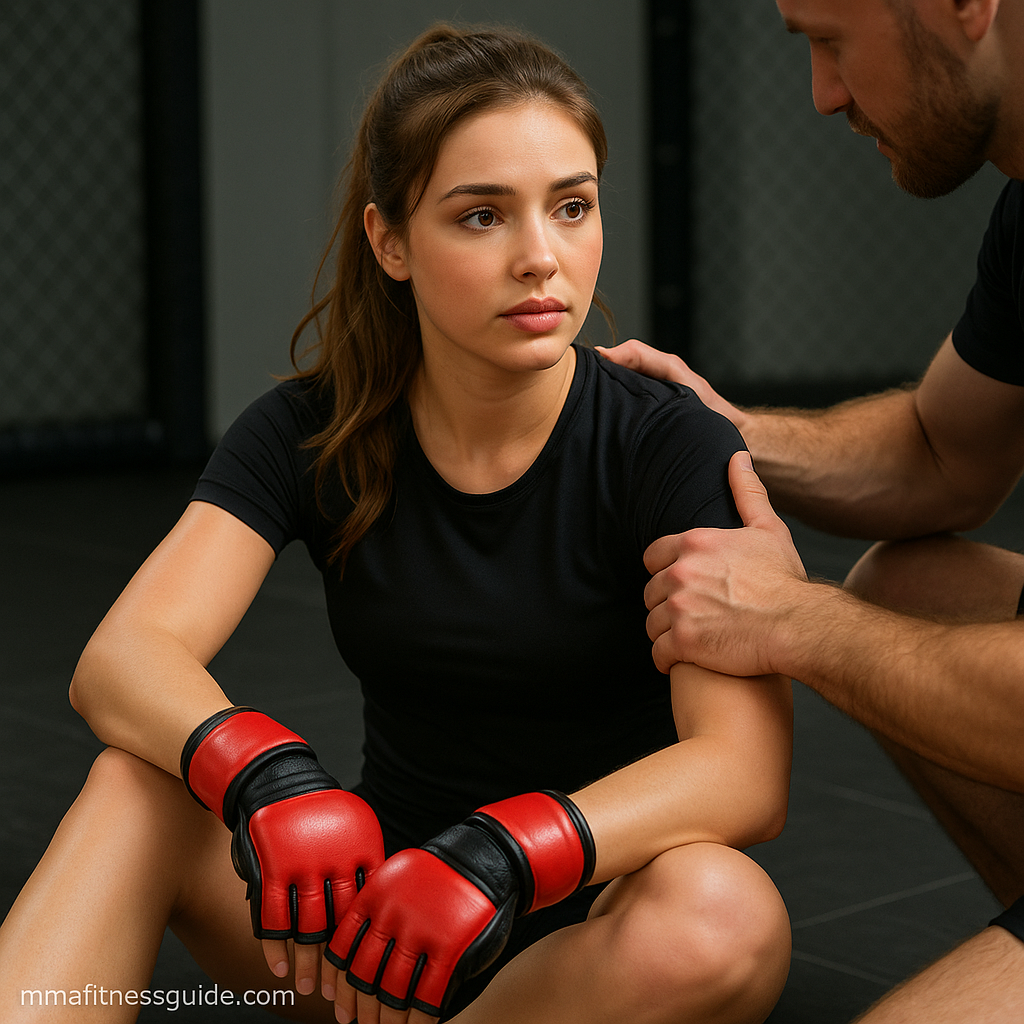
Concussion Awareness and Protocols

Female MMA athlete sitting on the mats with a coach checking on her to emphasize concussion awareness.
A fighter taking a moment to assess symptoms and follow proper concussion safety protocols.

Introduction

Concussions are one of the most serious risks in combat sports. Even light sparring, accidental clashes, or unexpected falls can cause head impacts that affect your brain. While MMA training can be done safely, it’s important for every athlete — beginner or advanced — to understand what concussions look like and how to respond to them.

You don’t need medical training to spot warning signs. A little awareness helps protect both yourself and your training partners.

Below is a simple, practical guide to concussion basics and safe protocols to follow.

Continue reading “Concussion Awareness and Protocols”

Lower Back Pain: Causes and Solutions

Male athlete sitting on a gym floor holding his lower back in pain, shown with bold white title text about lower back pain causes and solutions.
A male martial artist experiencing lower back discomfort, illustrating the common causes and solutions for lower back pain.

Lower back pain is one of the most common issues martial artists face — from kickboxers and grapplers to beginners just learning proper movement mechanics. The lower back absorbs stress from striking, lifting, takedowns, sprawls, and even everyday posture habits. When it gets overworked or misaligned, the pain can range from annoying stiffness to major movement limitations.

The good news: most lower back pain in MMA athletes can be fixed or prevented with the right habits. This guide breaks down the main causes, common mistakes, and practical solutions you can start today.

Continue reading “Lower Back Pain: Causes and Solutions”

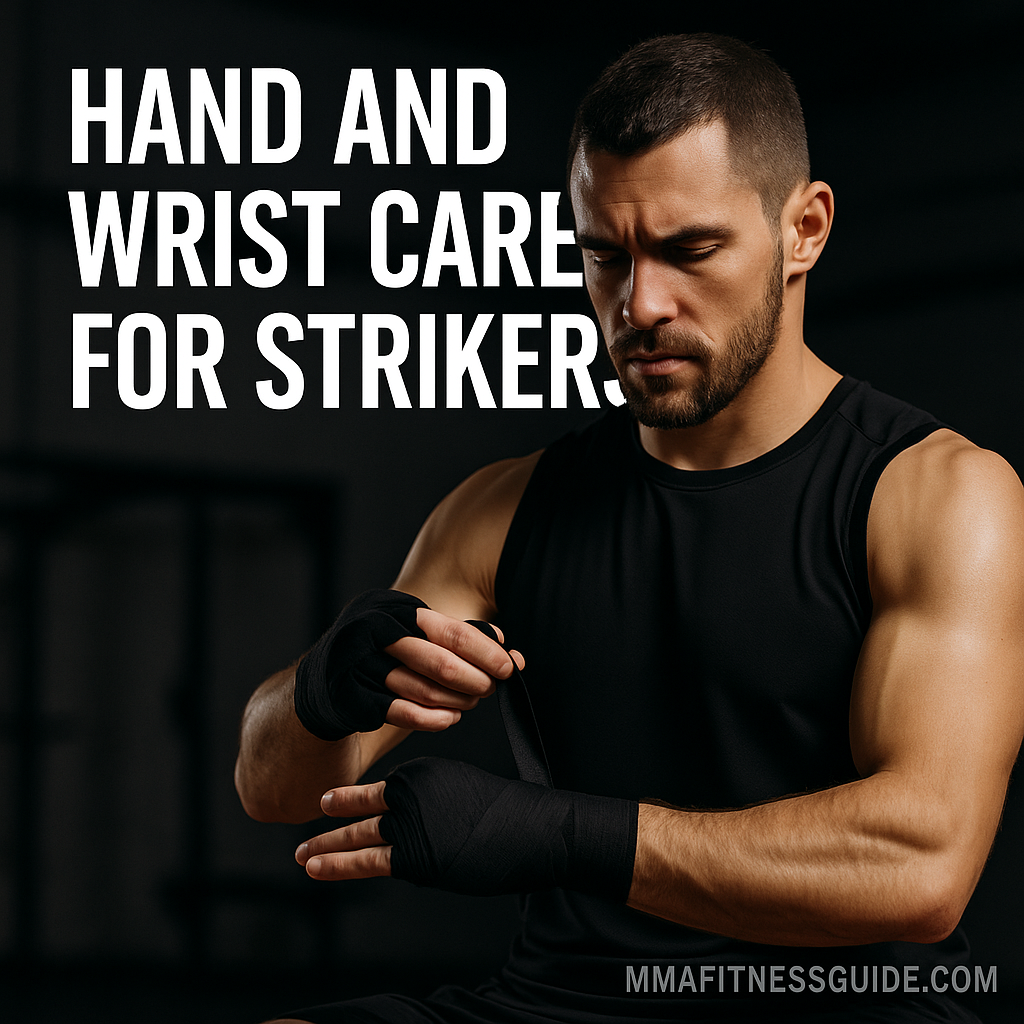
Hand and Wrist Care for Strikers

Male MMA striker wrapping his hands in a dim gym, demonstrating proper hand and wrist care with bold white title text.
A focused MMA fighter wrapping his hands as part of essential hand and wrist care for strikers.

Striking puts massive stress on the hands and wrists — especially in MMA, Muay Thai, and boxing, where fighters throw hundreds of punches per session. Even with wraps and gloves, small repetitive impacts add up over time, leading to soreness, swelling, and long-term damage if not properly managed.

Hand and wrist care isn’t optional for strikers. It’s a non-negotiable part of training longevity. This guide covers the best ways to protect your hands, strengthen the supporting muscles, and prevent the most common injuries in striking-heavy training.

Continue reading “Hand and Wrist Care for Strikers”

Neck Strengthening for Grapplers

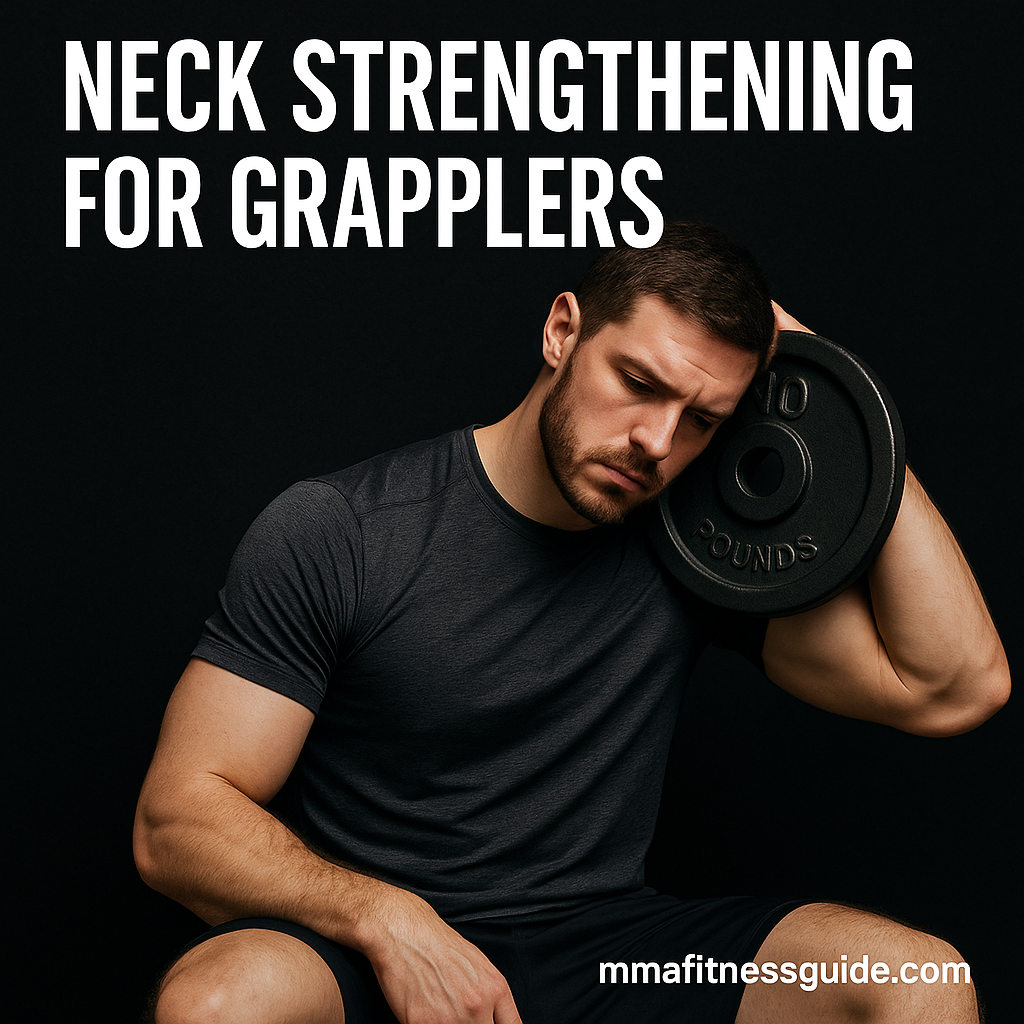
Male grappler performing a safe neck strengthening drill using a 10-pound weight plate against a dark background with title text Neck Strengthening for Grapplers.
Demonstration of a controlled neck strengthening exercise for grapplers using a 10-pound weight plate to build stability and injury resilience.

A strong neck is one of the most underrated assets for any grappler. Whether you train BJJ, wrestling, judo, sambo, or MMA, your neck is constantly exposed to strain — pulling, twisting, compressing, and absorbing force during scrambles, takedowns, and submissions. Strengthening it not only protects you from injury but also improves posture, balance, and defensive positioning.

This guide covers why neck strength matters, the best exercises, how often to train, and how to build a safer, more resilient grappler’s neck.

Continue reading “Neck Strengthening for Grapplers”

Ankle Sprain Prevention and Rehab

Male MMA athlete performing ankle rehab and balance exercises in a gym with focused expression.
Male MMA fighter doing ankle rehab and stability training to prevent sprains and strengthen balance after injury.

Why Ankles Matter More Than You Think

Every kick, pivot, and takedown in MMA starts from the ground up.
Your ankles provide the stability and mobility that allow you to move with power and precision.

But because they’re constantly under stress, they’re also one of the most commonly injured areas in combat sports — especially during sparring, takedown attempts, or awkward landings.

An ankle sprain may seem minor, but without proper prevention and rehab, it can linger for months and affect balance, striking, and confidence in movement.

Continue reading “Ankle Sprain Prevention and Rehab”

Cryotherapy vs Ice Baths: Which Works Better?

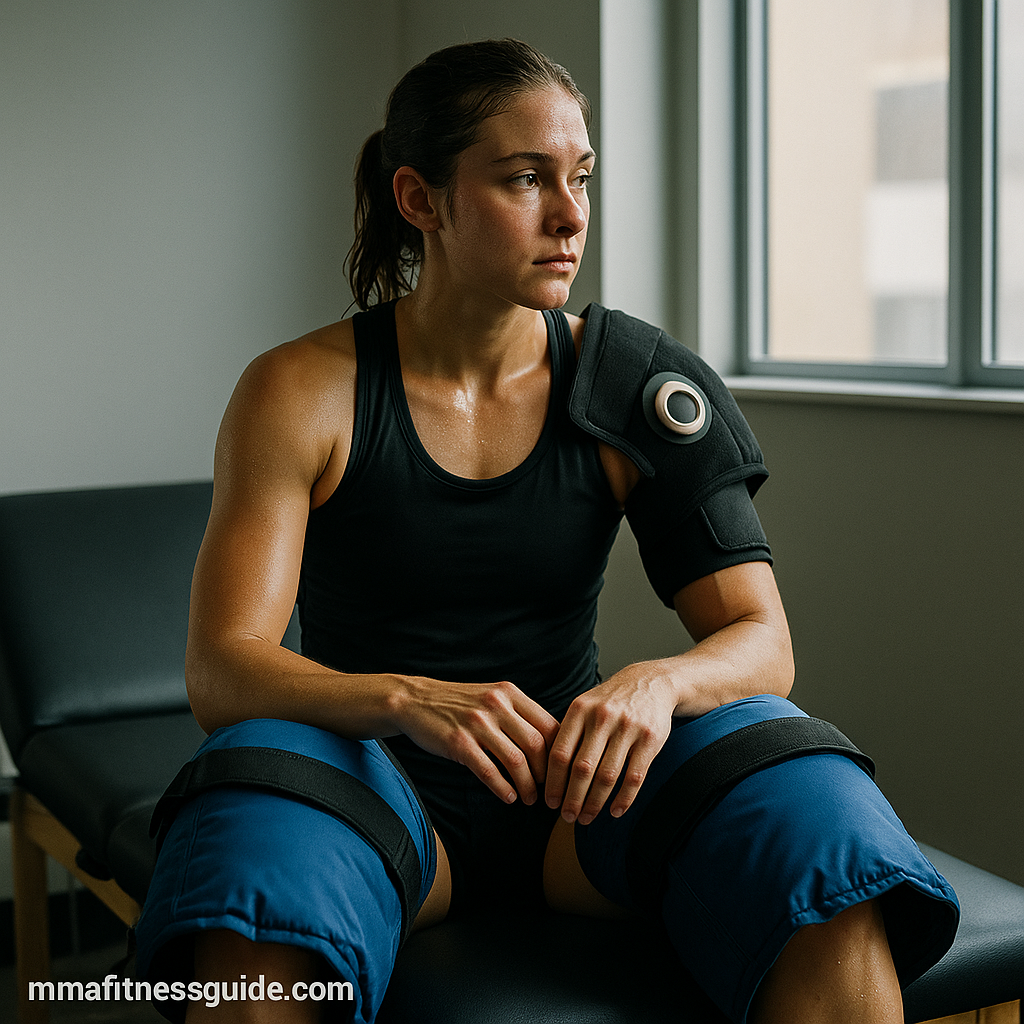
Female athlete recovering after MMA training using cold therapy gear beside an ice bath in a gym.
Female MMA athlete using cold therapy after a workout, comparing the benefits of cryotherapy and ice baths for recovery.

Cold Recovery — The Modern Debate

From old-school ice baths to cutting-edge cryotherapy chambers, cold treatment has become a recovery essential for MMA fighters.
Both methods promise to reduce soreness, speed up healing, and keep athletes training longer — but which actually works better?

The answer depends on your goals, access, and recovery style.

Continue reading “Cryotherapy vs Ice Baths: Which Works Better?”

Sleep and Recovery: The Fighter’s Advantage

Female MMA athlete resting on a gym mat after training with gloves beside her under soft evening light.
Female MMA fighter relaxing after a tough training session, emphasizing the importance of rest and recovery.

Why Sleep Is a Fighter’s Secret Weapon

Ask any elite fighter what separates a great training camp from a bad one — and many will say the same thing: recovery.
You can train harder, lift heavier, and spar longer, but without proper sleep, your body can’t repair the damage you’ve done.

Sleep isn’t passive. It’s where your body rebuilds, your mind resets, and your performance grows.

Continue reading “Sleep and Recovery: The Fighter’s Advantage”

Rehabilitation After Knee Surgery for Fighters

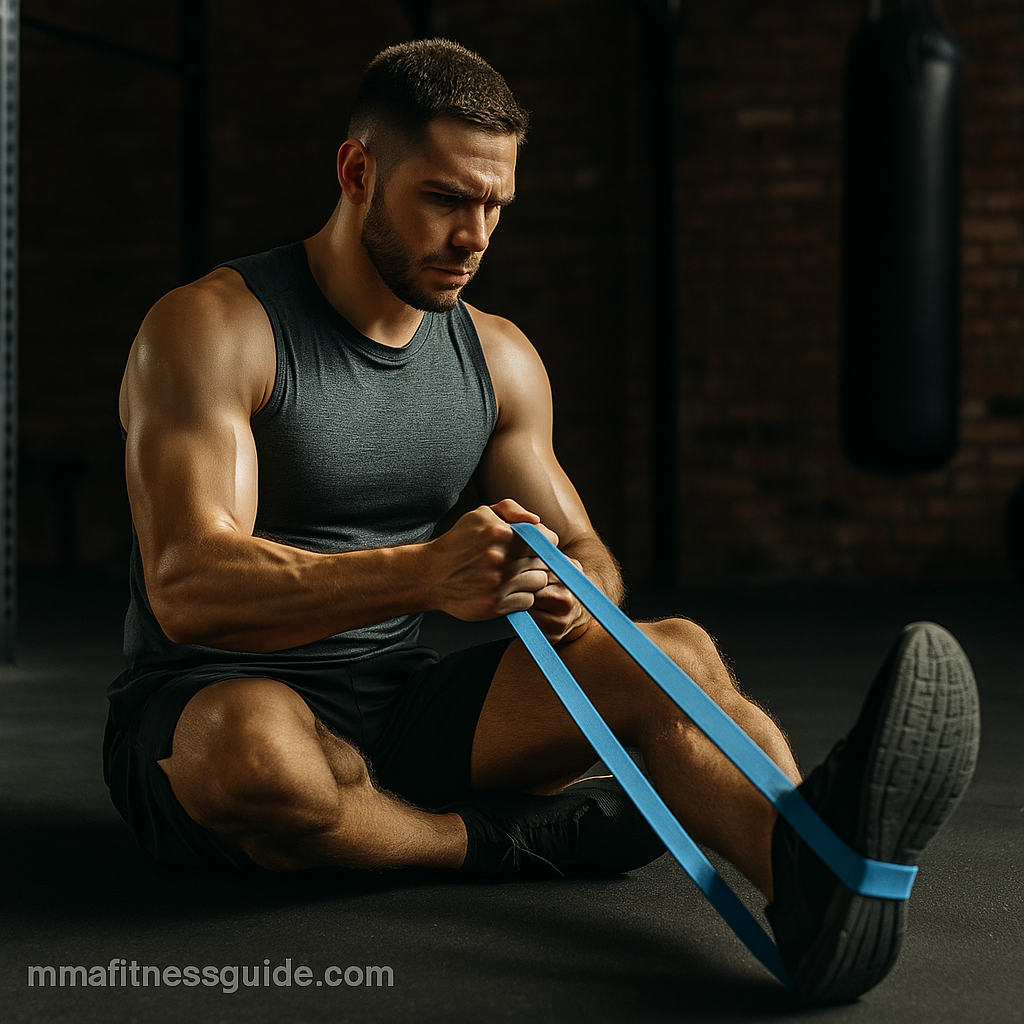
Male MMA fighter performing knee rehabilitation exercises with a physical therapist using a resistance band in a gym.
Male MMA athlete working with a therapist during knee rehabilitation, focusing on recovery and strength rebuilding.

The Long Road Back

For MMA fighters, few injuries are as frustrating as a knee surgery.
Whether it’s a torn ACL, MCL, or meniscus, recovery is not just about healing — it’s about rebuilding confidence, balance, and fight readiness.

The good news: with smart rehab, patience, and discipline, fighters can return stronger than before.

Continue reading “Rehabilitation After Knee Surgery for Fighters”

The Role of Physical Therapy in Combat Sports

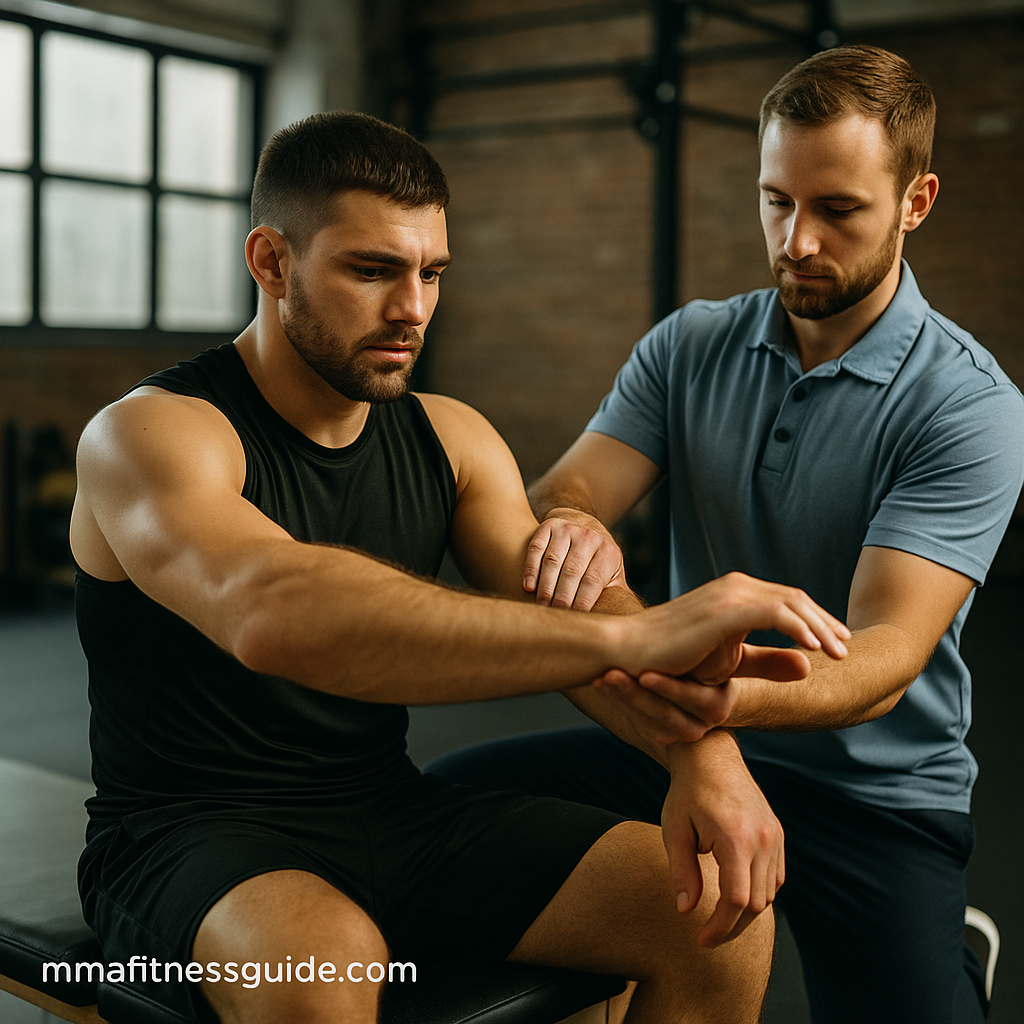
Male MMA fighter receiving arm therapy from a physical therapist in a gym with natural lighting.
Male MMA fighter working with a physical therapist to improve recovery and prevent injury in combat sports.

Healing Like a Fighter

In combat sports, injuries aren’t a matter of if — but when.
From muscle strains to joint issues, every fighter faces wear and tear over time. What separates professionals from amateurs isn’t avoiding injuries altogether — it’s how they recover and rebuild.

That’s where physical therapy (PT) becomes a game-changer.

Continue reading “The Role of Physical Therapy in Combat Sports”

Signs You’re Overtraining and How to Fix It

Female MMA fighter sitting on gym mats after training, wiping sweat with a towel and holding a water bottle under warm gym lighting.
Female MMA fighter resting after intense training, recognizing the signs of overtraining and focusing on recovery.

When Pushing Hard Becomes Pushing Too Far

MMA training is built on discipline and intensity. Fighters pride themselves on grinding harder than anyone else. But there’s a fine line between dedication and overtraining — and crossing it can destroy your progress.

Overtraining isn’t about a single tough day. It’s a pattern of physical exhaustion, mental fatigue, and recovery failure. Recognizing the signs early can help you prevent burnout, injuries, and long-term performance decline.

Continue reading “Signs You’re Overtraining and How to Fix It”