
When to See a Sports Medicine Specialist

MMA athletes consulting a sports medicine specialist in a gym setting about an injury and recovery plan.
MMA fighters meeting with a sports medicine specialist to evaluate an injury and plan safe recovery. mmafitnessguide.com.

Introduction

Athletes, fitness enthusiasts, and active individuals often push their bodies hard. Some soreness is normal, but persistent pain or specific red-flag symptoms can signal an injury that needs expert evaluation. A sports medicine specialist focuses on diagnosing, treating, and preventing activity-related injuries so you can heal properly and return to training safely.

Continue reading “When to See a Sports Medicine Specialist”

Sauna and Steam for Recovery

MMA fighters using a sauna for recovery after training, including a female athlete relaxing during heat therapy.
MMA athletes using sauna and steam sessions to support muscle recovery and relaxation.

Sauna and steam rooms have been used for recovery and relaxation for centuries, and they’ve become increasingly popular among MMA fighters and athletes. When used correctly, heat exposure can support recovery, reduce soreness, and improve overall well-being. When misused, it can interfere with hydration, recovery, and performance.

This article explains how sauna and steam can benefit MMA recovery, how to use them safely, and when they make the most sense in a training schedule.

Continue reading “Sauna and Steam for Recovery”

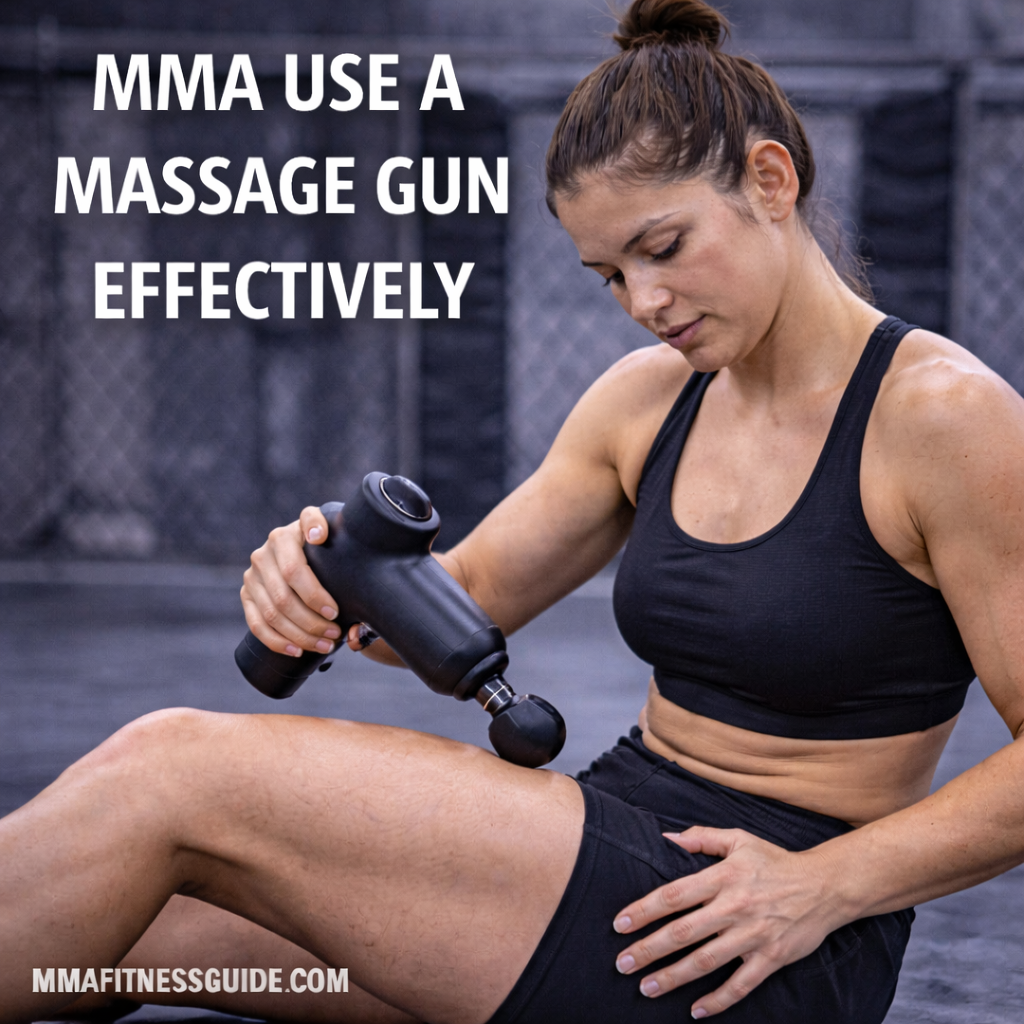
MMA: Use a Massage Gun Effectively

Female MMA athlete using a massage gun on her thigh for muscle recovery inside a training gym.
MMA athlete using a massage gun to support muscle recovery after training.

Massage guns have become a common recovery tool in MMA gyms, fight camps, and locker rooms. When used correctly, they can help fighters reduce soreness, improve circulation, and stay mobile between intense sessions. When used incorrectly, they can irritate tissue, delay recovery, or even increase injury risk.

This guide explains how MMA fighters can use a massage gun effectively — when to use it, where to apply it, and how to avoid common mistakes.

Continue reading “MMA: Use a Massage Gun Effectively”

Foot and Toe Care for Grapplers

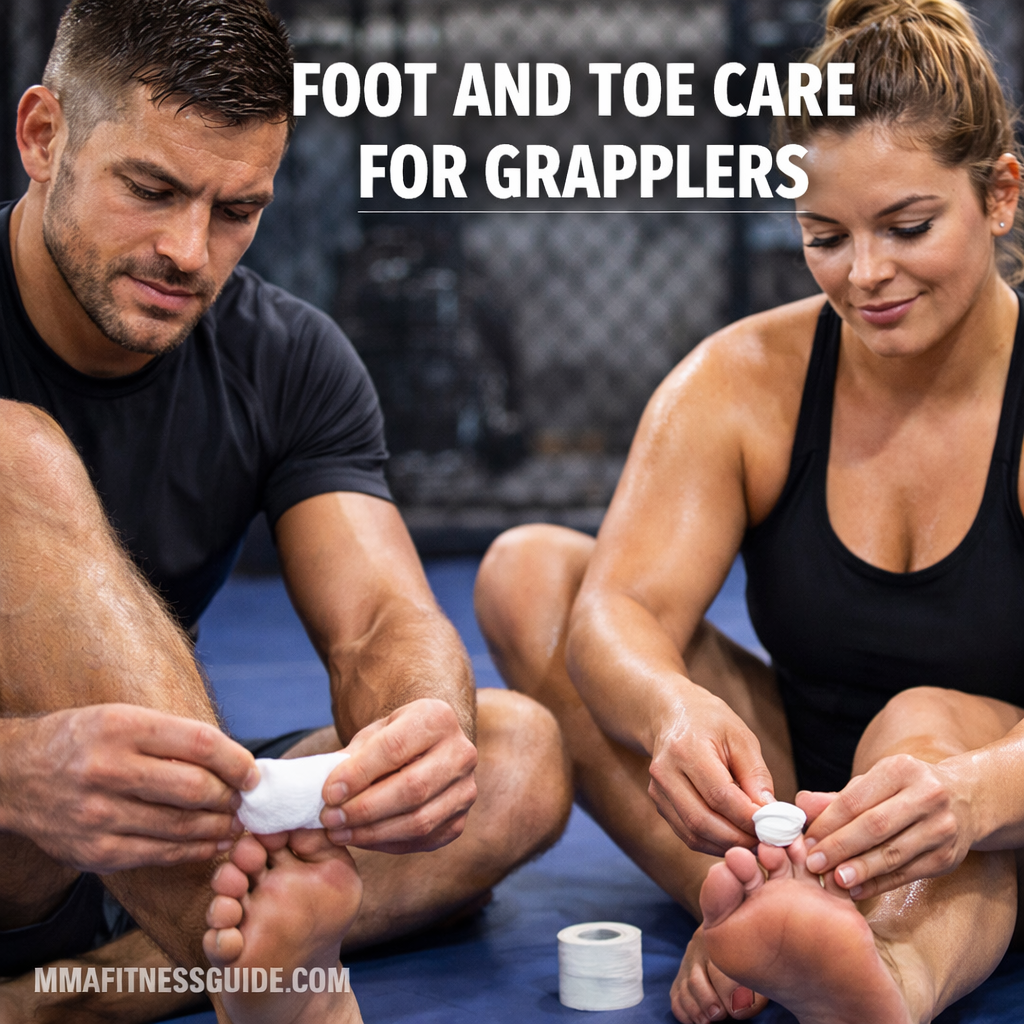
Male and female grapplers taping and treating their feet after training to prevent injuries and infections.
Two grapplers performing foot and toe care on the mats after training.

Foot and toe injuries are some of the most common — and most ignored — problems in grappling sports. Brazilian Jiu-Jitsu, wrestling, judo, and MMA grappling place constant stress on the feet through gripping, posting, twisting, and mat friction. Small issues can quickly turn into chronic pain, infections, or performance-limiting injuries if not addressed early.

Proper foot and toe care isn’t just about hygiene. It’s about maintaining balance, grip, mobility, and longevity on the mats. This guide covers essential foot care practices every grappler should follow.

Continue reading “Foot and Toe Care for Grapplers”

Overuse Injuries: Spotting Early Warning Signs

MMA fighter sitting on gym mats clutching his shoulder, showing early warning signs of overuse injuries during training.
An MMA athlete experiencing shoulder discomfort, illustrating early warning signs of overuse injuries in training.

Overuse injuries are one of the most common—and most preventable—setbacks in MMA. Unlike acute injuries that happen suddenly, overuse injuries develop gradually. They often start as minor discomfort that fighters ignore, train through, or dismiss as “normal soreness” until it becomes a problem that forces time off.

Learning how to spot early warning signs of overuse injuries allows fighters to adjust training before damage becomes serious. This guide explains what overuse injuries are, why MMA athletes are especially vulnerable, and how to recognize red flags early enough to protect long-term performance.

Continue reading “Overuse Injuries: Spotting Early Warning Signs”

Hydration’s Role in Injury Prevention

MMA fighter drinking water during training to support hydration and reduce injury risk, with another athlete stretching in the background.
An MMA athlete rehydrating during training, highlighting hydration’s role in injury prevention, recovery, and long-term performance.

Hydration is often discussed in terms of performance, weight cutting, or endurance, but its role in injury prevention is just as critical—especially in MMA. Fighters place extreme demands on their bodies through striking, grappling, conditioning, and repeated impact. Even mild dehydration can quietly increase injury risk long before obvious symptoms appear.

This article explains how hydration supports injury prevention, why fighters are especially vulnerable to dehydration, and how consistent fluid habits protect joints, muscles, and overall training longevity.

Continue reading “Hydration’s Role in Injury Prevention”

Trigger Point Release for Fighters

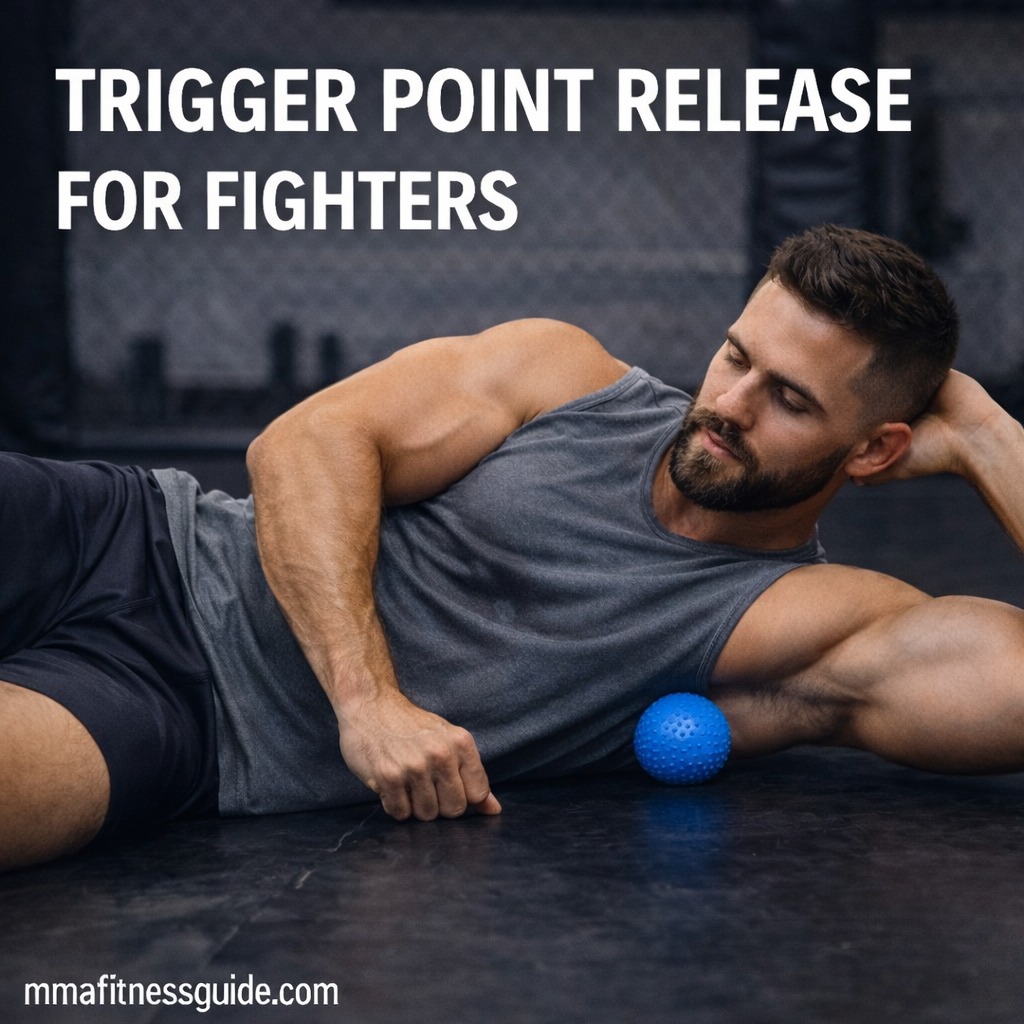
MMA fighter performing trigger point release using a massage ball to improve recovery and muscle mobility.
An MMA athlete using trigger point release techniques to reduce muscle tightness and support recovery.

MMA training places constant stress on muscles through striking, grappling, clinching, and conditioning. Over time, this stress can lead to tight, painful areas known as trigger points. Left unaddressed, trigger points reduce mobility, limit power, and increase injury risk.

Trigger point release is a simple but highly effective recovery tool that helps fighters stay loose, improve movement quality, and train more consistently. This guide explains what trigger points are, why fighters develop them, and how to use trigger point release safely and effectively.

Continue reading “Trigger Point Release for Fighters”

Tape and Bracing: Practical Training Tips

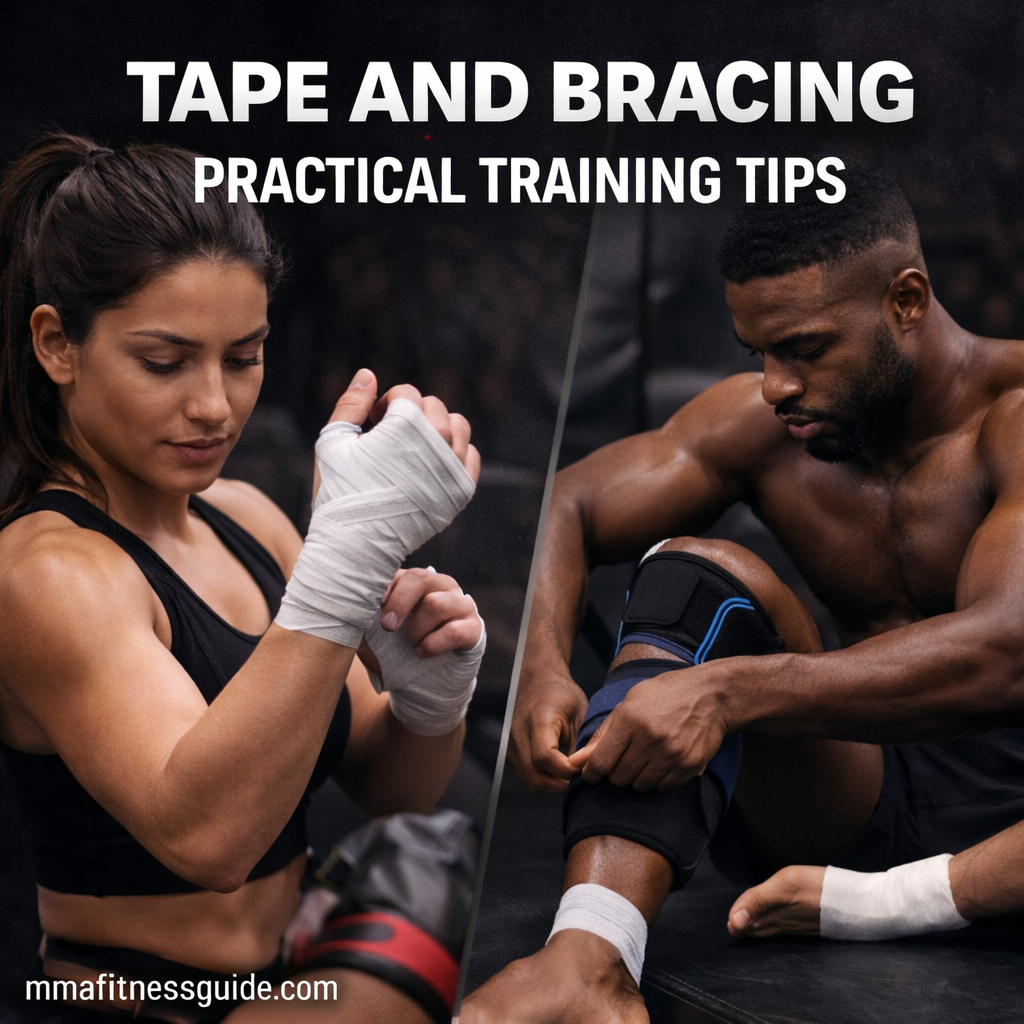
Male and female MMA athletes using wrist tape and knee braces during training for injury prevention.
MMA athletes demonstrating proper taping and bracing techniques to support joints and prevent injuries.

In MMA, injuries don’t usually come from one dramatic moment—they build up over time. Repeated impact, awkward positions, and cumulative stress on joints can quietly derail training if they aren’t managed properly. That’s where taping and bracing play an important role.

When used correctly, tape and braces help support vulnerable joints, reduce strain, and keep fighters training consistently without masking serious injuries. This guide breaks down how MMA athletes should use tape and bracing in training, when each is appropriate, and common mistakes to avoid.

Continue reading “Tape and Bracing: Practical Training Tips”

MMA: Return to Training After a Break

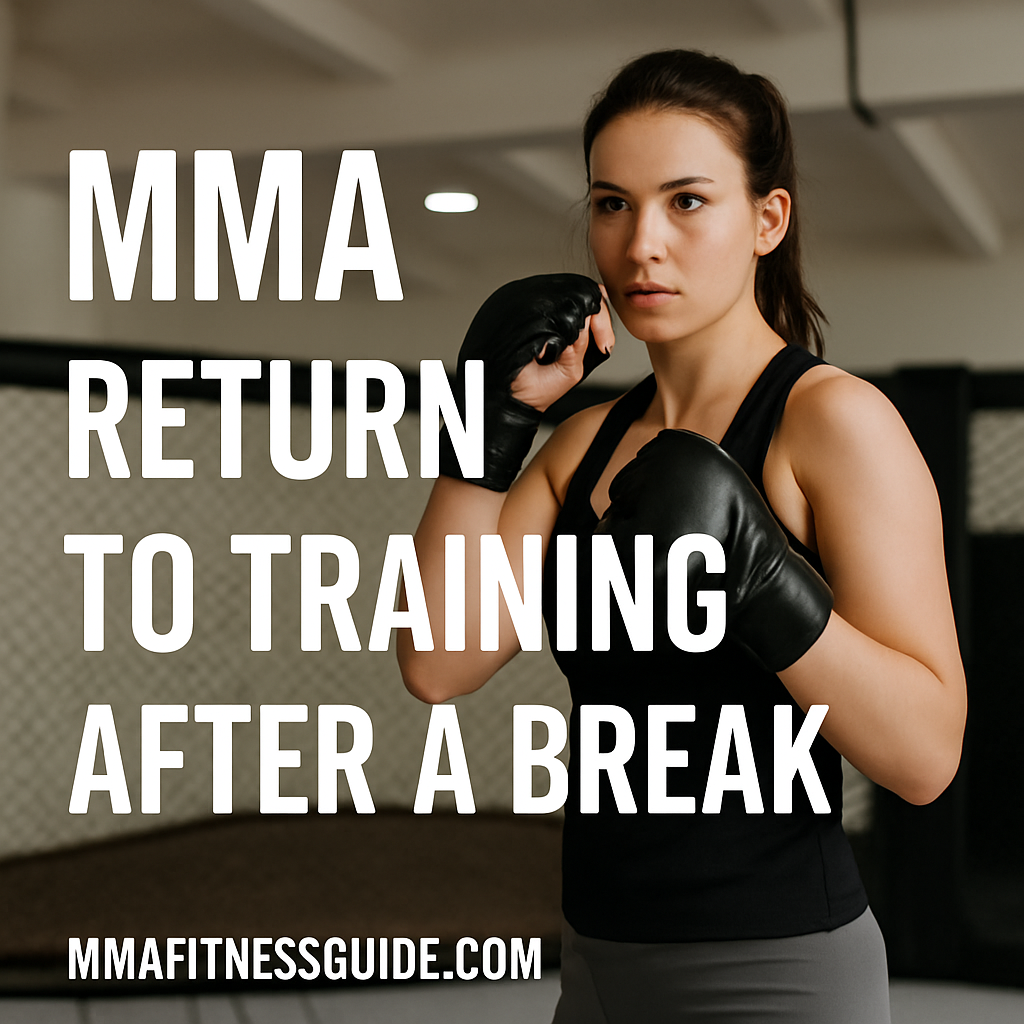
Female MMA athlete in a gym returning to training after a break, standing in a fighting stance with gloves on and text overlay on the left side.
Female MMA athlete preparing to return to training after a break, shown in a fight stance with text overlay.

What Happens to Your Body During Time Off

Taking a break from MMA—whether it’s one week, one month, or an entire year—is completely normal. But the longer you’re away, the more your body changes. Knowing these changes helps you create a smart, safe return plan. Here’s what typically happens:

Continue reading “MMA: Return to Training After a Break”

Recovery Nutrition That Reduces Inflammation

A tan-skinned male athlete standing in an MMA gym beside a table with a healthy meal, shown with the article title “Recovery Nutrition That Reduces Inflammation” and the mmafitnessguide.com watermark.
A fighter standing next to a plate of chicken, rice, and broccoli in an MMA gym, illustrating simple nutrition habits that support recovery and reduce inflammation.

Training hard is part of MMA, but inflammation can slow your progress, increase soreness, and make recovery feel twice as long. While some inflammation is normal — especially after intense striking, grappling, conditioning, or strength work — too much can interfere with performance, mobility, and even sleep.

The good news is that nutrition plays a major role in controlling inflammation and speeding recovery.

This guide breaks down simple, practical nutrition strategies that help fighters reduce inflammation, recover faster, and stay ready for the next training session.

Continue reading “Recovery Nutrition That Reduces Inflammation”