Your trusted source for MMA fitness, nutrition, and fighter-level health.
Author: Ryan Mitchell
Ryan Mitchell is a writer and contributor at MMA Fitness Guide, covering mixed martial arts training, strength and conditioning, fitness fundamentals, performance nutrition, injury prevention, and mindset. His work focuses on practical, research-informed training principles presented in a clear and approachable way for athletes and everyday fitness enthusiasts.
Content published by Ryan is intended for informational and educational purposes and should not replace professional coaching, medical advice, diagnosis, or treatment.
Combat athletes combining training with balanced gluten-free meals to support performance and recovery.
Introduction
Gluten-free eating has become increasingly common among combat athletes, including MMA fighters, boxers, and grapplers. Some adopt it due to medical necessity, while others experiment with it to improve digestion, recovery, or energy levels.
But is gluten-free eating actually beneficial for combat athletes? Understanding when it helps, when it doesn’t, and how to do it properly can prevent performance issues and nutritional gaps.
CrossFit-style strength training contrasted with MMA sparring to evaluate conditioning benefits for fighters.
Introduction
CrossFit has become one of the most popular strength and conditioning systems in the world. Its high-intensity workouts, functional movements, and competitive atmosphere attract athletes from many sports—including MMA. But is CrossFit actually good for MMA conditioning, or does it create more problems than benefits?
The answer depends on how it’s used. Understanding where CrossFit helps—and where it falls short—can help fighters make smarter conditioning choices.
MMA professionals reviewing simple pricing tiers for digital programs and bundled online coaching.
Introduction
Pricing is one of the most challenging aspects of building a digital MMA business. Whether you offer online coaching, training programs, or educational content, your pricing structure directly affects client commitment, perceived value, and long-term sustainability.
Pricing digital programs and bundles correctly is not about charging the most—it’s about aligning value, outcomes, and audience expectations while supporting consistent revenue growth.
Setting clear boundaries around scheduled workouts can prevent everyday commitments from repeatedly pushing training aside.
Your training session is scheduled for 6:00 p.m. Then a coworker asks you to stay late. A friend suggests grabbing drinks. Someone needs a last-minute favor. By the time you get home, training has disappeared from the evening.
Missing one session isn’t a problem. But when other people’s requests repeatedly take priority, a three-day training week can quickly become one rushed workout whenever you happen to have time.
For fighters and fitness-focused individuals, protecting training time means deciding in advance which hours belong to training—and becoming comfortable declining requests that interfere with them.
Beginners using resistance bands for safe, effective strength training exercises.
Introduction
Resistance bands are one of the most beginner-friendly and versatile training tools available. They are affordable, portable, and adaptable to all fitness levels. Whether you’re just starting your fitness journey or looking for a low-impact way to build strength, resistance bands provide an effective and joint-friendly option.
This beginner guide will help you understand how resistance bands work, how to use them safely, and how to get the most out of your training.
MMA athletes from different regions showcasing the training environments that produce top-level talent.
Introduction
Elite MMA fighters rarely emerge in isolation. Behind almost every top athlete is a regional scene that shaped their style, mindset, and development. Certain cities, gyms, and regions consistently produce world-class talent due to culture, coaching depth, competition level, and training infrastructure.
Understanding these regional fight scenes reveals how environment plays a crucial role in creating champions—and why some areas become talent pipelines generation after generation.
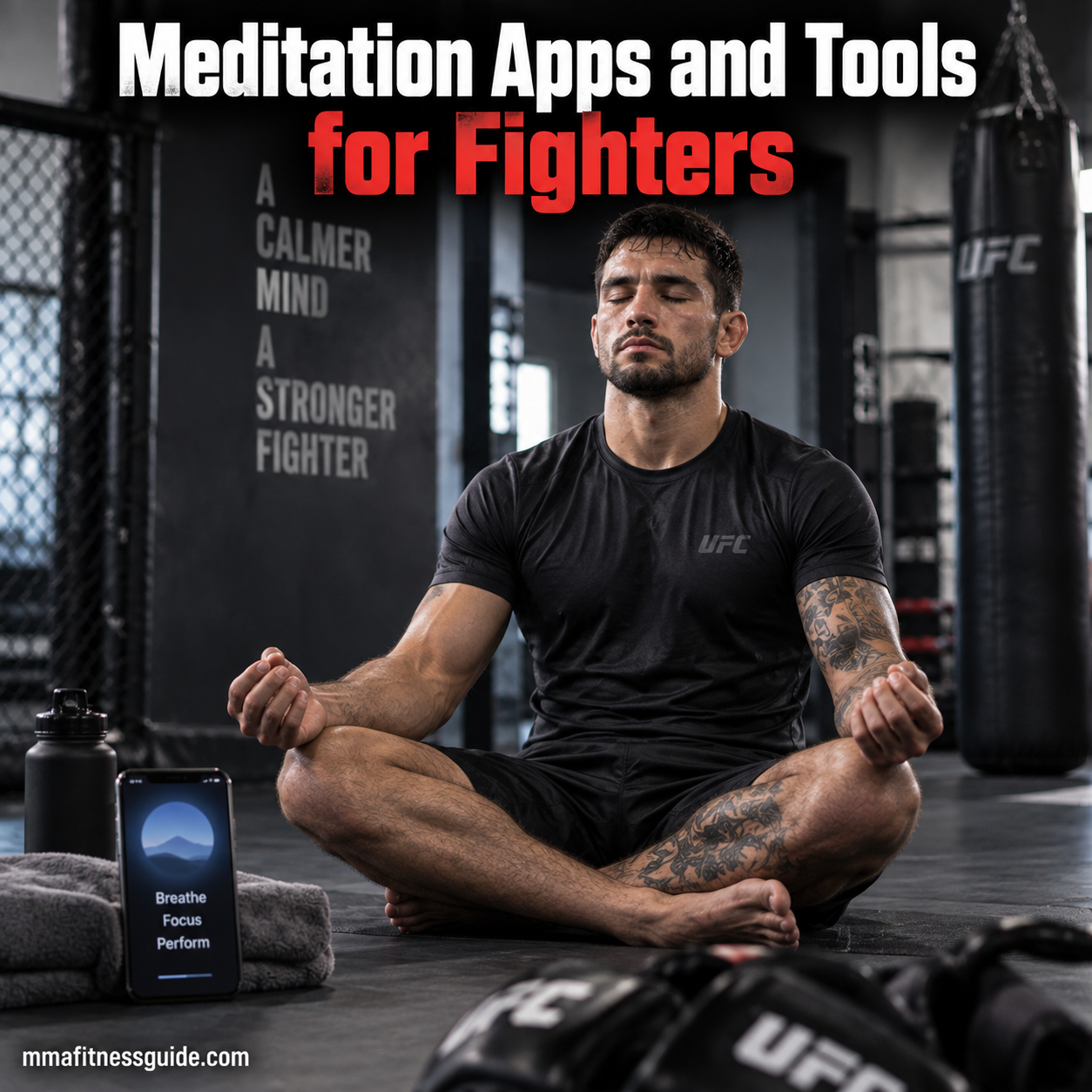
Meditation apps and mindfulness exercises can help MMA fighters develop focus, manage stress, and support mental recovery.
Introduction
An MMA fighter can spend months improving striking, wrestling, conditioning, and strength, only to discover that competition introduces a completely different challenge: managing the mind under pressure.
Your heart races before walking into the cage. You replay mistakes after a difficult sparring session. You struggle to fall asleep after evening training because your body is exhausted but your thoughts are still moving at full speed.
These experiences are common in combat sports. Physical preparation matters, but fighters also need practical ways to manage attention, stress, and emotional recovery.
Meditation apps and mental training tools offer an accessible starting point.
From guided mindfulness sessions and breathing timers to visualization exercises and wearable recovery trackers, these tools can help fighters develop greater awareness of their thoughts, recognize unnecessary tension, and establish consistent recovery routines.
However, meditation is not a shortcut to better performance. An app cannot replace technical training, adequate sleep, appropriate nutrition, or professional psychological support when needed.
The value comes from using the right practices consistently and understanding what each tool can realistically accomplish.
Here’s a look at meditation techniques for MMA, how the popular apps compare, where breathing and biofeedback tools fit into training, and practical routines for different stages of fight prep.
An MMA athlete coping with injury and preparing mentally for a comeback after time away from training.
Introduction
Injuries affect more than just the body—they challenge identity, confidence, and motivation. For MMA athletes, time away from training or competition can feel isolating and mentally exhausting. While physical rehabilitation is essential, the psychological side of injury and comeback often determines how well an athlete truly returns.
Understanding the mental process behind injury recovery helps fighters rebuild confidence, manage fear, and come back stronger both mentally and physically.
An MMA gym bag organized with essential training gear for efficient and hygienic preparation.
Introduction
An organized gym bag may not seem like a priority, but for MMA fighters it can make a real difference in training quality, hygiene, and mental readiness. Scrambling to find wraps, forgetting essentials, or mixing clean and dirty gear creates unnecessary stress before and after sessions.
Learning how to organize your MMA gym bag efficiently saves time, protects your equipment, and helps you stay focused on training—not logistics.
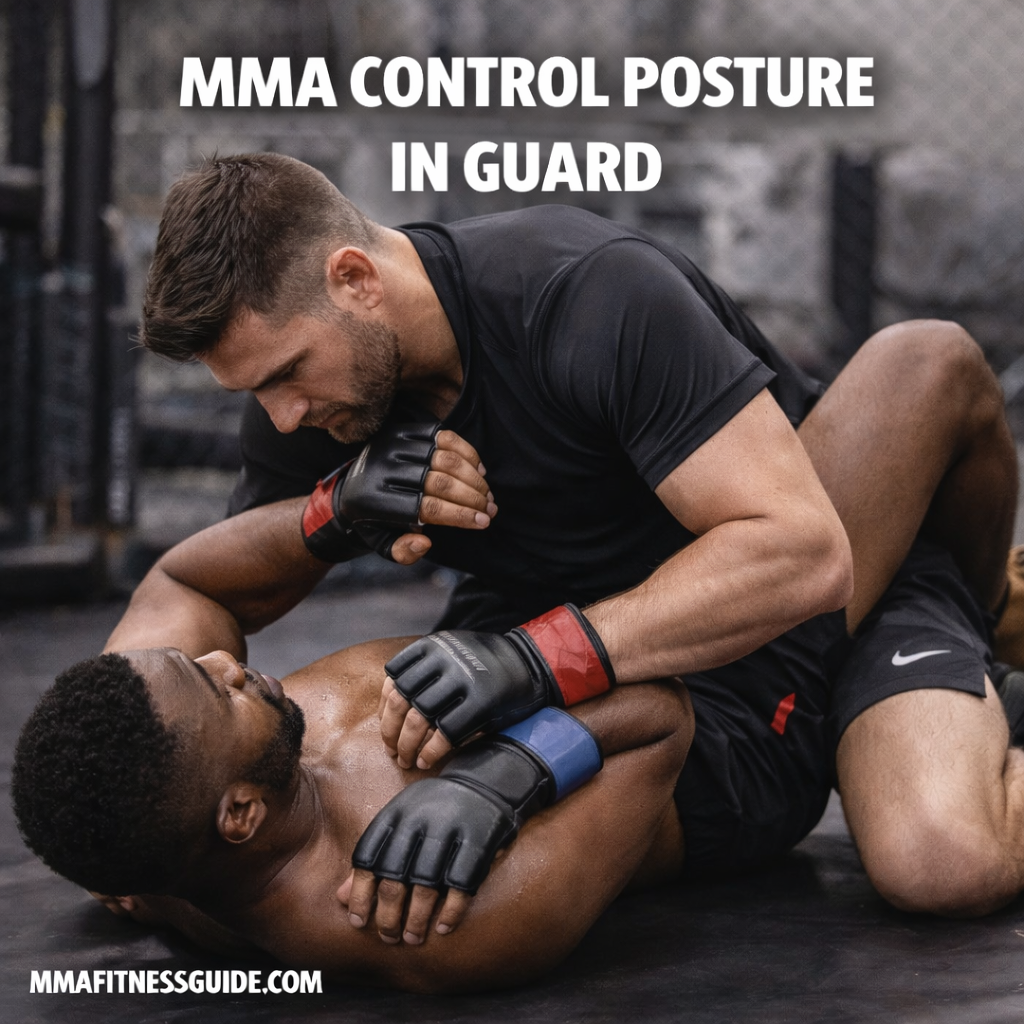
Posture control in MMA guard affects striking space, balance, submission opportunities, sweeps, and positional transitions.
When a fighter on top of closed guard gets their head pulled toward the opponent’s chest, their options change immediately. Full-power punches become harder to generate, their balance shifts forward, and attacks such as triangles, arm bars, and sweeps become easier to set up. If they regain an upright base, the bottom fighter has a different problem: strikes and guard passes become easier to initiate.
That push and pull over head, spine, hip, and arm position is the posture battle in MMA guard. The top fighter wants enough structure to strike, defend submissions, and begin passing. The bottom fighter wants to disrupt that structure before creating angles for offense or escape.
Because punches and elbows are available, neither fighter can treat posture as a static position. It changes continuously as grips, strikes, hip movement, and submission threats force adjustments.