Your trusted source for MMA fitness, nutrition, and fighter-level health.
Author: Ryan Mitchell
Ryan Mitchell is a writer and contributor at MMA Fitness Guide, covering mixed martial arts training, strength and conditioning, fitness fundamentals, performance nutrition, injury prevention, and mindset. His work focuses on practical, research-informed training principles presented in a clear and approachable way for athletes and everyday fitness enthusiasts.
Content published by Ryan is intended for informational and educational purposes and should not replace professional coaching, medical advice, diagnosis, or treatment.
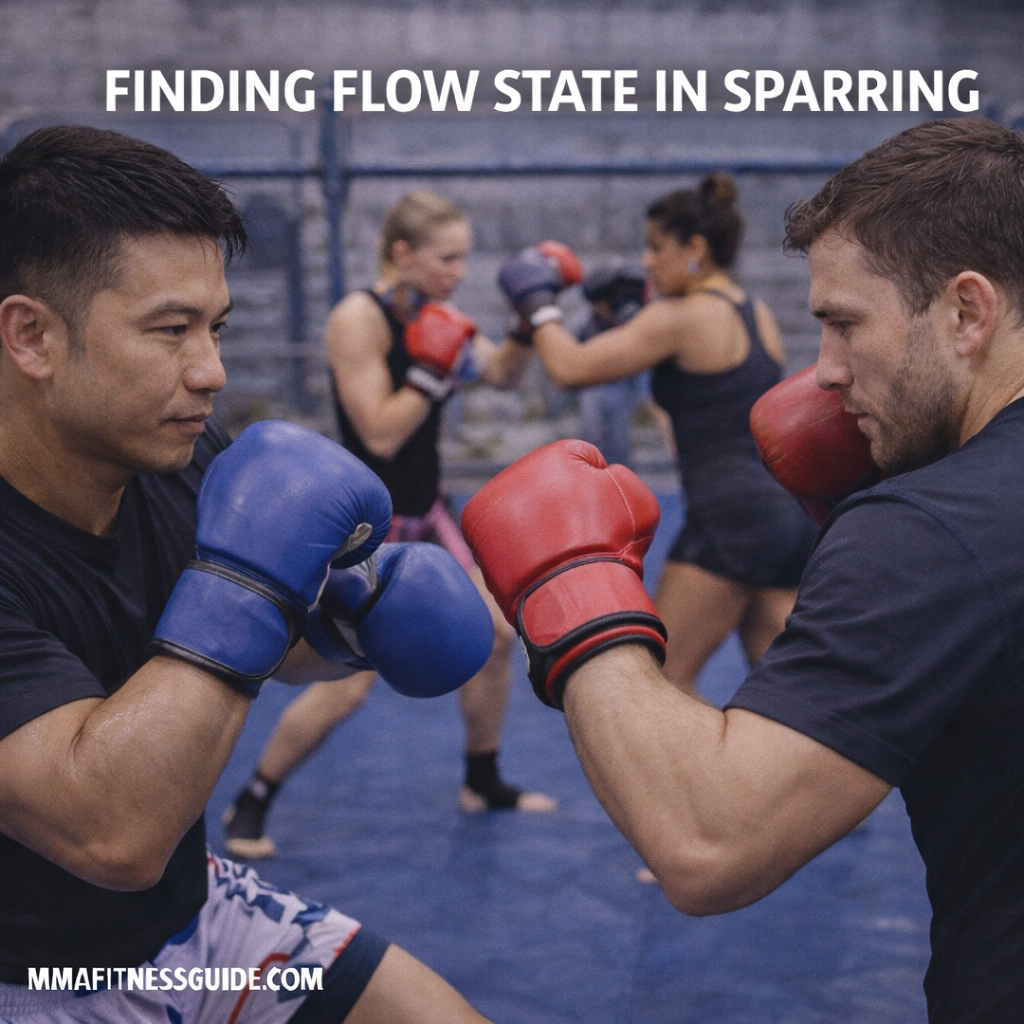
MMA athletes sparring with control and focus, demonstrating flow state during live training rounds.
Introduction
Sparring is where technique, conditioning, and mindset collide. Some rounds feel forced and chaotic, while others feel effortless—movements flow, reactions are sharp, and time seems to slow down. That optimal mental zone is known as flow state.
Learning how to access flow state in sparring helps fighters train more effectively, reduce mental fatigue, and perform closer to their true ability under pressure.
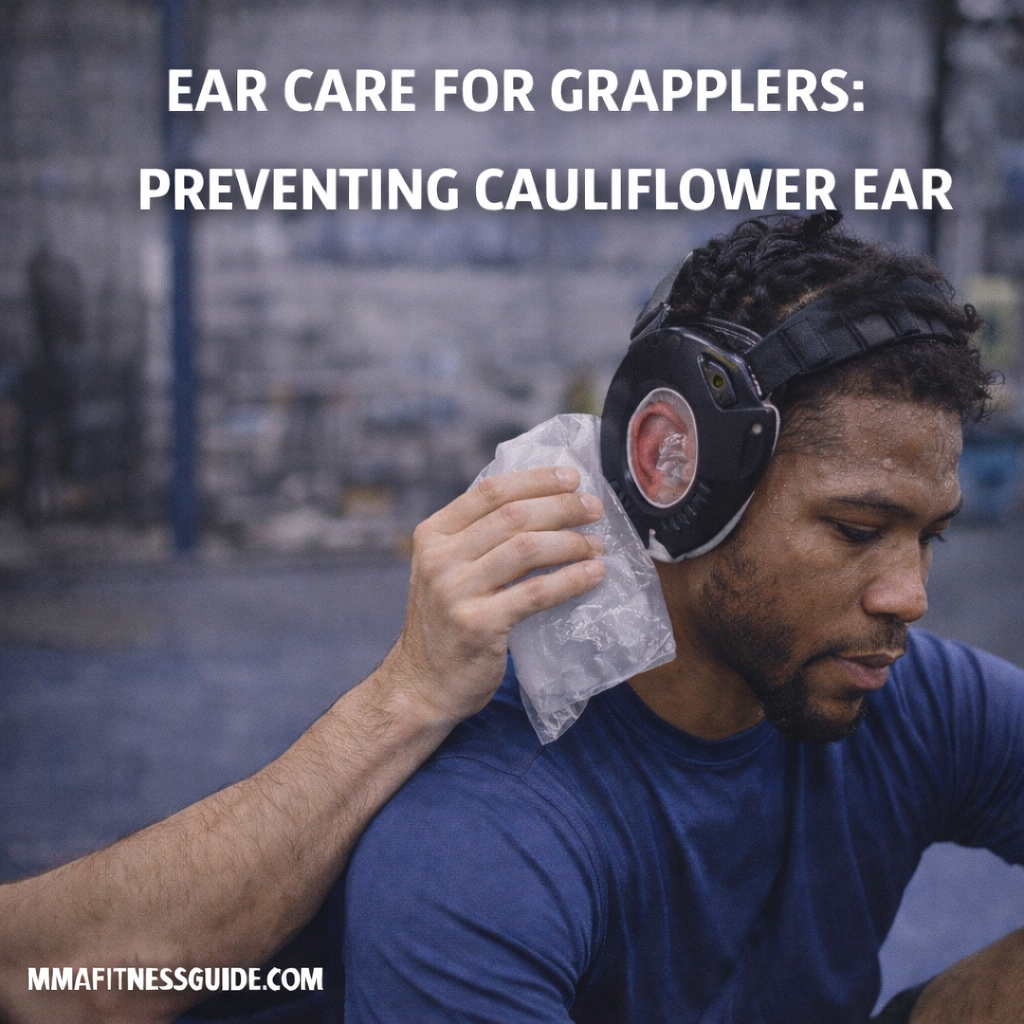
A grappler treating early ear swelling and using protective headgear to help prevent cauliflower ear.
Introduction
Cauliflower ear is one of the most common—and most misunderstood—injuries in grappling sports like MMA, wrestling, BJJ, and judo. While some athletes view it as a badge of honor, untreated ear damage can lead to chronic pain, infection, hearing issues, and permanent deformity.
Proper ear care helps grapplers protect their health, extend their careers, and make informed decisions about prevention and treatment.
Combat athletes exploring natural anti-inflammatory herbs to support recovery, joint health, and post-training performance.
Introduction
Inflammation is a natural part of training adaptation, but chronic or excessive inflammation can slow recovery, reduce performance, and increase injury risk. For combat athletes and active individuals, managing inflammation effectively is key to staying consistent and healthy.
Anti-inflammatory herbs have been used for centuries to support recovery, reduce soreness, and promote overall wellness. When used appropriately, they can complement proper nutrition, sleep, and training recovery strategies.
Martial arts professionals learning how to use paid ads to grow their gym and coaching business.
Introduction
Paid advertising can be a powerful growth tool for martial arts gyms, MMA coaches, and combat sports brands—but only when used strategically. Many gym owners waste money on ads because they jump in without a clear plan, proper targeting, or realistic expectations.
Paid Ads 101 breaks down the fundamentals so martial arts businesses can attract the right students, generate consistent leads, and grow without burning their budget.
Beginner athletes performing lunges during a 30-day fitness challenge focused on consistency and strength.
Introduction
Starting a fitness journey can feel overwhelming, especially if you’re unsure where to begin. A 30-day fitness challenge provides structure, motivation, and a clear starting point without requiring perfection. The goal is not extreme transformation—it’s building momentum, consistency, and confidence.
This beginner-friendly 30-day plan focuses on simple habits, manageable workouts, and gradual progress to help you establish a sustainable fitness routine.
An intense octagon moment symbolizing the stories and identities behind famous fighter nicknames.
Introduction
Fighter nicknames are a defining part of combat sports culture. A great nickname becomes inseparable from a fighter’s identity, capturing their style, personality, background, or legacy in just a few words. In MMA, boxing, and kickboxing, nicknames help fans connect emotionally while giving fighters a powerful brand that follows them throughout their careers.
Behind every nickname is a story—some intentional, some accidental, and some earned the hard way.
MMA athletes practicing visualization and mental focus techniques before a major competition.
Introduction
Big events bring heightened pressure. Whether it’s a fight, competition, public performance, or high-stakes personal milestone, the mind often experiences stress before the body ever does. Visualization scripts are powerful mental tools that help athletes and performers prepare emotionally, mentally, and neurologically before stepping into important moments.
When practiced consistently, visualization can reduce anxiety, sharpen focus, and increase confidence—making big events feel familiar instead of overwhelming.
An MMA fighter addressing shin pain during training, highlighting the risks of microfractures and bone stress injuries.
Introduction
Fighters place extreme and repeated stress on their bodies. Striking, grappling, roadwork, and high-volume training create constant impact forces that bones must absorb and adapt to. When recovery falls behind workload, these stresses can accumulate into microfractures and bone stress injuries.
Understanding how microfractures develop, how to recognize early warning signs, and how to prevent progression is critical for long-term durability and career longevity in MMA and combat sports.
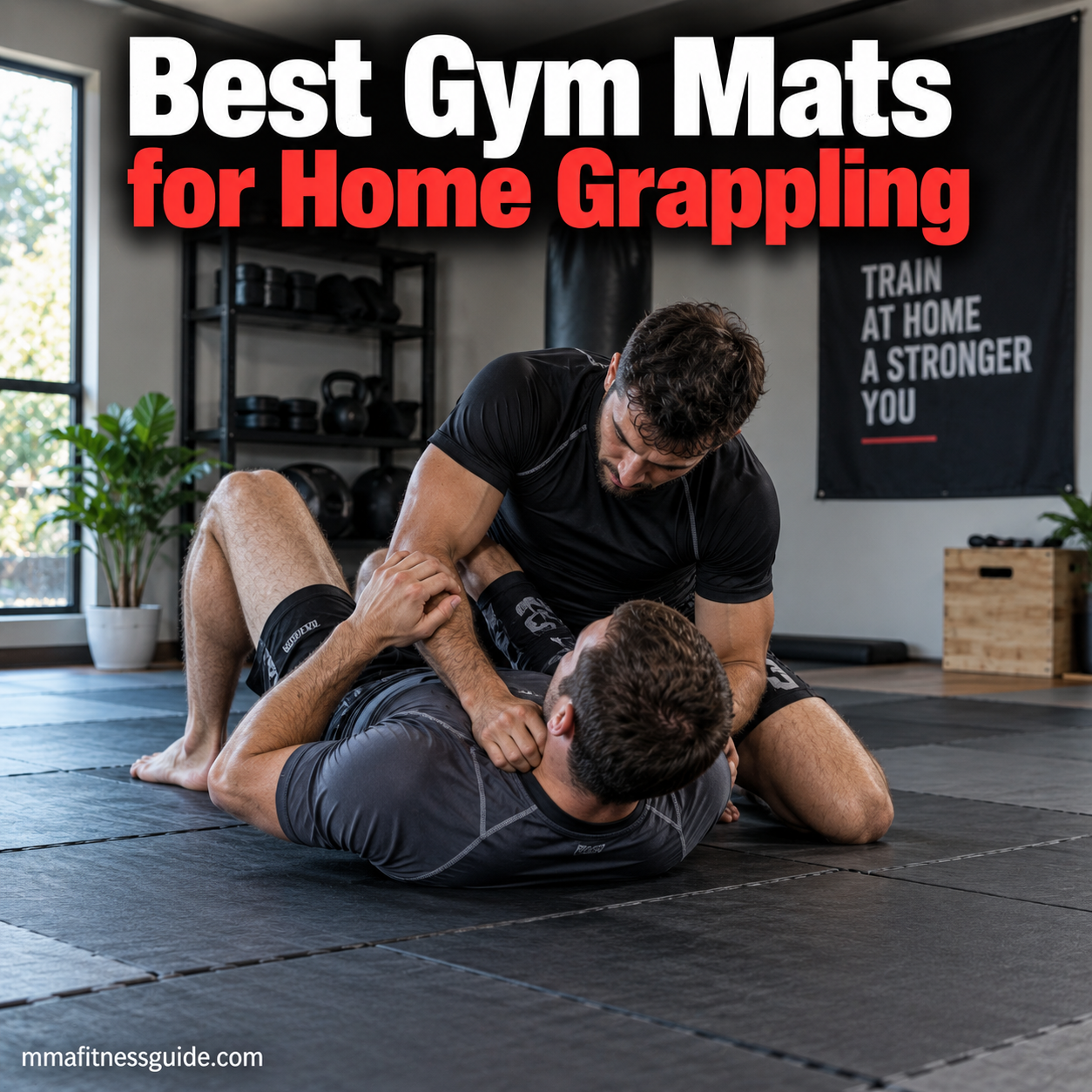
Choosing the right home grappling mats for BJJ, MMA, and wrestling training.
Training grappling at home is an effective way to sharpen techniques, improve conditioning, and supplement regular gym sessions. Whether you practice Brazilian Jiu-Jitsu (BJJ), wrestling, judo, or MMA, having a dedicated training surface makes it easier to drill movements and maintain consistency between classes.
However, grappling places unique demands on flooring. Knees repeatedly contact the ground, athletes shift their weight during scrambles, and takedowns can generate substantial impact. Training directly on hardwood, tile, or concrete increases the risk of painful contact and injury.
Choosing the best gym mats for home grappling requires more than finding the thickest foam available. Mat density, surface texture, available space, stability, and the type of training you perform all influence which flooring is appropriate.
A compact setup for solo movement drills has different requirements from a dedicated room used for partner rolling.
This guide explains how to compare home grappling mats, choose suitable thickness and density, evaluate puzzle mats against roll-out systems, and build a practical training area. It also covers cleaning, floor protection, storage, budgeting, and the limitations of home training.
The goal is to help you create a durable training surface that supports your practice without overlooking important safety considerations.
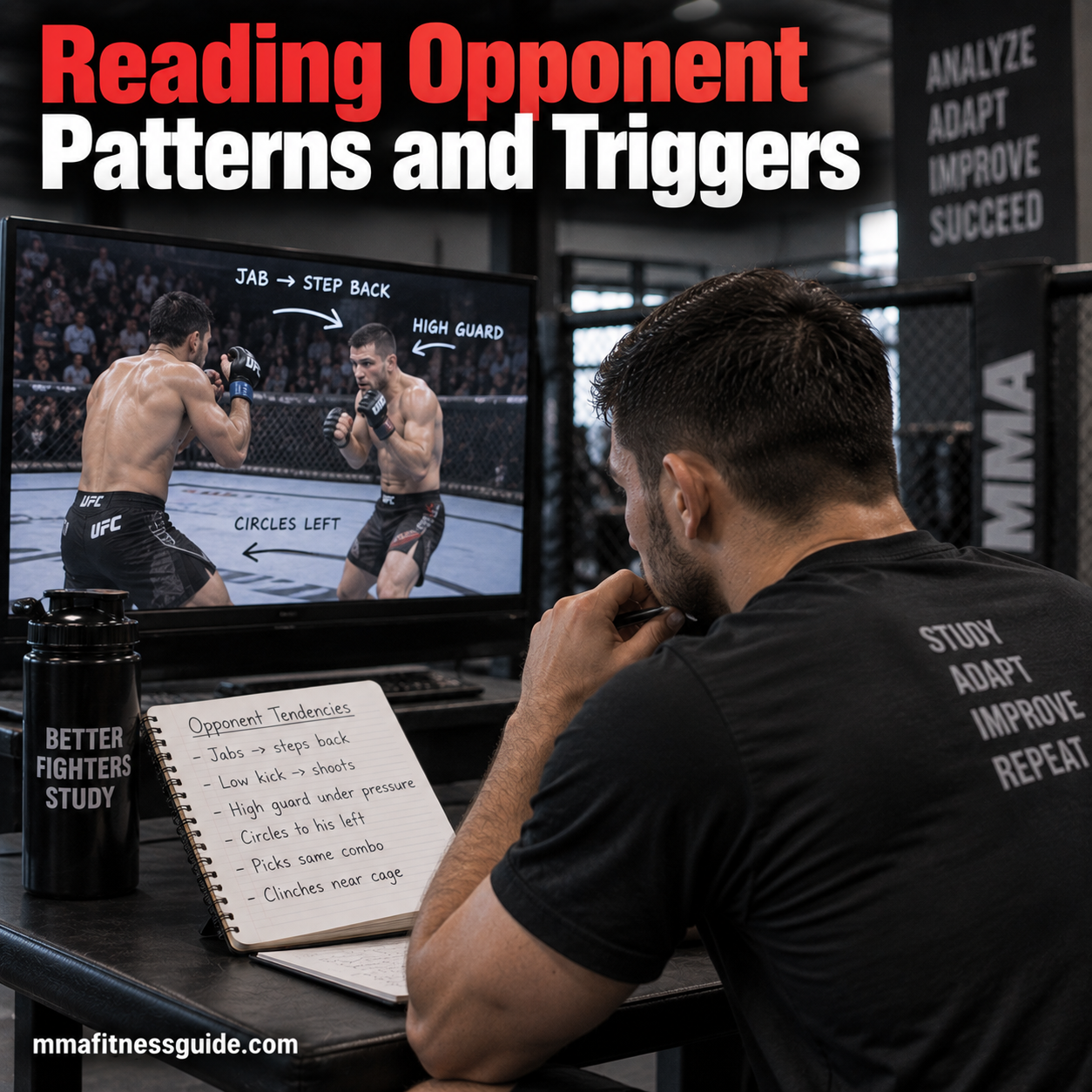
Studying repeated movements and reactions can help fighters recognize opponent tendencies and prepare more deliberate responses.
An opponent jabs, takes a half-step backward, and circles to their left. A few exchanges later, they do it again. Instead of simply following them, you anticipate the exit and place your next attack where they are about to move.
That is pattern recognition in a fight.
Fighters constantly reveal information through their footwork, combinations, defensive reactions, takedown attempts, and responses to pressure. Some habits appear repeatedly, while others are triggered by a specific action—such as reaching for a parry whenever they see a jab or immediately changing levels after being hit.
Learning to notice these behaviors gives you a clearer idea of what may happen next and helps you choose attacks based on observed reactions rather than guesswork.