Your trusted source for MMA fitness, nutrition, and fighter-level health.
Author: Ryan Mitchell
Ryan Mitchell is a writer and contributor at MMA Fitness Guide, covering mixed martial arts training, strength and conditioning, fitness fundamentals, performance nutrition, injury prevention, and mindset. His work focuses on practical, research-informed training principles presented in a clear and approachable way for athletes and everyday fitness enthusiasts.
Content published by Ryan is intended for informational and educational purposes and should not replace professional coaching, medical advice, diagnosis, or treatment.
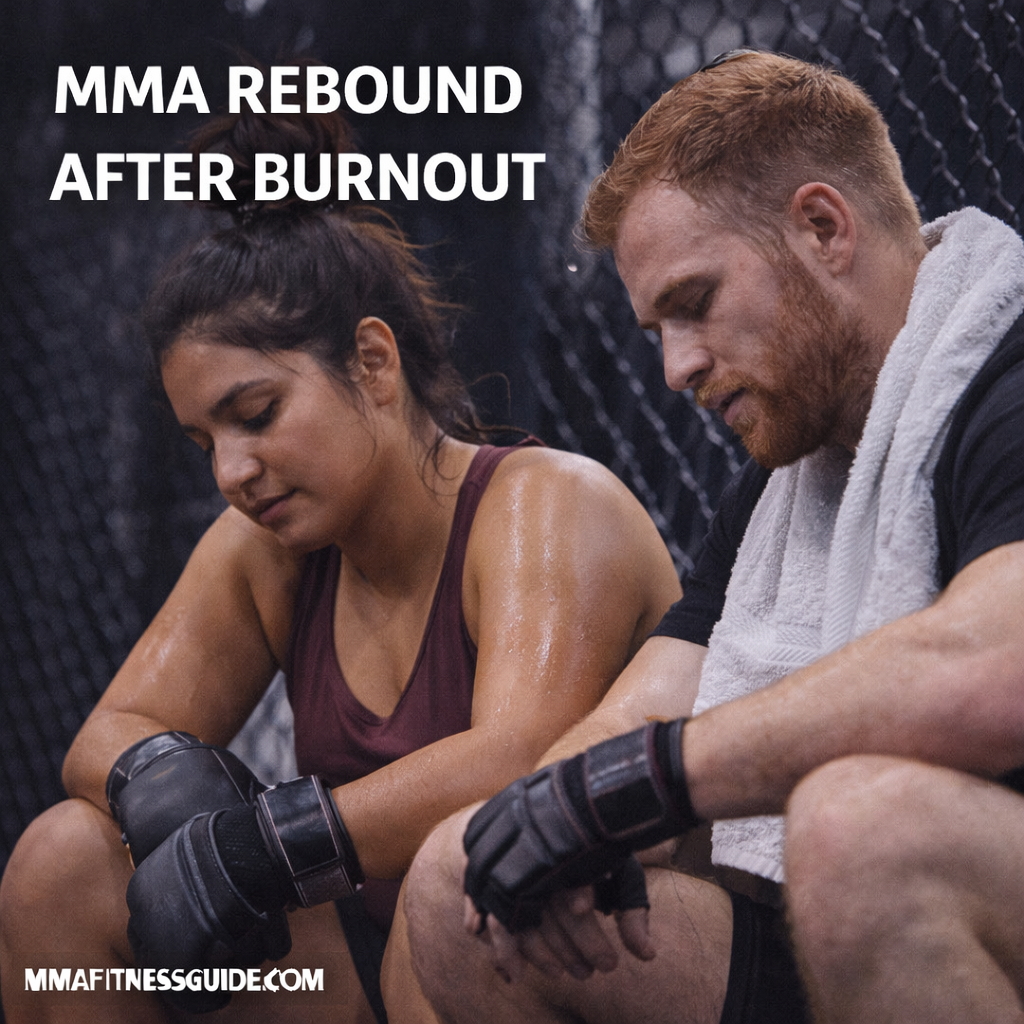
MMA athletes taking a recovery moment after training, symbolizing the process of rebounding from burnout and restoring motivation.
Introduction
Burnout is common in MMA. The physical grind, constant pressure to improve, weight management, and mental intensity can drain even the most passionate athletes. When burnout hits, motivation fades, performance drops, and training feels heavy rather than rewarding.
Rebounding after burnout isn’t about pushing harder—it’s about resetting intelligently and rebuilding your relationship with training.
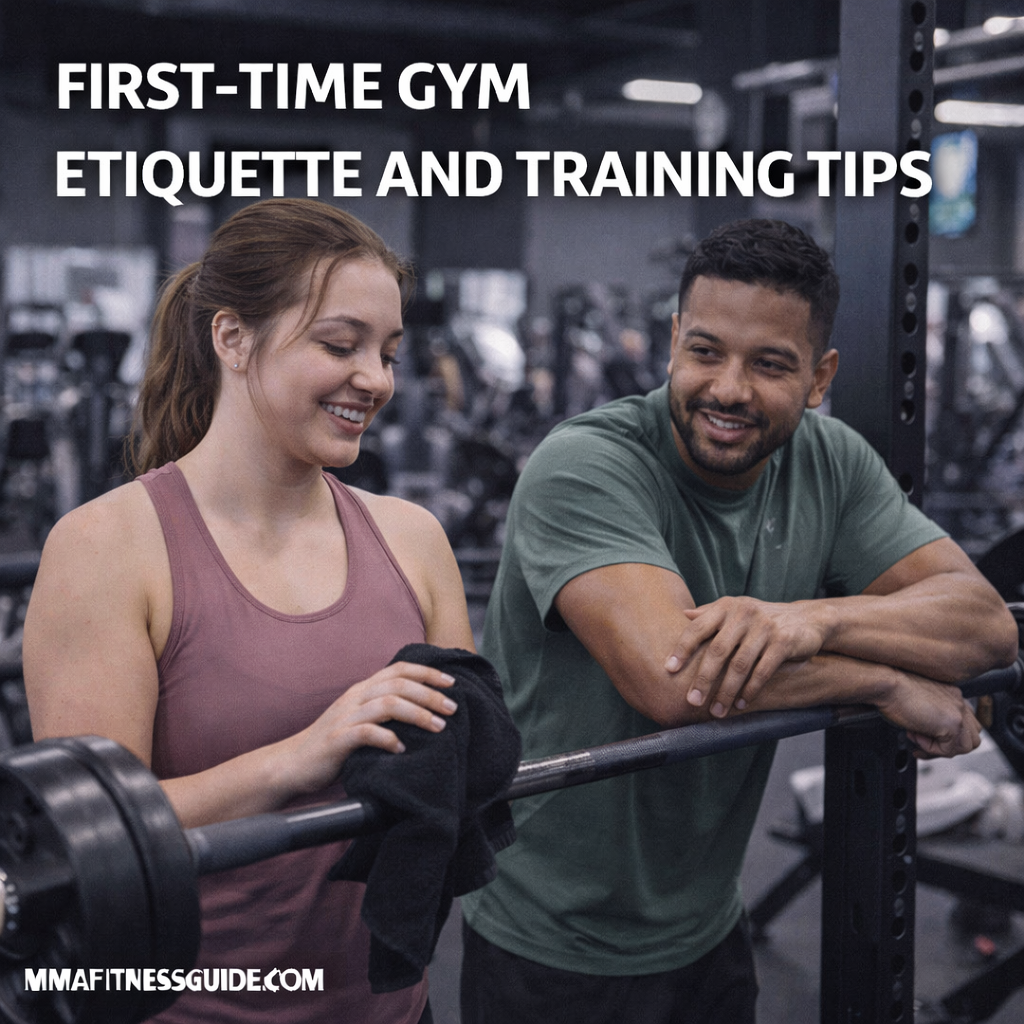
First-time gym members learning proper etiquette and training habits to build confidence and create a positive gym experience.
Introduction
Walking into a gym for the first time can feel intimidating. Unfamiliar equipment, experienced lifters, and unspoken rules can create anxiety that stops many beginners from ever getting started. The truth is, most gyms are welcoming environments—and understanding basic etiquette and training principles makes the experience far more comfortable.
Learning gym etiquette and beginner-friendly training tips helps you feel confident, avoid common mistakes, and build positive habits from day one.
Iconic moments from MMA history highlighting documentaries every fan should watch to understand the fighters, rivalries, and evolution of the sport.
Introduction
Mixed martial arts is more than fights and finishes—it’s a story of people, cultures, and evolution. Some of the best ways to understand MMA’s roots, struggles, and growth are through documentaries that capture moments beyond the cage. These films explore the fighters, promoters, and movements that shaped the sport into what it is today.
Whether you’re a longtime fan or new to MMA, these documentaries provide context, emotion, and insight that highlight why the sport resonates globally.
Quality sleep supports muscle repair, nervous system function, and recovery after demanding MMA training.
Sleep does more for recovery than almost anything else available to MMA athletes, yet it’s often the first thing sacrificed when training schedules get demanding.
Between striking sessions, wrestling practice, strength training, conditioning, and everyday responsibilities, fighters frequently struggle to get enough rest. Evening sparring can leave you physically exhausted but mentally alert. Sore muscles make it difficult to find a comfortable sleeping position, while thoughts about training mistakes or upcoming competitions can keep your mind active long after you leave the gym.
These problems matter because recovery does not end when training stops.
Sleep supports muscle repair, nervous system function, immune health, hormone regulation, and the consolidation of newly learned skills. When sleep is consistently inadequate, fighters may experience slower reactions, reduced concentration, greater fatigue, and difficulty maintaining training performance.
Improving sleep is not simply about going to bed earlier. It requires managing training intensity, establishing effective nighttime routines, addressing discomfort, and creating an environment that supports uninterrupted rest.
This guide explains how MMA fighters can improve sleep quality, recover more effectively from demanding sessions, and build sustainable habits that support long-term performance.
MMA fighters exploring practical training and recovery gear, showcasing thoughtful gift ideas for fighters and coaches.
Introduction
Finding the right gift for an MMA fighter or coach can be challenging—especially if you don’t train yourself. Fighters value practicality, durability, and tools that support training and recovery. Coaches, on the other hand, appreciate items that improve organization, efficiency, and longevity in the gym.
The best gifts aren’t flashy—they’re useful, thoughtful, and aligned with the realities of combat sports.
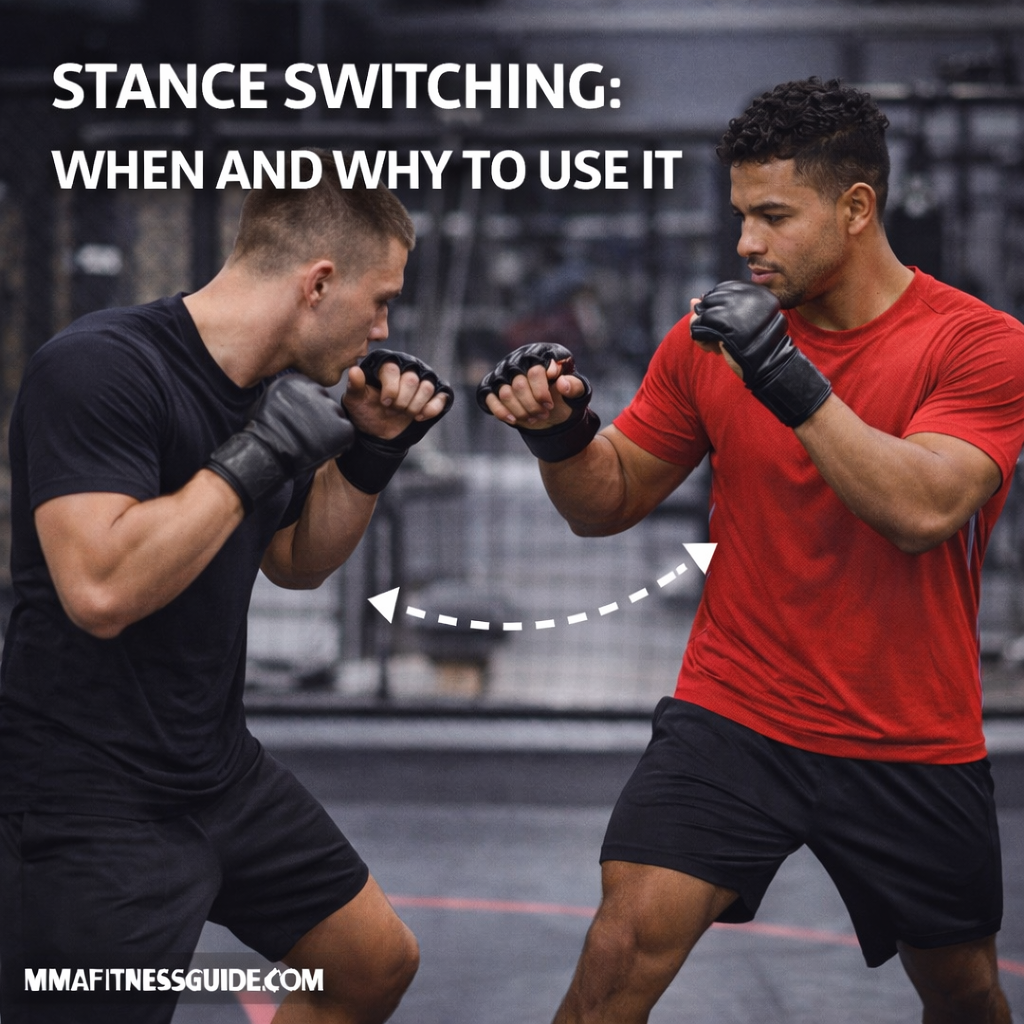
MMA fighters practicing stance switching to create angles, disrupt timing, and expand striking options during training.
Introduction
Stance switching has become increasingly common in modern MMA and striking-based martial arts. Once considered an advanced or risky tactic, switching stances is now a fundamental skill used by elite fighters to create angles, confuse opponents, and open up attacks.
Understanding when and why to switch stances—and when not to—is essential for using this tool effectively rather than turning it into a liability.
MMA fighters following structured diet plans inspired by top professionals to fuel performance, recovery, and consistent training.
Introduction
When fans look at elite MMA fighters, they often focus on training camps, sparring footage, and highlight reels. What’s less visible—but just as important—is nutrition. Fighter diet plans used by top professionals are built around performance, recovery, and consistency, not extreme restriction or short-term fixes.
Understanding how professionals structure their diets helps everyday fighters and athletes make smarter, more sustainable nutrition choices.
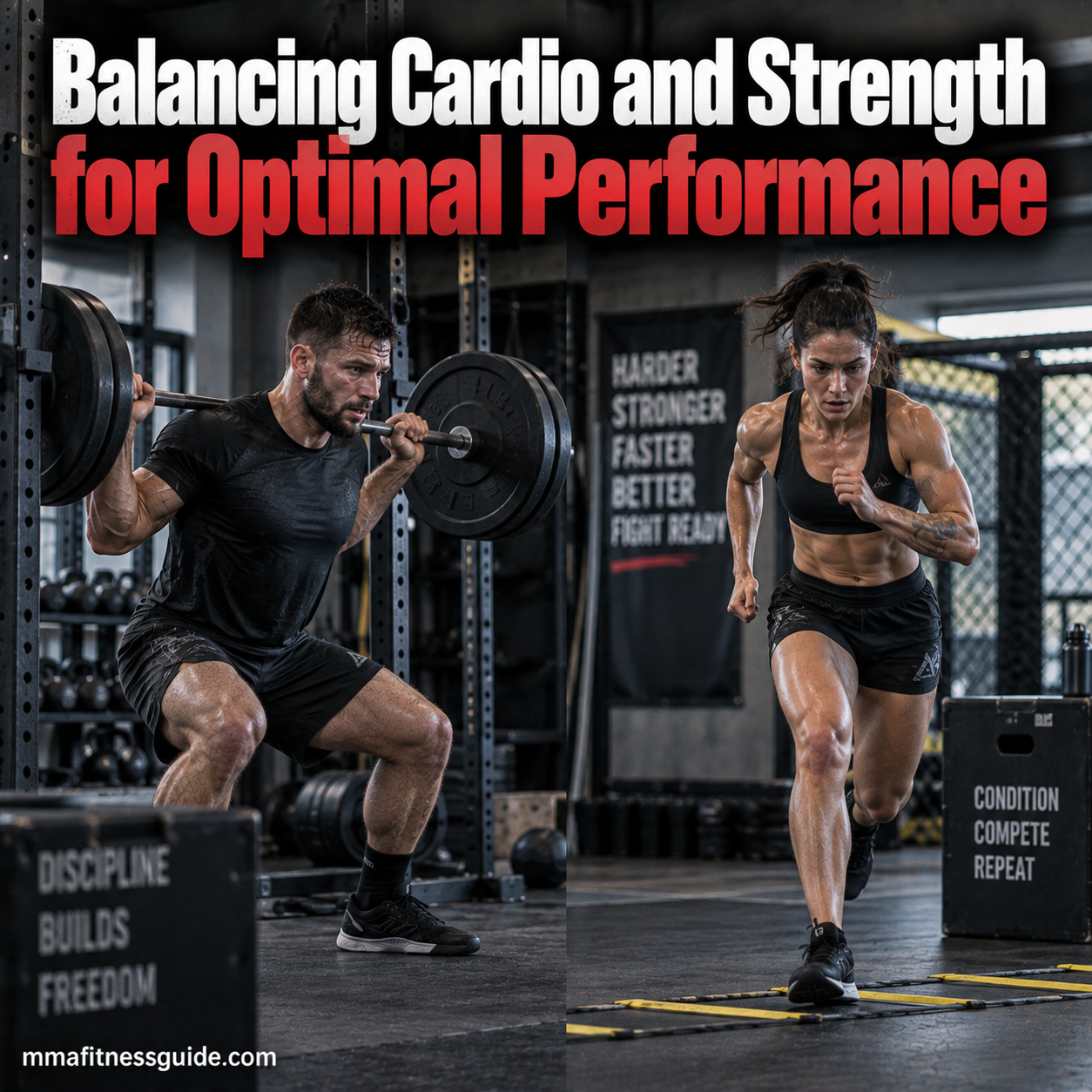
Combining strength training with appropriately scheduled conditioning helps MMA athletes develop power and endurance while managing fatigue.
Introduction
An MMA athlete might lift weights in the morning, drill takedowns in the afternoon, and complete several hard rounds on the pads or mats that evening. Stack too many demanding sessions together, and the quality of each workout can quickly decline.
The challenge isn’t choosing between cardio and strength. Fighters need enough endurance to maintain their pace across rounds while preserving the strength and power required for striking, wrestling, clinching, and scrambling.
Managing those qualities comes down to training volume, intensity, timing, and recovery.
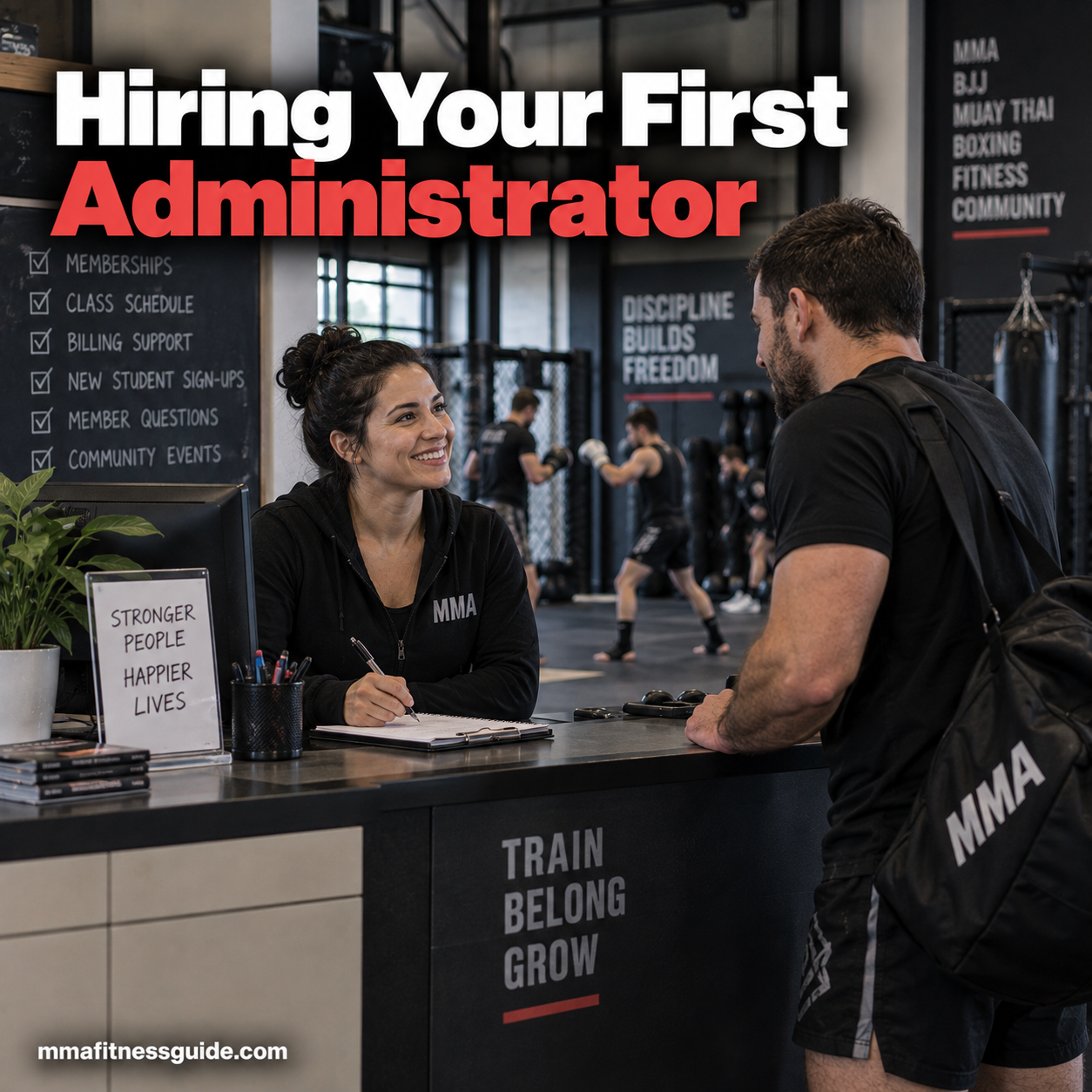
An MMA gym administrator can handle memberships, scheduling, billing support, and routine member questions while coaches focus on training.
A new prospect calls while you’re teaching class. A member needs help with a payment. Three trial inquiries are waiting for replies. Tomorrow’s schedule needs updating, and you still have billing issues to handle after the last class ends.
For many MMA gym owners, growth creates an administrative workload that eventually competes with coaching.
Hiring an administrator can move scheduling, billing, inquiries, onboarding, and routine member communication away from the owner. The goal isn’t simply to hire another employee. It’s to identify which tasks are consuming your time, create a repeatable process for handling them, and give someone clear responsibility for keeping those parts of the gym running.
An MMA athlete receiving instruction from experienced coaches, highlighting the impact of mentorship and leadership in combat sports.
Introduction
Behind every great fighter stands a great coach. While athletes often receive the spotlight, legendary coaches shape careers, cultures, and entire eras of combat sports. Their influence extends beyond techniques and tactics—great coaches teach mindset, discipline, and resilience.
Studying lessons from legendary coaches offers valuable insight not only for fighters, but for anyone seeking long-term growth, leadership, and consistency.