Active Recovery Days: Why They Matter

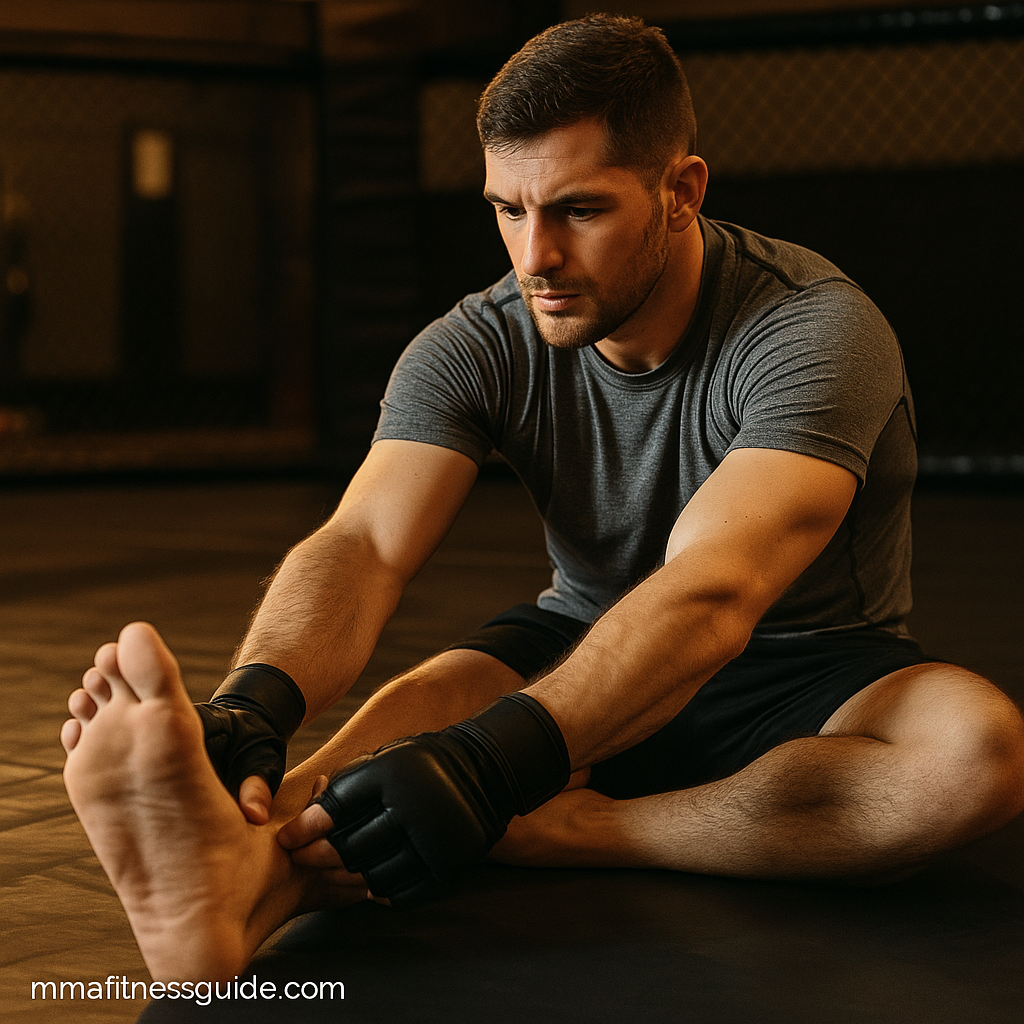
Male MMA athlete stretching on gym mats after training under warm lighting.
Male MMA athlete performing light stretching on gym mats during an active recovery session.

Rest Is a Weapon, Not a Weakness

In MMA, there’s a constant push to train harder, longer, and more intensely than everyone else.
But the truth is — growth happens during recovery, not during the grind.

Active recovery days give your muscles, joints, and nervous system the time they need to rebuild stronger. They’re not “days off” — they’re part of a smarter training strategy.

If you’ve ever felt burnt out, sore, or plateaued despite training constantly, chances are you’re not recovering enough.

Continue reading “Active Recovery Days: Why They Matter”

MMA: Clean and Maintain Your Gloves

Female MMA athlete cleaning her gloves in a gym after training under warm lighting.
Female MMA athlete cleaning her gloves after training, showing discipline and proper gear maintenance.

Protect Your Gear, Protect Your Game

Your MMA gloves are more than just equipment — they’re an extension of your hands, your work ethic, and your hygiene.
Whether you’re training every day or just getting started, properly cleaning and maintaining your gloves will extend their life, prevent odor, and protect your health.

Sweat, bacteria, and humidity are a dangerous mix. Without care, your gloves can become breeding grounds for germs — leading to skin irritation or even infections.

Let’s break down how to keep your gloves clean, fresh, and fight-ready.

Continue reading “MMA: Clean and Maintain Your Gloves”

Tae Kwon Do Kicks Adapted for the Cage

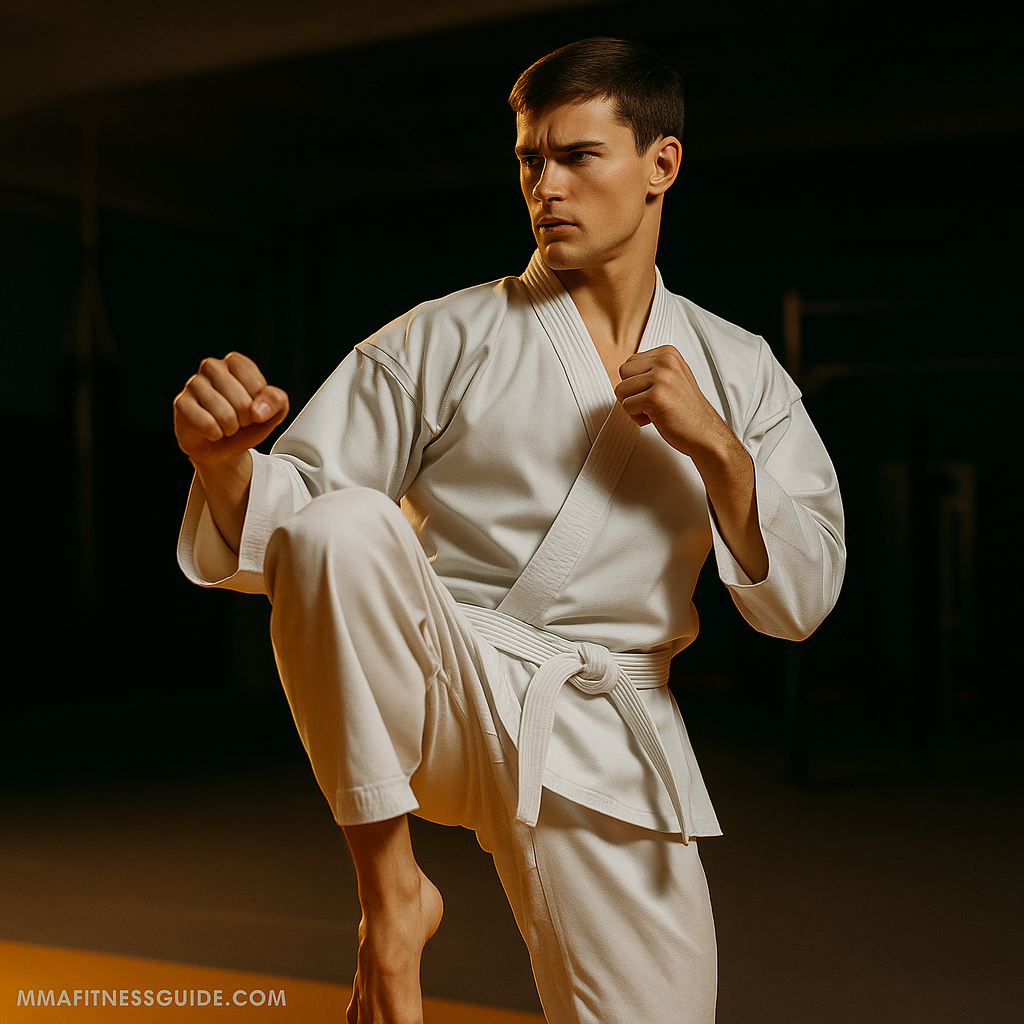
Male martial artist in white training uniform holding a balanced stance in a gym under warm lighting.
Male martial artist posing in a balanced stance symbolizing precision, control, and adaptability in modern MMA.

From Dojang to Octagon

Tae Kwon Do is known for its speed, precision, and spectacular kicking techniques — but can those flashy moves actually work in MMA?

The answer is yes — when adapted for real fight conditions.
Modern mixed martial artists like Anthony Pettis, Edson Barboza, and Yair Rodríguez have shown that Tae Kwon Do’s explosive kicks can be just as effective in the cage as they are in competition.

Let’s break down which techniques translate best, how to modify them for MMA, and what makes Tae Kwon Do a hidden weapon for creative strikers.

Continue reading “Tae Kwon Do Kicks Adapted for the Cage”

Hydration Training Tips for Combat Athletes

Male MMA athlete drinking water between training rounds in a gym with sweat visible under warm lighting.
Male MMA athlete hydrating during a break in training, emphasizing the importance of hydration for combat performance.

Fueling the Fighter’s Engine

Every combat athlete knows the importance of training hard — but few realize that hydration is just as critical as strength, cardio, and nutrition.

Your body is over 60% water.
In MMA, where intensity and sweat loss are extreme, proper hydration can be the difference between peak performance and early fatigue.

Let’s break down how to hydrate like a professional fighter — before, during, and after training.

Continue reading “Hydration Training Tips for Combat Athletes”

Best At-Home MMA Conditioning Routines

Female MMA athlete training at home performing push-ups on a mat with focused expression and warm lighting.
Female MMA athlete performing bodyweight conditioning drills at home to build strength and endurance.

Train Like a Fighter — No Gym Required

You don’t need a full fight camp or expensive equipment to build elite-level conditioning.
In fact, some of the best MMA workouts can be done right at home — using only bodyweight, creativity, and consistency.

These at-home MMA conditioning routines improve endurance, explosiveness, and mental toughness — the same pillars used by pro fighters around the world.

Continue reading “Best At-Home MMA Conditioning Routines”

Becoming a Certified MMA Trainer

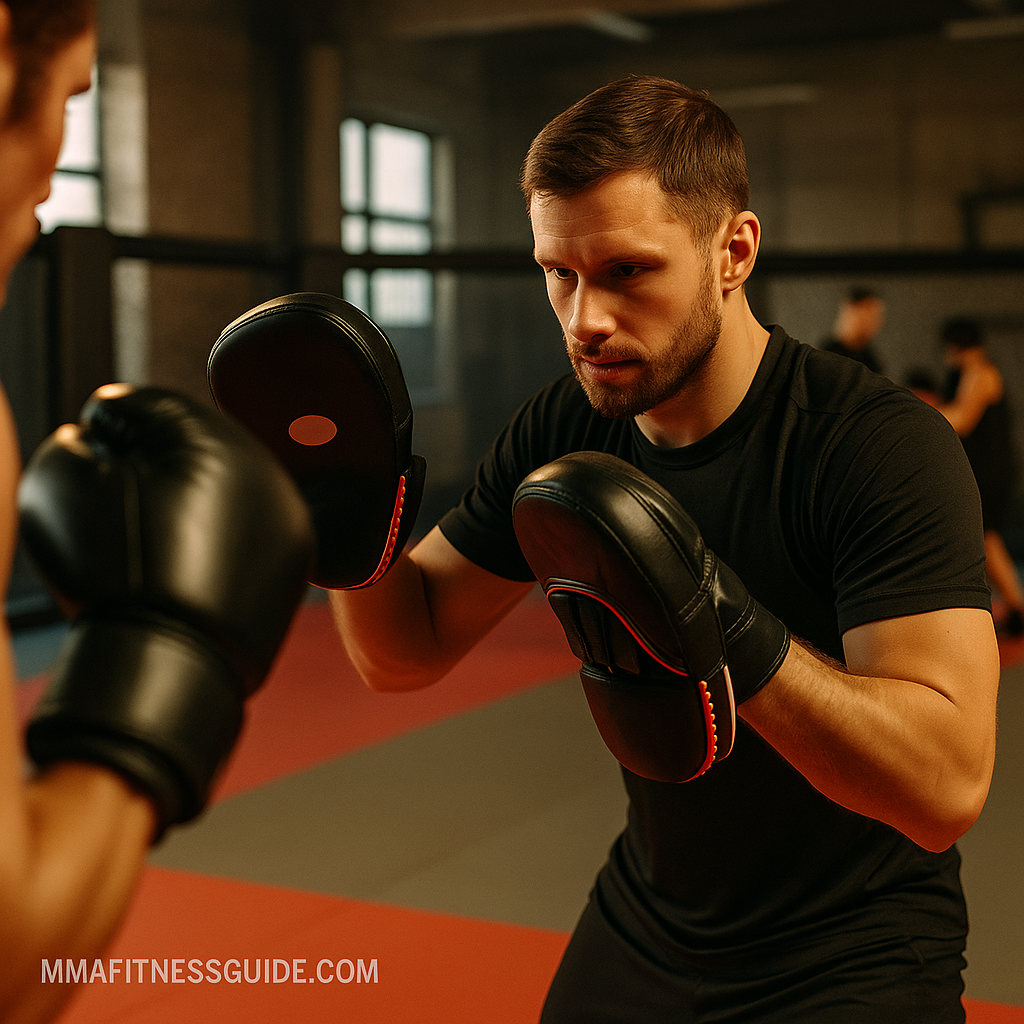
Male MMA coach instructing a student while holding focus pads in a gym under warm lighting.
Male MMA trainer teaching striking technique to a student, representing the path to becoming a certified MMA coach.

Turning Passion into a Profession

If you’ve spent years training in martial arts and love helping others grow, becoming a certified MMA trainer could be the next big step in your career.
It’s a chance to turn your passion for combat sports into a sustainable business — guiding new fighters, fitness clients, or even future champions.

But coaching MMA is more than just holding pads or teaching combinations.
It requires knowledge, certification, and leadership — skills that ensure your students progress safely and effectively.

Continue reading “Becoming a Certified MMA Trainer”

Fighter Habits That Improve Mental Focus

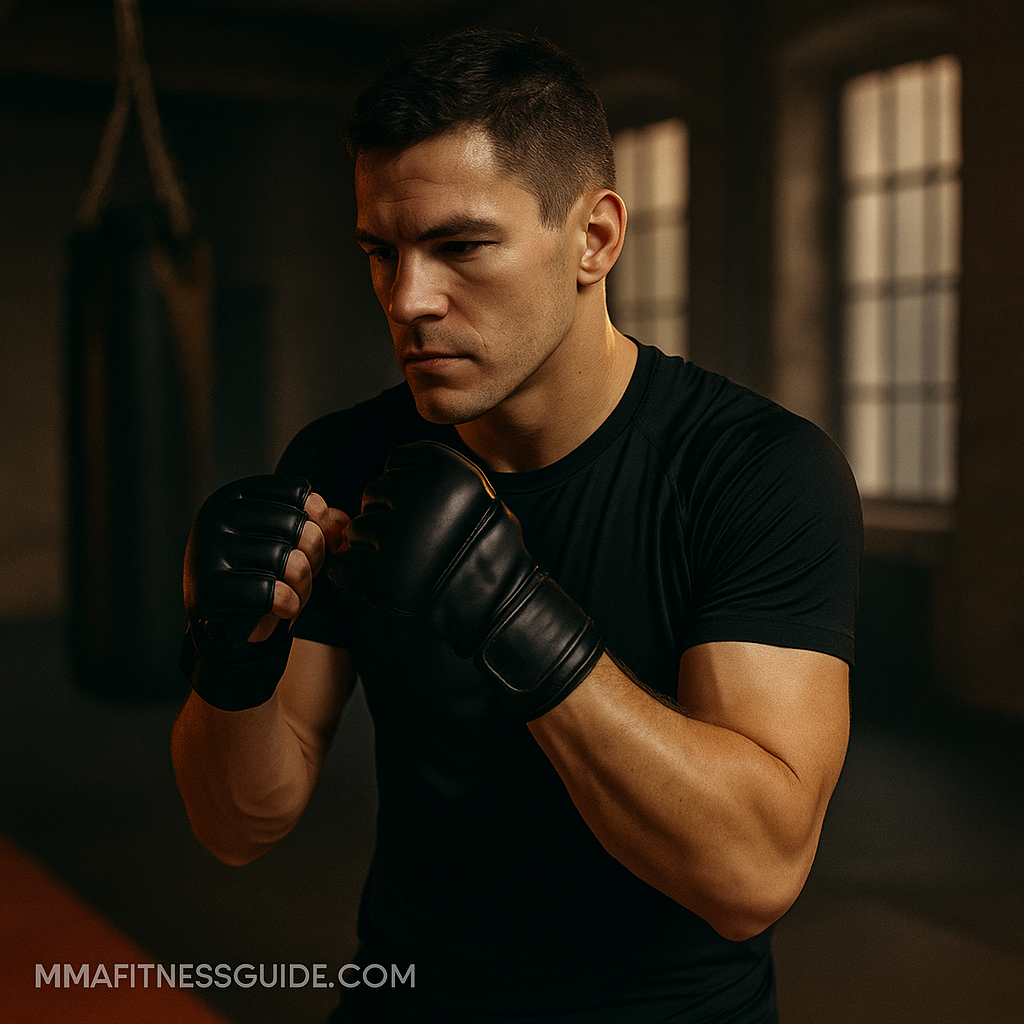
Male MMA fighter training alone in a gym with calm focus and gloves on under warm lighting.
Male MMA fighter training in quiet concentration, representing habits that build mental focus and discipline.

The Hidden Strength of Great Fighters

In MMA, physical power gets the spotlight — but behind every great fighter lies something more important: mental focus.
It’s what allows athletes to push through fatigue, stay calm under pressure, and react with precision even in chaos.

Mental focus isn’t something you’re born with — it’s something you build through daily discipline.
Like your body, your mind gets sharper through consistent habits and training.

Continue reading “Fighter Habits That Improve Mental Focus”

Simple Cardio Workouts for New Trainees

MMA trainee jumping rope during a beginner cardio workout in a combat sports gym.
Simple cardio sessions using jump rope, shadowboxing, bag work, and aerobic training can help beginners gradually build conditioning for MMA.

Build Your Engine Before You Step Into the Cage

MMA can expose poor conditioning quickly. Your punches lose speed, your stance gets sloppy, and even simple combinations become harder when you’re struggling to catch your breath.

Beginners can start addressing that with straightforward cardio sessions built around walking, running, cycling, jump rope, shadowboxing, bag work, and bodyweight exercises.

You don’t have to use all of them. Start with a few activities you can recover from consistently, then increase the workload as your conditioning improves.

Continue reading “Simple Cardio Workouts for New Trainees”

Building Confidence Before a Match

MMA fighter standing backstage and looking toward a brightly lit octagon before a match.
Confidence before an MMA fight develops through preparation, mental rehearsal, and the ability to remain composed under pressure.

The Fight Begins Before You Enter the Cage

You’re standing backstage, waiting for your name to be called. Your heart is racing, your gloves are taped, and your coach is giving you final instructions. Suddenly, you start thinking about your opponent’s knockout power, the crowd watching, and what happens if you lose.

Those thoughts are common before competition. What matters is how you respond to them.

Confidence develops through months of technical preparation, challenging sparring sessions, and learning to recover when things go wrong. A fighter who has practiced defending takedowns, escaping difficult positions, and maintaining composure under fatigue has specific experiences to draw on when nerves appear.

The goal isn’t to eliminate fear before a match. It’s to enter the cage with a clear plan, trust the skills you’ve developed, and remain capable of adjusting when the fight takes an unexpected turn.

Continue reading “Building Confidence Before a Match”

Foam Rolling Techniques for Martial Artists

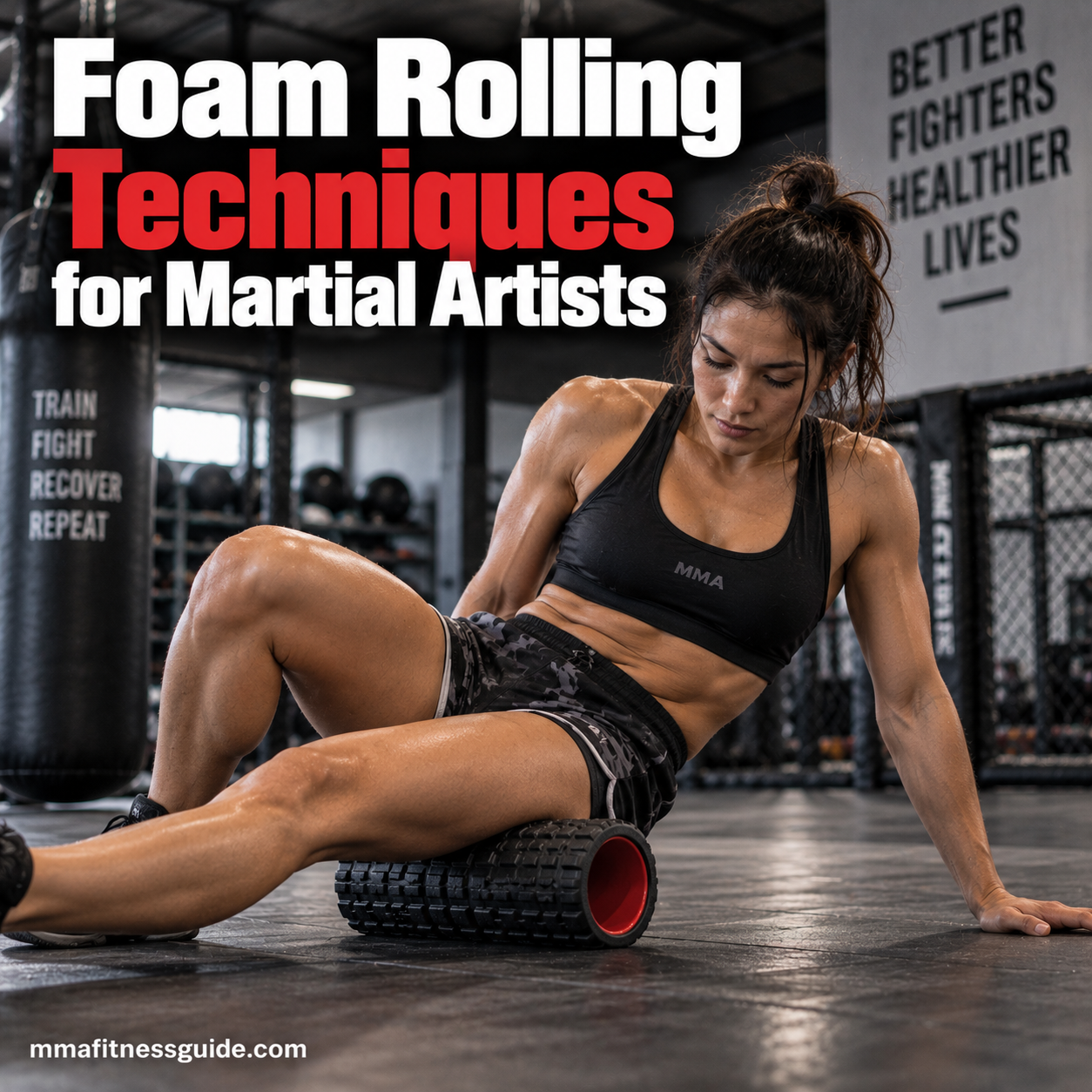
Martial artist using a foam roller on her thigh during recovery in an MMA gym
Targeted foam rolling can help martial artists manage muscular tightness and maintain comfortable movement between training sessions.

A long session of kicking can leave the calves and quads tight. Wrestling rounds often load the hips, glutes, and upper back, while repeated punching and clinch work can leave the shoulders and lats feeling stiff. When that tightness carries into the next session, stance changes, kicks, shots, and defensive movements may feel less comfortable.

Foam rolling gives martial artists a simple way to apply controlled pressure to those heavily worked muscles. A few minutes before training may temporarily improve range of motion in a tight area, while post-training rolling can help reduce the perception of muscle soreness.

The technique matters more than how hard you can press. Slow passes, moderate pressure, and attention to the muscles that actually feel restricted are usually more useful than aggressively rolling the entire body.

Continue reading “Foam Rolling Techniques for Martial Artists”