Your trusted source for MMA fitness, nutrition, and fighter-level health.
Author: Ryan Mitchell
Ryan Mitchell is a writer and contributor at MMA Fitness Guide, covering mixed martial arts training, strength and conditioning, fitness fundamentals, performance nutrition, injury prevention, and mindset. His work focuses on practical, research-informed training principles presented in a clear and approachable way for athletes and everyday fitness enthusiasts.
Content published by Ryan is intended for informational and educational purposes and should not replace professional coaching, medical advice, diagnosis, or treatment.
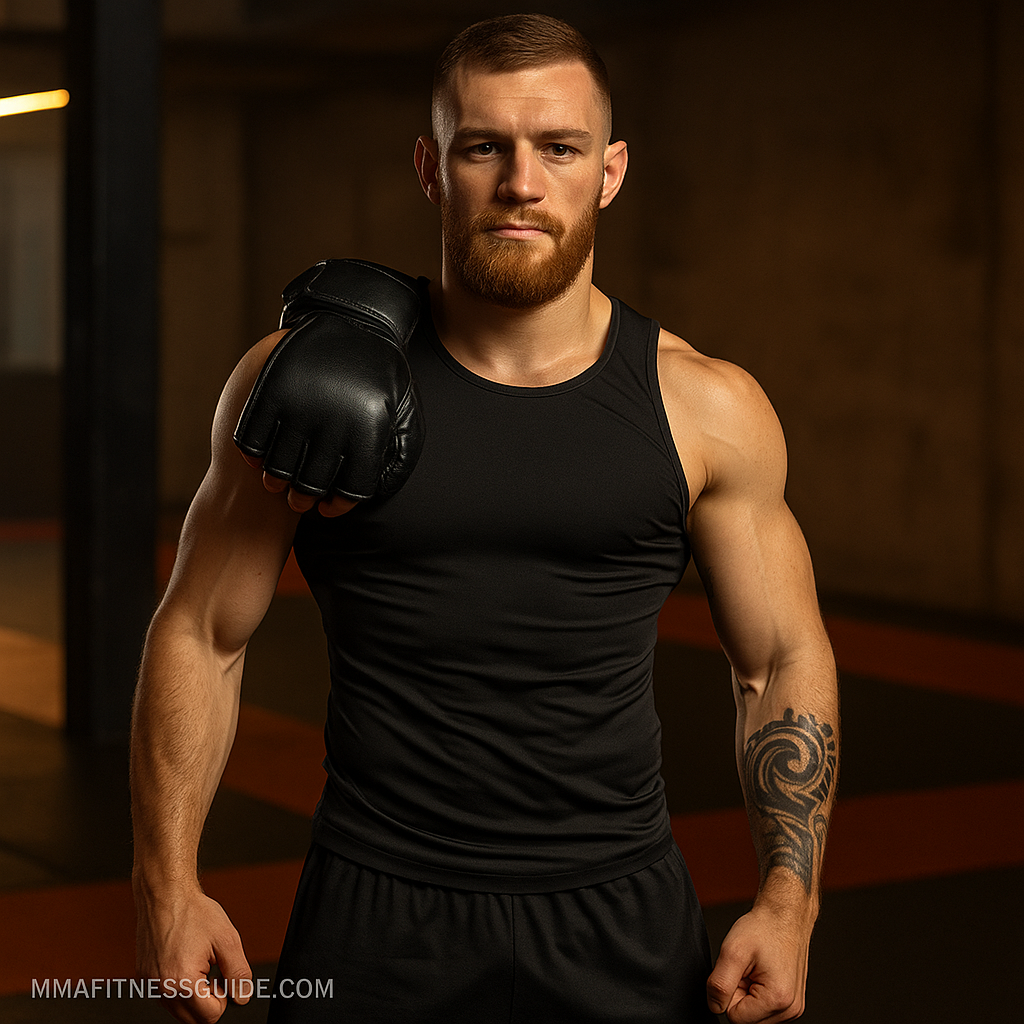
Male MMA fighter standing confidently after training, representing power, precision, and self-belief.
The Rise of a Fighting Icon
Few names in combat sports have made an impact like Conor McGregor. Known for his sharp left hand, quick wit, and unmatched showmanship, McGregor redefined what it means to be both a fighter and a brand.
From humble beginnings in Dublin to becoming a global superstar, his journey embodies ambition, precision, and fearless self-belief — traits that continue to inspire (and polarize) fans worldwide.
Female MMA fighter resting after intense training, recognizing the signs of overtraining and focusing on recovery.
When Pushing Hard Becomes Pushing Too Far
MMA training is built on discipline and intensity. Fighters pride themselves on grinding harder than anyone else. But there’s a fine line between dedication and overtraining — and crossing it can destroy your progress.
Overtraining isn’t about a single tough day. It’s a pattern of physical exhaustion, mental fatigue, and recovery failure. Recognizing the signs early can help you prevent burnout, injuries, and long-term performance decline.
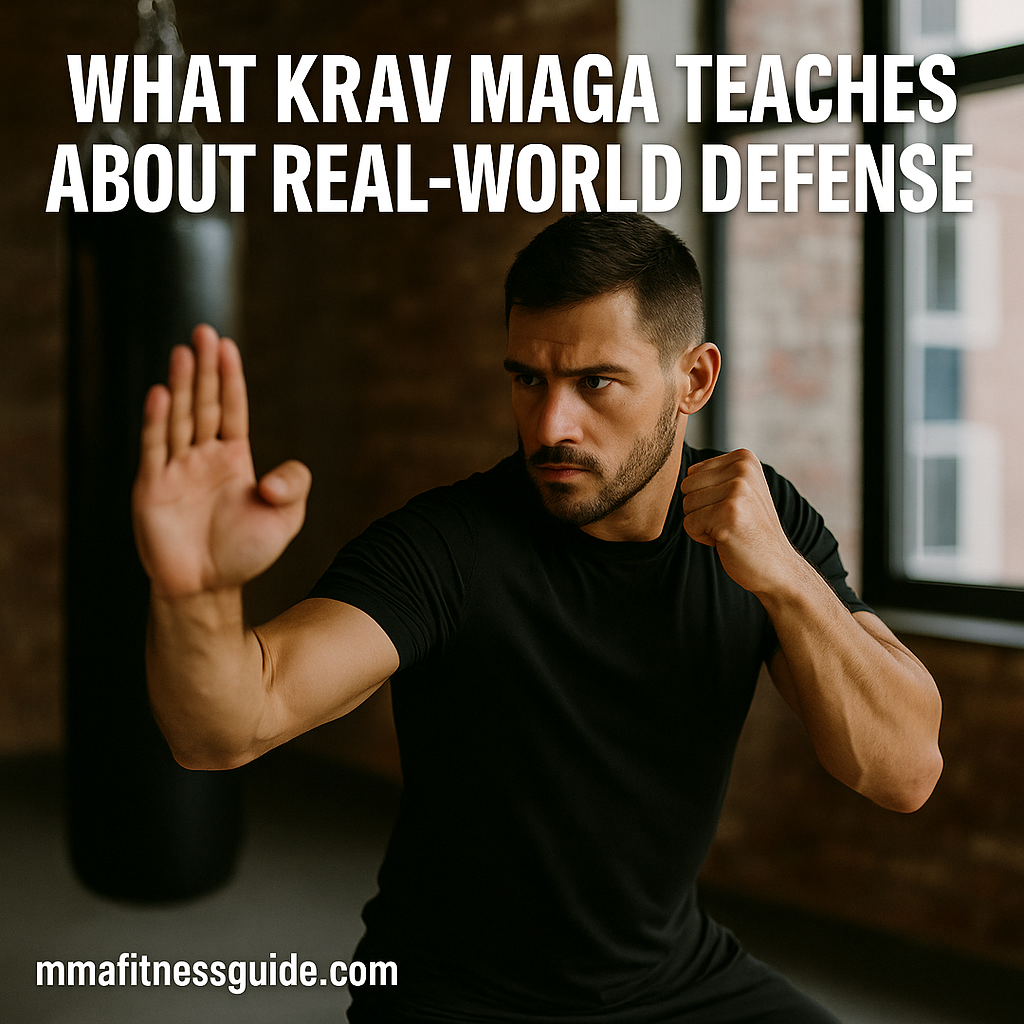
Male MMA fighter training self-defense techniques inspired by Krav Maga to improve awareness and real-world readiness.
Beyond the Gym: The Reality of Self-Defense
Most martial arts focus on competition — rounds, points, and rules. Krav Maga is different. Born out of necessity, it’s a real-world combat system designed for one purpose: survival.
Developed by Imi Lichtenfeld for the Israeli Defense Forces, Krav Maga combines techniques from boxing, wrestling, judo, and street fighting. It’s direct, practical, and brutally efficient — built for real-life threats, not tournament trophies.
For MMA athletes, studying Krav Maga adds a layer of awareness and adaptability that can carry over to both training and life.
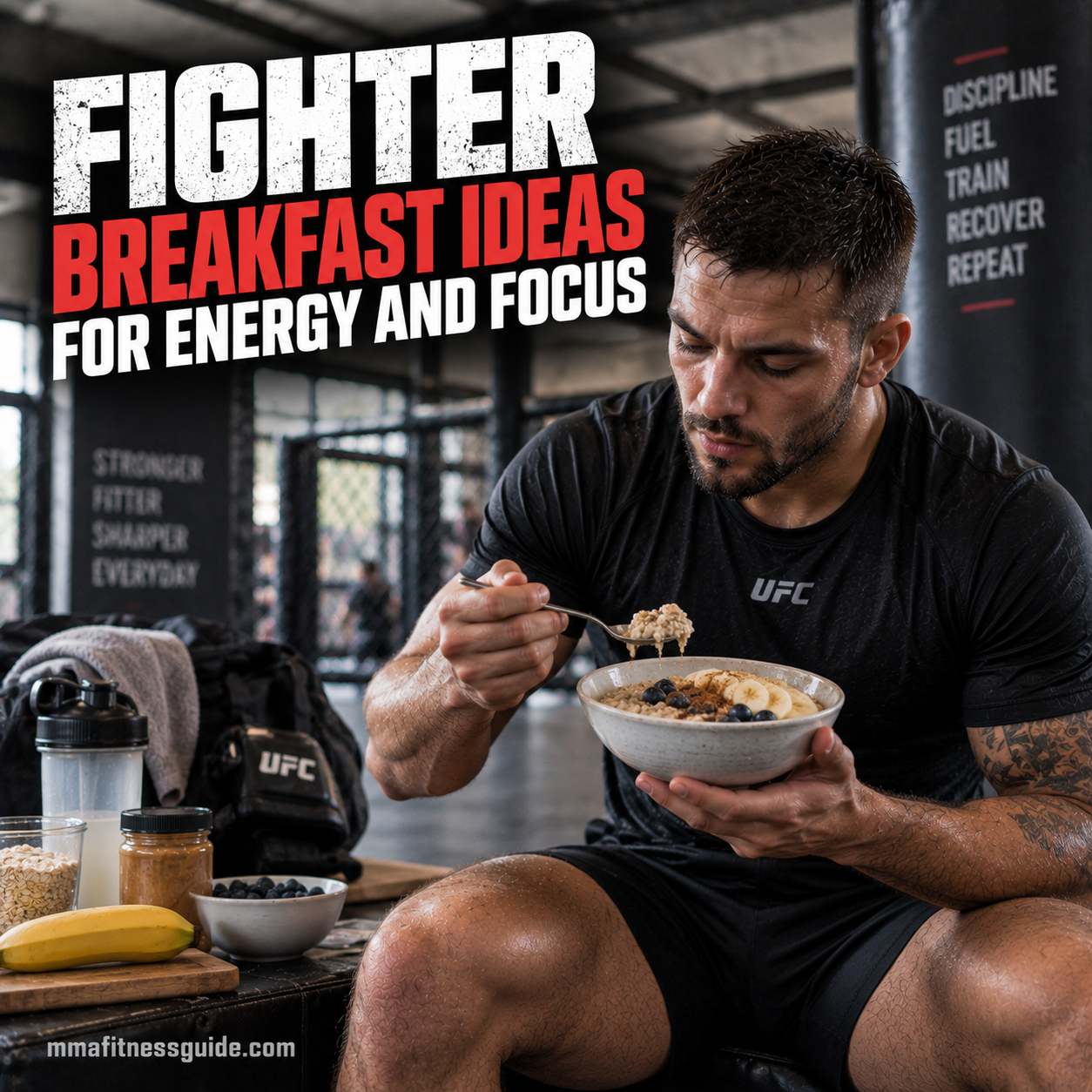
A balanced breakfast containing carbohydrates and protein helps MMA fighters fuel morning workouts and support muscle recovery.
Morning training presents a practical challenge: you need enough food to support striking, grappling, or conditioning without feeling overly full when practice begins.
A fighter heading into a 7 a.m. wrestling session may prefer a banana and a protein shake, while someone training at 10 a.m. has more time for eggs, oatmeal, and fruit. Both approaches can work when they fit the athlete’s schedule, digestive tolerance, and overall nutritional needs.
Breakfast provides an opportunity to replenish energy after an overnight fast, consume protein for muscle recovery, and replace fluids lost during sleep.
These ten breakfast ideas use accessible ingredients and straightforward preparation methods, with options for early training, busy mornings, and recovery days.
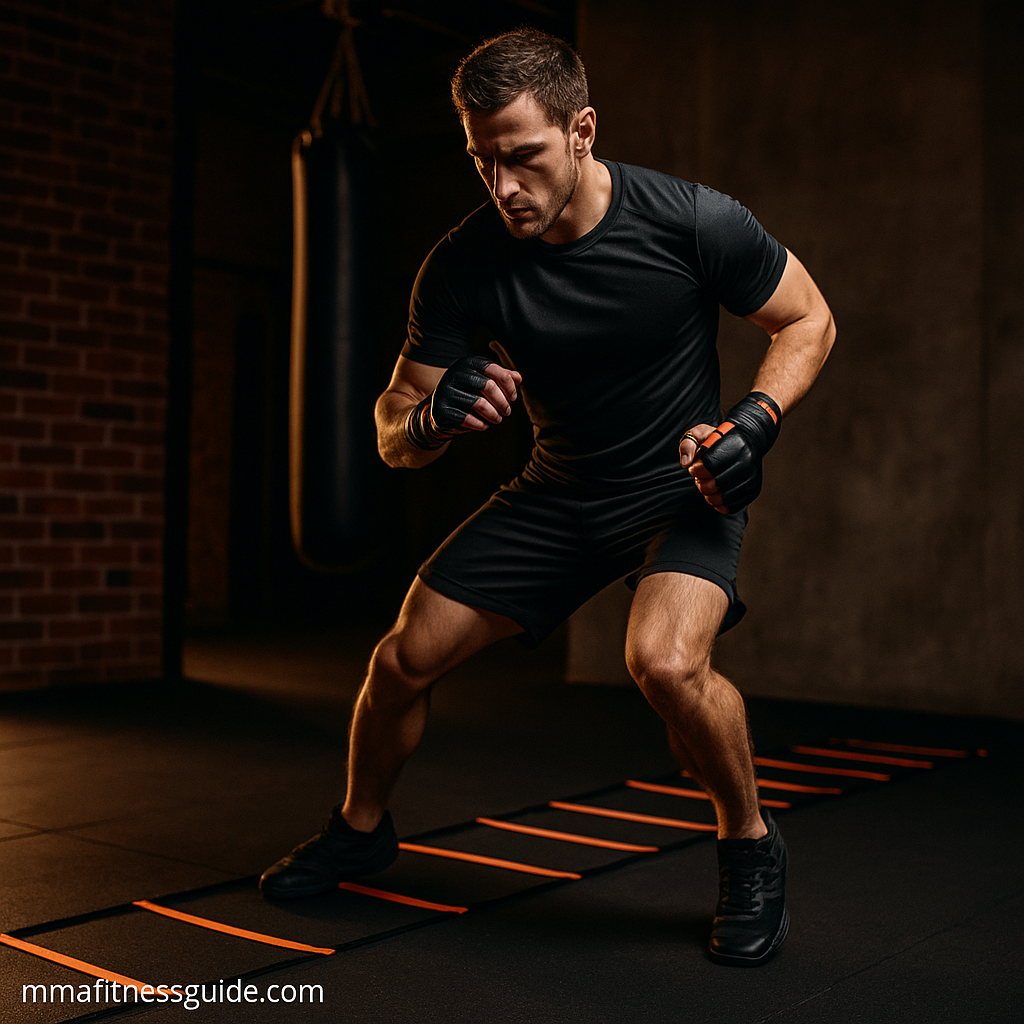
Male MMA athlete practicing footwork drills to improve agility, movement, and coordination in training.
The Foundation of Fluid Movement
Power means nothing if you can’t move efficiently. In MMA, agility and footwork separate great fighters from good ones. It’s how you stay balanced, create openings, evade attacks, and control distance.
Footwork isn’t just about speed — it’s about timing, precision, and rhythm. A fighter who moves well dictates the pace of the fight.
Whether you’re a beginner or a seasoned amateur, these drills will help you develop explosive agility and fight-ready movement.
Amateur MMA fighters can attract sponsorships by building their personal brand, creating professional proposals, and developing relationships with local businesses.
Turning Passion Into Partnership
Training for an amateur MMA career can become expensive long before you earn your first dollar from fighting.
Gym memberships, private coaching, protective equipment, medical examinations, travel, competition registration, and proper nutrition all require money. If you’re balancing training with a full-time job, covering those expenses can become an additional challenge.
That’s where sponsorships come in.
Even as an amateur MMA fighter, you can attract businesses willing to help fund your training, provide equipment, cover competition expenses, or support your development in exchange for promotional opportunities.
You don’t necessarily need a professional record, thousands of followers, or a championship belt to get started. Local businesses may be interested in supporting athletes who offer community visibility, consistent content, and genuine connections with potential customers.
However, securing sponsorships requires more than sending messages asking for free equipment or financial assistance.
You need to understand what businesses want, build a recognizable personal brand, prepare a professional proposal, and demonstrate that you can deliver value.
The key is to treat your fighting career like a brand, not just a hobby.
This guide explains how amateur MMA fighters can find sponsors, create sponsorship packages, negotiate agreements, and develop relationships that support their athletic careers.
It also covers common mistakes, amateur eligibility considerations, realistic financial expectations, and ways to build opportunities beyond competition.
Male MMA fighter resting after a hard training session, reflecting on motivation and discipline in combat sports.
The Fighter’s Mindset
Combat sports aren’t just about physical strength — they’re a test of heart, discipline, and mindset. Every fighter has faced pain, doubt, and fear — but what separates the greats is their ability to keep moving forward.
These motivational quotes from legends of MMA, boxing, and martial arts capture the essence of the fighter’s journey — resilience, focus, and inner strength. Whether you’re training, recovering, or facing challenges in life, these words will fuel your spirit.
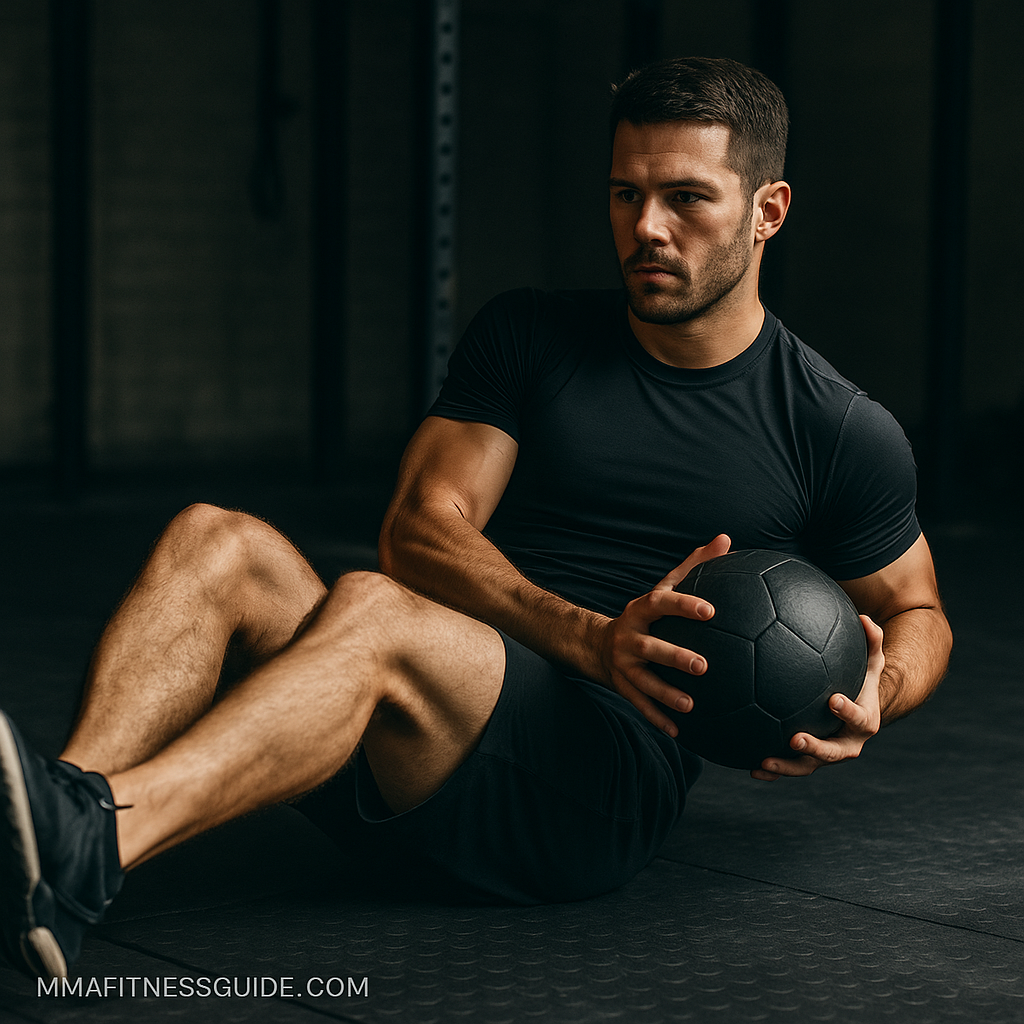
Male MMA athlete training core stability and power with a medicine ball exercise on gym mats.
Strength Starts at the Center
Every punch, kick, and takedown in MMA begins with one thing — core power. Your core isn’t just your abs — it’s the foundation of every movement. It connects your upper and lower body, stabilizes balance, and transfers force into your strikes and grappling.
A strong core means sharper technique, faster transitions, and fewer injuries. Whether you’re a beginner or just building your fitness base, mastering the fundamentals of core training will transform how you move, fight, and perform.
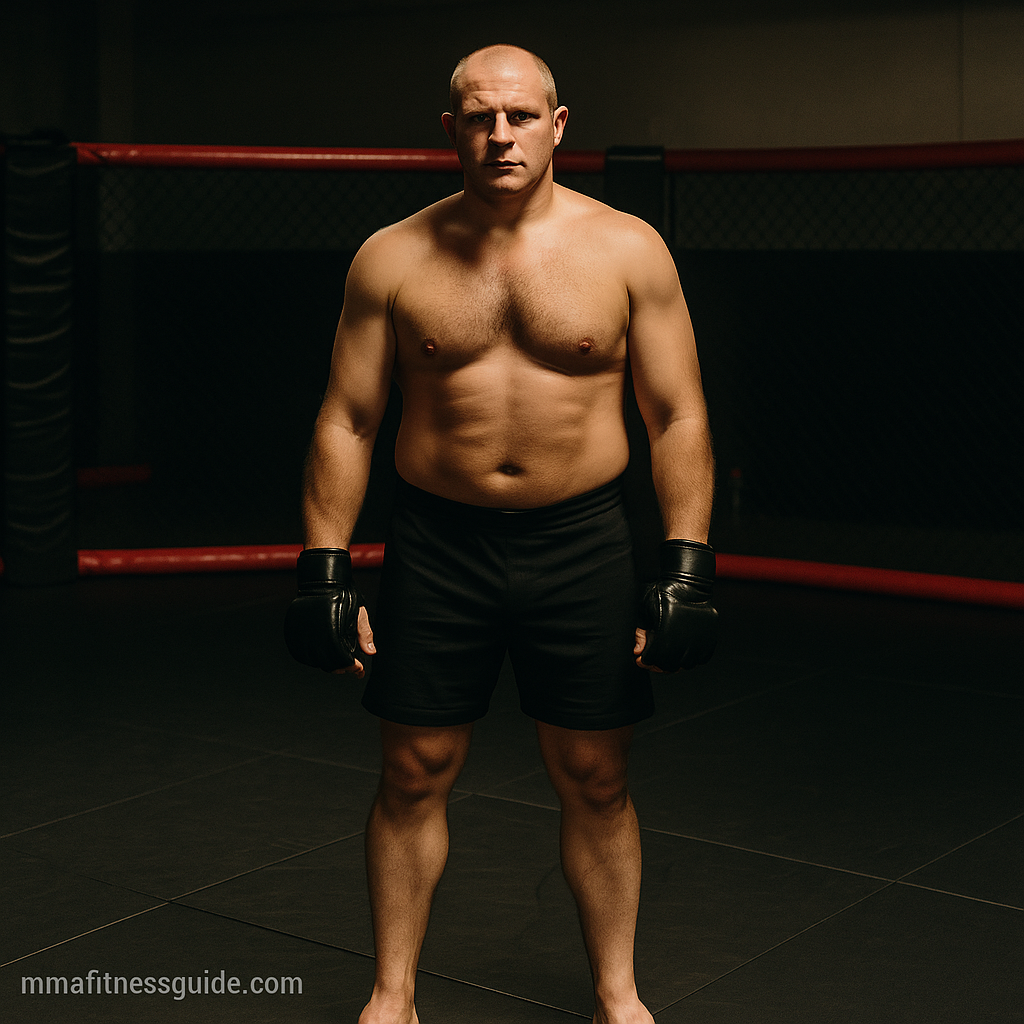
Male MMA athlete standing calmly after training, representing discipline and the legacy of the Pride era.
The Calm Before the Storm
In the early 2000s, when MMA was still carving its identity on the global stage, one man embodied the perfect blend of power, composure, and humility — Fedor Emelianenko.
During his dominant run in PRIDE Fighting Championships, Fedor earned the title “The Last Emperor”, defeating giants, strikers, and submission specialists alike — all while barely showing emotion.
He wasn’t flashy, he wasn’t loud — but inside the ring, he was absolute chaos wrapped in calm.
Female MMA fighter sitting after training, reflecting on growth and motivation after defeat.
When the Bell Doesn’t Go Your Way
Every fighter knows the sting of defeat. It’s not just physical pain — it’s the emotional weight that comes after the final bell. But here’s the truth: losses are part of the journey, not the end of it.
The greatest champions — from Georges St-Pierre to Amanda Nunes — have all been there. What separates them isn’t a perfect record, but their ability to learn, adapt, and rise again.