Introduction
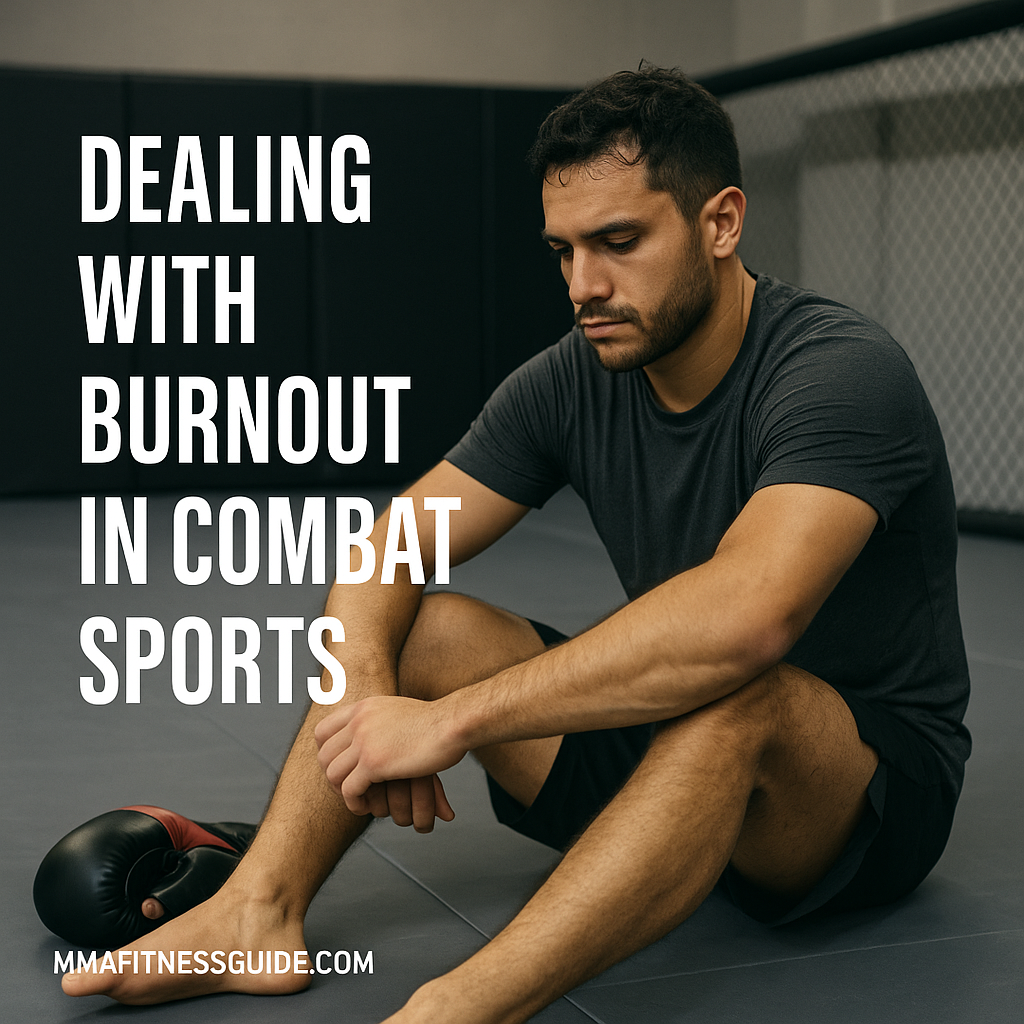
Combat sports are intense. Between sparring rounds, strength training, conditioning, drilling, and the pressure to improve, burnout can creep in before you even notice it. Burnout isn’t just feeling tired — it’s mental and physical exhaustion that makes training feel heavier than usual.
The good news is that burnout is normal, and it’s something every fighter experiences at some point. With the right approach, you can recover, reset your mindset, and get back to training in a healthier, more sustainable way.
Here’s how to recognize burnout and deal with it effectively.
What Burnout Looks Like in Combat Sports
Burnout shows up differently for every athlete, but some common signs include:
- Constant fatigue
- Loss of excitement toward training
- Feeling mentally checked out during drills
- Irritability or frustration
- Poor focus
- Increased injuries or minor aches
- Dreading sparring or hard rounds
- Feeling “stuck” or not improving
If you’ve been training hard for weeks with no real break, these signs are easy to miss until they pile up.
Why Fighters Burn Out
Combat sports demand physical effort and mental resilience. Burnout often comes from a mix of factors:
1. Overtraining
Too many hard sessions with not enough rest.
2. High Expectations
Pressuring yourself to improve faster, win every round, or look good in class.
3. Lack of Recovery
Poor sleep, dehydration, and nutrition can slow the body down.
4. Stress Outside the Gym
Work, school, relationships, or money issues add mental load.
5. Doing the Same Routines
Training that feels repetitive can kill motivation.
6. Comparing Yourself to Others
Watching teammates progress faster can create quiet frustration.
Burnout isn’t a sign of weakness — it’s simply your mind and body asking for a reset.
Step 1: Acknowledge It Without Judgment
The first step is recognizing burnout without beating yourself up.
Tell yourself:
- “This is normal.”
- “Everyone goes through this.”
- “I’m not losing progress — I just need a break.”
Fighters often resist rest because they fear falling behind, but burnout only gets worse without addressing it.
Step 2: Take a Short Reset
A reset can be:
- 2–3 days off
- A lighter week
- Focusing on technique instead of intensity
- Skipping sparring
Even a small break can recharge your body and enthusiasm.
You won’t lose skill in a few days — you’ll actually come back sharper.
Step 3: Adjust Training Intensity
Burnout often comes from training at full speed every session.
Try alternating intensity levels:
- Hard day → sparring or intense drilling
- Medium day → bag work or controlled grappling
- Light day → technique or movement work
This keeps progress steady without overwhelming you.
Step 4: Add Variety Back Into Training
Doing the same drills for weeks can make training feel dull.
Add variety by focusing on:
- New footwork patterns
- A different submission chain
- A new striking combo
- Training a weaker area
- Taking a fun class (Muay Thai, boxing, BJJ, etc.)
Small changes help restore interest and curiosity.
Step 5: Improve Recovery Outside the Gym
Burnout isn’t just from training — it’s also from poor recovery habits.
Focus on:
- Getting 7–9 hours of sleep
- Drinking more water
- Eating consistently
- Taking a hot shower or stretching at night
- Light mobility work on off days
Better recovery makes training feel easier and more enjoyable.
Step 6: Talk to Your Coach
Coaches see burnout all the time.
They can help you:
- Adjust volume
- Modify sparring
- Set realistic goals
- Plan rest weeks
- Keep training safe during low-energy phases
Good coaches support your long-term journey, not just one week of effort.
Step 7: Stop Comparing Yourself to Others
Comparison kills motivation.
Remember:
- Everyone learns at different speeds
- Teammates have different experience levels
- Your progress is your own
- Improvement isn’t linear
Focus on being a little better than you were last week.
Step 8: Reconnect With Your Reason for Training
Ask yourself:
- Why did I start?
- What do I enjoy most about training?
- What feels fun right now?
- What part of training makes me feel alive?
Reconnecting with your purpose brings back motivation without forcing it.
Step 9: Celebrate Small Wins
You don’t need big milestones to feel progress.
Notice:
- Your jab feeling sharper
- Better defense during sparring
- Improved breathing
- Cleaner movement
- Catching small details in technique
Small wins often remind you why you train in the first place.
When Burnout Means Something More
If burnout lasts for weeks or affects your daily life, it may signal:
- Chronic fatigue
- Lack of recovery
- Emotional stress
- Mental health challenges
In this case, talking to a coach, therapist, or health professional can help.
Combat sports are demanding — support is part of staying healthy.
Final Thoughts
Burnout is a normal part of any fighter’s journey. It doesn’t mean you’re weak, lazy, or losing progress — it’s simply a sign that your body and mind need a break. With small adjustments to training, better recovery habits, and a renewed mindset, you can bounce back stronger and more motivated.
Training isn’t about pushing hard every day — it’s about staying consistent over time.