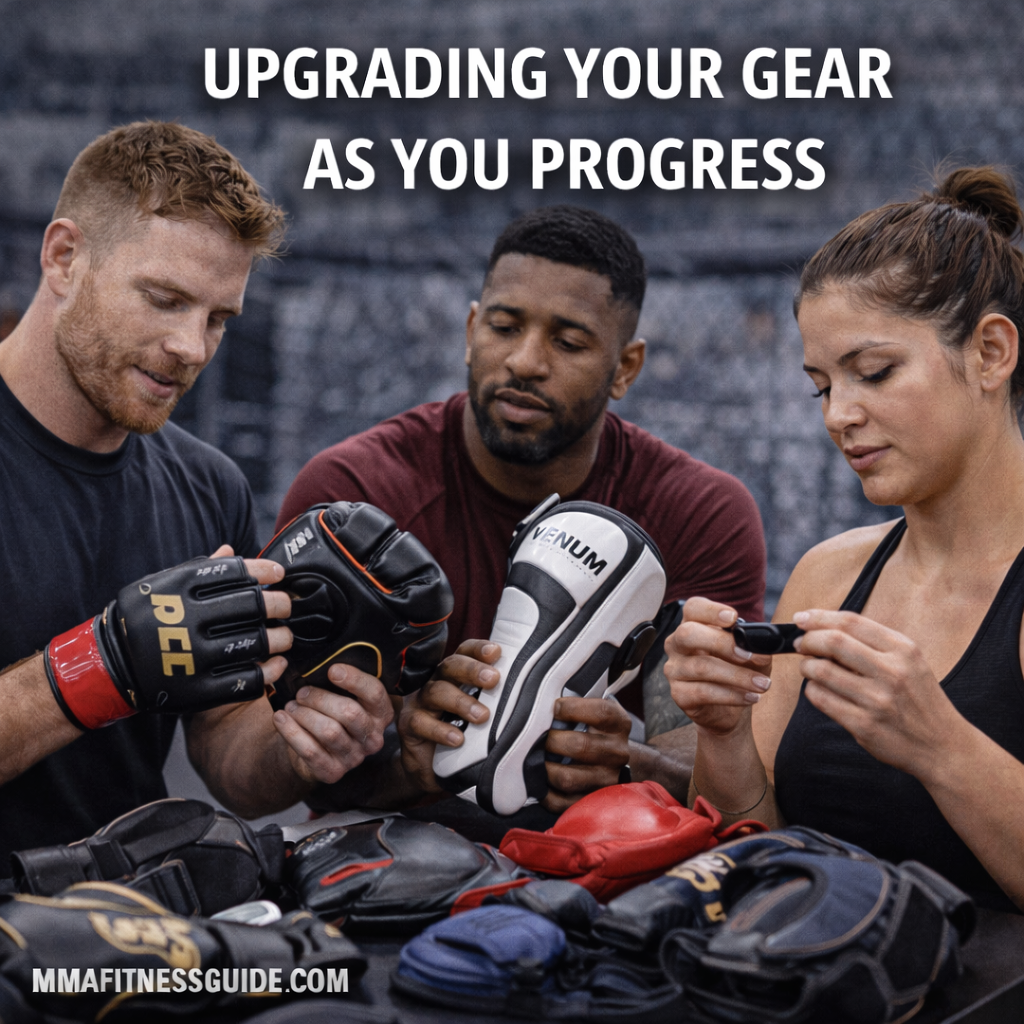
When you first start training MMA, basic gear is enough to get moving. But as your skill level, training intensity, and goals increase, your equipment needs change. Gear that once felt fine may start limiting performance, comfort, or safety.
Knowing when and how to upgrade your MMA gear helps you train smarter, reduce injury risk, and get more out of every session. This guide explains what to upgrade, when it matters, and how to make smart gear decisions as you progress.
Why Gear Needs Change as You Improve
Progress in MMA increases physical demands.
As you advance, you typically experience:
- Higher training volume
- Harder sparring rounds
- More specialized sessions
- Increased awareness of fit and feel
- Greater injury-prevention needs
Entry-level gear often isn’t designed for long-term or high-intensity use.
Prioritizing Gear Upgrades
Not all gear needs upgrading at once.
Focus first on items that:
- Affect safety
- Impact training quality
- Wear out quickly
- Are used daily
Upgrading strategically prevents unnecessary spending.
Gloves: From Beginner to Advanced
When to Upgrade Gloves
Consider upgrading gloves when:
- Padding breaks down
- Wrist support feels unstable
- Hand pain increases
- Sparring intensity increases
- Gloves lose shape or odor control
Poor gloves increase injury risk for you and partners.
What Improves With Better Gloves
Higher-quality gloves often provide:
- Better wrist support
- More consistent padding
- Improved hand alignment
- Greater durability
- Enhanced comfort during long sessions
As your striking sharpens, glove quality matters more.
Shin Guards and Sparring Protection
Shin guards take significant abuse in MMA.
Upgrade when:
- Padding becomes thin
- Straps loosen or shift
- Guards slide during movement
- Bruising increases despite correct technique
Better shin guards allow harder, safer sparring.
Mouthguards: One of the Most Important Upgrades
A basic boil-and-bite mouthguard works early on, but upgrades become critical.
Improved mouthguards offer:
- Better fit and breathing
- Reduced jaw fatigue
- Increased impact protection
- Less distraction during rounds
This is one upgrade that pays off immediately.
Training Apparel and Comfort
As training volume increases, comfort matters.
Consider upgrading:
- Rash guards with better compression
- Shorts with improved mobility
- Training apparel with moisture control
- Durable stitching for grappling
Discomfort can subtly affect performance and focus.
Gear for Grappling and Wrestling
Grappling gear often wears faster than striking gear.
Upgrade grappling gear when:
- Fabric thins or tears
- Elastic loses shape
- Skin irritation increases
- Movement feels restricted
Quality grappling gear improves mobility and hygiene.
Bag Gloves vs Sparring Gloves
As you progress, separating glove types becomes important.
Why it matters:
- Bag gloves protect hands during heavy strikes
- Sparring gloves protect partners
- Padding distribution differs
- Using one pair for everything shortens lifespan
Dedicated gear improves safety and durability.
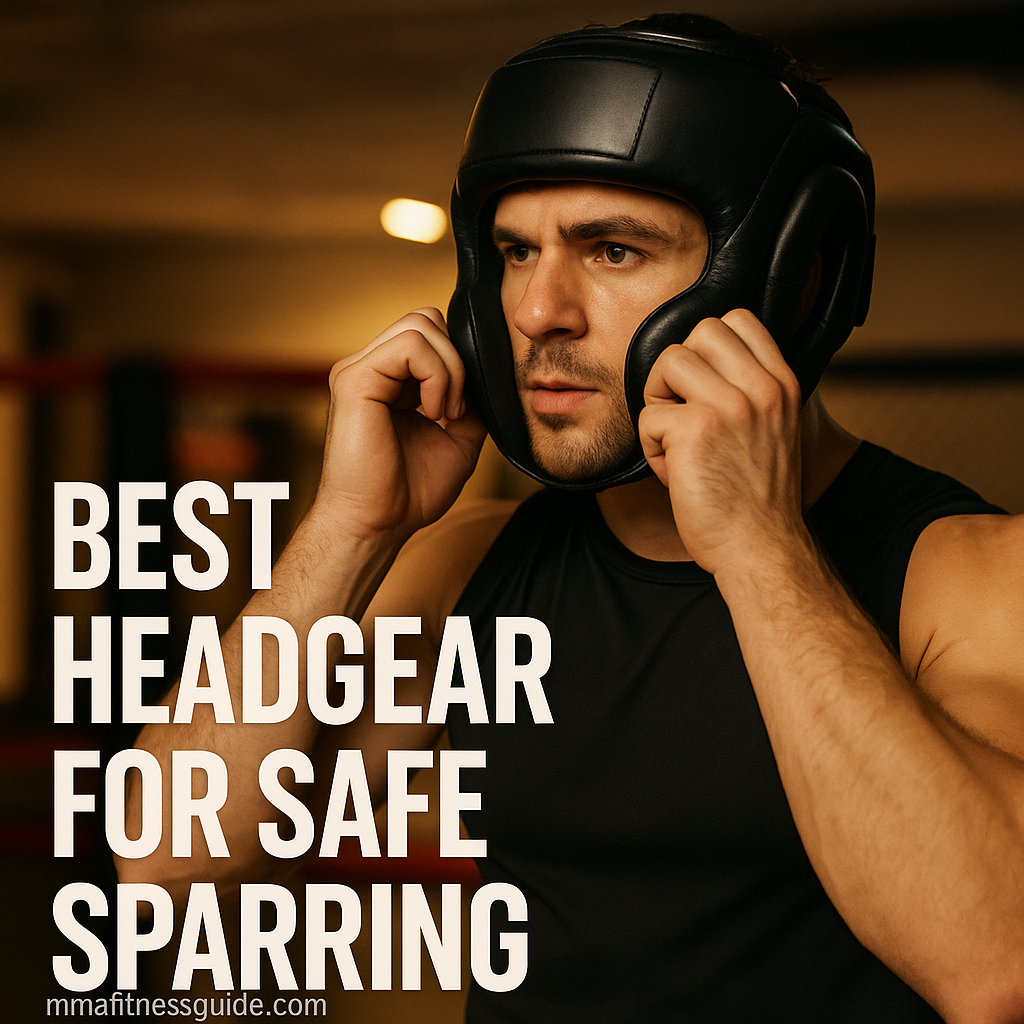
Protective Gear and Injury Prevention
Advanced training increases injury risk.
Protective upgrades may include:
- Better groin protection
- Knee supports or sleeves
- Ankle supports for stability
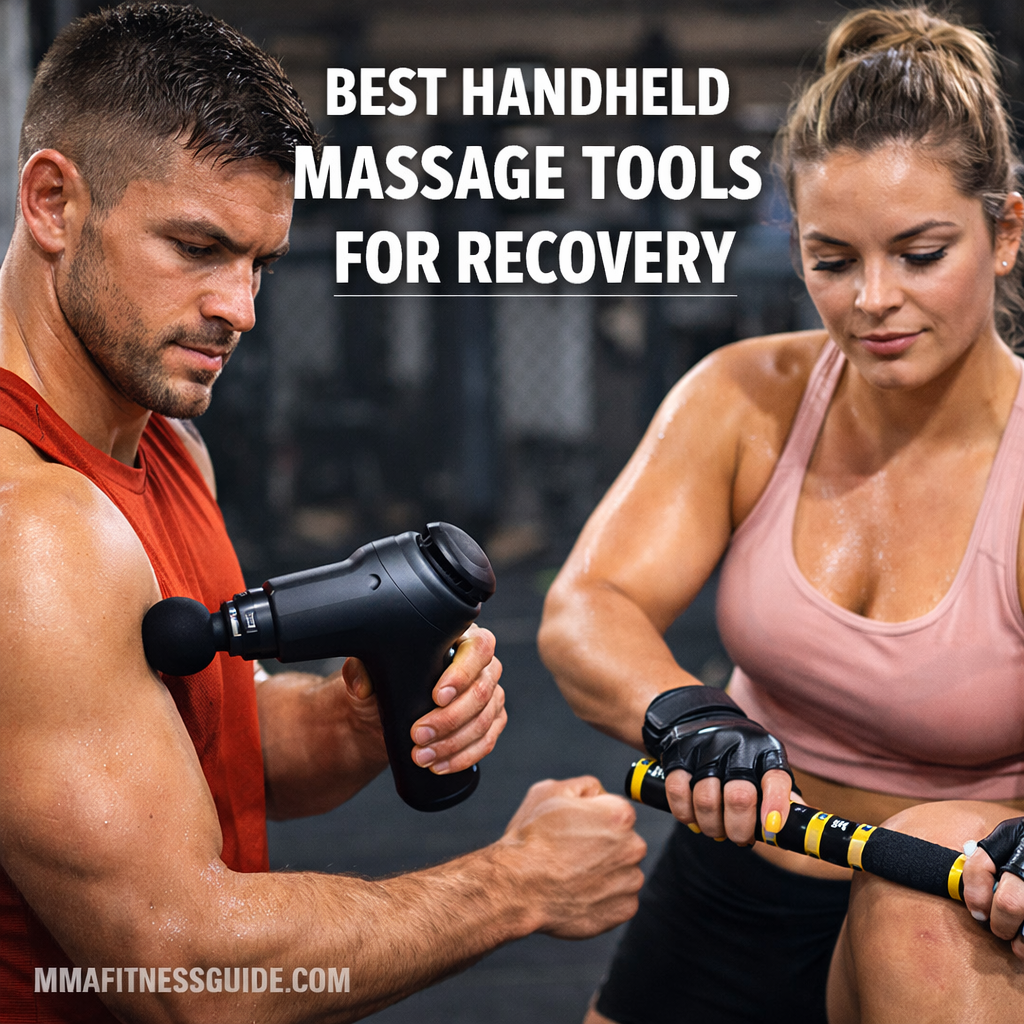
- Tape and recovery accessories
Protection doesn’t mean weakness — it supports consistency.
When Not to Upgrade Gear
Upgrading isn’t always necessary.
Avoid upgrading when:
- Technique issues are the real problem
- Gear still fits and performs well
- You’re buying for status, not function
- Budget constraints affect essentials like coaching or nutrition
Gear should support training, not replace it.
How to Know You’re Ready to Upgrade
Signs it’s time to upgrade include:
- Training frequency has increased
- Sparring intensity has gone up
- Gear is wearing out faster
- Comfort issues distract you
- Safety concerns arise
Upgrading should feel practical, not impulsive.
Budgeting for Gear Progression
Smart fighters plan gear purchases.
Helpful budgeting tips:
- Upgrade one item at a time
- Prioritize safety-related gear
- Track gear lifespan
- Avoid buying everything at once
- Invest in durability over aesthetics
Well-chosen gear lasts longer and saves money.
Final Thoughts
Upgrading your MMA gear is part of progressing as a fighter. As your skills sharpen and training demands increase, your equipment should evolve with you. The right upgrades improve safety, comfort, and performance — without unnecessary expense.
Train smart, upgrade intentionally, and let your gear support your growth instead of limiting it.