Finding Stillness in a Violent Art
Martial arts are built on intensity — explosive movement, precision, and willpower. Yet at their core lies something far quieter: mental stillness.
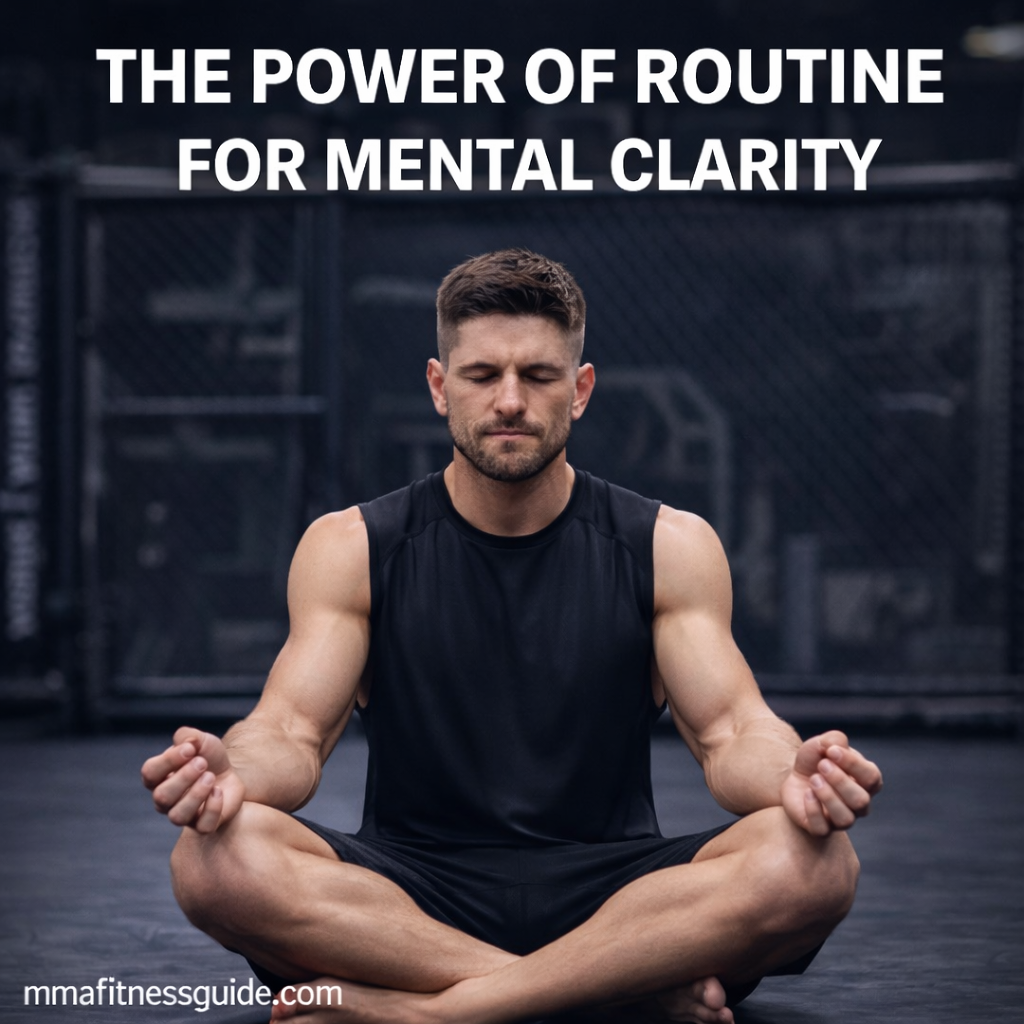
Meditation, long practiced by traditional martial artists, isn’t just about peace. It’s about control, awareness, and clarity — the same skills that define elite fighters.
In today’s MMA world, where training loads and mental pressure run high, meditation has become a powerful tool for improving focus, recovery, and emotional stability.
Why Meditation Matters for Fighters
In the cage, every split-second counts. Meditation trains the one muscle most fighters forget — the mind.
Benefits include:
- Improved focus – Stay present instead of overthinking technique or outcomes.
- Better reaction time – Mindfulness sharpens awareness and shortens decision lag.
- Reduced stress and anxiety – Breathing work lowers cortisol and calms nerves before competition.
- Enhanced recovery – Mindful relaxation helps the body shift into a restorative state faster.
- Emotional balance – Learn to manage adrenaline and anger instead of being ruled by them.
The result? A fighter who thinks less, reacts faster, and performs with calm precision.
The Ancient Connection
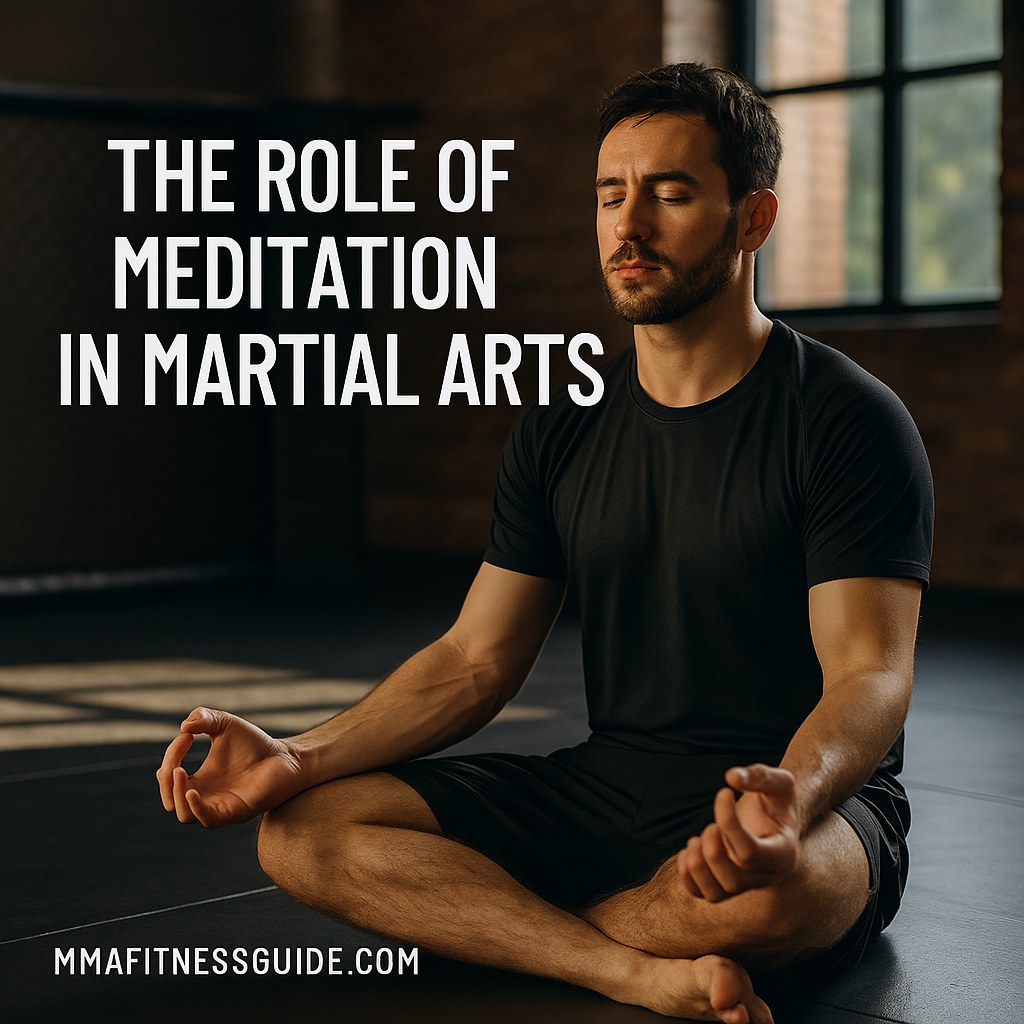
Meditation and martial arts have always been linked.
Samurai practiced Zen breathing before battle.
Shaolin monks integrated Chan meditation into every movement.
Even Bruce Lee emphasized “emotional content” — acting from awareness, not impulse.
This fusion of stillness and motion remains central to the best fighters today. Modern athletes like Georges St-Pierre and Lyoto Machida openly discuss how mindfulness gives them an edge.
Types of Meditation That Benefit Fighters
1. Breath Awareness (Anapanasati)
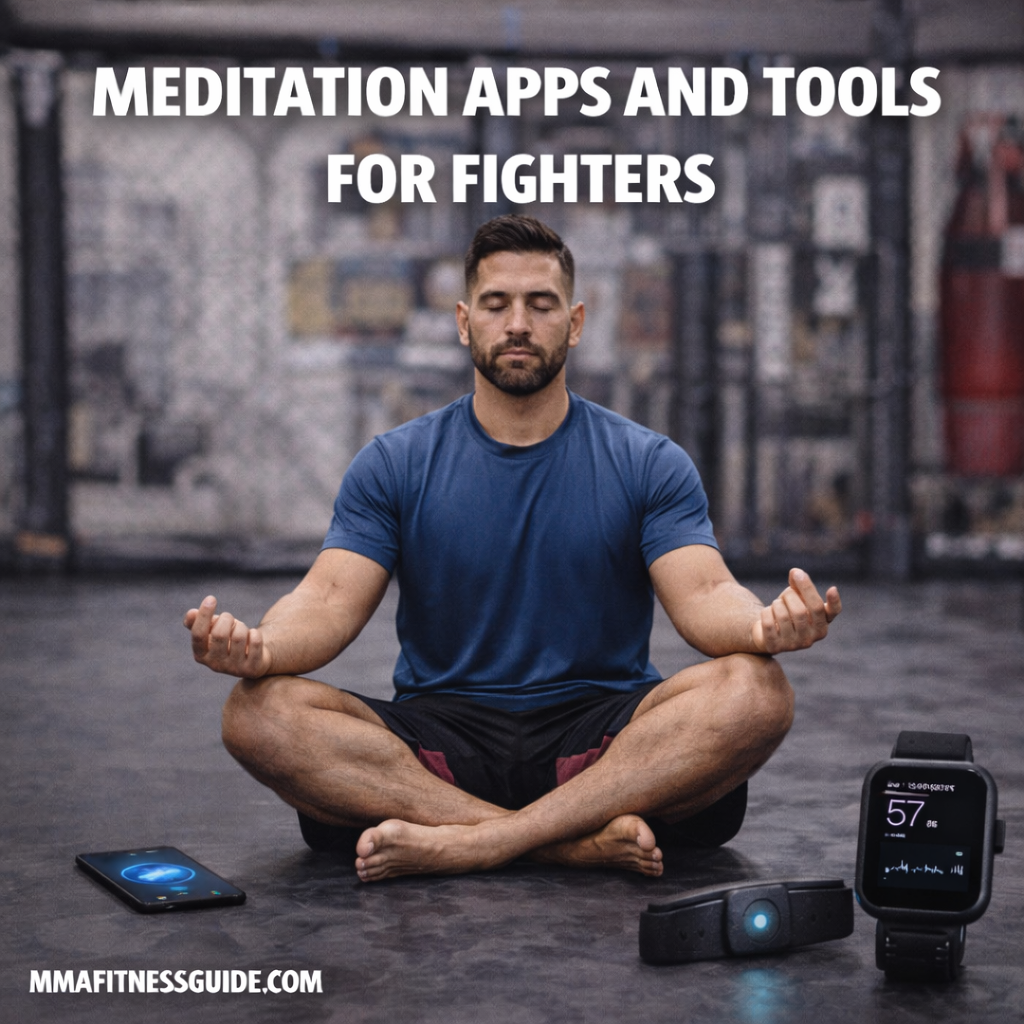
Sit or stand comfortably. Focus on your breath — in through the nose, out through the mouth.
When thoughts arise, observe them, then return to breathing.
Use before training or fights to control nerves and center attention.
2. Body Scan Meditation
After training, lie down and mentally scan from head to toe.
Notice tension, pain, or fatigue without judgment.
Improves recovery and builds awareness of injury or stress points.
3. Moving Meditation
Shadowboxing, footwork, or kata done in a mindful flow.
Each movement connects to breath and awareness.
Builds rhythm, coordination, and control under fatigue.
4. Visualization
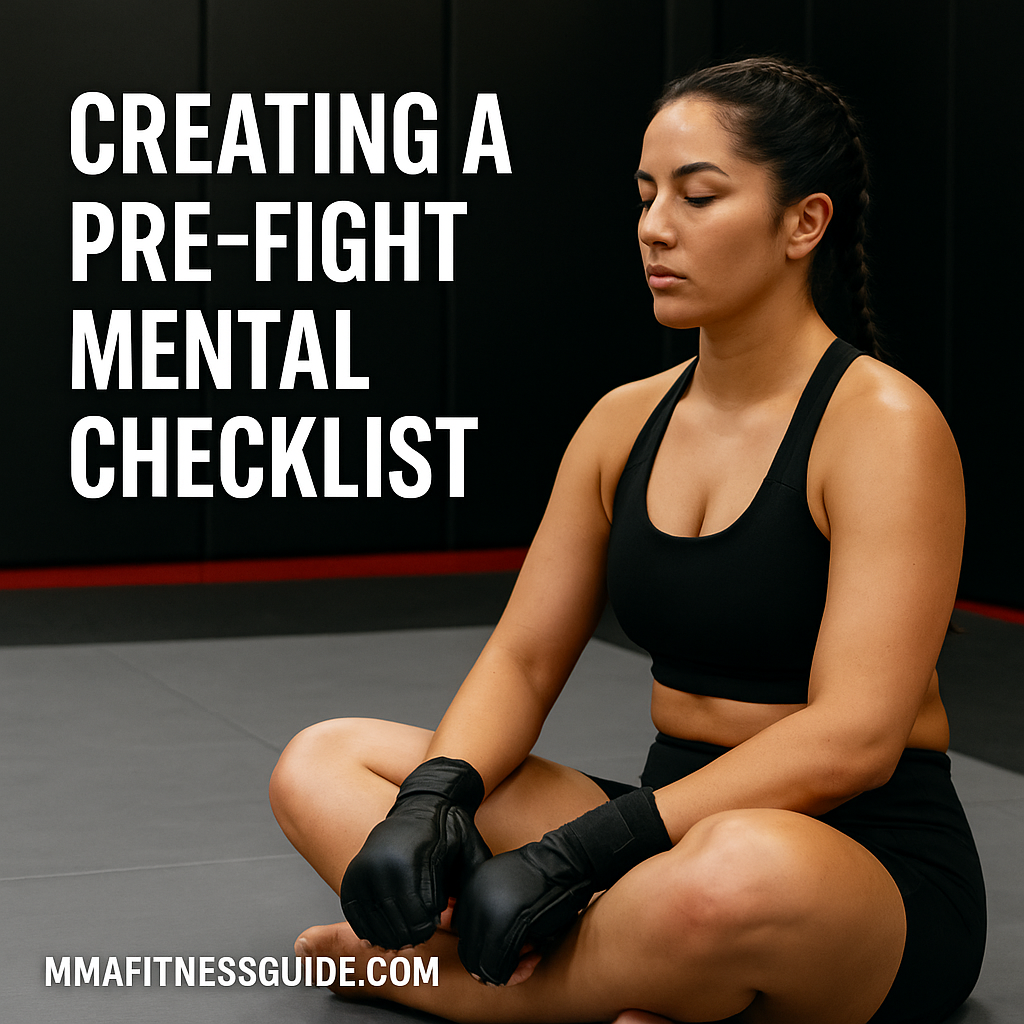
Imagine stepping into the cage with confidence. Visualize breathing steadily, landing strikes, reacting calmly.
Creates a mental blueprint that boosts actual performance.
Meditation and Emotional Control
Fighting triggers adrenaline, fear, and aggression — all natural reactions. Meditation helps you observe those emotions instead of being consumed by them.
A fighter who can stay calm under pressure controls both their energy and their opponent’s.
Meditation turns chaos into clarity.
Integrating Meditation into Training
Start small — 5 minutes a day is enough to notice results.
Practical routine example:
- Morning: 5-minute breath meditation before breakfast.
- Pre-training: 3 deep breaths before each drill or round.
- Evening: 10-minute body scan or visualization before sleep.
Over time, mindfulness becomes automatic — part of your rhythm, not just a practice.
Common Misconceptions
- “Meditation is only for calm people.”
Fighters benefit most because they face chaos daily. - “It’s about emptying your mind.”
Not true. It’s about noticing your thoughts and letting them pass. - “I don’t have time.”
Meditation can fit between rounds, after cooldowns, or even during stretching.
The Mental Edge
In combat, technique and conditioning mean little without presence. Meditation sharpens awareness — the quiet that allows precision to emerge.
As Bruce Lee famously said,
“Empty your mind, be formless, shapeless — like water.”
Through meditation, fighters learn to flow — adaptable, calm, and focused, no matter the storm.
Key Takeaways
- Meditation enhances focus, composure, and emotional control.
- Just a few minutes a day can reduce stress and improve performance.
- Integrate breathing and visualization into daily training.
- Calm fighters are dangerous fighters — because they see everything.