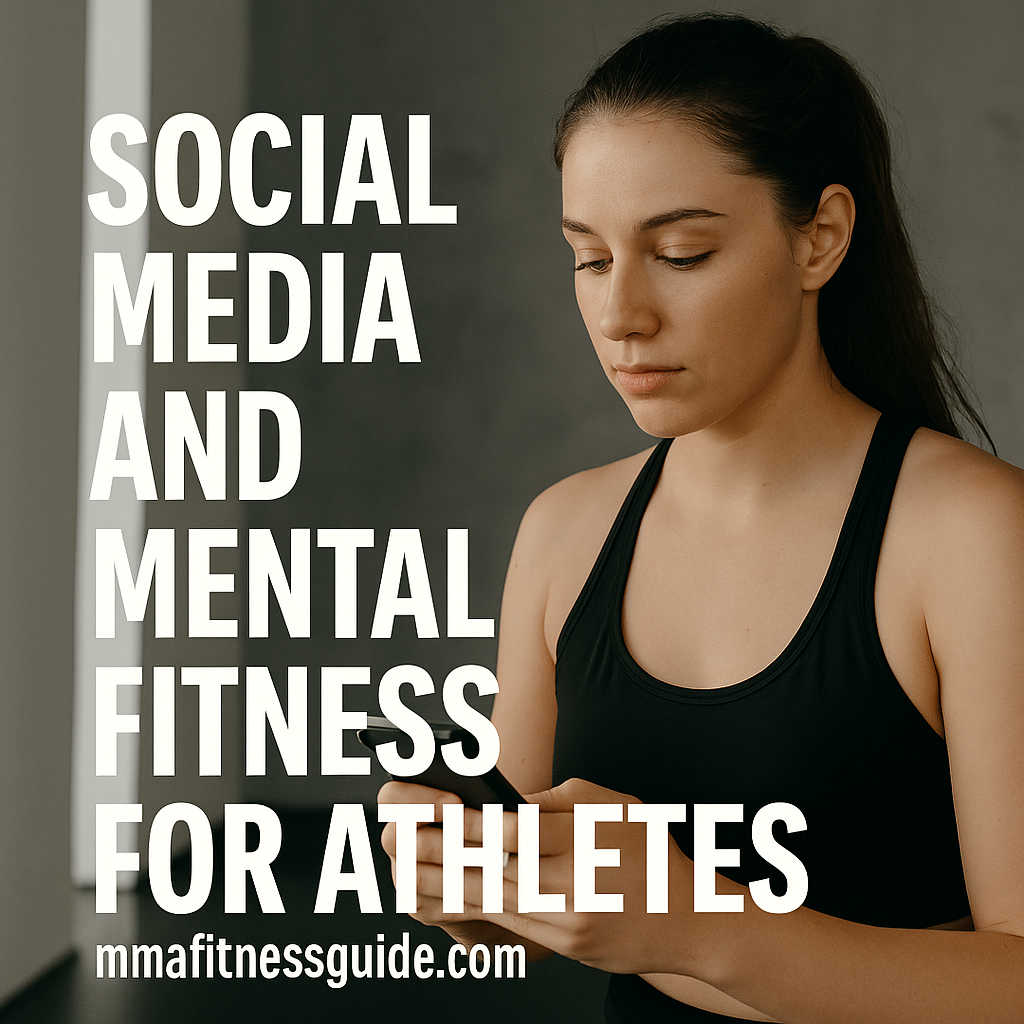
Social media can be a powerful tool for athletes — a place to build a brand, share progress, study techniques, and connect with fans. But it can also create mental pressure, comparison traps, and unnecessary stress that affects performance inside and outside the gym.
For fighters, who already deal with high expectations, intense training schedules, and competition stress, managing social media wisely is essential for long-term mental fitness.
This guide breaks down how social media affects athletes, the risks to watch for, and the habits that help fighters stay mentally strong while staying connected online.
How Social Media Impacts Mental Fitness
Social media affects athletes in both positive and negative ways. Understanding both sides helps you use it as a tool, not a distraction.
The Positive Side of Social Media for Athletes
1. Motivation and Inspiration
Seeing other athletes train, compete, and push themselves can fuel your own drive.
2. Technique Study
Platforms like Instagram, YouTube, and TikTok offer endless drills, breakdowns, and fight analysis.
3. Community Support
Training partners, fans, and other fighters can provide encouragement during hard weeks.
4. Personal Branding
Posting your journey helps you build opportunities for sponsorships, coaching, and career growth.
5. Accountability
Sharing goals publicly can help you stick with them.
Social media becomes beneficial when used intentionally.
The Downside: Mental Challenges Athletes Face Online
1. Comparison and Self-Doubt
Watching highlight reels of other fighters can make you:
- Feel behind in your progress
- Question your ability
- Overanalyze your weaknesses
Remember: people post their best moments, not their struggles.
2. Negative Comments and Trolls
Criticism — especially online — can affect confidence, mood, and focus.
Not everyone deserves access to your mental space.
3. Performance Pressure
Posting results or training clips may lead to:
- Fear of looking bad
- Anxiety about mistakes
- Feeling like every session needs to be “content-worthy”
This creates unnecessary stress.
4. Time Drain
Mindless scrolling can steal hours of:
- Sleep
- Training time
- Recovery time
- Focus
Your attention is one of your most valuable resources as an athlete.
5. Validation Addiction
Likes and comments can create a reward loop that affects motivation and self-esteem.
You should train for your goals — not for online approval.
How Social Media Affects Training and Fight Performance
Poor social media habits can lead to:
- Disrupted sleep cycles
- Lower confidence
- Higher stress during fight week
- Distracted training
- Emotional fatigue
- Reduced mental resilience
When your mind gets cluttered, your performance suffers.
Healthy Social Media Habits for Athletes
These habits help fighters stay mentally sharp while using social media intentionally.
1. Create Before You Consume
Post your training, updates, or goals before scrolling.
This protects your mindset from comparison traps.
2. Set Time Limits
Try:
- 30 minutes morning
- 30 minutes evening
- Or a single 1-hour window after training
Avoid scrolling before bed — it affects sleep quality and recovery.
3. Curate Your Feed
Unfollow or mute:
- Negative accounts
- Comparison triggers
- Problematic influencers
- People who drain your focus
Follow accounts that inspire, educate, or uplift you.
4. Don’t Engage With Trolls
You don’t owe strangers an emotional response.
Protect your energy and move on.
5. Separate Personal Identity From Performance
A bad session ≠ a bad athlete
A loss ≠ a failure
A missed post ≠ falling behind
Your worth is not tied to online metrics.
6. Use Social Media as a Learning Tool
Instead of scrolling aimlessly:
- Save technique videos
- Screenshot training tips
- Follow nutrition and recovery specialists
- Watch fight breakdowns
- Study footwork, feints, and grappling sequences
Make social media part of your growth, not your stress.
7. Schedule “Offline Days”
At least once a week, disconnect completely.
Your mental clarity, focus, and mood will improve.
8. Protect Fight Week
During fight week, minimize:
- Comments
- Messages
- Debates
- Posting
- Scrolling
Stay focused on the fight.
Your brain needs stillness, not noise.
9. Share the Journey, Not Perfection
People relate more to honest progress than polished highlights.
This reduces pressure and builds authentic connection.
10. Ask Yourself: “Why Am I Posting?”
Before hitting “share,” ask:
- Is this for me?
- Is this helpful?
- Is this aligned with my goals?
If yes, post.
If no, delete and move forward.
Building Mental Fitness in a Social Media World
Mental fitness means staying:
- Grounded
- Confident
- Focused
- Resilient
- Purpose-driven
Social media can support these traits if you use it mindfully — or damage them if you don’t.
Remember: you’re an athlete first, content creator second.
Protect your mind the same way you protect your body.
Final Takeaway
Social media can either support your athletic journey or sabotage it. When used intentionally, it becomes a source of motivation, education, and connection. When used unconsciously, it creates stress, comparison, and mental fatigue.
By practicing healthy boundaries, curating your feed, and staying focused on your real-world goals, you can build the mental fitness needed to thrive both online and in the cage.
Your mindset is part of your training — treat it like a skill.