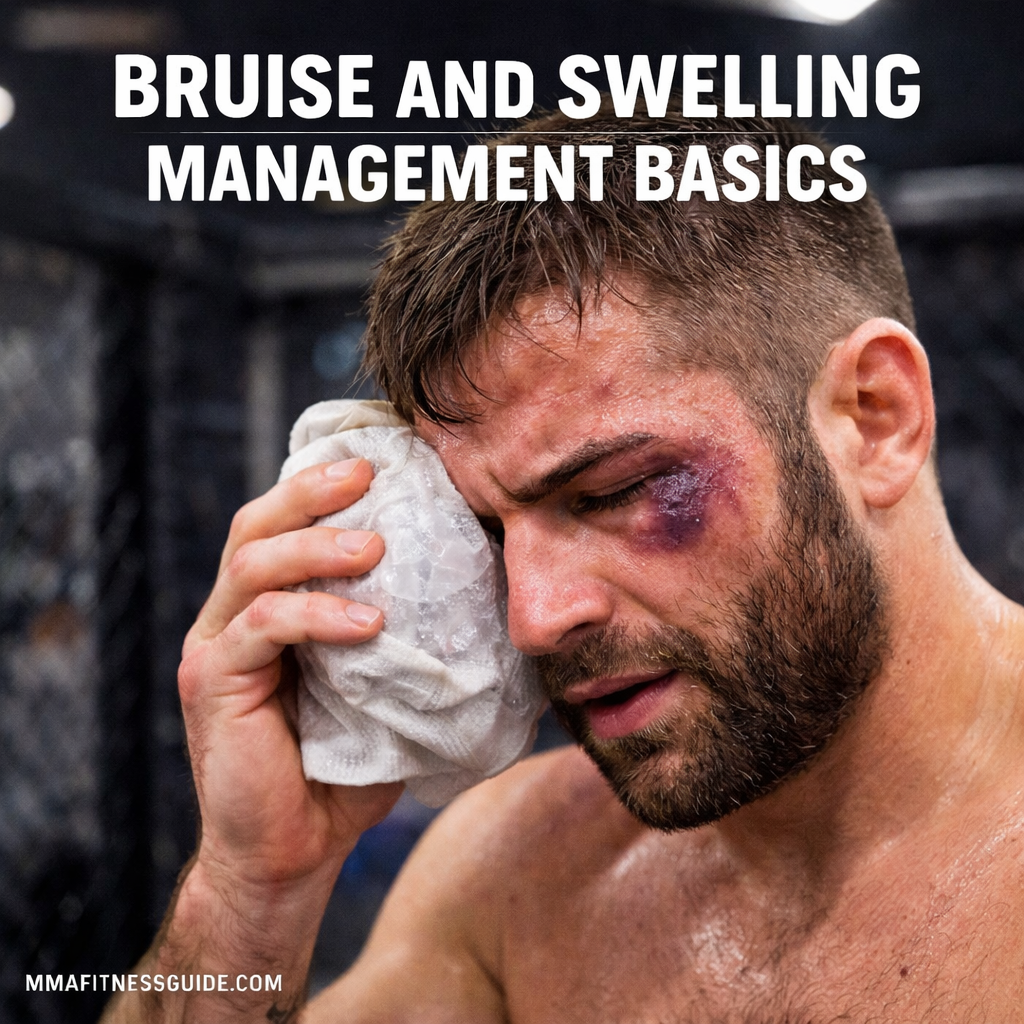
Returning to sparring after an injury is one of the most critical—and risky—phases of recovery for MMA athletes. Even when pain has subsided, the body and nervous system may not be fully prepared for live contact. Rushing back too soon increases the chance of reinjury, compensations, and long-term setbacks.
This guide explains how to return to sparring safely after injury, outlining smart progression steps, warning signs to watch for, and best practices that help fighters regain confidence without compromising recovery.
Why the Return to Sparring Phase Matters
Many injuries don’t happen during the initial trauma—they happen during the comeback.
Common risks of returning too early include:
- Reinjury to the same area
- New injuries from compensation
- Reduced reaction time
- Hesitation or poor defensive habits
- Loss of confidence after setbacks
A structured return protects both physical healing and mental readiness.
Clearance vs Readiness: Understanding the Difference
Medical clearance doesn’t always mean sparring readiness.
Medical clearance means:
- Tissue has healed enough to tolerate load
- No major structural damage remains
- Basic movement is restored
Sparring readiness requires:
- Strength and stability under fatigue
- Confidence in movement
- Reaction to unpredictable contact
- Ability to defend and counter safely
Both are necessary for a successful return.
Signs You’re Not Ready to Spar Yet
Before stepping back into live rounds, assess honestly.
Red flags include:
- Persistent swelling or stiffness
- Pain during explosive movements
- Loss of range of motion
- Hesitation when pressure increases
- Guarding or favoring one side
If these signs are present, more preparation is needed.
Step 1: Restore Full Movement and Strength
Sparring places chaotic demands on the body.
Before returning, ensure:
- Full pain-free range of motion
- Strength symmetry between sides
- Stability under load
- Ability to absorb impact in controlled settings
Strength and mobility should be tested under light fatigue, not just when fresh.
Step 2: Reintroduce Technical Drilling
Drilling bridges the gap between rehab and sparring.
Start with:
- Controlled partner drills
- Slow-paced striking combinations
- Technical grappling without resistance
- Focus on positioning and posture
Drills allow you to rebuild timing without unpredictable contact.
Step 3: Controlled Contact and Positional Sparring
Before full sparring, limit variables.
Effective progression includes:
- Positional sparring only
- Reduced power striking
- Short rounds with clear boundaries
- Trusted training partners
This stage tests confidence while minimizing risk.
Step 4: Gradual Increase in Intensity
Intensity should increase gradually, not suddenly.
Recommended progression:
- Light sparring with limited targets
- Moderate sparring with longer breaks
- Normal sparring volume at reduced frequency
- Full sparring only when consistent and pain-free
Volume and intensity should never increase at the same time.
Managing Fear and Hesitation After Injury
Mental readiness is just as important as physical recovery.
Common mental challenges:
- Fear of reinjury
- Hesitation in exchanges
- Overthinking movement
- Avoiding certain positions
Building trust takes repetition, patience, and controlled exposure.
Communicating With Coaches and Training Partners
Clear communication prevents unnecessary setbacks.
Let your gym know:
- What injury you’re returning from
- What limitations still exist
- Which rounds should stay light
- When to stop if something feels off
Experienced gyms respect smart recovery decisions.
Common Mistakes Fighters Make When Returning
Avoiding these mistakes speeds recovery.
Common errors:
- Jumping straight into hard sparring
- Ignoring minor pain signals
- Letting ego override caution
- Trying to “test” the injury too soon
- Comparing progress to others
Smart fighters prioritize longevity over short-term intensity.
Injury-Specific Considerations
Joint Injuries
Joint injuries often require:
- Extra warm-up time
- Controlled range under load
- Caution during scrambles and takedowns
Stability matters more than strength initially.
Muscle Strains and Contusions
For muscle injuries:
- Ensure full strength return
- Avoid explosive overload early
- Monitor fatigue-related tightness
Muscles fail most often when tired.
Head and Neck Injuries
Extra caution is required.
Key rules:
- No rushing return timelines
- Strict symptom monitoring
- Conservative sparring reintroduction
- Immediate removal if symptoms return
Long-term brain health always comes first.
How Often to Spar After Returning
Frequency should be reduced initially.
Guidelines:
- Start with 1–2 sparring sessions per week
- Avoid back-to-back hard days
- Allow recovery between sessions
- Gradually build volume over weeks
Consistency without flare-ups is the goal.
When to Stop or Reassess
Stop sparring and reassess if:
- Pain increases during or after sessions
- Swelling returns
- Movement quality declines
- Confidence drops significantly
Setbacks are signals, not failures.
Final Thoughts
Returning to sparring safely after injury requires patience, structure, and self-awareness. By rebuilding movement, strength, confidence, and timing in stages, fighters protect their bodies and ensure long-term progress. The smartest comebacks are controlled—not rushed.
Longevity in MMA isn’t about how fast you return—it’s about how well you stay healthy once you do.