
Simple Meal Rituals That Reduce Stress

MMA athlete eating a balanced post-training meal as part of a calm and healthy meal routine.
Simple habits such as slowing down, removing distractions, and eating balanced meals can make mealtimes feel calmer and more intentional.

Think about the difference between eating lunch while scrolling through your phone and answering messages versus sitting down, taking one slow breath, and actually paying attention to the first few bites. The food may be exactly the same, but the experience can feel completely different.

Meals create several natural pauses in the day, making them useful opportunities to step away from constant stimulation and settle into a calmer routine. Small habits—putting the phone aside, sitting down to eat, slowing the first few bites, or taking a moment before starting—can make those pauses more intentional.

These rituals don’t require a special diet or complicated routine. They simply turn something you already do every day into a more relaxed, mindful part of your schedule.

Continue reading “Simple Meal Rituals That Reduce Stress”

Beginner Kettlebell Movements

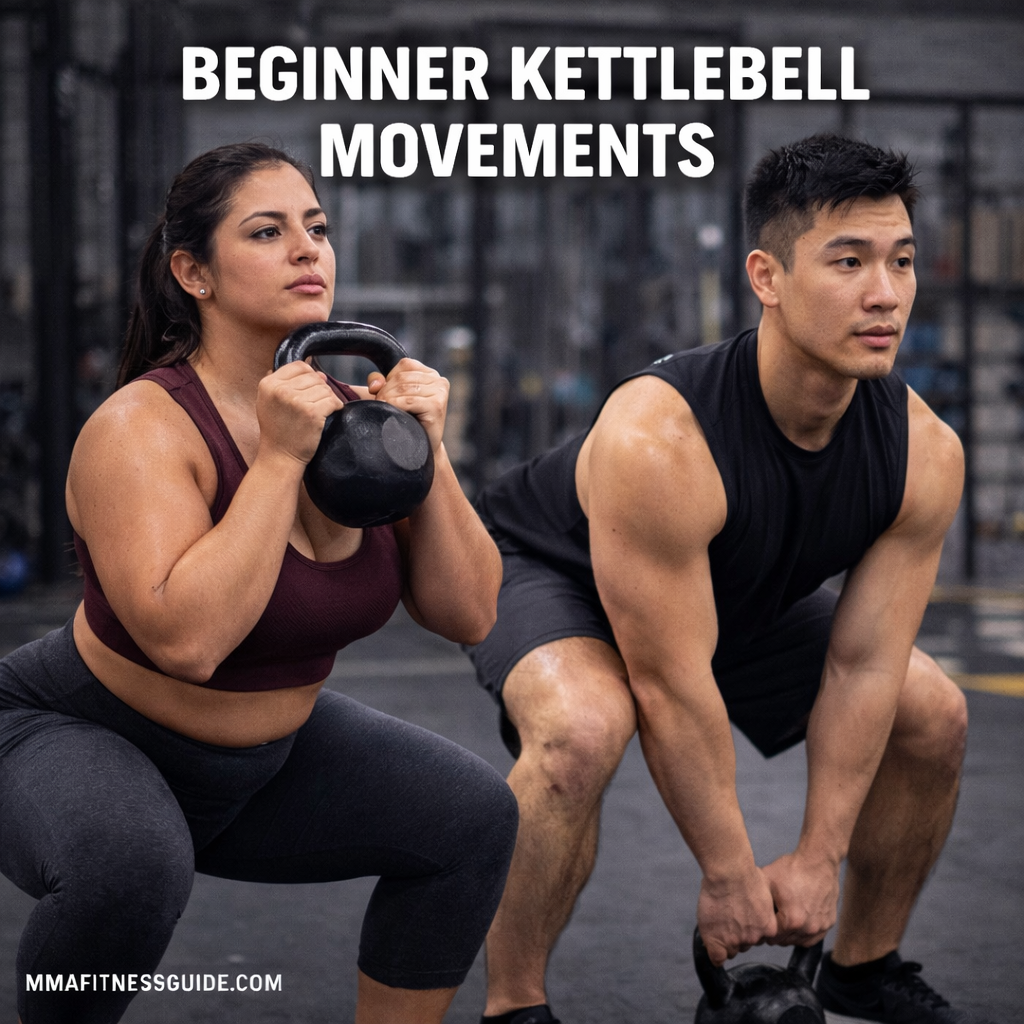
Beginner athletes performing basic kettlebell exercises in a gym, demonstrating goblet squats and deadlifts for strength and conditioning.
Beginners practice foundational kettlebell movements to build strength, coordination, and full-body fitness.

Kettlebells are one of the most effective tools for building strength, conditioning, and coordination—especially for beginners. Unlike traditional dumbbells, kettlebells challenge balance, grip strength, and core stability at the same time, making them ideal for full-body training and functional fitness.

This guide covers beginner kettlebell movements, explains proper technique, and shows how new trainees can safely build strength and confidence using simple, foundational exercises.

Continue reading “Beginner Kettlebell Movements”

The Business of Superfights: History and Hype

The business of superfights represented by two combat sports stars facing off at a major fight promotion event
Superfights combine star power, compelling narratives, and massive promotion to create some of the biggest revenue-generating events in MMA and combat sports.

When Floyd Mayweather and Conor McGregor stepped into a boxing ring in 2017, the matchup brought together two different combat sports, generated millions of pay-per-view purchases, and turned a fight many once considered impossible into a global entertainment event. It was an extreme example of a formula promoters have used for generations: combine recognizable stars, a compelling story, enormous stakes, and enough uncertainty to make millions of people want to watch.

Superfights operate differently from ordinary championship bouts. Rankings and divisional logic can take a back seat to star power, rivalry, legacy, and financial opportunity. From historic boxing spectacles to champion-versus-champion MMA clashes and modern crossover events, these fights reveal how hype can transform a matchup into one of the most valuable products in combat sports.

Continue reading “The Business of Superfights: History and Hype”

When to Seek a Sports Psychologist

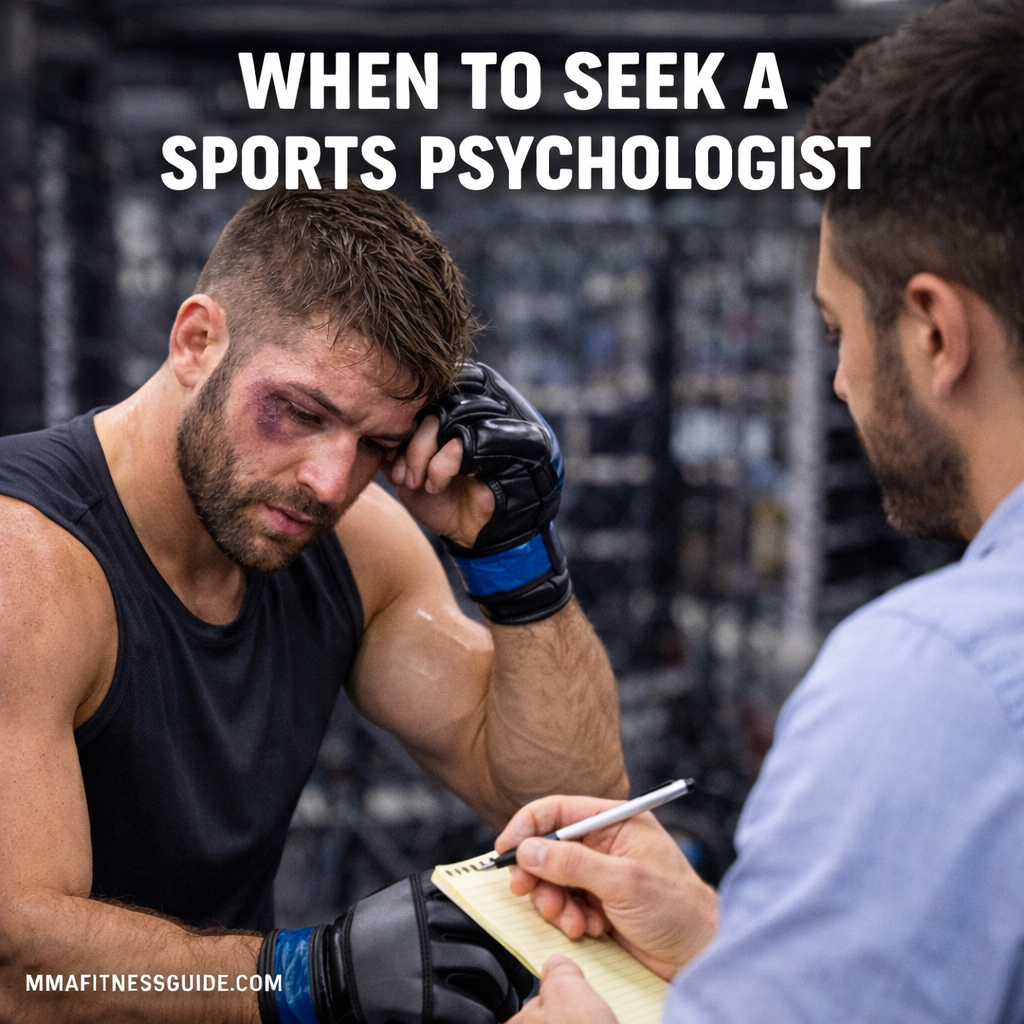
MMA fighter speaking with a sports psychologist in a gym setting, representing mental performance support and emotional preparation in combat sports.
An MMA athlete consults with a sports psychologist to improve focus, confidence, and mental resilience.

Mental strength is just as important as physical conditioning in MMA and other competitive sports. While fighters spend countless hours improving technique, strength, and cardio, mental performance often goes unaddressed until it starts affecting results. Knowing when to seek a sports psychologist can be a turning point for athletes struggling with confidence, focus, motivation, or performance anxiety.

This guide explains what sports psychologists do, common signs it’s time to seek support, and how mental training can improve both performance and well-being.

Continue reading “When to Seek a Sports Psychologist”

Bruise and Swelling Management Basics

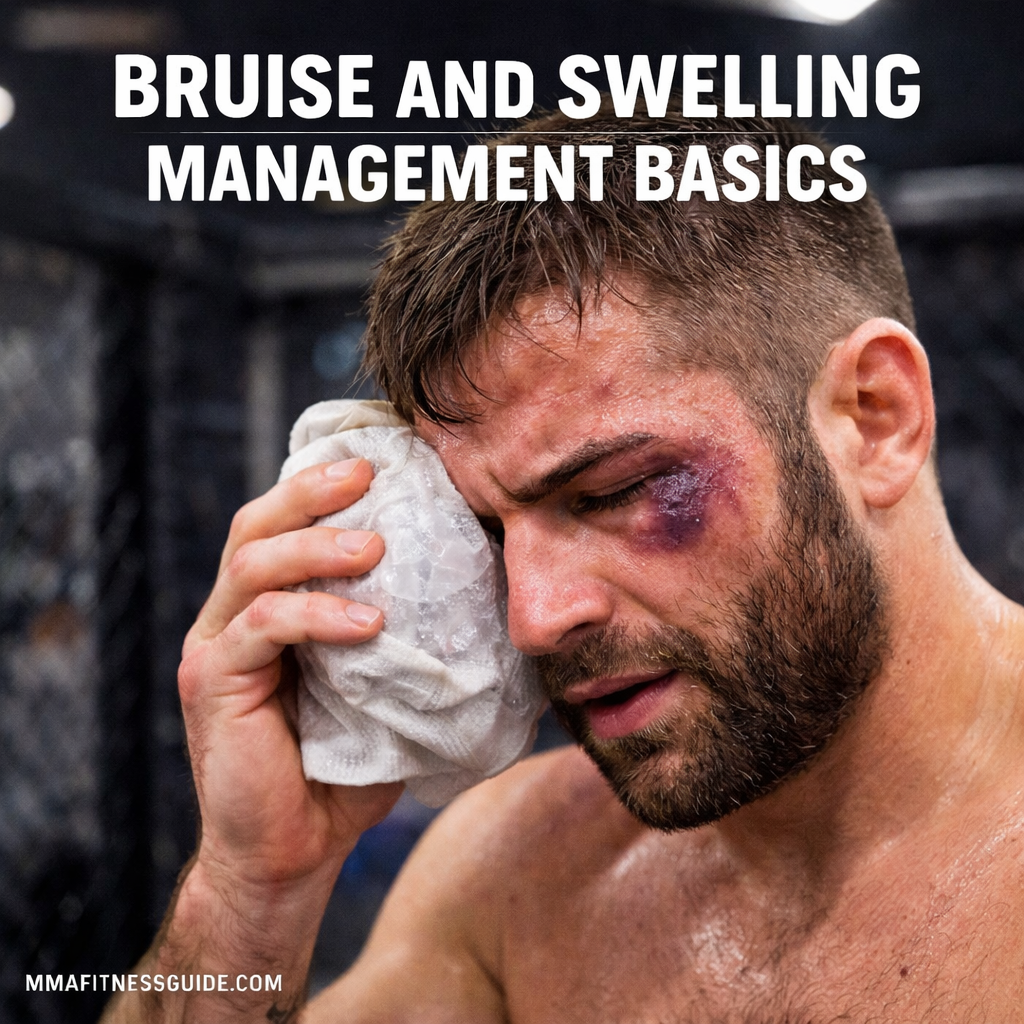
MMA fighter applying an ice pack to a bruised and swollen eye, demonstrating basic bruise and swelling management after training.
An MMA athlete uses cold therapy to manage facial bruising and swelling after intense training.

Bruises and swelling are common in MMA, boxing, Muay Thai, wrestling, and other combat sports. Strikes, takedowns, and clinch work all place stress on muscles, blood vessels, and soft tissue. While most bruises are minor, poor management can lead to prolonged pain, stiffness, reduced mobility, and delayed training return.

This guide covers bruise and swelling management basics, explaining what causes them, how to treat them effectively, and when to modify training to support proper recovery.

Continue reading “Bruise and Swelling Management Basics”

MMA Sanitize Shared Gym Equipment

MMA gym members sanitizing shared training equipment, showing proper cleaning practices to prevent bacteria and infections in combat sports gyms.
MMA athletes clean and disinfect shared gym equipment to reduce infection risk and maintain a safe training environment.

Shared gym equipment is part of everyday life for MMA athletes. Gloves, mats, pads, cages, and strength equipment are used by dozens of fighters daily, creating the perfect environment for bacteria, fungi, and viruses to spread. Learning how to properly sanitize shared MMA gym equipment isn’t just about cleanliness—it’s essential for injury prevention, skin health, and long-term training consistency.

This guide explains why sanitation matters, what risks exist in MMA gyms, and how fighters and gym owners can effectively sanitize shared equipment without damaging gear.

Continue reading “MMA Sanitize Shared Gym Equipment”

Body Shot Strategies That Wear Opponents Down

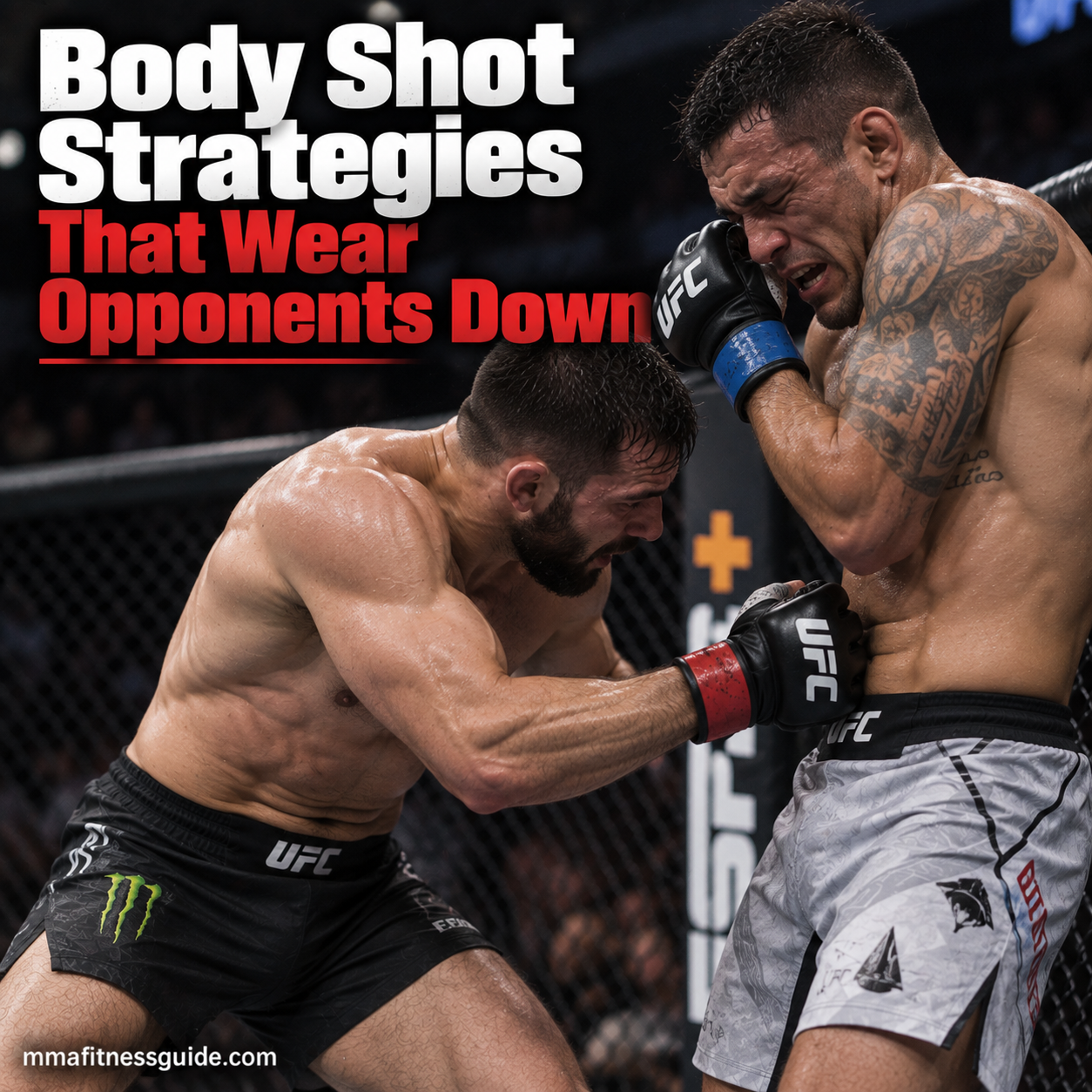
MMA fighter landing a body punch during a close-range striking exchange
Body attacks can disrupt an opponent’s rhythm, divide defensive attention, and create openings for follow-up strikes.

A clean hook to the ribs can change an exchange without producing a knockdown. The opponent may tighten their elbows, hesitate before stepping forward, or become more protective of the midsection—creating openings elsewhere.

That’s what makes sustained body work useful in MMA, boxing, Muay Thai, and kickboxing. Punches, kicks, knees, and teeps to legal body targets can disrupt breathing, punish predictable defensive positions, and force an opponent to divide their attention between protecting the head and torso.

Body attacks also create tactical opportunities beyond immediate damage. A fighter who repeatedly threatens the body can use level changes and feints to disguise head strikes, interrupt forward pressure, or create openings during combinations.

The sections below cover how to build body attacks into combinations, choose appropriate targets, transition between head and body strikes, and practice these strategies safely during pads, bag work, and controlled sparring.

Continue reading “Body Shot Strategies That Wear Opponents Down”

The Connection Between Nutrition and Mental Focus

MMA fighter eating a balanced recovery meal at the gym to support nutrition and mental focus.
Proper fueling and hydration help MMA athletes maintain concentration and manage fatigue during demanding training sessions.

An MMA fighter can have excellent conditioning and technical skills but still struggle to make decisions late in a hard sparring session. Missed defensive cues, delayed reactions, and difficulty following coaching instructions may reflect physical fatigue, inadequate fueling, dehydration, or a combination of factors.

Nutrition influences how the brain maintains attention, processes information, and responds to stress. Athletes who train multiple times per day must also consider how their eating habits affect concentration between sessions, recovery, and sleep.

Understanding these relationships can help fighters identify nutritional habits that support consistent performance without relying entirely on caffeine or willpower.

Continue reading “The Connection Between Nutrition and Mental Focus”

MMA Create a Personal Mantra

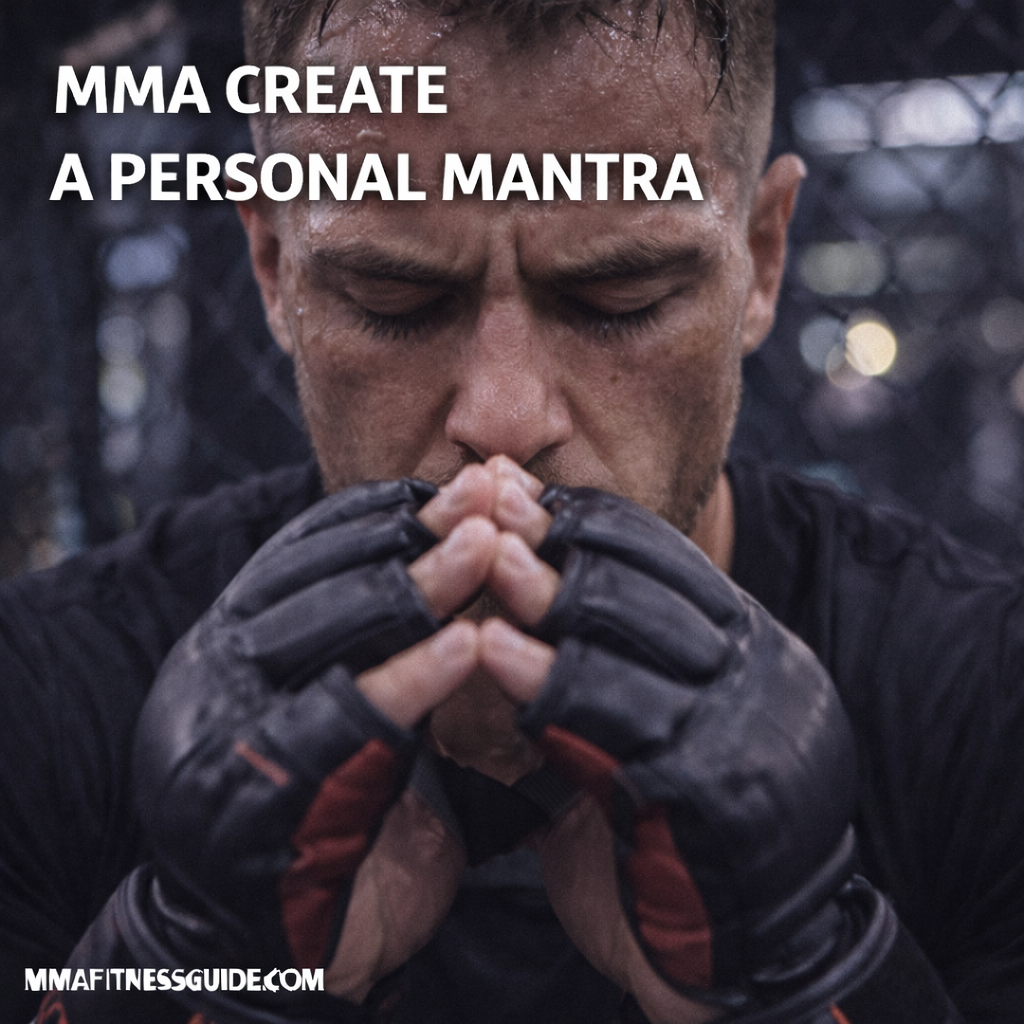
MMA fighter focused and centered inside the cage, symbolizing mental clarity, intention, and the use of a personal mantra for performance.
An MMA fighter using focused breathing and mental intention, highlighting the role of personal mantras in training and competition.

Introduction

In MMA, training pushes athletes into discomfort daily. Fatigue, doubt, fear, and pressure all show up—often at the same time. A personal mantra gives fighters something steady to return to when things get chaotic. It’s not about hype or motivation; it’s about focus, identity, and intention.

Creating a personal mantra helps MMA athletes stay grounded, confident, and mentally resilient through training and competition.

Continue reading “MMA Create a Personal Mantra”

MMA: Systemize Onboarding for Students

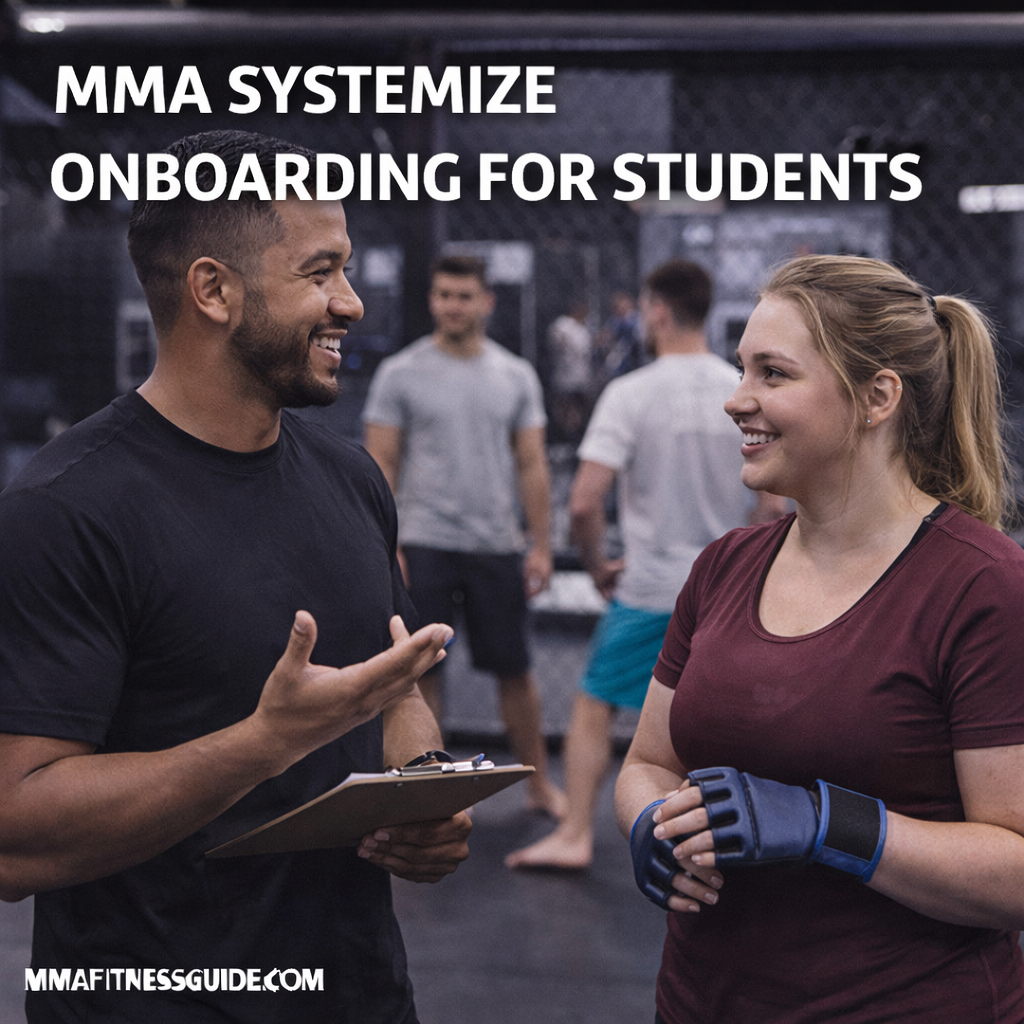
MMA coach welcoming a new student during onboarding at a gym, demonstrating a structured introduction process for beginners.
An MMA coach guiding a new student through a structured onboarding process to build confidence, clarity, and long-term engagement.

Introduction

First impressions matter in an MMA gym. How new students are welcomed, guided, and integrated into training often determines whether they stay long term or quietly disappear after a few sessions. Systemizing onboarding removes guesswork, improves retention, and creates a consistent experience regardless of who is coaching or working the front desk.

A strong onboarding system turns curiosity into commitment.

Continue reading “MMA: Systemize Onboarding for Students”