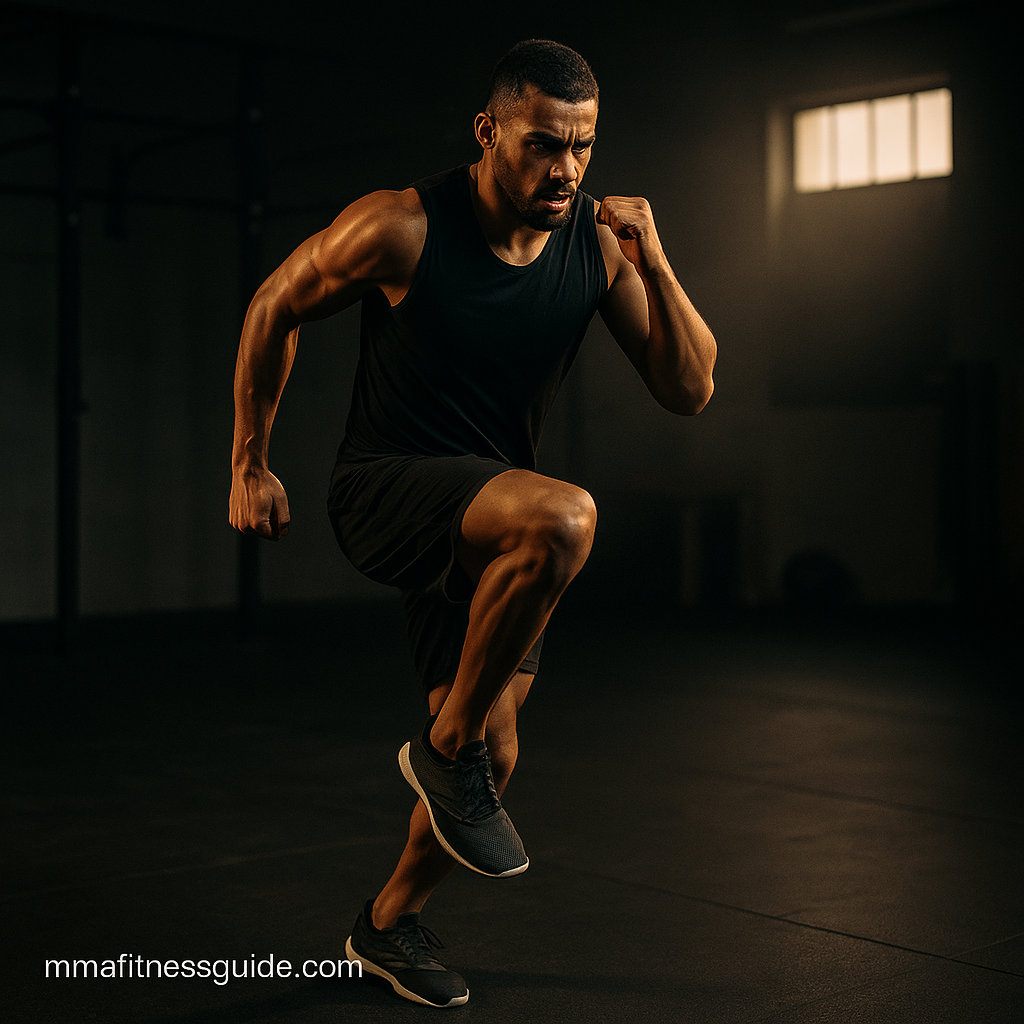
Male athlete training intensely to improve endurance and cardiovascular performance for MMA conditioning.
Why Cardio Is the Engine of Every Fighter
Power wins moments — but cardio wins fights. Behind every explosive punch, flurry, or takedown is a fighter’s aerobic and anaerobic conditioning — the true engine of endurance.
Cardio isn’t just about running miles or doing burpees. It’s the science of how your body uses oxygen, clears lactic acid, and maintains peak performance under fatigue.
Understanding how fighter cardio works can help you train smarter, last longer, and finish stronger.
Male MMA coach and entrepreneur guiding fighters in a gym, showing how passion for MMA can grow into a thriving business.
From Fighter to Founder
For many athletes, MMA starts as a passion — a drive to test limits, build discipline, and master the art of combat. But that same passion can evolve into something more: a career and a business.
The modern MMA world isn’t just about stepping into the cage; it’s about building opportunities around the sport — gyms, content, coaching, gear, online brands, and beyond.
Turning passion into a business doesn’t mean abandoning what you love — it means finding ways to share it sustainably.
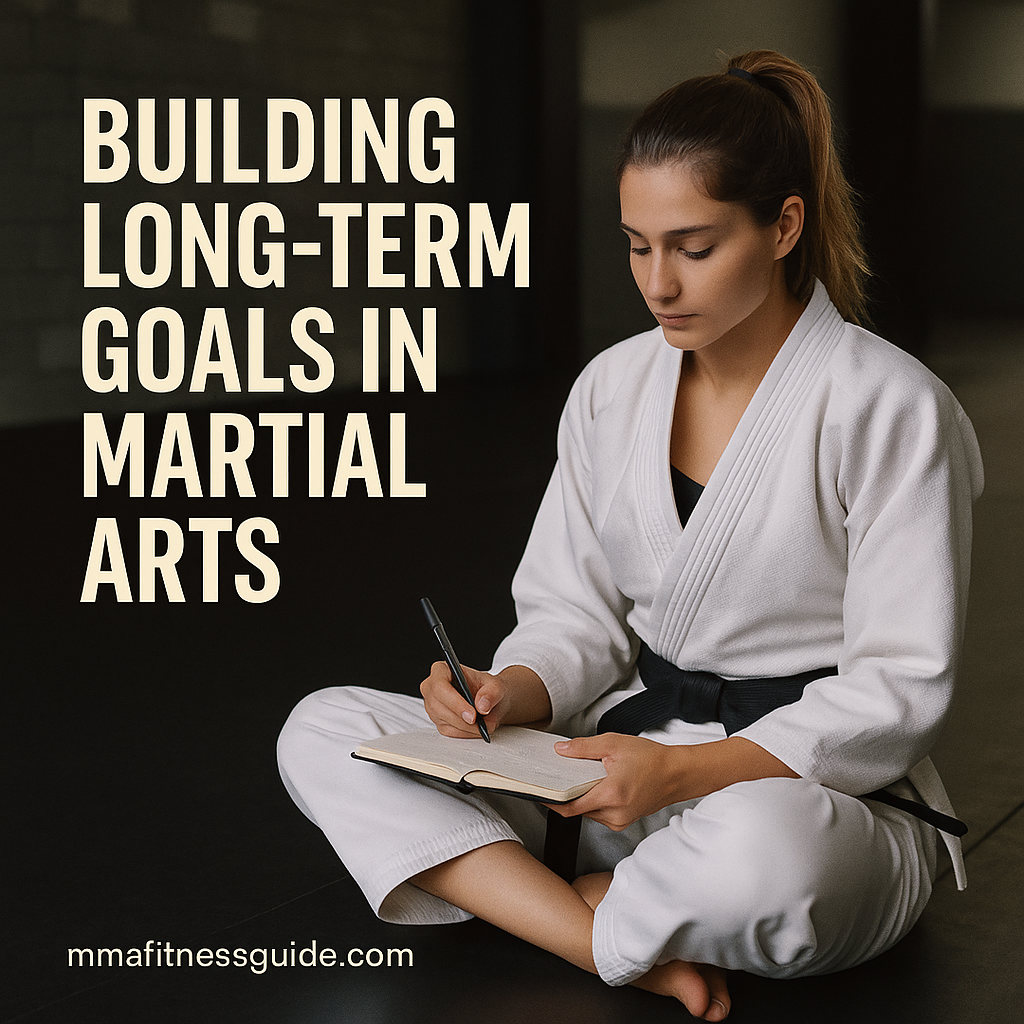
Female martial artist reflecting and writing in her training journal to build long-term martial arts goals.
The Mindset Behind Long-Term Success
Martial arts is more than punches and submissions — it’s a lifelong journey of discipline and growth. Too often, beginners burn out chasing quick wins instead of building sustainable progress. The fighters who last — and succeed — are the ones who plan with patience and purpose.
Building long-term goals in martial arts means training smarter, tracking growth, and staying committed to the process even when results take time.
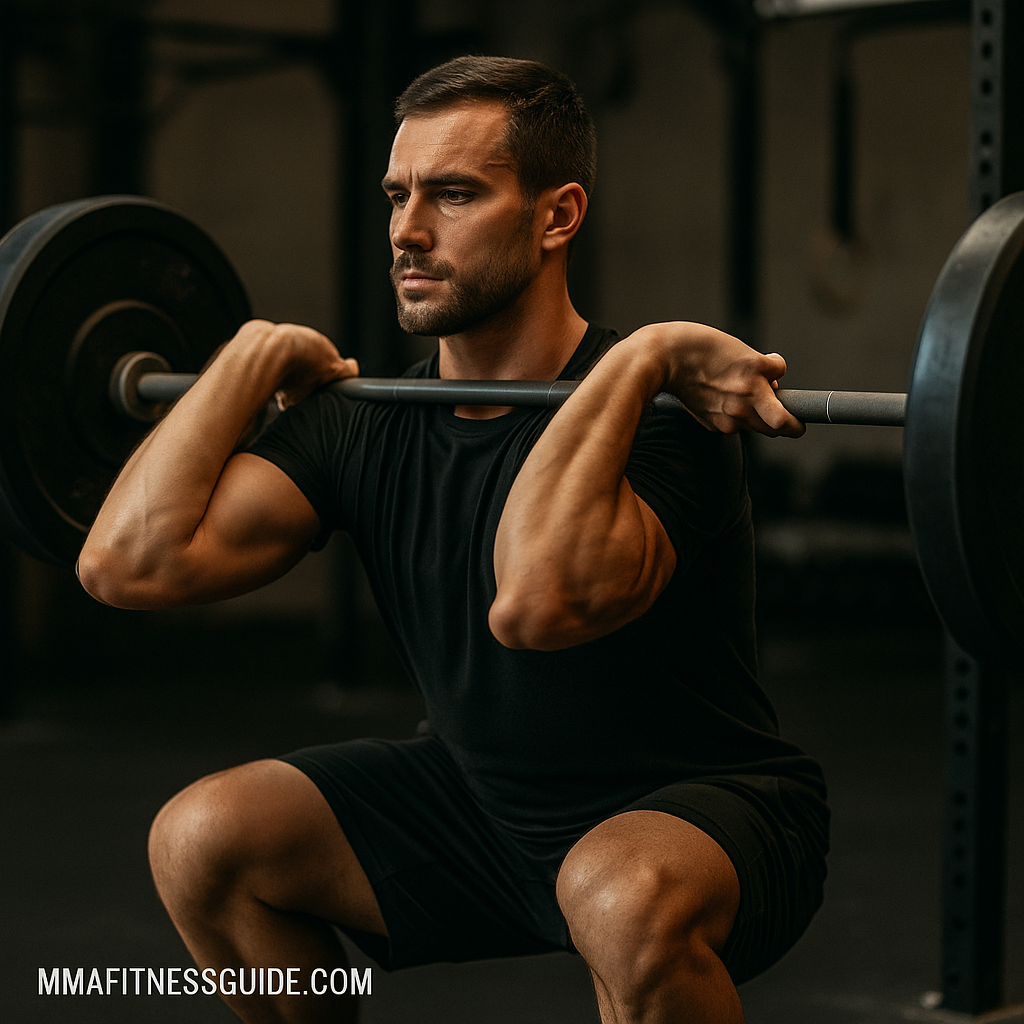
Proper lifting technique and gradual increases in resistance help MMA athletes develop strength while managing training risks.
You’re halfway through a set of squats when the weight suddenly feels heavier. Your heels begin to lift, your knees move differently, and you rush the final repetition just to finish.
You completed the set, but did you get the training benefit you intended?
For MMA fighters, strength training isn’t simply about moving the heaviest weight possible. The goal is to develop strength that supports striking, wrestling, grappling, and the ability to maintain performance throughout demanding training sessions.
Proper exercise technique allows you to train the intended movement, apply progressive overload, and manage unnecessary physical stress.
That doesn’t mean every repetition must look identical or that lifting heavy weights is inherently dangerous. It means choosing loads you can control and understanding when your technique needs adjustment.
Learning that distinction can make your strength training more productive.
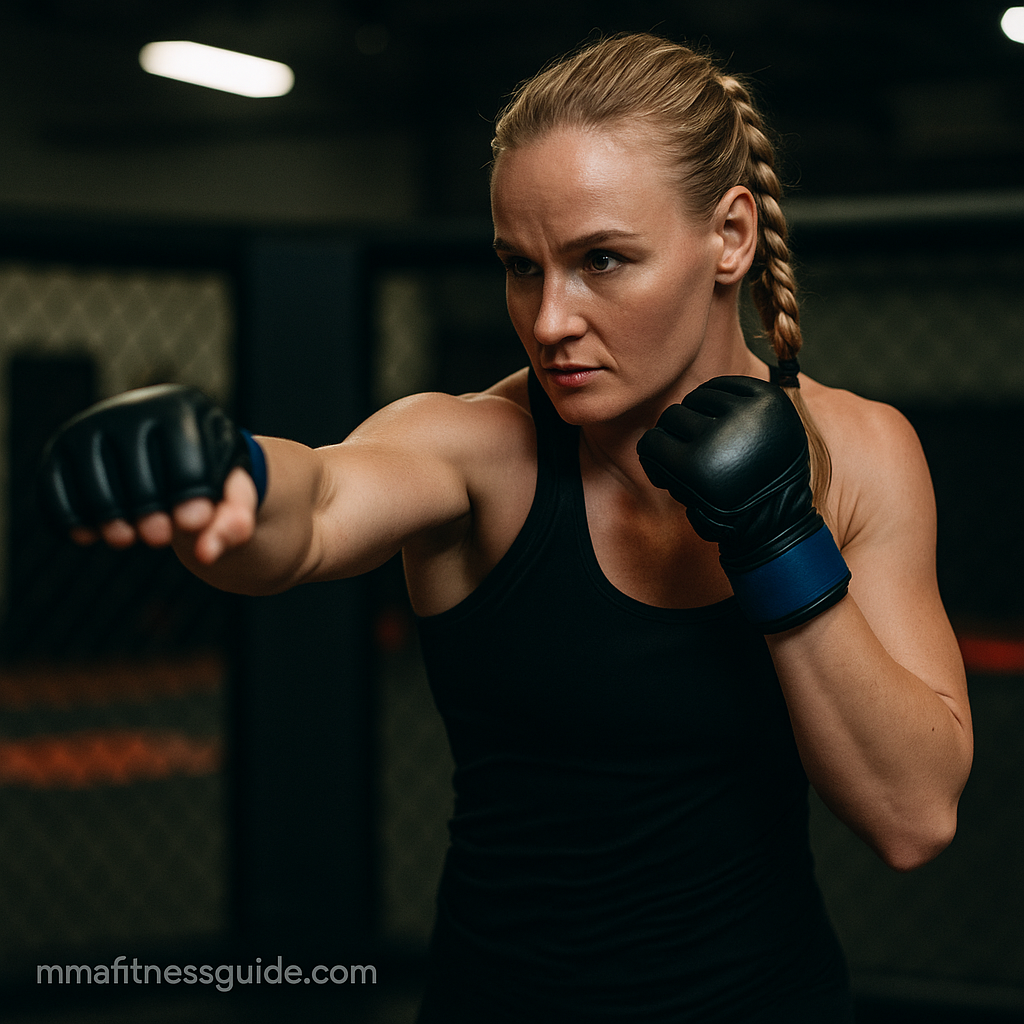
Female MMA fighter demonstrating sharp striking technique and focus, inspired by Valentina Shevchenko’s precision style.
Valentina Shevchenko doesn’t need to throw twenty punches to create an opening. Sometimes, a small adjustment in distance, a subtle change in rhythm, or a perfectly timed counter is enough to turn an opponent’s attack against them.
Watch her striking closely, and you’ll notice something that casual viewers often miss: much of the work happens before she throws a punch or kick.
She positions her feet, measures distance, observes reactions, and waits for an opportunity. When the opening appears, her movements are compact and deliberate.
Known as “The Bullet,” Shevchenko has built her MMA career around technical striking, disciplined defense, and the ability to adapt to different opponents. Her background in Muay Thai and kickboxing gives her a particularly useful striking foundation, but her effectiveness comes from how she combines those skills with distance management, timing, and an understanding of MMA’s wider demands.
For fighters looking to improve their stand-up game, studying Shevchenko offers practical lessons that can be applied in sparring, pad work, and technical drills.
Male MMA athlete preparing mentally before a match, managing pre-fight anxiety through focus and calm breathing.
The Silent Opponent: Pre-Fight Anxiety
Even the toughest fighters feel it — that nervous rush before stepping into the cage. Your heart races, hands sweat, and thoughts spiral: What if I lose? What if I freeze?
Pre-fight anxiety isn’t weakness — it’s biology. It’s your body preparing for battle. The key isn’t to eliminate anxiety, but to control it.
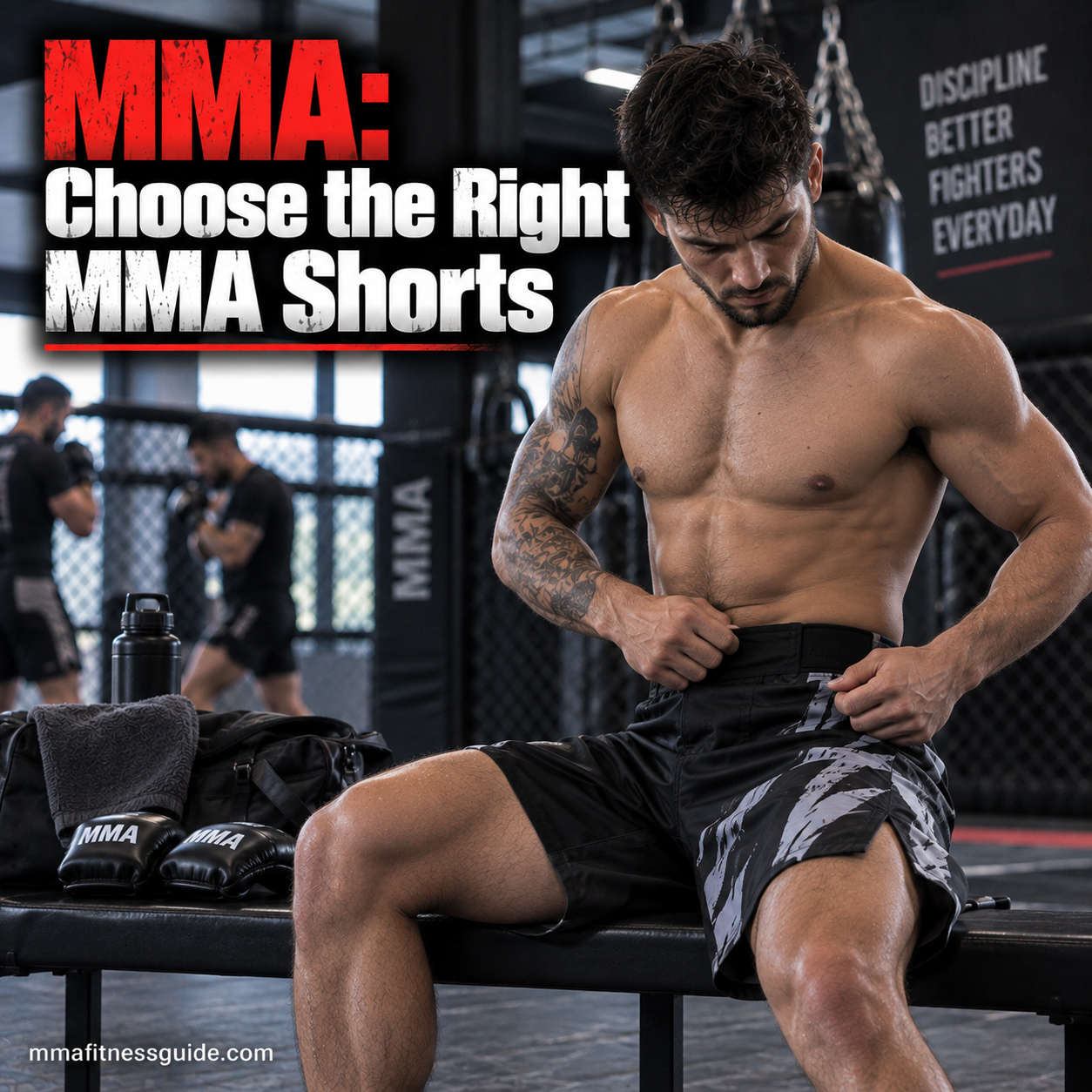
The right MMA shorts should stay secure during grappling and allow comfortable movement during kicks, takedowns, and conditioning.
You throw a roundhouse kick during pad work, and your shorts pull tightly across your thigh. Later, during grappling, the waistband shifts as you scramble to escape side control. By the end of class, you’ve spent almost as much time adjusting your clothing as concentrating on your technique.
MMA shorts might seem like a minor equipment choice, but their fit and construction affect how comfortable you feel during training. Striking requires freedom to lift and rotate your legs. Wrestling and grappling involve repeated changes of position, friction against the mat, and contact with training partners.
A suitable pair should stay secure, allow the movements you need, and avoid unnecessary features that could catch on equipment or another athlete.
You don’t necessarily need the most expensive shorts or the ones worn by your favorite fighter. The goal is to find a design that fits your body, suits your training, and holds up to regular use.
Here’s how to compare the main styles, check the features that matter, and avoid buying shorts that look good but become uncomfortable after the first round.
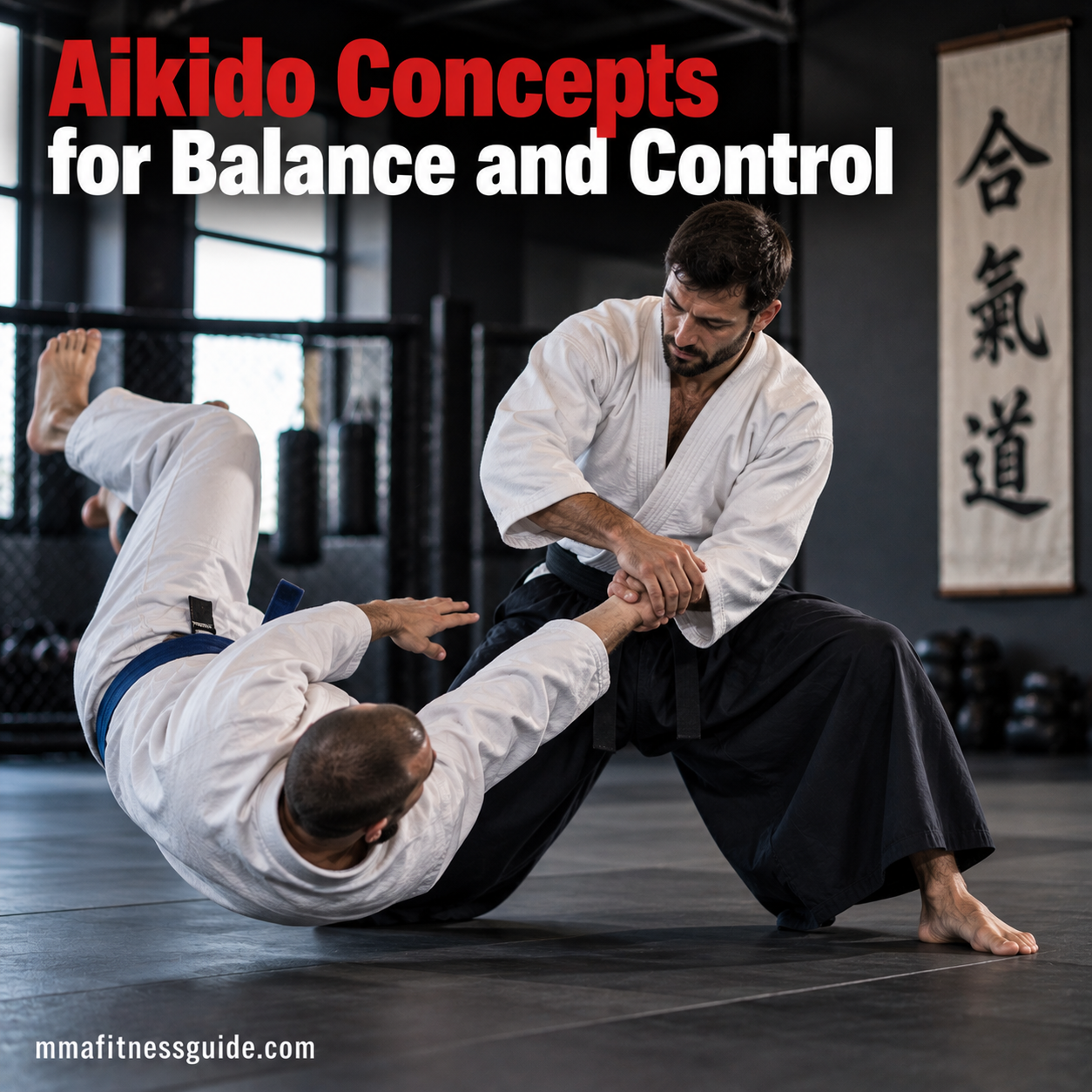
Aikido emphasizes balance, body positioning, and controlled movement—concepts that can complement MMA training when practiced against realistic resistance.
An opponent grabs your wrist and pulls you forward. Your first instinct might be to pull backward, turning the exchange into a contest of strength. But what happens if you adjust your footwork, maintain your posture, and move at an angle instead?
You may create an opportunity to regain your balance, change your position, or break the grip without relying entirely on strength.
This scenario illustrates several concepts associated with Aikido, a Japanese martial art that emphasizes movement, balance, timing, and the redirection of force.
Although Aikido and mixed martial arts approach combat differently, some of their underlying movement principles overlap.
The important distinction is that understanding a principle doesn’t automatically make a technique effective against a resisting opponent. MMA fighters need to test movements through realistic drilling, positional sparring, and live training.
When approached with that distinction in mind, Aikido offers an interesting perspective on how fighters can think about balance, body positioning, and control.
Nutrient-rich foods such as fatty fish, berries, vegetables, and nuts can support a balanced diet and normal recovery after MMA training.
You wake up the morning after a hard sparring session. Your shoulders feel stiff, your legs are sore, and you’ve got another training session scheduled for the afternoon. You might wonder whether adding salmon, berries, or turmeric to your meals could help you recover faster.
Food can support recovery, but the relationship between diet and inflammation is more complicated than eating a handful of supposedly anti-inflammatory ingredients.
Inflammation is part of the body’s normal response to exercise and injury. It helps coordinate tissue repair and adaptation. The aim isn’t to eliminate inflammation altogether; it’s to support normal recovery while avoiding dietary habits that may contribute to poor long-term health.
For MMA fighters, the practical approach is to eat enough food, prioritize a varied diet, and choose nutrient-rich ingredients consistently. No single food can compensate for inadequate sleep, excessive training, or an untreated injury.
Male MMA fighter recording his workout for a YouTube training video, combining martial arts and content creation.
Turning Training into a Brand
Modern fighters don’t just fight — they build audiences. Platforms like YouTube have opened new income streams, allowing MMA athletes to share their journey, teach techniques, and grow personal brands beyond the cage.
Whether you’re a professional fighter or just starting out, content creation is one of the smartest moves you can make for long-term success.