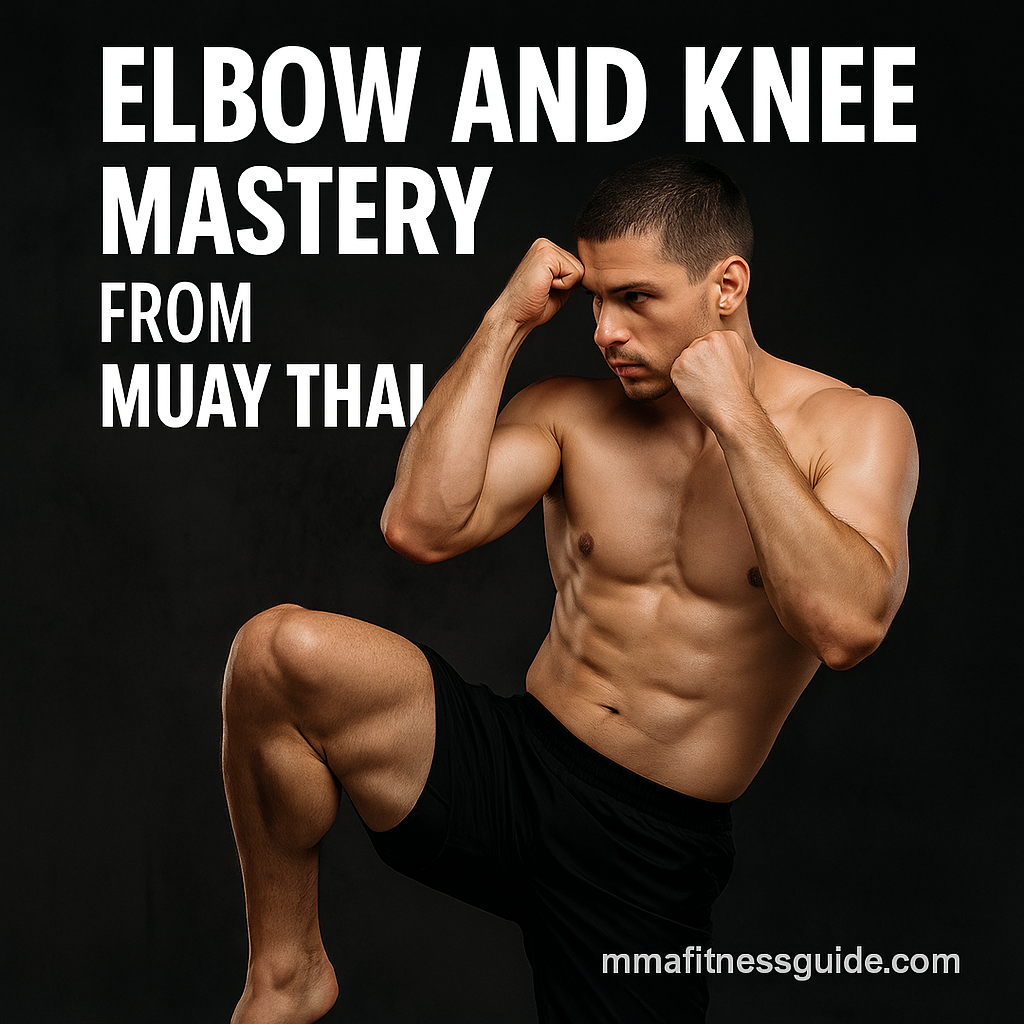
Elbow and Knee Mastery from Muay Thai

Male Muay Thai fighter performing a powerful elbow and knee striking pose against a dark background with title text reading Elbow and Knee Mastery from Muay Thai.
Muay Thai elbow and knee mastery demonstrated through dynamic striking posture, highlighting power, technique, and close-range effectiveness.

Muay Thai is known as “The Art of Eight Limbs,” and two of those limbs—the elbows and knees—are among the most feared weapons in all combat sports. For MMA fighters, mastering these close-range strikes can instantly elevate clinch work, counter-striking, and finishing ability. Elbows slice through guards, knees break posture, and both deliver devastating power from short distances.

This guide explains how to develop precision, timing, and confidence with Muay Thai elbows and knees, and how to adapt them for MMA environments like the cage, wall work, and grappling transitions.

Continue reading “Elbow and Knee Mastery from Muay Thai”
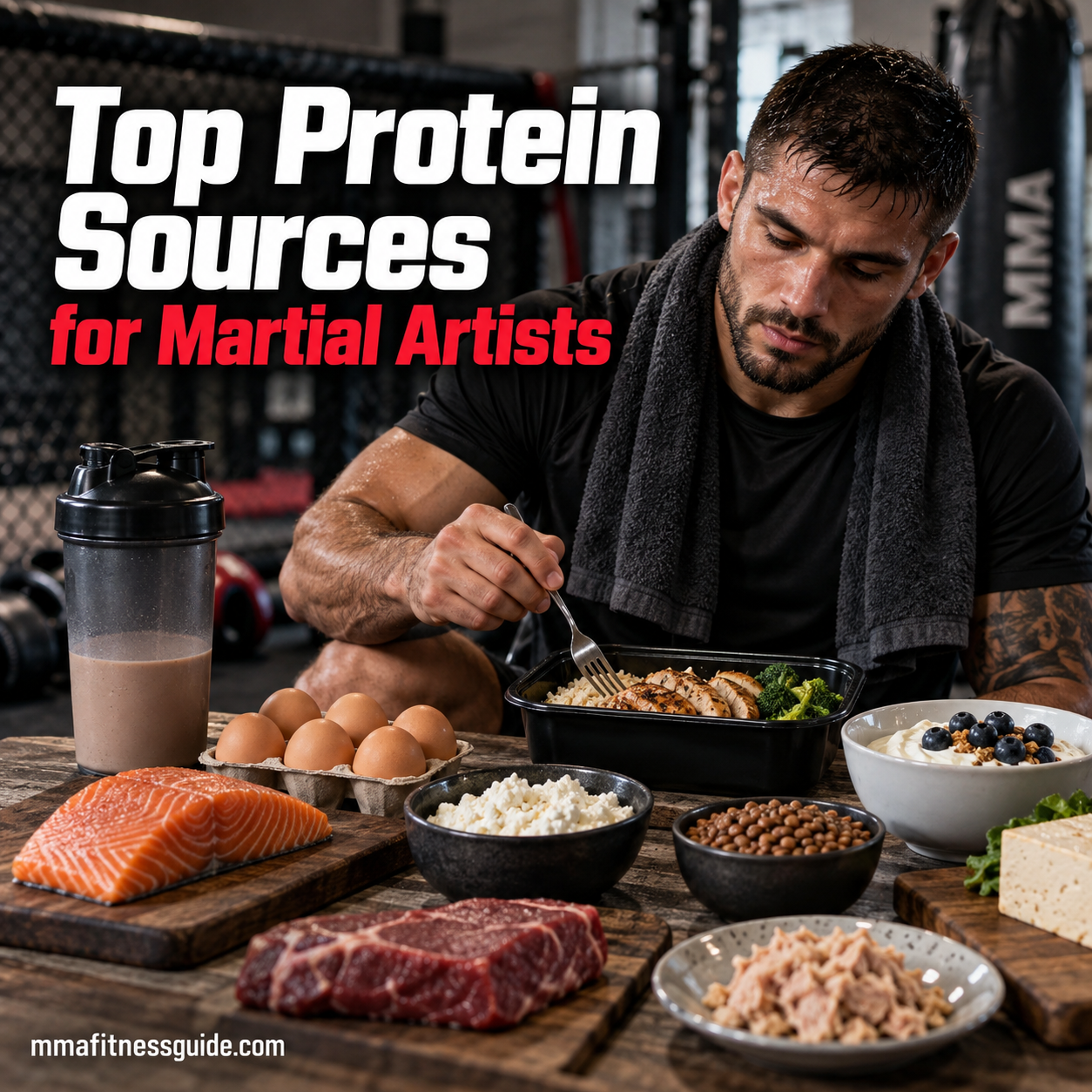
Top Protein Sources for Martial Artists

MMA fighter eating a high-protein meal surrounded by chicken, salmon, eggs, Greek yogurt, and other protein-rich foods.
High-quality protein sources help martial artists support muscle recovery, maintain strength, and meet their training nutrition needs.

After a tough session of sparring, grappling, or conditioning, your muscles need the right nutrients to recover before the next workout. Protein plays a central role in repairing muscle tissue, maintaining strength, and helping martial artists handle the demands of consistent training.

But choosing the right protein sources involves more than simply eating chicken breast or drinking a post-workout shake. A fighter preparing to make weight may prioritize lean, low-calorie options, while someone training twice a day needs enough protein and overall calories to support recovery. Foods such as eggs, salmon, Greek yogurt, lean meats, and plant-based proteins each offer different nutritional advantages.

The key is getting enough protein consistently while choosing foods that match your training schedule, recovery needs, and weight goals. Knowing which sources to prioritize—and how to distribute them throughout the day—can make your nutrition plan more practical and effective.

Continue reading “Top Protein Sources for Martial Artists”

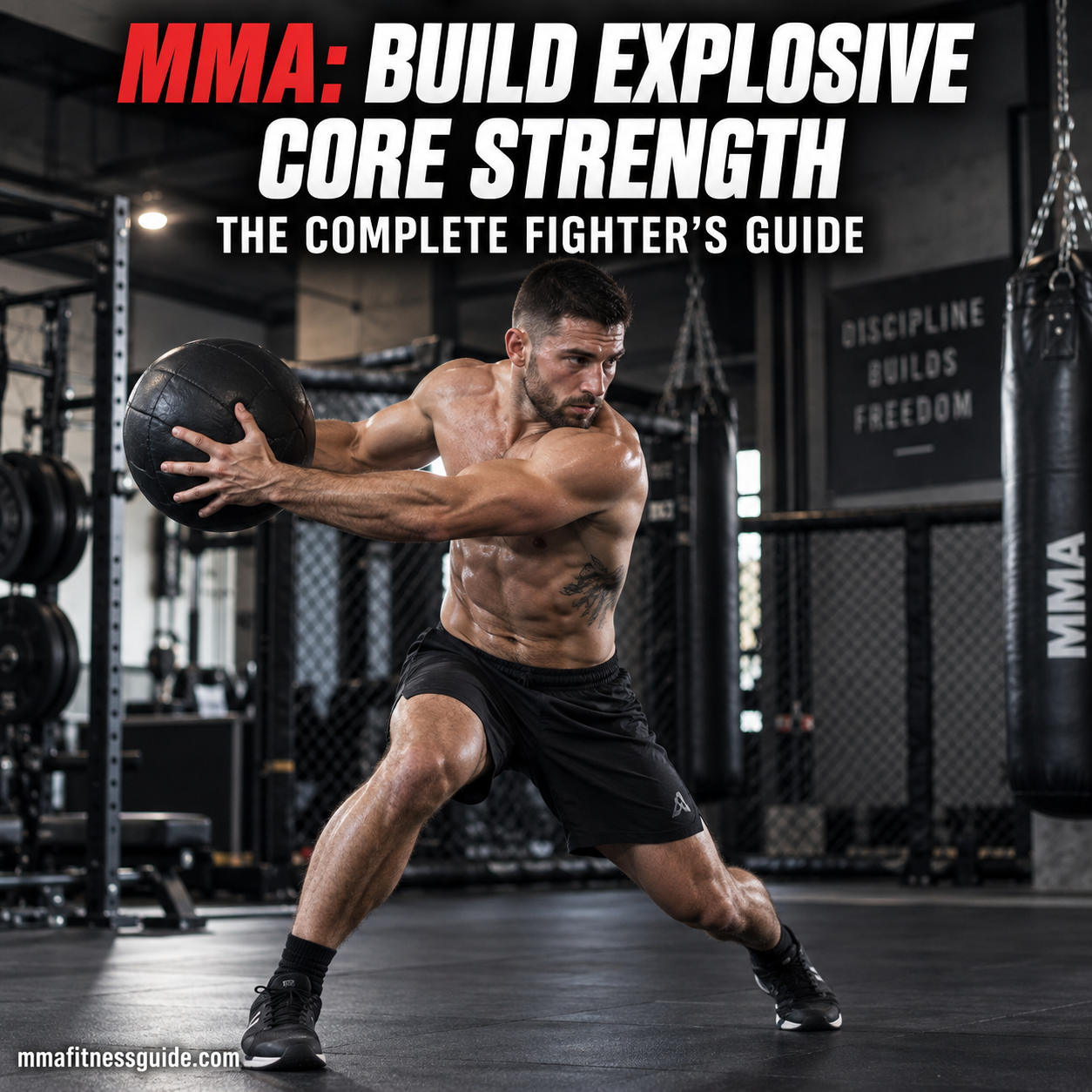
MMA: Build Explosive Core Strength

MMA fighter performing a rotational medicine ball exercise to develop explosive core strength in a combat sports gym.
Develop rotational power, dynamic stability, and core strength with explosive exercises designed for MMA fighters.

Few physical qualities transfer to the cage as directly as explosive core strength. It helps transfer power into punches, supports balance during takedown exchanges, and allows fighters to maintain control during unpredictable scrambles.

Whether you are throwing a powerful right hand, defending a double-leg takedown, or escaping from bottom position, your core helps connect your upper and lower body.

However, developing an explosive core requires more than traditional abdominal exercises.

Hundreds of crunches might improve muscular endurance, but they do not necessarily develop the rotational power, rapid force production, and dynamic stability needed for mixed martial arts.

Effective MMA core training combines strength, speed, coordination, and the ability to resist unwanted movement.

This comprehensive guide explains how explosive core strength works, which exercises deserve a place in your training, and how to build a practical routine without compromising your striking, grappling, or recovery.

Continue reading “MMA: Build Explosive Core Strength”

MMA: Price Private Lessons Fairly

Male MMA coach teaching a one-on-one private training session in a gym, focusing on striking technique.
MMA coach guiding a student during a private training session, illustrating how to price lessons fairly while offering professional value.

If you’re a martial arts instructor or fighter stepping into the business side of coaching, one of the hardest questions to answer is:

“What should I charge for private lessons?”

Pricing isn’t just about numbers — it’s about value, positioning, and sustainability. Charging too little can devalue your time, while charging too much too soon might scare off students. Here’s how to find your balance and price your private MMA lessons fairly.

Continue reading “MMA: Price Private Lessons Fairly”

Training With Family: Making It Work

Male MMA athlete training at home with his kids, doing light exercises together in a warm and motivating environment.
A father and his kids working out together at home, showing how family training builds fitness, balance, and connection.

Training for MMA or fitness goals can be demanding — early mornings, long sessions, and constant recovery routines. But what happens when you have a family who also needs your time and energy? Balancing training with family life is one of the toughest challenges for athletes and fitness enthusiasts alike. The good news? You can make it work — and even make it stronger.

Continue reading “Training With Family: Making It Work”

Weekly Workout Plan for Absolute Beginners

Female beginner MMA athlete doing a light workout and stretching in a gym with motivational focus.
Female MMA beginner performing a light gym workout, illustrating the foundation of a weekly training plan for new athletes.

Starting your MMA fitness journey doesn’t have to be intimidating. Whether you’ve never stepped into a gym before or you’re returning after a long break, this weekly plan will help you build strength, improve endurance, and prepare your body for future martial arts training — no previous experience required.

Continue reading “Weekly Workout Plan for Absolute Beginners”

The Early Days of the UFC: Rules, Chaos, and Change

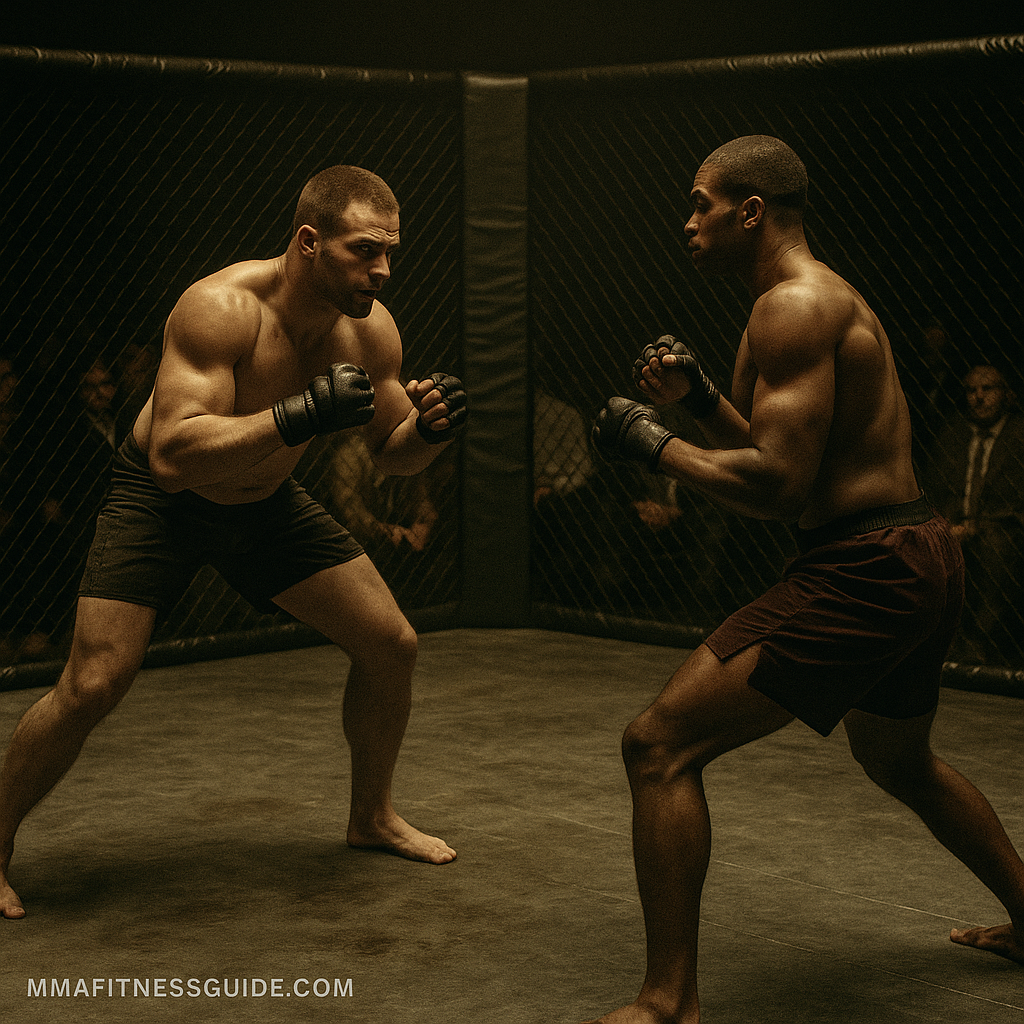
Two male MMA fighters in an old-school octagon during an early UFC-style match with vintage lighting.
Two fighters face off in a dimly lit octagon, capturing the raw atmosphere and intensity of the early UFC era.

When Chaos Built a Legacy

Before the UFC became the global powerhouse it is today, it was something far more raw — and far more chaotic.

In the early 1990s, the Ultimate Fighting Championship wasn’t about flashy production or million-dollar paydays. It was about one question:
“Which martial art is the most effective?”

That simple idea gave birth to a movement that would forever change combat sports.

Continue reading “The Early Days of the UFC: Rules, Chaos, and Change”

Rituals Top Fighters Use to Focus

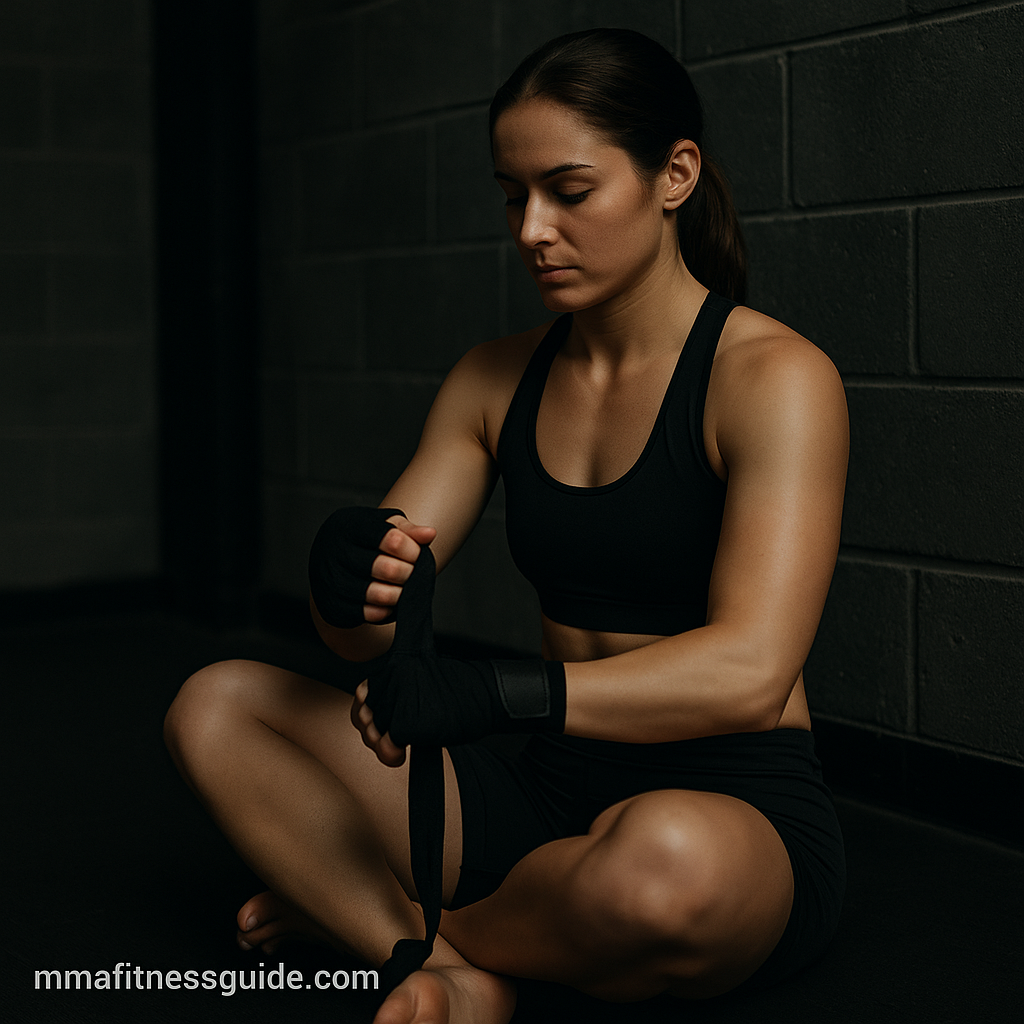
Female MMA fighter sitting quietly in a gym while wrapping her hands and preparing to train.
Female MMA fighter focusing before training by wrapping her hands, showing the mental rituals top fighters use to stay centered.

Why Rituals Matter in Fighting

Before the lights, the crowd, and the chaos of a fight — there’s silence.
That silence is where the best fighters sharpen their minds.

For elite MMA athletes, focus isn’t just natural — it’s trained. Many use rituals to get into the right mental space before they step into the cage. These habits are powerful tools that help control nerves, sharpen focus, and turn pressure into performance.

Continue reading “Rituals Top Fighters Use to Focus”

Ankle Sprain Prevention and Rehab

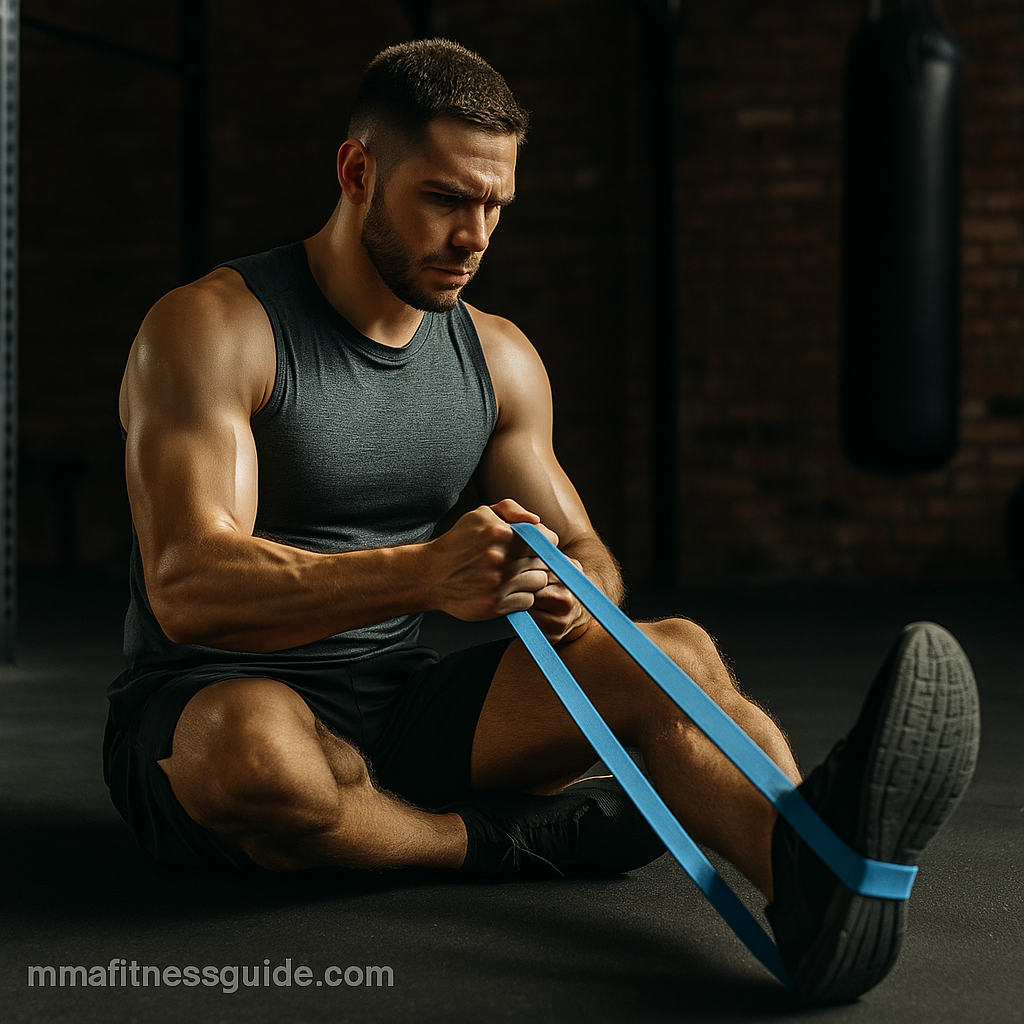
Male MMA athlete performing ankle rehab and balance exercises in a gym with focused expression.
Male MMA fighter doing ankle rehab and stability training to prevent sprains and strengthen balance after injury.

Why Ankles Matter More Than You Think

Every kick, pivot, and takedown in MMA starts from the ground up.
Your ankles provide the stability and mobility that allow you to move with power and precision.

But because they’re constantly under stress, they’re also one of the most commonly injured areas in combat sports — especially during sparring, takedown attempts, or awkward landings.

An ankle sprain may seem minor, but without proper prevention and rehab, it can linger for months and affect balance, striking, and confidence in movement.

Continue reading “Ankle Sprain Prevention and Rehab”

Shin Guards: Fit, Protection, and Durability

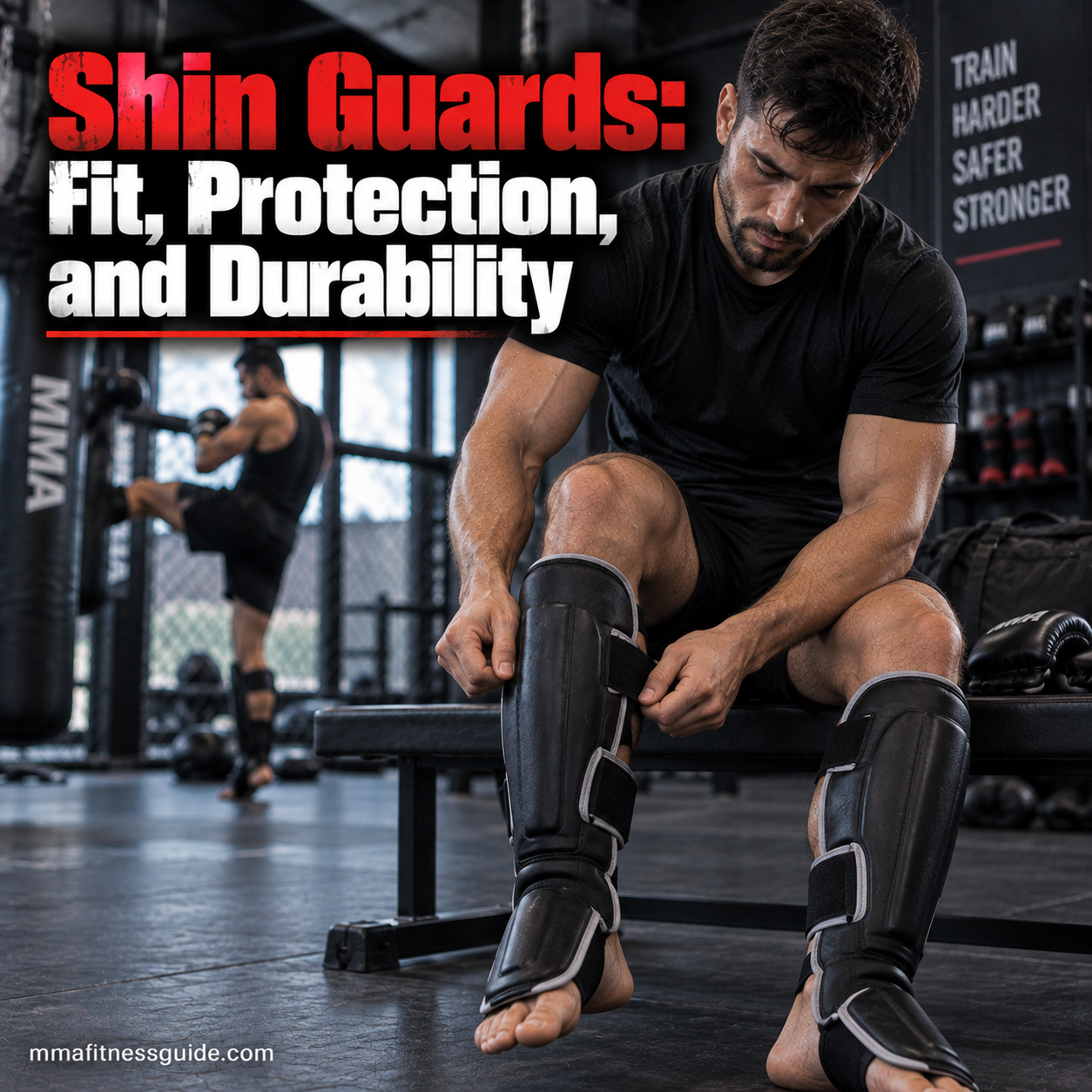
MMA fighter sitting on a gym bench and tightening the straps of his black shin guards before training.
Properly fitted shin guards should stay secure during movement and provide padding appropriate for the training session.

You throw a low kick during sparring, and your shin guard rotates halfway around your calf. You stop to straighten it, tighten the straps, and get back into position. Two exchanges later, it happens again.

A shin guard that constantly shifts is distracting. It may also leave part of your shin or foot exposed when you expected it to be covered.

On the other hand, a guard that’s too bulky can make movement awkward, while one with insufficient padding may be unsuitable for the contact level of your training.

Choosing shin guards involves balancing three qualities: a secure fit, appropriate impact protection, and construction that withstands regular use.

The right pair depends on whether you’re practicing controlled kicks, sparring in Muay Thai, or combining striking and grappling in MMA. Your gym’s equipment requirements matter, too.

Here’s what to examine before buying, how to test the fit, and how to recognize when your guards need replacing.

Continue reading “Shin Guards: Fit, Protection, and Durability”