The Business Side of Fighting
In MMA, success isn’t just about what happens inside the cage — it’s also about the connections you build outside of it.
Networking is one of the most overlooked skills for fighters and coaches, yet it can open doors to sponsorships, training opportunities, and long-term career growth.
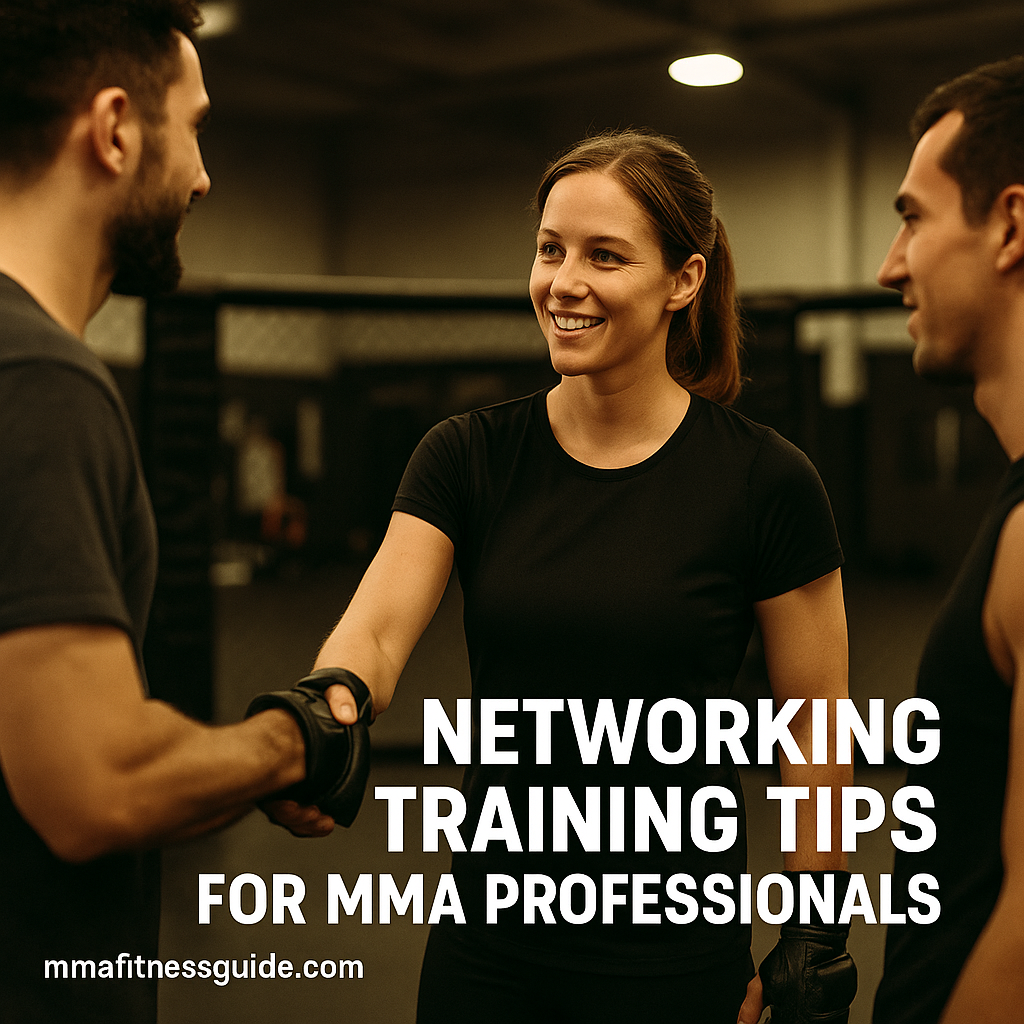
Whether you’re an amateur just starting out or a seasoned pro, mastering the art of networking will help you create relationships that last long after the final bell.
Why Networking Matters in MMA
- Opportunities: The right introduction can lead to better training camps, management deals, or fight contracts.
- Visibility: Networking builds your personal brand and reputation in the fight community.
- Support System: Other fighters, coaches, and promoters can share advice, insights, and motivation.
Your network is your professional safety net — it helps you keep moving forward even when the fight game gets unpredictable.
Step 1: Build Relationships, Not Transactions
Networking isn’t about collecting business cards — it’s about building real relationships.
When you meet someone in the MMA world, focus on how you can add value first.
- Offer to share training footage or technique ideas.
- Promote their gym or events on social media.
- Congratulate them on their success.
Genuine respect builds trust, and trust builds opportunities.
Step 2: Use Social Media Strategically
Social media is one of the most powerful networking tools fighters have today.
To use it effectively:
- Post training clips, fight highlights, and motivational content.
- Engage with other athletes, coaches, and fans by commenting and sharing.
- Keep your tone professional — sponsors and promoters notice your online behavior.
- Use platforms like LinkedIn for business connections and Instagram for visibility.
Your online presence is your digital handshake — make it count.
Step 3: Attend Events and Seminars
Face-to-face connections still matter.
Attend local or regional MMA events, grappling tournaments, or martial arts expos.
Bring a positive attitude and introduce yourself to people — you never know who might be a promoter, coach, or sponsor.
If you can, volunteer to help with event setups or seminars; it’s one of the best ways to get noticed.
Step 4: Train at Multiple Gyms
Cross-training doesn’t just expand your skills — it expands your network.
Visiting other gyms lets you meet coaches and fighters who can open new doors.
Always be respectful, listen more than you talk, and represent your home gym well.
Over time, those small connections can lead to guest spots, collaborations, or even training partnerships with elite camps.
Step 5: Find a Mentor
Every successful fighter has someone guiding them.
A mentor can help you avoid mistakes, connect you with opportunities, and give you honest feedback.
Look for someone who has walked the path you’re on — a veteran coach, a retired fighter, or even a gym owner.
Learning from their experience can save you years of trial and error.
Step 6: Stay Professional and Consistent
In MMA, reputation is everything.
Be respectful, punctual, and humble at every event or gym.
When people know you’re reliable, word spreads fast — and so do opportunities.
Step 7: Give Back to the Community
Help others coming up behind you.
Offer advice, assist at amateur events, or volunteer as a corner for newer fighters.
When you contribute to the MMA community, you build respect that lasts long after your fight career.
Key Takeaways
- Networking is one of the most valuable career skills for MMA professionals.
- Build genuine relationships instead of seeking quick gains.
- Use social media, seminars, and cross-training to expand your circle.
- Maintain professionalism and help others grow along the way.
“Your network is your fight team — even outside the gym.”