Your trusted source for MMA fitness, nutrition, and fighter-level health.
Category: Nutrition & Performance
Nutrition & Performance explores how food, hydration, and recovery support MMA training and athletic output. This category covers fueling strategies, recovery nutrition, hydration habits, and performance-focused eating without extreme or unsafe approaches.
A man drinking beer, representing the impact alcohol can have on fighter performance and training consistency.
Alcohol is a normal part of social life for many athletes — but for fighters, it carries specific performance consequences that can hurt conditioning, recovery, and fight readiness. You don’t need to swear off alcohol forever, but understanding its effects helps you make smarter decisions during training camps, recovery weeks, and downtime.
Even small amounts of alcohol can influence reaction time, hydration, sleep quality, and muscle repair — all of which matter in MMA, Muay Thai, boxing, and grappling.
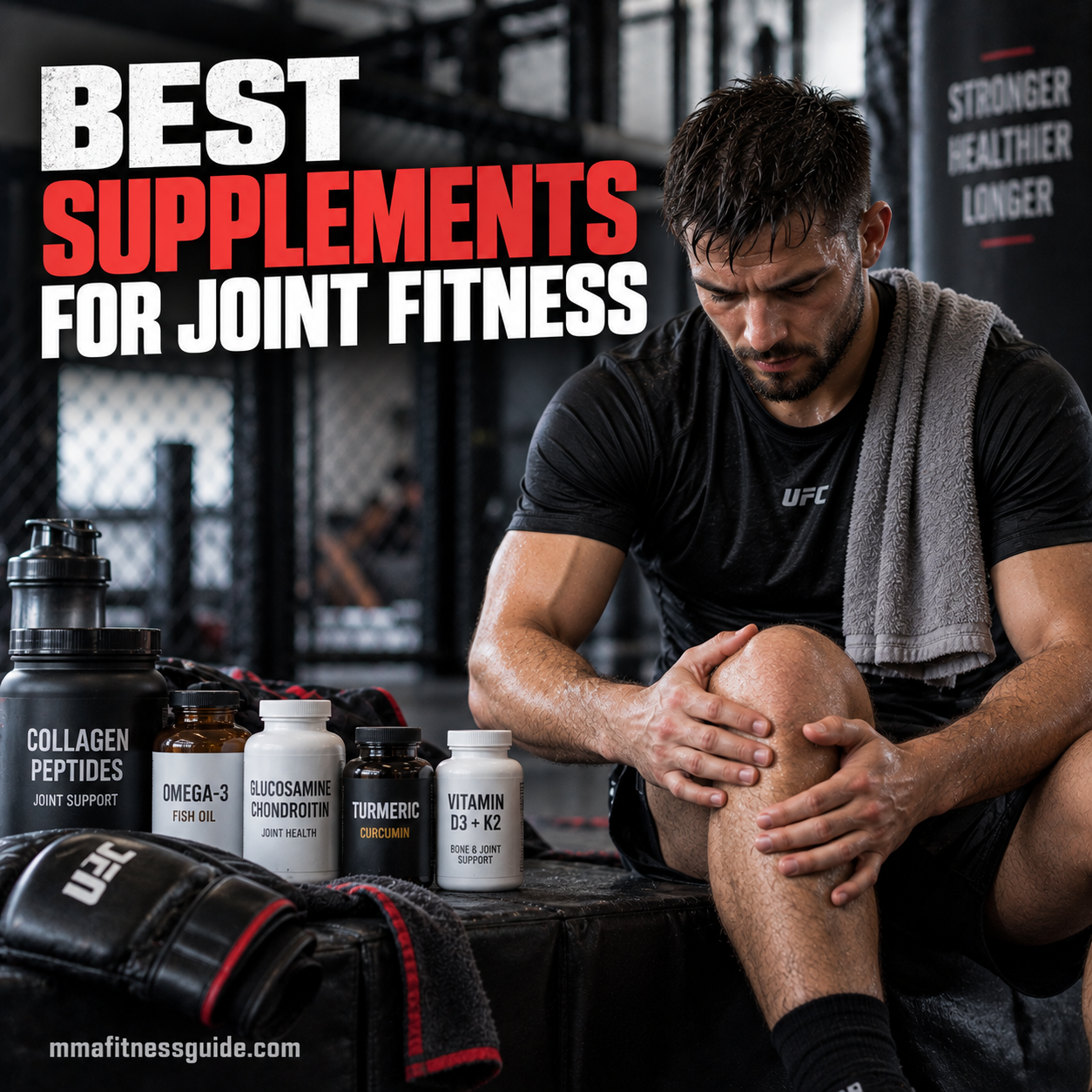
Joint supplements may complement strength training and recovery, although their effectiveness varies and they cannot replace appropriate injury care.
Introduction
A sore knee after wrestling, a stiff shoulder following heavy bag work, or an aching elbow after repeated armbar drills can make the next training session uncomfortable. MMA places repeated stress on joints through striking, takedowns, grappling, and strength training, leaving fighters to manage discomfort while maintaining their training schedules.
Supplements such as collagen peptides, omega-3 fatty acids, glucosamine, and curcumin are frequently marketed for joint support. Some have shown potential benefits for specific joint conditions, but results vary, and evidence from people with osteoarthritis does not necessarily apply to healthy combat sports athletes.
No supplement can compensate for excessive training loads, poor technique, or an untreated joint injury. However, addressing nutritional deficiencies and considering supplements with appropriate evidence may complement strength training, adequate recovery, and injury prevention.
For fighters dealing with recurring stiffness or looking to support long-term joint health, the priority is understanding which supplements have meaningful research behind them, what their limitations are, and when persistent pain requires medical attention rather than another product.
A well-planned plant-based diet can provide the protein, carbohydrates, and essential nutrients needed to support MMA training.
You finish a morning wrestling session, grab a quick lunch, and head back to the gym for striking practice that evening. By the second session, your legs feel heavy and your energy is fading.
If you’re eating a plant-based diet, it’s tempting to blame the absence of meat. But the more useful questions are simpler: Did you eat enough calories? Were there enough carbohydrates to support both sessions? Did you get sufficient protein throughout the day?
A plant-based diet can support the strength, conditioning, and recovery demands of mixed martial arts. It can also leave a fighter underfueled if meals aren’t planned around training.
The distinction matters. Eating more plants doesn’t automatically improve cardio, reduce inflammation, or accelerate recovery. Those outcomes depend on the overall diet, training program, sleep, and individual nutritional needs.
For MMA fighters, the objective is to build a practical eating pattern that provides enough energy and essential nutrients without making every meal a complicated calculation.
A fighter fueling her body with quick, clean energy before stepping into sparring rounds.
Introduction
Sparring demands the highest combination of skills you’ll use in MMA — speed, timing, explosiveness, cardio, focus, and reaction time. But even skilled fighters underperform when they show up under-fueled. The right pre-sparring meal can make the difference between sharp and sluggish, between controlled rounds and getting gassed halfway through.
Fueling your body properly isn’t complicated, but it does require timing and smart choices. Here’s how to eat before sparring so you feel powerful, focused, and conditioned when the rounds begin.
A fighter choosing quick, portable snacks to stay fueled between training sessions.
Introduction
Fighters have busy schedules. Between training sessions, work, school, and recovery, there isn’t always time for full meals. That’s why having healthy, portable snack options is crucial. Good snacks keep your energy steady, support muscle repair, and prevent you from reaching for junk food when you’re hungry and rushed.
Here are the best grab-and-go snacks for fighters who need fuel fast — without sacrificing nutrition.
Replacing fluids and electrolytes after heavy sweating helps MMA fighters maintain hydration and support recovery.
Introduction
You’re halfway through a demanding MMA session. Your shirt is soaked, your grip feels weaker, and maintaining the same pace during grappling rounds is becoming difficult. You’ve been drinking water throughout practice, but the combination of heat, sweat loss, and accumulated fatigue is starting to affect your performance.
Sweat contains more than water. It also carries electrolytes, particularly sodium and chloride, which help regulate fluid balance, nerve signaling, and muscle contractions. During prolonged training or sessions in hot environments, substantial sweat losses can increase the need to replace both fluids and sodium.
Drinking water alone may not be sufficient when sweat losses are high. However, electrolyte needs vary depending on training duration, intensity, environmental conditions, and individual sweat rates. Excessive water intake without adequate sodium replacement can also create dangerous imbalances.
For MMA fighters, an effective hydration strategy means understanding when water is enough, when electrolyte replacement becomes useful, and how to recover from heavy sweating without compromising health or performance.
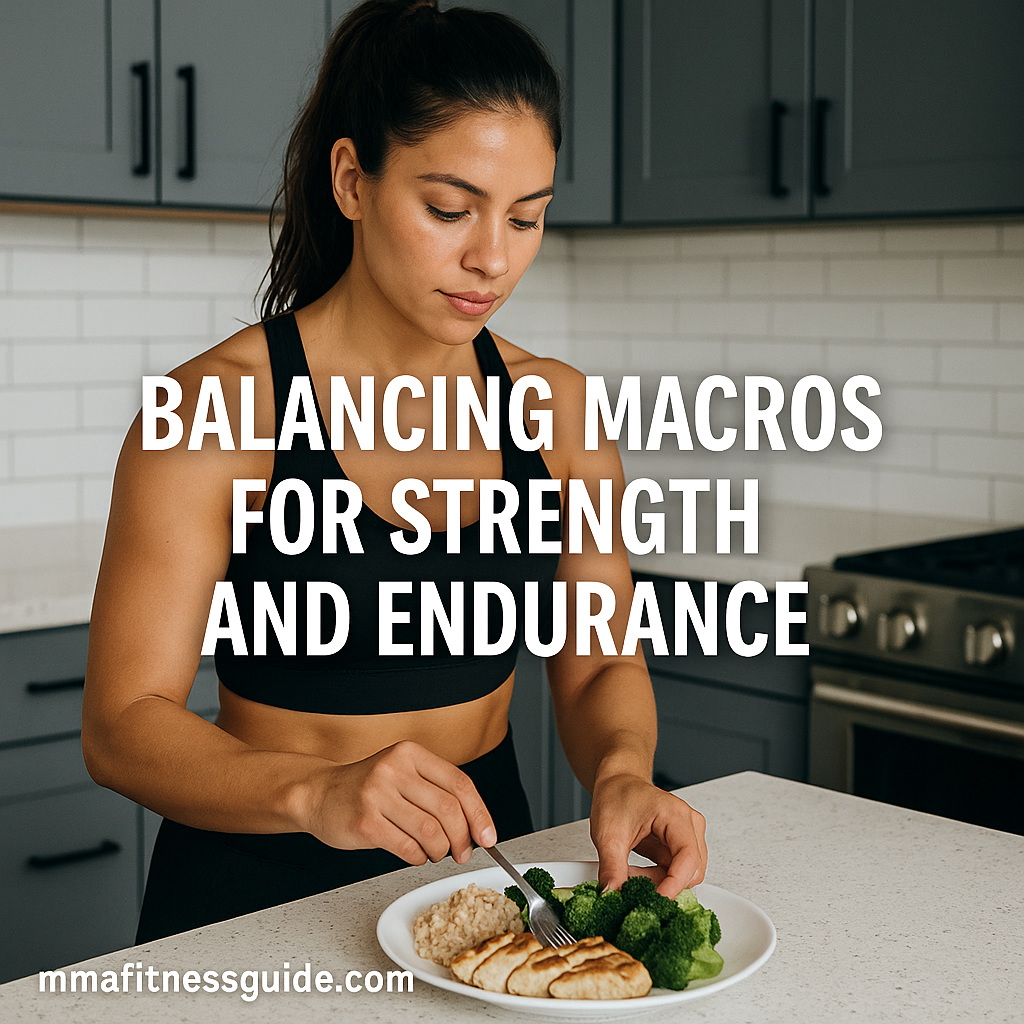
A fighter preparing a balanced macro-focused meal to support both strength and endurance training.
Introduction
Fighters need a unique mix of strength, power, and endurance. That means your nutrition has to support heavy lifting, explosive movements, long training sessions, and fast recovery. Balancing your macros — protein, carbs, and fats — helps your body perform at its best without feeling sluggish or burned out.
You don’t need a strict diet or complicated formulas. With a basic understanding of how each macro works and how to mix them, you can fuel every session and stay consistent week after week.
Here’s a simple guide to balancing macros for strength and endurance.
A fighter enjoying a simple, balanced meal to support recovery on his rest day.
Introduction
Rest days are just as important as training days. Your body repairs muscle, restores energy, and recovers from the stress of hard workouts. But many fighters aren’t sure how to eat when they’re not training. Do you cut calories? Eat normally? Change macros?
The good news is that rest-day nutrition is straightforward. You don’t need strict rules — just a few simple adjustments to support recovery while keeping energy levels steady.
Here’s what fighters typically eat on rest days and how you can structure your meals.
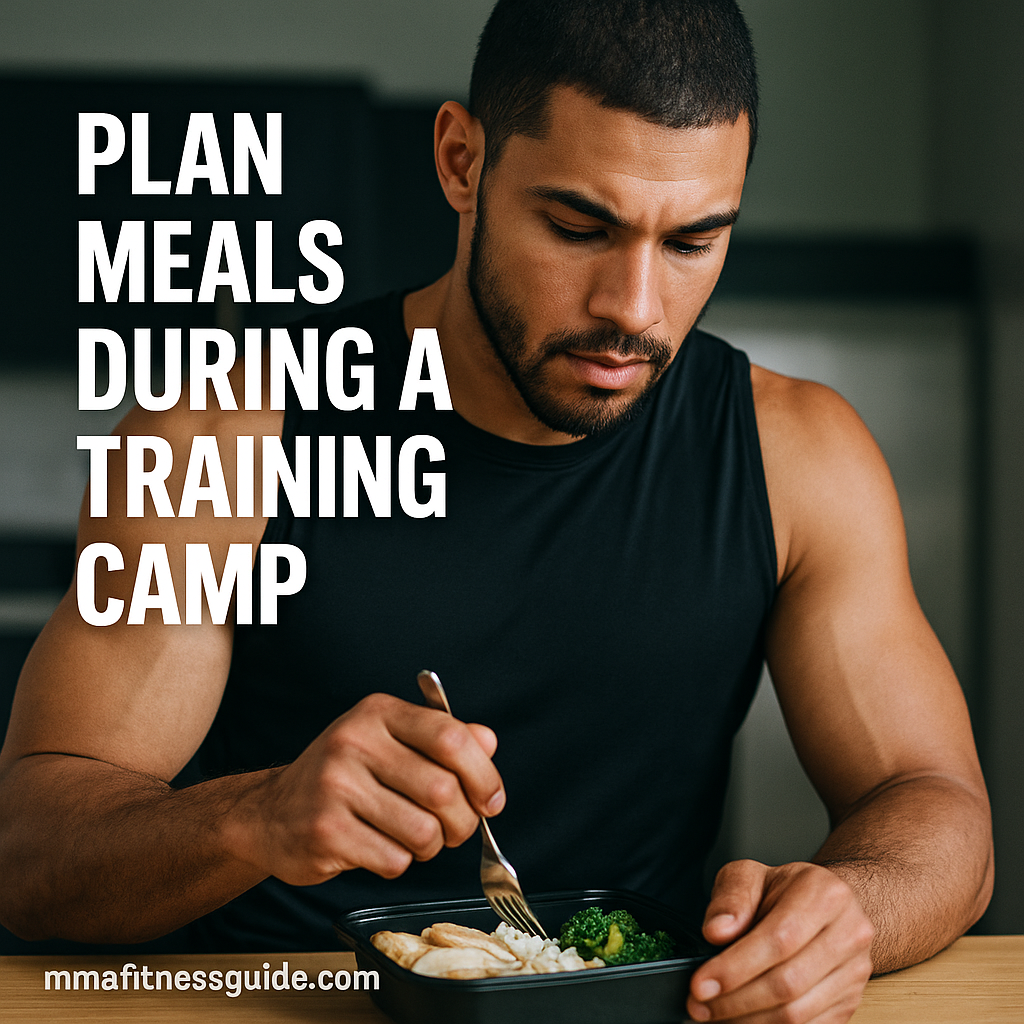
A fighter preparing a simple, balanced meal to support training camp performance.
Introduction
Nutrition becomes especially important during a training camp. Your body works harder, recovers slower, and needs consistent fuel to keep up with tough sessions. The good news is that meal planning doesn’t have to be complicated. With a simple structure and a few balanced meals, you can stay energized, recover better, and avoid the stress of figuring out what to eat every day.
Below is a beginner-friendly guide on how to plan meals during an MMA training camp.
A combat athlete using key vitamins to support performance, recovery, and overall training health.
Introduction
Combat sports training puts a lot of stress on your body. Hard sessions, sparring, conditioning, and weight cuts all increase your need for certain nutrients—especially vitamins. While a balanced diet should always come first, the right vitamins can support energy levels, recovery, and general health so you can train more consistently.
Below is a simple, clear breakdown of the vitamins that matter most for fighters and how they help your body handle the demands of MMA training.